
Choosing the right studio headphones for editing involves balancing sound accuracy, comfort, durability, and budget. The Beyerdynamic DT 770 PRO 80 Ohm stands out as the best overall for its reliable sound profile and comfort during long sessions. For open-back lovers, the beyerdynamic DT 990 Pro 250 Ohm offers a spacious soundstage, ideal for mixing. The main tradeoffs in this category include sound fidelity versus comfort, sealed versus open-back designs, and price versus durability. Keep reading to see how these options compare and which might fit your editing setup best.
Complete the kit


Key Takeaways
- The best studio headphones for editing prioritize flat frequency response to ensure accurate sound reproduction.
- Open-back models generally offer a more natural and spacious sound, but less isolation, making them better suited for mixing rather than tracking.
- Comfort and build quality are critical for long editing sessions; heavier or less padded models can cause fatigue.
- Price ranges vary widely, but investing in a slightly more expensive pair often yields better sound fidelity and durability.
- Different use cases—such as tracking, mixing, or casual editing—may require different headphone types; choose based on primary activity.
| Beyerdynamic DT 770 PRO 80 Ohm Over-Ear Studio Headphones |  | Best Overall for Versatile Studio Monitoring | Impedance: 80 Ohm | Design: Over-Ear, Closed-Back | Color: Gray | VIEW ON AMAZON | See Our Full Breakdown |
| beyerdynamic DT 990 Pro (250 Ohm) Open-Back Studio Headphones, Black |  | Best for Critical Mixing with Natural Stereo Imaging | Impedance: 250 Ohms | Frequency Response: 5 – 35,000 Hz | Cable: 3m coiled cable | VIEW ON AMAZON | See Our Full Breakdown |
| Audio-Technica ATH-M40x Professional Studio Monitor Headphones, Black |  | Best for Versatile Monitoring with Durable Build | Driver Size: 40mm | Design: Circumaural | Swiveling Earcups: 90 degrees | VIEW ON AMAZON | See Our Full Breakdown |
| Audio-Technica ATH-M20x Professional Studio Monitor Headphones, Black |  | Best for Entry-Level Studio Monitoring | Driver Size: 40mm | Design: Circumaural | Cable Exit: Single side | VIEW ON AMAZON | See Our Full Breakdown |
| Audio-Technica ATH-M50X Professional Studio Monitor Headphones, Black |  | Best for Critical Listening and Deep Bass | Driver Size: 45 mm | Design: Circumaural | Swiveling Earcups: 90 degrees | VIEW ON AMAZON | See Our Full Breakdown |
| AKG K240 Studio Semi-Open Studio Headphones | 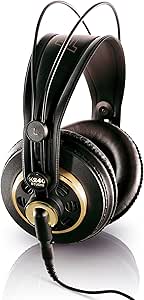 | Best Overall for Accurate Studio Monitoring | Connectivity: Stereo 1/8″ connector, screw-on 1/4″ adapter, 3M cable | Transducer Size: 30 mm XXL transducers | Design: Semi-open, over-ear, circumaural pads | VIEW ON AMAZON | See Our Full Breakdown |
| Sony MDR7506 Professional Large Diaphragm Headphones |  | Best for Portable Studio Use | Driver Size: 40 mm | Frequency Response: 10 Hz to 20 kHz | Cord Length: 9.8 feet | VIEW ON AMAZON | See Our Full Breakdown |
| Sennheiser HD 280 Pro Headphones, Black |  | Best Noise Attenuation for Critical Listening | Brand: Sennheiser | Model Number: 506845 | Frequency Response: Extended | VIEW ON AMAZON | See Our Full Breakdown |
| Audio-Technica ATH-M30x Professional Studio Monitor Headphones, Black |  | Best Budget-Friendly Mid-Range Monitoring | Driver Size: 40 mm | Magnet Type: Rare earth magnets | Design: Circumaural, foldable | VIEW ON AMAZON | See Our Full Breakdown |
| studio headphones for editing | Design | Driver Size |
|---|---|---|
| Beyerdynamic DT 770 PRO 80 Ohm | Over-Ear, Closed-Back | — |
| beyerdynamic DT 990 Pro | — | — |
| Audio-Technica ATH-M40x Profes | Circumaural | 40mm |
| Audio-Technica ATH-M20x Profes | Circumaural | 40mm |
| Audio-Technica ATH-M50X Profes | Circumaural | 45 mm |
| AKG K240 Studio Semi-Open Stud | Semi-open, over-ear, circumaural pads | — |
| Sony MDR7506 Professional Larg | Foldable, closed ear | 40 mm |
| Sennheiser HD 280 Pro Headphon | — | — |
| Audio-Technica ATH-M30x Profes | Circumaural, foldable | 40 mm |
More Details on Our Top Picks
Beyerdynamic DT 770 PRO 80 Ohm Over-Ear Studio Headphones
The Beyerdynamic DT 770 PRO 80 Ohm headphones stand out for their exceptional sound isolation and comfort, making them ideal for detailed recording and monitoring tasks. Unlike the Audio-Technica ATH-M50X, which offers more bass emphasis, the DT 770 PRO provides a flatter frequency response suited for critical listening. Its closed-back design minimizes sound leakage, but it requires a dedicated audio interface or headphone amp due to its 80-ohm impedance—something casual users on smartphones might find inconvenient. The velour ear pads ensure comfort during long sessions, a feature that surpasses the more basic padding on some alternatives. However, the need for external amplification can be a hurdle for those seeking plug-and-play simplicity. Overall, this headphone is best for professionals who prioritize accurate monitoring over portability.
Pros:- Excellent sound isolation for recording environments
- Comfortable velour ear pads for extended use
- Suitable for use with professional audio interfaces
Cons:- Requires a headphone amp or audio interface for optimal sound
- Impedance may be high for casual or portable use
Best for: Audio engineers and producers needing reliable, long-term studio monitoring.
Not ideal for: Casual listeners or mobile users on low-power devices who need high volume without additional gear.
- Impedance:80 Ohm
- Design:Over-Ear, Closed-Back
- Color:Gray
- Cable:3m straight cable
- Adapter:1/4-inch adapter
- Made in:Germany
Our verdict“This model is perfect for professionals who demand accurate sound and comfort during long studio sessions.”
beyerdynamic DT 990 Pro (250 Ohm) Open-Back Studio Headphones, Black
The beyerdynamic DT 990 Pro (250 Ohm) headphones excel in delivering a wide stereo image and natural sound, making them highly suitable for mixing and mastering. Compared to the closed-back Beyerdynamic DT 770 PRO, these open-back headphones offer a more spacious soundstage, but at the expense of sound leakage, which can be problematic in shared spaces. Their high impedance (250 Ohms) means they require a powerful headphone amp or audio interface—less convenient for portable or casual use. The velour ear pads and adjustable headband provide comfort for hours, but their open design reduces noise isolation, not ideal for noisy environments. If your priority is high-fidelity sound with a broad soundstage, these are a top choice, but they’re less practical outside a dedicated studio setting.
Pros:- Exceptional open-back sound with spacious stereo image
- Comfortable velour ear pads for long sessions
- Ideal for professional mixing and mastering
Cons:- Requires a headphone amp or high-power audio interface
- Open-back design leaks sound and reduces noise isolation
Best for: Mixing engineers and mastering specialists seeking natural stereo imaging.
Not ideal for: Mobile users or those needing sound isolation in noisy environments.
- Impedance:250 Ohms
- Frequency Response:5 – 35,000 Hz
- Cable:3m coiled cable
- Adapter:1/4-inch adapter
- Material:Velour ear pads
- Country of Manufacture:Germany
Our verdict“Best suited for critical listening in quiet, controlled studio environments.”
Audio-Technica ATH-M40x Professional Studio Monitor Headphones, Black
The Audio-Technica ATH-M40x headphones provide a balanced, professional-grade sound with excellent sound isolation, making them suitable for tracking and mixing. They are more versatile than the ATH-M20x due to their swiveling earcups, which allow for one-ear monitoring, and their detachable cables, which add convenience in a busy studio. Compared to the ATH-M50X, they offer less bass emphasis, which can be an advantage or disadvantage depending on your focus. The sturdy construction and comfortable padding support extended use, but their over-ear design may be bulky for those who prefer lightweight, portable options. Overall, these headphones excel in providing reliable, detailed sound for demanding studio tasks without excessive cost.
Pros:- Excellent sound isolation for loud environments
- Swiveling earcups for versatile monitoring
- Detachable cables for quick replacements
Cons:- Larger, less portable than in-ear models
- No active noise cancellation
Best for: Studio professionals needing versatile, reliable monitoring headphones for tracking and mixing.
Not ideal for: On-the-go users or casual listeners who prefer lightweight, portable headphones.
- Driver Size:40mm
- Design:Circumaural
- Swiveling Earcups:90 degrees
- Included Cables:Detachable
- Material:Pro-grade ear pads and headband
Our verdict“A solid choice for studio professionals needing durable, versatile monitoring headphones.”
Audio-Technica ATH-M20x Professional Studio Monitor Headphones, Black
The ATH-M20x headphones provide a straightforward, reliable monitoring experience for beginners or those on a budget. Their 40mm drivers focus on delivering solid low-frequency response, making them suitable for tracking and basic mixing. Compared to the ATH-M40x, they lack the swiveling earcups and detachable cables, which limits versatility but keeps costs lower. The circumaural design offers good sound isolation, but their bulk may be less comfortable over long sessions, especially for lighter users. These headphones are best for learners or amateurs who want decent sound quality without complex features, but they aren’t designed for critical mastering or portable use in noisy settings.
Pros:- Good low-frequency response for tracking
- Solid build quality for the price
- Effective sound isolation for studio environments
Cons:- Lacks swiveling earcups and detachable cables
- Less comfortable for extended wear
Best for: Beginners and students learning to monitor sound accurately on a budget.
Not ideal for: Experienced engineers or mobile professionals needing lightweight or portable options.
- Driver Size:40mm
- Design:Circumaural
- Cable Exit:Single side
Our verdict“Ideal for entry-level users seeking reliable, straightforward studio monitoring.”
Audio-Technica ATH-M50X Professional Studio Monitor Headphones, Black
The ATH-M50X headphones are widely regarded for their punchy bass and detailed clarity across the frequency spectrum. Compared with the ATH-M40x, they provide more bass emphasis and a slightly more neutral midrange, making them versatile for both mixing and casual listening. Their large 45mm drivers and swiveling earcups ensure comfort during long sessions, and the detachable cable adds practicality. However, their size and weight can be cumbersome for portable use, and they may not be as neutral as open-back designs for critical mastering. For those who prioritize a balanced mix with impactful low end, the ATH-M50X offers an excellent balance of quality and durability.
Pros:- Excellent sound quality with deep bass and clarity
- Comfortable for long listening sessions
- Detachable cable for durability
Cons:- Bulky for portable use
- Requires a quiet environment for best accuracy
Best for: Producers and sound engineers focused on mixing with an emphasis on bass and clarity.
Not ideal for: Travelers or casual listeners seeking lightweight, portable headphones.
- Driver Size:45 mm
- Design:Circumaural
- Swiveling Earcups:90 degrees
- Cable:Detachable
- Color:Black
Our verdict“Best suited for professionals who need a durable, high-fidelity headphone for studio mixing and monitoring.”
AKG K240 Studio Semi-Open Studio Headphones
The AKG K240 Studio headphones stand out for their balanced sound profile, offering a wide dynamic range that is well-suited for mixing and mastering. Compared with the Sennheiser HD 280 Pro, which emphasizes noise isolation, the K240’s semi-open design provides a more natural, open soundstage ideal for critical listening. Their adjustable headband and comfortable over-ear pads support long sessions without fatigue, and durable construction ensures they withstand frequent use in busy studios. However, the semi-open design can leak sound and isn’t ideal for noisy environments, and handling requires care due to their professional-grade build. This pick makes the most sense for audio engineers who prioritize sound accuracy over isolation.
Pros:- Exceptional sound clarity with wide dynamic range
- Comfortable for extended use via adjustable headband and padded ear cups
- Versatile connectivity for studio and portable devices
- Robust construction built for frequent professional use
Cons:- Semi-open design causes sound leakage, unsuitable for quiet or noisy settings
- Requires careful handling to avoid damage due to professional-grade materials
Best for: Professional audio engineers and mixing artists who need transparent sound with long-term comfort.
Not ideal for: Casual listeners or those working in noisy environments needing isolation and soundproofing.
- Connectivity:Stereo 1/8″ connector, screw-on 1/4″ adapter, 3M cable
- Transducer Size:30 mm XXL transducers
- Design:Semi-open, over-ear, circumaural pads
- Durability:Built for professional studio use
- Additional Features:Self-adjusting headband, convertible jack plug
Our verdict“This is the best choice for professionals who need accurate, natural sound reproduction with comfort for long sessions.”
Sony MDR7506 Professional Large Diaphragm Headphones
The Sony MDR7506 headphones are favored for their detailed sound with a broad frequency response, making them ideal for tracking and editing in various environments. Unlike the Audio-Technica ATH-M30x, which emphasizes mid-range clarity, the MDR7506 offers a slightly brighter sound signature that helps identify subtle mix elements. Their foldable design enhances portability, and including a 1/4″ adapter broadens compatibility with professional gear. However, the non-detachable cord can be less convenient for mobility, and their wired nature limits movement during sessions. This model makes the most sense for field recording, where portability and detailed sound are priorities.
Pros:- High-resolution sound with detailed frequency response
- Foldable design for easy transport and storage
- Includes 1/4″ adapter for professional gear compatibility
- Comfortable fit for long editing sessions
Cons:- Non-detachable cable reduces convenience and durability
- Wired connection limits movement during editing or mixing
Best for: Recording engineers and mobile editors who need portable, detailed headphones with reliable performance.
Not ideal for: Home studio users seeking wireless convenience or casual listening experiences.
- Driver Size:40 mm
- Frequency Response:10 Hz to 20 kHz
- Cord Length:9.8 feet
- Connectivity:Wired
- Included Accessories:1/4 inch adapter
- Design:Foldable, closed ear
Our verdict“Ideal for professionals needing portable, detailed listening with durability for on-the-go use.”
Sennheiser HD 280 Pro Headphones, Black
The Sennheiser HD 280 Pro headphones excel at noise reduction, providing up to 32 dB of attenuation, making them ideal for environments with background noise. Their lightweight, ergonomic design ensures comfort during long editing sessions, and the replaceable ear pads and headband padding support durability. Compared with the Audio-Technica ATH-M30x, which offers more mid-range clarity, the HD 280 Pro emphasizes natural sound reproduction with a warm tone, suitable for detailed listening and monitoring. The long coiled cable adds flexibility but can feel bulky, and the wired design limits mobility. This option is perfect for editors working in noisy or shared spaces where noise isolation is essential.
Pros:- Outstanding noise cancellation up to 32 dB
- Ergonomic, lightweight, and comfortable for long periods
- Replaceable ear pads and headband padding increase lifespan
- Collapsible for easy storage and transport
Cons:- Wired connection limits mobility
- Bulky design may feel cumbersome for some users
Best for: Audio professionals working in environments with significant background noise or needing excellent sound isolation.
Not ideal for: Users seeking lightweight, portable headphones or wireless convenience for casual editing.
- Brand:Sennheiser
- Model Number:506845
- Frequency Response:Extended
- Sound Reproduction:Warm, natural
- Ear Design:Around the ear
- Cable Length:3.3 to 9.8 feet
Our verdict“Best suited for professionals who prioritize noise isolation and comfort in noisy environments.”
Audio-Technica ATH-M30x Professional Studio Monitor Headphones, Black
The Audio-Technica ATH-M30x headphones deliver reliable sound clarity with a focus on mid-range detail, making them suitable for tracking and mixing in a budget-friendly package. Unlike the Sennheiser HD 280 Pro, which excels in noise isolation, the ATH-M30x offers a more neutral sound profile that benefits detailed editing without coloration. Their collapsible, portable design makes them easy to carry between locations, and the durable construction withstands frequent use. The major tradeoff is the absence of wireless connectivity, which limits freedom of movement, and they require a good audio source to maximize their performance. This model makes sense for students or entry-level professionals needing dependable monitoring without breaking the bank.
Pros:- Reliable mid-range clarity for accurate monitoring
- Foldable, portable design for easy transport
- Durable construction with replaceable parts
- Affordable for entry-level and budget-conscious users
Cons:- No wireless or detachable cable options
- May lack the full low-end punch of higher-end models
Best for: Beginner engineers, students, or editors on a tight budget seeking solid mid-range sound.
Not ideal for: Professionals requiring wireless or high-fidelity studio-grade headphones for critical listening.
- Driver Size:40 mm
- Magnet Type:Rare earth magnets
- Design:Circumaural, foldable
- Cable Exit:Single side
- Warranty:2 years
Our verdict“A solid choice for budget-conscious users who need dependable, portable studio monitoring.”

How We Picked
These headphones were selected based on a combination of sound accuracy, comfort, build quality, user reviews, and value for money. Preference was given to models with flat frequency responses that reveal true audio detail, crucial for editing. Durability and comfort were also prioritized because editing sessions can be lengthy, requiring headphones that won’t cause fatigue. Price was a factor, but only when it aligned with significant quality or feature improvements. The ranking reflects a balance of these factors, aiming to recommend options suitable for various editing needs and budgets.| studio headphones for editing | Design |
|---|---|
| Beyerdynamic DT 770 PRO 80 Ohm | Over-Ear, Closed-Back |
| beyerdynamic DT 990 Pro | — |
| Audio-Technica ATH-M40x Profes | Circumaural |
| Audio-Technica ATH-M20x Profes | Circumaural |
| Audio-Technica ATH-M50X Profes | Circumaural |
| AKG K240 Studio Semi-Open Stud | Semi-open, over-ear, circumaural pads |
| Sony MDR7506 Professional Larg | Foldable, closed ear |
| Sennheiser HD 280 Pro Headphon | — |
| Audio-Technica ATH-M30x Profes | Circumaural, foldable |
Factors to Consider When Choosing Studio Headphones For Editing
When selecting studio headphones for editing, understanding key factors can help you make an informed choice. The right pair should deliver accurate sound reproduction, be comfortable for long periods, and suit your specific editing environment. Considering these factors carefully can prevent costly mistakes and ensure your audio work remains precise and enjoyable.Sound Accuracy and Frequency Response
The core requirement for editing headphones is a flat, neutral sound profile that reveals all audio details without coloration. Avoid headphones with exaggerated bass or treble, as these can distort your perception of the mix. Open-back designs often excel in this area by providing a more natural sound, but they lack isolation, which may be problematic in noisy environments. Conversely, closed-back models block out external noise, helping you focus, but sometimes at the expense of a slightly less natural soundstage. Prioritizing sound accuracy ensures that your edits translate well across different listening systems.
Comfort and Fit
Long editing sessions demand headphones that fit well and remain comfortable over hours. Look for models with plush ear pads, adjustable headbands, and lightweight designs. Heavy or tight-fitting headphones can cause fatigue or discomfort, which distracts from your work. Some brands emphasize ergonomic designs specifically for studio use, and trying on headphones before purchase can be valuable. Remember, comfort directly affects your ability to work efficiently and maintain focus during extended periods.
Build Quality and Durability
Studio headphones must withstand regular use and occasional transport. Metal frames, reinforced cables, and high-quality ear cups contribute to longevity. Cheaper plastic models may crack or degrade quickly, leading to additional expenses over time. It’s also worth considering replaceable cables and ear pads, which can extend the lifespan of your investment. Durable construction ensures your headphones remain reliable, especially if you move between different editing locations or studio setups.
Design Type: Open-Back vs. Closed-Back
The choice between open-back and closed-back headphones hinges on your primary use case. Open-backs, like the beyerdynamic DT 990 Pro, provide a more spacious and natural sound ideal for mixing. However, they leak sound and offer less noise isolation, making them unsuitable for noisy environments or tracking. Closed-backs, such as the Beyerdynamic DT 770 PRO, isolate sound well, preventing audio bleed, but may have a less expansive soundstage. Understanding your environment and editing needs will guide the best design choice.
Price and Value
While high-end headphones often deliver superior fidelity and durability, they come with a higher price tag. Budget models can still provide accurate sound but may compromise on comfort or build quality. Balancing cost against your specific needs is key—spending more on a trusted brand can pay off in long-term reliability. Keep in mind that investing in quality headphones can improve your editing precision and reduce fatigue, making them worth considering even at a higher price point.
Frequently Asked Questions
Are open-back headphones suitable for editing in noisy environments?
Open-back headphones are generally not suitable for noisy environments because they do not block external sound effectively. They are designed to provide a more natural, spacious sound, which is ideal for detailed editing and mixing in quiet spaces. If you work in a noisy setting, closed-back headphones are a better choice, as they help isolate external noise and prevent audio bleed, ensuring your focus stays on your work.
Should I choose headphones with a flat frequency response for editing?
Yes, a flat frequency response is essential for accurate editing because it faithfully reproduces audio without exaggerating bass, treble, or midrange frequencies. This neutrality allows you to hear the true balance of your mix, making it easier to identify issues. Headphones with a colored sound profile can mislead your perception and lead to mixes that don’t translate well to other playback systems.
Is comfort more important than sound fidelity for long editing sessions?
Both comfort and sound fidelity are vital, but comfort often takes precedence over extended periods. If headphones cause discomfort or fatigue, your focus and precision suffer, risking mistakes. High-quality, ergonomic designs with soft padding and adjustable fit help maintain concentration. However, sacrificing sound accuracy for comfort is rarely advisable, so look for models that balance both factors effectively.
How important is durability when choosing studio headphones?
Durability is very important because studio headphones are an investment that should last for years. Frequent use, transport, and adjustments can wear down cheaper models quickly. Choosing a well-built pair with reinforced cables and sturdy materials protects your investment and reduces replacement costs. Reliable construction also means fewer disruptions during critical editing sessions caused by equipment failure.
Can I use regular consumer headphones for editing?
While some consumer headphones might seem suitable, they often lack the flat response needed for accurate editing. Many consumer models boost certain frequencies to sound more appealing, which can distort your mix. Professional studio headphones are specifically tuned for neutrality, making them a better choice for editing. Investing in dedicated studio headphones ensures your work translates correctly across all listening environments.
Conclusion
For those seeking the best overall performance, the Beyerdynamic DT 770 PRO 80 Ohm provides a balanced mix of accuracy, comfort, and durability. Beginners or casual editors might prefer the more affordable Audio-Technica ATH-M40x for its neutrality and comfort. Professionals needing top-tier soundstage and detail will find the beyerdynamic DT 990 Pro an excellent choice, despite its open-back design. Budget-conscious buyers should consider the Audio-Technica ATH-M20x for reliable sound at a lower price. Ultimately, your choice depends on your environment, budget, and editing focus—matching the right headphone to your specific needs ensures smoother, more precise workflows.