Ultralight camping tents split into two camps: featherweight trekking pole shelters that shave every gram, and freestanding dome tents that trade a few ounces for convenience. In this comparison, the Naturehike Star Trail Ultralight stands out as the best overall pick thanks to its 2.3lb packed weight paired with real weather protection, while the Underwood Aggregator Trekking Pole Tent is the better choice for ounce-counters willing to use their poles as structure. On the value side, the Clostnature Lightweight 1-Person keeps costs low without collapsing in a breeze. The main tradeoff you’ll face in this category is weight versus livability and durability — thinner fabrics and smaller footprints cut grams but demand more care. Read on for the full breakdown of all 14 tents.

Get the latest gadgets delivered free — and shop member deals
- Fast, free delivery on millions of items
- Access to Prime Big Deal Days deals on October 6–7
- Prime Video, Amazon Music and more included
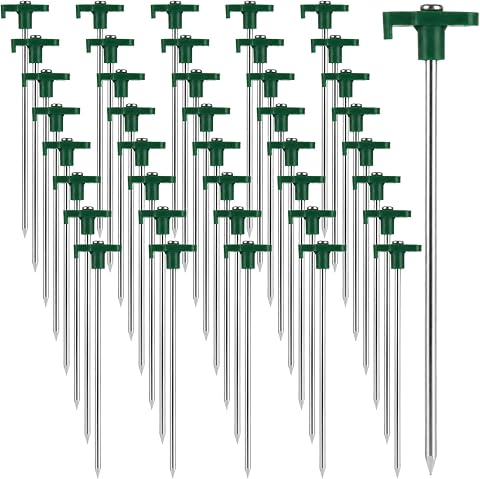
Complete the kit
Key Takeaways
- Trekking pole tents like the Underwood Aggregator consistently weigh less than pole-based designs, but they’re useless on trips where you don’t carry poles — a deciding factor several entries exposed.
- Nearly every budget tent in this lineup (Clostnature, Night Cat, Camppal) uses heavier polyester and fiberglass poles; the weight penalty is 1–2lb compared to the Naturehike Star Trail’s 20D nylon build.
- Included footprints are rare at this price range — only the CANTUO 4-season tent ships with one, which matters for protecting thin ultralight floors.
- One-person tents dominated the ultralight end of this comparison, while 2-person models like the BISINNA and JELUCAMP only stayed competitive when split between two hikers.
- Setup difficulty varied more than weight did: quick-clip dome designs (Night Cat, JELUCAMP) are far friendlier for beginners than trekking pole geometry, which needs practice and tension tuning.
| Naturehike Cloud-Up Pro 1-Person Backpacking Tent |  | Best Overall Ultralight Solo Tent | Capacity: 1 person | Weight: 3.57 lbs | Packed size: 15.3 × 5.1 × 5.1 in | VIEW ON AMAZON | See Our Full Breakdown |
| Featherstone Backpacking Tent 1-Person |  | Best Weight-to-Weather Ratio | Capacity: 1 person | Weight: 3 lbs 3 oz | Material: Silicone nylon | VIEW ON AMAZON | See Our Full Breakdown |
| Clostnature Lightweight 1-Person Backpacking Tent |  | Best Value Solo Pick | Capacity: 1 person | Material: Polyester | Waterproof coating: PU 5000 | VIEW ON AMAZON | See Our Full Breakdown |
| Night Cat Backpacking Tent — Portable 1-2 Person Hiking Tent |  | Best for Tall Campers and Beginners | Capacity: 1-2 people | Weight: 5 lbs | Packed size: 17 × 5.5 × 5.5 in | VIEW ON AMAZON | See Our Full Breakdown |
| Clostnature Lightweight Backpacking Tent (2-Person) |  | Best Lightweight Two-Person Option | Capacity: 2 people | Total weight: 5.29 lbs (2.4 kg) | Minimum trail weight: 4.52 lbs (2.05 kg) | VIEW ON AMAZON | See Our Full Breakdown |
| KAZOO Ultralight 1-Person Backpacking Tent |  | Best Eco-Conscious Solo Pick | Weight: 3.3 lbs | Capacity: 1 person | Seasons: 3 season | VIEW ON AMAZON | See Our Full Breakdown |
| CANTUO 2/3 Person Backpacking Tent |  | Best 4-Season Two-Person Shelter | Weight: 4.1 lbs | Capacity: 2-3 people | Seasons: 4 season | VIEW ON AMAZON | See Our Full Breakdown |
| JELUCAMP Dome Camping Tent for 1–2 People |  | Best for Occasional Campers | Capacity: 1-2 people | Weight: 4.3 lbs | Dimensions: 86.6 x 59.1 x 43.3 in | VIEW ON AMAZON | See Our Full Breakdown |
| Underwood Aggregator Ultralight Two-Person Trekking Pole Tent |  | Best Weight-Saving Design | Capacity: 2 people | Weight: 3.2 lbs | Dimensions: 7 ft 3 in x 4 ft 11 in x 3 ft 10 in | VIEW ON AMAZON | See Our Full Breakdown |
| Camppal 1-Person Ultralight Backpacking Tent |  | Best for Tall Solo Hikers | Capacity: 1 person | Weight: 3.75 lbs | Seasons: 4 season | VIEW ON AMAZON | See Our Full Breakdown |
| Night Cat Lightweight Waterproof Backpacking Tent for 1–2 People |  | Best for Quick Overnight Trips | Capacity: 1 person, or 1 adult and 1 child | Weight: 4.4 lb (2 kg) | Packed Size: 16.5 × 4.7 × 4.7 in | VIEW ON AMAZON | See Our Full Breakdown |
| Naturehike Star Trail Ultralight Backpacking Tent (1-Person) |  | Lightest Pick | Weight: 2.3 lbs | Capacity: 1 person | Fly Material: 10D nylon, 1500 mm+ waterproof | VIEW ON AMAZON | See Our Full Breakdown |
| BISINNA 2-Person Lightweight Waterproof Backpacking Tent |  | Best for Couples | Capacity: 2 persons | Flysheet: 190T polyester taffeta, PU2000 mm | Inner Tent: 190T polyester taffeta + B3 no-see-um mesh | VIEW ON AMAZON | See Our Full Breakdown |
| Clostnature Waterproof 2-Person Camping Tent |  | Best Budget-Friendly Starter Tent | Capacity: 2 persons | Weight: 5.29 lbs | Dimensions: 7’3″ × 4’11” × 3’10” | VIEW ON AMAZON | See Our Full Breakdown |
| ultralight camping tent | Capacity | Weight | Packed size | Dimensions |
|---|---|---|---|---|
| Naturehike Cloud-Up Pro 1-Pers | 1 person | 3.57 lbs | 15.3 × 5.1 × 5.1 in | — |
| Featherstone Backpacking Tent | 1 person | 3 lbs 3 oz | — | — |
| Clostnature Lightweight 1-Pers | 1 person | — | 15 × 5.1 × 5.1 in | 7 ft 3 in × 2 ft 8 in × 3 ft |
| Night Cat Backpacking Tent | 1-2 people | 5 lbs | 17 × 5.5 × 5.5 in | 6.8 × 3.9 × 3.6 ft |
| Clostnature Lightweight Backpa | 2 people | — | 16.5 × 5.9 × 5.9 in | 7’3" × 4’11" × 3’10" |
| KAZOO Ultralight 1-Person Back | 1 person | 3.3 lbs | 20 x 6 in | 36 x 83 x 40 in |
| CANTUO 2/3 Person Backpacking | 2-3 people | 4.1 lbs | 15.7 x 5.5 x 5.5 in | 86.6 x 59.1 x 47.2 in |
| JELUCAMP Dome Camping Tent for | 1-2 people | 4.3 lbs | — | 86.6 x 59.1 x 43.3 in |
| Underwood Aggregator Ultraligh | 2 people | 3.2 lbs | 14 x 5.5 x 5.5 in | 7 ft 3 in x 4 ft 11 in x 3 ft 10 in |
| Camppal 1-Person Ultralight Ba | 1 person | 3.75 lbs | — | Inner: 8.2 x 2.95 x 2.95 ft; Outer: 8.2 x 4.26 x 3.11 ft |
| Night Cat Lightweight Waterpro | 1 person, or 1 adult and 1 child | 4.4 lb (2 kg) | 16.5 × 4.7 × 4.7 in | — |
| Naturehike Star Trail Ultralig | 1 person | 2.3 lbs | 17.7 × 5.1 in | — |
| BISINNA 2-Person Lightweight W | 2 persons | — | 16.9 × 5.9 × 5.9 in | — |
| Clostnature Waterproof 2-Perso | 2 persons | 5.29 lbs | 16.5 × 6 × 6 in | 7’3" × 4’11" × 3’10" |
More Details on Our Top Picks
Naturehike Cloud-Up Pro 1-Person Backpacking Tent
The Cloud-Up Pro earns the top spot because it balances three things most solo tents force you to choose between: low weight, serious weather protection, and a complete accessory kit. At 3.57 lbs with a PU4000mm+ silicone-coated 20D fly and 7075 aluminum poles, it out-specs the Featherstone’s 2000mm hydrostatic head for sustained rain while staying competitive on weight. The included footprint is a real bonus — the Clostnature solo tent also ships one, but here it unlocks a modular setup: pitch fly-only for fast trips, or full double-wall when condensation matters. The B3 mesh inner and ventilation window keep airflow honest in muggy conditions. The tradeoff is that a double-layer design adds packed bulk compared to single-wall options like the Naturehike Star Trail, and one-person means zero room for a pack inside.
Pros:- Complete kit: footprint, stakes, wind ropes, and poles included
- PU4000mm+ silicone-coated fly handles sustained downpours
- 7075 aluminum poles are lighter and stronger than standard alloy
- Double-wall build plus mesh inner manages condensation well
Cons:- Packed size is bulkier than true ultralight single-wall shelters
- Single-person interior leaves no space for a pack alongside the sleeper
Best for: Solo thru-hikers and weekend backpackers who want a do-everything shelter with strong rain performance right out of the box
Not ideal for: Campers who like room to spread out — the one-person layout leaves gear to the vestibule, and taller users may find the taper tight
- Capacity:1 person
- Weight:3.57 lbs
- Packed size:15.3 × 5.1 × 5.1 in
- Fabric:20D nylon, silicone-coated
- Pole material:7075 aluminum alloy
- Design:Double-layer with B3 mesh inner
- Included accessories:Footprint, carry bag, poles, wind ropes, stakes
Our verdict“If I could recommend only one solo backpacking tent on this list for mixed conditions, this is it — the strongest all-around spec sheet with the fewest compromises.”
Featherstone Backpacking Tent 1-Person
This Featherstone sits in a sweet spot: at 3 lbs 3 oz it undercuts the Naturehike Cloud-Up Pro by roughly half a pound while keeping a double-wall build that single-wall competitors like the Underwood trekking-pole tent can’t match for condensation control. The silicone nylon fabric is the real story — it resists abrasion on rocky pitches better than the polyester used on the Clostnature and Night Cat tents here. The included footprint enables a fast-fly ultralight setup, dropping weight further when conditions allow, something the Clostnature solo tent doesn’t offer as cleanly. The honest weakness is weather ceiling: a 2000mm hydrostatic head is fine for showers but trails the Cloud-Up Pro’s PU4000mm+ rating in sustained storms, and 3-season-only means no early-winter shoulder-season trips.
Pros:- Lightest solo double-wall option in this batch at 3 lbs 3 oz
- Silicone nylon fabric is tougher against abrasion than polyester alternatives
- Footprint included for fast-fly ultralight pitching
- Double-wall construction limits condensation buildup
Cons:- 2000mm waterproof rating is modest for extended storms
- Semi-freestanding design needs staking out for a taut pitch
Best for: Weight-conscious solo hikers covering long daily miles who still want double-wall comfort and a fast-fly option
Not ideal for: Campers expecting heavy or prolonged rain and wind — the 2000mm coating and 3-season rating are the weakest weather specs among the solo picks
- Capacity:1 person
- Weight:3 lbs 3 oz
- Material:Silicone nylon
- Pole material:Aluminum
- Construction:Double-wall, semi-freestanding
- Included accessories:Footprint, gear loft
Our verdict“The pick for ounce-counters who refuse to give up double-wall ventilation — just pair it with realistic weather expectations.”
Clostnature Lightweight 1-Person Backpacking Tent
Where the Featherstone wins on grams, this Clostnature wins on completeness and cost-efficiency. It ships with 14 aluminum stakes, four guy lines, and a pole repair kit — a kit that rivals the Naturehike Cloud-Up Pro’s bundle at a friendlier price. The PU 5000 coating with factory-sealed seams actually beats the Cloud-Up Pro’s rating on paper, and the freestanding, two-pole structure pitches fast on rocky ground where staking is awkward. The catch is the scale: a 4 lb total weight makes it the heaviest solo option in this lineup, and only the stripped 2.97 lb minimum trail weight gets it into ultralight territory — meaning you carry more unless you leave components behind. Compared with the Night Cat solo tent, you get better waterproofing, but less interior room for tall campers.
Pros:- PU 5000 coating with sealed seams is top-tier rain protection for the category
- Freestanding two-pole design pitches quickly on any surface
- Generous accessory kit including stakes, guy lines, and repair kit
- Mesh walls and vestibule add airflow plus covered gear storage
Cons:- 4 lb total weight is at the heavy end for a solo ultralight shelter
- Polyester construction is less abrasion-resistant than silicone nylon
Best for: Budget-minded solo backpackers and bikepackers who want a fully outfitted, freestanding shelter without paying premium prices
Not ideal for: Ultra-gram counters — at 4 lbs packed weight it’s noticeably heavier than the Featherstone or Cloud-Up Pro once everything is in the bag
- Capacity:1 person
- Material:Polyester
- Waterproof coating:PU 5000
- Total weight:4 lbs (1.8 kg)
- Minimum trail weight:2.97 lbs (1.35 kg)
- Packed size:15 × 5.1 × 5.1 in
- Dimensions:7 ft 3 in × 2 ft 8 in × 3 ft
- Poles:2 aluminum poles
- Warranty:1 year
Our verdict“The smart buy if weatherproofing and included gear matter more to you than shaving every last ounce.”
Night Cat Backpacking Tent — Portable 1-2 Person Hiking Tent
Most solo tents in this roundup punish tall people, but the Night Cat’s pre-bent pole design creates vertical walls that make a genuine difference — the 6.8 ft length and 3.6 ft peak height let a six-footer sit up and change clothes without a struggle, something the tapered Clostnature solo tent can’t manage. Setup is the other selling point: a simple pole-sleeve-and-clip system that a first-time camper can pitch in minutes, which positions it as the beginner-friendly entry alongside the JELUCAN dome. The tradeoff is weight — at 5 lbs it’s the heaviest option in this batch, closer to the Clostnature 2-person tent than to any true ultralight shelter, and its PU3000mm coating sits mid-pack between the Featherstone and the Clostnature models. Call it a livability-first choice, not a gram-counting one.
Pros:- Pre-bent poles create genuinely usable headroom for tall users
- Quick pole-sleeve-and-clip setup suited to first-time campers
- PU3000mm waterproofing with metal stakes and guylines for wind
- Door and side mesh panels keep airflow moving without bugs
Cons:- 5 lb weight is the heaviest in this solo-focused lineup
- Less packable than lighter solo competitors at 17 in packed length
Best for: Tall or claustrophobe-prone campers and beginners who value interior space and easy pitching over minimum weight
Not ideal for: Long-distance thru-hikers — at 5 lbs it carries like a two-person tent while sleeping like a roomy one-person
- Capacity:1-2 people
- Weight:5 lbs
- Packed size:17 × 5.5 × 5.5 in
- Dimensions:6.8 × 3.9 × 3.6 ft
- Material:190T polyester with 150D oxford floor
- Poles:2 aluminum poles
Our verdict“Choose this when camp comfort and easy setup outrank weight — skip it if every ounce in your pack is budgeted.”
Clostnature Lightweight Backpacking Tent (2-Person)
For pairs, this Clostnature makes the most sense as the weight-splitting two-person shelter: at 5.29 lbs total — about 2.6 lbs per hiker — it beats carrying two solo tents like the Featherstone or Cloud-Up Pro combined. The layout is where it separates itself from the CANTUO 2/3-person tent: two D-shaped doors and two side vestibules mean neither sleeper climbs over the other at night, and both get covered gear storage. The PU 5000 coating with sealed seams matches its solo sibling’s weather protection, and a 4.52 lb minimum trail weight rewards minimalists willing to leave stakes and extras behind. Compared with the BISINNA 2-person tent, the dual-door design is the practical edge. The honest downsides: it’s still a 3-season polyester shelter, and its packed size is the longest in this batch at 16.5 inches.
Pros:- Two D-shaped doors and two vestibules eliminate crawl-over disruptions
- 5.29 lbs total splits to roughly 2.6 lbs per person
- PU 5000 sealed construction handles sustained rain confidently
- 4.52 lb minimum trail weight trims load for minimalists
Cons:- Packed length of 16.5 in is bulky for smaller packs
- Polyester 3-season build limits shoulder-season and high-wind use
Best for: Pairs and duo backpackers who want to split shelter weight and avoid the door-blocking problems of single-door two-person tents
Not ideal for: Solo ultralight purists — even split, it’s heavier than a dedicated solo shelter, and car campers will find lighter-featured cabin tents more comfortable
- Capacity:2 people
- Total weight:5.29 lbs (2.4 kg)
- Minimum trail weight:4.52 lbs (2.05 kg)
- Packed size:16.5 × 5.9 × 5.9 in
- Dimensions:7’3″ × 4’11” × 3’10”
- Poles:2 aluminum
- Doors / vestibules:2 D-shaped doors, 2 vestibules
Our verdict“The obvious pick for two hikers sharing a load — its dual-door layout alone justifies choosing it over two solo tents.”
KAZOO Ultralight 1-Person Backpacking Tent
This option stands out for its GRS-certified recycled fabrics — a genuine rarity in the budget ultralight category, where most competitors like the Clostnature 1-Person use conventional polyester. At 3.3 lbs with a single integrated aluminum pole and clip attachments, it lands between the lighter Naturehike Star Trail (2.3 lbs) and the heavier Camppal solo tent (3.75 lbs), trading a few ounces for a roomier 40-inch peak. The 3000mm waterproof double-layer build with sealed joints handles sustained rain better than most single-wall designs. The tradeoff is comfort margin: the 36-inch floor width is snug, and hand-wash-only care adds maintenance friction after muddy trips.
Pros:- Full double-layer construction with 3000mm waterproofing and sealed joints
- Made from 100% GRS-certified recycled ripstop fabric
- Single integrated pole with clips makes setup fast and foolproof
- Freestanding design works on rock, sand, and platforms where staking is impossible
Cons:- Only 36 inches of floor width — very tight for larger sleepers
- Hand wash only, which is inconvenient for frequent campers
Best for: Solo backpackers who want durable waterproofing and recycled materials without paying premium cottage-brand prices
Not ideal for: Anyone who wants elbow room — the 36-inch width feels tight with a wide sleeping pad and gear inside
- Weight:3.3 lbs
- Capacity:1 person
- Seasons:3 season
- Water Resistance:3000 mm
- Pole Material:Aluminum
- Dimensions:36 x 83 x 40 in
- Packed Size:20 x 6 in
- Design:Freestanding, double layer
Our verdict“A smart buy for the weight-conscious solo hiker who cares about sustainability but still wants real storm-worthiness.”
CANTUO 2/3 Person Backpacking Tent
For buyers who refuse to choose between weight and weather protection, this model makes the strongest case in this batch. The 20D ripstop nylon fly and floor both carry a PU 4000mm+ silicone coating — outclassing the KAZOO’s 3000mm and the Camppal’s 3500-4000mm — while taped corner seams and a single 7001 aluminum pole keep the whole package at 4.1 lbs. Compared with the BISINNA 2-Person, the CANTUO pulls ahead on organization: six interior pockets, dual doors, and two vestibules mean two campers never climb over each other at 2 a.m. The included footprint adds floor longevity, though it’s extra weight to carry when every ounce counts. Calling it a true 4-season tent is generous for heavy snow loads, but it shrugs off wind and cold rain well.
Pros:- PU 4000mm+ silicone-coated 20D nylon on both fly and floor
- Two doors, two vestibules, and six pockets for shared-camp organization
- Includes a wear-resistant footprint tarp for floor protection
- 7001 aluminum pole weighs just 1.2 lbs and resists deformation in wind
Cons:- Not truly snow-load rated despite 4-season claims
- Footprint adds meaningful packed weight if you carry it
Best for: Two backpackers facing variable shoulder-season weather who want dual doors and genuine storm protection at a reasonable weight
Not ideal for: Weight-obsessed thru-hikers — 4.1 lbs plus a 1.3 lb footprint splits heavy between two people but punishes solo use
- Weight:4.1 lbs
- Capacity:2-3 people
- Seasons:4 season
- Water Resistance:PU 4000mm+ fly and floor
- Dimensions:86.6 x 59.1 x 47.2 in
- Packed Size:15.7 x 5.5 x 5.5 in
- Poles:7001 aluminum alloy, 8.5mm
- Vestibules:2
- Included:Footprint, 12 stakes, rainfly, compression bag
Our verdict“The most weather-ready two-person option here, best for pairs who camp in unpredictable conditions rather than fair-weather weekends.”
JELUCAMP Dome Camping Tent for 1–2 People
This pick makes the most sense for the weekend-and-holidays camper rather than the mileage-counting backpacker. At 4.3 lbs it’s the heaviest shelter in this batch — over a pound more than the Underwood trekking pole tent — but that weight buys forgiving dome geometry and a setup that takes minutes with no technique required. The PU3000 coating matches the KAZOO’s water resistance for less money, and the double-layer mesh door handles bugs and condensation reasonably well. The honest tradeoff is the fiberglass pole set: unlike the aluminum poles on the CANTUO or Camppal, fiberglass is heavier, flexes more in wind, and can splinter rather than bend. Interior dimensions also run tight for two adults with full packs.
Pros:- Tool-free dome setup that beginners can manage in minutes
- PU3000 waterproof coating adequate for typical rain
- Double-layer mesh door keeps insects out while venting
- Roomy 43.3-inch peak height for sitting up comfortably
Cons:- Fiberglass poles are heavier and less durable than aluminum alternatives
- Fits two people only snugly — tight with gear for larger campers
Best for: Casual campers and festival-goers who camp a few times a year and prioritize easy setup over gram-counting
Not ideal for: Long-distance backpackers — the fiberglass poles and 4.3 lb weight are penalties you pay for on every mile
- Capacity:1-2 people
- Weight:4.3 lbs
- Dimensions:86.6 x 59.1 x 43.3 in
- Fabric:PU3000 waterproof-coated polyester
- Poles:7.9 mm fiberglass
- Door:Double-layer with mesh inner
- Included:Portable carrying bag
Our verdict“A low-effort shelter for occasional overnight trips, as long as you accept heavier poles in exchange for simplicity.”
Underwood Aggregator Ultralight Two-Person Trekking Pole Tent
This is the lightest two-person shelter in this roundup at 3.2 lbs, and it achieves that by doing something clever: ditching the poles entirely. If you already hike with trekking poles, the Underwood turns them into your tent’s structure — a trick the CANTUO, JELUCAMP, and every other option here can’t match. The PU 5000 coating is the highest waterproof rating in this batch, and sealed seams with two vestibules give a pair of hikers dry gear storage and real weather confidence. The obvious catch: no poles included, so you need trekking poles over 46 inches, improvised sticks, or two conveniently spaced trees. That dependency makes setup slower and site-dependent compared with a freestanding tent like the KAZOO, and pitching on exposed rock or above treeline gets awkward.
Pros:- Lightest two-person option here at 3.2 lbs
- PU 5000 coating is the strongest waterproof rating in this batch
- Two vestibules keep muddy boots and packs out of the sleeping space
- Packs down to a tiny 14 x 5.5 x 5.5 in
Cons:- Requires trekking poles, sticks, or trees — no included pole structure
- Setup is slower and more technique-dependent than freestanding rivals
Best for: Trekking-pole backpackers chasing the lowest possible pack weight for two people without sacrificing waterproofing
Not ideal for: Campers who don’t hike with poles or camp above treeline — you’ll need to carry separate support poles anyway
- Capacity:2 people
- Weight:3.2 lbs
- Dimensions:7 ft 3 in x 4 ft 11 in x 3 ft 10 in
- Packed Size:14 x 5.5 x 5.5 in
- Waterproof Coating:PU 5000
- Material:210T polyester
- Setup:Trekking poles, sticks, or suspended between trees
- Included:Tent, 8 stakes, 2 ropes, 2 pole tip protectors, storage sack
Our verdict“If you already carry trekking poles, this is the most efficient two-person weight-to-protection ratio you’ll find in this lineup.”
Camppal 1-Person Ultralight Backpacking Tent
Most solo tents quietly assume you’re under six feet — the KAZOO’s 83-inch floor works for average heights but gets cramped for taller campers. The Camppal solves this with an 8.2-foot length that leaves room for a long sleeping pad plus a pack at the foot end. It also carries 4-season intentions that the 3-season KAZOO lacks: an aluminum pole structure and 3500-4000mm water resistance with taped seams for harsher shoulder-season trips. The tradeoffs are real. The 2.95-foot peak height makes changing clothes a crouching exercise, and the single-pole design, while fast to pitch in three minutes, flexes more in violent gusts than the multi-pole CANTUO. Polyester fabric also packs bulkier than the 20D nylon alternatives.
Pros:- Extended 8.2 ft interior fits tall hikers plus gear comfortably
- 4-season rating with 3500-4000mm water resistance and taped seams
- Aluminum pole structure keeps weight at just 3.75 lbs
- Single-pole design pitches in roughly three minutes
Cons:- 2.95 ft peak height severely limits sit-up and changing room
- Single-pole frame is less stable in extreme storms than multi-pole tents
Best for: Tall solo backpackers (over six feet) who need extra length and off-season capability in one shelter
Not ideal for: Campers in exposed, storm-prone terrain — the single-pole frame is more vulnerable in extreme wind than multi-pole designs
- Capacity:1 person
- Weight:3.75 lbs
- Seasons:4 season
- Water Resistance:3500-4000 mm
- Dimensions:Inner: 8.2 x 2.95 x 2.95 ft; Outer: 8.2 x 4.26 x 3.11 ft
- Pole Material:Aluminum
- Fabric:Polyester
- Setup Time:~3 minutes
Our verdict“The pick for taller solo hikers who’ve outgrown standard-length tents and want light off-season protection without a bivy.”
Night Cat Lightweight Waterproof Backpacking Tent for 1–2 People
This option stands out for speed above everything else — a claimed setup of one to two minutes makes it faster to pitch than the BISINNA 2-Person, which realistically takes several minutes longer with two poles and a separate flysheet. At 4.4 lb, it sits in the middle of this lineup: heavier than the Naturehike Star Trail at 2.3 lb, but far more forgiving for beginners who want a simple dome structure. The PU 3000 mm rainfly with sealed seams actually out-rates the BISINNA’s PU2000 mm coating, which matters if wet weather is likely. The tradeoff is capacity — this is really a one-adult tent, with the second spot suitable only for a child. Sleeved poles also demand more patience than clip-style designs.
Pros:- Fast 1–2 minute setup and takedown
- PU 3000 mm rainfly with sealed seams beats most rivals in rain protection
- Mesh door and roof window keep condensation down
- Compact 16.5-inch packed length slips easily into a pack
Cons:- Poles must be manually threaded through sleeves, which is slower and fiddlier in wind
- Too snug for two adults — gear storage competes with sleeping space
Best for: Solo hikers or parents camping with a young child who want a fast-pitching, weather-ready shelter for short trips
Not ideal for: Two full-grown adults — the 7-foot floor leaves no comfortable room for a second adult plus gear
- Capacity:1 person, or 1 adult and 1 child
- Weight:4.4 lb (2 kg)
- Packed Size:16.5 × 4.7 × 4.7 in
- Inner Dimensions:7.0 × 3.8 × 3.6 ft
- Fabric:190T nylon with PU 3000 mm waterproof polyester rainfly
- Poles:Fiberglass with protective covers
- Setup Time:1–2 minutes
Our verdict“Choose this if you camp solo or with a kid and value rapid setup over interior space; skip it if you regularly share a tent with another adult.”
Naturehike Star Trail Ultralight Backpacking Tent (1-Person)
At 2.3 lb packed, this is the lightest shelter in the entire roundup — nearly half the weight of the Night Cat and far below the 5.29 lb Clostnature 2-Person. For thru-hikers and ounce-counters, that gap is the whole story. The 10D nylon fly and 20D floor are what make the weight possible, and the 3000 mm floor rating matches the Night Cat’s weather protection at a fraction of the carry cost. Compared with the Naturehike Cloud-Up Pro, the Star Trail leans further into minimalism: the elevated peak gives genuine sit-up headroom, but the single-person layout leaves little room for a bulky pack inside. The real tradeoff is fabric fragility — 10D nylon demands careful site selection and gentler handling than the polyester builds elsewhere in this guide.
Pros:- Lightest tent in the roundup at 2.3 lb
- Strong waterproofing with 1500 mm fly and 3000 mm floor
- Three-minute setup suits end-of-day fatigue
- Elevated peak allows sitting upright comfortably
Cons:- Featherweight 10D/20D nylon is more vulnerable to abrasion and tears than heavier fabrics
- Single-person interior leaves minimal room for pack and gear storage
Best for: Weight-obsessed solo backpackers and thru-hikers counting every ounce over multi-day distances
Not ideal for: Campers who pitch on rocky ground or stuff gear inside — the ultralight 10D/20D fabrics abrade and puncture more easily
- Weight:2.3 lbs
- Capacity:1 person
- Fly Material:10D nylon, 1500 mm+ waterproof
- Floor Material:20D nylon, 3000 mm+ waterproof
- Packed Size:17.7 × 5.1 in
- Setup Time:About 3 minutes
Our verdict“This is the pick when pack weight is the deciding factor and you’re willing to baby the fabric to earn it.”
BISINNA 2-Person Lightweight Waterproof Backpacking Tent
For two people, this model makes the most sense in this batch. Unlike the Night Cat, which only truly fits one adult, the BISINNA offers a genuine two-sleeper floor with dual D-shaped doors — so nobody climbs over a partner for midnight bathroom trips. The 7001 aluminum poles are a meaningful step up from the Night Cat’s fiberglass: lighter, stronger, and less likely to snap under wind loading. Ventilation through the large mesh panels also outclasses the Clostnature 2-Person, whose smaller panels can trap humidity with two occupants breathing inside. Two caveats deserve attention. The PU2000 mm flysheet is the lowest rating among the tents compared here, so sustained storms are a stretch. And the missing published weight means ultralight purists — the type drawn to the Naturehike Star Trail — should verify the carry cost before committing.
Pros:- True two-person capacity with two D-shaped doors for independent entry
- Aluminum poles are lighter and tougher than fiberglass rivals
- Large mesh panels manage condensation well with two sleepers
- Packs down to a compact 16.9-inch length
Cons:- PU2000 mm fly rating is the weakest waterproofing in this comparison group
- No published total weight, making it hard to verify backpacking claims
Best for: Couples or hiking partners who want shared shelter with dual doors and livable ventilation
Not ideal for: Ultralight thru-hikers — the unlisted weight and double-layer build likely exceed strict base-weight budgets
- Capacity:2 persons
- Flysheet:190T polyester taffeta, PU2000 mm
- Inner Tent:190T polyester taffeta + B3 no-see-um mesh
- Poles:7001 space aluminum (2)
- Floor Dimensions:23.6 × 55 in
- Interior Height:47.2 in
- Packed Size:16.9 × 5.9 × 5.9 in
- Ventilation:Large mesh panels, 2 D-shaped doors with dual zippers
- Included Accessories:Carry bag, inner tent, flysheet, 2 poles, 2 ropes, 10 aluminum stakes
Our verdict“The strongest two-person choice here for comfort-focused duos, provided you confirm the weight fits your carry plan.”
Clostnature Waterproof 2-Person Camping Tent
This model earns its place as the easiest entry point for new campers. The freestanding dome and X-pole structure pitch in under five minutes without stakes or guy lines — simpler than the BISINNA’s double-layer system, which requires more steps and practice. At 5.29 lb, though, it’s the heaviest tent in this batch, nearly double the Naturehike Star Trail, so it belongs in the pack of a casual weekend camper rather than a mileage-focused hiker. Weather performance is serviceable rather than exceptional: the PU 2000 coating and sealed seams match the BISINNA but trail the Night Cat’s 3000 mm rating, meaning prolonged rain is a limitation. Ventilation is a genuine strength — the mesh doors and top panels reduce the condensation that plagues cheap domes. A one-year warranty rounds out a sensible starter package.
Pros:- Freestanding X-pole design pitches in under five minutes with no practice
- Sealed seams and PU 2000 rainfly handle typical rain reliably
- Mesh doors and top panels keep condensation under control
- One-year warranty adds peace of mind for newer buyers
Cons:- Heaviest tent in this lineup at 5.29 lb
- Interior feels tight for two larger adults on extended trips
Best for: First-time campers and occasional weekend users who want a simple, freestanding tent without a learning curve
Not ideal for: Long-distance backpackers — at 5.29 lb it’s the heaviest option here and punishes multi-day carries
- Capacity:2 persons
- Weight:5.29 lbs
- Dimensions:7’3″ × 4’11” × 3’10”
- Packed Size:16.5 × 6 × 6 in
- Material:Polyester with PU 2000 coating
- Setup Time:Under 5 minutes
- Structure:Freestanding dome
- Warranty:1 year
Our verdict“A sensible, forgiving first tent for casual overnights — just don’t plan a thru-hike around it.”

How We Picked
I ranked these 14 tents around four factors that actually drive an ultralight purchase: trail weight, weather protection, setup complexity, and durability relative to price. Packed weight was weighed against packed volume, because a tent that saves grams but eats half your pack misses the point. Weather performance came down to fabric denier, waterproof ratings, and whether the pole structure could hold tension in wind — thin 20D silnylon floors earned praise only when paired with a footprint or careful site selection.
Setup and livability separated the mid-pack. Freestanding designs ranked higher for beginners and festival campers, while trekking pole shelters ranked higher for experienced thru-hikers who already carry poles. Finally, I factored value durability: a budget tent that survives three seasons of moderate use beats a lighter one that fails after a wet weekend. That logic is why the Naturehike Star Trail leads the list and the multi-person Clostnature models anchor the family-camping end.
Factors to Consider When Choosing Ultralight Camping Tents
Before picking a tent from the list above, it helps to understand the tradeoffs built into every ultralight design. These are the factors I’d weigh before spending money.Packed Weight vs. Total Weight
Manufacturers advertise ‘trail weight’ with stakes and stuff sacks removed, which can hide half a pound or more. Compare packed weight across models, and remember that trekking pole tents shift weight you’d carry anyway into your shelter’s structure — but only if you actually hike with poles. A common mistake is buying a trekking pole tent for car camping or festival use, where you’d need to buy and pack separate poles, erasing the weight savings entirely. For most backpackers, the honest dividing line is around 3lb for a one-person tent and 4lb for a two-person; anything lighter demands careful handling, and anything heavier belongs in a camping category, not an ultralight one.
Fabric Denier and Waterproof Ratings
Ultralight tents use thin fabrics — 20D or 40D nylon or polyester — and the denier number tells you how easily the floor punctures on rough ground. A 4000mm waterproof rating sounds impressive, but coating performance degrades with abrasion and UV exposure, so a thinner floor with a high rating still needs a footprint or groundsheet. The mistake I see most often is treating waterproof ratings as durability ratings; they measure coating, not tear resistance. If you camp on rocky or gritty terrain regularly, prioritize a thicker floor or budget for a footprint from day one, because replacing a floor costs nearly as much as replacing the tent.
Freestanding vs. Trekking Pole Structures
Freestanding tents with aluminum or fiberglass poles pitch anywhere, move easily once assembled, and tolerate sloppy technique. Trekking pole shelters weigh less and pack smaller but require proper staking and tension — they sag in rain if pitched loosely, and they’re miserable on hard-packed or rocky ground where stakes won’t hold. Beginners routinely underestimate this: a trekking pole tent pitched badly can leak at seams that would stay dry on a freestanding model. If you’re new to backpacking, start with a freestanding design and move to a trekking pole shelter once your pitch technique is reliable.
Capacity Ratings Are Optimistic
A ‘two-person’ ultralight tent fits two sleeping pads with almost no gear space, because manufacturers size for bare mummy pads and nothing else. Solo backpackers often buy one-person tents for the weight savings, then discover there’s no room for a pack during rain — the usual workaround is a vestibule, and vestibule size matters more than floor area for real trips. If you sleep on a wide pad or toss at night, size up one capacity. Couples splitting a two-person tent save the most weight per person, which is why models like the BISINNA and CANTUO make more sense for pairs than for solo campers who want elbow room.
Seasonality and Ventilation
Most tents in this category are three-season shelters, and pushing them into snow loads or high winds is how ultralight poles snap. True four-season designs like the CANTUO use stronger pole geometry and heavier fabrics, which means more weight — a real tradeoff, not a free upgrade. In warm weather, the bigger risk is condensation: single-wall designs and low vents trap moisture against your bag, so look for mesh panels and adjustable vents if you camp in humid climates. A tent that sleeps warm and dry in cool weather may soak your gear with interior condensation on a muggy night, so match the ventilation design to where you actually camp.
When to Pay More
Spending more in this category buys lighter fabrics, better pole materials, and refined details — not necessarily more weather protection. Aluminum poles beat fiberglass at every price point, because fiberglass cracks in wind and cold; if a budget tent includes fiberglass poles, that’s the first upgrade worth making. Beyond that, premium money is best spent by people who camp frequently, since thin ultralight fabrics wear out with use regardless of quality. If you camp five nights a year, a mid-priced tent with a heavier floor will outlast a premium ultralight model, and you’ll never notice the extra weight. Frequent backpackers covering long distances are the ones who genuinely benefit from paying for grams.
Frequently Asked Questions
Is a 1-person or 2-person ultralight tent better for solo backpacking?
For pure weight savings, a one-person tent like the Naturehike Star Trail or KAZOO wins, but the margin is smaller than most buyers expect — often just 8–12 ounces. A two-person shelter such as the BISINNA gives you room to sit up, store your pack inside during rain, and stretch out on a wide pad, which many solo hikers find worth the penalty. The honest test is how you handle bad weather: if you’ll spend a full rainy day inside, the extra volume pays for itself. Weight-obsessed thru-hikers should stick with one-person designs; comfort-focused weekend backpackers will likely prefer the two-person option.
Are trekking pole tents practical if I don’t hike with poles?
Only if you’re willing to buy adjustable poles or find natural anchors, and at that point the weight advantage largely disappears. Trekking pole shelters like the Underwood Aggregator work because they borrow structure you already carry; adding dedicated poles typically adds 8–12 ounces, erasing most of the savings over a freestanding tent. You also need stakable ground and decent pitch technique, since these tents depend entirely on tension. If you camp at festivals, beaches, or rocky sites, a freestanding dome tent from this list will serve you better despite weighing more.
How much weight difference actually matters between these tents?
As a rough rule, every pound on your back costs you noticeable energy over a 10-mile day, so a 1.5lb difference between the lightest and heaviest one-person tents here is real over a week-long trip. Over a single weekend, though, most hikers won’t feel it, and comfort or weather reliability becomes the better priority. The threshold where I’d start sacrificing features is around 3lb for a solo tent — below that you’re paying premium money and accepting fragile fabrics for marginal gains. Match the weight target to your trip length rather than chasing the lightest number on the spec sheet.
Do ultralight tents hold up in heavy rain and wind?
Most will handle sustained rain if pitched correctly, but wind is where designs separate. Freestanding dome tents with aluminum poles — the CANTUO is the strongest example in this list — resist gusts far better than budget fiberglass-pole shelters, which can crack under load. Wind performance depends heavily on staking and guyline use, and thin fabrics flap and stretch when tension drops. For exposed ridgelines or desert wind, look for full-coverage rainflies, multiple guyout points, and aluminum poles; for sheltered forest camping, almost any tent here will keep you dry.
Do I need a footprint for an ultralight tent?
If your tent has a 20D floor — which includes the top picks here — yes, eventually, unless you’re meticulous about clearing your campsite. Thin floors waterproof fine but puncture on sharp gravel, pinecones, and root systems, and a floor repair often costs more than a footprint. You don’t need the brand-name version: a cut piece of 2–3mil polylaminate or window film does the same job for a fraction of the price and an ounce or two of weight. The CANTUO is the only tent in this lineup that includes one, which is a genuine value point if you camp on rough ground regularly.
Conclusion
The right pick here depends entirely on how you camp. For the best overall, the Naturehike Star Trail hits the sweet spot of 2.3lb weight, solid weather protection, and livable space — it’s the tent I’d point most backpackers toward. The best value is the Clostnature Lightweight 1-Person, which covers the basics at a budget price, with the KAZOO Ultralight as a close alternative if you want a lighter pack. Ounce-counters should choose the Underwood Aggregator trekking pole tent, provided they hike with poles and practice the pitch. For beginners and festival campers, the Night Cat quick-setup designs and JELUCAMP dome make pitching foolproof, while the CANTUO 4-season is the pick for harsh-weather trips and the BISINNA or Clostnature 2-person models suit couples splitting weight. Whatever you choose, match the tent to your terrain and trip length — the lightest option is only the best one if it survives the conditions you actually hike in.
Fall Picks
fall essentials
As an affiliate, we earn on qualifying purchases.