
If you’re looking for reliable internet on the go or in remote locations, LTE cellular routers offer a flexible solution. The best options combine strong cellular performance with user-friendly features, but tradeoffs exist between speed, durability, and price. The GL.iNet GL-E750V2 stands out as the best overall for portability and ease of use, while the MoFi 4500 offers advanced connectivity for demanding environments. Keep in mind that some routers prioritize industrial durability over Wi-Fi speed, and others focus on affordability at the expense of features. Continue reading for a detailed comparison to find the LTE router that best matches your specific needs.

Get the latest gadgets delivered free with Prime
- Fast, free delivery on millions of items
- Prime Video, Amazon Music and more included
- Member-only deals all year
Complete the kit



Key Takeaways
- Top picks balance cellular performance with ease of setup and management.
- Industrial routers prioritize durability and multi-SIM support, often at higher costs.
- Wi-Fi 6 models provide faster local network speeds, ideal for multiple device use.
- Compatibility with major carriers and certified networks simplifies deployment.
- Tradeoffs often involve balancing features like VPN support, Ethernet ports, and power options.
| GL.iNet GL-E750V2 MUDI 4G LTE Portable Travel Router with SIM Card Slot |  | Best Overall Travel Companion for Secure Connectivity | Wi-Fi Speed (2.4G): 300Mbps | Wi-Fi Speed (5G): 433Mbps | Battery Capacity: 7000mAh | VIEW ON AMAZON | See Our Full Breakdown |
| GL-X750V2 (Spitz) 4G LTE VPN Router for T-Mobile/AT&T, OpenWrt, Dual-Band Wi-Fi, IoT Gateway | 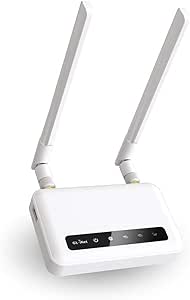 | Best for Tech-Savvy Users Needing Customization and Rural Coverage | Max Wi-Fi Speed: 300Mbps (2.4G) + 433Mbps (5G) | Open Source: Yes (OpenWrt/LEDE) | Dual SIM: Yes | VIEW ON AMAZON | See Our Full Breakdown |
| LINOVISION Industrial 4G LTE WiFi Cellular Router with Dual SIM and RS485 |  | Best for Rugged Industrial Environments with Fail-Over Capability | Max Download Speed: 150 Mbps | Operating Temp: -40℉ to +158℉ | Ports: 3 | VIEW ON AMAZON | See Our Full Breakdown |
| MoFi Cellular Routers – 4G LTE & 5G WiFi Router – Compatible with AT&T, T-Mobile, Verizon (MOFI4500 – 4G LTE) |  | Best for High-Speed Rural and Mobile Connectivity | Carrier Compatibility: AT&T, T-Mobile, Verizon | Supports: LTE Bands 2,4,5,12,13,14,17,66,71 | Wi-Fi: Dual-band | VIEW ON AMAZON | See Our Full Breakdown |
| GL.iNet GL-X2000 Spitz Plus 4G LTE CAT 12 Wi-Fi 6 Dual-SIM Router, NA Only |  | Best for High-Speed, Dual-SIM Connectivity in Urban or Remote Settings | Wireless Speed: 3000 Mbps | Wi-Fi Bands: 2.4GHz and 5GHz | Dual-SIM: Yes | VIEW ON AMAZON | See Our Full Breakdown |
| Teltonika RUT241 Industrial 4G LTE Router |  | Best for Rugged Industrial Environments | Connectivity Technology: Ethernet, LTE, Wi-Fi | Frequency Band: 2.4 GHz | Wi-Fi Compatibility: 802.11n | VIEW ON AMAZON | See Our Full Breakdown |
| InHand Networks IR302 Industrial IoT 4G LTE VPN Cellular Router |  | Best for Seamless Connectivity with Failover | Model: IR302 | Cellular Technology: LTE Cat 4 | Dual SIM: Yes | VIEW ON AMAZON | See Our Full Breakdown |
| Cudy 4G Cat 4 AC1200 Wi-Fi 5 Router with 4 Ethernet Ports |  | Best for Rural and Backup Home Use | Connectivity: 4G LTE Cat 4 | Wi-Fi: Dual-Band Wi-Fi 5 (867+300 Mbps) | Ethernet Ports: 4 | VIEW ON AMAZON | See Our Full Breakdown |
| Teltonika RUT361 Industrial 4G LTE CAT6 Cellular Router, 300Mbps DL, 2 Ethernet Ports, Verizon/AT&T/T-Mobile Certified, WAN Failover, DI/DO, Compact Design for M2M & IoT Application |  | Best for High-Speed Industrial M2M/IoT Deployment | Cellular Technology: LTE CAT6 | Maximum Data Transfer Rate: 300 Mbps DL | Ethernet Ports: 2 | VIEW ON AMAZON | See Our Full Breakdown |
| LINOVISION Mini Industrial 4G LTE Cat4 Cellular Router with RS485 and DI/DO |  | Best for Embedded and Location-Tracking Applications | Network: 4G LTE Cat4 | Supported SIM Carriers: AT&T, T-Mobile | Power Supply: DC 5-24V or USB Type-C | VIEW ON AMAZON | See Our Full Breakdown |
| GL.iNet GL-X3000 (Spitz AX) 5G Cellular Gateway Router for House & RV, Wi-Fi 6, Dual-SIM, Detachable Antennas, T-Mobile & AT&T Certified |  | Best Overall for Advanced 5G Networking and Customization | Wi-Fi: Wi-Fi 6 | Speed: up to 574Mbps (2.4GHz) + 2402Mbps (5GHz) | Network Standards: 5G NSA/SA, 4G LTE, 3G | VIEW ON AMAZON | See Our Full Breakdown |
| N300 WiFi Unlocked 4G LTE Modem Router with SIM Card Slot |  | Best Value for Reliable 4G LTE Backup or Remote Use | Carrier Compatibility: AT&T, T-Mobile, others | Download Speed: 150Mbps | Wi-Fi Speed: 300Mbps | VIEW ON AMAZON | See Our Full Breakdown |
| Hitron D60 5G Cellular Router with SIM Card Slot, WiFi 6, Mesh, Certified for T-Mobile, AT&T, US Cellular |  | Best for High-Speed 5G and Extensive Coverage | Model: D60 5G | Connectivity: 5G, LTE, Wi-Fi, Ethernet | Wi-Fi Standard: WiFi 6 (802.11ax) | VIEW ON AMAZON | See Our Full Breakdown |
| GL.iNet GL-XE3000 Puli AX 5G Router with Dual SIM and 6400mAh Battery |  | Best for Remote Work and Field Operations with Battery Power | Wi-Fi Speed: up to 574Mbps (2.4GHz) + 2402Mbps (5GHz) | Network Standards: 5G NSA/SA, 4G LTE | Battery: 6400mAh | VIEW ON AMAZON | See Our Full Breakdown |
More Details on Our Top Picks
GL.iNet GL-E750V2 MUDI 4G LTE Portable Travel Router with SIM Card Slot
The GL.iNet GL-E750V2 MUDI stands out for its portability combined with robust LTE and Wi-Fi performance, making it ideal for frequent travelers needing reliable internet access. Compared with larger, stationary routers like the GL-X2000 Spitz Plus, this model sacrifices some speed and advanced features for compactness and battery life. Its 7000mAh battery supports up to 8 hours, perfect for long trips, while built-in VPN support enhances security on public networks. However, its cellular capabilities are limited in some countries, and it requires a separate eSIM purchase for full functionality—adding complexity for less technical users. This pick makes the most sense for digital nomads and travelers who prioritize mobility without sacrificing security.
Pros:- Compact and lightweight for easy travel
- Supports high-speed 4G LTE and dual-band Wi-Fi
- Built-in VPN support for secure browsing
- Long-lasting 8-hour battery
Cons:- Cellular features restricted in some countries
- Requires separate purchase of physical eSIM
- Limited storage expansion options
Best for: Travelers and remote workers needing portable, secure LTE internet on the go
Not ideal for: Users seeking extensive customization or high-speed fixed-location setups
- Wi-Fi Speed (2.4G):300Mbps
- Wi-Fi Speed (5G):433Mbps
- Battery Capacity:7000mAh
- Dimensions:5.7 in x 3.1 in x 0.9 in
- Weight:285g
- VPN Support:OpenVPN, WireGuard
Our verdict“This router is best suited for travelers who need a secure, portable LTE hotspot with long battery life and simple setup.”
GL-X750V2 (Spitz) 4G LTE VPN Router for T-Mobile/AT&T, OpenWrt, Dual-Band Wi-Fi, IoT Gateway
The GL-X750V2 Spitz excels for users who require a highly customizable LTE router with open-source firmware and advanced security. Unlike the GL.iNet GL-E750V2, which targets travelers, the Spitz is geared toward tech enthusiasts and IoT deployments, supporting extensive firmware modifications and a wide range of security protocols. Its dual SIM slots provide redundancy in rural or remote areas, where connectivity can be unreliable. Nonetheless, its setup demands a good understanding of networking, and cellular features are restricted in certain regions, making it less suitable for casual users. This device is perfect for IT professionals or remote facilities needing flexible, secure LTE connectivity.
Pros:- Supports extensive security protocols and VPNs
- Open-source firmware allows deep customization
- Dual SIM slots for redundancy
- Enhanced rural coverage with optimized antennas
Cons:- Requires technical knowledge for setup
- Cellular features restricted in some countries
- Speed performance varies by carrier and location
Best for: IT professionals or advanced users managing remote or IoT networks
Not ideal for: Non-technical users seeking a plug-and-play travel router
- Max Wi-Fi Speed:300Mbps (2.4G) + 433Mbps (5G)
- Open Source:Yes (OpenWrt/LEDE)
- Dual SIM:Yes
- Antennas:2 SMA
- Ports:2 Ethernet
- Frequency Bands:B2, B4, B5, B12, B13, B14, B66, B71
Our verdict“Ideal for professionals needing a customizable, secure LTE router in remote or industrial settings.”
LINOVISION Industrial 4G LTE WiFi Cellular Router with Dual SIM and RS485
The LINOVISION Industrial 4G LTE Router is designed for challenging environments where reliable connectivity is critical. Its rugged aluminum enclosure and wide temperature range make it suitable for industrial sites, unlike portable options like the GL.iNet GL-E750V2. With dual SIM slots, it offers network fail-over capabilities, ensuring continuous operation even in remote locations. Its extensive frequency support guarantees good signal in diverse regions, while its multiple security protocols protect sensitive data. The main tradeoff is its complexity—setup and maintenance require technical expertise, and Wi-Fi is limited to the 2.4 GHz band. This router is best for industrial automation, remote monitoring, or smart grid applications.
Pros:- Rugged, weatherproof industrial design
- Dual SIM slots for network redundancy
- Supports extensive frequency bands
- Multiple security protocols including VPN
Cons:- Requires technical setup and configuration
- Limited Wi-Fi to 2.4 GHz
- Additional costs for SIM cards and data plans
Best for: Industrial or remote sites requiring rugged, reliable LTE connectivity with fail-over
Not ideal for: Casual users or small office setups needing simple plug-and-play devices
- Max Download Speed:150 Mbps
- Operating Temp:-40℉ to +158℉
- Ports:3
- Frequency Bands:B2, B4, B5, B12, B13, B14, B66, B71
- Security Protocols:WPA2-Enterprise, IPsec, VPN
- Antenna:1 fixed magnetic
Our verdict“Best suited for industrial or remote applications where durability and fail-safe connectivity are priorities.”
MoFi Cellular Routers – 4G LTE & 5G WiFi Router – Compatible with AT&T, T-Mobile, Verizon (MOFI4500 – 4G LTE)
The MOFI4500 offers broad carrier compatibility and high-speed LTE and 5G options, making it ideal for rural deployments or mobile setups. Unlike the GL.iNet GL-E750V2, which is focused on portability, this router emphasizes maximum network reach and speed, supporting multiple LTE bands and future 5G. Its simplified setup is accessible for most users, and the included high-performance antennas improve coverage. The main limitation is that cellular functionality can be restricted by carrier policies or regional availability, and detailed specs like Wi-Fi speed are not explicitly listed, requiring users to verify compatibility. This device is suited for those needing reliable, fast internet in less accessible areas or for mobile applications.
Pros:- Supports 4G LTE and 5G networks
- Compatible with major U.S. carriers
- Includes high-gain antennas for extended range
- Simple setup for typical users
Cons:- Cellular compatibility varies by region and carrier policies
- Speed performance depends on network conditions
- Limited detailed specifications in product info
Best for: Rural residents or mobile users needing high-speed LTE/5G connectivity
Not ideal for: Urban users with stable broadband or those seeking portable routers
- Carrier Compatibility:AT&T, T-Mobile, Verizon
- Supports:LTE Bands 2,4,5,12,13,14,17,66,71
- Wi-Fi:Dual-band
- Antenna:High-gain external
- Form Factor:Rugged, portable
Our verdict“Ideal for rural or mobile users prioritizing high-speed LTE/5G connectivity with easy setup and reliable coverage.”
GL.iNet GL-X2000 Spitz Plus 4G LTE CAT 12 Wi-Fi 6 Dual-SIM Router, NA Only
The GL.iNet GL-X2000 Spitz Plus combines Wi-Fi 6 with LTE CAT 12, supporting dual-SIM cards for maximum flexibility, making it suitable for both urban and remote users who need fast, reliable internet. Its Wi-Fi speeds reach up to 3000 Mbps, surpassing the GL-iNet GL-E750V2’s portable design and prioritizing speed and multi-WAN load balancing. However, cellular functionality is limited outside North America, and advanced setup may be complex for casual users. While the device excels in speed and dual-SIM redundancy, it may be overkill for simple travel needs or less tech-savvy users. It’s best for remote offices or power users who demand top-tier Wi-Fi and cellular performance.
Pros:- Fast Wi-Fi 6 speeds up to 3000 Mbps
- Dual-SIM slots for flexible cellular backup
- Supports carrier aggregation for improved bandwidth
- Multi-WAN with load balancing
Cons:- Cellular capabilities limited in some countries
- Setup complexity for advanced features
- Price may be higher due to high-end specs
Best for: Remote workers or urban users requiring high-speed, dual-SIM LTE with Wi-Fi 6
Not ideal for: Travelers seeking lightweight, portable routers or users outside North America
- Wireless Speed:3000 Mbps
- Wi-Fi Bands:2.4GHz and 5GHz
- Dual-SIM:Yes
- LTE Category:CAT 12
- Carrier Aggregation:DL 3CA
- Antenna:4 SMA connectors
Our verdict“Best suited for remote or urban environments demanding high-speed, dual-SIM LTE and Wi-Fi 6 performance.”
Teltonika RUT241 Industrial 4G LTE Router
The Teltonika RUT241 stands out for its robust build and reliable LTE connectivity tailored for demanding industrial settings. Compared with the RUT361, it offers a simpler setup but fewer advanced LTE features, making it ideal for straightforward automation tasks. Its durability and remote management support are key advantages, yet the limited WiFi frequency support and absence of integrated antennas could hinder performance in certain setups. The device’s rugged design ensures consistent operation in harsh conditions, but the need for external antennas and technical knowledge for setup are tradeoffs to consider.
Pros:- Reliable high-speed LTE connection suited for industrial environments
- Supports remote management via RMS platform
- Durable, rugged case for harsh conditions
- Flexible with dual Ethernet and WiFi support
Cons:- Limited to 2.4 GHz WiFi, restricting wireless performance
- Requires external antennas for optimal LTE reception
- Complex setup process may require technical expertise
Best for: Industrial operators needing dependable, rugged LTE routers for automation or utility infrastructure
Not ideal for: Small offices or residential users seeking simple WiFi solutions, due to its complexity and external antenna requirements
- Connectivity Technology:Ethernet, LTE, Wi-Fi
- Frequency Band:2.4 GHz
- Wi-Fi Compatibility:802.11n
- Number of Ports:2
- Number of Antennas:3
- Power Input Range:9-30V
Our verdict“This router is best suited for industrial applications where durability and remote management outweigh ease of setup.”
InHand Networks IR302 Industrial IoT 4G LTE VPN Cellular Router
The InHand IR302 offers strong enterprise security with dual SIM failover, making it a reliable choice for remote sites that demand continuous connectivity. It surpasses the RUT241 in enterprise features and ruggedness, supporting a broader temperature range and dual SIMs for redundancy. Its limited Wi-Fi bandwidth and need for cloud management may be drawbacks for some users, but the automatic connection recovery and security protocols make it excellent for mission-critical applications. This model is better suited for companies prioritizing uninterrupted service over wireless speed or ease of use.
Pros:- Automatic self-recovery and dual SIM failover ensure persistent connectivity
- Enterprise-grade security including VPN and firewall support
- Rugged construction for harsh environments
- Supports wide temperature ranges
Cons:- Requires cloud platform for remote management, adding setup complexity
- Limited Wi-Fi bandwidth (802.11 b/g/n)
- SIM cards and data plans are not included
Best for: Organizations needing reliable, secure, and redundant LTE connectivity for remote or industrial sites
Not ideal for: Small businesses or home users who require simple Wi-Fi hotspots without advanced security features
- Model:IR302
- Cellular Technology:LTE Cat 4
- Dual SIM:Yes
- Ethernet Ports:2x 10/100
- Digital I/O Ports:2
- Operating Temperature:-20°C to 70°C
Our verdict“This router is ideal for enterprises needing continuous, secure LTE connectivity in demanding environments.”
Cudy 4G Cat 4 AC1200 Wi-Fi 5 Router with 4 Ethernet Ports
The Cudy AC1200 offers a compact, affordable solution for rural or backup internet, with dual-band Wi-Fi 5 providing fast wireless performance. Compared to the industrial models, it sacrifices ruggedness and advanced LTE features but excels in simplicity and speed for small-scale applications. With four Ethernet ports and VPN support, it can serve multiple devices reliably, yet its LTE speeds are capped at 150 Mbps, and external antennas may be needed for better reception. This pick makes the most sense for users seeking straightforward, fast LTE internet in non-industrial environments.
Pros:- Fast dual-band Wi-Fi 5 for smooth wireless performance
- Multiple wired ports for device connections
- Supports VPN and WAN failover for reliability
- Easy to set up and configure
Cons:- Limited to 150 Mbps LTE speeds, unsuitable for high bandwidth needs
- External antennas may be necessary for optimal reception
- Designed mainly for small-scale or backup use, not heavy industrial loads
Best for: Small offices, retail kiosks, or rural households needing reliable backup or primary LTE internet
Not ideal for: Industrial settings or users needing rugged, industrial-grade routers or advanced LTE features
- Connectivity:4G LTE Cat 4
- Wi-Fi:Dual-Band Wi-Fi 5 (867+300 Mbps)
- Ethernet Ports:4
- Speed:Up to 150 Mbps
- SIM Slot:Nano SIM
Our verdict“This router is a practical choice for rural homes or small offices needing simple, reliable LTE backup or primary internet.”
Teltonika RUT361 Industrial 4G LTE CAT6 Cellular Router, 300Mbps DL, 2 Ethernet Ports, Verizon/AT&T/T-Mobile Certified, WAN Failover, DI/DO, Compact Design for M2M & IoT Application
The Teltonika RUT361 combines high-speed LTE CAT6 with industrial durability, making it well-suited for demanding M2M and IoT applications. Its support for carrier aggregation delivers up to 300 Mbps download, surpassing the RUT241 and IR302 in speed. The device’s compact, rugged design, and full certification for major US networks make it a strong choice for critical infrastructure. While its advanced software features like VPN, MQTT, and firewall are impressive, the absence of Wi-Fi might limit use cases where wireless connectivity is needed onsite. It excels in scenarios where high throughput and reliability are paramount, although setup and cost may be higher.
Pros:- Supports LTE CAT6 with up to 300 Mbps download speeds
- Certified for Verizon, AT&T, and T-Mobile for hassle-free deployment
- Compact, rugged design withstands harsh environments
- Includes advanced industrial software features
Cons:- No built-in Wi-Fi, limiting wireless options onsite
- Higher cost and complexity compared to simpler routers
- Requires technical expertise for setup and configuration
Best for: Industrial IoT and M2M applications requiring high-speed LTE and robust security
Not ideal for: Small-scale or residential users needing simple Wi-Fi hotspots or easy setup
- Cellular Technology:LTE CAT6
- Maximum Data Transfer Rate:300 Mbps DL
- Ethernet Ports:2
- Wi-Fi:Not included
- Certifications:Verizon, AT&T, T-Mobile
Our verdict“This router is designed for high-speed, secure industrial deployments where speed and reliability are critical.”
LINOVISION Mini Industrial 4G LTE Cat4 Cellular Router with RS485 and DI/DO
The LINOVISION Mini Industrial Router offers a compact, low-power solution tailored for embedded applications like vending machines, vehicles, and robots. Its support for AT&T and T-Mobile makes it ideal for US deployments, and the integrated GPS adds real-time location tracking. Compared with larger industrial routers like the RUT241 or RUT361, this device emphasizes small size and power efficiency, but its ruggedness and LTE speed are more limited. It’s a good fit for projects needing low energy consumption and versatile interfaces, yet it lacks support for Verizon and may require external power sources. Its niche focus on embedded applications makes it less suitable for general industrial networking.
Pros:- Compact size suitable for embedded projects
- Supports multiple carriers including AT&T and T-Mobile
- Built-in GPS for location tracking
- Low power consumption ideal for solar or battery-powered setups
Cons:- Not compatible with Verizon network
- Limited ruggedness details, may not withstand extreme conditions
- Requires external power supply
Best for: Embedded applications requiring GPS tracking and low power consumption, such as mobile automation or remote sensors
Not ideal for: Heavy industrial or high-throughput deployments, due to limited LTE speed and ruggedness
- Network:4G LTE Cat4
- Supported SIM Carriers:AT&T, T-Mobile
- Power Supply:DC 5-24V or USB Type-C
- Interfaces:Ethernet, RS232/RS485, USB-C
- GPS:Yes
- Dimensions:2.76 x 2.17 x 0.87 inches
Our verdict“This router is best for small, embedded applications needing GPS and low power use, rather than heavy industrial environments.”
GL.iNet GL-X3000 (Spitz AX) 5G Cellular Gateway Router for House & RV, Wi-Fi 6, Dual-SIM, Detachable Antennas, T-Mobile & AT&T Certified
The GL.iNet GL-X3000 Spitz AX stands out for its combination of high-speed 5G support and Wi-Fi 6, making it ideal for users demanding fast and reliable internet. Compared with the Hitron D60, it offers more flexibility with dual-SIM, multi-WAN, and open-source firmware, but this comes with a more complex setup that might challenge less technical users. Its detachable antennas and VPN support enhance versatility and security, perfect for those who want customization. However, the cellular functionality is restricted in some regions, and the need for a separate eSIM purchase adds an extra step. This router is best for tech-savvy users or those needing flexible, high-speed connections in varied environments.
Pros:- Supports high-speed 5G and Wi-Fi 6 for fast internet
- Dual-SIM and multi-WAN for reliable connectivity options
- Customizable with OpenWrt firmware and VPN support
Cons:- Requires separate purchase for physical eSIM
- Complex setup for non-technical users
- Cellular support restricted in certain regions
Best for: Power users, RV owners, or remote workers seeking high customization and speed
Not ideal for: Less technical users or those seeking a simple, plug-and-play setup
- Wi-Fi:Wi-Fi 6
- Speed:up to 574Mbps (2.4GHz) + 2402Mbps (5GHz)
- Network Standards:5G NSA/SA, 4G LTE, 3G
- Dual-SIM:Yes
- Antennas:6 detachable antennas
- Firmware:OpenWrt v21.02
- Multi-WAN:Yes
- eSIM:Yes (requires separate purchase)
Our verdict“This is a strong choice for users who need advanced features and high-speed connectivity, and are comfortable with a more involved setup.”
N300 WiFi Unlocked 4G LTE Modem Router with SIM Card Slot
The N300 LTE Router offers a straightforward, plug-and-play solution for reliable 4G connectivity, making it suitable for remote locations or as a backup internet source. Compared to the GL.iNet GL-XE3000 Puli AX, it lacks 5G support and advanced multi-WAN options but excels in simplicity and affordability. With its dual-band Wi-Fi and high-gain antennas, it extends coverage effectively, perfect for users needing quick setup and stable connections. The limited speed of 150Mbps, however, may fall short for high bandwidth applications, and it only works with supported SIM cards from major carriers. This router is best for users seeking dependable 4G LTE with minimal fuss.
Pros:- Supports major carriers like AT&T and T-Mobile
- Easy to set up with plug-and-play SIM slot
- Extended coverage with high-gain antennas
Cons:- Limited to 4G LTE, no 5G support
- Maximum speed of 150Mbps may be insufficient for heavy use
- Dependent on compatible SIM cards from supported carriers
Best for: Small businesses, remote workers, or travelers needing reliable backup internet
Not ideal for: Power users requiring 5G speeds or extensive customization
- Carrier Compatibility:AT&T, T-Mobile, others
- Download Speed:150Mbps
- Wi-Fi Speed:300Mbps
- Antenna:4 high-gain antennas
- Ethernet Ports:4
- Supported Bands:B2/B3/B4/B5/B7/B8/B12/B13/B17/B25/B26/B66/B41
- Security:WPA3, L2TP, PPTP, OpenVPN
- Setup:Plug-and-play
Our verdict“This router provides a dependable, cost-effective solution for reliable LTE backup or remote environments without complex features.”
Hitron D60 5G Cellular Router with SIM Card Slot, WiFi 6, Mesh, Certified for T-Mobile, AT&T, US Cellular
The Hitron D60 excels with its impressive 3.4 Gbps maximum download speed, making it suitable for households or small offices with high bandwidth needs. Its Wi-Fi 6 and mesh capabilities provide broad coverage, outperforming many competitors like the GL-X3000 in raw speed and simplicity. However, the limited warranty period and the need for a Nano SIM from a certified carrier could be drawbacks for those seeking long-term reliability or easier setup. This model is less customizable but shines in delivering ultra-fast 5G for multiple devices. This router is ideal for users prioritizing speed and coverage over advanced configurability.
Pros:- Supports 5G with speeds up to 3.4 Gbps
- Wi-Fi 6 with mesh for extensive coverage
- Cellular failover ensures ongoing internet access
Cons:- Limited 3-month warranty
- Requires a Nano SIM from a certified carrier
- Setup may be complex for non-technical users
Best for: Small offices or tech-savvy homeowners demanding maximum 5G speed and coverage
Not ideal for: Less experienced users or those with limited carrier options due to SIM requirements
- Model:D60 5G
- Connectivity:5G, LTE, Wi-Fi, Ethernet
- Wi-Fi Standard:WiFi 6 (802.11ax)
- Maximum Data Transfer Rate:3.4 Gbps
- LAN Port Bandwidth:1000 Mbps
- Number of Ports:1
- Number of Antennas:5
- Security Protocol:WPA3
Our verdict“This router is best for users who need blazing-fast 5G speeds and reliable coverage in a home or small office setting.”
GL.iNet GL-XE3000 Puli AX 5G Router with Dual SIM and 6400mAh Battery
The GL.iNet GL-XE3000 Puli AX integrates high-speed 5G with a massive 6400mAh battery, making it ideal for remote work, outdoor events, or field operations where power outlets are scarce. Compared to the GL-X3000, it offers portability and a longer-lasting battery, but sacrifices some high-end networking features like multi-WAN. Its support for OpenWrt firmware and VPN makes it highly customizable, although network speeds may vary based on conditions. The built-in battery and multi-WAN options provide resilience and flexibility for on-the-go applications. However, cellular support is restricted in certain regions, and the physical eSIM requires an additional purchase. This router is designed for mobile professionals needing high-speed internet in the field.
Pros:- Supports fast 5G and Wi-Fi 6 for high-speed connectivity
- Built-in 6400mAh battery lasts up to 8 hours
- Flexible multi-WAN options and VPN support for secure remote access
Cons:- Cellular features limited in some countries
- Physical eSIM must be purchased separately
- Speeds may vary with network conditions and hardware constraints
Best for: Remote workers, field technicians, or event organizers needing portable, reliable 5G connectivity with battery life
Not ideal for: Users requiring extensive network customization or in-region cellular support restrictions
- Wi-Fi Speed:up to 574Mbps (2.4GHz) + 2402Mbps (5GHz)
- Network Standards:5G NSA/SA, 4G LTE
- Battery:6400mAh
- Battery Life:up to 8 hours
- Dual SIM:Yes
- VPN Support:OpenVPN, WireGuard
- Multi-WAN Support:Ethernet, Repeater, Cellular, Tethering
- Firmware:OpenWrt-based with 5,000+ plugins
Our verdict“This router suits mobile users needing high-speed 5G with all-day battery life and flexible connectivity options.”

How We Picked
Our selection process focused on evaluating LTE cellular routers across several key criteria: performance in real-world cellular conditions, ease of setup and daily use, build quality and durability, flexibility in network configuration, and overall value for money. We prioritized models with broad carrier compatibility, reliable connectivity features, and user-friendly interfaces. Special attention was given to industrial-grade options for remote or demanding environments, as well as Wi-Fi 6 and 5G-capable models for future-proofing. The ranking aims to match different buyer needs, from budget-friendly solutions to high-end, industrial-grade routers.Factors to Consider When Choosing Lte Cellular Routers
Choosing the right LTE cellular router requires understanding several important factors. Beyond basic connectivity, you should consider the router’s durability, compatibility with your carrier, and features that support your usage scenario. Making the wrong choice can mean limited coverage, poor speeds, or unnecessary expenses. Here are some key points to guide your decision-making process to ensure you pick a router that truly fits your needs.Performance and Cellular Compatibility
The most critical aspect of an LTE router is its cellular performance. Look for models with support for the LTE bands used by your carrier to maximize speed and reliability. If you need 5G future-proofing, consider routers with 5G support, but be aware that these often come at a higher price. Some routers excel in areas with weaker signals by supporting external antennas, which can be a game-changer for remote locations or challenging environments. Remember, a router supporting more bands generally offers better flexibility and coverage.
Build Quality and Durability
If your router will operate in industrial, outdoor, or mobile environments, durability becomes essential. Industrial routers often feature ruggedized casings, heat resistance, and weatherproofing. Cheaper models might lack these features, leading to potential failures in harsh conditions. For stationary home or office use, a standard plastic enclosure may suffice, but always verify if the device can withstand environmental stresses if needed. Selecting the right build quality reduces downtime and maintenance costs over time.
Connectivity Features and Expandability
Consider how many wired Ethernet ports you need and whether the router supports features like dual SIM slots, VPN, or failover. For multi-device households or small offices, Wi-Fi 6 support can significantly improve local network speeds and capacity. Some routers also include USB ports for tethering or external storage. If your setup involves IoT devices or industrial sensors, look for routers with RS485, digital I/O, or other industrial interfaces. Understanding your current and future connectivity needs helps avoid costly upgrades later.
Ease of Use and Management
User-friendly interfaces, mobile app support, and remote management capabilities make a big difference in everyday use. Some industrial routers have complex configurations suited to technical users, while others are plug-and-play, ideal for quick deployment. VPN support and security features are also important if your network handles sensitive data. A router with clear documentation and reliable firmware updates reduces ongoing maintenance efforts. Choose a device that matches your technical skill level and management preferences.
Cost and Value
While budget models might fulfill basic needs, they often lack durability, advanced features, or carrier support. Premium routers tend to offer superior build quality, faster speeds, and more extensive feature sets, but at a higher cost. Consider whether the added investment aligns with your operational requirements. Sometimes spending more on a rugged, industrial-grade router can save money in the long run by reducing downtime. Balance your budget with your performance and durability expectations to find the best value.
Frequently Asked Questions
Can I use an LTE router with any carrier?
Most LTE routers support multiple carriers, but it’s important to verify compatibility with your specific network bands and whether the device is carrier-locked. Some routers are unlocked and work across all major networks, providing flexibility if you switch providers. Others may be locked to a specific carrier, which can limit your options or require unlocking procedures. Always check the supported LTE bands and carrier certifications before making a purchase to ensure seamless connectivity.
What’s the difference between LTE and 5G routers?
LTE routers operate on 4G networks and are widely available, offering reliable speeds for most applications. 5G routers, on the other hand, support the newer, faster 5G networks, which can provide significantly higher speeds and lower latency. However, 5G coverage is still expanding, and these routers tend to be more expensive. If you need ultra-fast speeds or plan to future-proof your setup, a 5G router makes sense, but for most current uses, LTE remains a dependable choice.
How important are external antennas for LTE routers?
External antennas can greatly improve signal strength, especially in areas with weak cellular coverage or in challenging environments. Many industrial and outdoor routers support external antennas to optimize performance. If you’re deploying a router in a remote location, investing in a model with external antenna support can mean the difference between a stable connection and frequent drops. For urban or well-covered areas, internal antennas might suffice, but flexibility is always beneficial.
Should I prioritize Wi-Fi 6 in my LTE router?
Wi-Fi 6 offers faster local network speeds and better device management, which is valuable if you have multiple devices streaming or working simultaneously. While LTE performance impacts internet access, a Wi-Fi 6 router enhances your local network experience. If your primary concern is internet speed on multiple devices, choosing a router with Wi-Fi 6 support makes sense. For basic needs or single-user setups, Wi-Fi 5 models may be adequate and more budget-friendly.
Are industrial LTE routers worth the extra cost?
Industrial LTE routers are designed for demanding environments where durability, reliability, and multi-SIM support are critical. They are worth considering if your deployment involves outdoor use, remote locations, or mission-critical operations. These routers often feature rugged enclosures, extended temperature ranges, and advanced management options that standard models lack. However, for typical home or office use, a consumer-grade LTE router usually provides sufficient performance at a lower cost.
Conclusion
For most users, the GL.iNet GL-E750V2 offers a versatile and portable option, making it ideal for travelers or remote workers. If you need a rugged solution for industrial or outdoor environments, the Teltonika RUT241 or LINOVISION Industrial Router provide durability and multi-SIM support. Those seeking the fastest local speeds with future-proofing should consider the GL.iNet Spitz AX with Wi-Fi 6 and 5G capabilities. Budget-conscious buyers can opt for simpler models like the N300 LTE Modem Router, which covers basic needs without breaking the bank. Ultimately, your choice depends on your environment, speed requirements, and budget—match your needs to these options for the best results.
Fall Picks
fall essentials
As an affiliate, we earn on qualifying purchases.