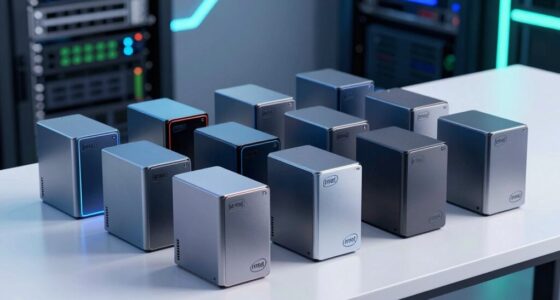
CFexpress Type B cards differ in sustained write performance, capacity, generation, and camera compatibility—not just headline read speed. My best overall pick is the ProGrade Digital 512GB CFexpress 4.0 Type B Gold for buyers who want a current-generation Type B option from a specialist brand; the PERGEAR 512GB Master Series stands out for its listed high transfer speeds, while the SanDisk Extreme PRO 512GB is a familiar alternative for established workflows. The main tradeoffs are paying for newer interface speeds your camera may not use, choosing enough capacity for long shoots, and prioritizing sustained recording over peak transfers. I also flag a listed Type A card because it is not interchangeable with Type B. Read on for the full breakdown of all 11 options and how to match one to your camera.

Get the latest gadgets delivered free with Prime
- Fast, free delivery on millions of items
- Prime Video, Amazon Music and more included
- Member-only deals all year
Complete the kit



Key Takeaways
- Type A is not Type B: the Gold II 512GB VPG800 card uses a different physical format, so it does not belong in a Type B camera slot despite its CFexpress branding.
- CFexpress 4.0 speeds depend on the whole workflow: the PERGEAR and ProGrade 4.0 cards make most sense when the camera and reader can take advantage of newer transfer performance.
- Listed peak speeds do not settle video suitability: for sustained recording, check the camera’s required write rate and the card’s sustained-write or video-performance specifications.
- Capacity changes the job more than the label: 128GB and 256GB cards suit smaller shoots or rotation, while 512GB options reduce card swaps during extended high-resolution capture.
- The lineup includes practical alternatives to newer cards: the SanDisk 256GB and Lexar Silver 128GB list clear speed figures, while the Lexar Gold 512GB two-pack is aimed at buyers who need matched cards.


| cfexpress typeb card | Capacity | Maximum read speed | Maximum write speed |
|---|---|---|---|
| PERGEAR 512GB CFexpress 4.0 Ty | 512GB | Up to 3,500 MB/s | Up to 3,400 MB/s |
| Gold II 512GB CFexpress 4.0 Ty | 512GB | Up to 1,780 MB/s | Up to 860 MB/s |
| CFexpress 4.0 Type B 512GB Mem | 512GB | Up to 3,550 MB/s | Up to 1,550 MB/s |
| Lexar Professional CFexpress T | 256GB | Up to 1,750 MB/s | Up to 1,300 MB/s |
| SanDisk Extreme PRO 512GB CFex | 512GB | Up to 1,700 MB/s | Up to 1,400 MB/s |
| ProGrade Digital 512GB CFexpre | — | — | — |
| Delkin Devices Black 512GB CFe | — | — | — |
| SanDisk Extreme PRO 128GB CFex | — | — | — |
| Lexar Gold Series Professional | — | — | — |
| SanDisk Extreme PRO 256GB CFex | — | — | — |
| Lexar Professional CFexpress T | 128 GB | 1750 MB/s | 1300 MB/s |
More Details on Our Top Picks
PERGEAR 512GB CFexpress 4.0 Type B Memory Card (Master Series)
The PERGEAR Master Series stands out here for its unusually high stated transfer figures: up to 3,500 MB/s read and 3,400 MB/s write, paired with 512GB capacity. That write-speed claim makes it the most ambitious option in this group for long, high-bitrate capture on a compatible CFexpress 4.0 Type B camera. Compared with the other 512GB Type B cards listed, it advertises far higher write throughput than the SanDisk Extreme PRO 512GB, whose maximum write speed is 1,400 MB/s. The tradeoff is that actual performance depends on the camera and workflow, and the supplied product details do not give a sustained-write rating or warranty information. I’d choose it for a compatible setup where peak stated speed is the priority, not for buyers who need documented sustained performance.
Pros:- Advertised read speed up to 3,500 MB/s
- Advertised write speed up to 3,400 MB/s
- 512GB capacity for extended shoots
- Lists compatibility with several Canon, Nikon, Panasonic, and DJI devices
Cons:- Actual speeds may vary by camera and usage
- No sustained-write rating is provided in the supplied details
- Warranty information is not specified
Best for: Videographers with a compatible CFexpress 4.0 Type B camera who prioritize the highest advertised read and write speeds for demanding 6K or 8K capture.
Not ideal for: Buyers who need a documented sustained-write rating, specific warranty terms, or confirmed performance figures for their exact camera.
- Capacity:512GB
- Card type:CFexpress 4.0 Type B
- Series:Master Series
- Maximum read speed:Up to 3,500 MB/s
- Maximum write speed:Up to 3,400 MB/s
- Video use stated:8K and 4K recording
- Listed compatibility:Selected Canon, Nikon, Panasonic, and DJI devices
- Stated durability:Shock-, temperature-, and X-ray-resistant
Our verdict“Choose the PERGEAR if your compatible Type B camera can benefit from its unusually high advertised speeds and you can accept limited supplied detail about sustained performance.”
Gold II 512GB CFexpress 4.0 Type A Card VPG800
This card’s defining feature is its CFexpress Type A format, not a speed advantage over the Type B options. It is specified for Sony Alpha and FX cameras, with 512GB capacity, a VPG 800 designation, and stated maximum speeds of 1,780 MB/s read and 860 MB/s write. That makes it a possible fit for buyers whose camera requires Type A media and who want a stated video-performance classification. It is not a substitute for the PERGEAR Master Series or SanDisk Extreme PRO 512GB: both are Type B cards, so they will not fit a Type A slot, while this Gold II card will not fit a Type B slot. Its write-speed figure is also lower than those Type B alternatives. Choose it only after confirming your camera’s format requirement.
Pros:- 512GB capacity
- VPG 800 designation
- Stated read speed up to 1,780 MB/s
- Ruggedness claims include shock, X-ray, magnet, and extreme-temperature resistance
Cons:- Type A format is incompatible with Type B card slots
- Maximum write speed of 860 MB/s is below the listed Type B alternatives
- Performance may vary with the host camera
Best for: Sony Alpha and FX shooters whose camera specifically takes CFexpress Type A cards and who need 512GB capacity with a stated VPG classification.
Not ideal for: Owners of Type B cameras, including buyers comparing it as a direct replacement for the PERGEAR, Lexar Silver, or SanDisk Extreme PRO Type B cards.
- Capacity:512GB
- Card type:CFexpress 4.0 Type A
- VPG:VPG 800
- Maximum read speed:Up to 1,780 MB/s
- Maximum write speed:Up to 860 MB/s
- Video support stated:4K and 8K recording
- Compatibility:Sony Alpha and FX cameras
- Stated durability:Shock-, X-ray-, magnet-, and extreme-temperature-resistant
Our verdict“Buy this Gold II only if your Sony camera requires Type A media; Type B camera owners should choose a card in the correct format instead.”
CFexpress 4.0 Type B 512GB Memory Card
This 512GB Type B card puts its strongest number on the read side: up to 3,550 MB/s, the highest stated read speed among the Type B products in this batch. That can appeal to photographers moving large RAW sessions to a workstation, though the listed write speed is a more modest 1,550 MB/s. Compared with the PERGEAR Master Series, it gives up a much higher advertised write ceiling but edges ahead on stated read speed; compared with the Lexar Silver 256GB, it offers double the capacity and higher listed throughput. The product description cites compatibility across Nikon, Canon, Panasonic, DJI, and Hasselblad devices, but actual speed still depends on the host. I’d shortlist it for fast offloads, while buyers focused on sustained video writes should seek more specific sustained-performance details.
Pros:- 512GB capacity
- Maximum read speed up to 3,550 MB/s
- Maximum write speed up to 1,550 MB/s
- Described as compatible with a range of professional camera and device brands
Cons:- Write speed is well below the PERGEAR card’s advertised maximum
- No sustained-write rating is supplied
- Performance depends on host-device compatibility
Best for: Photographers with compatible Type B cameras who transfer large RAW files frequently and want 512GB of capacity with a very high stated read speed.
Not ideal for: Video crews who need a published sustained-write specification or buyers who want a clearly named brand and model history.
- Capacity:512GB
- Card type:CFexpress 4.0 Type B
- Maximum read speed:Up to 3,550 MB/s
- Maximum write speed:Up to 1,550 MB/s
- Video use stated:8K, 6K, and 4K recording
- Listed compatibility:Nikon, Canon, Panasonic, DJI, and Hasselblad devices
- Weight:0.05 kg
- Color:Black
Our verdict“Pick this card for high-capacity Type B storage and fast stated read speeds, but look elsewhere if documented sustained writing is your main requirement.”
Lexar Professional CFexpress Type B Silver Series 256GB Memory Card
The Lexar Silver Series is the capacity-conscious pick: its 256GB gives a working photographer a substantial card without stepping up to the 512GB options from PERGEAR or SanDisk. Its stated speeds—1,750 MB/s read and 1,300 MB/s write—are below the PERGEAR and generic CFexpress 4.0 cards on paper, but still make it a plausible choice for high-resolution stills and 8K workflows when the camera supports the required recording mode. Lexar also lists compatibility with select XQD cameras, a useful detail for owners of supported bodies, and a limited 10-year warranty. The tradeoff is less recording headroom than the 512GB cards and narrow XQD compatibility. I’d favor it for shorter assignments or as a second card, rather than for long uninterrupted video days.
Pros:- 256GB capacity suits moderate shoots and backup-card use
- Read speed up to 1,750 MB/s
- Write speed up to 1,300 MB/s
- Limited 10-year warranty and select XQD-camera compatibility
Cons:- Half the capacity of the 512GB options in this batch
- Listed speeds are lower than the PERGEAR and generic CFexpress 4.0 cards
- XQD compatibility applies only to select cameras
Best for: Photographers and videographers with compatible Type B cameras who want a 256GB card for moderate-length shoots or a spare slot card.
Not ideal for: Operators recording long 8K sessions or high-volume events who would benefit from the 512GB capacity of the PERGEAR or SanDisk cards.
- Capacity:256GB
- Card type:CFexpress Type B
- Maximum read speed:Up to 1,750 MB/s
- Maximum write speed:Up to 1,300 MB/s
- Video capability:8K video
- Compatibility:Cinema cameras, DSLRs, and select XQD cameras
- Weight:7.8 g
- Dimensions:1.51 × 1.16 × 0.14 in
- Warranty:Limited 10-year
Our verdict“Choose the Lexar Silver 256GB for moderate recording needs and stated warranty coverage, not for maximum capacity or the highest listed speeds.”
SanDisk Extreme PRO 512GB CFexpress Type B Memory Card
The SanDisk Extreme PRO makes the most sense for buyers who want 512GB capacity and clearly stated speeds for a familiar RAW 4K workflow, rather than chasing the newest generation’s peak figures. Its maximum write speed of 1,400 MB/s is lower than the PERGEAR Master Series’ advertised 3,400 MB/s and the generic CFexpress 4.0 card’s 1,550 MB/s, but the listed read speed reaches 1,700 MB/s. It also includes downloadable RescuePRO Deluxe recovery software, adding a recovery tool to the package, though it requires a separate download. Select XQD compatibility may help owners of supported cameras, but it is not universal. I’d choose this over the Lexar Silver 256GB when capacity matters more; I’d skip it if the camera’s sustained recording needs exceed its stated performance.
Pros:- 512GB capacity for longer shoots
- Maximum read speed up to 1,700 MB/s
- Maximum write speed up to 1,400 MB/s
- Downloadable RescuePRO Deluxe recovery software included
Cons:- Listed speeds trail the PERGEAR and generic CFexpress 4.0 cards
- XQD compatibility is limited to select cameras
- Recovery software requires a download
Best for: Photographers and videographers using compatible Type B cameras who want 512GB for RAW 4K capture and value included downloadable recovery software.
Not ideal for: Creators seeking the highest advertised transfer rates or owners of cameras not listed among compatible Type B or select XQD devices.
- Brand and model:SanDisk Extreme PRO
- Capacity:512GB
- Card type:CFexpress Type B
- Maximum read speed:Up to 1,700 MB/s
- Maximum write speed:Up to 1,400 MB/s
- Video use stated:RAW 4K recording
- Compatibility:Select XQD cameras
- Included software:RescuePRO Deluxe; download required
- Warranty:Limited warranty
Our verdict“Choose the SanDisk for 512GB capacity and a stated RAW 4K workflow with recovery software, but not if peak speed is your main priority.”
ProGrade Digital 512GB CFexpress 4.0 Type B Memory Card (Gold)
The ProGrade Gold stands out for pairing CFexpress 4.0 read speed up to 3400MB/s with an 850MB/s sustained write speed and a stated focus on camera battery efficiency. That sustained figure suits demanding 4K, 6K, and 8K capture better than judging a card by peak speed alone, though it is far below the Lexar Gold Series 2-pack’s listed 3000MB/s sustained writes. Its 512GB capacity leaves room for long shoots, while recovery software and a three-year warranty add a layer of support. Compared with the Delkin Devices Black, this is the less write-speed-focused choice, but it may appeal to shooters prioritizing efficient operation and a single-card purchase. The tradeoff is that compatible CFexpress 4.0 equipment is needed to access its capabilities, making it a costly fit for casual or older-camera use.
Pros:- 3400MB/s maximum read speed supports fast transfers with a compatible reader
- 850MB/s sustained write speed is specified for demanding video capture
- 512GB capacity accommodates extended recording sessions
- Includes recovery software and a three-year warranty
Cons:- 850MB/s sustained write speed trails the Lexar Gold Series 2-pack’s listed 3000MB/s
- Requires compatible equipment and may require camera firmware updates
- Premium positioning is difficult to justify for casual recording
Best for: Video shooters with a compatible CFexpress 4.0 camera who want 512GB capacity, sustained recording support, and a stated battery-efficiency focus.
Not ideal for: Casual photographers and owners of older bodies without confirmed CFexpress 4.0 support, who may not benefit from its speed class or premium positioning.
Our verdict“Choose the ProGrade Gold if battery efficiency and 512GB capacity matter more than leading sustained-write figures.”
Delkin Devices Black 512GB CFexpress Type B Memory Card
The Delkin Devices Black is the lineup’s rugged high-speed pick: its listed 3700MB/s read and 3220MB/s write speeds pair with VPG400 certification for demanding capture workflows. Its shockproof, waterproof, and temperature-resistant construction gives it a clearer field-use case than the SanDisk Extreme PRO 256GB, which offers lower listed speeds and no comparable durability claims in the supplied specs. The 512GB capacity also makes it better suited to extended video sessions than the SanDisk 128GB. Those strengths are most useful when the camera and recording mode can make use of the performance; compatible hardware is required, and the card’s speed advantage does not remove the need to check camera-specific support. It is a less compelling choice for casual users who rarely shoot long bursts or in challenging environments.
Pros:- 3700MB/s maximum read and 3220MB/s maximum write speeds
- VPG400 certification for demanding video workflows
- 512GB capacity supports longer recording sessions
- Shockproof, waterproof, and temperature-resistant construction
Cons:- Requires a compatible camera to use its maximum speeds
- Professional performance and durability may be unnecessary for casual use
- Supplied details do not specify a warranty period
Best for: Professional photographers and video crews who shoot long bursts or high-resolution footage outdoors and need a rugged 512GB card.
Not ideal for: Casual shooters or owners of cameras that cannot use its high-speed performance, since its professional feature set may go unused.
Our verdict“Pick the Delkin Black for high-speed capture in rough conditions, not for a camera that cannot exploit its performance.”
SanDisk Extreme PRO 128GB CFexpress Card Type B
This SanDisk Extreme PRO is the lineup’s compact-capacity option for photographers who need CFexpress performance without stepping up to 256GB or 512GB. Its 1700MB/s read and 1200MB/s write ratings support RAW 4K recording, while RescuePRO Deluxe adds recovery software, subject to registration. Compared with the 256GB SanDisk Extreme PRO, it offers the same stated speed class in half the capacity, so it makes more sense for shorter shoots or as a spare than as a single card for a full day of video. Select XQD cameras may work after a manufacturer-provided firmware update, but compatibility is not universal. The listed lifetime limited warranty is a plus; the main compromise is limited recording headroom, especially beside the 512GB Delkin and ProGrade options.
Pros:- Supports RAW 4K recording
- Up to 1700MB/s read and 1200MB/s write speeds
- Includes RescuePRO Deluxe recovery software with registration
- Lifetime limited warranty
Cons:- 128GB capacity provides less recording time than the other listed options
- Select XQD camera compatibility depends on a manufacturer firmware update
- Actual performance varies with the host device and usage conditions
Best for: Photographers using a compatible CFexpress Type B body who shoot shorter RAW 4K sessions or want a smaller-capacity backup card.
Not ideal for: Video crews recording long takes or photographers who need one card for a full day, because 128GB fills sooner than the 256GB SanDisk or 512GB options.
Our verdict“Choose this SanDisk for shorter RAW 4K sessions or as a spare when 128GB is enough.”
Lexar Gold Series Professional CFexpress 4.0 Type-B Memory Cards, 512GB, 2-Pack
For shooters who want both speed and backup capacity, this Lexar set is the most complete high-throughput option here: it includes two 512GB cards, each rated for up to 3000MB/s sustained writes. That sustained figure is far above the ProGrade Gold’s listed 850MB/s, making the Lexar pair better suited on paper to long, data-heavy recording sessions. Its 3600MB/s maximum read and 3300MB/s maximum write figures also support rapid transfers with compatible equipment. The set adds IP5X dust resistance and stated resistance to drops, vibration, shock, bending, and compression. The tradeoff is workflow readiness: a compatible CFexpress Type B camera is required, and the reader is sold separately. Compared with the single-card Delkin Black, the Lexar pack offers more total capacity and a spare, but it is a larger commitment for users who need only one card.
Pros:- Includes two 512GB CFexpress Type B cards
- Up to 3000MB/s sustained write speed per card
- Resists dust, drops, vibration, shock, bending, and compression
- Lifetime warranty
Cons:- Requires a compatible CFexpress Type B camera or device
- Workflow reader is sold separately
- Two-card capacity may be more than a casual user needs
Best for: Production teams and high-resolution video shooters who need two cards, large combined capacity, and strong sustained-write specifications.
Not ideal for: Occasional shooters who need only one card or lack a compatible CFexpress Type B camera and reader.
Our verdict“Choose the Lexar two-pack for sustained high-resolution recording and a ready spare, provided your workflow supports CFexpress 4.0.”
SanDisk Extreme PRO 256GB CFexpress Type-B Memory Card, 1700MB/s Read, 1200MB/s Write
This 256GB SanDisk Extreme PRO keeps the same stated 1700MB/s read and 1200MB/s write speeds as the 128GB model, but doubles the capacity for longer shoots between card changes. That makes it the more practical SanDisk choice for RAW video or extended stills bursts, while the 128GB version is easier to position as a spare. It also includes RescuePRO Deluxe recovery software and supports select XQD cameras, subject to compatibility. Against the 512GB ProGrade Gold, it gives up capacity and the newer CFexpress 4.0 speed class, but may be a better match for users whose camera and workflow align with its listed performance. The supplied specs describe its memory type as XQD despite the CFexpress Type B title, so buyers should verify exact camera compatibility before purchase.
Pros:- 256GB capacity offers more room than the 128GB SanDisk model
- 1700MB/s read and 1200MB/s write ratings
- Suitable for high-resolution 4K and RAW video workflows
- Includes RescuePRO Deluxe recovery software
Cons:- Select XQD camera compatibility is limited to supported models
- Listed speeds are below the CFexpress 4.0 ProGrade and Lexar options
- Supplied product data lists memory type as XQD, so buyers should confirm compatibility
Best for: Photographers and videographers who want 256GB for RAW 4K work and whose camera is confirmed to support this SanDisk card.
Not ideal for: Users needing CFexpress 4.0-level throughput, 512GB capacity, or universal XQD compatibility; camera support must be checked.
Our verdict“Choose this 256GB SanDisk over the 128GB version when you need more recording room and have verified camera support.”
Lexar Professional CFexpress Type B Silver Series Memory Card, 128GB, 1750MB/s Read / 1300MB/s Write
The Lexar Professional CFexpress Type B Silver Series 128GB suits photographers and videographers who need fast burst handling and 8K recording support without stepping up to a larger-capacity card. Its stated 1750MB/s read and 1300MB/s write speeds also make transfers quicker than the listed SanDisk Extreme PRO 128GB card, whose listed read and write figures are lower. Select XQD-camera compatibility can help owners of supported older bodies keep using existing equipment, though compatibility is limited to specific models.
The tradeoff is capacity: at 128GB, long 8K sessions or extended event coverage may mean more frequent offloads than with the 256GB Lexar Silver or the 512GB options in this roundup. I’d choose it for short, demanding shoots where speed matters more than card endurance between backups; buyers recording for hours should favor a higher-capacity alternative.
Pros:- Up to 1750MB/s read and 1300MB/s write speeds support fast transfers and demanding capture workflows.
- Designed for high-quality image bursts and 8K video recording.
- Backwards-compatible with select XQD cameras, subject to camera compatibility.
- Includes a limited 10-year manufacturer warranty.
Cons:- 128GB capacity can require frequent offloading during extended video or event shoots.
- Compatibility is limited to cameras that support CFexpress Type B or specific XQD models.
- Speed figures are maximum stated rates and do not establish sustained recording performance.
Best for: Photographers and videographers with a compatible CFexpress Type B or select XQD camera who prioritize fast bursts and short 8K recording sessions over extended capacity.
Not ideal for: Filmmakers recording long 8K takes, event shooters who cannot offload during the day, and owners of cameras that do not support CFexpress Type B or a compatible XQD setup.
- Card format:CFexpress Type B
- Capacity:128 GB
- Maximum read speed:1750 MB/s
- Maximum write speed:1300 MB/s
- Model:CFexpress Type B SILVER
- Model number:LCXEXSL128G-RNENG
- Compatible devices:Camera, cinema cameras, DSLRs, select XQD cameras
- Weight:7.8 g
- Warranty:Limited 10-year manufacturer warranty
Our verdict“Choose this Lexar when fast capture and select XQD support matter more than the longer recording time offered by 256GB and 512GB cards.”
How We Picked
I compared these cards on the factors that affect a Type B buyer’s actual workflow: correct card format, stated capacity, published read and write speeds, generation, and how clearly each listing describes its intended use. I gave more weight to information that can guide camera and recording decisions than to a large peak read-speed figure on its own. Where sustained write performance or a video rating was not supplied, I treat that as an information gap rather than assuming the card suits every demanding recording mode.
The ranking favors options with a useful balance of Type B fit, capacity, stated performance, and clear positioning. The ProGrade 512GB Gold leads as a current-generation specialist option; PERGEAR follows for its notably high listed figures, with the caveat that buyers should verify sustained performance and compatibility. Familiar SanDisk choices and capacity-focused Lexar options fill distinct roles below them. I place the Gold II Type A card last for this Type B roundup because its format mismatch outweighs its stated VPG800 certification for readers seeking a Type B card.
Factors to Consider When Choosing Cfexpress Typeb Cards
I’d make the camera and recording mode the starting point, then narrow the choice by sustained write needs, capacity, and transfer workflow. A card’s headline speed can be useful, but it does not answer every compatibility or recording question.
Match the Physical Format to Your Camera
CFexpress Type A and Type B are different card formats, not interchangeable speed tiers. A camera built for Type B needs a Type B card, even when a Type A listing carries an impressive performance certification. Check the camera manual or manufacturer’s approved-media list before buying, since some cameras accept more than one card format but still require a specific slot. Also confirm whether your camera firmware has media requirements for particular video modes. This simple check can prevent a card that cannot be inserted or recognized from reaching a shoot. In this lineup, the Gold II Type A card is a reminder to verify the format rather than relying on the words “CFexpress” alone.
Prioritize Sustained Write Speed for Recording
Peak read speed mainly affects offloading files, while recording depends on how steadily a card can accept data. A camera’s high-bitrate video mode or long burst sequence may stop when a card cannot maintain the necessary write rate, even if its package advertises a fast maximum read speed. Look for a sustained-write figure, a video performance rating, or manufacturer guidance that matches your camera’s recording modes. If those details are missing, avoid assuming that a large headline number guarantees uninterrupted capture. Buyers recording stills in short bursts may have different needs from people filming long takes. That distinction can matter more than a small difference in advertised transfer speed.
Choose Capacity Around a Shoot, Not a Spec Sheet
Capacity determines how often you need to change cards or offload footage, but the right amount depends on file size, recording format, and how long you work between backups. A 128GB card can be a sensible fit for modest shoots, a spare, or deliberate card rotation; it may feel restrictive for long 8K sessions or high-volume bursts. A 256GB card offers a middle ground, while 512GB options reduce interruptions for extended capture. Larger cards also concentrate more footage on one piece of media, so a second card or regular backup routine still matters. Estimate storage from your camera’s actual file rates rather than choosing by capacity alone.
Pay for a Newer Generation Only When the Workflow Can Use It
CFexpress 4.0 cards can offer faster transfers than older-generation options, but the benefit depends on compatible camera hardware and a suitable reader. If your camera is limited by an earlier interface, a newer card may still work where supported, yet its highest transfer figures may not appear in that setup. Check the camera and reader specifications before paying extra for a speed tier intended to shorten offloads. Photographers who regularly move large batches to a workstation may value the time saved more than someone who copies files occasionally. This lineup includes both CFexpress 4.0 options and established cards, making the host device a key part of the choice.
Treat Card and Reader Speeds as One System
A fast card cannot speed up a transfer if the reader, cable, port, or computer is the bottleneck. Before buying for faster offloads, check the reader’s interface and confirm that the computer has a compatible connection with enough bandwidth. A reader built for an older generation can make a high-speed card perform like a slower one during file transfer. Camera performance is a separate question: the card may offer faster computer transfers without changing the camera’s burst depth or recording limits. This is why headline read speed should be weighed against the gear already in your workflow. A card upgrade pays off most when the rest of the transfer chain can keep pace.
Balance Redundancy, Warranty, and Media Management
One large card reduces swaps, while several smaller cards can limit how much footage is on a single card if a problem occurs. A two-card package, such as the Lexar Gold 512GB set, may suit buyers who want matched media, but it does not replace a backup strategy. Check the seller and manufacturer warranty terms, support process, and card-management guidance before relying on any card for paid work. Format cards in the camera that will use them, and avoid deleting or reorganizing files while they are still needed for transfer or backup. Keep a spare card for important shoots, particularly when the camera has only one slot. These habits can matter as much as a modest speed difference between cards.
Frequently Asked Questions
Can I use the Gold II 512GB CFexpress Type A card in a Type B camera?
No. Type A and Type B have different physical formats, so a Type A card does not fit a Type B slot. VPG800 certification does not change that format difference. Check the camera manual for the required card type before ordering, especially when a listing title uses CFexpress without making the format prominent. For a Type B camera, choose one of the Type B cards in this roundup instead.
Will a CFexpress 4.0 Type B card work in an older camera?
Compatibility depends on the camera maker’s specifications, not just the card’s generation label. A newer card may be usable in some older Type B cameras, but the camera can limit transfer and recording performance, and some models may not support a particular card. Check the manufacturer’s compatibility list and firmware notes before purchase. Also confirm that the card’s capacity is supported. If your camera cannot use the newer interface speeds, a compatible earlier-generation card may better match your workflow.
Should I choose a higher read speed or a higher write speed?
Choose based on the task you need to improve. Write performance matters during capture, particularly for high-bitrate video and long bursts, while read speed mainly affects moving files to a computer. A high read-speed claim does not prove that a card can sustain a camera’s recording demands. Compare sustained-write information and camera requirements for recording; compare the card, reader, and computer interfaces for offloading. If a listing gives only peak figures, treat that as incomplete information for demanding video work.
Is a 512GB card a better choice than a 128GB or 256GB card?
Not for every shooter. A 512GB card can reduce swaps during long shoots and high-resolution recording, but it puts more footage on one card and may be more capacity than a short or occasional shoot needs. A 128GB card can work well as a spare or for smaller sessions, while 256GB is a middle-ground capacity. Estimate how much data your camera creates per hour and how often you can offload. For important work, carrying multiple cards and keeping verified backups can be safer than relying on one large card.
Do I need a new reader to benefit from a faster CFexpress Type B card?
Possibly. The card can only transfer as fast as the slowest part of the chain, including its reader, cable, computer port, and storage drive. Check the reader’s supported card generation and interface before expecting faster offloads from a CFexpress 4.0 card. A camera may also have its own performance limit that is separate from computer transfer speed. If your current reader is a bottleneck, replacing the card alone may not shorten your workflow. Compare the full connection path before spending on a speed upgrade.
Conclusion
For most Type B buyers, I’d start with the ProGrade Digital 512GB CFexpress 4.0 Gold as the best overall choice, then verify that the camera and reader can make use of its generation. The PERGEAR 512GB Master Series is the standout for shoppers drawn to its high listed speed figures, though I’d confirm sustained-write details for demanding video. For a best-value direction, compare the SanDisk Extreme PRO 256GB or Lexar Silver 256GB against your actual capacity and speed needs rather than paying for unused performance. Beginners may prefer a clearly compatible 128GB or 256GB Type B card and a spare, keeping the workflow simple while learning their camera’s storage demands. For extended shoots or matched media, look at the 512GB options and the Lexar Gold 512GB two-pack; skip the Gold II Type A card unless your camera specifically takes Type A.