The best audiophile headphones balance clear, engaging sound with the comfort and practicality you need for where you listen. I rank the Sennheiser HD 600 as the best overall choice for open, natural-sounding home listening; the Sennheiser HD 560S stands out for an accessible, revealing presentation, while the FiiO FT1 offers a closed-back alternative for listeners who need more isolation. The main tradeoff is between open-back sound and private, less-leaky listening, with wired simplicity competing against wireless convenience. Fit, source-device power, and preferred sound signature also matter more than a long feature list. Read on for how all 15 picks compare and which one suits your listening habits.

Get the latest gadgets delivered free with Prime
- Fast, free delivery on millions of items
- Prime Video, Amazon Music and more included
- Member-only deals all year
Complete the kit


Key Takeaways
- The HD 600 leads for natural home listening: its open-back design and clear, balanced presentation make it the most convincing all-round reference choice here, but it is not suited to noisy rooms or shared spaces.
- The HD 560S is the accessible analytical pick: it brings an open, detail-focused approach without requiring buyers to start with the higher-tier HD 600 or HD 660S2.
- Closed-back models fill a different job: the FiiO FT1, DT 770 Pro X, ATH-M50x, HD 569, and MDR-7506 offer more privacy than open-back picks, though each makes a different compromise in comfort, tuning, or listening use.
- Impedance changes the setup, not the sound-quality ranking by itself: the 48-ohm DT 770 Pro X and DT 990 Pro X are easier to pair with everyday sources than the 250-ohm DT 990 Pro, while source output still deserves a check.
- The HD 599 family and HD 505 favor approachable listening: they give newcomers comfortable open-back routes, while the HD 650 and HD 660S2 better suit buyers seeking a more premium step up within Sennheiser’s lineup.
| Audio-Technica ATH-M50x Professional Studio Monitor Headphones | 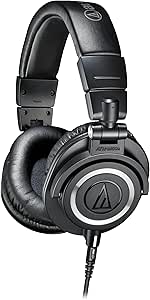 | Best Closed-Back Studio Pick | Driver size: 45 mm | Driver type: Dynamic | Frequency response: 20 Hz–28,000 Hz | VIEW ON AMAZON | See Our Full Breakdown |
| beyerdynamic DT 990 Pro (250 Ω) Open-Back Studio Headphones – Black |  | Best for Spacious Mixing | Impedance: 250 ohms | Frequency response: 5 Hz–35,000 Hz | Sensitivity: 96 dB | VIEW ON AMAZON | See Our Full Breakdown |
| Sennheiser HD 569 Closed-Back Wired Audiophile Headphones |  | Best for Everyday Closed-Back Listening | Design: Closed-back, over-ear | Connectivity: Wired | Transducers: 38 mm, 23 ohms | VIEW ON AMAZON | See Our Full Breakdown |
| Sennheiser HD 600 Open-Back Wired Headphones |  | Best for High-Fidelity Home Listening | Type: Open-back, wired, over-ear | Impedance: 300 ohms | Frequency response: 12–39,000 Hz | VIEW ON AMAZON | See Our Full Breakdown |
| FiiO FT1 32Ω Over-Ear Dynamic Driver Headphones with Wood Cups |  | Best for Cable Flexibility | Driver type: Dynamic | Driver size: 6 cm | Impedance: 32 ohms | VIEW ON AMAZON | See Our Full Breakdown |
| Sennheiser HD 560S Open-Back Over-Ear Wired Headphones |  | Best for Reference Listening | Design: Open-back, over-ear | Driver type: Dynamic | Driver size: 38 mm | VIEW ON AMAZON | See Our Full Breakdown |
| beyerdynamic DT 770 Pro X Closed-Back Studio Headphones, 48 Ohm, Black |  | Best for Recording and Isolation | Design: Closed-back, over-ear | Driver type: Dynamic STELLAR.45 | Driver size: 45 mm | VIEW ON AMAZON | See Our Full Breakdown |
| beyerdynamic DT 990 Pro X Open-Back Studio Headphones, 48 Ohm | 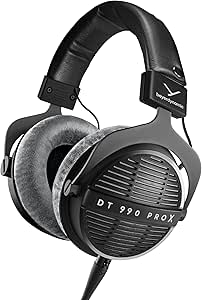 | Best Open-Back Studio Pick | Design: Open-back, over-ear | Driver type: Dynamic STELLAR.45 | Driver size: 45 mm | VIEW ON AMAZON | See Our Full Breakdown |
| Sennheiser HD 505 Copper Edition Open-Back Wired Headphones | 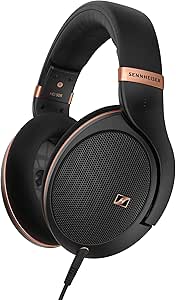 | Best for Comfortable Everyday Listening | Design: Open-back, over-ear | Driver type: Dynamic | Connectivity: Wired, 3.5 mm jack | VIEW ON AMAZON | See Our Full Breakdown |
| Sennheiser HD 650 Open-Back Dynamic Headphones | 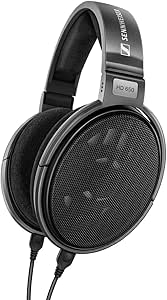 | Best Premium Home Listening | Design: Wired, open-back, over-ear | Driver type: Dynamic, matched drivers | Driver size: 42 mm | VIEW ON AMAZON | See Our Full Breakdown |
| Sennheiser HD 599 SE Open-Back Wired Headphones |  | Best for Comfortable Long Listening | Design: Open-back, over-ear | Driver type: Dynamic | Driver size: 38 mm | VIEW ON AMAZON | See Our Full Breakdown |
| Sennheiser HDB 630 Wireless Audiophile Headphones |  | Best Wireless Audiophile Pick | Design: Over-ear | Driver type: Dynamic | Driver size: 42 mm | VIEW ON AMAZON | See Our Full Breakdown |
| Sennheiser HD 660S2 Open-Back Audiophile Headphones |  | Best for Dedicated High-End Listening | Design: Open-back, over-ear | Driver type: Dynamic | Driver size: 42 mm | VIEW ON AMAZON | See Our Full Breakdown |
| Sennheiser HD 599 Open-Back Wired Headphones, Ivory |  | Best for Relaxed Everyday Home Listening | Design: Over-ear, open-back, wired | Color: Ivory | Driver type: Dynamic | VIEW ON AMAZON | See Our Full Breakdown |
| Sony MDR-7506 Professional Closed-Back Headphones | 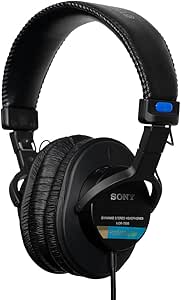 | Best Closed-Back Studio Pick | Design: Closed-back, over-ear | Driver size: 40 mm | Frequency response: 10 Hz–20 kHz | VIEW ON AMAZON | See Our Full Breakdown |
| audiophile headphone | Driver type | Design | Driver size | Impedance |
|---|---|---|---|---|
| Audio-Technica ATH-M50x Profes | Dynamic | Over-ear, circumaural | 45 mm | 38 ohms |
| beyerdynamic DT 990 Pro | Dynamic | — | — | 250 ohms |
| Sennheiser HD 569 Closed-Back | — | Closed-back, over-ear | — | — |
| Sennheiser HD 600 Open-Back Wi | — | — | — | 300 ohms |
| FiiO FT1 32Ω Over-Ear Dynamic | Dynamic | — | 6 cm | 32 ohms |
| Sennheiser HD 560S Open-Back O | Dynamic | Open-back, over-ear | 38 mm | 120 ohm |
| beyerdynamic DT 770 Pro X Clos | Dynamic STELLAR.45 | Closed-back, over-ear | 45 mm | 48 ohm |
| beyerdynamic DT 990 Pro X Open | Dynamic STELLAR.45 | Open-back, over-ear | 45 mm | 48 ohm |
| Sennheiser HD 505 Copper Editi | Dynamic | Open-back, over-ear | — | — |
| Sennheiser HD 650 Open-Back Dy | Dynamic, matched drivers | Wired, open-back, over-ear | 42 mm | — |
| Sennheiser HD 599 SE Open-Back | Dynamic | Open-back, over-ear | 38 mm | 50 ohms |
| Sennheiser HDB 630 Wireless Au | Dynamic | Over-ear | 42 mm | — |
| Sennheiser HD 660S2 Open-Back | Dynamic | Open-back, over-ear | 42 mm | 300 ohms |
| Sennheiser HD 599 Open-Back Wi | Dynamic | Over-ear, open-back, wired | — | 50 ohms |
| Sony MDR-7506 Professional Clo | — | Closed-back, over-ear | 40 mm | — |
More Details on Our Top Picks
Audio-Technica ATH-M50x Professional Studio Monitor Headphones
The ATH-M50x suits listeners who want a direct, bass-capable presentation without the sound escaping into the room. Its closed-back, sound-isolating earcups make it more practical for shared spaces and tracking than the open-back beyerdynamic DT 990 Pro, which is better suited to quiet rooms and spacious stereo listening. The 45 mm dynamic drivers and 38-ohm impedance also make this an easier match for everyday wired sources than the DT 990 Pro’s 250-ohm design. Its foldable, swiveling cups and detachable cable add useful flexibility for studio work or storage. The tradeoff is that its enclosed presentation won’t offer the airy openness of the Sennheiser HD 600, and the wired design rules out wireless convenience.
Pros:- Closed-back earcups help limit outside noise and sound leakage.
- 45 mm dynamic drivers are specified for clear sound with deep bass.
- Detachable cable, foldable cups, and 90-degree swiveling make studio handling and storage easier.
- 38-ohm impedance is a more practical fit for everyday wired sources than high-impedance studio models.
Cons:- Closed-back design gives a less open stereo presentation than the HD 600 or DT 990 Pro.
- Wired-only connectivity lacks wireless listening flexibility.
- Not water resistant.
Best for: Listeners and home-studio users who need isolating, wired over-ear headphones that can connect to common audio sources and pack away easily.
Not ideal for: Listeners seeking an open, spacious soundstage, wireless playback, or headphones for exercise and wet conditions.
- Driver size:45 mm
- Driver type:Dynamic
- Frequency response:20 Hz–28,000 Hz
- Impedance:38 ohms
- Sensitivity:99 dB
- Design:Over-ear, circumaural
- Connectivity:Wired, 3.5 mm jack
- Cable:Detachable
- Features:Foldable and 90-degree swiveling earcups; sound isolation
Our verdict“Choose the ATH-M50x for a versatile, isolating studio-style sound; pick an open-back model instead if spacious listening matters more than containment.”
beyerdynamic DT 990 Pro (250 Ω) Open-Back Studio Headphones – Black
The DT 990 Pro is the lineup’s open-back choice for buyers who prioritize a broad stereo image over isolation. That presentation can make placement and spatial cues feel easier to inspect than on the closed-back Audio-Technica ATH-M50x, but it also lets music escape and room noise in. Its 250-ohm impedance is a more demanding pairing than the Sennheiser HD 600’s 300 ohms by rating alone only slightly; both are better matched with suitable audio gear than low-power devices. A 3 m coiled cable, velour pads, and spring-steel headband suit a fixed desk setup and long sessions. The cost of that studio focus is limited portability: the cable is long, the design is open, and a capable interface or headphone amplifier may be needed for adequate level.
Pros:- Open-back design supports a spacious stereo image for mixing and attentive listening.
- Grey velour ear pads and an adjustable headband suit longer listening sessions.
- Spring-steel headband provides a durable frame.
- Supplied 3 m coiled cable and 6.35 mm adapter suit desk and studio connections.
Cons:- Open construction provides little isolation and allows sound to leak.
- 250-ohm impedance can make low-power sources a poor match.
- Long coiled cable is less convenient for portable use than shorter cables.
Best for: Mixers and detail-focused listeners with an audio interface or headphone amplifier who listen in a quiet room.
Not ideal for: Commuters, shared-room listeners, or buyers who need easy phone pairing without a suitable headphone output.
- Impedance:250 ohms
- Frequency response:5 Hz–35,000 Hz
- Sensitivity:96 dB
- Driver type:Dynamic
- Weight:8.8 ounces
- Cable length:3 m, coiled
- Connectivity:3.5 mm / 6.35 mm jack
- Ear pad material:Grey velour
- Headband material:Spring steel
Our verdict“Pick the DT 990 Pro for spacious listening in a powered, quiet setup, not for travel or noise-sensitive rooms.”
Sennheiser HD 569 Closed-Back Wired Audiophile Headphones
The Sennheiser HD 569 makes the most sense for listeners who want a closed-back fit with practical cable options, rather than the open presentation of the Sennheiser HD 600. Its 23-ohm transducers and 1.2 m cable with an in-line microphone and remote are geared toward straightforward connection and calls, while the included 3 m cable with a 6.3 mm plug suits a home audio setup. That two-cable approach gives it a more everyday role than the studio-oriented Audio-Technica ATH-M50x, whose swiveling cups and foldable construction better serve monitoring and storage. Soft, replaceable ear pads support continued use, but the provided data doesn’t specify frequency response, sensitivity, or other sound characteristics, so buyers seeking a detailed tonal comparison should look to models with more published specifications.
Pros:- Closed-back over-ear design is better suited to everyday use around others than open-back alternatives.
- Two detachable cables cover a 3.5 mm connection with microphone and remote, plus a 6.3 mm connection.
- 23-ohm transducers are specified for a relatively easy wired-source match.
- Soft, replaceable ear pads support comfort and upkeep.
Cons:- Wired-only design does not offer wireless listening.
- No frequency-response or sensitivity figure is provided in the product data for sound-profile comparison.
- The included 3 m cable may be cumbersome for use away from a desk.
Best for: Wired listeners who want closed-back over-ear headphones, a phone-call cable, and a second cable for home audio equipment.
Not ideal for: Buyers seeking a published frequency-response profile, an open-back soundstage, or wireless playback.
- Design:Closed-back, over-ear
- Connectivity:Wired
- Transducers:38 mm, 23 ohms
- Ear pads:Soft and replaceable
- Included cable 1:3 m cable with 6.3 mm jack
- Included cable 2:1.2 m cable with 3.5 mm jack, in-line microphone, and remote
Our verdict“Choose the HD 569 for flexible wired listening and calls in a closed-back design, rather than for open-back spatial listening or detailed spec comparisons.”
Sennheiser HD 600 Open-Back Wired Headphones
The Sennheiser HD 600 is the most focused choice here for high-fidelity listening in a quiet space. Its open-back construction is designed to support spacious stereo imaging, placing it closer to the beyerdynamic DT 990 Pro than to closed-back picks such as the ATH-M50x. The HD 600’s 300-ohm impedance, however, means source matching deserves attention; it is not the easy grab-and-go option its lightweight 260 g build might suggest. A detachable, Kevlar-reinforced cable adds practicality for long-term ownership, while the open cups sacrifice privacy and noise isolation. Choose it for attentive listening at home with suitable audio equipment, not for a commute, shared office, or late-night listening near someone who needs quiet.
Pros:- Open-back design supports spacious stereo imaging for focused listening.
- Specified 0.1% total harmonic distortion and 12–39,000 Hz frequency response provide useful technical detail.
- Lightweight 260 g construction suits extended listening.
- Detachable Kevlar-reinforced cable can be replaced if needed.
Cons:- Open-back cups allow sound to escape and provide little isolation.
- 300-ohm impedance may call for suitable audio equipment.
- Wired design is less convenient for mobile and wireless use.
Best for: Home listeners who value detailed, spacious wired playback and have a suitable headphone output or amplifier.
Not ideal for: Commuters, shared-space listeners, and buyers whose main source is a low-power device or who need sound isolation.
- Type:Open-back, wired, over-ear
- Impedance:300 ohms
- Frequency response:12–39,000 Hz
- Total harmonic distortion:0.1%
- Weight:260 g
- Cable:Detachable, Kevlar-reinforced oxygen-free copper
- Warranty:2 years
Our verdict“Choose the HD 600 for home listening and spatial presentation if your source can drive its 300-ohm load.”
FiiO FT1 32Ω Over-Ear Dynamic Driver Headphones with Wood Cups
The FiiO FT1 stands apart from the mostly studio-shaped picks here by combining wood cups with two supplied connection options: a 3.5 mm single-ended cable and a 4.4 mm balanced cable. That makes it more adaptable to compatible audio gear than the single-cable Sennheiser HD 600, though balanced connection is useful only if the source supports it. Its 32-ohm impedance is also a more approachable specification than the HD 600’s 300 ohms for many wired setups. FiiO specifies a 6 cm dynamic driver with a wood-fibre and carbon-fibre composite diaphragm, but the provided data doesn’t include frequency response or sensitivity, so it offers less published guidance for sound-profile comparisons than the DT 990 Pro. The over-ear build and two cables favor home use over compact portability.
Pros:- Includes both 3.5 mm single-ended and 4.4 mm balanced cables.
- 32-ohm impedance is less demanding by specification than the 300-ohm HD 600.
- Wood cups and a wood-fibre/carbon-fibre composite diaphragm distinguish its construction.
- Adjustable 11-position headband has a breathable suede-covered contact area.
Cons:- Over-ear design may be bulky for portable use.
- Balanced cable requires a compatible 4.4 mm source to be useful.
- The provided product data does not list frequency response or sensitivity.
Best for: Wired listeners with compatible 3.5 mm and 4.4 mm sources who want a wood-cup design and multiple cable choices.
Not ideal for: Travelers seeking compact headphones, wireless users, or buyers who need published frequency-response and sensitivity figures before choosing.
- Driver type:Dynamic
- Driver size:6 cm
- Impedance:32 ohms
- Fit:Over-ear
- Enclosure material:Wood
- Cable length:1.5 m each
- Cable connectors:3.5 mm single-ended and 4.4 mm balanced
- Included accessories:3.5 mm to 6.35 mm adapter and storage bag
- Warranty:1 year
Our verdict“Choose the FT1 for its supplied cable flexibility and distinctive wood construction, provided its over-ear size suits your setup.”
Sennheiser HD 560S Open-Back Over-Ear Wired Headphones
The HD 560S is my pick for listeners who want a spacious, natural presentation without moving to a more demanding headphone setup. Its open-back design gives recordings room to breathe, while the stated 120-ohm impedance and included 3.5 mm adapter make it straightforward to connect to compatible audio sources. Compared with the beyerdynamic DT 990 Pro X, the HD 560S is positioned around accurate, clear sound rather than a more studio-monitor-focused feature set.
The tradeoff is the open construction: it leaks sound and does little to block a busy room, so it is best reserved for quiet listening spaces. The detachable cable is useful for replacement, but this remains a wired home headphone, and the listed 600 g weight is worth checking against your comfort needs.
Pros:- Natural, accurate sound is suited to reference-oriented listening.
- Open-back construction creates a wide soundstage.
- Clear bass presentation avoids obscuring detail.
- Detachable cable and included 3.5 mm adapter support flexible wired connections.
Cons:- Open earcups leak sound and provide no noise isolation.
- Wired-only operation limits mobility.
- Listed weight is 600 g, which may not suit listeners seeking a particularly light fit.
Best for: Home listeners who want a natural, spacious presentation for focused music listening and have a quiet room.
Not ideal for: Commuters, shared-office listeners, or anyone who needs sound isolation, wireless use, or a water-resistant design.
- Design:Open-back, over-ear
- Driver type:Dynamic
- Driver size:38 mm
- Impedance:120 ohm
- Frequency range:6 Hz to 38 kHz
- Sensitivity:110 dB
- Cable:Detachable
- Connections:6.3 mm jack with 3.5 mm adapter
- Warranty:2 years
Our verdict“Choose the HD 560S for spacious, accuracy-minded listening at home, but skip it if you need isolation or portable convenience.”
beyerdynamic DT 770 Pro X Closed-Back Studio Headphones, 48 Ohm, Black
Among these five, the DT 770 Pro X is the practical choice for recording in a room where open-back headphones would let sound escape. Its closed-back cups help reduce headphone bleed, and the 48-ohm design is intended for common sources such as laptops, phones, interfaces, and consoles without a dedicated headphone amp. That makes it easier to use across a basic studio setup than the 120-ohm Sennheiser HD 560S.
This is a monitoring-oriented pick rather than a spacious home-listening option: the closed construction trades the airy presentation of the DT 990 Pro X for isolation. A detachable 3 m cable and replaceable velour pads help with upkeep, though the long wired lead can be cumbersome outside a desk or recording space. It is not water resistant.
Pros:- Closed-back design helps reduce headphone bleed while recording.
- 48-ohm impedance is suited to common devices without a dedicated headphone amp.
- Detachable 3 m cable and replaceable velour ear pads support maintenance.
- Carrying bag is included for storage and transport.
Cons:- Closed-back construction does not provide the open presentation of the DT 990 Pro X.
- The 3 m wired cable can be awkward for portable use.
- Not water resistant.
Best for: Home-recording musicians and editors who need wired monitoring, reduced sound leakage, and compatibility with everyday audio sources.
Not ideal for: Listeners who prioritize an open, airy soundstage or want a compact wireless headphone for commuting.
- Design:Closed-back, over-ear
- Driver type:Dynamic STELLAR.45
- Driver size:45 mm
- Impedance:48 ohm
- Frequency response:5 Hz–35,000 Hz
- Sensitivity:97 dB
- Cable:Detachable, 3 m
- Ear pads:Replaceable velour
- Weight:10.8 oz
Our verdict“Pick the DT 770 Pro X for practical studio monitoring and reduced leakage, not for the most open or portable listening experience.”
beyerdynamic DT 990 Pro X Open-Back Studio Headphones, 48 Ohm
The DT 990 Pro X suits listeners who want an open presentation but need a headphone designed to work with everyday sources. Its 48-ohm impedance is intended for use with laptops, phones, interfaces, and consoles without a dedicated amp, unlike the higher-impedance Sennheiser HD 560S. The open-back construction supports a wide, natural soundstage for monitoring and critical listening, while the detachable mini-XLR cable is a practical advantage for replacement or storage.
Compared with the closed-back DT 770 Pro X, this model gives up isolation: sound can escape to people nearby, and room noise can reach the listener. That makes it a better fit for a quiet desk than recording beside a microphone or listening in shared spaces. The package includes a 1/4-inch adapter and carrying pouch, but it remains wired and not water resistant.
Pros:- Open-back design supports a wide, natural soundstage.
- 48-ohm impedance is designed for common sources without a headphone amplifier.
- Detachable 3 m mini-XLR cable can be replaced.
- Velour ear pads, 1/4-inch adapter, and carrying pouch are included.
Cons:- Sound leaks from the open earcups and outside noise is not blocked.
- Wired connection restricts movement.
- Not water resistant.
Best for: Listeners and creators who want open-back monitoring from common devices and can listen in a quiet room.
Not ideal for: Recording users who need to limit sound bleed, or anyone listening around other people or in noisy surroundings.
- Design:Open-back, over-ear
- Driver type:Dynamic STELLAR.45
- Driver size:45 mm
- Impedance:48 ohm
- Frequency response:5 Hz
- Sensitivity:97 dB
- Cable:Detachable 3 m mini-XLR
- Connections:3.5 mm and 6.35 mm jacks
- Weight:10.3 ounces
Our verdict“Choose the DT 990 Pro X for open, spacious monitoring from everyday sources, but use the DT 770 Pro X if isolation matters more.”
Sennheiser HD 505 Copper Edition Open-Back Wired Headphones
The HD 505 Copper Edition is a home-listening option for buyers who value comfort and a spacious presentation over isolation. Its open-back design, plush velour pads, and lightweight headband support longer listening sessions, while the stated tuning emphasizes clear highs and mids with controlled bass. Compared with the more reference-focused HD 560S, the HD 505 is presented as an approachable everyday choice for music, work, or gaming rather than a strictly monitoring-oriented pick.
That comfort comes with the usual open-back compromise: nearby people can hear playback, and surrounding noise is not blocked. The 1.8 m cable gives less reach than the 3 m cables supplied with the beyerdynamic models, which may matter at a desk. A 6.35 mm adapter and drawstring bag add useful flexibility, but this remains a wired, non-water-resistant headphone.
Pros:- Open-back design creates a spacious, natural presentation.
- Clear highs and mids pair with controlled bass.
- Plush velour ear pads and lightweight headband support comfortable listening.
- Includes a 6.35 mm adapter and drawstring bag.
Cons:- Open-back construction provides no isolation and leaks sound.
- The 1.8 m wired cable can limit placement and movement.
- Not water resistant.
Best for: Listeners who want comfortable, open-back wired headphones for home music, work, or gaming in a relatively quiet space.
Not ideal for: Commuters or people in shared rooms who need isolation, longer cable reach, or wireless operation.
- Design:Open-back, over-ear
- Driver type:Dynamic
- Connectivity:Wired, 3.5 mm jack
- Cable length:1.8 m
- Included adapter:3.5 mm to 6.35 mm
- Enclosure material:Plastic
- Weight:558 g
- Water resistance:Not water resistant
- Warranty:2 years
Our verdict“Choose the HD 505 Copper Edition for comfortable, spacious home listening, but avoid it if you need isolation or a longer cable.”
Sennheiser HD 650 Open-Back Dynamic Headphones
The HD 650 is the premium home-listening pick here for buyers drawn to natural sound and matched dynamic drivers designed to reduce distortion. Its stated frequency range extends to 41,000 Hz, and the package supports both 3.5 mm and 1/4-inch connections. Compared with the HD 560S, which is framed around accurate reference listening, the HD 650 puts its emphasis on a comfortable, natural presentation for extended sessions rather than on isolation or portability.
It shares the open-back limitation of the HD 560S and HD 505: sound escapes, and room noise remains audible. The available details do not specify impedance or cable length, so buyers matching it to a particular source should check compatibility before choosing. Aluminum enclosure material is a distinct build detail, but this is still a wired headphone intended for quiet home use, not travel or wet conditions.
Pros:- Natural sound is suited to focused home listening.
- Matched dynamic drivers and optimized magnets are designed to reduce distortion.
- Includes both 3.5 mm and 1/4-inch connectors.
- Aluminum enclosure material distinguishes its construction from the plastic HD 505.
Cons:- Open-back design leaks sound and does not block outside noise.
- Impedance and cable length are not provided in the supplied product data.
- Not water resistant.
Best for: Home listeners seeking natural, extended-session listening from a wired open-back headphone with 3.5 mm and 1/4-inch connections.
Not ideal for: Commuters, shared-space listeners, or buyers who need confirmed low-impedance compatibility, wireless use, or water resistance.
- Design:Wired, open-back, over-ear
- Driver type:Dynamic, matched drivers
- Driver size:42 mm
- Frequency range:10 Hz–41,000 Hz
- Sensitivity:103 dB
- Connectors:3.5 mm jack and 1/4-inch connector
- Enclosure material:Aluminum
- Noise control:Passive noise cancellation
- Warranty:2 years
Our verdict“Choose the HD 650 for natural, comfortable listening at home, but check source compatibility and skip it if you need isolation.”
Sennheiser HD 599 SE Open-Back Wired Headphones
The HD 599 SE makes the most sense for listeners who want an airy, spacious presentation and comfort for long sessions, rather than isolation or wireless convenience. Its open-back design gives music a more open feel than the closed-back Sony MDR-7506, but sound also escapes and room noise comes through. At 50 ohms, it is less demanding on source gear than the HD 660S2 at 300 ohms, which makes it a more approachable home-listening choice. Plush velour pads and a lightweight build suit long playlists, while the included 3.5 mm and 6.3 mm detachable cables cover common listening setups. The tradeoff is a familiar one for open-back wired headphones: it is best in a quiet room, and the cable limits movement.
Pros:- Spacious presentation with clear, detailed sound
- Lightweight fit and plush velour ear pads support extended listening
- Detachable cables include both 3.5 mm and 6.3 mm connectors
- 50-ohm impedance is less demanding than the HD 660S2’s 300 ohms
Cons:- Open-back cups provide little isolation and leak sound
- Wired connection restricts movement
- Not suited to noisy environments or private listening
Best for: Home listeners who want a comfortable open-back headphone for long music sessions and use both standard and full-size headphone jacks.
Not ideal for: Commuters, shared-room listeners, or anyone needing wireless playback, strong isolation, or privacy from sound leakage.
- Design:Open-back, over-ear
- Driver type:Dynamic
- Driver size:38 mm
- Connectivity:Wired
- Impedance:50 ohms
- Sensitivity:106 dB
- Included cables:3 m cable with 6.3 mm connector; 1.2 m cable with 3.5 mm connector
- Warranty:2 years
Our verdict“Choose the HD 599 SE for comfortable, spacious home listening, but pick the Sony MDR-7506 if you need a closed-back design for more isolation.”
Sennheiser HDB 630 Wireless Audiophile Headphones
The HDB 630 is the lineup’s clearest choice for listeners who want high-resolution wireless playback without giving up useful wired options. Bluetooth codecs aptX HD and aptX Adaptive offer more flexibility than the purely wired HD 660S2, while USB-C audio supports playback up to 24-bit/96 kHz. Adaptive noise cancellation and transparency mode also make this a more practical travel and office headphone than open-back models such as the HD 599 SE, which let outside sound in. App-based parametric EQ gives listeners room to adjust the tuning, and the stated battery life reaches 60 hours. Its compromises are practical rather than subtle: it is not water resistant, and the listed 470-ohm impedance makes device compatibility worth checking for wired use.
Pros:- Bluetooth aptX HD and aptX Adaptive support high-resolution wireless listening
- USB-C wired audio supports up to 24-bit/96 kHz
- Adaptive noise cancellation and transparency mode suit travel and office use
- Up to 60 hours of battery life and app-based parametric EQ
Cons:- Not water resistant
- Listed 470-ohm impedance may call for checking wired source compatibility
- Wireless operation depends on battery charge
Best for: Listeners who want one over-ear headphone for wireless high-resolution playback, commuting, and USB-C wired listening, with app EQ for tuning adjustments.
Not ideal for: Buyers seeking a simple wired desktop headphone, water resistance, or a model that avoids device-compatibility checks for wired listening.
- Design:Over-ear
- Driver type:Dynamic
- Driver size:42 mm
- Connectivity:Bluetooth, wired, USB-C
- Wireless codecs:aptX HD, aptX Adaptive
- Battery life:Up to 60 hours
- Noise control:Adaptive noise cancellation and transparency mode
- Water resistance:Not water resistant
Our verdict“Pick the HDB 630 if wireless convenience, noise control, and adjustable sound matter more than the straightforward wired listening of the HD 660S2.”
Sennheiser HD 660S2 Open-Back Audiophile Headphones
The HD 660S2 is the most focused pick here for a dedicated listening setup: its natural, spacious sound pairs detailed highs and rich mids with controlled bass, including low-frequency response described around piano lows at 27.5 Hz. Compared with the easier-to-drive HD 599 SE, its 300-ohm impedance makes source matching more of a consideration, but it is better suited to listeners building around a capable headphone output. It stays wired and open-back, so it prioritizes an unconfined home-listening presentation over isolation or mobility. The breathable cushions, two included cables, adapter, and carry pouch add useful flexibility, though they do not change its central limitation: this is not the pick for noisy rooms or walking around the house.
Pros:- Natural, spacious sound with detailed highs, rich mids, and controlled bass
- Breathable plush ear cushions suit extended listening
- Includes 6.3 mm and 4.4 mm cables plus a 6.3 mm-to-3.5 mm adapter
- Carry pouch is included
Cons:- 300-ohm impedance makes source matching more demanding than with the HD 599 SE
- Open-back design offers little isolation and leaks sound
- Wired-only connectivity limits mobility
Best for: Dedicated home listeners with a suitable headphone source who value natural spatial sound, controlled bass, and long-session comfort.
Not ideal for: Portable-first buyers, listeners without a suitable source for 300-ohm headphones, or anyone who needs noise isolation or wireless playback.
- Design:Open-back, over-ear
- Driver type:Dynamic
- Driver size:42 mm
- Impedance:300 ohms
- Connectivity:Wired; 1/4-inch TRS and 4.4 mm TRRRS
- Low-frequency details:Piano lows at 27.5 Hz; bass drums at 45–60 Hz
- Weight:0.3 kg
- Included accessories:6.3 mm cable, 4.4 mm cable, 6.3 mm-to-3.5 mm adapter, carry pouch
Our verdict“Choose the HD 660S2 for focused home listening with a capable source; the HD 599 SE is the simpler fit if easier drive is the priority.”
Sennheiser HD 599 Open-Back Wired Headphones, Ivory
The ivory HD 599 is a relaxed home-listening option for buyers who value natural spatial sound and familiar wired connections over a more specialized setup. Its 50-ohm impedance and included 3.5 mm cable make it less demanding to connect than the HD 660S2, while the replaceable velour pads and padded headband support long sessions. The open-back design creates a spacious feel, but unlike the closed-back Sony MDR-7506, it does not keep much outside noise away or contain playback for people nearby. Two detachable cables—3 m with a 6.3 mm connector and 1.2 m with a 3.5 mm connector—help it move between a home system and portable devices. It remains a wired, non-water-resistant headphone, and its one-year warranty is shorter than the HD 599 SE’s stated two years.
Pros:- Open-back design gives music a natural spatial presentation
- Velour-covered replaceable ear pads and padded headband support comfort
- Includes detachable 3 m and 1.2 m cables with 6.3 mm and 3.5 mm connectors
- 50-ohm impedance is less demanding than the HD 660S2’s 300 ohms
Cons:- Open-back cups provide no meaningful noise control and leak sound
- Wired connection limits freedom of movement
- One-year warranty is shorter than the HD 599 SE’s listed two years
Best for: Home listeners who want an ivory open-back headphone with replaceable velour pads and cables for both portable and full-size headphone jacks.
Not ideal for: People listening in noisy shared spaces, commuting with headphones, or seeking wireless playback or water resistance.
- Design:Over-ear, open-back, wired
- Color:Ivory
- Driver type:Dynamic
- Impedance:50 ohms
- Frequency range:12–38,500 Hz
- Cable lengths:3 m and 1.2 m
- Connectors:6.3 mm and 3.5 mm
- Warranty:1 year
Our verdict“Choose the ivory HD 599 for comfortable, flexible-cable home listening, but favor the Sony MDR-7506 when closed-back isolation matters more than spatial openness.”
Sony MDR-7506 Professional Closed-Back Headphones
The MDR-7506 earns its place by serving listeners who need a closed-back, foldable headphone for studio work or focused listening where open-back models are impractical. Its design reduces external noise more than the Sennheiser HD 599 SE, though the product data does not specify active noise cancellation. The 40 mm drivers and 10 Hz–20 kHz response are geared toward detailed monitoring, while the included 1/4-inch adapter lets the long 9.8-foot cord connect to common studio equipment. Unlike the wireless HDB 630, the Sony needs no battery, but it also offers no wireless freedom. The non-detachable cord is the central compromise: it is useful for stationary setups, less convenient for travel, and harder to replace if damaged. A soft case and folding design help with storage.
Pros:- Closed-back design reduces external noise compared with open-back options such as the HD 599 SE
- 40 mm drivers and a stated 10 Hz–20 kHz frequency response
- Folds for storage and includes a soft carrying case
- Includes a 1/4-inch adapter for studio connections
Cons:- 9.8-foot cord is non-detachable and can be cumbersome for portable listening
- No active noise cancellation is specified
- Wired-only design offers no freedom from the cord
Best for: Studio users and detail-focused listeners who want a foldable closed-back wired headphone with a long cord and a 1/4-inch adapter.
Not ideal for: Listeners who need a detachable cable, wireless playback, active noise cancellation, or a short lead for portable use.
- Design:Closed-back, over-ear
- Driver size:40 mm
- Frequency response:10 Hz–20 kHz
- Connectivity:Wired
- Cord length:9.8 ft
- Cord:Non-detachable
- Weight:8 oz
- Included accessories:1/4-inch adapter, soft carrying case
Our verdict“Choose the MDR-7506 for closed-back wired monitoring and reduced outside noise; skip it if a detachable cable or wireless listening is a priority.”

How We Picked
I ranked these audiophile headphones by how well their sound, usability, and design fit real listening situations—not by driver type or brand prestige alone. I weighed tonal balance and detail alongside comfort for long sessions, build and cable practicality, isolation, and whether a typical source can drive the headphones effectively. A revealing open-back model can excel at home and still rank below a closed-back option for someone who needs to listen near other people.
The order favors sound quality with broad usefulness, then accounts for the compromises buyers must accept. The HD 600 takes the top spot for its strong fit as a wired home-listening reference; easier entry points such as the HD 560S follow closely. Closed-back studio models rank well for specific needs, while premium, wireless, and specialist options move up for buyers who prioritize those use cases. No single sound profile suits everyone, so each pick has a distinct role and a reason to skip it.
| audiophile headphone | Driver type | Design |
|---|---|---|
| Audio-Technica ATH-M50x Profes | Dynamic | Over-ear, circumaural |
| beyerdynamic DT 990 Pro | Dynamic | — |
| Sennheiser HD 569 Closed-Back | — | Closed-back, over-ear |
| Sennheiser HD 600 Open-Back Wi | — | — |
| FiiO FT1 32Ω Over-Ear Dynamic | Dynamic | — |
| Sennheiser HD 560S Open-Back O | Dynamic | Open-back, over-ear |
| beyerdynamic DT 770 Pro X Clos | Dynamic STELLAR.45 | Closed-back, over-ear |
| beyerdynamic DT 990 Pro X Open | Dynamic STELLAR.45 | Open-back, over-ear |
| Sennheiser HD 505 Copper Editi | Dynamic | Open-back, over-ear |
| Sennheiser HD 650 Open-Back Dy | Dynamic, matched drivers | Wired, open-back, over-ear |
| Sennheiser HD 599 SE Open-Back | Dynamic | Open-back, over-ear |
| Sennheiser HDB 630 Wireless Au | Dynamic | Over-ear |
| Sennheiser HD 660S2 Open-Back | Dynamic | Open-back, over-ear |
| Sennheiser HD 599 Open-Back Wi | Dynamic | Over-ear, open-back, wired |
| Sony MDR-7506 Professional Clo | — | Closed-back, over-ear |
Factors to Consider When Choosing Audiophile Headphones
Before choosing among these models, I would start with where and how I listen. A headphone that sounds open and spacious in a quiet room may be a poor match for a commute or a shared office. The following factors help narrow the field beyond the differences between individual models.
Open-Back or Closed-Back: Match the Room
Open-back headphones let sound pass through the earcups, which can create a more airy presentation but also lets your music leak out and room noise in. They make the most sense in a quiet room where privacy is not required. Closed-back headphones reduce that exchange and are usually the safer choice around other people, though the sound can feel more contained. A common mistake is buying open-back headphones for travel because of their sound reputation, then finding that ambient noise masks detail. Decide first whether you need isolation; that choice removes a large part of the lineup before you compare tuning.
Choose a Sound Signature You Can Live With
“Detailed” does not always mean “right for me.” Some listeners want a neutral balance that makes vocal and instrumental relationships easy to hear; others prefer stronger bass or brighter treble for a more energetic presentation. Extended listening matters: a sound that seems exciting in a short comparison may become tiring over a full album. If possible, compare familiar recordings at matched listening levels, since a louder headphone can seem more impressive even when it is not a better fit. Buyers who listen across many genres often benefit from a balanced model, while a deliberate bass or treble preference can justify a more specialized choice.
Check Source Power and Connection Needs
Impedance is one clue to how demanding a wired headphone may be, but it is not a complete measure of drive difficulty; sensitivity and the output of your device matter too. A phone, laptop, desktop interface, and dedicated headphone amplifier can all produce different listening levels from the same headphone. Do not assume every open-back model needs an amplifier, or that a lower-impedance model will work perfectly with every source. Check that your usual device reaches a comfortable level without distortion and leaves some headroom. If you plan to use multiple sources, a model with a more forgiving drive requirement can make the setup simpler.
Prioritize Comfort for Your Listening Habits
Clamp force, earcup depth, pad material, and weight affect whether a headphone stays comfortable beyond a short session. Glasses wearers may feel pressure at the temples, and warm pads can become distracting during long listening stretches. A model with excellent sound is a poor practical choice if its fit makes you take it off early. Look for replaceable pads and cables if you want to keep a wired headphone in service over time. When fit is uncertain, favor products with a clear return policy and check whether replacement parts are available in your region.
Pay More for a Real Benefit, Not a Higher Tier
Moving up a product family can bring changes in tuning, comfort, or build, but the gains may not matter equally to every listener. A premium open-back headphone is hard to justify if you mainly need isolation, wireless playback, or a durable studio workhorse. Set a practical ceiling based on how often you listen and what your current setup can support. Spend extra when a specific improvement addresses a real limitation, such as wireless convenience or a sound signature you strongly prefer. Otherwise, an accessible model that fits your room and device can be the more satisfying purchase.
Think About Portability, Wireless Use, and Maintenance
Headphones intended for stationary listening may have long cables or an open design that is awkward outside the home. For commuting, cable handling, foldability, isolation, and wireless operation can matter more than a small difference in sound character. Wireless audiophile models also add battery and connection considerations that passive wired headphones avoid. Check how the headphones will be stored, whether the cable can be replaced, and how easily the pads can be cleaned or changed. Choosing for the full ownership routine—not just the first listening session—can prevent a technically appealing pick from becoming inconvenient.
Frequently Asked Questions
Do audiophile headphones need a separate amplifier?
Not always. Many headphones can reach useful listening levels from a laptop or phone, but the result depends on both headphone sensitivity and the source’s output. Higher-impedance models such as the 250-ohm DT 990 Pro may need more output than a mobile device provides, while a lower-impedance model is often easier to pair. If you already own a source, check whether it can play your usual recordings at a comfortable level without sounding strained. Buy an amplifier to solve a real power or connection problem, not as an automatic add-on.
Are open-back headphones a bad choice for an office or apartment?
They can be, especially if people nearby need quiet or your room is noisy. Open-back designs leak sound outward and do little to block voices, appliances, or street noise, so you may turn the volume up to hear details. That makes them better suited to a private listening area than a shared workspace. A closed-back model is the more practical direction when isolation matters, even if you give up some of the airy presentation associated with open designs. Consider both sound leakage and incoming noise before choosing.
Should I choose the HD 600, HD 650, or HD 660S2?
Choose among them by the sound and listening role you want, not by assuming the newest or most expensive option is automatically best. The HD 600 is the strongest all-round reference pick in this roundup, while the HD 650 and HD 660S2 are alternatives for buyers who prefer their respective tuning and want to compare within Sennheiser’s premium open-back family. All three are open-back wired headphones, so none is a good answer for noisy travel or sound-sensitive shared rooms. Check fit and source compatibility too, since comfort and usable volume affect daily enjoyment as much as small tuning differences. If you cannot compare them in person, start with the one whose intended sound character best matches your listening habits.
Can one pair of audiophile headphones work for music and studio monitoring?
Yes, but the right compromise depends on whether you need an open or closed design and how much isolation your work requires. A revealing headphone can help you hear balance and detail, but studio monitoring may also call for a closed back to limit sound leakage into a microphone or reduce distractions. Comfort and a replaceable cable matter during long sessions, while a portable connection can help if you work across devices. Do not assume “studio” in a product name guarantees a neutral response for every task. Match the headphone to your specific monitoring environment and verify important mixes on other speakers or headphones.
Is a wireless model worth choosing over wired headphones for sound quality?
Wireless can be the better everyday choice if freedom from cables, built-in features, and easy device switching matter more than a simple passive signal path. Wired headphones avoid battery charging and can be straightforward to use with suitable sources, but they may need an adapter or amplifier depending on the model. Sound quality depends on the specific headphone and your listening conditions, not just whether a cable is present. Compare practical factors such as battery needs, connection reliability, isolation, and where you listen most. If music listening is mostly stationary in a quiet room, a wired pick may suit you better; for movement and convenience, wireless can be worth the tradeoff.
Conclusion
For most quiet-room listeners, I recommend the Sennheiser HD 600 as the best overall because it combines a natural, revealing sound with a clear home-listening role. The HD 560S is my best value for buyers seeking an open, detail-oriented presentation without stepping straight into a premium tier, while the HD 599 or HD 505 makes a more approachable starting point for beginners who value comfort and easygoing listening. For a more premium Sennheiser option, compare the HD 660S2 with the HD 650 by preferred sound and fit. If you need isolation, choose the FiiO FT1 for a closed-back listening alternative or look to the DT 770 Pro X for a studio-minded, lower-impedance option; pick the HDB 630 when wireless convenience is the priority. I would skip open-back models for noisy commutes and avoid paying for a premium tier unless its sound or features solve a need you actually have.