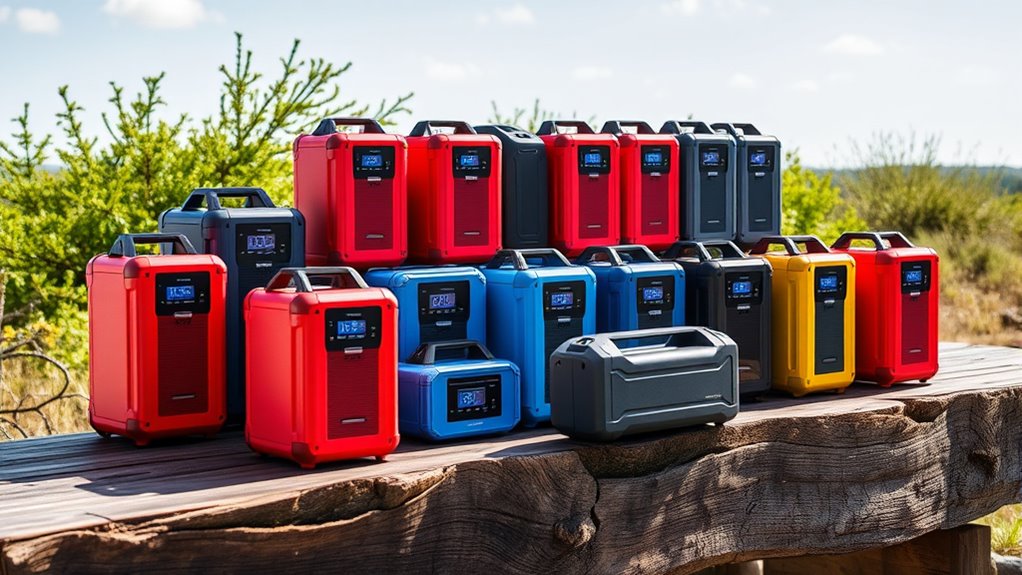

For anyone seeking reliable power on the go, portable power stations offer a versatile solution for backup energy, camping, or mobile work setups. The Jackery HomePower 3600 Plus stands out as the best overall thanks to its massive 3600W AC output and expandable capacity, suitable for home backup and RV use. The BLUETTI AC180 impresses with its high 1152Wh capacity and solar compatibility, making it ideal for renewable energy enthusiasts. Meanwhile, the EF ECOFLOW Delta 3 combines portability with high wattage output, perfect for power-hungry devices. Buyers face tradeoffs between capacity, portability, and price—settling often means balancing power needs against size and budget. Keep reading to see how these options compare, and find the best fit for your needs.
Complete the kit


Key Takeaways
- High-capacity models like the Jackery HomePower 3600 Plus excel for home backup and RV use, but are bulkier and pricier.
- Solar compatibility varies; not all stations support fast charging or high wattage solar input, affecting renewable energy use.
- Size and weight are critical for portability—compact options sacrifice capacity, while larger units are better suited for stationary use.
- Battery chemistry impacts longevity; LiFePO4 batteries tend to last longer and handle deeper discharges than traditional lithium-ion options.
- Price ranges widely; premium models offer more features and capacity but may be unnecessary for casual users or occasional use.


| portable power station | Weight |
|---|---|
| Jackery HomePower 3600 Plus Po | 77.2 pounds |
| VTOMAN Jump 600X Portable Powe | 9.92 lbs |
| BLUETTI AC180 Portable Power S | 37.4 pounds |
| EF ECOFLOW Delta 3 Portable Po | 12.5 kg |
| Portable Power Station 500W | 14.1 pounds |
| Anker SOLIX C300 Portable Powe | — |
| Jackery Solar Generator 1000 v | 23.8 pounds |
| Anker SOLIX S2000 Portable Pow | 35.7 pounds |
| Daran Portable Power Station 8 | 2.54 pounds |
| Jackery HomePower 1000 Plus v2 | 23.8 pounds |
| Jackery Explorer 300 Portable | 7.5 lbs |
| Jackery Explorer 1000 v2 Porta | 23.8 lbs |
| ALLWEI Portable Power Station | 6.4 lbs |
| MARBERO Portable Power Station | 5.7 lbs |
More Details on Our Top Picks
Jackery HomePower 3600 Plus Portable Power Station, 3600W AC Output, 3584Wh LFP Solar Generator, Expandable up to 21kWh
The Jackery HomePower 3600 Plus stands out for its massive 3584Wh capacity with the ability to expand up to 21kWh, making it a top choice for long-term emergency power or RV living. Its multiple charging options—AC, solar, and hybrid—offer flexibility, while the durable LFP battery promises a 10-year lifespan with 6,000 cycles. Compared with smaller units like the VTOMAN Jump 600X, it provides significantly more power, though at the cost of weight and price. The 77.2-pound weight makes it less portable for frequent moves, but wheels and a telescopic handle ease transportation. Its limited outlets (only 2) could be a drawback for higher power needs, often requiring multiple units. Overall, this model makes the most sense for those needing reliable, high-capacity backup for home or RV use, accepting its tradeoff of size and cost.
Pros:- Massive expandable capacity up to 21kWh for long-term use
- Safe, durable LFP battery with 10-year lifespan
- Multiple charging options including solar and hybrid charging
- Portable design with wheels and telescopic handle
Cons:- Heavy at 77.2 pounds, challenging for frequent carrying
- Limited to only 2 outlets, possibly requiring additional units
Best for: Homeowners and RV travelers needing dependable, expandable backup power for extended outages or off-grid living.
Not ideal for: Campers or outdoor enthusiasts who prioritize portability and lightweight equipment, as this unit is quite heavy and bulkier.
- Output Wattage:3600W
- Capacity:3584Wh
- Expandable Capacity:up to 21kWh
- Voltage:120V & 240V in parallel
- Weight:77.2 pounds
- Charging Time:AC in 2.5 hours, solar in 4 hours, hybrid in 2 hours
Our verdict“This station is ideal for those seeking a high-capacity, reliable home or RV backup, despite its weight and higher price.”
VTOMAN Jump 600X Portable Power Station, 600W, 268.8Wh LiFePO4 Battery
The VTOMAN Jump 600X excels in portability, offering 268.8Wh of LiFePO4 capacity packed into a lightweight 9.92-pound frame. Its 600W continuous power with peaks up to 1200W makes it suitable for small devices, camping, or quick emergency recharges. Compared to larger models like the EF ECOFLOW Delta 3, it delivers less total energy but shines in mobility and rapid 2-hour recharging. The multiple outputs, including USB-C PD and AC, provide versatile charging options, but the modest battery capacity limits its ability to run high-wattage appliances for extended periods. Solar input is supported but sold separately, which may add to overall cost. This pick makes the most sense for outdoor adventurers or emergency kits that need a compact, fast-charging solution for smaller devices.
Pros:- Lightweight at just under 10 pounds for easy portability
- Fast recharge time of about 2 hours
- Versatile outputs including USB-C PD and AC outlets
- Long-lasting LiFePO4 battery with 3000 cycles
Cons:- Limited battery capacity for high-power or long-duration use
- Solar panel sold separately, adding to cost
Best for: Campers, hikers, and emergency preparedness enthusiasts who need a portable, quick-charging power station for small to medium devices.
Not ideal for: Users needing to power large appliances or run devices continuously over long periods, as its battery capacity is limited.
- Wattage:600W
- Battery Capacity:268.8Wh
- Peak Power:1200W
- Charge Time:2 hours
- Weight:9.92 lbs
- Outputs:2 AC, 2 USB-C, 1 USB-A, 2 12V DC
Our verdict“Best suited for outdoor and emergency use where portability and quick recharging are priority over total energy capacity.”
BLUETTI AC180 Portable Power Station 1152Wh 1800W LiFePO4 Solar Generator
The BLUETTI AC180 offers a compelling combination of high capacity and rapid charging, with a 1152Wh LiFePO4 battery that can be fully recharged in just 1 hour. Its 1800W continuous output is suitable for powering a wide array of devices, from small appliances to essential home electronics. Compared to lighter units like the Portable Power Station 500W, it provides more energy and outlet options, making it a strong choice for home backup or off-grid scenarios. Despite its weight of 37.4 pounds, it remains portable enough for most uses. The device’s multiple outlets and fast solar charging support make it versatile, but the raw data lacks some detailed specs, requiring users to confirm compatibility. It’s ideal for users who need a reliable, fast-charging power station for moderate to high-power needs.
Pros:- Fast 1-hour full charge for quick readiness
- High capacity suitable for diverse devices
- Multiple outlets including USB and AC
- Can serve as a dependable home backup
Cons:- Heavy at over 37 pounds, less portable for frequent travel
- Limited detailed specifications in raw data
Best for: Home users and small business owners seeking a fast-charging, reliable backup power source for critical devices.
Not ideal for: Those looking for ultra-lightweight options for hiking or frequent outdoor trips, as the unit remains somewhat heavy.
- Battery Capacity:1152Wh
- Voltage:120 volts
- Output Wattage:1800W
- Number of Outlets:11
- Charging Time:1 hour
- Weight:37.4 pounds
Our verdict“This model is well-suited for users who prioritize rapid charging and reliable backup power over portability.”
EF ECOFLOW Delta 3 Portable Power Station, 1024Wh, 1800W
The EF ECOFLOW Delta 3 offers a well-balanced mix of capacity and power, with 1024Wh and 1800W output capable of running up to 13 appliances simultaneously. Its fast charging, combined with the ability to expand capacity up to 5kWh, makes it adaptable for emergency, camping, or home backup scenarios. Compared to the BLUETTI AC180, it provides less initial capacity but features a more familiar, user-friendly interface and slightly lighter weight of 12.5 kg. The batteries use LiFePO4 chemistry, promising 4000 cycles to 80% capacity, which supports long-term reliability. Its multiple outlets and high surge capacity allow for versatile use, though its weight and setup complexity could be less ideal for those new to portable power. Overall, this makes a solid choice for users needing both power and expandability without excessive bulk.
Pros:- Fast recharge in under an hour with advanced tech
- Expandable capacity up to 5kWh for versatile use
- Durable LiFePO4 batteries with 10-year lifespan
- Powerful 1800W output for multiple devices
Cons:- Relatively heavy at 12.5 kg for carrying around
- Setup complexity may challenge beginners
Best for: Families or small business owners seeking a high-power, expandable backup system with easy operation.
Not ideal for: Outdoor adventurers wanting a lightweight, ultra-portable unit for short trips, as it’s somewhat heavier and more complex to set up.
- Capacity:1024Wh
- Power Output:1800W
- Surge Power:3600W
- Battery Type:LiFePO4
- Battery Cycles:4000
- Weight:12.5 kg
Our verdict“Best suited for users who need a reliable, expandable power station with high output and long-term durability.”
Portable Power Station 500W, 519.48Wh Solar Generator Backup
The Portable Power Station 500W offers a practical balance of capacity and affordability, with 519.48Wh suitable for powering phones, laptops, and small appliances. Its multiple outputs—including USB-C PD and quick-charge USB-A—cover most everyday needs. Compared to larger, more feature-rich units like the EF ECOFLOW Delta 3, it’s less powerful but more portable at just 14.1 pounds. Charging options include solar, wall, and car, providing flexibility during outdoor trips or outages. The limited runtime—around 1 hour at full load—means it’s best for short-term emergencies or minor devices. Its straightforward design and lower cost make it appealing for those on a budget who want basic backup power without extra bells and whistles.
Pros:- Affordable with decent 519.48Wh capacity
- Multiple output ports including USB-C PD
- Recharges via solar, wall, or car for versatility
- Lightweight at just over 14 pounds
Cons:- Limited to 500W continuous power, restricting high-wattage devices
- Runtime of about 1 hour at maximum load may be insufficient
Best for: Budget-conscious campers and homeowners needing quick, reliable power for essential devices during outages.
Not ideal for: Anyone requiring long-duration power or to run high-wattage appliances continuously, as capacity and runtime are limited.
- Wattage:519.48Wh
- Output Wattage:500W
- Starting Wattage:1000W
- Number of Outlets:10
- Weight:14.1 pounds
- Runtime:1 hour
Our verdict“This unit is ideal for basic, portable backup needs on a budget, with limited runtime but good versatility.”
Anker SOLIX C300 Portable Power Station, 288Wh Solar Generator for Camping
The Anker SOLIX C300 stands out for its portability and quiet operation, making it ideal for camping trips and outdoor use. Compared with larger models like the Anker SOLIX S2000, it offers a much smaller capacity, which means it won’t power bigger devices or run longer during extended outages. Its LiFePO4 batteries provide durability, but the limited 288Wh capacity restricts its usefulness for high-energy devices or prolonged power needs. The fast charging and multiple ports add convenience, yet the absence of compatibility with some solar panels and a separate shoulder strap could be drawbacks for serious outdoor users. Overall, this pick makes the most sense for travelers who need quick, reliable power without extra bulk.
Pros:- Compact and lightweight at just over 4 kg
- Fast recharging with multiple ports
- Durable LiFePO4 batteries with long cycle life
- Quiet operation at 25dB
Cons:- Limited capacity of 288Wh restricts device use
- Not compatible with some solar panels like Anker SOLIX PS30
Best for: Travelers and campers needing lightweight, portable backup power
Not ideal for: Homeowners seeking backup for large appliances during outages
- Battery Capacity:288Wh
- Output Wattage:300W (600W Surge)
- Number of Outlets:8
- USB Ports:3x USB-C, 1x USB-A
- Car Socket:Yes
- Recharge Time:68 minutes (wall), 50 minutes (80%) charge)
Our verdict“This is an excellent choice for outdoor enthusiasts who prioritize portability over extended power capacity.”
Jackery Solar Generator 1000 v2 with 200W Solar Panel, 1070Wh, 1500W AC
The Jackery Solar Generator 1000 v2 offers a significant 1070Wh capacity and 1500W AC output, making it suitable for users who need to power multiple devices for longer periods. It surpasses smaller units like the Daran Portable Power Station in total energy, but requires a one-hour setup to enable fast charging, which might be inconvenient in emergency situations. Its lightweight design and foldable handle enhance portability, yet the runtime—around 2 hours at full load—limits its endurance during extended power outages. While it can be recharged via solar or grid, the solar panel and generator are sold separately, adding to the overall cost. This makes it ideal for campers or emergency preparedness, who want high capacity without sacrificing mobility.
Pros:- High-capacity 1070Wh battery
- Fast recharge in just 1 hour
- Multiple ports including USB-C, USB-A, DC, and AC
- Lightweight, portable with foldable handle
Cons:- Requires additional purchase of solar panel
- Limited runtime of approximately 2 hours at full load
Best for: Outdoor enthusiasts and emergency prepper who need high capacity and quick recharges
Not ideal for: People seeking a small, always-ready backup for minimal device needs
- Wattage:1500W
- Battery Capacity:1070Wh
- Output Wattage:1500W
- Weight:23.8 pounds
- Dimensions:12.87″L x 8.82″W x 9.72″H
- Runtime:Approximately 2 hours at full load
Our verdict“This generator suits users who want high capacity and fast charging, but are prepared to buy accessories separately.”
Anker SOLIX S2000 Portable Power Station, 2010Wh, 3000W Peak, Home Backup
The Anker SOLIX S2000 provides a substantial 2010Wh capacity and 3000W peak wattage, making it ideal for backup at home or powering demanding appliances. It offers a more extensive capacity compared to the Jackery Explorer 1000, with support for solar input, but at a heavier weight of over 35 pounds, it’s less suited for frequent transport. Its compact design relative to capacity makes it appealing for those who need a portable yet powerful solution during outages or outdoor events. The absence of a 12V DC port could restrict some device connections, and runtime varies significantly depending on load. It’s best for users who prioritize capacity and power over ultra-light portability, especially during prolonged outages or high-power needs.
Pros:- High capacity of 2010Wh for extended backup
- Supports solar charging for flexible recharging
- Compact design for its capacity
- Multiple outlets for various devices
Cons:- Heavy at over 35 pounds
- Limited to 1500W continuous output
- No 12V DC port
Best for: Homeowners or campers needing reliable, high-capacity backup
Not ideal for: Casual users or those frequently on the move who prefer lighter gear
- Wattage:2010Wh
- Peak Wattage:3000W
- Runtime:Up to 35 hours depending on load
- Weight:35.7 pounds
- Dimensions:8.19″L x 11.1″W x 12.7″H
- Supports Solar Input:Yes
Our verdict“Best suited for users who need reliable, high-capacity power for home or prolonged outdoor use, despite added weight.”
Daran Portable Power Station 89.6Wh LiFePO4 Battery 100W Solar Power Bank with AC Outlets & Fast Charging
The Daran Portable Power Station excels in portability with its lightweight design and 89.6Wh capacity, making it perfect for quick outdoor or emergency needs. While it can’t handle devices over 100W, it supports fast charging via AC, USB-C, or solar, and its long-lasting LiFePO4 battery with over 3500 cycles ensures reliability over time. Compared with larger units like the Anker SOLIX C300, it sacrifices capacity for convenience, but this tradeoff makes it a better choice for those who prioritize minimal size and weight. The absence of Wi-Fi or app connectivity is a drawback for users seeking smart monitoring, but its LED flashlight adds practical value in outdoor settings.
Pros:- Ultra-lightweight at 2.54 pounds
- Fast charging from multiple sources
- Long-lasting LiFePO4 battery with 3500+ cycles
- Multiple output options including AC
Cons:- Limited to 100W output
- Solar panel sold separately
- No app or Wi-Fi connectivity
Best for: Hikers, campers, or emergency kit builders needing a small, reliable power source
Not ideal for: Users who need to power high-wattage devices or run extended outages
- Battery Capacity:89.6Wh
- Output Power:100W
- Weight:2.54 pounds
- Dimensions:6.5 x 3.3 x 4 inches
- Charging Methods:AC, USB-C PD, car, solar
- Maximum Output:100W
Our verdict“A smart pick for portable, quick emergency power, but not suited for high-demand appliances.”
Jackery HomePower 1000 Plus v2 Portable Power Station
The Jackery HomePower 1000 Plus v2 offers a flexible solution with an initial 1024Wh capacity that can be expanded to 11kWh with additional batteries. It excels for users who want a scalable backup system for home or off-grid use, especially during outages. Its high surge capacity of 3600W makes it capable of handling power tools and appliances, and rapid charging in 1.25 hours adds convenience. However, the need to purchase extra battery packs increases the overall investment, and its weight of nearly 24 pounds may hinder portability for casual outdoor use. The complex setup might intimidate less experienced users, but for those seeking expandable, high-capacity backup, it’s a compelling choice.
Pros:- Expandable capacity up to 11kWh
- Fast recharge in just over an hour
- High surge capacity for demanding appliances
- Supports solar and wall charging
Cons:- Additional batteries sold separately
- Heavy and less portable
- Complex setup for casual users
Best for: Homeowners or off-grid users needing scalable, high-capacity backup power
Not ideal for: Casual campers or users requiring ultra-light portable units
- Wattage:1024Wh
- Surge Peak:3600W
- Charge Time:1.25 hours
- Weight:23.8 pounds
- Expandability:Up to 11kWh with extra batteries
- Input Options:AC, solar
Our verdict“Ideal for those who want scalable, high-capacity backup power with fast recharging, despite higher cost and weight.”
Jackery Explorer 300 Portable Power Station, 292Wh
The Jackery Explorer 300 stands out for its compact size and lightweight design, making it ideal for outdoor adventures where portability matters most. Weighing only 7.5 pounds, it’s significantly easier to carry than larger models like the Jackery Explorer 1000 v2, which offers more capacity but at a weight penalty. Its 292Wh capacity and versatile charging ports—including USB-C, USB-A, and AC outlets—make it suitable for powering small devices and camping essentials. However, it doesn’t include a solar panel, and its 300W output limits the types of devices it can support. This pick makes the most sense for outdoor enthusiasts who prioritize mobility over high power or extended runtime. It’s less suited for those needing to run high-wattage appliances or expecting to rely heavily on solar recharging.
Pros:- Extremely lightweight and portable with an integrated handle
- High cycle count of over 4,000, ensuring long-term durability
- Versatile ports including USB-C PD for fast device charging
Cons:- No solar panel included, adding extra cost for off-grid recharging
- Limited to 300W continuous power, unsuitable for high-power devices
Best for: Hikers, campers, or outdoor lovers needing a lightweight, portable power source for small devices.
Not ideal for: Users requiring high power output or to run large appliances — its 300W limit and lack of solar panel inclusion restricts heavier use.
- Weight:7.5 lbs
- Capacity:292Wh
- Output Power:300W (peak 600W)
- AC Outlets:2
- USB-C Port:100W PD
- Charge Time:4 hours
Our verdict“This is best suited for those who need reliable, lightweight power on outdoor trips without high wattage demands.”
Jackery Explorer 1000 v2 Portable Power Station, 1070Wh, 1500W
The Jackery Explorer 1000 v2 offers a significant jump in capacity and power, making it suitable for longer trips or emergency backup. With 1070Wh and 1500W AC output, it can run multiple devices simultaneously, including small appliances, unlike the Explorer 300, which is limited to smaller gadgets. Its fast charging—reaching full capacity in around an hour—plus over 10 years of battery lifespan, provides peace of mind for frequent users. Still, its weight of 23.8 pounds makes it less portable, especially compared to the Explorer 300. The need for a dedicated app for optimal fast charging adds a layer of complexity for some users. This model suits individuals who need substantial power and longer runtime, but it’s less ideal for those prioritizing portability or quick setup in remote settings.
Pros:- High capacity of 1070Wh supports extended use
- Fast charging reduces downtime significantly
- Long battery lifespan of over 10 years
Cons:- Heavy at nearly 24 lbs, less portable for on-the-go use
- Requires app setup for best fast charging experience
Best for: Campers or emergency prepper who require high capacity and reliable long-term power for multiple devices.
Not ideal for: Hikers or those with limited carrying capacity, given its weight, or users who need quick, lightweight solutions for short trips.
- Capacity:1070Wh
- AC Output:1500W
- Surge Peak:3000W
- Weight:23.8 lbs
- Charge Time:1 hour
- Battery Type:LFP
Our verdict“This power station is perfect for those who need extended, reliable power with less concern for portability.”
ALLWEI Portable Power Station 300W, 256Wh Solar Generator LiFePO4 Battery
The ALLWEI 300W Portable Power Station offers a solid balance of size and power, making it suitable for outdoor activities and emergency backup. Its 256Wh capacity and 300W continuous output make it capable of powering small appliances, lights, and gadgets, but it falls short for high-wattage devices compared to larger units like the Jackery Explorer 1000. Its lightweight design—just 6.4 pounds—enhances portability, and multiple recharging options, including solar, add to its versatility. However, the absence of a solar panel in the package means extra purchase is necessary for off-grid recharging. Its limited wattage support restricts its use to smaller devices, making it less ideal for those needing to power larger equipment. Still, it’s a good choice for casual campers or emergency kits where portability is a priority.
Pros:- Lightweight, at only 6.4 pounds, with a compact footprint
- Multiple recharging methods including solar compatibility
- Good for powering small devices for extended periods
Cons:- No included solar panel, requiring an extra purchase
- Limited to 300W continuous power, not suitable for larger appliances
Best for: Emergency preparedness, casual camping, or short outdoor outings with small device needs.
Not ideal for: Users needing to run high-power appliances or expecting to rely on solar recharging without purchasing additional panels.
- Capacity:256Wh
- Output Power:300W
- Battery Type:LiFePO4
- Weight:6.4 lbs
- Dimensions:9.25″L x 5″W x 6.8″H
- Recharging Time:7-8 hours via AC
Our verdict“This power station is a smart pick for those seeking portability and basic power backup for small devices.”
MARBERO Portable Power Station 350W Peak Camping Solar Generator 296Wh
The MARBERO 350W Peak Power Station offers an appealing combination of capacity and versatility for outdoor and emergency use. Its 296Wh capacity and 350W peak support enable powering a range of devices including laptops, lights, and even some small appliances like CPAP machines. It supports quick recharging via AC, solar, or car, giving it an edge over models like the ALLWEI which may take longer to recharge. Its 5.7-pound weight and built-in LED flashlight make it highly portable for camping or blackout situations. Yet, it’s limited to devices under 100W, and solar recharging can take several hours, which might be inconvenient in urgent scenarios. This unit is best for casual outdoor trips or backup power where portability and quick recharging are valued over high wattage capacity.
Pros:- Lightweight at 5.7 pounds with a compact design
- Supports multiple recharging methods, including solar
- Adequate capacity for powering laptops, lights, and CPAPs
Cons:- Limited to 100W device support, not for larger appliances
- Solar recharging can be slow without high-watt panels
Best for: Campers, outdoor enthusiasts, or emergency users who need reliable, portable power for small to medium devices.
Not ideal for: Those needing to power high-wattage appliances or expecting rapid solar recharging without additional panels.
- Capacity:296Wh
- Peak Power:350W
- Running Wattage:300W
- Weight:5.7 lbs
- Cycle Life:1000 cycles
- Recharging Time:7-8 hours via AC
Our verdict“Ideal for outdoor users who value portability and moderate power capacity for small to medium devices.”
How We Picked
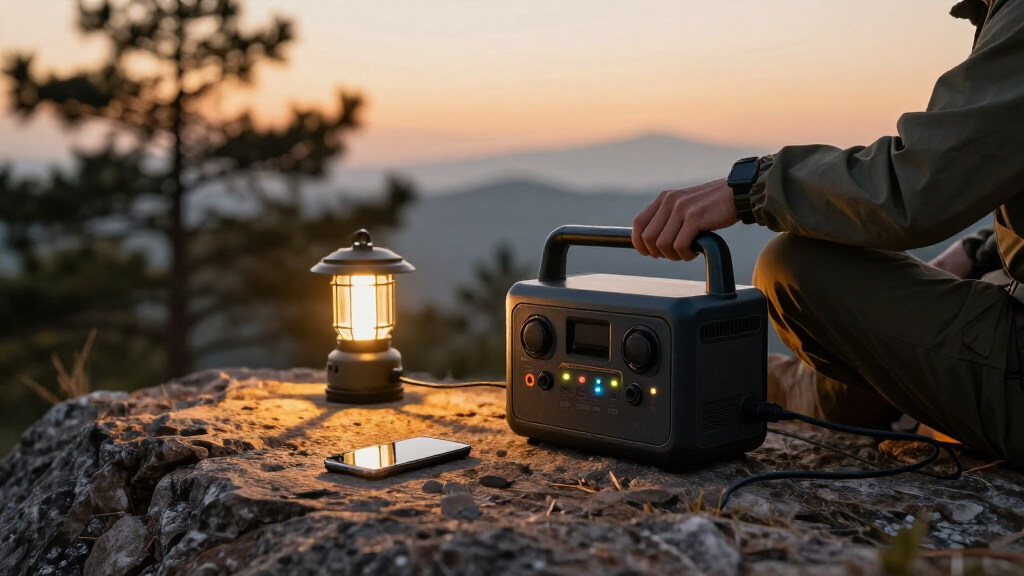
I evaluated each portable power station based on performance, usability, build quality, and value. Capacity and wattage output were primary factors since they determine what devices can be powered and for how long. I also considered battery chemistry, with a preference for longer-lasting LiFePO4 batteries, and the station’s portability—size and weight matter for mobile use. Compatibility with solar panels and fast charging features were included as they affect versatility. The ranking reflects how well each model balances these factors for different types of users, from casual campers to emergency preppers.Factors to Consider When Choosing Portable Power Stations
Choosing the right portable power station involves understanding several key factors that impact usability and longevity. First, consider your power needs—do you require a station for small devices or larger appliances? Second, look at capacity and wattage output, which determine what devices can run simultaneously and for how long. Third, battery chemistry influences durability; LiFePO4 batteries generally last longer and handle more charge cycles. Fourth, portability matters—larger stations provide more power but are harder to carry. Fifth, compatibility with solar panels can extend runtime off-grid, but check panel input ratings. Lastly, budget constraints often shape your choice, but investing in a slightly more capable model can pay off in long-term reliability.Power Capacity and Wattage
Assessing your power needs is the first step. If you want to run small devices like phones or laptops, a station with lower capacity might suffice, but for running refrigerators or power tools, higher wattage and capacity are necessary. Look at continuous wattage output and surge capacity; the latter is crucial for devices with motors or compressors. Choosing a station that exceeds your maximum power demand ensures reliable operation and prevents overloads. Remember, higher capacity generally means larger size and higher cost, so match capacity to your typical usage to avoid overspending or underpowering.
Battery Chemistry and Longevity
Battery chemistry impacts both safety and lifespan. LiFePO4 batteries, though typically more expensive upfront, offer longer cycle life—often 2000+ charge cycles—compared to standard lithium-ion batteries. This makes them a smart choice for frequent use or long-term investment. Cheaper models with lithium-ion batteries might be suitable for occasional use but tend to degrade faster, leading to reduced capacity over time. When selecting a station, consider your expected usage frequency and whether longevity justifies a higher initial investment. A durable battery chemistry can significantly lower maintenance or replacement costs down the line.
Portability and Size
Size and weight are key considerations, especially if you plan to move the station often. Compact units are easier to carry but usually have lower capacity and fewer features, making them suitable for casual camping or small backup needs. Larger, more powerful stations tend to be bulkier and heavier, often requiring wheels or additional carrying cases for transport. Think about how often you’ll need to move the station and whether portability compromises your power requirements. For stationary use, size may be less critical, but for outdoor or emergency scenarios, a lightweight, manageable unit can be a lifesaver.
Solar Compatibility and Recharging
Solar panel compatibility extends your station’s off-grid usefulness by allowing renewable recharging. Check the input wattage ratings to ensure your solar panels can deliver sufficient power. Not all stations support fast solar charging—some max out at lower input wattages, which can slow recharge times significantly. For extended off-grid use, prioritize models with higher solar input ratings and compatibility with popular panel brands. Additionally, consider whether the station supports pass-through charging, so it can power devices while recharging itself, increasing flexibility during emergencies or outdoor adventures.
Budget and Long-Term Value
Price is a significant factor, but a higher upfront cost can translate into better performance and durability. Cheaper models may lack features like fast recharging, higher wattage output, or long-lasting batteries, which could end up costing more in replacements or limited usability. Conversely, premium stations often include advanced features, larger capacities, and longer battery life, making them worthwhile for frequent or critical use. Identify your core needs and balance those against your budget, remembering that investing a bit more now can deliver peace of mind and savings over time.
Frequently Asked Questions
How long can a portable power station run my devices?
The runtime of a portable power station depends on its capacity and the power draw of your devices. For example, a station with 1000Wh can theoretically power a 50W device for about 20 hours, but actual runtime will be slightly less due to efficiency losses. Larger capacity units, like those exceeding 2000Wh, can run multiple devices simultaneously for extended periods. Always check both the continuous wattage and surge ratings to ensure your devices are supported without overload. For critical applications, choosing a station with a capacity well above your total expected load provides added security.
Can I recharge my portable power station with solar panels?
Many modern portable power stations support solar recharging, which can extend their usability off-grid. To do so effectively, ensure the station’s solar input ratings match your solar panel’s output capacity. Higher input wattage allows faster recharging, which is especially beneficial during limited sunlight hours. Not all stations support rapid solar charging, so check the specifications before buying if quick recharging off-grid is a priority. Combining a station with a compatible solar panel setup can provide a sustainable power source during camping, emergencies, or extended outdoor trips.
What is the best battery chemistry for long-term durability?
LiFePO4 batteries are generally regarded as the best choice for longevity and safety. They can typically withstand over 2000 charge cycles without significant capacity loss, making them ideal for frequent use or long-term storage. These batteries are also more thermally stable, reducing the risk of overheating or fires. While they tend to cost more initially, their extended lifespan can justify the investment over time. For users who rely heavily on their power station or plan to keep it for years, choosing a model with LiFePO4 chemistry offers peace of mind and greater value.
How portable are the smaller, lightweight options?
Lightweight portable power stations, often under 300Wh, are designed for maximum mobility—ideal for camping, festivals, or quick emergency needs. They are typically compact and easy to carry, sometimes fitting into a backpack or luggage. However, this portability comes at the expense of lower capacity and fewer outlets, limiting the devices you can run and for how long. If your primary goal is occasional, lightweight use, these options provide a convenient solution. For more demanding applications or longer runtimes, larger, heavier models will be more suitable despite their bulk.
Are more expensive stations worth the extra cost?
Higher-priced portable power stations often include larger capacities, faster recharging, better battery chemistry, and more outlets, which can be worthwhile if you need reliable, long-term power. For frequent outdoor use, emergency preparedness, or powering sensitive equipment, investing in a premium model provides greater peace of mind and fewer limitations. However, if your power needs are minimal or occasional, a more affordable station might suffice. Carefully match features to your typical usage to avoid overspending while ensuring your essential devices are supported when needed.
Conclusion
For general home backup and RV use, the Jackery HomePower 3600 Plus offers unmatched capacity and expandability, making it the best overall choice. Casual campers or those seeking a balance of portability and power might prefer the Anker SOLIX C300 for its ease of use and affordability. The BLUETTI AC180 stands out for renewable energy enthusiasts thanks to its solar compatibility and high capacity. Budget-conscious buyers should consider smaller models like the ALLWEI Portable Power Station, which provide reliable power at a lower cost. Ultimately, your choice depends on your specific power needs, mobility requirements, and long-term plans—select the station that aligns best with your everyday demands.