
The best VR glasses depend on whether you want a self-contained virtual reality headset or lightweight glasses that project a screen from another device. My best overall pick is the Meta Quest 3 512GB, which offers a more complete standalone VR experience than the display-focused glasses in this lineup. For a portable virtual screen with spatial viewing features, the XREAL One Pro stands out; the Meta Quest 3S is a simpler entry point for buyers who want standalone VR. The main tradeoffs are immersion versus portability, independent tracking versus a wearable display, and broad compatibility versus a more specialized setup. Read on for the full breakdown, comparison criteria, and guidance on which kind of device fits your use.

Get the latest gadgets delivered free with Prime
- Fast, free delivery on millions of items
- Prime Video, Amazon Music and more included
- Member-only deals all year
Complete the kit



Key Takeaways
- This lineup includes two different product types: Quest and Pimax headsets create tracked VR environments, while most XREAL, VITURE, and RayNeo glasses present a virtual screen and rely on a connected device.
- Meta Quest 3 is the strongest all-around standalone choice: its 512GB configuration suits buyers who want games and apps on the headset rather than a glasses display tied to a source device.
- XREAL One Pro is a leading pick for spatial screen viewing: its native 3DoF and 120Hz display distinguish it from simpler screen glasses, though it is not a substitute for room-scale VR.
- The Pimax Crystal Super targets a different buyer: it is the dedicated PC VR option for high-end setups, trading portability and ease of use for a more specialized headset experience.
- Specs alone do not settle the glasses comparison: fit, prescription support, connection compatibility, and whether tracking is 3DoF or 6DoF can matter more than advertised virtual screen size.
| XREAL xbx a01+ AR Glasses |  | Best Lightweight AR Screen | Display: Dual Micro-OLED | Resolution: 1920 × 1080 per eye | Virtual display size: 147 inches | VIEW LATEST PRICE | See Our Full Breakdown |
| XREAL 1S AR Glasses with X1 Chip and Native 3DoF |  | Best for Spatial Viewing Modes | Display type: OLED | Display resolution: 1920 × 1200 | Refresh rate: Up to 120 Hz | VIEW LATEST PRICE | See Our Full Breakdown |
| Meta Quest 3S 128GB VR Headset (Renewed Premium) |  | Best Standalone VR Entry | Storage: 128 GB | Processor: Snapdragon XR2 Gen 2 | Memory: 8 GB RAM | VIEW LATEST PRICE | See Our Full Breakdown |
| Meta Quest 3 512GB VR Headset with GOLF+ |  | Best for Mixed Reality and Larger Libraries | Storage: 512 GB | Processor: Snapdragon XR2 Gen 2 | Memory: 8 GB RAM | VIEW LATEST PRICE | See Our Full Breakdown |
| XREAL 1 Pro+ AR Glasses with 1200-Nit Display and Native 3DoF |  | Best Premium AR Glasses | Display type: OLED | Resolution: 1920 × 1080 | Refresh rate: 120 Hz | VIEW LATEST PRICE | See Our Full Breakdown |
| RayNeo GT AR/XR Glasses with 201-Inch Virtual Display |  | Best for Built-In Spatial Viewing | Virtual display: 201 inches | Tracking: Native 3DoF; Steady, Pinned, and Follow modes | Refresh rate: 120 Hz | VIEW LATEST PRICE | See Our Full Breakdown |
| VITURE Luma Ultra XR Glasses, 1200p, 1500 Nits, 6DoF |  | Best for Multi-Screen Workspaces | Display: Sony Micro-OLED | Resolution: 1200p | Brightness: 1500 nits | VIEW LATEST PRICE | See Our Full Breakdown |
| Pimax Crystal Super PC VR Headset with Micro-OLED Displays and Eye Tracking |  | Best for High-Detail PC VR | Display type: Micro-OLED | Resolution: 3840 × 3552 pixels per eye | Pixel density: 53 PPD | VIEW LATEST PRICE | See Our Full Breakdown |
| Meta Quest 3S 128GB VR Headset with GOLF+ |  | Best Standalone VR Pick | Storage: 128 GB | RAM: 8 GB | Processor: Snapdragon XR2 Gen 2 | VIEW LATEST PRICE | See Our Full Breakdown |
| VITURE Beast XR/AR Glasses, 1200p Micro-OLED, 174-Inch Virtual Screen |  | Best for Wide, Adjustable Viewing | Display: Sony Micro-OLED, 1200p per eye | Virtual screen: 174 inches | Field of view: 58° | VIEW LATEST PRICE | See Our Full Breakdown |
| RayNeo Air 4 Pro AR/XR Glasses with HDR10 Display |  | Best for HDR and 3D Viewing | Virtual display size: 201 inches | Display: HDR10 | Refresh rate: 120 Hz | VIEW LATEST PRICE | See Our Full Breakdown |
| XREAL One Pro AR Glasses with X1 Chip, 171-Inch 120Hz FHD Display and Native 3DoF | 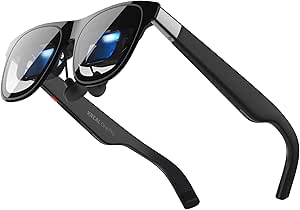 | Best for Spatial Screen Control | Chip: XREAL X1 | Tracking: Native 3DoF; 6DoF with optional XREAL Eye | Motion-to-photon latency: 3 ms | VIEW LATEST PRICE | See Our Full Breakdown |
| Meta Quest Pro 256 GB VR Headset with Optima Academy Online Field Trips |  | Best for Mixed Reality and Controllers | Storage: 256 GB | RAM: 12 GB | Field of view: 110 degrees | VIEW LATEST PRICE | See Our Full Breakdown |
| VITURE Pro 2 XR Glasses with -5.00D Myopia Adjustment and 120Hz Display |  | Best for Built-In Myopia Adjustment | Virtual display size: 146 inches | Resolution: 1080p | Display technology: Sony Micro-OLED | VIEW LATEST PRICE | See Our Full Breakdown |
| RayNeo Air 4 Pro AR Glasses with HDR10, 201-Inch Virtual Display, 120Hz and 3D |  | Best for Simple USB-C Setup | Virtual display size: 201 inches | Display resolution: 819 x 461 | Refresh rate: 120 Hz | VIEW LATEST PRICE | See Our Full Breakdown |
| VR glasse | Refresh rate | Connectivity | Field of view | Display |
|---|---|---|---|---|
| XREAL xbx a01+ AR Glasses | — | USB-C DisplayPort | — | Dual Micro-OLED |
| XREAL 1S AR Glasses with X1 Ch | Up to 120 Hz | USB-C DisplayPort | 52 degrees | — |
| Meta Quest 3S 128GB VR Headset | 90 Hz | — | 96 degrees | LCD, 2064 × 2208 pixels |
| Meta Quest 3 512GB VR Headset | Up to 120 Hz | — | — | LCD, 4128 × 2208 overall |
| XREAL 1 Pro+ AR Glasses with 1 | 120 Hz | — | 57 degrees | — |
| RayNeo GT AR/XR Glasses with 2 | 120 Hz | One-cable connection to compatible devices; adapters may be needed | — | — |
| VITURE Luma Ultra XR Glasses | Up to 120 Hz | — | 52° | Sony Micro-OLED |
| Pimax Crystal Super PC VR Head | 90 Hz | DisplayPort; PC VR | 116° horizontal | — |
| Meta Quest 3S 128GB VR Headset | 60 Hz | Wireless, standalone | 110° | LCD; 1832 × 1920 per eye |
| VITURE Beast XR/AR Glasses | 120 Hz | — | 58° | Sony Micro-OLED, 1200p per eye |
| RayNeo Air 4 Pro AR/XR Glasses | 120 Hz | USB Type-C | — | HDR10 |
| XREAL One Pro AR Glasses with | 120 Hz | USB-C devices with video output | 57 degrees | 0.55-inch FHD Micro-OLED |
| Meta Quest Pro 256 GB VR Heads | — | Wi-Fi; USB Type-C | 110 degrees | — |
| VITURE Pro 2 XR Glasses with – | 120 Hz | USB-C video output | 50 degrees | — |
| RayNeo Air 4 Pro AR Glasses wi | 120 Hz | USB-C | — | — |
More Details on Our Top Picks
XREAL xbx a01+ AR Glasses
For buyers who want a large private display in a glasses-style form, the XREAL xbx a01+ keeps the setup simple: its dual 1080p Micro-OLED panels connect and draw power over USB-C DisplayPort, so there is no headset battery to manage. The 62 g frame, flexible temples, and three nose-pad sizes make it a lighter-wearing alternative to the standalone Meta Quest 3S, though it cannot run VR apps by itself. Its stabilized screen tracking helps keep the virtual display positioned, while HDR10 and high stated brightness suit video and game viewing. The tradeoff is device compatibility: some phones and the Nintendo Switch need an adapter, and prescription inserts are separate. I’d choose this for screen mirroring, not immersive room-scale VR.
Pros:- Light 62 g design with flexible temples and three nose-pad sizes
- Dual 1920 × 1080 Micro-OLED panels with HDR10
- USB-C DisplayPort supplies both video and power
- Built-in directional speakers with four audio modes
Cons:- Some devices, including Nintendo Switch and older Lightning iPhones, require an adapter
- Prescription inserts are sold separately
- Not water resistant
Best for: People who want a lightweight personal screen for compatible USB-C DisplayPort phones, computers, or consoles, especially for video and flat-screen gaming.
Not ideal for: Buyers seeking a standalone VR headset, water resistance, or hassle-free compatibility with a Nintendo Switch or older Lightning iPhone.
- Display:Dual Micro-OLED
- Resolution:1920 × 1080 per eye
- Virtual display size:147 inches
- Maximum brightness:1600 nits
- Connectivity:USB-C DisplayPort
- Weight:62 g
- Audio:Built-in directional speakers
- Tracking:Stabilized screen tracking
Our verdict“Choose the XREAL xbx a01+ if you want a light, cable-powered virtual screen rather than a self-contained VR headset.”
XREAL 1S AR Glasses with X1 Chip and Native 3DoF
The XREAL 1S suits buyers who want more than a screen fixed to their view: its native 3DoF modes can keep a virtual display anchored as they turn their head, without an app or separate setup. That makes it a more spatial option than the simpler stabilized-screen XREAL xbx a01+. The OLED panel supports up to 120 Hz and 1920 × 1200 resolution, while Bose-tuned open-ear audio keeps sound available without sealing off the ears. The stated virtual screen reaches 500 inches, and additional modes include ultrawide and 3D conversion. It remains an accessory, not a standalone headset: users need a USB-C DisplayPort source, and 6DoF anchoring requires the optional XREAL Eye. I’d pick it for flexible viewing, not unrestricted VR movement.
Pros:- Native 3DoF spatial viewing works without an app or setup
- OLED resolution up to 1920 × 1200 with refresh rates up to 120 Hz
- Bose-tuned open-ear audio
- Offers ultrawide and 3D viewing modes
Cons:- Requires a USB-C DisplayPort-enabled source device
- 6DoF spatial anchoring requires the optional XREAL Eye
Best for: USB-C DisplayPort device owners who want a personal screen with native 3DoF anchoring, high refresh rate, and multiple viewing modes.
Not ideal for: Buyers who need a standalone headset, full 6DoF room-scale tracking out of the box, or devices without USB-C DisplayPort video output.
- Display type:OLED
- Display resolution:1920 × 1200
- Refresh rate:Up to 120 Hz
- Field of view:52 degrees
- Virtual screen size:Up to 500 inches
- Spatial viewing:0DoF follow mode and 3DoF anchor mode
- Connectivity:USB-C DisplayPort
- Audio:Bose-tuned open-ear audio
Our verdict“Pick the XREAL 1S if spatial screen anchoring matters more than standalone VR or full room-scale tracking.”
Meta Quest 3S 128GB VR Headset (Renewed Premium)
Unlike the XREAL glasses in this lineup, the Meta Quest 3S is a self-contained VR headset: it runs games, exercise apps, and mixed-reality experiences without a phone or computer connection. Its Snapdragon XR2 Gen 2 processor, 8 GB of RAM, Touch controllers, and hand tracking give newcomers more ways to interact than a screen-mirroring accessory. Full-color passthrough also supports mixed-reality use, while backward compatibility with Quest 2 content can help existing owners carry over their library. The main compromises are its LCD display and a listed battery life of roughly two to three hours; the glasses-style XREAL 1S is lighter to wear for viewing, but cannot replace this headset’s standalone app access. This is a renewed product, so buyers should weigh that condition against choosing a new device.
Pros:- Standalone operation with no PC or phone required
- Snapdragon XR2 Gen 2 processor and 8 GB RAM
- Full-color passthrough, Touch controllers, and hand tracking
- Backward compatible with Oculus Quest 2
Cons:- LCD display rather than a higher-end display type
- Stated battery life is roughly two to three hours
- Renewed Premium condition may not suit buyers who want a new headset
Best for: First-time VR buyers who want a self-contained headset for games, fitness, and mixed reality without connecting a PC.
Not ideal for: People prioritizing a glasses-like lightweight display, longer unplugged sessions, or a higher-end display panel.
- Storage:128 GB
- Processor:Snapdragon XR2 Gen 2
- Memory:8 GB RAM
- Display:LCD, 2064 × 2208 pixels
- Refresh rate:90 Hz
- Field of view:96 degrees
- Battery life:2+ hours stated; 3-hour average listed
- Tracking and controls:Touch controllers and hand tracking
Our verdict“Choose the Quest 3S if you want accessible standalone VR and accept shorter sessions and an LCD panel.”
Meta Quest 3 512GB VR Headset with GOLF+
The Meta Quest 3 512GB is the stronger fit than the Quest 3S for buyers who want more room for a large game library and a higher-resolution stated display. It remains a standalone headset, with color passthrough and wireless play, so it offers a broader VR and mixed-reality experience than the tethered-style XREAL 1S. The included GOLF+ content gives the bundle a clear gaming focus, though redeeming it requires setup and pairing through the Meta Horizon app. Its 8 GB of RAM and Snapdragon XR2 Gen 2 platform support the same broad standalone use case as the 3S, while 512 GB storage reduces the need to manage installations as often. The compromise is familiar: the LCD panel and roughly 2.2-hour battery life make this a poor fit for long sessions without breaks.
Pros:- Standalone wireless play with mixed-reality color passthrough
- 512 GB storage for a larger installed library
- Display resolution of 4128 × 2208 overall
- Includes GOLF+ with 1,800 in-game credits
Cons:- Battery life is about 2.2 hours
- GOLF+ redemption requires setup and pairing with the Meta Horizon app
- Uses an LCD display
Best for: VR players who want a standalone mixed-reality headset, ample storage for a growing library, and an included golf game.
Not ideal for: Buyers who want lightweight glasses for portable screen viewing or expect long sessions without charging breaks.
- Storage:512 GB
- Processor:Snapdragon XR2 Gen 2
- Memory:8 GB RAM
- Display:LCD, 4128 × 2208 overall
- Resolution per eye:2064 × 2208
- Refresh rate:Up to 120 Hz
- Battery life:About 2.2 hours
- Included content:GOLF+ with 1,800 in-game credits
Our verdict“Choose the Quest 3 bundle if you want standalone mixed reality, more storage, and the included GOLF+ content.”
XREAL 1 Pro+ AR Glasses with 1200-Nit Display and Native 3DoF
The XREAL 1 Pro+ is the most feature-rich glasses-style pick here for buyers focused on spatial viewing rather than a standalone VR library. Native 3DoF tracking, a 120 Hz OLED panel, and three-level electrochromic dimming give it more viewing control than the simpler XREAL xbx a01+; supported content can also be converted to 3D at up to 60 fps. Its 171-inch virtual screen is close in stated size to the xbx a01+’s 147-inch display, but the Pro+ adds spatial features and AI HDR rather than prioritizing the lighter 62 g frame. It still relies on a USB-C source and does not provide 6DoF anchoring unless you add the optional XREAL Eye. I’d choose it for flexible personal viewing, not as a substitute for the standalone Meta Quest 3.
Pros:- Native 3DoF tracking powered by the X1 chip
- 120 Hz OLED display with AI HDR and up to 1200-nit brightness
- Converts supported content to 3D at up to 60 fps
- Three-level electrochromic dimming adjusts lens tint
Cons:- 6DoF spatial anchoring requires the optional XREAL Eye
- Requires a USB Type-C source device
- Listed weight is 0.47 kg
Best for: AR-glasses buyers who want native 3DoF, a high-refresh OLED display, adjustable lens tint, and supported 3D conversion.
Not ideal for: People seeking standalone VR apps, full 6DoF anchoring without extra accessories, or a lightweight frame; the listed weight is 0.47 kg.
- Display type:OLED
- Resolution:1920 × 1080
- Refresh rate:120 Hz
- Brightness:Up to 1200 nits
- Virtual screen size:171 inches
- Field of view:57 degrees
- Tracking:Native 3DoF
- 3D conversion:Up to 60 fps
Our verdict“Pick the XREAL 1 Pro+ for advanced spatial viewing features in glasses form, but choose a Quest headset for standalone VR.”
RayNeo GT AR/XR Glasses with 201-Inch Virtual Display
The RayNeo GT is a strong fit for buyers who want a wearable screen with spatial positioning built into the glasses, rather than relying on a separate computing accessory for basic 3DoF modes. Its 201-inch virtual display, 120 Hz refresh rate, and Steady, Pinned, and Follow options make it easier to keep a screen positioned as desired while watching or gaming. At 68 g, it is lighter than the VITURE Beast, though the Beast offers a wider 58° field of view and electrochromic dimming. RayNeo’s tradeoffs are device compatibility and add-on dependence: some sources need an adapter, Dolby Vision requires the Pocket TV Pro, and the light-blocking shade and sound accessory are optional. I’d choose it for flexible spatial viewing, not for a fully self-contained VR experience.
Pros:- Native 3DoF modes position the screen without an external computing box.
- 68 g frame is lighter than the VITURE Beast.
- 120 Hz refresh rate supports smooth motion in compatible content.
- Built-in spatial audio avoids needing separate headphones for basic listening.
Cons:- Some devices without USB-C DisplayPort output require an adapter.
- Dolby Vision depends on pairing with the RayNeo Pocket TV Pro.
- Sound-leakage and ambient-light accessories are optional.
Best for: Viewers and handheld-console players who want lightweight glasses with onboard 3DoF screen positioning and a large virtual display.
Not ideal for: Buyers seeking a standalone VR headset, guaranteed plug-and-play connections across every device, or Dolby Vision without purchasing the Pocket TV Pro.
- Virtual display:201 inches
- Tracking:Native 3DoF; Steady, Pinned, and Follow modes
- Refresh rate:120 Hz
- Perceived brightness:Up to 1200 nits
- Color gamut:145% sRGB; 98% DCI-P3
- Pixel density:Up to 49 PPD
- Weight:68 g
- Connectivity:One-cable connection to compatible devices; adapters may be needed
Our verdict“Choose the RayNeo GT if you want light AR glasses with onboard 3DoF positioning, and skip it if you need standalone VR or out-of-the-box compatibility with every source.”
VITURE Luma Ultra XR Glasses, 1200p, 1500 Nits, 6DoF
The VITURE Luma Ultra is the work-oriented pick here: its 1200p Sony Micro-OLED display, 52° field of view, and SpaceWalker multi-screen features suit users who want more than a single floating screen. On supported platforms, 3DoF lets the workspace stay positioned in space; full 6DoF and hand gestures, however, require the VITURE Pro Neckband. That accessory requirement separates it from the RayNeo GT, which provides native 3DoF modes directly on the glasses, and from the VITURE Beast, whose listed 3DoF controls focus on screen positioning rather than full 6DoF. Open-ear HARMAN-tuned audio helps keep the wearer aware of nearby sounds, but also means it is not an isolating listening setup. Device, app, and connection support varies, so I’d verify the intended workflow before buying.
Pros:- 1200p Sony Micro-OLED display with refresh rates up to 120 Hz.
- SpaceWalker supports multi-screen workspaces on compatible platforms.
- Open-ear HARMAN-tuned audio preserves awareness of surrounding sounds.
- Front RGB and dual depth cameras are included.
Cons:- Full 6DoF tracking and hand gestures require the VITURE Pro Neckband.
- Feature support varies by device, operating system, app, and connection.
- Some consoles and HDMI sources need a compatible VITURE dock.
Best for: Mobile professionals who want a compatible phone or computer to drive a multi-screen virtual workspace and prefer open-ear audio.
Not ideal for: Buyers who expect full 6DoF and hand tracking without an accessory, or who need a consistent setup across unsupported devices and apps.
- Display:Sony Micro-OLED
- Resolution:1200p
- Brightness:1500 nits
- Refresh rate:Up to 120 Hz
- Field of view:52°
- Virtual screen:152 inches
- Tracking:3DoF on supported SpaceWalker platforms; full 6DoF requires VITURE Pro Neckband
- Audio:HARMAN-tuned open-ear audio
- Cameras:Front RGB camera and dual depth cameras
Our verdict“Pick the Luma Ultra for a supported multi-screen mobile workspace, but choose simpler glasses if you do not want to depend on extra hardware and platform compatibility.”
Pimax Crystal Super PC VR Headset with Micro-OLED Displays and Eye Tracking
The Pimax Crystal Super targets a different buyer from the compact display glasses in this roundup: it is a PC VR headset built for expansive, detailed virtual environments, not a screen you can casually connect to a phone. Its 3840 × 3552 resolution per eye and 116° horizontal field of view give it a much broader, more immersive presentation than the Meta Quest 3S, while eye tracking and inside-out 6DoF support VR interaction. The cost of that focus is a demanding setup: it needs a PC VR system and DisplayPort, and its listed weight of 8.8 pounds makes it far less convenient than the RayNeo GT or VITURE glasses. I’d rank it for dedicated PC users who value visual detail and field of view over portability and wireless simplicity.
Pros:- 3840 × 3552 resolution per eye supports high-detail PC VR visuals.
- 116° horizontal field of view is wider than the compact XR glasses in this roundup.
- Inside-out 6DoF tracking and eye tracking are included.
- Includes a Studioform face cushion cover kit.
Cons:- Requires a PC VR setup and DisplayPort connection.
- Listed weight is 8.8 pounds, far heavier than wearable-screen glasses.
- 90 Hz refresh rate is lower than the 120 Hz options in this roundup.
Best for: PC VR enthusiasts with a DisplayPort-equipped computer who prioritize high per-eye resolution, a wide field of view, and eye tracking.
Not ideal for: Casual or mobile users who want a lightweight, wireless headset, or buyers without a suitable PC VR setup and DisplayPort connection.
- Display type:Micro-OLED
- Resolution:3840 × 3552 pixels per eye
- Pixel density:53 PPD
- Field of view:116° horizontal
- Refresh rate:90 Hz
- Lens technology:Pancake
- Tracking:Inside-out 6DoF
- Eye tracking:Yes
- Connectivity:DisplayPort; PC VR
Our verdict“Choose the Pimax Crystal Super for a dedicated, high-detail PC VR setup, not for portable viewing or easy everyday use.”
Meta Quest 3S 128GB VR Headset with GOLF+
Unlike the RayNeo GT and VITURE Beast, the Meta Quest 3S is a self-contained VR headset: its processor, storage, controllers, and wireless operation let buyers play games and use mixed-reality experiences without connecting glasses to a phone or computer. That makes it the more direct choice for someone seeking room-scale VR rather than a large virtual screen for existing devices. The included GOLF+ content and credits add a specific starting point for golf fans, while 8 GB of RAM and the Snapdragon XR2 Gen 2 power the standalone experience. Its limits are equally clear: the 128 GB capacity can constrain a sizable game library, and the stated 2.5-hour battery life means sessions need charging breaks. The LCD display and 60 Hz listed refresh rate also make it less display-focused than the high-refresh wearable glasses.
Pros:- Standalone wireless design does not require a PC or phone to run VR content.
- Mixed reality can blend virtual content with the physical surroundings.
- Includes GOLF+ and 1,800 in-game credits.
- Snapdragon XR2 Gen 2 processor and 8 GB of RAM support standalone use.
Cons:- Listed battery life is 2.5 hours.
- 128 GB storage can limit how many games and apps are kept installed.
- At 515 g, it is much bulkier than the AR glasses in this roundup.
Best for: First-time VR buyers and golf fans who want wireless games and mixed reality without a separate PC or phone display connection.
Not ideal for: Users who want long untethered sessions, a large installed game library, or a lightweight glasses-style display for travel.
- Storage:128 GB
- RAM:8 GB
- Processor:Snapdragon XR2 Gen 2
- Field of view:110°
- Display:LCD; 1832 × 1920 per eye
- Refresh rate:60 Hz
- Battery life:2.5 hours
- Connectivity:Wireless, standalone
- Weight:515 g
Our verdict“Choose the Quest 3S if you want self-contained wireless VR and mixed reality, but pick display glasses if portability and long viewing sessions matter more.”
VITURE Beast XR/AR Glasses, 1200p Micro-OLED, 174-Inch Virtual Screen
The VITURE Beast is a compelling pick for viewers who want display glasses with a wider field of view and more control over ambient light. Its 58° field of view exceeds the VITURE Luma Ultra’s 52°, while 1200p Sony Micro-OLED panels and a 120 Hz refresh rate suit video and compatible games. Built-in 3DoF lets users position the screen, and electrochromic dimming offers a way to adapt the lenses to changing surroundings without relying only on a separate shade. Compared with the RayNeo GT, the Beast is heavier at 88 g, though it adds adjustable arms, interchangeable nose pads, and prescription-ready compatibility. Fit still depends on the listed iPD ranges, and SpaceWalker multi-screen features need compatible devices. I’d favor it over lighter glasses when viewing area and fit adjustment take priority.
Pros:- 58° field of view is wider than the VITURE Luma Ultra’s 52°.
- 1200p Sony Micro-OLED displays run at up to 120 Hz.
- Built-in 3DoF controls and electrochromic dimming support adjustable viewing.
- Adjustable arms, interchangeable nose pads, and prescription-ready compatibility offer fit options.
Cons:- At 88 g, it is heavier than the 68 g RayNeo GT.
- SpaceWalker multi-screen features require compatible devices.
- Specified iPD fit ranges may not suit every wearer.
Best for: Frequent media viewers and handheld gamers who want a wide virtual screen, adjustable fit, and on-glasses dimming controls.
Not ideal for: Buyers who need the lightest possible glasses, do not fit the specified iPD ranges, or expect multi-screen features to work with any device.
- Display:Sony Micro-OLED, 1200p per eye
- Virtual screen:174 inches
- Field of view:58°
- Refresh rate:120 Hz
- Peak brightness:1250 nits
- Dimming:9+ electrochromic levels
- Tracking:Built-in 3DoF
- Weight:88 g
- Fit:Regular up to 70 iPD; Large up to 74 iPD
Our verdict“Choose the VITURE Beast if you want a wider, adjustable wearable display with dimming controls, and verify its fit range and device support before buying.”
RayNeo Air 4 Pro AR/XR Glasses with HDR10 Display
The RayNeo Air 4 Pro suits buyers who want a large, high-refresh screen from a lightweight pair of glasses rather than a self-contained VR headset. Its HDR10 display and 120Hz refresh rate are aimed at smoother, more vivid viewing, while native 3D and AI-assisted 2D-to-3D conversion add another way to watch compatible content. Compared with the VITURE Pro 2, RayNeo offers a larger stated virtual screen and four tuned open-ear speakers, but VITURE has built-in myopia adjustment that can reduce reliance on prescription eyewear. At 2.72 ounces, this RayNeo is especially easy to carry; the tradeoff is that it depends on a connected device and has no battery of its own. The 2D-to-3D feature is described for compatible iPhones, so I wouldn’t choose it around that feature without checking device support.
Pros:- Lightweight 2.72-ounce design is easier to carry than a conventional VR headset.
- HDR10 support and 120Hz refresh rate suit fast-moving video and games.
- Four Bang & Olufsen-tuned open-ear speakers provide built-in spatial audio.
- USB-C connection works without Wi-Fi or a companion app on compatible devices.
Cons:- Requires a compatible connected device and has no internal battery.
- AI 2D-to-3D conversion is described for compatible iPhones, limiting its stated scope.
- Optional Sound Tube accessory is sold separately.
Best for: Phone, tablet, and handheld gaming users who want lightweight glasses for a large HDR-capable screen and compatible 3D content.
Not ideal for: Buyers seeking a standalone VR headset, battery-powered glasses, or myopia correction built into the frame.
- Virtual display size:201 inches
- Display:HDR10
- Refresh rate:120 Hz
- Processor:Vision 4000
- Audio:Four Bang & Olufsen-tuned open-ear speakers
- Connectivity:USB Type-C
- Weight:2.72 ounces
- Power:No internal battery
- Warranty:1 year
Our verdict“Choose the RayNeo Air 4 Pro if you want portable HDR viewing with built-in audio, but skip it if you need standalone VR or built-in vision correction.”
XREAL One Pro AR Glasses with X1 Chip, 171-Inch 120Hz FHD Display and Native 3DoF
The XREAL One Pro is the strongest fit here for buyers who want a virtual screen that stays anchored in space, not just a display that follows their gaze. Its X1 chip enables native 3DoF tracking, with a stated 3 ms motion-to-photon latency, while the 120Hz Micro-OLED screen supports a more responsive viewing experience. Compared with the RayNeo Air 4 Pro, XREAL adds spatial tracking and adjustable lens tint, but its stated virtual screen is smaller and 6DoF anchoring requires the optional XREAL Eye. Fit options—including two IPD sizes and several nose pads—make it more adaptable than a one-size-fits-all frame. It connects directly only to USB-C devices that support video output; HDMI sources may need a Beam or Adapter. I’d pick it for spatial viewing, not for a no-accessory setup across every device.
Pros:- X1 chip provides native 3DoF tracking with 3 ms stated motion-to-photon latency.
- 120Hz FHD Micro-OLED display and 57-degree field of view support immersive viewing.
- Two IPD size options, adjustable arms, and multiple nose pads help tailor fit.
- Electrochromic lens dimming and Bose-tuned audio are built into the glasses.
Cons:- 6DoF spatial anchoring requires the optional XREAL Eye.
- Some HDMI devices may need a separately acquired Beam or Adapter.
- Requires a USB-C source with video output.
Best for: USB-C device owners who want a spatially anchored virtual screen, high refresh rate, and more fit adjustment than basic AR glasses offer.
Not ideal for: Buyers who need 6DoF without an extra accessory or want uncomplicated HDMI compatibility straight from the box.
- Chip:XREAL X1
- Tracking:Native 3DoF; 6DoF with optional XREAL Eye
- Motion-to-photon latency:3 ms
- Display:0.55-inch FHD Micro-OLED
- Field of view:57 degrees
- Virtual screen:Up to 171 inches
- Refresh rate:120 Hz
- Brightness:Up to 700 nits
- Connectivity:USB-C devices with video output
Our verdict“Choose the XREAL One Pro for native 3DoF and a customizable fit, provided your devices support USB-C video and you accept the optional 6DoF accessory.”
Meta Quest Pro 256 GB VR Headset with Optima Academy Online Field Trips
Unlike the USB-C display glasses in this roundup, the Meta Quest Pro is a standalone mixed-reality headset: it has Wi-Fi, onboard storage, a battery, and controllers, so it does not rely on a phone or computer to supply the experience. Full-color passthrough lets users view their surroundings while using digital content, and the Touch Pro controllers add self-tracking and haptic feedback. Pancake lenses and the listed local-dimming and quantum-dot features set it apart from simpler screen glasses such as the RayNeo Air 4 Pro, which are lighter but depend on a connected device. The tradeoff is a more involved headset format rather than pocketable eyewear. The included Optima Academy subscription has conflicting duration details in the product information, and its catalog is unspecified, so I would treat that bundle as a bonus rather than a deciding factor.
Pros:- Full-color passthrough supports mixed-reality use while keeping the physical environment visible.
- Touch Pro controllers include self-tracking cameras and multi-point haptics.
- Pancake lenses, local dimming, and quantum-dot technology are designed for clear visuals.
- 256 GB storage and Wi-Fi make it less dependent on a separate display source than AR glasses.
Cons:- The headset format is less compact and lightweight than USB-C AR glasses.
- The included subscription duration is stated inconsistently as one month and 12 months.
- Product details do not identify the field-trip catalog or supported learning topics.
Best for: Buyers who want a self-contained mixed-reality headset with full-color passthrough, onboard storage, and tracked controllers.
Not ideal for: People seeking lightweight glasses for travel or buyers choosing mainly for the bundled field-trip subscription, whose duration and catalog are unclear.
- Storage:256 GB
- RAM:12 GB
- Field of view:110 degrees
- Resolution:1920 x 1080 per eye
- Display refresh rate:90 Hz
- Lens technology:Pancake lenses
- Connectivity:Wi-Fi; USB Type-C
- Battery capacity:5348 mAh
- Controllers:Meta Quest Touch Pro motion-sensing controllers
Our verdict“Pick the Quest Pro if you want standalone mixed reality and tracked controllers, not slim glasses for viewing content from a phone.”
VITURE Pro 2 XR Glasses with -5.00D Myopia Adjustment and 120Hz Display
The VITURE Pro 2 makes a specific problem easier to solve: each eye has independent built-in adjustment from 0 to -5.00D, so some nearsighted users can tune the image without adding prescription inserts. Its 1080p Sony Micro-OLED display, 120Hz refresh rate, and included seven nose-pad sizes make it a practical personal screen for compatible USB-C devices. Compared with the RayNeo Air 4 Pro, VITURE has a smaller stated virtual display but offers a more direct fit option for users with myopia. The frame weighs 63 g and includes a removable lens shade, though comfort and fit still depend on the wearer. It is not a standalone VR headset, and some consoles or HDMI setups need separately sold accessories. The glasses may also feel warm during use.
Pros:- Independent myopia adjustment from 0 to -5.00D per eye can reduce the need for prescription inserts.
- Sony Micro-OLED panels provide 1080p resolution at a 120Hz refresh rate.
- At 63 g, the glasses are lightweight and include seven nose-pad sizes.
- Removable lens shade and compatible-software 2D-to-3D conversion add viewing flexibility.
Cons:- Some consoles, HDMI sources, and non-USB-C setups require separately sold accessories.
- The frame may feel warm during use.
- Its stated 50-degree field of view is narrower than the XREAL One Pro’s 57 degrees.
Best for: Nearsighted viewers who want adjustable correction built into lightweight display glasses and use USB-C devices with video output.
Not ideal for: Buyers who need a standalone VR headset, require correction beyond -5.00D, or want HDMI and console connections without extra accessories.
- Virtual display size:146 inches
- Resolution:1080p
- Display technology:Sony Micro-OLED
- Refresh rate:120 Hz
- Peak brightness:1600 nits
- Field of view:50 degrees
- Myopia adjustment:0 to -5.00D per eye
- Weight:63 g
- Connectivity:USB-C video output
Our verdict“Choose the VITURE Pro 2 if built-in adjustable myopia correction matters more than a wider field of view or broad out-of-box connectivity.”
RayNeo Air 4 Pro AR Glasses with HDR10, 201-Inch Virtual Display, 120Hz and 3D
This version of the RayNeo Air 4 Pro is aimed at viewers who want a plug-in personal screen with HDR support, 3D features, and built-in speakers, without Wi-Fi or a companion app. The Vision 4000 chip adds SDR-to-HDR upscaling, while the 120Hz refresh rate targets smoother playback and gaming on compatible devices. Compared with the XREAL One Pro, RayNeo offers a larger stated virtual screen and simpler direct USB-C operation, but it does not list native 3DoF tracking. Its listed resolution is 819 x 461, a key detail for buyers weighing display clarity against the more spatially focused XREAL model. Four Bang & Olufsen speakers include a whisper mode, although the optional Sound Tube is sold separately. These glasses remain dependent on a compatible USB-C source and have no built-in battery.
Pros:- HDR10, 120Hz refresh, and Vision 4000 SDR-to-HDR upscaling support enhanced video viewing.
- Native and AI-converted 3D options expand the types of compatible content it can display.
- Four Bang & Olufsen speakers include spatial audio and whisper mode.
- USB-C connection avoids the need for Wi-Fi, apps, or an internal battery.
Cons:- Requires a compatible USB-C device to provide video.
- Listed display resolution is 819 x 461.
- Optional Sound Tube accessory is sold separately.
Best for: USB-C phone, computer, or console users who want a large virtual screen, HDR processing, and onboard audio without Wi-Fi or app setup.
Not ideal for: Buyers who want standalone VR, native spatial tracking, or a higher listed resolution than 819 x 461.
- Virtual display size:201 inches
- Display resolution:819 x 461
- Refresh rate:120 Hz
- HDR processing:HDR10; Vision 4000 SDR-to-HDR upscaling
- Connectivity:USB-C
- Audio:Four Bang & Olufsen speakers
- Weight:2.88 ounces
- Compatible operating systems:Android, iOS
- Warranty:1 year
Our verdict“Choose this RayNeo for a straightforward USB-C screen with HDR processing and audio, but favor the XREAL One Pro if spatial tracking is your priority.”

How We Picked
I ranked these 15 products by how well they serve the actual needs behind a search for VR glasses: immersive standalone or PC VR, portable virtual-screen viewing, and accessible entry into spatial computing. I weighed display characteristics, tracking capability, device independence, comfort and fit options, connection requirements, and how clearly each product’s strengths match a particular buyer. A large virtual-screen claim did not outweigh limited tracking or a need for an external source device.
The order reflects practical versatility within each product’s intended category, not a claim that every pair of glasses replaces a VR headset. The Meta Quest 3 leads because it delivers a more complete standalone VR setup; the XREAL One Pro ranks highly among screen glasses for its spatial viewing features. Quest 3S models offer a more approachable route into standalone VR, while the Pimax Crystal Super is placed for PC VR buyers who accept a more demanding setup. Products with narrower use cases, duplicated configurations, or fewer distinguishing details rank below options with clearer advantages.
Factors to Consider When Choosing Best VR Glasses
Before choosing from this list, decide what you mean by VR glasses. Some options create tracked, interactive worlds; others put a large private display in front of your eyes. These broader checks can prevent a mismatch that product specifications alone may not reveal.
Decide Whether You Need VR or a Wearable Screen
A virtual display can feel cinematic without supporting the same interactions as a VR headset. If you want to reach, turn, or move through a rendered space, check the tracking and interaction model rather than relying on screen-size claims. 3DoF tracks head rotation, while 6DoF also tracks movement through space; neither label alone says how many games or apps are available. A standalone headset can run supported experiences directly, whereas many glasses need a phone, computer, console adapter, or other source. Buying glasses for room-scale games is a common mismatch, just as buying a bulky VR headset for watching a film may add needless setup. Choose by the activity you expect to do most often, not by the broad VR label.
Check Your Source Device and Connections First
AR and XR glasses vary in what they can display from a connected device, so confirm compatibility before choosing a model. A USB-C connector does not guarantee that a phone or laptop outputs video over USB-C; the device must support the needed video signal or work with a compatible adapter. Check whether your intended source is listed, whether power or an adapter is required, and whether the setup supports the apps you plan to use. For console use, confirm the full connection path rather than assuming a headset connects directly. Standalone headsets reduce source-device dependence, but they still rely on a compatible account, software, and supported content. Mapping your exact setup in advance can save you from buying glasses that show no image or require extra hardware.
Treat Tracking as a Use-Case Requirement
Tracking determines what a device can do, not just how advanced it sounds. Head rotation tracking can keep a virtual screen positioned in a chosen space, which helps with viewing and multitasking, but it does not provide the same freedom as tracked movement. For games where you move around an environment, look for a headset and software built for that interaction. 6DoF is not a guarantee of room-scale quality: boundary setup, controller support, tracking conditions, and available apps also shape the experience. Conversely, basic display glasses may be a better fit when you mainly want a portable screen and value low setup effort. Match the tracking level to your planned activities instead of paying for capabilities you will rarely use.
Compare Comfort, Fit, and Prescription Options
Comfort depends on how a device sits on your face, how its weight is distributed, and whether the image aligns with your eyes. A lightweight glasses form can be easier to pack than a VR headset, though fit, nose support, and light control still vary from person to person. Prescription adjustments or compatible corrective lenses may matter more than a display specification if you wear glasses. Check the available fit adjustments and prescription method before purchase; a stated diopter range does not automatically suit every prescription or eye condition. If you share a device, quick fit adjustment and separate user settings can affect how often it gets used. Plan for your own fit, rather than assuming a compact frame will be comfortable for long sessions.
Read Display Claims in Context
Resolution, refresh rate, brightness, and virtual screen size describe different parts of the viewing experience. A high refresh rate may support smoother motion, but the source device and content must support it, and it does not by itself make a device a VR headset. Brightness can help in some viewing conditions, yet comfort and perceived contrast also depend on lens design and surroundings. A virtual screen measured in inches is not the same as a physical monitor at that distance; it describes an apparent viewing size, not a guarantee of sharpness or field of view. Compare the full display experience, including image stability, compatibility, and fit, rather than selecting by the largest number in a listing.
Pay More Only for Capabilities You Will Use
Higher-end options can make sense when they solve a specific need: standalone content, more advanced tracking, PC VR capability, or a particular prescription adjustment. They are a poor fit when the extra capability adds setup or bulk without improving your regular use. Check what is included in bundles, since game or educational content may appeal to one buyer and be irrelevant to another. Also account for the broader ecosystem: controllers, software availability, adapters, and a capable PC can shape the total setup as much as the headset itself. Choose a capability, not a bundle label, and compare the experience you will actually use across a typical week. That approach can make a simpler screen-glasses option a better buy than an advanced headset—or justify a dedicated PC VR setup for a committed player.
Frequently Asked Questions
Are AR glasses and VR headsets interchangeable?
No. Many AR or XR glasses in this roundup act mainly as a wearable virtual display connected to another device, while VR headsets can support tracked interactive environments and, in some cases, run apps independently. Product labels can overlap, so check whether the model supports the movement tracking and software you need. If your goal is watching video or mirroring a laptop screen, display glasses may be the more portable choice. If you want room-scale play or standalone VR apps, choose a headset designed for those tasks.
Can I use these glasses with my phone or laptop?
Compatibility depends on the specific model and on whether your phone or computer can send a compatible video signal. A USB-C port by itself does not confirm video output, and some setups may require an adapter or added power. Check the manufacturer’s supported-device information for your exact model before buying. Also confirm that the apps you want can run on the source device, since the glasses generally display its output rather than supplying a full computer or phone experience. Standalone Quest models follow a different model: they run supported content on the headset.
Is 3DoF enough for gaming?
It can be enough for seated experiences where you turn your head to view a scene or keep a virtual screen positioned in space. It does not track your body moving through the room the way 6DoF systems are designed to do. For games built around reaching, stepping, or moving through a virtual environment, confirm both headset tracking and controller support. The software library matters too: a tracking label cannot add interactions that an app does not support. For media and light spatial viewing, 3DoF may be a sensible compromise.
Should I choose a standalone headset or glasses that connect to another device?
Choose a standalone headset if you want VR apps and games without relying on a phone or computer for the main experience. Choose connected glasses if portability and a private virtual screen matter more, and you already have a compatible device to supply content. A PC VR headset can suit buyers who want demanding computer-based experiences and are ready for the required hardware and setup. Consider where you will use the device, how much setup you tolerate, and whether you need it to work away from your usual devices. The simplest choice is the one that fits your existing routine and intended content.
What should I check if I wear prescription glasses?
Look for the model’s supported prescription solution, adjustment range, and fit guidance before ordering. Some options offer built-in diopter adjustment, while others may require compatible prescription inserts or another correction method. Do not assume that your everyday glasses will fit comfortably beneath a headset or inside glasses-style frames. Fit can affect both comfort and whether the image appears clear across the viewing area. If your prescription is outside the stated range or you are unsure about compatibility, confirm the available correction options with the manufacturer or an optical provider first.
Conclusion
For most buyers seeking a complete VR experience, I recommend the Meta Quest 3 512GB as the best overall choice in this lineup. The Meta Quest 3S is my best value and best beginner direction for standalone VR, while the XREAL One Pro is a stronger match for buyers who want spatial viewing in a portable glasses form. For a more specialized premium setup, the Pimax Crystal Super makes the most sense for PC VR users prepared for dedicated hardware and setup. If your priority is prescription adjustment, compare the VITURE Pro 2; if you want a high-end portable virtual screen, consider the VITURE Beast or VITURE Luma Ultra. Choose the Quest for interactive standalone VR, the XREAL or VITURE glasses for connected-screen viewing, and Pimax for a focused PC VR setup.