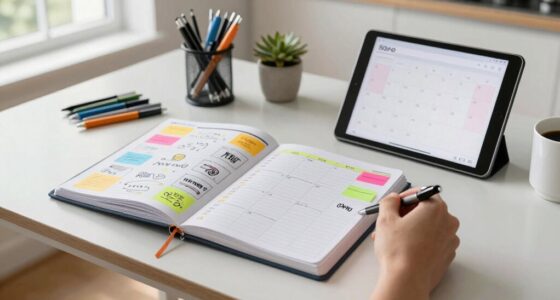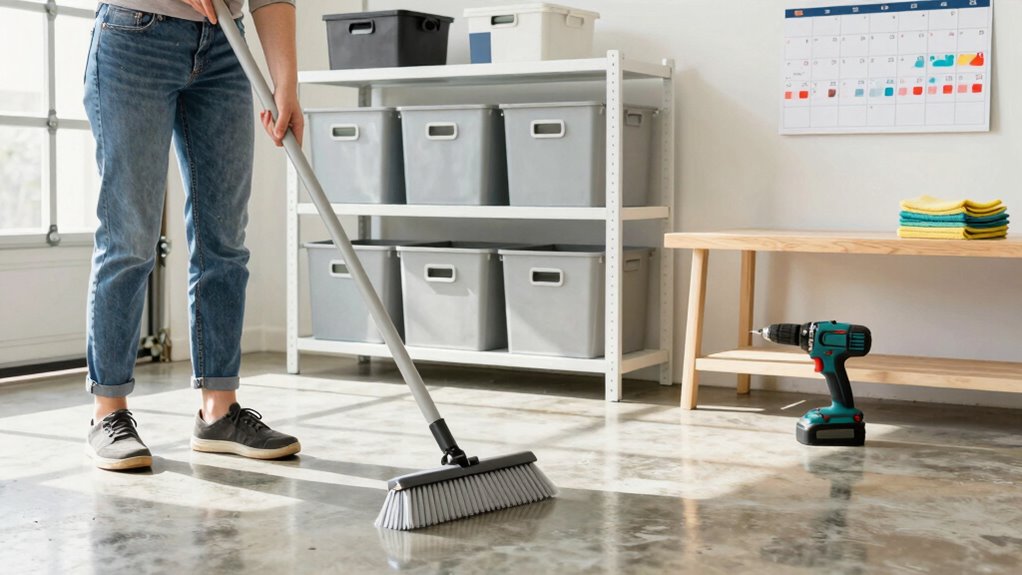

To create a better weekend maintenance routine, start by organizing your tools—sort, label, and store them where they’re easy to access. Perform safety checks on all equipment and your workspace, replacing or repairing damaged items. Plan your tasks, breaking larger projects into smaller steps, and prepare all needed tools beforehand. Stay flexible, reassess your progress regularly, and keep your workspace tidy. Focusing on these core habits will help you work more efficiently and safely, and if you continue exploring, you’ll find even more tips.

Get the latest gadgets delivered free with Prime
- Fast, free delivery on millions of items
- Prime Video, Amazon Music and more included
- Member-only deals all year
Key Takeaways
- Prioritize tasks by importance and break them into manageable steps for efficient completion.
- Allocate specific time blocks for different tasks to stay organized and avoid last-minute rushes.
- Prepare tools and materials beforehand to streamline workflow and reduce interruptions.
- Conduct safety checks on tools and workspace to prevent accidents and ensure smooth operation.
- Review completed tasks to identify improvements and adjust your routine for future weekends.
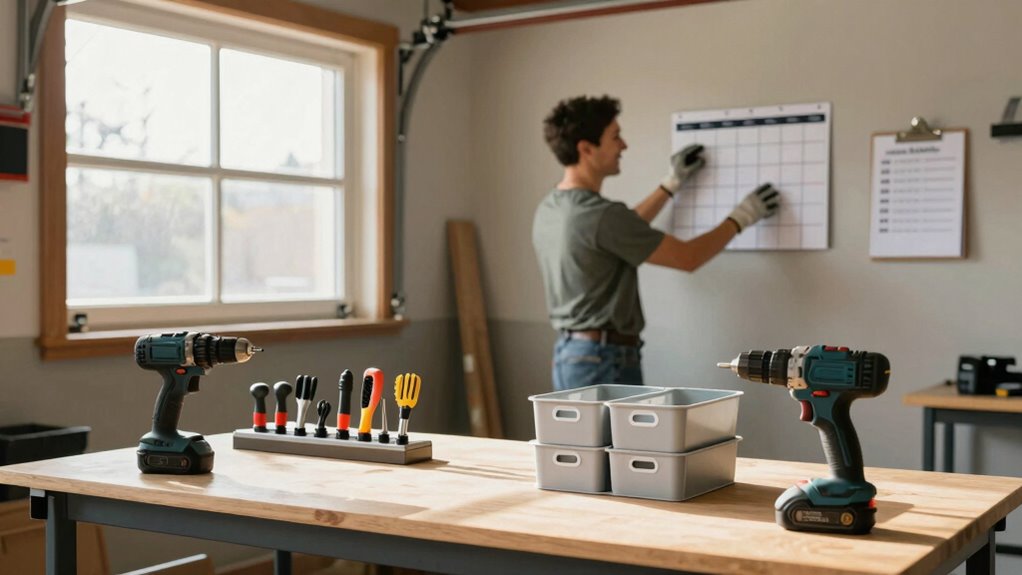
Weekends are the perfect time to catch up on home maintenance tasks, but without a plan, it’s easy to feel overwhelmed or unproductive. To make the most of your weekends, start by creating a clear, organized approach. Begin with tool organization—this step makes tackling projects smoother and safer. Spend a few minutes sorting your tools, tossing out broken or rusted items, and storing everything in a designated toolbox or storage area. When your tools are well-organized, you save time searching for what you need and reduce the risk of accidents caused by misplaced or damaged equipment. Keep frequently used tools within easy reach, and consider labeling drawers or containers for quick access.
Next, incorporate safety checks into your routine. Before diving into any task, inspect your tools to guarantee they’re in good condition. Check for loose handles, frayed cords, or rust, and replace or repair damaged items. Wear appropriate safety gear, like gloves, goggles, or masks, depending on the job. Also, examine your workspace for hazards—clear clutter, secure loose wires, and ensure proper lighting. Doing these safety checks consistently prevents injuries and keeps your maintenance tasks efficient and stress-free. Additionally, reviewing tool technology and emerging safety gear can further improve your safety measures. Staying informed about latest safety standards can help you adopt best practices and prevent accidents. Incorporating innovative safety features into your routine can enhance protection and peace of mind.
Regular safety checks and proper gear keep your home maintenance stress-free and injury-free.
Once your tools are sorted and safety checks are in place, plan your weekend tasks with a prioritized list. Break larger projects into smaller steps, so you don’t get overwhelmed. For example, if you’re fixing a leaky faucet, gather your tools, turn off the water supply, and follow a step-by-step process. By having a plan, you avoid wasting time figuring out what to do next, which helps you stay motivated and productive. Additionally, understanding problem-solving skills can help you troubleshoot unexpected issues more efficiently during your projects.
Throughout the day, stick to your schedule but remain flexible. If you finish a task early, move on to a secondary project or take a break. Regularly reassess your progress and adjust your plan if needed. Remember to keep your workspace tidy as you work—put tools away after each use to maintain your organization system. This habit not only keeps your area safe but also ensures you’re ready for the next task without delay. Incorporating emerging trends in tools and safety gear can further enhance your efficiency and safety during maintenance.
Finally, wind down by reviewing what you accomplished and noting any repairs or tasks that need repeating or follow-up. This reflection helps you plan better for future weekends, making each maintenance session more efficient. Establishing a routine that emphasizes tool organization, safety checks, and thoughtful planning turns what could be a stressful chore into a manageable, even satisfying, weekend activity.
As an affiliate, we earn on qualifying purchases.
Frequently Asked Questions
How Often Should I Update My Maintenance Checklist?
You should update your maintenance checklist at least every six months or whenever you notice safety precautions changing or new tasks emerging. Regular updates guarantee your checklist remains relevant and effective. Customize it based on your equipment’s condition and your safety needs. This way, you stay proactive, prevent issues, and keep your routine aligned with best practices. Consistent review keeps everything running smoothly and safely.
What Tools Are Essential for Weekend Maintenance?
Did you know that organized tool storage can save you up to 30 minutes during maintenance? For weekend routines, essential tools include a screwdriver set, pliers, a wrench, a hammer, and a cordless drill. Keep your tools well-organized to streamline your process and maintain a clear maintenance schedule. Using labeled containers and a checklist helps guarantee you have everything ready, making your weekend maintenance efficient and less stressful.
How Can I Involve Family Members in the Routine?
You can involve family members in your routine by encouraging family participation and making chores a team effort. Delegate specific tasks to each member based on their abilities, turning chores into fun activities or challenges. Communicate clearly about expectations and create a schedule everyone agrees on. This not only lightens your load but also teaches responsibility and teamwork, making the weekend maintenance process more efficient and enjoyable for everyone.
What Are Common Mistakes to Avoid During Maintenance?
You should avoid rushing through maintenance tasks, as it can lead to mistakes or safety hazards. Follow DIY tips carefully, like using the right tools and reading instructions thoroughly. Always prioritize safety precautions, such as wearing gloves and goggles, to prevent injuries. Don’t neglect cleaning up afterward or checking your work. By staying attentive and cautious, you guarantee your routine is effective and safe, preventing costly mistakes or accidents.
How Do I Prioritize Tasks for Maximum Efficiency?
To prioritize tasks for maximum efficiency, start by listing everything you need to do and then use time blocking to allocate specific periods for each task. Delegate tasks that others can handle to free up your time. Focus on high-impact chores first, and set clear deadlines. This approach guarantees you’re tackling essential tasks first, managing your time effectively, and avoiding unnecessary stress during your weekend maintenance routine.
Conclusion
By establishing a consistent weekend maintenance routine, you’ll keep your space organized and running smoothly without feeling overwhelmed. Sure, it might seem like extra effort at first, but once it becomes a habit, it’ll save you time and stress in the long run. Remember, small daily tasks combined with a dedicated weekend session make a big difference. Stick with it, and you’ll enjoy a cleaner, more organized environment that’s easier to maintain week after week.
Halloween Picks
halloween
As an affiliate, we earn on qualifying purchases.