
AIThis post was created with the assistance of artificial intelligence (AI).
🔍 Read the full analysis: Smart Homes 2026: The 12 Best AI-Powered Devices You Need on ThorstenMeyerAI.com

Before you orderOffer from Amazon
Get the latest gadgets delivered free with Prime
- Fast, free delivery on millions of items
- Prime Video, Amazon Music and more included
- Member-only deals all year
Start your free Prime trial Free trial for eligible customers · Cancel anytime
As an affiliate, we earn on qualifying purchases.
TL;DR
In 2026, the smartest homes feature AI devices prioritizing privacy, customization, and ease of use. This article reviews the top 12 devices shaping home automation today.
At a glance
reportWhen: developing, as of early 2026
The developmentThe article provides a detailed review of the 12 best AI-powered smart home devices in 2026, highlighting their features, advantages, and suitability for different users.
The 12 picks
- 1
 SwitchBot AI Hub Bundle with PTC Plus 5MP Camera, AI Smart Hub with OpenClaw…View on Amazon →
- 2
 SwitchBot AI Hub with OpenClaw Support and Local Camera StorageView on Amazon →
- 3
 Hubitat Elevation C-8 Pro Smart Home Hub, Local Control and AutomationsView on Amazon →
- 4
 iSG Box SE ZB Smart Home Hub with Preinstalled Home AssistantView on Amazon →
- 5
 AI-Powered Smart Home DevicesView on Amazon →
- 6
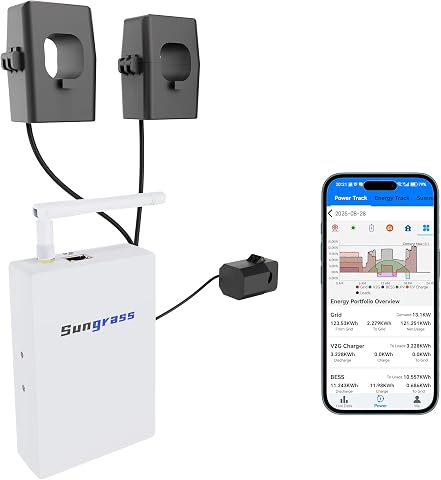 Home Energy Monitor Lite – Real-Time Electricity Usage & Power Consumption Me…View on Amazon →
- 7
 iSG Box SE Smart Home Hub with Preinstalled Home AssistantView on Amazon →
- 8
 AI-Powered Smart Home Guide 2026: A Step-by-Step Guide to Designing, Optimizi…View on Amazon →
- 9
 Build Your Dream Smart Home with Raspberry Pi: The Complete DIY Guide to Crea…View on Amazon →
- 10
 Speech Recognition Module for DIY Home Automation and RoboticsView on Amazon →
- 11
 AI Powered Smart Home Guide for Beginners 2026View on Amazon →
- 12
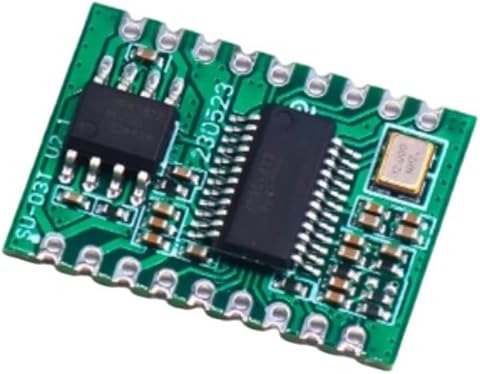 Local AI Voices Command Processor for Home Automation SystemsView on Amazon →
Why Privacy and Local Control Are Game-Changers in 2026
The emphasis on local AI processing and privacy represents a significant shift in smart home technology, addressing growing concerns over data security and reliance on cloud services. Devices like the Hubitat Elevation C-8 Pro enable users to maintain control over their data while enjoying advanced automation. This focus enhances reliability, reduces latency, and mitigates risks associated with data breaches. For consumers, choosing privacy-centric devices means better control over personal information and fewer dependencies on third-party cloud providers, aligning with increasing demand for secure smart home environments. As AI capabilities expand, these privacy-first devices are expected to set new standards for responsible and secure home automation.Products Worth Considering

Jackery Explorer 300 Portable Power Station, 292Wh

Sonos Era 100 Wireless Smart Speaker, Black

Jackery HomePower 3600 Plus Portable Power Station, 3584Wh, 3600W
As an affiliate, we earn on qualifying purchases.
Evolution of AI in Home Automation Leading to 2026
Over the past few years, AI integration into smart home devices has accelerated, with a growing shift toward local processing to address privacy concerns. Early solutions relied heavily on cloud AI, offering powerful features but raising data security issues. Recent developments have seen the emergence of local AI hubs and processors, such as the Hubitat Elevation series, which process commands on-site. DIY solutions, like Raspberry Pi setups, gained popularity among tech-savvy users seeking customization and privacy. Voice assistants, initially cloud-dependent, now increasingly incorporate local AI modules to improve privacy and reduce latency. The market’s evolution reflects a broader consumer preference for secure, reliable, and customizable home automation options, with a focus on balancing AI power with data security.“The shift toward local AI processing in 2026 is a response to privacy concerns, offering users more control without sacrificing automation capabilities.”
— Thorsten Meyer, AI Home Tech Expert
Unresolved Questions About AI Device Compatibility and Security
It is still unclear how universally compatible these AI devices are across different smart home ecosystems, and whether new security vulnerabilities could emerge as AI processing becomes more complex. While local processing reduces privacy risks, the security of on-device AI hardware and firmware updates remains an area needing further scrutiny. Additionally, the long-term reliability of DIY solutions like Raspberry Pi setups depends on ongoing maintenance and technical expertise, which may limit their widespread adoption. As the market evolves, questions about standardization, interoperability, and future-proofing AI security features are expected to persist.Future Developments and Market Trends for 2026 and Beyond
Expect continued innovation in AI-powered home devices, with increased emphasis on privacy, seamless integration, and user customization. Manufacturers are likely to release more local AI solutions and expand compatibility across ecosystems. Advances in hardware will improve AI processing power on smaller, more affordable devices. Subscription-based AI services may evolve to offer more privacy-conscious options. Additionally, regulatory developments could influence how data is handled, pushing manufacturers to prioritize security and transparency. Consumers should watch for new product launches and updates that enhance automation capabilities while safeguarding privacy.Key Questions
Do I need technical skills to set up the top AI home devices in 2026?
Setup complexity varies. Plug-and-play devices like hubs or smart speakers typically require minimal technical knowledge, while DIY solutions like Raspberry Pi setups demand familiarity with networking and programming.Are local AI devices more secure than cloud-based ones?
Generally, yes. Local AI processing reduces data exposure to third parties and minimizes reliance on internet connectivity, enhancing privacy and security. However, device security depends on proper firmware updates and safeguards.Can I integrate these AI devices with existing smart home systems?
Most top devices are designed for compatibility with popular protocols like Zigbee and Z-Wave. Compatibility varies, so it’s important to verify device ecosystems before purchase.Will AI-powered home devices become more affordable in 2026?
As technology advances and manufacturing scales up, prices are expected to decrease, making sophisticated AI features more accessible to a broader audience.What should I consider when choosing an AI home device?
Prioritize factors like privacy (local vs cloud processing), ease of integration, control options, budget, and whether the device meets your automation and security needs.Source: ThorstenMeyerAI.com