
TL;DR

Get the latest gadgets delivered free — and shop member deals
- Fast, free delivery on millions of items
- Access to Prime Big Deal Days deals on October 6–7
- Prime Video, Amazon Music and more included
A report based on a keynote to engineering leaders says AI coding tools are rapidly changing how software teams work in 2026, with engineers increasingly directing multiple agents instead of writing code by hand. The account also flags weaker code quality and reviews that may provide less assurance, while emphasizing that teams and planning remain important. Its observations are a snapshot, not a representative industry-wide survey.
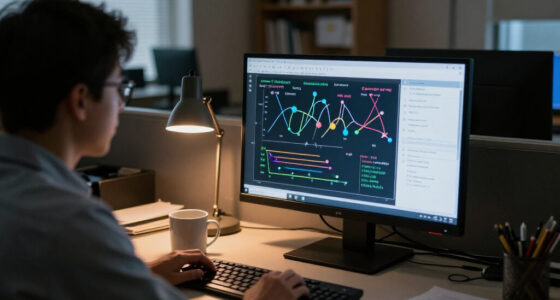
AI coding agents are changing how software engineers work, according to a 2026 industry snapshot published by The Pragmatic Engineer. The report says many engineers now delegate coding tasks to several agents at once, while warning that code quality and review practices are under strain as the tools spread.
The account is based on a keynote delivered at the LDX3 engineering leadership conference in New York, which the author says was attended by more than 2,000 engineering leaders, CTOs and senior technical staff. The author also describes visiting OpenAI and Anthropic, speaking with startups and technology companies, and receiving unpublished data from GitHub, Factory AI and Linear. The material provided does not include the underlying datasets or explain their methods.
A central reported change is the move from writing code directly to orchestrating multiple AI agent sessions. The article recounts developers running several agents in parallel, moving between tasks while agents generate or test code. It cites Claude Code creator Boris Cherny describing five local terminal sessions and another five to 10 agents on Claude Web. Software engineer Dima Zaytsev described rotating among five to 10 local worktrees as agents work.
The report also identifies potential costs: assumptions about code output have changed, code reviews can become “theatrical,” and quality and reliability have declined, in the author’s assessment. It does not provide quantified measures of those effects in the supplied material. The article’s outlook includes cloud-based coding agents and new AI infrastructure, while stressing that teams and planning still matter and that adoption of AI tools does not mean non-engineers are generally shipping code.
How Agentic Coding Changes Teams
If the pattern described in the report continues, software teams will need to manage work differently: engineers may spend more time assigning tasks to agents, checking their results and coordinating parallel work. That can alter expectations for engineering productivity and staffing, but the source does not establish a measured productivity gain across the industry.
The reported concerns about quality, reliability and code review matter because generated code still needs validation before it can be trusted in production. When teams handle more code through agents, established review habits may not provide the same assurance unless processes adapt. The report presents these issues as emerging pressures, not as a quantified industry-wide finding.
As an affiliate, we earn on qualifying purchases.
From Coding Tools to Agent Workflows
The report places the current shift alongside earlier changes such as the spread of the internet, smartphones and cloud computing. Its author argues that AI is arriving with an unusual scale and pace, and says coding models improved substantially toward the end of 2025. These are the author’s characterizations; the supplied account does not set out a comparative measure of the speed or impact.
Martin Fowler, an industry veteran quoted in the report, said AI’s impact was larger than earlier changes he had experienced. The article uses that view to frame the move toward agent-assisted development, while noting that some longstanding practices—especially the importance of teams and planning—remain relevant.
“Nothing has hit with the magnitude of AI. This is a whole size difference from anything that we’ve faced before.”
— Martin Fowler, speaking at The Pragmatic Summit
How Broad Is the Shift?
The report does not provide enough detail to establish how common multi-agent workflows are across the industry. The examples come from individual engineers and people working close to AI tools; no representative survey or full results from the cited unpublished datasets are included in the supplied material.
It is also unclear how much AI agents affect productivity, software defects or delivery timelines across different companies and projects. The claims that code quality and reliability are down, and that reviews have become theatrical, are the author’s observations rather than quantified findings in the account. The report does not specify which roles, tools or types of software are most affected.
What Teams Will Watch Next
The report expects cloud coding agents and supporting AI infrastructure to develop further, and says those changes are already beginning. It does not name a release schedule or specific next milestone. As agent use expands, the practical test for companies will be whether their review, testing and planning practices keep pace with code produced through parallel workflows.
For readers, the next useful evidence will be broader, transparent data on how teams use these systems and what happens to quality, reliability and delivery outcomes. Until such evidence is available, the report is best read as a sourced snapshot of practices and concerns among engineers and technology leaders—not a definitive measure of the entire tech industry.
Key Questions
What is the main development described in the report?
The report says AI coding agents are changing software development workflows, with some engineers managing several agent sessions in parallel rather than writing each line by hand.
Does the report show that most engineers have stopped coding by hand?
The author says there are signs that many engineers have reduced hand-coding, but the supplied material does not include a representative survey establishing how widespread that change is.
What risks does the report identify?
It flags concerns about code quality, reliability and review practices. The account does not provide quantified results showing the scale of those problems.
Does the report say AI makes teams or planning unnecessary?
No. It says teams and planning remain important, even as coding tools and day-to-day engineering work change.
Source: rss
Halloween Picks
halloween
As an affiliate, we earn on qualifying purchases.