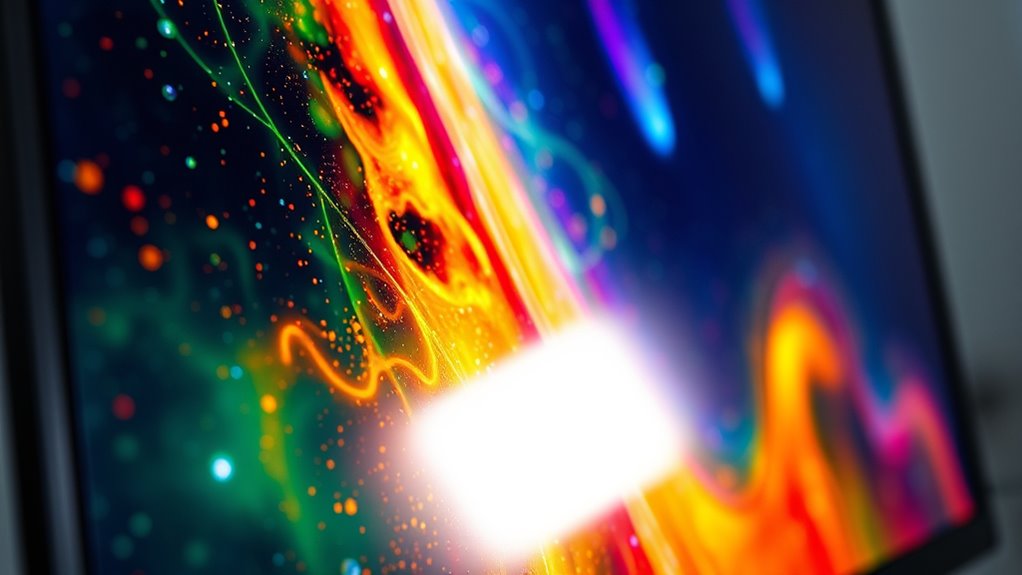

Choosing the right HDR monitor with 1000 nits brightness depends largely on your specific needs. For outdoor visibility and harsh environments, the LILLIPUT 8” Ratio 4:3 1000 Nits stands out with its waterproof design and compact size. Filmmakers needing a portable, high-brightness on-set monitor should consider the FEELWORLD LUT11S for its 2000 nits brightness and advanced color features. Meanwhile, professionals in broadcast and post-production will find the SEETEC S24 offers the largest display, 4K resolution, and extensive input options. Each option balances brightness, size, and feature set differently, with tradeoffs that cater to distinct workflows.

Get the latest gadgets delivered free with Prime
- Fast, free delivery on millions of items
- Prime Video, Amazon Music and more included
- Member-only deals all year
Complete the kit



Key Takeaways
- The LILLIPUT 8” excels in outdoor, industrial environments thanks to waterproofing and compact size.
- FEELWORLD LUT11S provides superior brightness and color grading tools, ideal for on-set filmmaking.
- SEETEC S24’s large 23.8-inch display and multiple input options make it the best choice for professional broadcast environments.
- All three monitors offer 1000 nits brightness, but their target applications vary from rugged outdoor use to high-end production.
- Tradeoffs include size limitations with LILLIPUT, complexity with SEETEC, and cost for the high-spec FEELWORLD.
| LILLIPUT 8” Ratio 4:3 1000 Nits IP65 Monitor, HDMI/VGA Industrial Touch Display with Waterproof Design |  | Best for Outdoor and Harsh Environments | Size: 8 inches | Resolution: 1024×768 | Brightness: 1000 nits | VIEW ON AMAZON | See Our Full Breakdown |
| FEELWORLD LUT11S 10.1 Inch Camera Monitor with 2000nit IPS Touch Screen, 4K HDMI & SDI, HDR, 3D LUT Support |  | Best for Filmmaking and On-Set Color Grading | Display Size: 10.1 inches | Resolution: 1920×1200 | Brightness: 2000 nits | VIEW ON AMAZON | See Our Full Breakdown |
| SEETEC S24 23.8-inch 4K/8K Broadcast Monitor with High Brightness |  | Best for Broadcast and Professional Production | Display Size: 23.8 inches | Resolution: 3840×2160 (4K) | Brightness: 1000 nits | VIEW ON AMAZON | See Our Full Breakdown |
| hdr monitors1000nit | Resolution | Brightness | Display Size |
|---|---|---|---|
| LILLIPUT 8” Ratio 4:3 1000 Nit | 1024×768 | 1000 nits | — |
| FEELWORLD LUT11S 10.1 Inch Cam | 1920×1200 | 2000 nits | 10.1 inches |
| SEETEC S24 23.8-inch 4K/8K Bro | 3840×2160 (4K) | 1000 nits | 23.8 inches |
More Details on Our Top Picks
LILLIPUT 8” Ratio 4:3 1000 Nits IP65 Monitor, HDMI/VGA Industrial Touch Display with Waterproof Design
This compact 8-inch monitor is designed for outdoor and industrial settings, offering a high brightness of 1000 nits and waterproof IP65 protection. Its small size makes it ideal for rugged outdoor use where space and durability are critical. The optical bonding technology reduces glare and enhances visibility in sunlight, making it a practical choice for field operators. Compared with larger monitors, it sacrifices screen real estate but excels in portability and durability. Its input flexibility with HDMI and VGA, along with touch options, makes it versatile for various industrial applications. However, its limited size may be a drawback for detailed tasks or as a primary editing monitor.
Pros:- High brightness for outdoor visibility
- Waterproof IP65 design withstands harsh conditions
- Flexible input options with touch and non-touch variants
Cons:- Limited to 8-inch size, may be too small for some tasks
- No detailed anti-glare coating info
- Potentially higher cost due to industrial features
Best for: Outdoor, industrial, or harsh environment use where durability and sunlight readability are paramount.
Not ideal for: Desktop editing, detailed color grading, or applications requiring a larger display.
- Size:8 inches
- Resolution:1024×768
- Brightness:1000 nits
- Input Options:HDMI/VGA or HDMI-only
- Touch:Available in touch and non-touch versions
- Technology:Optical bonding, anti-glare, anti-fingerprint coating
Our verdict“A rugged, outdoor-ready monitor perfect for fieldwork but less suited for detailed editing or desktop use.”
FEELWORLD LUT11S 10.1 Inch Camera Monitor with 2000nit IPS Touch Screen, 4K HDMI & SDI, HDR, 3D LUT Support
The FEELWORLD LUT11S offers a bright 2000-nit IPS display, specifically tailored for daylight shooting and precise color grading with support for HDR and 4K inputs. Its larger 10.1-inch screen is ideal for on-set monitoring, providing a clear view of critical details. The ability to load up to 50 custom 3D LUTs makes it a favorite among colorists and cinematographers seeking accurate color representation. Touch controls and customizable buttons facilitate quick adjustments, though the monitor’s weight and complexity might be a concern for portable setups or casual users. Compared to smaller or less feature-rich models, the LUT11S’s advanced capabilities justify its higher price point for professionals.
Pros:- High brightness suited for daylight shooting
- Supports professional color grading with 3D LUTs
- Intuitive touch controls and customizable buttons
- Multiple input options including HDMI and SDI
Cons:- Higher cost may be prohibitive for casual use
- Complex feature set requires learning curve
- Heavier than smaller monitors
Best for: Filmmakers, colorists, and videographers needing portable, high-brightness monitoring with color grading tools.
Not ideal for: Casual users or those seeking a budget-friendly, straightforward display without advanced features.
- Display Size:10.1 inches
- Resolution:1920×1200
- Brightness:2000 nits
- Color Gamut Support:REC709, DCI-P3, BT2020
- Input/Output:HDMI 4K 60Hz, SDI, headphone jack
- LUT Support:Up to 50 custom 3D LUTs
Our verdict“An excellent choice for professionals who need bright, color-accurate monitoring in the field with advanced grading tools.”
SEETEC S24 23.8-inch 4K/8K Broadcast Monitor with High Brightness
The SEETEC S24 stands out for its large 23.8-inch 4K display, supporting high brightness at 1000 nits. Its extensive input options—including 12G-SDI, HDMI 2.0, and LAN—make it versatile for professional broadcast environments. The monitor’s multiple display modes, including PIP and PBP, facilitate complex workflows, while its support for various color spaces and calibration features ensure accurate color reproduction. The size and feature set make it ideal for studio or post-production work, but its weight and setup complexity could be limiting for mobile or field use. It’s a strong option for those needing a broad, feature-rich monitoring solution for professional video production.
Pros:- Large 23.8-inch 4K display with high brightness
- Supports both 4K and 8K signals
- Multiple input interfaces including 12G-SDI and HDMI 2.0
- Advanced calibration and color management features
Cons:- Power supply and V-mount battery not included
- Setup is complex and may require technical expertise
- Heavy and less portable for mobile workflows
Best for: Broadcast, post-production, and large-scale professional monitoring environments.
Not ideal for: Mobile shooters or those needing a compact, lightweight display.
- Display Size:23.8 inches
- Resolution:3840×2160 (4K)
- Brightness:1000 nits
- Color Gamut:DCI-P3 98.7%
- Supported Signals:12G-SDI, HDMI 2.0, 12G-SFP
- Input Interfaces:12G-SDI, HDMI 2.0, LAN, RS485, GPI
Our verdict“A comprehensive broadcast monitor ideal for studio use, offering extensive features but less suited for mobile or quick setups.”

How We Picked
Our selection process focused on monitors that deliver at least 1000 nits of brightness, crucial for high ambient light conditions. We evaluated each model based on display size, resolution, input options, build quality, and specialized features such as HDR support or color grading capabilities. Tradeoffs were carefully considered, especially how size, complexity, and price align with different user needs. Our goal was to identify options that offer the best value and performance for their intended applications, ensuring each product fills a distinct role in professional workflows.
Factors to Consider When Choosing Hdr Monitors1000nits
When selecting a 1000-nit HDR monitor, consider the environment you’ll be working in, the size you need, and the features that matter most for your workflow. Brightness alone isn’t enough—resolution, input options, and additional features like HDR support or color grading tools are equally important. Understanding these factors will help you choose a monitor that balances performance, usability, and value.
Brightness and Visibility
At 1000 nits, these monitors excel in high ambient light conditions. For outdoor use or bright studio environments, a high brightness level ensures your image remains visible without glare. Keep in mind, however, that larger screens tend to be less portable, and smaller, rugged monitors like the LILLIPUT are designed specifically for outdoor durability rather than detailed editing.
Screen Size and Resolution
Size influences your workflow significantly. Smaller monitors like the LILLIPUT are portable but limited in detail, making them suitable for field use or quick checks. Larger monitors like the SEETEC S24 provide detailed, high-resolution images essential for professional production, yet they are bulkier and less mobile. Consider your workspace and mobility needs when choosing the right size.
Input Options and Connectivity
Professional workflows demand versatile inputs—HDMI, SDI, LAN, or GPI. Larger broadcast monitors often support multiple signal types, enabling seamless integration into complex setups. Smaller industrial monitors focus on essential inputs like HDMI and VGA, with some offering touch controls. Evaluate your equipment compatibility and future expandability before making a decision.
Additional Features
Features like HDR support, 3D LUTs, calibration tools, and multiple display modes add significant value. For filmmakers and colorists, LUT support and HDR accuracy are vital, while industrial users prioritize ruggedness and waterproofing. Match features to your specific professional needs to avoid overpaying for unnecessary extras or lacking critical tools.
Frequently Asked Questions
Why is brightness important in HDR monitors?
Brightness determines how well a monitor can display high dynamic range content in bright environments. A 1000-nit display ensures that highlights are vivid and details are visible even in direct sunlight or well-lit studios, which is essential for accurate HDR viewing and color grading.
Can I use these monitors for color grading?
Yes, especially models like the FEELWORLD LUT11S and SEETEC S24, which support HDR and 3D LUTs. These features enable precise color management and professional grading. The smaller, industrial LILLIPUT is less suited for color work but excels in outdoor visibility and rugged environments.
What size monitor should I choose?
The size depends on your workflow. Smaller monitors like the LILLIPUT are portable and suited for on-the-go tasks, while larger screens like the SEETEC S24 are better for detailed editing and studio environments. Consider your workspace and mobility needs before selecting a size.
Are these monitors suitable for outdoor use?
Yes, the LILLIPUT 8” is specifically designed for outdoor, sunlight-readable applications with waterproof features. The FEELWORLD and SEETEC models are primarily intended for controlled environments like studios or on-set, though the FEELWORLD’s high brightness makes it usable outdoors with proper shading.
What should I consider when buying a professional broadcast monitor?
Look for high resolution, multiple input options (SDI, HDMI, LAN), HDR support, and calibration features. Size and weight are also important if portability is a concern. Ensure the monitor supports your workflow’s signal types and offers features like PIP or color management for professional-grade production.
Conclusion
For outdoor workers or industrial applications, the LILLIPUT 8” provides durability and sunlight readability but lacks advanced color tools. Filmmakers and on-set professionals should lean toward the FEELWORLD LUT11S for its brightness and color grading features—though it comes at a higher price. Broadcast and studio professionals will find the SEETEC S24 offers the size, resolution, and input flexibility needed for complex workflows, making it ideal for large-scale productions. Your choice hinges on your environment, workflow complexity, and whether portability or detailed color management is your priority.
Halloween Picks
halloween
As an affiliate, we earn on qualifying purchases.