For most seniors who need help both at home and away, I would start with the Bay Alarm Medical SOS Mobile GPS Medical Alert System, while the AltumView Sentinare stands out for room-based monitoring and the SecuLife SOS Wristband for wearable GPS and two-way calling. The main tradeoff is between a dedicated alert device that keeps emergency help close and a smartwatch-style option that adds calling or health features but may take more setup and charging. Buyers also need to check whether fall detection is included, optional, or tied to a service plan. I compare all 15 picks by how their form, connection, and alert approach suit different routines. Read on for the full breakdown and guidance on choosing a device that fits the wearer’s needs.
Complete the kit



Key Takeaways
- Bay Alarm Medical SOS Mobile GPS is my overall starting point because a mobile medical alert format is more directly focused on emergency response than a general-purpose watch.
- AltumView Sentinare takes a different approach: room-based sensing may suit someone who resists wearing a device, but it cannot follow them outdoors.
- The SecuLife wristband, pendant, and smartband show why fit matters: similar GPS and calling functions are delivered in forms that may feel very different during daily wear.
- The roundup spans dedicated alert devices and smartwatch-style products; extra health or calling features can add flexibility, but they do not automatically mean faster or more dependable emergency help.
- Fall detection is not a substitute for an SOS button or a response plan: buyers should check detection limits, cellular coverage, charging needs, and who receives the alert before choosing.
| Bay Alarm Medical SOS Mobile GPS Medical Alert System |  | Best for Independent Mobile Coverage | Connectivity: Verizon 4G LTE cellular | Location: GPS | Weight: Under 2 oz | VIEW ON AMAZON | See Our Full Breakdown |
| SecuLife SOS Wristband with Fall Detection, GPS Tracking, and Two-Way Calling |  | Best Screen-Free Fall-Alert Wristband | Connectivity: Cellular | Battery life: 1 day | Battery capacity: 680 mAh | VIEW ON AMAZON | See Our Full Breakdown |
| Yihou F320 Fall Detection Smart Watch for Seniors |  | Best for Phone-Connected Beginners | Model: F320 | Operating system: Proprietary OS | Display: 1.9-inch digital touchscreen | VIEW ON AMAZON | See Our Full Breakdown |
| SecuLife Medical Alert Pendant with Fall Detection, GPS Tracking, and Two-Way Calling |  | Best Pendant for Longer Stated Battery Life | Connectivity: 4G LTE cellular | Features: Fall alerts, GPS tracking, geofencing, SOS calling, and two-way calling | Water resistance: IP67 | VIEW ON AMAZON | See Our Full Breakdown |
| 4G Senior Smart Watch with Fall Detection, GPS Tracking, and SOS Alert |  | Best for Caregiver Monitoring Features | Operating system: Android Wear 1.0 | Connectivity: 4G cellular | GPS: Built-in GPS with geofencing | VIEW ON AMAZON | See Our Full Breakdown |
| CoCo BT2-X Emergency Alert Smartwatch for Seniors, Silver | 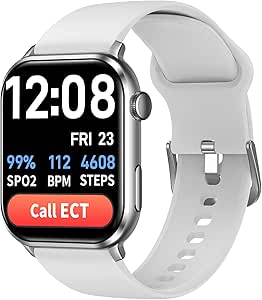 | Best for Smartwatch Features | Model: BT2-X (2026) | Display: 1.85-inch HD touchscreen | Fall detection: 20-second countdown before emergency alert | VIEW ON AMAZON | See Our Full Breakdown |
| Family First Alert MG Mini Medical Alert Pendant with GPS and Optional Fall Detection | 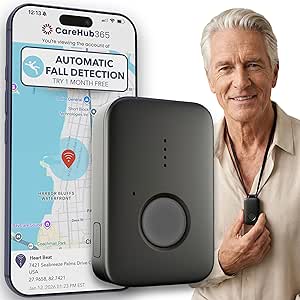 | Best for Operator-Led Support | Model: MGMini-Black | Connectivity: 4G LTE on AT&T and Verizon networks where available | Monitoring: 24/7 emergency monitoring | VIEW ON AMAZON | See Our Full Breakdown |
| Lively Mobile2 Waterproof Medical Alert Device with Lanyard |  | Best for Simple, Portable Alerting | Brand: Lively | Power: Battery powered | Battery: One lithium-ion battery included | VIEW ON AMAZON | See Our Full Breakdown |
| Safety+ 4G Medical Alert System with Fall Detection and GPS |  | Best Overall for Standalone Fall Response | Connectivity: Nationwide 4G | Monitoring: 24/7 emergency monitoring | Fall detection: Included | VIEW ON AMAZON | See Our Full Breakdown |
| ADT On-the-Go Mobile Medical Alert System with Fall Detection Pendant |  | Best for ADT Monitoring Support | Brand and model: ADT MD5 | Connectivity: Cellular through AT&T | Technology: LTE/GPS | VIEW ON AMAZON | See Our Full Breakdown |
| Nomo Medical Alert System with Fall Detection for Seniors |  | Best for Fall Coverage Throughout the Home | Included components: Smart Hub, two Satellite range extenders, wearable Tags | Connectivity: Wi-Fi; no landline required | Communication: Two-way voice through the Hub | VIEW ON AMAZON | See Our Full Breakdown |
| Fall Detection GPS Watch for Seniors with SOS, Two-Way Communication, and Health Monitoring |  | Best for GPS and Health Tracking in a Watch | Connectivity: 4G cellular | GPS: Built-in GPS with geofencing | Communication: Video calls, voice chat, and text; voice calling requires a separate voice-enabled SIM | VIEW ON AMAZON | See Our Full Breakdown |
| AltumView Sentinare Fall Detection and Activity Sensor |  | Best Wearable-Free, Privacy-Focused Pick | Model: Sentinare 3 | Fall detection coverage: Up to 6 m (20 ft) | Connectivity: Wi-Fi | VIEW ON AMAZON | See Our Full Breakdown |
| Seculife Medical Alert Smartband for Seniors with Fall Detection, GPS Tracking, and Two-Way Calling |  | Best for Automatic Contact Calls | Features: Fall alerts, GPS, geofencing, phone calls, SOS calling | Operating system compatibility: iOS, Android | Communication: Two-way calling; automatic answering for approved contacts | VIEW ON AMAZON | See Our Full Breakdown |
| Medical Guardian MGMini Medical Alert Device for Seniors, Rose Gold |  | Best Compact Monitored Alert Device | Battery life: Up to 72 hours | Recharge time: 4 hours | Connectivity: Cellular, Wi-Fi backup | VIEW ON AMAZON | See Our Full Breakdown |
| fall detection devices for senior | Connectivity | Water resistance | Battery life |
|---|---|---|---|
| Bay Alarm Medical SOS Mobile G | Verizon 4G LTE cellular | Water-resistant | Up to 144 hours; varies with usage and network conditions |
| SecuLife SOS Wristband with Fa | Cellular | IP67 | 1 day |
| Yihou F320 Fall Detection Smar | — | Waterproof | — |
| SecuLife Medical Alert Pendant | 4G LTE cellular | IP67 | Up to 6 days; product information also lists a 5-day average |
| 4G Senior Smart Watch with Fal | 4G cellular | IP67; listed depth of 1 meter | — |
| CoCo BT2-X Emergency Alert Sma | Bluetooth | Up to 5 feet | — |
| Family First Alert MG Mini Med | 4G LTE on AT&T and Verizon networks where available | Water-resistant; suitable for shower use | Up to 5 days per charge |
| Lively Mobile2 Waterproof Medi | — | — | — |
| Safety+ 4G Medical Alert Syste | Nationwide 4G | Water-resistant; designed for showers and rain | Up to 6 days |
| ADT On-the-Go Mobile Medical A | Cellular through AT&T | — | 40 hours |
| Nomo Medical Alert System with | Wi-Fi; no landline required | — | — |
| Fall Detection GPS Watch for S | 4G cellular | IP67 | — |
| AltumView Sentinare Fall Detec | Wi-Fi | — | — |
| Seculife Medical Alert Smartba | — | IP67; listed depth of 1 meter | 1 day |
| Medical Guardian MGMini Medica | Cellular, Wi-Fi backup | — | Up to 72 hours |
More Details on Our Top Picks
Bay Alarm Medical SOS Mobile GPS Medical Alert System
I’d choose the Bay Alarm Medical SOS Mobile for a senior who wants a direct connection to an operator while away from home, without relying on a personal smartphone. Its one-button call and two-way audio make help accessible from the device, while GPS and caregiver app access give family a way to check location. Unlike the Yihou F320, it has cellular connectivity of its own, so alerts and calls don’t depend on a nearby paired phone. The key limitation for this fall-detection roundup is that fall detection is optional, not a standard feature; buyers should confirm the option and service details before choosing it for automatic alerts. It also requires an ongoing subscription, and its stated battery life can vary with use and network conditions. I’d favor it for mobile operator support, not for the longest confirmed fall-detection coverage.
Pros:- One-button access to a trained operator with two-way audio
- GPS location and caregiver tracking app access
- Works independently without a smartphone
- Includes a charging dock, lanyard, and belt clip
Cons:- Fall detection is optional rather than included as a standard feature
- Ongoing service subscription is required
- Battery life varies with usage and network conditions
Best for: Seniors who leave home regularly and want cellular access to a trained operator, GPS location, and caregiver tracking without carrying a smartphone.
Not ideal for: Buyers who need automatic fall detection included by default or want to avoid an ongoing service subscription.
- Connectivity:Verizon 4G LTE cellular
- Location:GPS
- Weight:Under 2 oz
- Dimensions:2.72 x 1.38 x 0.57 inches
- Battery capacity:420 mAh
- Battery life:Up to 144 hours; varies with usage and network conditions
- Water resistance:Water-resistant
- Fall detection:Optional
- Subscription:Required
Our verdict“Choose this for independent cellular operator access and GPS, but confirm optional fall detection before relying on it for automatic fall alerts.”
SecuLife SOS Wristband with Fall Detection, GPS Tracking, and Two-Way Calling
The SecuLife SOS Wristband puts automatic fall alerts in a screen-free format, which may suit someone who finds a watch interface distracting. A wearer can also press one button to reach preset family or caregivers, and two-way calling adds a way to speak through the band. GPS tracking and geofence notifications give this wristband more caregiver monitoring features than the Bay Alarm Medical SOS Mobile, whose fall detection is optional. That difference comes with a practical drawback: SecuLife lists only one day of battery life, so regular charging is part of the routine. It also needs a monthly subscription, and its cellular service means it is not simply a standalone, no-service accessory. I’d pick it when screen-free wear and automatic alerts matter more than extended time between charges.
Pros:- Automatic fall detection and one-button SOS alerts
- GPS tracking with geofence notifications
- Two-way voice calling with hands-free auto-answer
- Screen-free design with IP67 water resistance
Cons:- Listed battery life is one day, requiring frequent charging
- Monthly subscription is required for service
Best for: Seniors who prefer a simple wristband over a screen-based watch and need automatic fall alerts, GPS tracking, and two-way calls to caregivers.
Not ideal for: People who may not manage daily charging, or buyers seeking fall alerts without a recurring subscription.
- Connectivity:Cellular
- Battery life:1 day
- Battery capacity:680 mAh
- Water resistance:IP67
- Calling:Two-way voice calling
- Tracking:GPS tracking and geofence alerts
- Compatible devices:Android, iOS, and smartphones
- Warranty:1 year
- Subscription:Required
Our verdict“Choose this wristband for screen-free automatic fall alerts and caregiver calling if daily charging and subscription service fit your routine.”
Yihou F320 Fall Detection Smart Watch for Seniors
The Yihou F320 is better suited to a senior who already carries a compatible smartphone and wants fall alerts alongside everyday watch functions. Its fall-detection countdown gives the wearer a chance to cancel an alert, which may help limit false alarms, while SOS access and Bluetooth calling add communication options when the phone is connected. It also tracks steps, sleep, distance, and heart rate on a 1.9-inch touchscreen. That makes it more of a phone-linked smartwatch than a dedicated mobile alert device: unlike the cellular Bay Alarm Medical SOS Mobile, it has no standalone cellular service or GPS. Fall alerts and calls depend on app setup, permissions, and a connected phone, so I wouldn’t choose it for someone who may leave a phone behind or need independent location tracking. The extra wellness features don’t replace medical measurements.
Pros:- Fall-detection countdown lets the wearer cancel a potential false alert
- SOS access and Bluetooth calling when connected to a compatible phone
- Large 1.9-inch touchscreen
- Tracks heart rate, sleep duration, distance, and steps
Cons:- Fall alerts and calls depend on smartphone pairing, app permissions, and setup
- No GPS or standalone cellular service
- Wellness readings are for general reference, not medical measurements
Best for: Seniors who routinely carry a compatible smartphone and want a large-screen watch with phone-linked fall alerts, SOS access, and basic activity tracking.
Not ideal for: Seniors who need alerts or calls to work away from a paired phone, or who need built-in GPS and standalone cellular service.
- Model:F320
- Operating system:Proprietary OS
- Display:1.9-inch digital touchscreen
- Band material:Silicone, leather, or steel options
- Battery type:Lithium polymer
- Water resistance:Waterproof
- App:Joemefit
- Metrics:Heart rate, sleep duration, distance, and step count
- GPS:None
Our verdict“Choose the F320 for phone-linked fall alerts and a large smartwatch display, but not when independent GPS or cellular calling is needed.”
SecuLife Medical Alert Pendant with Fall Detection, GPS Tracking, and Two-Way Calling
I’d shortlist this SecuLife Medical Alert Pendant for someone who prefers a pendant to a wrist-worn device but still needs automatic fall alerts and mobile caregiver features. It combines fall alerts, SOS calling, GPS, and geofencing, with hands-free two-way calling for speaking to preselected contacts. Against the SecuLife SOS Wristband, its main practical distinction is the stated battery life: up to six days, though the listing also gives a five-day average. That discrepancy makes the charging interval less certain than the headline figure suggests, even if it may mean fewer charging sessions than the wristband’s listed one-day runtime. The pendant is IP67 rated, but service requires a monthly subscription. I’d choose it over a phone-dependent watch like the Yihou F320 when independent cellular alerts and GPS matter more than smartwatch features.
Pros:- Automatic fall alerts and SOS calling to preselected contacts
- GPS tracking with geofencing and one year of location history
- Hands-free two-way calling
- IP67 water resistance and several days of stated battery life
Cons:- Requires a monthly subscription
- Battery information differs between the up-to-six-day claim and five-day average
- Pendant form may not suit someone who prefers a wrist-worn device
Best for: Seniors who prefer wearing a pendant and want cellular fall alerts, GPS and geofencing, hands-free calls, and less frequent charging than a daily-charge wristband.
Not ideal for: Buyers who want a clearly stated, consistent battery estimate or want to avoid a monthly service subscription.
- Connectivity:4G LTE cellular
- Features:Fall alerts, GPS tracking, geofencing, SOS calling, and two-way calling
- Water resistance:IP67
- Battery life:Up to 6 days; product information also lists a 5-day average
- Battery capacity:1000 mAh
- Subscription:Required
- Included items:Charging cable, SIM card, and user manual
- Compatible devices:Android and iOS devices
Our verdict“Choose this pendant for cellular fall alerts and GPS in a pendant format, while treating its battery estimate as a range rather than a fixed interval.”
4G Senior Smart Watch with Fall Detection, GPS Tracking, and SOS Alert
This 4G Senior Smart Watch combines fall alerts and SOS with caregiver tools such as GPS geofencing, medication reminders, and sedentary reminders. That broader feature set may appeal to families who want prompts and activity information on the same device, rather than the more focused call-and-alert setup of the SecuLife Medical Alert Pendant. It also lists two-way voice chat, but the included SIM is data-only; voice calls require a separate SIM with voice service. Buyers should sort out that service requirement before relying on the watch as a calling device. Its IP67 rating and built-in GPS support wearable use and location monitoring, but the listing does not provide battery life, making charging expectations hard to judge. I’d favor it for feature-focused caregiver monitoring, not for someone seeking the simplest fall-alert setup.
Pros:- Fall alerts, SOS notifications, GPS tracking, and geofencing
- Includes medication and sedentary reminders
- Health and activity features include heart rate, blood pressure, blood oxygen, and step tracking
- IP67 water resistance and a pre-installed data SIM with one year of data
Cons:- Included data-only SIM does not support voice calls
- Voice calling requires a separate SIM with voice service
- Battery life is not specified in the supplied product information
Best for: Families who want a smartwatch with GPS geofencing, fall and SOS alerts, medication prompts, and health and activity tracking in one device.
Not ideal for: Seniors who need ready-to-use voice calling without arranging a separate voice SIM, or buyers who need a stated battery-life estimate before choosing.
- Operating system:Android Wear 1.0
- Connectivity:4G cellular
- GPS:Built-in GPS with geofencing
- Water resistance:IP67; listed depth of 1 meter
- Display:Rectangular touchscreen
- Storage:1 GB
- Health features:Heart rate, blood pressure, and blood oxygen monitoring
- Additional features:Fall alert, SOS, voice chat, step count, medication reminder, and sedentary reminder
- Included service:Pre-installed data-only SIM with one year of data
Our verdict“Choose this watch for its broad caregiver and reminder features if you can arrange separate voice service and accept an unspecified battery runtime.”
CoCo BT2-X Emergency Alert Smartwatch for Seniors, Silver
The CoCo BT2-X suits seniors who want fall alerts alongside everyday smartwatch functions. Its fall-detection countdown gives the wearer 20 seconds to cancel an alert, while the one-touch SOS button can contact a designated care team. Compared with the Safety+ 4G Medical Alert System, which is built around independent cellular monitoring and GPS, CoCo relies on Bluetooth and a connected smartphone for location. That makes it a less self-contained choice for outings, but its 1.85-inch touchscreen, Bluetooth calling, and broader wellness tracking offer more familiar watch features. Caregivers can also manage medication reminders through the app. I would choose it for app-connected households, not as a substitute for medical monitoring: location depends on a phone, and the listed health metrics are for daily awareness, not diagnosis.
Pros:- Fall detection includes a 20-second countdown before an emergency alert
- One-touch SOS can notify a designated emergency care team
- Caregivers can manage medication reminders through the app
- Bluetooth calling and multiple wellness metrics add everyday smartwatch utility
Cons:- GPS location depends on a connected smartphone
- No 24/7 professional monitoring service is specified
- Health metrics are described for daily awareness, not medical diagnosis
Best for: Seniors who want a touchscreen smartwatch with SOS, fall alerts, and caregiver-managed reminders, and who regularly carry a compatible smartphone.
Not ideal for: People who need standalone GPS or professional 24/7 emergency monitoring, since location depends on a connected smartphone and no monitoring service is specified.
- Model:BT2-X (2026)
- Display:1.85-inch HD touchscreen
- Fall detection:20-second countdown before emergency alert
- Connectivity:Bluetooth
- Location:GPS via connected smartphone
- Health metrics:Heart rate, blood oxygen (SpO2), sleep, stress, and breathing
- Water resistance:Up to 5 feet
- Compatibility:iOS and Android smartphones
Our verdict“Choose the CoCo BT2-X if you want fall alerts in a feature-rich smartwatch and can keep a compatible phone nearby.”
Family First Alert MG Mini Medical Alert Pendant with GPS and Optional Fall Detection
The Family First Alert MG Mini is a compact pendant for seniors who want a live emergency operator rather than a smartwatch-style interface. It connects to 24/7 monitoring over AT&T and Verizon 4G LTE where service is available, and the included dock and multiple wearing options make it adaptable around the home. Unlike the CoCo BT2-X, it is centered on emergency response, not wellness tracking or phone-connected smartwatch functions. Its main fall-detection drawback is easy to miss: fall detection is an optional add-on, so the pendant does not provide that automatic safeguard by default. The stated battery life is up to five days, though daily charging is recommended. I would favor this over a feature-heavy watch for someone who prefers a dedicated alert device, provided the subscription and add-on fit their needs.
Pros:- Connects to 24/7 emergency monitoring with trained operators
- Supports AT&T and Verizon 4G LTE where cellular service is available
- Water-resistant design is suitable for shower use
- Includes a charging dock, two lanyards, and a belt clip
Cons:- Fall detection is an optional add-on rather than an included feature
- Requires a monthly monitoring subscription
- Daily charging is recommended despite a stated battery life of up to five days
Best for: Seniors who want access to 24/7 emergency operators through a dedicated pendant and are willing to add fall detection separately.
Not ideal for: Buyers seeking fall detection included by default, or people who do not want a monthly monitoring subscription.
- Model:MGMini-Black
- Connectivity:4G LTE on AT&T and Verizon networks where available
- Monitoring:24/7 emergency monitoring
- Fall detection:Optional add-on
- Battery life:Up to 5 days per charge
- Water resistance:Water-resistant; suitable for shower use
- Included accessories:Charging dock, two lanyards, belt clip, charging brick, and cord
- Warranty:30 days
Our verdict“Pick the MG Mini if operator access matters more than smartwatch features and you are prepared to add fall detection and pay for monitoring.”
Lively Mobile2 Waterproof Medical Alert Device with Lanyard
The Lively Mobile2 keeps its purpose straightforward: wear a portable device, press the Urgent Response button, and connect with a certified agent at any time. Optional fall detection can contact the response team automatically, while the caregiving app can share emergency notifications with family. Compared with the Family First Alert MG Mini, which lists a five-day battery life and includes several wearing accessories, the Mobile2’s supplied information does not state battery runtime and includes only a lanyard. Its advantage is a clear waterproof, portable design that does not need a landline or home base station. Fall detection requires a Lively Plan, so buyers should check that service requirement before choosing it for automatic alerts. This is a better fit for someone who wants a simple response device than for someone seeking GPS or extensive device specifications.
Pros:- Connects to certified response agents 24/7 when the Urgent Response button is pressed
- Waterproof design supports use in the shower, pool, or rain
- Portable setup does not require a landline or base station
- Optional fall detection and caregiver-app notifications are available
Cons:- Fall detection requires a Lively Plan
- No landline or base-station connection is offered
- The supplied product details do not state battery runtime
Best for: Seniors who want a portable waterproof alert device with access to 24/7 agents and family notifications through an app.
Not ideal for: People who need fall detection without an added plan, a landline or base-station option, or a clearly stated battery runtime.
- Brand:Lively
- Power:Battery powered
- Battery:One lithium-ion battery included
- Waterproofing:Waterproof
- Fall detection:Optional; requires a Lively Plan
- Emergency response:24/7 certified agents via Urgent Response button
- Caregiver notifications:Available through caregiving app
- Included accessory:Lanyard
Our verdict“Choose the Mobile2 if you want a waterproof portable alert button and accept that automatic fall detection depends on a Lively Plan.”
Safety+ 4G Medical Alert System with Fall Detection and GPS
The Safety+ is the strongest fit in this group for buyers who want automatic fall detection, 24/7 monitoring, and GPS in one cellular wearable. Because it works over nationwide 4G and does not require a smartphone, it is more self-contained than the CoCo BT2-X, whose location feature depends on a connected phone. A caregiver app adds location, activity, battery, and emergency alerts, while a lanyard or belt clip gives the wearer a choice of how to carry it. The tradeoff is an ongoing service commitment: the first month is included, then monitoring costs $40 per month, and an activation call is required. Its stated battery life of up to six days is longer than the MG Mini’s stated five days, although actual use may differ. I would put it first for fall response, not for users avoiding subscriptions.
Pros:- Includes automatic fall detection and 24/7 emergency monitoring
- GPS and caregiver app provide location and emergency notifications
- Does not require a smartphone
- Up to six days of stated battery life with lanyard and belt-clip wear options
Cons:- Requires a $40 monthly subscription after the included first month
- Must be activated by phone before use
Best for: Seniors who need a phone-independent wearable with automatic fall detection, GPS, and 24/7 emergency monitoring, with a caregiver who can use app alerts.
Not ideal for: People who want to avoid monthly monitoring costs or activation by phone before use.
- Connectivity:Nationwide 4G
- Monitoring:24/7 emergency monitoring
- Fall detection:Included
- Location:GPS
- Battery life:Up to 6 days
- Water resistance:Water-resistant; designed for showers and rain
- Wear options:Lanyard with magnetic clasp or belt clip
- Smartphone required:No
- Service and activation:First month included; $40/month afterward; activation call required
Our verdict“Choose Safety+ if you want a self-contained GPS alert device with fall detection and can commit to its ongoing monitoring service.”
ADT On-the-Go Mobile Medical Alert System with Fall Detection Pendant
ADT On-the-Go is for seniors who prioritize a familiar professional monitoring provider and want a wearable that can accompany them away from home. Its LTE/GPS mobile device connects through AT&T, and ADT agents can contact caregivers and provide updates during an emergency. The waterproof bracelet or necklace gives users a choice of wearing style, while the single-button alarm keeps manual help requests simple. Compared with Safety+, the product details here do not specify automatic fall detection; despite the roundup listing it as a fall-detection pendant, buyers should confirm the exact fall-detection service and plan before relying on it. Battery life is stated at 40 hours, substantially shorter than the six days listed for Safety+, so more frequent charging is part of the deal. A monthly plan and phone activation are also required.
Pros:- Connects to ADT professional monitoring through the AT&T cellular network
- LTE and GPS support mobile use
- Waterproof wearable options include a bracelet or necklace
- Agents can contact caregivers and provide emergency updates
Cons:- Requires a monthly monitoring plan and phone activation
- Stated battery life is 40 hours, shorter than the Safety+ system’s stated runtime
- Product details do not specify how automatic fall detection is provided
Best for: Seniors who want mobile emergency monitoring through ADT, wearable waterproof options, and caregiver updates, and who can maintain frequent charging.
Not ideal for: People who need a clearly specified automatic fall-detection feature or longer battery life between charges.
- Brand and model:ADT MD5
- Connectivity:Cellular through AT&T
- Technology:LTE/GPS
- Monitoring:ADT U.S.-based professional monitoring; plan required
- Battery life:40 hours
- Device weight:1.76 ounces
- Dimensions:0.63 x 1.75 x 2.75 inches
- Wearable:Waterproof bracelet or necklace
- Included items:Mobile device, wristband, and cradle charger
Our verdict“Choose ADT On-the-Go for ADT-backed mobile monitoring, but confirm fall-detection coverage and accept charging roughly every 40 hours.”
Nomo Medical Alert System with Fall Detection for Seniors
The Nomo system is the strongest fit here for someone who spends most of the day at home and needs coverage beyond a single room. Its Smart Hub, two range-extending Satellites, and wearable Tags combine room-to-room reach with fall detection and panic buttons. If a wearer can speak, two-way voice through the Hub gives caregivers or responders a way to communicate without relying only on a phone. Compared with the AltumView Sentinare, Nomo requires a wearable Tag, but it adds direct voice communication and a monitoring trial. That tradeoff may suit seniors who want a button they can carry rather than room-based sensing. Setup is designed to be plug-and-play, though the system depends on Wi-Fi, and a monthly monitoring subscription applies after the 30-day trial.
Pros:- Two Satellites extend coverage across more of the home.
- Wearable Tags combine fall detection with panic buttons.
- Two-way voice through the Hub supports direct communication during an alert.
- Plug-and-play setup does not require special wiring.
Cons:- A monthly subscription applies after the 30-day monitoring trial.
- Wi-Fi is required for the system’s connectivity and caregiver alerts.
Best for: Seniors who spend much of their time at home and want wearable fall alerts with expanded indoor coverage and two-way communication.
Not ideal for: People without reliable Wi-Fi or buyers seeking a fall-detection system with no ongoing monitoring subscription.
- Included components:Smart Hub, two Satellite range extenders, wearable Tags
- Connectivity:Wi-Fi; no landline required
- Communication:Two-way voice through the Hub
- Fall detection:Wearable Tags detect unusual movement patterns and fall events
- Monitoring:30-day trial of 24/7 monitoring with RapidSOS emergency services
- Subscription:Monthly subscription applies after the trial
Our verdict“Choose Nomo for wearable fall detection and voice communication across a larger home, provided Wi-Fi and a continuing subscription fit your needs.”
Fall Detection GPS Watch for Seniors with SOS, Two-Way Communication, and Health Monitoring
This watch suits seniors who want fall alerts alongside location and wellness features in a familiar wrist-worn format. GPS with geofencing can help caregivers follow location, while the listed heart rate, blood oxygen, sleep, step, and temperature tracking adds everyday monitoring beyond emergencies. Its IP67 water resistance and magnetic charger also support routine wear. Compared with the Seculife Medical Alert Smartband, this model lists a broader set of health metrics and includes a year of data service, but its SIM detail needs careful attention: the preinstalled SIM is data-only, so voice calls require a separate voice-enabled SIM. The watch also runs Android Wear 1.0, a detail buyers should weigh if they expect a modern smartwatch experience. It makes more sense for tech-comfortable users than for anyone seeking a simple, ready-to-call alert device.
Pros:- GPS and geofencing provide location tools for caregivers.
- Tracks heart rate, blood oxygen, sleep, steps, and temperature.
- IP67 water resistance supports use around water and during daily routines.
- Includes a preinstalled data-only SIM with one year of free data.
Cons:- The included data-only SIM does not support voice calls.
- Voice calling requires a separately obtained voice-enabled SIM.
- Android Wear 1.0 may not suit buyers expecting a current smartwatch platform.
Best for: Tech-comfortable seniors and families who want wrist-based fall alerts, GPS geofencing, and health tracking, and can arrange a separate voice-enabled SIM.
Not ideal for: Buyers who need voice calling to work out of the box or seniors who may find a touchscreen watch and SIM setup complicated.
- Connectivity:4G cellular
- GPS:Built-in GPS with geofencing
- Communication:Video calls, voice chat, and text; voice calling requires a separate voice-enabled SIM
- Health monitoring:Heart rate, blood pressure reference, blood oxygen, sleep, steps, and temperature
- Water resistance:IP67
- Memory:1 GB
- Operating system:Android Wear 1.0
- Included service:Preinstalled data-only SIM with one year of free data
Our verdict“Pick this watch for a broad mix of GPS and health tracking, but only if you are prepared to arrange voice service separately.”
AltumView Sentinare Fall Detection and Activity Sensor
The Sentinare takes a different approach from wearable alerts: it monitors activity in a room rather than asking a senior to remember a pendant or watch. No wearable is required, and its AI can track falls, bed exits, and restricted areas; the product description also says it detects slow falls and is unaffected by pets. For a household concerned about cameras, stick-figure data instead of video is a meaningful privacy distinction. Compared with the Nomo Medical Alert System, Sentinare avoids a wearable Tag and has basic features without a monthly fee, but it does not offer the same described two-way voice through a hub. Its coverage is limited to a stated range of up to 6 m (20 ft), and it needs Wi-Fi and corded power. This is a room-monitoring choice, not a portable alert device for outings.
Pros:- Detects falls and activity without requiring a wearable device.
- Uses stick-figure data rather than video to support privacy.
- Monitors bed exits and restricted areas in addition to falls.
- Basic features have no monthly fee.
Cons:- Wi-Fi is required for connectivity and app controls.
- Coverage is limited to up to 6 m (20 ft), so placement and room coverage matter.
- Corded power limits where the sensor can be installed.
Best for: Households seeking room-based fall and activity monitoring for a senior who may not reliably wear a pendant or watch.
Not ideal for: Seniors who need fall alerts while away from the installed sensor’s room, or households without Wi-Fi and a suitable power outlet.
- Model:Sentinare 3
- Fall detection coverage:Up to 6 m (20 ft)
- Connectivity:Wi-Fi
- Video capture resolution:1080p
- Viewing angle:158 degrees
- Night vision range:6 m
- Power source:Corded electric
- Monthly fee:None for basic features
Our verdict“Choose Sentinare for privacy-minded, wearable-free monitoring in a covered room, not for portable fall protection around the clock.”
Seculife Medical Alert Smartband for Seniors with Fall Detection, GPS Tracking, and Two-Way Calling
The Seculife Smartband is aimed at seniors who want a wearable that can take action after a fall, rather than only send a notification. It can automatically call selected contacts after fall detection or a long press of the SOS button, with two-way calling and automatic answering for approved contacts adding another route to reach the wearer. GPS tracking and geofencing make it more suited to active users than the home-bound Nomo system, while the IP67 rating supports everyday wear. The tradeoff is ongoing service: a subscription is required, and the listed battery life is only one day, so frequent charging becomes part of the safety routine. Compared with the GPS watch in this roundup, Seculife is more directly centered on emergency calling, but it lists fewer health metrics. Buyers should choose it for contact-based response, not long battery intervals.
Pros:- Can automatically call selected contacts after a detected fall or SOS activation.
- Two-way calling and automatic answering for approved contacts support communication during an alert.
- GPS tracking and geofencing help caregivers follow location.
- IP67 water resistance is suited to everyday wear.
Cons:- A subscription is required for service.
- Listed battery life is one day, making regular charging necessary.
- Health monitoring is narrower than the GPS watch’s listed set of metrics.
Best for: Seniors who leave home regularly and want a wearable that can call chosen contacts after a detected fall or SOS press.
Not ideal for: People who want to avoid a recurring service plan, cannot charge a wearable daily, or need longer battery life between charges.
- Features:Fall alerts, GPS, geofencing, phone calls, SOS calling
- Operating system compatibility:iOS, Android
- Communication:Two-way calling; automatic answering for approved contacts
- Health metrics:Heart rate, blood oxygen, body temperature
- Water resistance:IP67; listed depth of 1 meter
- Battery capacity:680 mAh
- Battery life:1 day
- Subscription:Required; from $25 per month
Our verdict“Choose the Seculife Smartband if automatic calls to chosen contacts and GPS matter more than avoiding a subscription or daily charging.”
Medical Guardian MGMini Medical Alert Device for Seniors, Rose Gold
The MGMini prioritizes a small, versatile alert device and a live monitoring connection over built-in fall detection. Its two-way speaker connects the wearer to a 24/7 monitoring team, while the included lanyard and belt clip offer different ways to carry it. GPS location assistance and cellular connectivity with Wi-Fi backup add support beyond the home, and a stated battery life of up to 72 hours is longer than the one-day figure listed for the Seculife Smartband. The key distinction is that fall detection is an optional add-on, not a standard feature, so the device may not meet a fall-specific need without that extra service. Monitoring must be activated before use and requires a subscription. This is a sensible fit for someone who values compact wear and live monitoring, but less so for buyers seeking a ready-to-use automatic fall alert.
Pros:- Two-way speaker connects the wearer with a 24/7 monitoring team.
- Compact format can be worn with the included lanyard or belt clip.
- Up to 72 hours of battery life per charge is longer than the Seculife Smartband’s listed one day.
- Cellular connectivity includes Wi-Fi backup and GPS location assistance.
Cons:- Fall detection is an optional add-on rather than a standard feature.
- A paid monitoring subscription must be activated before use.
- Battery life may vary with network and cellular signal strength.
Best for: Seniors who want a compact device with live 24/7 monitoring, GPS assistance, and flexible lanyard or clip wear, and are willing to add fall detection separately.
Not ideal for: Buyers who require fall detection as a standard feature or want a device that works without activating a paid monitoring plan.
- Battery life:Up to 72 hours
- Recharge time:4 hours
- Connectivity:Cellular, Wi-Fi backup
- Features:Two-way speaker, GPS location assistance, step counting
- Included accessories:Charging cradle and power cord, clip, lanyard, EMT card, owner’s manual and quick-start guide, service agreement
- Service:24/7 monitoring subscription required; no long-term contract
- Fall detection:Optional add-on
- Color:Rose Gold
Our verdict“Choose the MGMini for compact, monitored communication and longer stated battery life, but confirm and activate the fall-detection add-on if falls are the main concern.”

How We Picked
I compared the 15 products by how well their stated design supports a senior who may need help after a fall. My main criteria were the alert path—such as an SOS button, two-way communication, GPS, or room-based sensing—along with whether fall detection is presented as built in or optional. I also considered how wearable form, water resistance claims, charging demands, and connectivity could affect everyday use. A device that is easy to keep on and use has more practical value than a longer feature list that may not fit the wearer’s routine.
The ranking favors products that appear focused on emergency alerts and offer a clear use case, then separates them by mobility, form, and added setup demands. The Bay Alarm Medical mobile system leads as a balanced mobile-alert choice; AltumView ranks for a distinct home-based monitoring need rather than all-day mobility. Wearable GPS products follow, with their relative appeal depending on wrist, pendant, or watch preferences. I treat product names and feature claims as starting points, not proof of detection accuracy or service quality, so buyers should confirm current coverage, plan requirements, and fall-detection terms directly before ordering.
Factors to Consider When Choosing Fall Detection Devices For Seniors
Choosing a fall detection device is less about collecting the most features and more about matching the alert route to the person’s actual day. I would first map where the senior spends time, what they will reliably wear, and who can respond when an alert arrives. The following checks can prevent a mismatch that a product list alone cannot resolve.
Match the Alert System to Where Falls May Happen
Start by listing the places the wearer visits alone: bedrooms, bathrooms, garden paths, shops, or regular walks. A home sensor can cover a room but may not help once the person leaves its sensing area, while a mobile GPS device is designed around being carried beyond the house. Some households need both home coverage and an outdoor option, but combining systems can add charging, setup, and service complexity. Ask whether an alert depends on a cellular connection, a base unit, Wi-Fi, or a monitoring service. Check the exact coverage map and what happens in weak-signal locations rather than assuming GPS alone sends an alert. The best fit is the one whose connection works across the wearer’s real routine.
Treat Fall Detection as a Backup, Not the Whole Plan
Automatic detection can be useful when a person cannot press an SOS button, but it may not identify every fall and may sometimes trigger an alert when no emergency occurred. Motion, the way a device is worn, and the type of incident can affect detection, so no wearable should be treated as a guarantee. Ask whether the wearer can also call for help manually and how they can cancel a false alarm. Find out who receives an alert, how the responder confirms what happened, and whether contacts or a monitoring center are involved. A simple household response plan can matter as much as the sensor: everyone should know who is called and what to do if the wearer does not answer. Prioritize a usable manual alert alongside automatic detection.
Choose a Form the Senior Will Actually Keep On
A pendant, wristband, smartband, and smartwatch differ in more than appearance: comfort, dexterity, clothing, and personal preference all affect regular wear. Someone who dislikes a neck lanyard may prefer a wrist device, while a person uncomfortable with watch controls may find a simple pendant less distracting. Try fastening and removing the device if hand strength or arthritis is a concern. Consider whether the wearer sleeps, showers, or exercises with it, and confirm the maker’s water-resistance guidance for those activities. A device left on a dresser cannot help during a fall, so consistent wear should carry more weight than a longer feature list. Involve the senior in the choice rather than selecting only for the caregiver’s convenience.
Check the Full Service and Connectivity Requirements
Device names can make GPS, calling, and fall detection sound self-contained, but some functions may depend on an active service plan, cellular coverage, or a compatible app. Before buying, confirm what is included, whether fall detection is an added option, and whether the alert reaches a professional response service or chosen contacts. Ask which cellular network the device uses and check coverage at home and along common routes. Clarify setup steps, account management, and what happens if a subscription lapses. A lower-complexity device may be a better match if the wearer or family cannot maintain an app, contact list, or frequent settings changes. Compare the full operating requirements, not just the hardware description.
Plan for Charging, Water Exposure, and Daily Upkeep
Every wearable creates a maintenance routine: someone has to charge it, check that it is powered, and keep its connection active. Ask how the wearer will notice a low battery and whether a caregiver can receive a status notice. A device that needs frequent charging can be a poor fit for someone who forgets chargers, even if its feature set looks appealing. Water resistance also varies, so confirm whether the model can be worn in the shower rather than inferring protection from words such as waterproof. Home sensors trade wearable charging for placement, power, and room coverage checks. Choose the maintenance pattern the senior and caregiver can realistically sustain week after week.
Pay for the Capability That Solves a Real Problem
Extra health tracking, messaging, or smartwatch functions are useful only if the wearer will use them and they do not make emergency access harder. A dedicated alert device may suit someone who wants a clear SOS function, while a smartwatch-style model may better fit a person already comfortable with wearable technology. Room-based sensing can be a better match for someone who refuses wearables, but it gives up portability. Before paying for added features, ask whether they change who can respond, where the wearer is covered, or how quickly a call for help can be made. Also check whether fall detection itself is included or an extra service. Spending more makes sense when it closes a specific coverage or usability gap, not just when it adds more functions.
Frequently Asked Questions
Can automatic fall detection replace pressing an SOS button?
No. Automatic detection may miss some falls or generate a false alert, and the wearer may be able to ask for help before a sensor recognizes an event. I would choose a device with an accessible manual SOS option as well as automatic detection when available. Confirm how the person can cancel an accidental alert and whether they can speak to a responder through the device. Families should also agree on who is contacted and what happens if nobody answers. Treat fall detection as an added safety path, not a guarantee.
Should I choose a GPS wearable or a home fall sensor?
Choose based on where the wearer is alone and at risk, not only on the product’s feature list. GPS wearables are the more natural fit for someone who goes out independently and needs an alert device away from home. A home sensor such as the AltumView Sentinare may suit someone who resists wearing a pendant or watch, but its usefulness depends on placement and covered rooms. If the person moves between home and community settings, one approach may leave a gap. Map the daily routine first, then check whether a single device covers it or whether separate home and mobile solutions are needed.
What should I verify before buying a device with GPS and two-way calling?
Check that the device has cellular service where the wearer lives and travels, and ask whether an active plan is required for calls, GPS, or emergency response. Confirm who answers the alert: a monitoring center, family contacts, or another service. Test whether the senior can hear and speak through the device at a comfortable volume, especially if hearing or dexterity is limited. Ask how location is shared and what caregivers need to install or manage. GPS and calling features help only when the connection, response route, and user interface work together.
Is a smartwatch-style fall detector a good choice for someone who is not comfortable with technology?
It may be, but I would not assume that more familiar-looking watch features make it simpler to use. Check whether the SOS control is easy to find, whether the watch needs a smartphone for setup, and how charging and settings are handled. A dedicated pendant or medical alert device can be a clearer choice for someone who wants a single emergency function and little interaction. If considering a smartwatch, arrange a hands-on setup session and have the senior practice making an alert. The best device is the one they can operate confidently and will keep charged.
How can I tell whether fall detection is included or an added service?
Read the current product and service details rather than relying on the product name, since some options describe fall detection as optional. Ask whether the feature requires a separate plan, accessory, or activation step, and whether it works with the selected device version. Clarify what happens after a detected event and whether a monitoring service or contact list handles the alert. Verify return and cancellation terms if the promised feature does not suit the wearer. Getting those details in writing helps avoid buying hardware that cannot provide the alert path the family expects.
Conclusion
For a balanced mobile medical-alert starting point, I recommend the Bay Alarm Medical SOS Mobile GPS Medical Alert System as my best overall pick. The best value should be the device whose required service and upkeep match the household’s budget and routine; compare the Family First Alert MG Mini and Lively Mobile2 on their current plans and coverage before deciding, rather than assuming features are included. For a best premium-style home-monitoring fit, the AltumView Sentinare is the distinct choice for someone who does not reliably wear a device and mainly needs coverage in monitored rooms. For beginners, I would favor a dedicated alert format with a clear SOS control over a feature-heavy smartwatch. For an active senior who wants wearable GPS and calling, compare the SecuLife SOS Wristband and pendant by comfort; for someone who refuses wearables, focus on room-based sensing. Before choosing, confirm fall-detection terms, cellular coverage, response arrangements, and charging needs with the provider.