Bed alarms for elderly people can alert a caregiver when someone shifts or gets out of bed, but the right choice depends on sensor placement, alert timing, and who needs to hear it. My best overall pick is the Lunderg Wireless Early Alert Bed Alarm System for its early-warning approach, while the Sammons Preston Magnet Alarm suits buyers who prefer a simpler, direct alarm setup and the Lunderg Large Wireless Bed Alarm System offers broader pad coverage. The main tradeoff is between a pad placed on the mattress, which can respond to movement or weight changes, and an under-mattress sensor that may be less noticeable to the person in bed. Wireless pagers can give caregivers more freedom, but they also make range, charging, and alert placement part of the setup. Read on for my full comparison, selection criteria, and advice for matching an alarm to a specific care routine.

Get the latest gadgets delivered free with Prime
- Fast, free delivery on millions of items
- Prime Video, Amazon Music and more included
- Member-only deals all year
Complete the kit



Key Takeaways
- Early alerts set the leading options apart: the Lunderg Wireless Early Alert system is my overall pick for caregivers who want a warning before a person is fully out of bed.
- Sensor location changes the fit: the Lunderg Under-Mattress model avoids placing a pad directly on the sleep surface, while most pressure-pad systems need careful placement under the person.
- Coverage is not one-size-fits-all: the Lunderg Large Wireless system and Patient Aid 10 x 30-inch pad stand out for buyers who need a larger sensing area.
- Wireless convenience brings setup tradeoffs: pager-based options can alert a caregiver away from the bedside, but buyers need to check signal range, battery or power needs, and where the receiver will be kept.
- Simple systems may suit some households better: the Sammons Preston Magnet Alarm and corded or straightforward Smart Caregiver models can appeal to buyers who value familiar setup over added wireless features.
| Sammons Preston Magnet Alarm – Fall Management System for Elderly Residents | 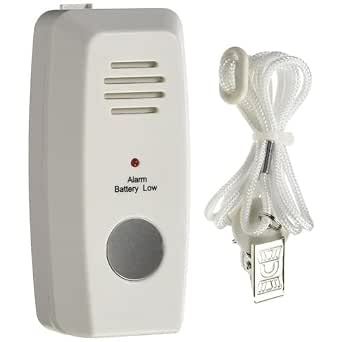 | Best for Local, Multi-Seat Monitoring | Power source: Battery powered; requires one 9V battery | Compatible placements: Bed, chair, and wheelchair | Maximum detection range: 30 inches | VIEW ON AMAZON | See Our Full Breakdown |
| Lunderg Wireless Early Alert Bed Alarm System for Elderly Care |  | Best for Early Bed-Exit Alerts | Power source: Battery powered | Included batteries: Two AA batteries | Sensor pad size: 10 × 33 inches | VIEW ON AMAZON | See Our Full Breakdown |
| Wireless Bed Sensor Pad and Pager Alarm for Caregivers |  | Best for Flexible Pager Alerts | Brand: Floryexn | Model: FX | Pad size: 13 × 32 inches | VIEW ON AMAZON | See Our Full Breakdown |
| Wireless Bed Exit Alarm System with Pressure Sensor Pad for Seniors |  | Best for Multi-Sensor Care Setups | Sensor pad size: 10 × 35 inches | Wireless range: Up to 150 feet | Sensor capacity: Up to eight compatible sensors | VIEW ON AMAZON | See Our Full Breakdown |
| Lunderg Wireless Under-Mattress Bed Alarm with Early Alert Pager |  | Best for a Hidden Sensor Pad | Power source: Battery powered | Included batteries: Two AA batteries | Sensor technology: Pressure sensor | VIEW ON AMAZON | See Our Full Breakdown |
| Lunderg Large Wireless Bed Alarm System for Elderly Care |  | Best for Broad Bed Coverage | Sensor pad size: 20 x 30 inches | Wireless range: Up to 400 feet | Alert device: Handheld pager | VIEW ON AMAZON | See Our Full Breakdown |
| Smart Caregiver Bed Exit Alarm with Wireless Pager |  | Best for Multi-Sensor Expansion | Bed pad dimensions: 10 x 30 x 0.5 inches | Sensor technology: Pressure sensor | Pager alert options: Sound and vibration | VIEW ON AMAZON | See Our Full Breakdown |
| Lunderg Wireless Bed Alarm System for Elderly |  | Best for Simple Wireless Setup | Sensor pad size: 10 x 30 inches | Sensor technology: Pressure sensor | Pager range: Up to 400 feet in description; up to 300 feet in specifications | VIEW ON AMAZON | See Our Full Breakdown |
| Patient Aid Bed Alarm with 10 x 30-Inch Motion Sensor Pad |  | Best for Sound Choices and Mounting Flexibility | Sensor pad size: 10 x 30 inches | Alarm volume: 80 dB or 90 dB | Sound options: Ring chimes, alarm, or music | VIEW ON AMAZON | See Our Full Breakdown |
| Smart Caregiver Bed Alarm for Elderly Adults |  | Best for a Straightforward Bedside Alert | Sensor pad size: 10 x 30 inches | Pad material: Vinyl with foam interior | Power source: One included 9V battery or optional AC adapter | VIEW ON AMAZON | See Our Full Breakdown |
| Smart Caregiver Wireless Bed Pad Alarm System with Weight Sensor |  | Best for Multi-Device Care | Sensor type: Weight sensor | Pad dimensions: 10 × 30 inches | Wireless range: Up to 300 feet | VIEW ON AMAZON | See Our Full Breakdown |
| Wireless Bed Sensor Alarm and Caregiver Pager for Elderly Adults |  | Best for Bed or Doorway Monitoring | Brand and model: Nesthao KS-SF20R | Sensor technology: Contact sensor | Mounting type: Door mount | VIEW ON AMAZON | See Our Full Breakdown |
| Smart Caregiver Wireless Bed Alarm System with Cordless Weight-Sensing Pad and Remote Monitor |  | Best Bundle for Bedside Care | Brand and model: Smart Caregiver BR1-Bundle | Sensor type: Cordless weight-sensing pad | Pad size: 10 × 30 inches | VIEW ON AMAZON | See Our Full Breakdown |
More Details on Our Top Picks
Sammons Preston Magnet Alarm – Fall Management System for Elderly Residents
The Sammons Preston is the most flexible choice here for caregivers who need an alert on a bed, chair, or wheelchair rather than a bed-only setup. Its adjustable detection range up to 30 inches and two volume settings let caregivers tune the alert to the placement and room, while the flashing light adds a visual cue. Unlike the Lunderg Wireless Early Alert Bed Alarm System, it does not send an alert to a portable pager; the alarm sounds at the unit, so a caregiver must be close enough to hear or see it. Its clip-on operation and compact body keep setup simple, but the local-only design limits its usefulness across a large home. It also relies on a replaceable 9V battery, so ongoing battery checks belong in the care routine.
Pros:- Can attach to a bed, chair, or wheelchair
- Detection range adjusts up to 30 inches
- High and low volume settings plus a flashing red light
- Clip-on design and tool-free battery access simplify setup
Cons:- Alerts are local, with no pager or remote notification
- Requires a 9V battery that needs periodic replacement
Best for: Caregivers who monitor someone moving between a bed, chair, and wheelchair and can stay within hearing distance of the alarm.
Not ideal for: Caregivers who need alerts while away from the room, since this unit has no remote pager or monitoring feature.
- Power source:Battery powered; requires one 9V battery
- Compatible placements:Bed, chair, and wheelchair
- Maximum detection range:30 inches
- Audible alert:105 dB high or 90 dB low
- Additional alert:Flashing red light
- Sensor technology:Contact sensor
- Dimensions:2 × 1.25 × 5 inches
- Model:30280
Our verdict“Choose this for straightforward, local alerts across several seating and bed setups, but pick a pager system if the caregiver may be elsewhere.”
Lunderg Wireless Early Alert Bed Alarm System for Elderly Care
This Lunderg system is a strong fit when the goal is to alert a caregiver as someone begins getting out of bed, rather than waiting for a full exit. Its hip-level sensor pad sends alerts to a portable pager, keeping the alarm away from the bedroom and allowing a caregiver to move around the home. The pager’s vibration-only setting is useful when an audible alert would disturb others. Compared with the Lunderg Wireless Under-Mattress Bed Alarm, this model uses a pad placed on the bed at hip level, which may suit caregivers who prefer a visible, repositionable sensor over one beneath the mattress. The tradeoff is that placement matters, the wireless range is finite, and the pad has a stated 15-month lifespan. It also needs two AA batteries, though they are included.
Pros:- Hip-level sensing is designed to alert before the person fully leaves bed
- Portable pager provides alerts away from the bedside
- Adjustable pager volume and vibration-only mode
- No Wi-Fi, app, or tools required for setup
Cons:- Sensor pad is recommended for replacement after 15 months
- Requires two AA batteries, so the system needs battery checks
- Pager alerts depend on staying within the stated wireless range
Best for: Caregivers who want an early warning on a portable pager and need quiet vibration alerts while moving around the home.
Not ideal for: Buyers seeking a hidden sensor or a pad-free setup, or caregivers who cannot keep the sensor positioned at hip level.
- Power source:Battery powered
- Included batteries:Two AA batteries
- Sensor pad size:10 × 33 inches
- Wireless range:Up to 400 feet
- Pager alerts:Adjustable volume and vibration-only option
- Sensor pad lifespan:15 months
- Included items:Sensor pad, pager, wall bracket, bed clips, bands, instructions, and batteries
- Model:UPC-LUN-EABEDKIT
Our verdict“Pick this for early, portable alerts with quiet pager options, provided you are comfortable positioning and replacing the bed pad.”
Wireless Bed Sensor Pad and Pager Alarm for Caregivers
The Floryexn FX gives caregivers several ways to receive a bed-exit alert: adjustable sound, music, or vibration. That flexibility can help households where a sharp alarm is disruptive but silent pager alerts might be missed. Its 13 × 32-inch water-resistant pad wipes clean and uses clips to help hold it under a fitted sheet. Compared with the Lunderg Wireless Early Alert Bed Alarm System, the Floryexn offers music as an alert choice and a slightly shorter stated range of up to 300 feet rather than 400. It detects bed departure through a pressure pad, so it is a better match for a caregiver who wants a conventional pad-and-pager arrangement than for someone seeking a hidden under-mattress sensor. The pad is recommended for replacement after 15 months, and the caregiver still needs to carry the pager.
Pros:- Pager supports adjustable volume, music, and vibration alerts
- Water-resistant pad is designed for wiping clean
- Latex-free, tear-resistant pad material
- Clips help secure the pad beneath a fitted sheet
Cons:- Wireless range is limited to up to 300 feet
- Pad replacement is recommended after 15 months
- Caregiver must carry the pager to receive alerts
Best for: Caregivers who want a wipe-clean pressure pad and a choice of musical, audible, or vibration pager alerts.
Not ideal for: Households needing the longest stated wireless range or caregivers who may not carry the pager.
- Brand:Floryexn
- Model:FX
- Pad size:13 × 32 inches
- Wireless range:Up to 300 feet
- Alert options:Adjustable volume, music, and vibration
- Pad material:Latex-free, tear-resistant, and water-resistant
- Recommended pad replacement:After 15 months
Our verdict“Choose the Floryexn for versatile pager alert styles and easy-clean pad construction, not for maximum range or a concealed sensor.”
Wireless Bed Exit Alarm System with Pressure Sensor Pad for Seniors
This ElderlyHaven system stands apart for households that need more than one monitored location: its pager can pair with up to eight compatible sensors. The included pressure pad, caregiver pager, and emergency call button make it a broader care setup than the single-pad Wireless Bed Sensor Pad and Pager Alarm for Caregivers. Its alert choices—sound with vibration or vibration only—give caregivers ways to respond without always broadcasting an alarm through the room. The included call button also gives the person a separate way to request help. Those extra functions bring setup and placement demands: the pad’s position affects detection, and the stated three-second center delay may matter when a fast alert is the priority. Its 150-foot range is shorter than the Lunderg early-alert model’s stated 400 feet.
Pros:- Supports pairing with up to eight compatible sensors
- Includes an emergency call button with lanyard
- Offers sound-plus-vibration and vibration-only alert modes
- Batteries and several mounting and setup accessories are included
Cons:- Wireless range is up to 150 feet, shorter than the Lunderg Early Alert system’s stated range
- Pad placement affects detection performance
- Three-second center delay may be unsuitable when the fastest possible alert is needed
Best for: Caregivers monitoring multiple beds or care zones who can benefit from pairing sensors and providing an emergency call button.
Not ideal for: Buyers who need the longest wireless reach or want the simplest single-bed setup with minimal placement variables.
- Sensor pad size:10 × 35 inches
- Wireless range:Up to 150 feet
- Sensor capacity:Up to eight compatible sensors
- Alert modes:High volume with vibration, low volume with vibration, or vibration only
- Pressure pad transmitter battery:Replaceable CR2477
- Included call button:Emergency call button with lanyard
- Item weight:1.54 pounds
- Model:8 Sensor
Our verdict“Choose this for a multi-zone care setup with an emergency call button, but favor a simpler or longer-range system for single-bed monitoring.”
Lunderg Wireless Under-Mattress Bed Alarm with Early Alert Pager
The Lunderg Under-Mattress system is the discreet choice in this group: its pressure pad sits beneath the mattress, keeping the sensor out of sight and off the sleep surface. The portable pager still gives caregivers adjustable volume and vibration alerts, while its PreRise technology is designed to notify them before the person stands. Compared with the Lunderg Wireless Early Alert system, this model avoids placing a pad on top of the bed, but its fit depends on mattress thickness: it supports mattresses up to 13 inches. The 300-foot range is also shorter than that other Lunderg system’s stated 400 feet. A concealed pad can simplify the visible bed setup, but it does not remove the need to carry the pager, and the sensor pad has a stated 15-month lifespan.
Pros:- Sensor pad stays hidden beneath the mattress
- PreRise technology is designed to alert before the person stands
- Pager supports adjustable volume and vibration alerts
- Two AA batteries are included
Cons:- Compatible only with mattresses up to 13 inches thick
- Sensor pad has a stated lifespan of 15 months
- Wireless range is up to 300 feet, less than the Lunderg Early Alert model’s stated 400 feet
Best for: Caregivers who want a discreet sensor under a compatible mattress and a portable pager with vibration alerts.
Not ideal for: Households with mattresses thicker than 13 inches or caregivers who need the longest stated wireless range.
- Power source:Battery powered
- Included batteries:Two AA batteries
- Sensor technology:Pressure sensor
- Maximum wireless range:300 feet
- Mattress compatibility:Up to 13 inches thick
- Pad dimensions:30 × 0.2 × 10 inches
- Sensor pad lifespan:15 months
- Included items:Pager, under-mattress sensor pad, and user manual
Our verdict“Pick this for a less visible bed setup and early pager alerts if your mattress is within the 13-inch limit.”
Lunderg Large Wireless Bed Alarm System for Elderly Care
I’d choose this Lunderg model when a standard narrow pad may miss a restless sleeper’s movements. Its 20 x 30-inch sensor pad covers more of the bed than the 10 x 30-inch pads on the Smart Caregiver Bed Exit Alarm with Wireless Pager and the standard Lunderg Wireless Bed Alarm. The handheld pager lets a caregiver receive alerts away from the bedside, with sound or vibration options and no Wi-Fi or app setup. That makes it a practical fit for homes where a caregiver moves between rooms. The tradeoff is that it alerts when the person gets out of bed, not before they begin to leave. Its stated 400-foot range may also be affected by walls and the home layout, so it is not a guarantee of coverage in every room.
Pros:- 20 x 30-inch pad covers more bed area than the 10 x 30-inch pads in several other picks.
- Portable pager can alert a caregiver away from the bedside.
- High, low, and vibration alert options suit different noise and hearing needs.
- Works without Wi-Fi or an app and includes cleaning and mounting accessories.
Cons:- Alerts after the person gets out of bed rather than at the start of an attempted exit.
- Wireless performance can vary with distance, walls, and home layout.
Best for: Caregivers who want a wireless pager and a wider sensor area for an older adult who shifts around in bed.
Not ideal for: Households that need an alert before the person starts leaving the bed, or where the pager must work across a layout that exceeds its practical wireless range.
- Sensor pad size:20 x 30 inches
- Wireless range:Up to 400 feet
- Alert device:Handheld pager
- Volume settings:High, low, or vibration
- Connectivity:No Wi-Fi or app required
- Pad surface:Incontinence-resistant and wipe-clean
- Included accessories:Batteries, anti-slip stickers, pager clip, and wall mount bracket
Our verdict“Choose this Lunderg system if wider bed coverage and a portable pager matter more than an early-exit alert.”
Smart Caregiver Bed Exit Alarm with Wireless Pager
This Smart Caregiver system is the strongest fit here for a caregiver who may want to monitor more than one location from a single pager. It supports up to six compatible sensors, unlike the single-pad Lunderg options in this group, which can make it easier to add coverage as care needs change. The pager offers sound or vibration alerts and a stated range of up to 300 feet. Its 10 x 30-inch pressure pad is narrower than the 20 x 30-inch pad on the Lunderg Large Wireless Bed Alarm System, so it may be less forgiving if the person moves widely across the mattress. Pressure removal triggers the alert, but the product description notes that bed alarms can produce false alarms. I’d favor it when expandability matters more than broad single-pad coverage.
Pros:- Supports up to six compatible sensors through one pager.
- Offers sound and vibration alerts for different caregiver preferences.
- Includes the pager and two AA batteries.
- Wireless setup avoids a cord running from the bed pad to the caregiver.
Cons:- The 10 x 30-inch pad covers less bed area than the large Lunderg pad.
- Pressure-removal alarms can be triggered falsely, according to the product description.
Best for: Caregivers who want one pager that can support multiple compatible sensors around a home or care space.
Not ideal for: People who move across a large area of the bed and need a wider pad, or caregivers who need alerts before a full bed exit.
- Bed pad dimensions:10 x 30 x 0.5 inches
- Sensor technology:Pressure sensor
- Pager alert options:Sound and vibration
- Maximum range:300 feet
- Expandable sensors:Up to 6 compatible sensors
- Power source:Two included AA batteries
- Maximum audible noise:70 dB
- Warranty:1 year
Our verdict“Pick this model if adding multiple compatible sensors is more useful to you than having a wider bed pad.”
Lunderg Wireless Bed Alarm System for Elderly
I’d put this standard Lunderg model on the shortlist for caregivers who want a straightforward wireless pager without app or network setup. Its 10 x 30-inch pressure pad is smaller than the pad on the Lunderg Large Wireless Bed Alarm System, making this the more compact option, though it covers less of the mattress. The pager has adjustable volume and vibration, plus clip and wall-mount options, so a caregiver can keep it nearby or place it in a fixed spot. One detail needs attention: the stated range is inconsistent across the product data, listed as up to 400 feet in the description and 300 feet in the specifications. Like the other bed-exit systems here, it alerts when pressure is removed; an early-alert system is sold separately.
Pros:- No Wi-Fi or app is required to use the pager system.
- Adjustable volume and vibration give caregivers more than one alert style.
- Wipe-clean pad has an incontinence-resistant surface and anti-slip stickers.
- Pager can be clipped or mounted on a wall.
Cons:- Product information gives conflicting maximum-range figures of 300 and 400 feet.
- The 10 x 30-inch pad covers less area than the large Lunderg alternative.
- Early alert capability is sold separately, and the included system alerts after pressure is removed.
Best for: Caregivers who want a compact, wipe-clean sensor pad and a wireless pager with no app or Wi-Fi configuration.
Not ideal for: Buyers who need a clearly stated wireless range, broad mattress coverage, or an alert before the person stands.
- Sensor pad size:10 x 30 inches
- Sensor technology:Pressure sensor
- Pager range:Up to 400 feet in description; up to 300 feet in specifications
- Pager alerts:Adjustable volume and vibration mode
- Power:Battery powered; two AA batteries included
- Pager mounting:Clip and wall mount
- Pad surface:Incontinence-resistant and wipe-clean
- Item weight:600 g
Our verdict“Choose this Lunderg if you want a compact, app-free wireless setup and can accept the unclear range listing and standard exit alert.”
Patient Aid Bed Alarm with 10 x 30-Inch Motion Sensor Pad
The Patient Aid alarm stands out for caregivers who prefer a bedside unit with several sound choices rather than a wireless pager. It offers ring chimes, an alarm, or music, two volume levels, and multiple mounting options, so the alert can be placed where a caregiver is most likely to hear it. That is a different approach from the Smart Caregiver Bed Exit Alarm with Wireless Pager, which is better for receiving alerts away from the bed. The 10 x 30-inch vinyl pad is water-resistant, tear-resistant, latex-free, and foldable for storage. Its key limitation is medical compatibility: the supplied product information says it is not suitable for patients with pacemakers or defibrillators. I’d also read the instructions before setup rather than treating it as a plug-and-play pager system.
Pros:- Offers ring chimes, alarm, or music with two volume levels.
- Multiple mounting options let caregivers position the alarm device where it can be heard.
- Water-resistant, tear-resistant, latex-free pad wipes clean and folds for storage.
- Includes a 9V battery.
Cons:- Not suitable for patients with pacemakers or defibrillators, according to the product information.
- Does not provide the wireless caregiver pager setup offered by the Lunderg and Smart Caregiver wireless picks.
- Instructions need to be reviewed before use.
Best for: Caregivers who want a locally mounted alarm with several sound choices and a water-resistant, latex-free pad.
Not ideal for: Patients with a pacemaker or defibrillator, or caregivers who need a portable wireless pager to receive alerts in another room.
- Sensor pad size:10 x 30 inches
- Alarm volume:80 dB or 90 dB
- Sound options:Ring chimes, alarm, or music
- Power:Included 9V battery; AC adapter powered
- Pad material:Vinyl
- Pad features:Water-resistant, tear-resistant, latex-free, and foldable
- Item weight:1.37 pounds
- Warranty:1-year replacement for defects
Our verdict“Choose the Patient Aid model for sound variety and flexible alarm placement only if its stated device restriction does not apply.”
Smart Caregiver Bed Alarm for Elderly Adults
This Smart Caregiver model is the simplest choice in this group for a caregiver who wants a local bedside alarm rather than a pager-based system. When pressure leaves the 10 x 30-inch vinyl pad, the monitor sounds an 80 dB alert; battery and sensor status lights help flag basic power or connection issues. Compared with the wireless Smart Caregiver Bed Exit Alarm with Wireless Pager, this model does not send alerts to a caregiver carrying a remote unless you buy a separate wireless kit. Its included 9V battery supports use without an outlet, while an optional AC adapter can provide another power route—but the adapter is not included. The tradeoff is clear: fewer wireless conveniences, but a direct alarm with status indicators and a wipe-clean pad.
Pros:- Battery and sensor status lights provide a quick check of basic system status.
- Incontinence-resistant vinyl pad is designed to be easy to clean.
- Includes a 9V battery, so an outlet is not required for basic operation.
- Two volume settings allow some control over the bedside alert.
Cons:- Wireless caregiver alerts require a separately sold kit.
- Optional AC adapter is not included.
- The local alarm may not reach a caregiver who is outside the room or away from the bed.
Best for: Caregivers who stay near the bedroom and want a basic bedside alarm with visible battery and sensor status indicators.
Not ideal for: Caregivers who need alerts while away from the room or who want wireless monitoring without buying an additional kit.
- Sensor pad size:10 x 30 inches
- Pad material:Vinyl with foam interior
- Power source:One included 9V battery or optional AC adapter
- Audible noise:80 dB
- Volume settings:2
- Mounting type:Wall mount
- Sensor technology:Contact sensor
- Warranty:1 year
Our verdict“Choose this model if a direct bedside alarm and status lights matter more than receiving wireless alerts elsewhere in the home.”
Smart Caregiver Wireless Bed Pad Alarm System with Weight Sensor
This system makes the most sense when a caregiver needs to monitor more than one compatible alert device from a single location. Its 10 × 30-inch weight-sensing pad signals when someone gets off the bed, while the monitor can connect to up to six compatible devices and operate up to 300 feet away. Compared with the Nesthao Wireless Bed Sensor Alarm, this pick focuses on bed-exit detection rather than also monitoring a doorway, but it offers a clearly stated multi-device capacity. The monitor can be carried or wall-mounted, giving caregivers flexibility in a room or care area. The tradeoff is that the pad detects weight removal, not an attempt to leave before the person reaches the bed edge, and its 10 × 30-inch coverage may not suit every setup. It also relies on three C batteries.
Pros:- Connects with up to six compatible devices for centralized monitoring.
- Wireless communication reaches up to 300 feet.
- Monitor can be carried or wall-mounted, with adjustable volume.
- Three C batteries are included.
Cons:- The alarm is triggered when weight leaves the pad, rather than detecting movement before a bed exit.
- The 10 × 30-inch pad may not cover the area a caregiver wants to monitor.
- Requires three C batteries for operation.
Best for: Caregivers coordinating a bed alarm alongside several compatible Smart Caregiver devices across a home or care area.
Not ideal for: Caregivers who need doorway monitoring or an early warning before a person fully leaves the bed pad; consider a motion-sensor option such as the Nesthao instead.
- Sensor type:Weight sensor
- Pad dimensions:10 × 30 inches
- Wireless range:Up to 300 feet
- Maximum devices monitored:6 compatible devices
- Power source:3 C batteries, included
- Monitor mounting:Wall mount or portable
- Volume control:Adjustable
- Pad material:Latex-free vinyl with thin foam interior
- Warranty:1 year
Our verdict“Choose this Smart Caregiver system if multi-device monitoring matters more than doorway sensing or an early bed-exit alert.”
Wireless Bed Sensor Alarm and Caregiver Pager for Elderly Adults
Unlike the Smart Caregiver Wireless Bed Pad Alarm, which triggers when weight leaves a pad, the Nesthao uses a wireless motion sensor that can be placed under a bed or near a doorway. That flexibility suits households where the main concern is someone getting up or leaving a room, rather than monitoring only a particular patch of mattress. The caregiver pager gives both sound and LED alerts, with five volume levels, and can receive signals at a stated range of up to 918 feet in open areas. That long-range figure is explicitly for open areas, so walls and placement may affect real-world reception. The sensor also needs a brief self-test period before use, and its range and direction should be checked during setup. Choose it for adaptable placement, but skip it if you want a weight pad’s direct bed-exit trigger.
Pros:- Sensor can be placed under a bed or near a doorway to monitor different exit points.
- Remote pager offers both sound and LED alerts.
- Five volume levels allow alert loudness adjustment.
- Sensor and pager batteries are included, with Micro USB listed as an additional power option.
Cons:- The stated 918-foot range applies to open areas and may not reflect performance through walls.
- Sensor range and direction need to be checked at the chosen placement.
- The sensor has a brief self-test period before it is ready for use.
Best for: Caregivers who want one battery-powered sensor they can position by a bed or doorway and receive alerts on a remote pager.
Not ideal for: Buyers who prefer a pressure or weight pad that signals when a person leaves a defined bed area, or who cannot test sensor coverage and direction at the installation site.
- Brand and model:Nesthao KS-SF20R
- Sensor technology:Contact sensor
- Mounting type:Door mount
- Maximum range:182 meters; description states up to 918 feet in open areas
- Sensor power:3 AAA batteries, included
- Pager power:3 AA batteries, included
- Additional power:Micro USB
- Pager alerts:Sound and LED; 5 volume levels
- Included items:Caregiver pager, motion sensor, Micro USB cable, double-sided tape, screw kit, and manual
Our verdict“Pick the Nesthao when flexible bed-or-doorway motion monitoring is more useful than a weight pad’s direct bed-exit trigger.”
Smart Caregiver Wireless Bed Alarm System with Cordless Weight-Sensing Pad and Remote Monitor
This bundle pairs a familiar 10 × 30-inch cordless weight-sensing pad with a remote monitor, plus cleaning wipes and a seven-day pill box. Those extras make it a practical fit for caregivers already organizing routine bedside care, but they do not change how the alarm detects an exit. Like the Smart Caregiver Wireless Bed Pad Alarm System with Weight Sensor, it alerts when weight is removed from the pad, offers a range of up to 300 feet, and can connect with up to six compatible devices. The supplied description also notes a gentle chime and adjustable volume. Its main limitation is compatibility: this bundle requires a compatible Smart Caregiver pager or monitor, so it is less self-contained for someone starting without that equipment. Compared with the Nesthao, it gives a direct bed-pad trigger but cannot be repositioned to monitor a doorway.
Pros:- Wireless alerts reach up to 300 feet.
- Supports up to six compatible Smart Caregiver devices.
- Adjustable volume and a gentle chime provide alert-setting options.
- Includes individual cleaning wipes and a seven-day pill box.
Cons:- Requires a compatible Smart Caregiver pager or monitor.
- The alarm triggers after weight is removed from the pad, not before the person leaves the bed.
- The 10 × 30-inch pad offers a fixed sensing area.
Best for: Caregivers who already own a compatible Smart Caregiver pager or monitor and want a bed pad bundled with basic care accessories.
Not ideal for: First-time buyers without compatible Smart Caregiver equipment, or caregivers who need motion-based doorway monitoring rather than a weight-removal alert.
- Brand and model:Smart Caregiver BR1-Bundle
- Sensor type:Cordless weight-sensing pad
- Pad size:10 × 30 inches
- Wireless range:Up to 300 feet
- Device capacity:Up to six compatible devices
- Monitor compatibility:Requires a compatible Smart Caregiver pager or monitor
- Alert:Adjustable volume and gentle chime
- Included accessories:Individual cleaning wipes and a seven-day pill box
Our verdict“Choose this bundle if you already have compatible Smart Caregiver equipment and value the included bedside-care accessories.”

How We Picked
I compared these 13 bed alarms by how their sensor design fits common care situations: direct pressure pads, larger pads, under-mattress sensing, and wireless pager or monitor setups. I gave more weight to features that can change the caregiver response, such as early warning, alert location, usable sensing coverage, and whether the sensor is likely to disturb the person sleeping. I also considered practical demands that are easy to overlook, including positioning, power and battery upkeep, receiver placement, and the possibility of false or missed alerts.
The ranking favors systems with a clear advantage for a defined need, rather than treating every wireless alarm as interchangeable. The Lunderg early-alert system ranks highest for its caregiver-focused warning approach; larger-pad choices follow for broader coverage, while simpler or more specialized models rank well for buyers who prioritize straightforward operation or a particular sensor placement. Product names alone do not establish compatibility or performance in every home, so I recommend checking current instructions, dimensions, and alert-range details before choosing.
Factors to Consider When Choosing Bed Alarms For Elderly
Before choosing among these bed alarms, I would start with the care routine rather than the feature list. A system that suits a caregiver in the next room may not help someone who works elsewhere in the home, and the least intrusive sensor may not be the best match for a person who shifts often.
Choose Sensor Placement Around Sleep and Movement
A pressure pad on the bed can be direct and easy to understand, but its position matters: a pad that shifts, folds, or sits beneath a restless sleeper may trigger inconsistently. An under-mattress sensor avoids a pad on the sleep surface, which may be preferable for someone sensitive to objects beneath them. That design still depends on the mattress and bed setup, so check the manufacturer’s compatibility guidance rather than assuming it works with every mattress. Think about whether the person sits at the edge before standing, rolls frequently, or tends to leave from one side. A sensor should cover the movement that precedes risk, not merely fit the bed. If the person uses an adjustable bed or unusual mattress, verify fit before ordering.
Decide How Early the Caregiver Needs an Alert
Some households need notification when someone begins shifting toward the edge; others mainly need an alert once weight leaves the bed. Early warning can create more response time, but it may also produce more alerts during ordinary repositioning. A late-triggering system may be quieter, yet leave less time to reach the person. Match the alert point to the individual’s movement pattern and the caregiver’s distance from the room. Do not assume that a product described as wireless or early alert will behave the same way in every placement. If missed alerts could create a serious safety concern, use the alarm as one layer of support, not as a substitute for supervision or a clinician’s care plan.
Plan Where the Alert Must Be Heard
A bedside alarm can be practical when a caregiver sleeps nearby, while a pager or remote monitor can help someone moving between rooms. The useful range is not just a number on a package: walls, floors, appliances, and receiver placement can affect signal reliability. Consider whether the caregiver will carry the receiver, set it on a counter, or need to hear it through a closed door. Test the actual setup in the home before relying on it, including at the farthest point where the caregiver may be. A wireless system adds flexibility but also adds receiver placement and power checks. If more than one person responds to alerts, decide who carries the pager and how handoffs will work.
Match Pad Size to the Person and Bed
A larger pad can give more coverage for someone who moves across the mattress, but it may take more adjustment to position and can be less discreet. A narrow pad may suit a predictable exit path and a smaller bed, though it can miss movement outside its sensing area. Measure the usable mattress surface and note where the person usually lies before choosing by pad size alone. Also check whether the pad can be secured without creasing or sliding. A common mistake is choosing the largest sensor available without considering comfort or placement. Coverage should reflect actual movement, while remaining stable enough to provide dependable alerts.
Account for Power, Cleaning, and Daily Upkeep
Bed alarms become less useful when their batteries are depleted, a receiver is switched off, or a pad is misplaced during bedding changes. Before buying, find out how the sensor and pager are powered, how low power is signaled, and whether replacement batteries are easy to source. Ask how the pad should be cleaned and whether it can tolerate the household’s routine laundry and disinfecting practices; sensor pads often need different care from ordinary linens. Make the alarm check part of a repeatable daily routine, such as testing it when the bed is made. A model with more components may offer flexibility but creates more things to monitor. Choose a setup the caregiver can maintain consistently, not just one that looks feature-rich.
Treat the Alarm as One Part of a Fall-Prevention Plan
A bed alarm can notify a caregiver, but it does not stop a person from standing or guarantee that someone will arrive in time. The alarm’s value depends on who hears it, how quickly they can respond, and whether the person’s route to the bathroom or chair is clear. Discuss recurring nighttime movement, medication effects, and fall concerns with the person’s care team where appropriate. Avoid turning up alert volume or adding more sensors as a substitute for checking why the person is trying to get up. Privacy and dignity matter too, so explain the alarm in a way the person can understand and involve them in the choice when possible. The best setup is one that supports a realistic response plan rather than creating a false sense of security.
Frequently Asked Questions
Should I choose an under-mattress sensor or a pad placed on the bed?
I would choose based on comfort, mattress compatibility, and the person’s movement pattern. An under-mattress sensor keeps the sensing unit off the sleep surface, which may suit someone bothered by a pad, but it needs to work with the bed and mattress configuration. A surface pressure pad is easier to position and inspect, though it can shift or be felt beneath bedding. Check whether the person tends to leave from one side or moves around the mattress before deciding. If possible, test placement and alert response during normal bed movement before relying on the system.
Will a wireless bed alarm work if the caregiver is in another room?
It can, if the pager or receiver stays within reliable signal range and the alert is loud or noticeable enough for that home. Distance alone does not tell the whole story: walls, floors, and household equipment can affect transmission. Place the receiver where the caregiver will actually be, then test it from the bed and from the farthest room used during the night. Check how the system signals a low battery or lost connection, if those functions are provided. A wireless pager should not be assumed to replace a direct check or other monitoring plan.
Is an early-alert bed alarm always better than one that triggers when someone leaves the bed?
Not always. An early alert can give a caregiver more time to respond, which may help when the person needs assistance before standing. The tradeoff is that repositioning or sitting at the edge could create alerts that do not require intervention. A later trigger may reduce interruptions but can leave less time to reach the person. Consider how the person moves and how quickly a caregiver can get to the room; the best trigger point is the one that supports a useful response without overwhelming the household with avoidable alerts.
How can I reduce false alarms without missing a real bed exit?
Start with correct sensor placement and follow the product instructions closely, since a folded or shifting pad can affect detection. Check that the pad size and location match where the person lies and how they get out of bed. Test ordinary movements such as rolling, sitting up, and reaching for items, then observe whether those actions cause unwanted alerts. Avoid changing sensitivity or placement in a way that suppresses alerts without confirming that actual bed exits are still detected. If false alarms continue, review the setup with the manufacturer or care professional rather than treating the alarm as dependable without testing.
Can a bed alarm replace nighttime supervision or other fall-prevention measures?
No. A bed alarm is a notification tool, and its effectiveness depends on a caregiver hearing the alert and reaching the person in time. It does not prevent a person from standing, remove hazards, or guarantee that a fall will not happen. Pair it with a clear response plan, a safe route to the bathroom, appropriate lighting, and any mobility support recommended for the person. If nighttime falls or urgent attempts to get out of bed are recurring, discuss the pattern with a clinician or care team. Choose an alarm as one part of support, not as a stand-alone safety measure.
Conclusion
For most households seeking a caregiver-ready system with an early-warning focus, I recommend the Lunderg Wireless Early Alert Bed Alarm System as best overall. Buyers who want broad sensing coverage should compare the Lunderg Large Wireless Bed Alarm System with the Patient Aid 10 x 30-inch Motion Sensor Pad, while the Sammons Preston Magnet Alarm is my best fit for someone who prefers a more straightforward alarm arrangement. For a less noticeable sensor position, the Lunderg Wireless Under-Mattress Bed Alarm is the specific-needs pick, subject to mattress compatibility. My best value choice is the Wireless Bed Sensor Pad and Pager Alarm for shoppers prioritizing a basic sensor-and-pager setup, and my beginner pick is the Smart Caregiver Bed Exit Alarm with Wireless Pager for buyers seeking a familiar, direct approach. Before choosing any model, confirm pad fit, alert range, power requirements, and the caregiver’s response plan; those details matter more than adding features the household will not use.