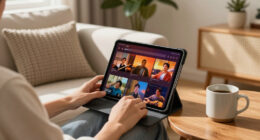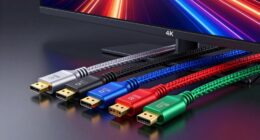
A 4K streaming media player can add modern apps to an older TV or make streaming easier on a current one. My best overall pick is the Google TV Streamer 4K for its broad app discovery and straightforward voice remote; the Roku Ultra stands out for buyers who want Dolby Vision and a more connected home theater setup, while the Fire TV Stick 4K Plus suits compact, Alexa-centered setups. The main tradeoffs are interface preference, Wi-Fi versus wired connections, and whether you need a streaming platform or simply a player for local files. Check your TV’s HDMI and HDR support before choosing, since a 4K label alone does not guarantee every format will work. Continue reading for the full breakdown and a pick for each kind of viewer.

Get the latest gadgets delivered free with Prime
- Fast, free delivery on millions of items
- Prime Video, Amazon Music and more included
- Member-only deals all year
Complete the kit



Key Takeaways
Google TV Streamer 4K is the most balanced platform pick in this group, while the two listed versions appear to differ mainly by remote configuration; check the exact package before ordering.
Roku Ultra and Roku Streaming Stick 4K cover different setups: the Ultra adds a more capable player format mix, while the stick favors a small footprint behind the TV.
Fire TV Cube and Fire TV Stick 4K Plus serve different Alexa households: Cube is the more involved living-room hub, while the stick keeps the hardware compact.
AGPTEK and the USB/SD player are local-media tools, not substitutes for app-focused players such as Roku, Google TV, or Fire TV.
NVIDIA Shield and Formuler prioritize enthusiast hardware flexibility; buyers who mainly want mainstream streaming may find a simpler Roku, Google, or Fire TV device easier to live with.
| AGPTEK 4K@30Hz HDMI TV Media Player with HDMI/AV/VGA Output |  | Best for Local Media and Signage | Video resolution: 4K at 30Hz | Outputs: HDMI, VGA, AV | Maximum external hard drive: 14TB | VIEW ON AMAZON | See Our Full Breakdown |
| Amazon Fire TV Cube with Alexa and 4K Ultra HD |  | Best for Hands-Free Streaming | Processor: Octa-core | Resolution: 4K Ultra HD | HDR: Yes | VIEW ON AMAZON | See Our Full Breakdown |
| Google TV Streamer 4K with Voice Search Remote |  | Best for Personalized Discovery | Storage: 32GB | HDR: Yes | Dolby Vision: Yes | VIEW ON AMAZON | See Our Full Breakdown |
| Roku Express 4K+ 2021 Streaming Media Player (Renewed) |  | Best for Straightforward Setup | Resolution: 4K | HDR: Supported | Wireless: Dual-band Wi-Fi | VIEW ON AMAZON | See Our Full Breakdown |
| Fire TV Stick 4K Plus (2026 Model) with Alexa+ and Wi-Fi 6 |  | Best Compact 4K Feature Set | Dimensions: 99 × 30 × 14 mm housing; 108 × 30 × 14 mm including connector | Weight: 43.5g | Processor: Quad-core 1.7GHz | VIEW ON AMAZON | See Our Full Breakdown |
| Roku Ultra Streaming Player – 4K, HDR10+, Dolby Vision, Dolby Atmos |  | Best for a Simple, Fully Equipped Setup | Streaming resolution: 4K | HDR formats: HDR10+, Dolby Vision | Audio: Dolby Atmos | VIEW ON AMAZON | See Our Full Breakdown |
| Google TV Streamer 4K with Voice Remote |  | Best for Google TV and Smart Home Users | Video resolution: Up to 4K HDR | HDR format: Dolby Vision | Storage: 32 GB | VIEW ON AMAZON | See Our Full Breakdown |
| Onn 4K Plus Streaming Device with Google TV |  | Best Compact Google TV Pick | Resolution: 4K UHD | HDR: Dolby Vision | Audio: Dolby Atmos | VIEW ON AMAZON | See Our Full Breakdown |
| Formuler Z12 Ultra – 4K Streaming Media Player, Android 12, Dolby Vision, Dolby Atmos, HDR10+, Gigabit LAN, WiFi 6E, 4GB RAM, 128GB Storage, Bluetooth Voice Remote |  | Best for Large App Libraries and Wired Streaming | Operating system: Android 12 | Processor: Quad-core | RAM: 4 GB DDR4 | VIEW ON AMAZON | See Our Full Breakdown |
| NVIDIA Shield Android TV Pro 4K HDR Streaming Media Player |  | Best for Plex and Home Theater Expansion | Processor: NVIDIA Tegra X1+ | RAM: 3 GB | Storage: 16 GB, expandable | VIEW ON AMAZON | See Our Full Breakdown |
| 4K Ultra-HD USB and SD Media Player with HDMI |  | Best for Local Playback and Digital Signage | Video resolution: 4096×2304 at 30fps | Video formats and codecs: MKV, MP4, M4V, AVI, MOV, MPG, VOB, M2TS, TS; H.265 HEVC, H.264 AVC, MPEG1/2/4, VC1 | Audio formats: MP3, OGG, WAV, FLAC, APE | VIEW ON AMAZON | See Our Full Breakdown |
| Roku Streaming Stick Plus with Voice Remote – 4K & HDR10+ |  | Best Compact Streaming Pick | Resolution: 4K | HDR: HDR10+ | Form factor: TV stick | VIEW ON AMAZON | See Our Full Breakdown |
| Roku Streaming Stick 4K with Voice Remote – HDR10+ & Dolby Vision |  | Best for Dolby Vision TVs | Resolution: 4K | HDR formats: Dolby Vision and HDR10+ | Form factor: TV stick | VIEW ON AMAZON | See Our Full Breakdown |
More Details on Our Top Picks
AGPTEK 4K@30Hz HDMI TV Media Player with HDMI/AV/VGA Output
The AGPTEK suits buyers who want a local file player or a screen for digital signage, rather than a conventional streaming interface. It handles 4K video at up to 30Hz and supports external drives up to 14TB, so a large library can live on attached storage. Its HDMI, VGA, and AV outputs also let it connect to older displays that the Fire TV Cube and Google TV Streamer 4K are not described as supporting. That flexibility comes with a narrower role: the supplied details emphasize video, music, and photos, not streaming apps or recommendations. The 30Hz ceiling may also be less suitable for smooth motion than the Fire TV Stick 4K Plus, which supports 4K up to 60 fps. Buyers should expect some learning with the remote.
Pros:- Supports 4K video playback up to 30Hz
- HDMI, VGA, and AV outputs cover a wider range of displays than the streaming sticks
- Supports external drives up to 14TB
- Screen rotation options suit portrait or rotated signage
Cons:- The listed features do not establish access to mainstream streaming apps
- 4K playback is limited to 30Hz, below the Fire TV Stick 4K Plus’s stated 60 fps support
- Remote operation may take time to learn
Best for: Digital-signage operators and home users with large local media libraries or older displays that need VGA or AV connections
Not ideal for: Viewers who want a simple interface for popular streaming apps, voice search, or 4K playback above 30Hz
- Video resolution:4K at 30Hz
- Outputs:HDMI, VGA, AV
- Maximum external hard drive:14TB
- USB drive support:Up to 256GB
- File systems:NTFS, exFAT, FAT, FAT32
- Screen rotation:90°, 180°, 270°
- Remote control:Included
Our verdict“Choose the AGPTEK for locally stored media and flexible display connections; choose a Fire TV or Google TV device for app-based streaming.”
Amazon Fire TV Cube with Alexa and 4K Ultra HD
The Fire TV Cube is the pick for viewers who want a hands-free 4K hub that can also respond to Alexa commands across the room. Its octa-core processor, Wi-Fi 6E, Dolby Vision, and Dolby Atmos give it a stronger stated performance and format set than the Roku Express 4K+ Renewed. Built-in microphones and speakers make voice control central to the experience, while a physical microphone-off button gives users a direct privacy control. That convenience is most useful if Alexa already fits into the household; the smart-home features depend on compatible devices, and streaming subscriptions may still be needed for content. Compared with the Fire TV Stick 4K Plus, the Cube offers built-in hands-free control, while the Stick is a smaller, simpler form factor. Buyers should decide whether that voice hub role suits their setup.
Pros:- Octa-core processor is designed for responsive navigation
- Supports 4K Ultra HD, HDR, Dolby Vision, and Dolby Atmos
- Wi-Fi 6E support
- Hands-free Alexa with a physical microphone-off button
Cons:- Full smart-home control depends on compatible devices
- Streaming services may require separate subscriptions
- Built-in microphones may not suit viewers who prefer remote-only voice control
Best for: Households that want to search and control streaming or compatible smart-home devices by speaking from across the room
Not ideal for: Viewers who prefer a compact, minimal streaming device or do not want a device with always-available microphones
- Processor:Octa-core
- Resolution:4K Ultra HD
- HDR:Yes
- Dolby Vision:Yes
- Dolby Atmos:Yes
- Wi-Fi:Wi-Fi 6E
- Voice control:Hands-free Alexa with built-in microphones and speakers
- Privacy control:Microphone-off button
Our verdict“Pick the Fire TV Cube if hands-free Alexa control matters as much as 4K streaming; otherwise, the Fire TV Stick 4K Plus offers a simpler compact setup.”
Google TV Streamer 4K with Voice Search Remote
The Google TV Streamer 4K makes the most sense for viewers who want a recommendation-led home screen and a voice remote for finding something to watch. It supports HDR and Dolby Vision, and its 32GB of storage is a clear advantage over the Fire TV Stick 4K Plus’s listed 8GB when app space matters. The supplied product details also cite access to streaming services and free live TV channels, giving it a broader discovery role than the AGPTEK, whose description focuses on local media playback. Its main setup wrinkle is easy to miss: the HDMI 2.1 cable is sold separately. The Fire TV Cube, by comparison, emphasizes hands-free Alexa and Wi-Fi 6E; Google’s listed strengths center on tailored recommendations and remote-based voice search. Choose it for discovery, while checking your cable needs before setup.
Pros:- Supports 4K HDR and Dolby Vision
- 32GB storage provides more listed capacity than the Fire TV Stick 4K Plus
- Personalized recommendations help surface content across services
- Voice Search Remote and access to free live channels
Cons:- HDMI cable is sold separately
- The supplied specs do not state Wi-Fi capability or a processor
- Voice search is remote-based rather than hands-free like the Fire TV Cube
Best for: Viewers who want personalized recommendations, free live channels, and room for multiple streaming apps
Not ideal for: Buyers who expect an HDMI cable in the box or want hands-free voice control without using a remote
- Storage:32GB
- HDR:Yes
- Dolby Vision:Yes
- HDMI:HDMI 2.1
- HDMI cable:Sold separately
- Remote:Voice Search Remote
- Content access:Streaming services and over 800 free channels, per product description
Our verdict“Choose the Google TV Streamer 4K if recommendations and listed storage capacity matter most, and plan to supply an HDMI cable.”
Roku Express 4K+ 2021 Streaming Media Player (Renewed)
The Roku Express 4K+ is aimed at viewers who want basic 4K streaming with a short setup. Its included HDMI cable removes an extra purchase that the Google TV Streamer 4K requires, and the voice-enabled universal remote makes everyday channel control simple. Dual-band Wi-Fi supports wireless streaming, while the AGPTEK is better suited to playing files from attached drives and connecting to older displays. That difference matters: the Roku description is focused on internet streaming, and it does not list local media playback. The larger caveat is its renewed condition, which may come with a limited warranty; buyers who want a new device or stronger specified audio and video format support may prefer the Fire TV Cube. It is a practical fit when ease and included essentials lead the decision.
Pros:- Supports 4K resolution and HDR
- Dual-band Wi-Fi for wireless streaming
- Universal remote includes voice control
- HDMI cable and power source are included
Cons:- Streaming requires an internet connection
- Product details do not list local media playback
- Renewed unit may have a limited warranty
Best for: First-time 4K streamers who want a voice remote and included HDMI cable for a simple internet-connected setup
Not ideal for: Buyers who need local media playback, a new unit, or listed Dolby Vision and Dolby Atmos support
- Resolution:4K
- HDR:Supported
- Wireless:Dual-band Wi-Fi
- Remote:Universal remote with voice control
- Included components:Streaming player, power source, HDMI cable
- Connectivity:Wi-Fi
- Power source:Corded electric
- Condition:Renewed
Our verdict“Choose the Roku Express 4K+ Renewed for a simple streaming setup with the cable included, provided renewed condition fits your needs.”
Fire TV Stick 4K Plus (2026 Model) with Alexa+ and Wi-Fi 6
The Fire TV Stick 4K Plus packs a broad 4K format and codec set into a 43.5-gram HDMI stick. Dolby Vision, HDR10+, HLG, Dolby Atmos, and AV1 support give it a strong fit for newer TVs and varied streaming formats; its stated 2160p playback reaches 60 fps, compared with the AGPTEK’s 30Hz ceiling. Wi-Fi 6 and an Alexa voice remote round out a capable everyday streamer. The tradeoff is 8GB of internal storage, which may constrain app downloads compared with the Google TV Streamer’s 32GB. The Fire TV Cube is the better match for hands-free Alexa, since this model relies on its remote. It also needs a compatible 4K TV to deliver 4K resolution, and some services may require subscriptions.
Pros:- Supports Dolby Vision, HDR10+, HLG, and Dolby Atmos
- Listed 2160p playback supports up to 60 fps
- Wi-Fi 6 and Bluetooth 5.2 with BLE
- Compact 43.5g design with Alexa Voice Remote
Cons:- 8GB storage may limit the number of installed apps
- Voice control is through the remote, unlike the hands-free Fire TV Cube
- Full 4K output requires a compatible 4K TV
Best for: Viewers who want a compact HDMI stick with Dolby Vision, HDR10+, Wi-Fi 6, and 4K playback up to 60 fps
Not ideal for: App collectors who need more storage or Alexa users who want hands-free commands without reaching for a remote
- Dimensions:99 × 30 × 14 mm housing; 108 × 30 × 14 mm including connector
- Weight:43.5g
- Processor:Quad-core 1.7GHz
- Storage:8GB
- Wi-Fi:Wi-Fi 6 dual-band 802.11 a/b/g/n/ac/ax
- Bluetooth:Bluetooth 5.2 + BLE
- Ports:HDMI 2.1 with ARC; micro USB
- Supported resolutions:2160p, 1080p, 720p up to 60 fps
- Video and audio formats:Dolby Vision, HDR10+, HLG, H.265, H.264, VP9, AV1; Dolby Atmos, 7.1 surround, HDMI pass-through
Our verdict“Choose the Fire TV Stick 4K Plus for a compact streamer with broad format support; pick the Google TV Streamer if more listed storage is a priority.”
Roku Ultra Streaming Player – 4K, HDR10+, Dolby Vision, Dolby Atmos
The Roku Ultra combines 4K, Dolby Vision, HDR10+, and Dolby Atmos with both Wi-Fi 6 and Ethernet, giving buyers a flexible path to a stable home theater connection. Its rechargeable Voice Remote Pro adds backlit buttons, hands-free voice control, and a finder feature—useful when the remote tends to disappear between the cushions. Compared with the Google TV Streamer 4K, Roku puts more emphasis on a dedicated remote and wired networking, while Google offers 32 GB of storage and smart home controls. Bluetooth Headphone Mode is a practical extra for late-night viewing. The tradeoff is that the Roku’s appeal centers on straightforward streaming rather than the larger storage or customization offered by the Formuler Z12 Ultra, and a replacement remote could be costly.
Pros:- Supports 4K, Dolby Vision, and HDR10+
- Wi-Fi 6 and Ethernet offer flexible network connections
- Rechargeable remote has backlit buttons, hands-free voice control, and a finder
- Bluetooth Headphone Mode supports private listening
Cons:- Replacement cost for the feature-rich remote may be high
- Needs a Wi-Fi or Ethernet connection for streaming
Best for: Viewers who want premium 4K formats, a wired connection option, and a convenient remote without configuring an advanced media box
Not ideal for: Buyers who want extensive onboard storage or a customizable Android-based setup like the Formuler Z12 Ultra
- Streaming resolution:4K
- HDR formats:HDR10+, Dolby Vision
- Audio:Dolby Atmos
- Wireless connectivity:Wi-Fi 6
- Wired connectivity:Ethernet
- Remote:Rechargeable Roku Voice Remote Pro with backlit buttons, hands-free voice control, USB-C charging, and lost remote finder
- Private listening:Bluetooth Headphone Mode
Our verdict“Choose the Roku Ultra if you want a polished 4K streamer with strong format support, wired networking, and a particularly capable remote.”
Google TV Streamer 4K with Voice Remote
The Google TV Streamer 4K suits viewers who want their streaming box to bring apps, live TV, casting, and smart home controls together. Its 32 GB of storage gives it more room for apps than the Onn 4K Plus’s 16 GB, while the redesigned voice remote adds a customizable button and a find remote function. Support for 4K HDR and Dolby Vision covers the key picture formats listed here. Google says its processor is 22% faster than the previous generation, which may help keep navigation responsive. Compared with the Roku Ultra, this model leans more into the Google TV interface and connected home features; the Roku includes Ethernet and Wi-Fi 6 in its listed connectivity. One practical drawback is that an HDMI 2.1 cable is sold separately.
Pros:- Supports up to 4K HDR with Dolby Vision
- 32 GB storage provides room for apps
- Remote includes voice control, a customizable button, and a finder
- Supports casting and smart home controls
Cons:- HDMI 2.1 cable is sold separately
- Listed connectivity centers on HDMI 2.1, without Wi-Fi or Ethernet details in the supplied specs
Best for: Google TV households that want casting, smart home controls, and extra space for installed apps
Not ideal for: Buyers seeking a box with listed Ethernet or Wi-Fi 6 connectivity, or anyone who expects an HDMI cable in the package
- Video resolution:Up to 4K HDR
- HDR format:Dolby Vision
- Storage:32 GB
- Processor:22% faster than previous generation
- Connectivity:HDMI 2.1; cable sold separately
- Remote:Voice control, customizable button, find remote function
- Additional features:Casting, live TV, and smart home controls
Our verdict“Pick the Google TV Streamer 4K if you want casting and smart home features alongside a roomier app library.”
Onn 4K Plus Streaming Device with Google TV
The Onn 4K Plus brings Google TV, 4K UHD, Dolby Vision, and Dolby Atmos into a compact streaming device, with Wi-Fi 6 for a modern wireless connection. Its 2 GB of RAM and 16 GB of storage are suited to a typical app collection, though that storage is half the Google TV Streamer 4K’s 32 GB. That makes the Google Streamer a better match for buyers who expect to install more apps, while the Onn provides the core picture and sound formats in a simpler package. The included voice remote with Google Assistant makes search and playback control easier without typing. The tradeoff is limited internal capacity, and Dolby Vision and Atmos depend on compatible equipment in the rest of the setup.
Pros:- 4K UHD playback with Dolby Vision
- Dolby Atmos audio support
- Wi-Fi 6 connectivity
- Voice remote includes Google Assistant
Cons:- 16 GB storage may constrain larger app libraries
- Dolby Vision and Atmos require compatible TV and audio equipment
Best for: Google TV viewers who want 4K, Dolby Vision, and Wi-Fi 6 in a straightforward device for a modest app library
Not ideal for: People who install many apps or need more built-in storage than 16 GB, such as buyers considering the Google TV Streamer 4K
- Resolution:4K UHD
- HDR:Dolby Vision
- Audio:Dolby Atmos
- RAM:2 GB
- Storage:16 GB
- Wi-Fi:Wi-Fi 6 (802.11ax)
- Remote:Voice remote with Google Assistant
Our verdict“Choose the Onn 4K Plus if you want core Google TV and 4K features with Wi-Fi 6 and do not need a large app library.”
Formuler Z12 Ultra – 4K Streaming Media Player, Android 12, Dolby Vision, Dolby Atmos, HDR10+, Gigabit LAN, WiFi 6E, 4GB RAM, 128GB Storage, Bluetooth Voice Remote
The Formuler Z12 Ultra stands apart from conventional streaming boxes with 128 GB of storage, 4 GB of RAM, and both Wi-Fi 6E and Gigabit LAN. That combination suits viewers who want room for a broad app collection and a wired network option for a stable connection. It also supports 4K at 60 fps, Dolby Vision, HDR10+, HLG, and Dolby Atmos. Compared with the NVIDIA Shield Android TV Pro, Formuler lists far more internal storage and Wi-Fi 6E, while Shield offers USB 3.0 ports, expandable storage, and a built-in Plex Media Server. The Z12 Ultra’s customizable, ad-free home screen and backlit Bluetooth voice remote reward buyers who like adjusting their setup. Its advanced features can feel like more than a casual streamer needs.
Pros:- 128 GB storage and 4 GB RAM support a large app library
- Supports 4K 60 fps, Dolby Vision, HDR10+, and HLG
- Wi-Fi 6E and Gigabit LAN provide fast connection options
- Backlit Bluetooth voice remote and customizable ad-free home screen
Cons:- Advanced features may be complicated for less technical users
- Does not list USB ports or a Plex Media Server feature like the NVIDIA Shield Android TV Pro
Best for: Power users who install many apps and want 4K HDR playback with Gigabit Ethernet or Wi-Fi 6E
Not ideal for: Casual viewers who want a simple streaming interface and have little need for advanced configuration
- Operating system:Android 12
- Processor:Quad-core
- RAM:4 GB DDR4
- Storage:128 GB
- Video support:4K 60 fps, Dolby Vision, HDR10+, HLG
- Audio support:Dolby Atmos, surround sound
- Connectivity:Wi-Fi 6E, Gigabit LAN
- Remote:Bluetooth voice remote with backlit keys
- Standby power:0.5 W
Our verdict“Choose the Formuler Z12 Ultra if storage capacity and modern wired or wireless networking matter more to you than a simpler setup.”
NVIDIA Shield Android TV Pro 4K HDR Streaming Media Player
The NVIDIA Shield Android TV Pro makes the most sense for a home theater built around local media and connected accessories. Along with 4K HDR, Dolby Vision, and Dolby Atmos, it has two USB 3.0 ports, expandable storage, and a built-in Plex Media Server. Those extras give it a different role from the Formuler Z12 Ultra, which lists much more onboard storage but no USB ports or Plex server. Shield’s Tegra X1+ processor, Gigabit Ethernet, and Wi-Fi AC round out a capable streaming setup, while Chromecast 4K supports casting. The listed package tradeoff is notable: the remote is sold separately, despite the product data describing advanced remote features. Its 16 GB of internal storage is also modest unless you expand it.
Pros:- Built-in Plex Media Server supports a local media setup
- Two USB 3.0 ports and expandable storage
- Supports 4K HDR, Dolby Vision, and Dolby Atmos
- Gigabit Ethernet, Wi-Fi AC, and Chromecast 4K
Cons:- Remote control is sold separately
- 16 GB internal storage is limited for a large app or media library
Best for: Home theater owners who want Plex Media Server, USB-connected storage or accessories, and expandable capacity
Not ideal for: Buyers who want a remote included in the package or extensive onboard storage without adding external storage
- Processor:NVIDIA Tegra X1+
- RAM:3 GB
- Storage:16 GB, expandable
- Video:4K HDR, Dolby Vision
- Audio:Dolby Atmos, Dolby Digital Plus
- USB:2x USB 3.0
- Connectivity:Bluetooth 5.0, Wi-Fi AC, Gigabit Ethernet
- Additional features:Built-in Plex Media Server, Chromecast 4K
Our verdict“Pick the Shield Android TV Pro if you want Plex and USB expansion for a home theater, and are comfortable sourcing a remote separately.”
4K Ultra-HD USB and SD Media Player with HDMI
This player is the pick for someone who wants to show their own files on a 4K screen, not stream from apps. It reads USB drives and SD cards, supports a broad mix of video formats, and adds looping playback and auto-resume for unattended displays. That makes it more useful for a shop, lobby, or photo slideshow than a Roku Streaming Stick Plus, which is built around internet services. The tradeoff is clear: this device has no streaming apps or internet connectivity, so it cannot replace a typical streaming stick for on-demand viewing. Its 4K output is listed at 30fps, and SD card support tops out at 1TB. Choose it when local media and repeat playback matter more than app access.
Pros:- Plays a wide range of video formats, including H.265 HEVC and H.264 AVC
- Two USB ports support storage devices up to 8TB
- Looping playback and auto-resume suit unattended signage
- HDMI and composite AV provide two display connection options
Cons:- No internet connection or streaming apps
- 4K playback is specified at 30fps
- SD card capacity is limited to 1TB
Best for: Small businesses and home users who need to play locally stored 4K videos, slideshows, or signage loops on a display
Not ideal for: Viewers who want Netflix, live channels, or other streaming apps in one device
- Video resolution:4096×2304 at 30fps
- Video formats and codecs:MKV, MP4, M4V, AVI, MOV, MPG, VOB, M2TS, TS; H.265 HEVC, H.264 AVC, MPEG1/2/4, VC1
- Audio formats:MP3, OGG, WAV, FLAC, APE
- Image formats:JPG, GIF, BMP, PNG, TIF
- USB:2 ports; supports up to 8TB storage
- SD card:Up to 1TB; FAT, FAT32, exFAT, NTFS
- Connections:HDMI and composite AV
- Playback features:Looping playback, auto-resume, display rotation, SRT/PGS/IDX/SUB subtitles
Our verdict“Choose this player for repeatable playback from USB or SD media; pick a Roku Streaming Stick Plus if you need streaming apps.”
Roku Streaming Stick Plus with Voice Remote – 4K & HDR10+
The Streaming Stick Plus keeps the setup simple: it plugs into HDMI, draws power from the TV, and puts streaming apps behind a voice remote. Its 4K and HDR10+ support make it a straightforward upgrade for a compatible television, while the stick design is easy to move between rooms or take along when traveling. Compared with the Roku Streaming Stick 4K, this model’s supplied details specify HDR10+ but do not list Dolby Vision, so buyers with a Dolby Vision display may prefer the other stick. It also differs from the USB and SD Media Player, which can play local files but has no streaming apps. This Roku requires Wi-Fi and an HDMI port, and it offers no physical media playback.
Pros:- Supports 4K video and HDR10+
- Compact stick design stays out of sight behind the TV
- Voice remote provides voice control
- Powered directly from the TV according to the product description
Cons:- No physical media playback
- Requires a compatible HDMI television and Wi-Fi connection
- Dolby Vision is not listed in the supplied specifications
Best for: People with a 4K HDR10+ TV who want an unobtrusive, portable way to stream through apps and voice control
Not ideal for: Buyers who need Dolby Vision support, local USB or SD playback, or a device for a TV without HDMI
- Resolution:4K
- HDR:HDR10+
- Form factor:TV stick
- Connection:HDMI
- Wireless connectivity:Wi-Fi and Bluetooth
- Controller:Remote control with voice control
- Supported services:Apple TV+, Disney+, Hulu, Netflix, Prime Video
- Smart home features:Works with Alexa, Apple AirPlay and HomeKit, Google Home, Roku Smart Home
Our verdict“Pick the Streaming Stick Plus for a compact HDR10+ app streamer, while the Roku Streaming Stick 4K is the better fit if Dolby Vision matters.”
Roku Streaming Stick 4K with Voice Remote – HDR10+ & Dolby Vision
For a 4K television that supports Dolby Vision, this Roku has a useful picture-format advantage over the Streaming Stick Plus: its listed HDR support includes both Dolby Vision and HDR10+. The compact HDMI stick keeps the installation discreet, and voice control can simplify searching and playback. The product description also highlights long-range Wi-Fi, a practical fit when the TV is farther from a router, though streaming still depends on a reliable wireless connection. Compared with the Plus, this model makes more sense for viewers who want Dolby Vision compatibility; the Plus remains a capable choice when HDR10+ is enough. Neither Roku stick plays USB or SD media, so the 4K Ultra-HD USB and SD Media Player is the better match for local files.
Pros:- Supports 4K, Dolby Vision, and HDR10+
- Compact design fits behind a television
- Voice remote supports voice control
- Long-range Wi-Fi is listed for streaming connectivity
Cons:- Streaming depends on a stable Wi-Fi connection
- No USB or SD card playback is listed
- Requires a compatible HDMI television
Best for: Viewers with a Dolby Vision 4K TV who want a small streaming device with voice control
Not ideal for: People who need wired networking, local file playback, or a streamer for a TV without an HDMI port
- Resolution:4K
- HDR formats:Dolby Vision and HDR10+
- Form factor:TV stick
- Connection:HDMI
- Wireless connectivity:Wi-Fi; long-range Wi-Fi highlighted in product description
- Controller:Remote control with voice control
- Supported services:Hulu, Netflix, Pandora, Prime Video, Vudu
- Memory:1 GB RAM
Our verdict“Choose this Roku if your 4K TV supports Dolby Vision; the Streaming Stick Plus is a simpler fit when HDR10+ meets your needs.”

How We Picked
I compared these devices as 4K streaming media players, giving priority to the factors that change everyday use: access to major streaming apps, support for HDR and audio formats, ease of setup and navigation, connection options, and the fit between the device and the buyer’s TV or home network. I also separated app-based streamers from local file players, since HDMI, USB, SD, AV, and VGA playback needs call for different hardware.
The ranking favors well-rounded devices that suit a broad range of 4K TV owners, then places specialized or more demanding options where their extra flexibility matters. Roku Ultra ranks ahead for format and connectivity needs; compact sticks trade some hardware flexibility for a discreet setup. Fire TV Cube, Shield, and Formuler serve buyers seeking more than basic app streaming, while the AGPTEK and USB/SD models rank for local playback rather than streaming app breadth. Two Google TV entries and several Roku models overlap, so the best choice depends on the included remote and the features your setup can use.
Factors to Consider When Choosing Streaming Media Player 4k
Before choosing a player, I would match it to the TV, network, and content sources already in your home. These broader checks can prevent paying for features you cannot use or buying a device that solves the wrong problem.
Check What 4K Means on Your TV
A 4K player can send a high-resolution signal, but your TV, HDMI input, streaming app, and subscription or content source all affect what you actually see. Check the TV’s supported HDR formats as well as its resolution; Dolby Vision support matters only when the display and content support it too. An older 4K set may accept HDR10 but not Dolby Vision, which can make a simpler device a better fit. Also check whether your TV’s HDMI ports support the required video modes. Buying by the biggest format list alone can leave features unused. Match the player to the weakest link in your viewing chain.
Choose Between Streaming Apps and Local Files
“Media player” can refer to two distinct jobs: running streaming apps or playing files from USB drives and cards. Roku, Google TV, and Fire TV are designed around streaming services and app navigation. The AGPTEK’s AV and VGA outputs and the USB/SD player point toward older displays or locally stored media. Before buying a local player, check supported file formats, maximum resolution, audio passthrough, and how it handles subtitles. A USB port on a streaming device does not automatically mean it can play every file on a drive. Decide where your content comes from first.
Treat the Interface as a Daily Feature
Menus, recommendations, search, and voice control shape how quickly a household gets to a show. Google TV emphasizes discovery across services, Roku keeps its platform centered on channel and app access, and Fire TV fits naturally into Alexa households. Consider who will use the remote, including anyone who prefers simple navigation to voice commands. Check whether the included remote has the controls you expect, especially when two listings share a device name but may include different remotes. App availability can also vary by country and change over time. Pick the interface your household will find easiest to use every day.
Plan for Wi-Fi, Ethernet, and Placement
High-resolution streaming relies on a stable home network, so the nearest router and the walls between it and the TV matter as much as advertised Wi-Fi generations. A streaming stick keeps the setup tidy, but its position behind a television can sometimes make wireless reception less convenient. A player with Ethernet can help when Wi-Fi is unreliable, though it requires a cable run or a nearby network jack. Do not buy a premium networking feature without checking that your router and internet plan can make use of it. For a congested household, test the TV’s current streaming connection before upgrading. Connectivity should solve a real weak spot in the room.
Pay for Extras Only When They Fit Your Setup
Hands-free Alexa control, local storage, advanced audio formats, and enthusiast hardware can be useful, but they add little if your viewing habits are simple. A Cube-style device makes more sense when voice control is part of the room; Shield or Formuler hardware may appeal when flexibility beyond basic apps matters. Buyers using a soundbar or receiver should verify the audio formats and passthrough path across the entire chain. Check storage needs if you plan to install many apps or keep files on the player. Premium hardware cannot fix a TV that lacks the relevant picture format. Tie every extra feature to a use you already have.
Frequently Asked Questions
Will a 4K streaming player make my non-4K TV show 4K?
No. The player can output up to 4K, but the TV sets the maximum display resolution. Some players may upscale lower-resolution video, but that does not add the detail of native 4K content. You can still use a 4K player for apps and a newer interface on an older TV, provided it has a compatible HDMI input. Check whether the specific player supports the TV’s resolution and connection before buying.
Should I pick a device with Dolby Vision if my TV supports HDR10 only?
Usually, the TV’s supported formats should guide the choice. A device that also supports Dolby Vision may still work with HDR10 content, but the extra format will not appear on a TV that cannot display it. Check the model specifications for your exact TV, since capabilities can vary across product lines and HDMI inputs. You may get more practical value from an easier interface or a better network connection. Choose Dolby Vision support when you expect to use it with a compatible screen and content.
Are the two Google TV Streamer 4K listings meaningfully different?
The product names provided here suggest that the listed distinction is the voice remote configuration, but the names alone do not establish every package difference. Compare the listing’s included remote, power accessories, and regional model details before ordering. If both packages offer the functions you need, the interface and TV compatibility can matter more than the listing wording. This same check is useful when comparing bundled streaming devices elsewhere. Confirm the exact contents rather than assuming a shared name means an identical box.
Do I need Ethernet for reliable 4K streaming?
Not necessarily; a strong, stable Wi-Fi connection can handle streaming well. Ethernet becomes more useful when the TV is far from the router, walls weaken the signal, or several household devices compete for bandwidth. Check whether the player has built-in Ethernet or needs an adapter, and factor in the physical cable route. If your current Wi-Fi streams reliably, a wired connection may not change your experience. Fix the network bottleneck you actually have instead of buying connectivity features by default.
When is a USB or SD media player a better choice than a Roku or Fire TV device?
A USB or SD player is a better fit when your main goal is playing media files stored on drives or cards, particularly on a display that lacks modern streaming apps. A Roku or Fire TV device is designed to make online services and apps central to the experience. Local playback devices can vary in file, subtitle, and audio support, so check compatibility with your media before choosing one. If you want both local files and streaming services, verify that one device supports both jobs well or plan for separate hardware. The right choice depends on where your videos come from.
What are the best 4k streaming media players?
The best 4k streaming media players are the picks above, chosen to help you find a device that fits your viewing setup and streaming habits. When comparing them, consider how you plan to connect the player, which services you use, and whether its features suit your TV and home network. The right choice depends on what matters most to you, such as ease of use, compatibility, or having the functions you need in one place. Review the recommendations above to compare their stated features and select a player that works well for your setup.
Conclusion
For most buyers, I recommend the Google TV Streamer 4K as the best overall blend of app discovery and approachable navigation. My best value direction is the Onn 4K Plus for buyers seeking a straightforward Google TV device, while the Roku Ultra is my best premium choice for viewers prioritizing Dolby Vision, Dolby Atmos, and a fuller player setup. Beginners should start with a Roku Streaming Stick Plus or Fire TV Stick 4K Plus, choosing by preferred interface and Alexa use. For hands-free Alexa in a main room, look at the Fire TV Cube; for enthusiast flexibility, compare the NVIDIA Shield Pro and Formuler Z12 Ultra; for local files and older display connections, choose the AGPTEK or USB/SD player. Match the device to your TV formats and content sources, and the lineup becomes much easier to narrow.
Halloween Picks
halloween
As an affiliate, we earn on qualifying purchases.