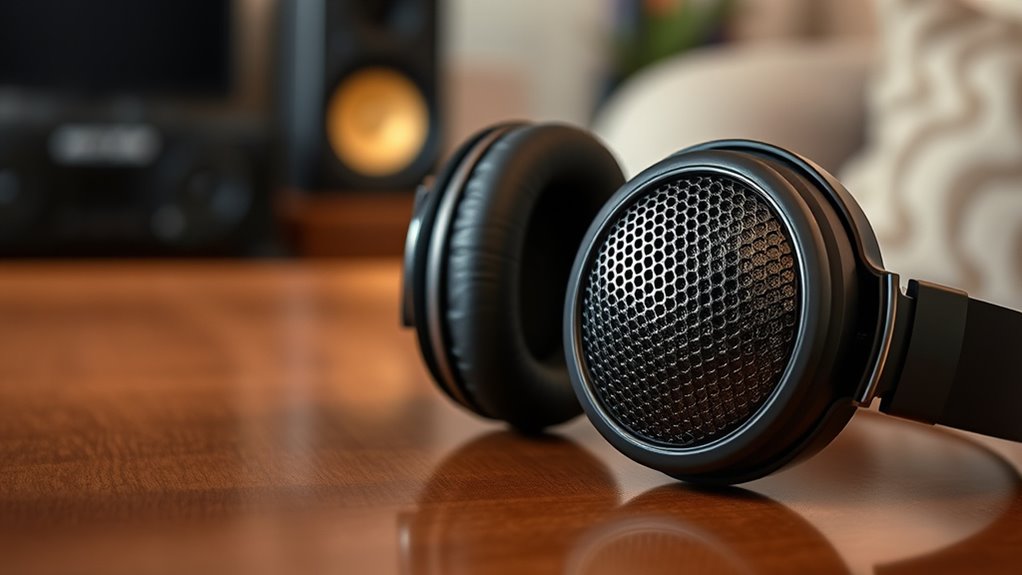

Open-back headphones let air pass through the ear cups, a design that can give music a more spacious presentation but also lets sound in and out. I’d choose the Sennheiser HD 560S as the best overall pick here for its balanced approach to listening and studio work; the Philips SHP9500 is a straightforward entry point, while the Sennheiser HD 650 suits listeners seeking a more refined option. The main tradeoffs are sound leakage, limited noise isolation, comfort, and whether your audio source can drive a higher-impedance model. Continue reading for the full breakdown, including how these 15 headphones differ and which buyer each one suits.

Get the latest gadgets delivered free — and shop member deals
- Fast, free delivery on millions of items
- Access to Prime Big Deal Days deals on October 6–7
- Prime Video, Amazon Music and more included
Complete the kit


Key Takeaways
- The HD 560S is the most versatile pick: its balanced tuning makes it a stronger all-rounder for listening and studio tasks than more specialized or sound-colored options.
- The SHP9500 and SHP9600 make accessible starting points: both are open designs from Philips, while the SHP9600 is the alternate choice for listeners who prefer a different fit and tuning approach.
- Amplifier needs can change the decision: the DT 990 Pro at 250 ohms asks more of an audio source than the 48-ohm DT 990 Pro X, so check your device before choosing.
- Sennheiser’s HD 600 and HD 650 favor focused listening: they are established audiophile-style choices, while the HD 599 models offer a more approachable alternative within the same lineup.
- The roundup spans different jobs and fits: the HD 490 PRO and ATH-R50X target studio use, while the on-ear Moondrop Old Fashioned trades over-ear coverage for a smaller form.
| Sennheiser HD 599 Open-Back Wired Headphones |  | Best for Long Listening Sessions | Brand: Sennheiser | Model: HD 599 | Model number: 506831 | VIEW ON AMAZON | See Our Full Breakdown |
| Sennheiser HD 560S Open-Back Wired Over-Ear Headphones |  | Best for Accurate Listening | Brand: Sennheiser | Model: HD 560S | Design: Open-back, over-ear | VIEW ON AMAZON | See Our Full Breakdown |
| beyerdynamic DT 990 Pro Open-Back Studio Headphones (250 Ohm, Black) |  | Best for Studio Setups | Brand: beyerdynamic | Model: DT 990 PRO | Impedance: 250 Ohm | VIEW ON AMAZON | See Our Full Breakdown |
| Philips Open-Back Stereo Headphones with 50mm Neodymium Drivers |  | Best for Lightweight Home Listening | Brand: Philips | Driver size: 50 mm | Driver type: Neodymium | VIEW ON AMAZON | See Our Full Breakdown |
| HIFIMAN Edition XV Open-Back Over-Ear Hi-Fi Headphones |  | Best Premium Hi-Fi Pick | Brand: HIFIMAN | Model: Edition XV | Style: Open-back, over-ear | VIEW ON AMAZON | See Our Full Breakdown |
| Philips SHP9500 HiFi Precision Over-Ear Headphones |  | Best Value for Home Listening | Acoustic design: Open-back | Driver size: 50 mm | Driver type: Neodymium | VIEW ON AMAZON | See Our Full Breakdown |
| Philips SHP9600 Open-Back Wired Over-Ear Headphones |  | Best for Long Cable Reach | Type: Open-back over-ear | Driver size: 50 mm | Connection: Wired, 3.5 mm jack with 6.3 mm adapter | VIEW ON AMAZON | See Our Full Breakdown |
| beyerdynamic DT 990 Pro X 48 Ohm Open-Back Studio Headphones |  | Best for Studio Monitoring Without an Amp | Design: Open-back | Impedance: 48 ohms | Driver: STELLAR.45 | VIEW ON AMAZON | See Our Full Breakdown |
| Moondrop Old Fashioned 40mm On-Ear Open-Back Headphones |  | Best Compact On-Ear Design | Driver size: 40 mm | Driver type: Dynamic | Design: Open-back, retro | VIEW ON AMAZON | See Our Full Breakdown |
| Sennheiser HD 490 PRO Open-Back Professional Studio Headphones |  | Best Premium Studio Pick | Design: Open-back | Frequency response: 5–36,000 Hz | Cable length: 1.8 m | VIEW ON AMAZON | See Our Full Breakdown |
| beyerdynamic DT 990 Pro Open-Back Studio Headphones, 250 Ohm, Black |  | Best for Mixing and Mastering | Type: Open-back dynamic headphones | Impedance: 250 ohms | Frequency response: 5–35,000 Hz | VIEW ON AMAZON | See Our Full Breakdown |
| Sennheiser HD 650 Audiophile Hi-Res Open-Back Dynamic Headphones | 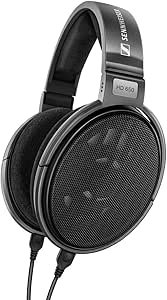 | Best for Long, Focused Listening | Type: Open-back dynamic headphones | Model: HD 650 | Frequency response: 10–41,000 Hz | VIEW ON AMAZON | See Our Full Breakdown |
| Sennheiser HD 600 Audiophile Open-Back Dynamic Wired Headphones |  | Best for Critical Listening | Type: Open-back over-ear | Impedance: 300 ohms | Frequency response: 12 Hz–39,000 Hz | VIEW ON AMAZON | See Our Full Breakdown |
| Sennheiser HD 599SE Open-Back Wired Audiophile Headphones, Black |  | Best for Flexible Everyday Listening at Home | Type: Open-back wired headphones | Model: HD 599 SE | Color: Black | VIEW ON AMAZON | See Our Full Breakdown |
| Audio-Technica ATH-R50X Open-Back Headphones |  | Best Lightweight Reference Pick | Type: Open-back reference headphones | Weight: 207 g | Cable 1 length: 3.0 m | VIEW ON AMAZON | See Our Full Breakdown |
More Details on Our Top Picks
Sennheiser HD 599 Open-Back Wired Headphones
Comfort and an expansive, natural presentation make the HD 599 a strong fit for relaxed home listening. Its velour ear pads and padded headband are suited to long sessions, while the open-back design gives music room to breathe. Compared with the more accuracy-focused Sennheiser HD 560S, the HD 599 puts more emphasis on comfort and flexible connections than on a specifically stated reference-listening profile. Two detachable cables—a long 6.3 mm option and a shorter 3.5 mm one—make it easier to connect to home equipment or compatible portable devices. The tradeoff is shared by open-back designs: outside noise comes in and your audio can be heard nearby. It is also wired, so it is a poor fit for listeners who want mobility without a cable.
Pros:- Velour ear pads and a padded headband suit extended listening
- Open-back design supports a natural spatial presentation
- Includes detachable 3 m and 1.2 m cables with different jack sizes
- Replaceable ear pads support upkeep over time
Cons:- Open-back construction provides little isolation and leaks sound
- Wired-only connection limits freedom of movement
Best for: Home listeners who prioritize soft ear pads, a comfortable headband, and cable options for different listening setups
Not ideal for: Commuters and people sharing quiet rooms who need isolation or wireless listening
- Brand:Sennheiser
- Model:HD 599
- Model number:506831
- Design:Wired, open-back, over-ear
- Color:Ivory
- Cable options:3 m cable with 6.3 mm jack; 1.2 m cable with 3.5 mm jack
- Warranty:1 year
Our verdict“Choose the HD 599 for comfortable home listening with flexible cable connections; choose the HD 560S if your priority is explicitly accurate, reference-style sound.”
Sennheiser HD 560S Open-Back Wired Over-Ear Headphones
Natural, accurate sound and controlled bass give the HD 560S a clear role for listeners who want to hear recordings with a wide, lifelike sense of space. Its stated sound profile makes it a more direct pick for focused listening than the comfort-led Sennheiser HD 599, which includes two cable lengths and emphasizes velour padding. The HD 560S keeps the setup simple: it is a wired, open-back over-ear headphone supplied with a cable and manual. That simplicity suits a desk or listening room, but the open design lets external noise in and sound out, so it is less suitable around other people. The provided specs list a 1/4-inch connector, which may require an adapter for devices with smaller headphone jacks. It offers a two-year warranty.
Pros:- Natural, accurate sound is suited to focused listening
- Wide soundstage and lifelike depth
- Controlled bass performance
- Two-year warranty
Cons:- Open-back construction lets sound in and out
- Wired connection limits movement
- Listed 1/4-inch connector may need an adapter for smaller headphone jacks
Best for: Listeners at a quiet desk who value a natural, accurate presentation and a wide soundstage
Not ideal for: People who need wireless use, noise isolation, or convenient connection to devices without a 1/4-inch output
- Brand:Sennheiser
- Model:HD 560S
- Design:Open-back, over-ear
- Connectivity:Wired
- Connector:1/4-inch
- Weight:600 g
- Included components:Headphones, cable, user manual
- Warranty:2 years
Our verdict“Pick the HD 560S for accuracy-focused listening in a quiet space, while the HD 599 is the more comfort-and-cable-flexibility-oriented alternative.”
beyerdynamic DT 990 Pro Open-Back Studio Headphones (250 Ohm, Black)
Studio-oriented clarity and a wide, natural soundstage make the DT 990 Pro a fit for editing and critical listening when paired with suitable equipment. Its 250-ohm impedance is the key distinction from the more straightforward Sennheiser HD 560S: this model is specified for professional interfaces, dedicated headphone amplifiers, and higher-end systems, so a basic source may not be the right match. Soft, replaceable velour ear pads and a comfortable headband support extended sessions, and the supplied adapter helps connect its 1/8-inch plug to a 1/4-inch jack. Like the HD 560S, its open-back construction offers little privacy and isolation. The DT 990 Pro makes the most sense for a stationary studio setup; buyers seeking a simpler connection should look at the HD 560S instead.
Pros:- Wide, natural soundstage suited to critical listening
- Replaceable velour ear pads support long sessions and upkeep
- Includes an adapter from 1/8-inch to 1/4-inch
- Handcrafted in Germany
Cons:- 250-ohm impedance may require a dedicated amplifier or suitable interface
- Open-back design leaks sound and offers little isolation
- Wired format is less convenient for mobile listening
Best for: Editors and critical listeners with a studio interface or dedicated headphone amplifier that supports 250-ohm headphones
Not ideal for: Listeners using low-powered portable devices or working in noisy, shared spaces
- Brand:beyerdynamic
- Model:DT 990 PRO
- Impedance:250 Ohm
- Type:Open-back, over-ear
- Ear pad material:Velour
- Weight:1.2 lbs
- Included accessories:Drawstring bag, 1/8-inch to 1/4-inch jack adapter
- Origin:Germany
- Warranty:2 years
Our verdict“Choose the DT 990 Pro when your studio equipment can drive 250-ohm headphones; the HD 560S is a simpler alternative for a less demanding connection setup.”
Philips Open-Back Stereo Headphones with 50mm Neodymium Drivers
A lightweight frame, breathable cushions, and a detachable cable give these Philips headphones a practical role for relaxed listening at home. Their open-back design and 50 mm neodymium drivers are described as producing a spacious, detailed soundstage, while low clamping force may suit listeners who dislike a tight fit. Compared with the Sennheiser HD 599, Philips emphasizes a light, simple build rather than supplying multiple cable options or calling out replaceable ear pads. The detachable cable is useful if a cable needs replacing, but the headphones have no built-in microphone or inline controls, so they are less suited to calls and device controls. Sound also escapes through the open cups, making them a poor choice for quiet shared rooms or noisy surroundings.
Pros:- Open-back design supports a wide, natural soundstage
- 50 mm neodymium drivers
- Lightweight frame, breathable cushions, and low clamping force
- Detachable cable can be replaced
Cons:- Open-back design leaks sound and offers little isolation
- No built-in microphone or inline controls
- Wired connection limits movement
Best for: Home listeners who want a lightweight over-ear fit with breathable cushions and a replaceable cable
Not ideal for: People who need a microphone, inline controls, or sound isolation for calls, commuting, or shared spaces
- Brand:Philips
- Driver size:50 mm
- Driver type:Neodymium
- Design:Open-back, over-ear
- Cable:Detachable, universal compatibility
- Frame:Lightweight
- Comfort features:Breathable cushions, low clamping force
Our verdict“Pick this Philips for lightweight, uncomplicated listening at home; the HD 599 is a better match if you want multiple included cable options and replaceable ear pads.”
HIFIMAN Edition XV Open-Back Over-Ear Hi-Fi Headphones
Updated driver materials and a lighter composite headband set the Edition XV apart for listeners seeking a full-size hi-fi headphone with attention to fit. HIFIMAN lists an enhanced magnet design and a second-generation Neo Supernano Diaphragm, with high sensitivity and detailed reproduction as the intended outcomes. Its headband is described as reducing weight by 20–30 g, and rotatable hinges are intended to improve how it sits. Compared with the more plainly specified Philips open-back model with 50 mm drivers, the Edition XV puts more emphasis on its diaphragm and headband design; the available data does not provide a direct sound comparison. At 0.45 kg, it remains a full-size wired-style headphone with no portability features listed, and its open cups allow noise in and sound out. The warranty is one year.
Pros:- Enhanced magnet design is intended to support high sensitivity
- Neo Supernano Diaphragm Gen.2 targets detailed audio reproduction
- Composite headband reduces weight by 20–30 g
- Rotatable hinges help accommodate fit
Cons:- Open-back design admits external noise and leaks sound
- Full-size form factor is less portable than on-ear or in-ear headphones
- One-year manufacturer warranty
Best for: Hi-fi listeners interested in HIFIMAN’s diaphragm and magnet design, plus a lighter headband and adjustable fit
Not ideal for: Commuters and listeners in shared or noisy spaces who need compact headphones or sound isolation
- Brand:HIFIMAN
- Model:Edition XV
- Style:Open-back, over-ear
- Weight:0.45 kg
- Diaphragm:Neo Supernano Diaphragm Gen.2
- Headband:Composite; reduces weight by 20–30 g
- Hinges:Rotatable
- Warranty:1 year manufacturer
Our verdict“Choose the Edition XV if its specified driver design, lighter headband, and rotating hinges suit your hi-fi priorities; the Philips is a simpler alternative with a stated detachable cable.”
Philips SHP9500 HiFi Precision Over-Ear Headphones
The Philips SHP9500 is a straightforward pick for listeners who want an open, roomy presentation for music at home. Its 50 mm neodymium drivers are described as balancing bass, mids, and highs, while breathable cushions and a padded headband support longer sessions. Compared with the SHP9600, it has a shorter 1.5 m cable, which is easier to manage at a desk but less convenient when sitting farther from a TV or stereo. The included 6.3 mm to 3.5 mm adapter broadens its wired connections, though it does not change the limits of an open-back design: outside noise comes in and playback can be heard nearby. Choose it for uncomplicated indoor listening; skip it if you need privacy or isolation.
Pros:- Open-back design creates a spacious listening presentation
- 50 mm neodymium drivers are described as balanced across bass, mids, and highs
- Breathable ear cushions and a cushioned headband support longer sessions
- Included adapter fits both 3.5 mm and 6.3 mm connections
Cons:- Open construction leaks sound and provides little isolation
- The 1.5 m cable offers less reach than the SHP9600’s 3 m cable
Best for: Home listeners who want spacious wired sound at a desk and use nearby audio sources
Not ideal for: Commuters, shared-room listeners, or anyone who needs noise isolation or a longer reach from the source
- Acoustic design:Open-back
- Driver size:50 mm
- Driver type:Neodymium
- Cable length:1.5 m
- Connector finish:Gold-plated
- Included adapter:6.3 mm to 3.5 mm
Our verdict“Pick the SHP9500 for comfortable, spacious home listening with a shorter cable, and choose the SHP9600 if you need more reach.”
Philips SHP9600 Open-Back Wired Over-Ear Headphones
For a home setup where the listening chair is well away from the audio source, the Philips SHP9600 has a practical advantage over the SHP9500: its 3 m cable gives more room to move around a TV or stereo without an extension. The 50 mm drivers and breathable, double-layered cushions are presented as a balanced and comfortable combination for extended listening. That makes this a sensible everyday over-ear option, rather than a studio-focused alternative like the Sennheiser HD 490 PRO, whose supplied pads and localization features are aimed at production work. The SHP9600 remains wired, and its open cups let sound travel both ways, so it suits quiet rooms better than offices, transit, or shared spaces. Pick it for reach and comfort at home; skip it if mobility or isolation matters more.
Pros:- 3 m cable offers more reach than the SHP9500’s 1.5 m cable
- 50 mm drivers are described as balanced across bass, mids, and highs
- Breathable double-layered cushions support long listening sessions
- Reinforced steel headband adds structure
Cons:- Open-back cups leak sound and admit surrounding noise
- Wired connection limits movement compared with wireless headphones
Best for: Listeners who sit several feet from a TV, stereo, or PC and want a long cable for home use
Not ideal for: People listening in noisy public spaces or buyers who want wireless mobility and sound isolation
- Type:Open-back over-ear
- Driver size:50 mm
- Connection:Wired, 3.5 mm jack with 6.3 mm adapter
- Cable length:3 m
- Headband:Reinforced steel
- Ear cushions:Breathable, double-layered
Our verdict“Choose the SHP9600 for comfortable home listening when cable reach matters more than portability or isolation.”
beyerdynamic DT 990 Pro X 48 Ohm Open-Back Studio Headphones
The beyerdynamic DT 990 Pro X is the lineup’s clearest fit for listeners who want an open studio headphone they can connect directly to common devices. Its 48-ohm STELLAR.45 drivers are specified for laptop, phone, interface, and console use without a separate headphone amp, while the wide, natural soundstage is suited to monitoring and critical listening. Compared with the DT 990 Pro 250 Ohm elsewhere in this roundup, the lower impedance makes the Pro X easier to pair with everyday sources. A detachable 3 m mini-XLR cable is also easier to replace than a fixed lead. The tradeoff is familiar for open studio headphones: sound leaks, and surrounding noise remains audible. Choose it for flexible wired monitoring; skip it if you need isolation or wireless use.
Pros:- 48-ohm design is specified to work without a separate headphone amp
- Wide, natural soundstage suits mixing, editing, and critical listening
- Detachable 3 m mini-XLR cable can be replaced
- Includes a 1/4-inch adapter for broader wired compatibility
Cons:- Open-back design lets sound in and out
- Wired connection restricts movement
Best for: Home producers and critical listeners who want an open studio presentation from laptops, phones, or consoles
Not ideal for: Travelers, shared-room listeners, or anyone seeking closed-back isolation or a wireless connection
- Design:Open-back
- Impedance:48 ohms
- Driver:STELLAR.45
- Connectivity:Wired
- Cable:Detachable 3 m mini-XLR
- Connectors:3.5 mm and 6.35 mm
- Included accessory:1/4-inch adapter
- Warranty:2 years
Our verdict“Choose the DT 990 Pro X for open studio monitoring across common devices without adding a headphone amp.”
Moondrop Old Fashioned 40mm On-Ear Open-Back Headphones
The Moondrop Old Fashioned takes a different approach to open-back listening: its on-ear fit and retro design make it a more compact alternative to over-ear picks such as the Philips SHP9600. A telescopic headband and multi-axis hinges let the fit adjust around the head, while the modular 0.78 mm two-pin cable and detachable parts offer more customization than the Philips models’ listed cable setups. Its 40 mm dynamic driver is described as delivering detailed sound and an expansive presentation, though the supplied description does not establish how its tuning compares with the studio-oriented DT 990 Pro X. The main compromise is contact directly on the ears, which may become tiring over long sessions. Open construction also rules out quiet listening around others. Choose it for an adjustable, distinctive on-ear option; skip it if you prioritize all-day over-ear comfort.
Pros:- 40 mm dynamic driver is described as supporting detailed sound
- Open-back design is intended to provide an expansive soundstage
- Telescopic headband and multi-axis hinges allow fit adjustment
- Detachable 0.78 mm two-pin cable and parts support customization
Cons:- On-ear fit may cause fatigue during very long listening sessions
- Open-back design leaks sound and offers little isolation
Best for: Listeners who want an adjustable, compact on-ear open-back headphone with a modular cable
Not ideal for: People planning very long sessions or listening near others who need sound containment
- Driver size:40 mm
- Driver type:Dynamic
- Design:Open-back, retro
- Fit:On-ear
- Headband:Telescopic
- Hinges:Multi-axis swivel
- Cable connector:Detachable 0.78 mm 2-pin
- Detachable parts:Earcups and headband
Our verdict“Pick the Old Fashioned for adjustable on-ear comfort and modular parts, provided your sessions are moderate and your space is quiet.”
Sennheiser HD 490 PRO Open-Back Professional Studio Headphones
For production work where locating sounds and hearing a neutral presentation take priority, the Sennheiser HD 490 PRO is the most purpose-built choice in this batch. Its stated precise localization and uncolored frequency response target mixing and production, while two washable, replaceable pad sets let listeners switch between mixing and producing setups. That studio focus sets it apart from the Philips SHP9500 and SHP9600, which are described more broadly for home music listening. The HD 490 PRO also includes a detachable 1.8 m cable and the dearVR MIX-SE plugin. Those additions make it a more specialized package, but its open-back design provides little protection from room noise and sends sound outward. Choose it for a quiet production space; skip it if you mainly want casual listening around other people.
Pros:- Wide soundstage and precise localization suit mixing decisions
- Uncolored frequency response is intended for accurate monitoring
- Includes two washable, replaceable ear pad sets for different studio tasks
- Detachable cable and included dearVR MIX-SE plugin add studio utility
Cons:- Open-back design admits room noise and leaks playback
- Studio-focused features may be unnecessary for casual home listening
Best for: Producers and mixers working in a quiet studio who want localization-focused headphones and task-specific pads
Not ideal for: Listeners in noisy rooms or shared spaces who need isolation and minimal sound leakage
- Design:Open-back
- Frequency response:5–36,000 Hz
- Cable length:1.8 m
- Cable:Detachable, with right and left ear jacks
- Included ear pads:Mixing and producing; washable and replaceable
- Included software:dearVR MIX-SE plugin
Our verdict“Choose the HD 490 PRO for production work that benefits from precise localization and interchangeable task-specific pads.”
beyerdynamic DT 990 Pro Open-Back Studio Headphones, 250 Ohm, Black
The DT 990 Pro makes the most sense for listeners who want an open presentation that helps them judge stereo placement while mixing or mastering. Its wide stereo image and replaceable velour pads support long sessions, while the coiled cable gives working room at a desk. Compared with the Sennheiser HD 600, this model is the more explicitly studio-oriented pick in the supplied descriptions; the HD 600 instead highlights natural reproduction and a detachable cable. The main constraint is its 250-ohm impedance: a headphone amp or audio interface is the practical partner, and a phone may not drive it to full volume. The fixed cable also offers less replacement flexibility than the HD 600’s detachable lead.
Pros:- Wide stereo image suited to mixing and mastering
- Replaceable velour ear pads support extended sessions
- Includes a 1/4-inch adapter
- Coiled cable offers slack at a studio desk
Cons:- 250-ohm impedance benefits from a headphone amplifier or audio interface
- Fixed cable cannot be swapped if damaged
- Open-back construction leaks sound and admits room noise
Best for: Home-studio engineers with an audio interface or headphone amplifier who want a wide stereo image for mixing.
Not ideal for: Phone-first listeners and people who need a detachable cable or sound isolation.
- Type:Open-back dynamic headphones
- Impedance:250 ohms
- Frequency response:5–35,000 Hz
- Cable:Fixed 3-meter coiled cable
- Ear pads:Replaceable grey velour
- Included accessory:1/4-inch adapter
- Warranty:2 years
- Country of manufacture:Germany
Our verdict“Choose the DT 990 Pro for studio listening when you have a capable source and value a wide stereo image over portable convenience.”
Sennheiser HD 650 Audiophile Hi-Res Open-Back Dynamic Headphones
The HD 650 is a strong fit for audiophiles who want natural sound and comfort for long listening sessions. Its hand-selected matched drivers and stated 0.05% THD point to a design focused on controlled, low-distortion playback. Compared with the Sennheiser HD 600, the HD 650 is described with a broader frequency-response range and a comfort-led emphasis, while the HD 600’s listing gives more detail about its detachable cable and lightweight construction. Both are open-back, high-impedance choices, so neither suits noisy commutes or casual phone use as well as easier-to-drive headphones. The HD 650’s amplifier requirement adds equipment to the setup, and its open grilles let music escape into the room.
Pros:- Natural sound presentation aimed at audiophile listening
- Matched drivers and listed 0.05% THD
- Designed for comfort during extended listening
- Includes a 1/4-inch adapter with the 3.5 mm plug
Cons:- Open-back design leaks sound and does not isolate room noise
- A dedicated amplifier is recommended for optimal performance
- The supplied specifications do not state impedance or weight
Best for: Home listeners with a headphone amplifier who want comfortable, natural-sounding headphones for extended sessions.
Not ideal for: Commuters, shared-room listeners, and buyers who need a self-contained phone setup or noise isolation.
- Type:Open-back dynamic headphones
- Model:HD 650
- Frequency response:10–41,000 Hz
- Total harmonic distortion:0.05%
- Connector:3.5 mm jack plug
- Included adapter:1/4-inch
- Warranty:2 years
Our verdict“Pick the HD 650 for comfortable home listening with an amplifier, while the HD 600 may suit buyers who value its specified detachable cable.”
Sennheiser HD 600 Audiophile Open-Back Dynamic Wired Headphones
The HD 600 is aimed at listeners who want natural reproduction and spatial imaging for critical listening or mastering. Its detachable Kevlar-reinforced cable is a practical distinction from the fixed lead on the beyerdynamic DT 990 Pro, making cable replacement easier if wear becomes an issue. At 260 g, it is also specified as lightweight, with plush pads intended for long sessions. Compared with the HD 650, the HD 600’s listing spells out its 300-ohm impedance, cable construction, and weight, giving buyers a clearer picture of the setup and fit. That impedance calls for a capable source, and the open design provides no isolation. There is no integrated microphone, so calls require an external mic.
Pros:- Natural sound reproduction and spatial imaging for critical listening
- Detachable, Kevlar-reinforced OFC copper cable
- 260 g weight and plush pads support long sessions
- Includes 1/4-inch and 1/8-inch connectors
Cons:- 300-ohm impedance needs a capable source for optimal performance
- Open-back design leaks sound and admits outside noise
- No integrated microphone for calls
Best for: Critical listeners and mastering users who want a lightweight wired headphone with a replaceable cable and a capable audio source.
Not ideal for: People who listen in noisy or shared spaces, rely on a phone without a suitable amplifier, or need a built-in microphone.
- Type:Open-back over-ear
- Impedance:300 ohms
- Frequency response:12 Hz–39,000 Hz
- Total harmonic distortion:0.1%
- Weight:260 g
- Cable:Detachable Kevlar-reinforced OFC copper
- Connectors:1/4-inch and 1/8-inch jacks
- Origin:Ireland
Our verdict“Choose the HD 600 for critical home listening if you can drive its 300-ohm load and want a detachable cable.”
Sennheiser HD 599SE Open-Back Wired Audiophile Headphones, Black
The HD 599SE is the more flexible home-listening choice in this group for buyers who want open-back sound without committing to one cable length. It includes both a 3-meter 6.3 mm cable for a desk setup and a shorter 1.2-meter 3.5 mm cable for nearby devices. That is a practical contrast with the fixed 3-meter coiled cable on the DT 990 Pro, though the latter is described specifically for studio mixing. Plush velour pads and a lightweight design suit longer sessions, while the spacious presentation supports music and gaming. The tradeoff is familiar to every open-back pick here: it leaks sound and offers little help in noisy surroundings. Wired listening also limits movement, and the supplied specs do not state impedance.
Pros:- Two detachable cables suit different listening setups
- Spacious soundstage and clear presentation
- Lightweight design with plush velour ear pads
- Includes both 3.5 mm and 6.3 mm cable options
Cons:- Open-back design leaks sound and does not block environmental noise
- Wired connection limits movement
- Supplied specifications do not state impedance
Best for: Home listeners who switch between a desk audio setup and nearby phone, computer, or gaming devices.
Not ideal for: Commuters and people in shared or noisy spaces who need isolation, wireless freedom, or clear calls.
- Type:Open-back wired headphones
- Model:HD 599 SE
- Color:Black
- Cable 1:3-meter 6.3 mm
- Cable 2:1.2-meter 3.5 mm
- Cables:Two detachable cables
- Warranty:2 years
- Age range:Adult
Our verdict“Pick the HD 599SE for comfortable home listening across multiple wired devices, provided sound leakage is acceptable.”
Audio-Technica ATH-R50X Open-Back Headphones
The ATH-R50X stands out for production listeners who want a low-weight reference design with two cable lengths in the box. At 207 g, it is lighter than the Sennheiser HD 600’s listed 260 g, a useful difference for long editing or listening sessions. Audio-Technica describes its fully open construction as reducing internal resonance, with extended bass, accurate midrange, and quick transient response aimed at revealing detail. Unlike the DT 990 Pro, which has a fixed coiled cable and a stated 250-ohm impedance, the R50X supplies two detachable cables; the supplied data does not give its impedance, so source matching is less clear. Its open design provides no isolation, and a capable amplifier may be needed to get the intended performance.
Pros:- Lightweight 207 g construction
- Fully open design aimed at quick transient response and realistic staging
- Two detachable cables cover desk and shorter setups
- Includes a 6.3 mm adapter and carrying pouch
Cons:- Open-back design provides no sound isolation
- Professional use may call for an amplifier
- Supplied specs do not state impedance
Best for: Audio editors and reference listeners who prioritize low weight, open presentation, and the option of two cable lengths.
Not ideal for: Listeners who need sound isolation, want wireless use, or need confirmed impedance details before choosing an amplifier.
- Type:Open-back reference headphones
- Weight:207 g
- Cable 1 length:3.0 m
- Cable 2 length:1.2 m
- Earcup connector:2.5 mm twist-lock
- Plug:3.5 mm gold-plated stereo mini-plug
- Adapter:6.3 mm (1/4-inch)
- Included accessory:Carrying pouch
Our verdict“Choose the ATH-R50X for lightweight reference listening and cable flexibility if you have a quiet space and a suitable source.”

How We Picked
I compared these headphones around the decisions open-back buyers actually face: how balanced and useful the sound is, how the fit is likely to work over long sessions, what the open design means for home use, and whether the model’s impedance or form factor adds setup friction. Build and maintenance also matter: replaceable or serviceable parts can extend a headphone’s useful life, while a fixed or less adaptable design may be harder to live with.
The ranking favors models that make sense across more than one listening situation, then gives distinct positions to accessible, studio-focused, premium, and compact options. That is why the HD 560S leads as a versatile choice, while the HD 650 and HD 600 are placed for buyers with more focused listening priorities. The two 250-ohm DT 990 Pro listings are the same configuration, so their inclusion does not imply a meaningful difference; the 48-ohm DT 990 Pro X earns a separate place because its easier drive requirement changes its usefulness. Product names and stated specifications guide this comparison; fit and preferred sound remain personal.
Factors to Consider When Choosing Openback Headphones
Before choosing among open-back headphones, I’d first decide where and how they will be used. The open ear-cup design affects privacy and noise control as much as it affects listening, while source power, fit, and intended work can separate otherwise similar options.
Match the open design to your room
Open-back headphones release sound into the room and do little to block outside noise. That can work well at a quiet desk, but it is a poor match for shared spaces, commuting, or recording near a live microphone. A common mistake is to choose this style for its spacious presentation without accounting for who else can hear the audio. If you need privacy or isolation, a closed-back model is usually a better fit. Think about the quietest place you will actually use the headphones, rather than the ideal listening room you may not have.
Check whether your device can drive them
Impedance is one clue to how demanding a headphone may be to drive, though sensitivity and the source also matter. A high-impedance model can play too quietly or lose headroom from a phone or basic laptop output. The 250-ohm DT 990 Pro illustrates why the source should be part of the purchase decision; the 48-ohm DT 990 Pro X is a more practical direction for many everyday devices. Do not assume every model with the same name has the same electrical requirements. Check the exact version and decide whether adding a headphone amplifier fits your setup.
Choose sound for the task, not the label
Studio monitoring and relaxed music listening call for different priorities. For mixing, a more even presentation can make tonal judgments easier, while a more pronounced bass or treble character may make casual listening more engaging for some people. Open-back construction alone does not guarantee accuracy or a wide soundstage. If you plan to work on recordings, consider how you will cross-check decisions on speakers or other headphones. For music, prioritize the tonal balance you enjoy and avoid paying for a studio identity you do not need.
Treat fit as part of sound quality
Headband pressure, ear-pad size, weight, and whether a model rests on or around the ears can determine how long it stays comfortable. On-ear designs like the Moondrop Old Fashioned have a different feel from full-size over-ear models, and neither shape suits every listener. Glasses, sensitive ears, and long sessions can make pad pressure more noticeable. A frequent mistake is choosing by sound specifications while ignoring the contact points that will sit on your head for hours. Look for return terms and replacement-pad availability before committing when fit is uncertain.
Pay for durability and repairability when they matter
A higher-end headphone can be worthwhile when it brings a better fit, a sound profile you specifically want, or parts that can be serviced over time. That does not make a premium model the right choice for a first pair or occasional listening. Check whether pads, cables, and other wear items can be replaced, since those components often determine how long a headphone remains comfortable and usable. Also account for the cost and space of any amplifier or audio interface required by your setup. If you are still learning your preferred sound, an accessible model can teach you more before a larger commitment.
Frequently Asked Questions
Can I use open-back headphones in an office or shared room?
You can, but people nearby may hear your audio, and conversations or room noise will reach you. The amount of leakage varies by model and listening level, yet no open-back design should be treated as private. For quiet solo work in a shared room, keep the volume modest and check whether others can hear it. If you need to concentrate around conversation or avoid disturbing someone, closed-back headphones are a safer choice. The HD 560S or SHP9500 cannot remove this basic limitation of the category.
Do I need an amplifier for the 250-ohm DT 990 Pro?
Not in every setup, but some phones, laptops, and compact dongles may not provide enough output for the listening level or headroom you want. The exact result depends on the source and the headphone’s sensitivity, so impedance alone cannot settle the question. If you already own a suitable interface or headphone amp, the 250-ohm version may fit your setup. If you want an easier match for common devices, the 48-ohm DT 990 Pro X is the more practical version in this lineup. Confirm the exact model before ordering because similarly named DT 990 options have different requirements.
Which open-back headphones should I choose for mixing and casual listening?
I would start with a headphone that presents a balanced sound and remains comfortable for long sessions, then decide how much studio specialization you need. The HD 560S is the broadest fit in this roundup for switching between music and monitoring tasks. The HD 490 PRO is more specifically positioned for professional studio work, while the HD 650 and HD 600 make sense for focused audiophile listening. None can replace checking a mix on speakers or other playback systems. Choose based on the work you do most often, rather than expecting one headphone to be a perfect reference everywhere.
Are the HD 599 and HD 599SE different enough to choose between?
The names identify closely related HD 599 variants, and the listed difference here is the SE version’s black finish. I would not treat the color change as a reason to expect a different listening role or a clear performance step. Compare the exact listing for included accessories, cable details, and fit or return terms before deciding. If you want a more distinct alternative within the Sennheiser set, compare the HD 560S for a more balanced all-round role or the HD 600 for a more focused audiophile choice. That comparison is more useful than reading too much into the SE suffix.
Should I choose the HD 600 or HD 650 for a first audiophile headphone?
Both are better suited to someone who already knows they want an open-back headphone for careful listening than to a buyer who mainly needs an easy general-purpose headset. Their shared family resemblance means fit, source matching, and preferred tonal balance should guide the choice more than the model numbers alone. The HD 600 is a strong direction for listeners seeking a focused audiophile option, while the HD 650 is the premium-leaning pick in this roundup. If you are uncertain about comfort, sound preference, or your source, the HD 599 or HD 560S offers a less specialized starting point. Check audition or return options if you can.
Conclusion
I’d pick the Sennheiser HD 560S as the best overall option for buyers who want one open-back headphone for music and studio tasks. The Philips SHP9500 is my best value and beginner pick for an accessible entry into the category, while the Sennheiser HD 650 is the premium choice for focused listening. For studio work, compare the HD 490 PRO and Audio-Technica ATH-R50X around fit and workflow; for a simpler source match, the DT 990 Pro X 48 ohm is more practical than the 250-ohm DT 990 Pro. If you listen in a noisy or shared space, open-back headphones may not suit your needs, whatever model you choose.
Evergreen bestsellers Picks
bestsellers
As an affiliate, we earn on qualifying purchases.