
Mixed reality headsets differ most in how well they balance standalone use, PC VR, comfort, and access to mixed-reality apps. I rank the Meta Quest 3 512GB as the best overall choice for its broad standalone appeal and generous storage; the HTC VIVE Focus Vision Wired Bundle stands out for buyers who want a wired PC VR setup, while the Meta Quest 3S 256GB offers a more approachable entry point. The main tradeoffs are convenience versus PC connection options, and lower entry cost versus display and comfort refinements. I also compare bundles, renewed models, and specialized HTC configurations, so continue reading for the full breakdown and a pick matched to your needs.

Get the latest gadgets delivered free with Prime
- Fast, free delivery on millions of items
- Prime Video, Amazon Music and more included
- Member-only deals all year
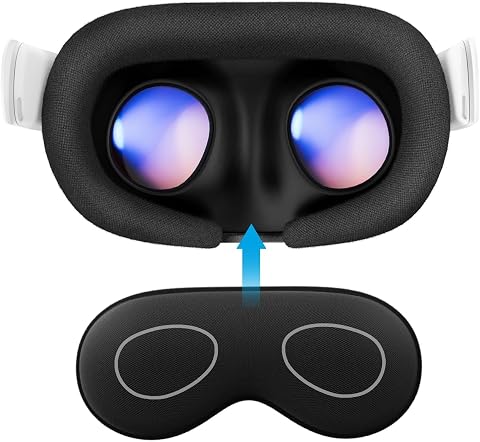
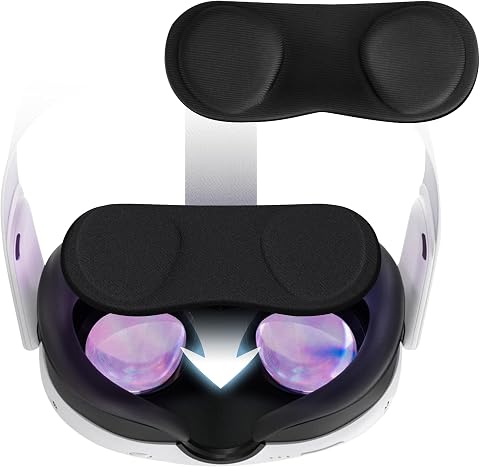
Complete the kit

Key Takeaways
- Quest 3 512GB is the most balanced pick in this lineup: it pairs a large storage allowance with standalone mixed reality, without requiring buyers to start with HTC‘s PC-oriented configurations.
- HTC’s Focus Vision options stand apart through wired use and bundle variations; choose by the included accessories and connection needs rather than assuming every similarly named bundle is interchangeable.
- Quest 3S 256GB favors accessibility over display refinement, making it a sensible entry point if you want a current standalone headset and can accept a less premium viewing experience.
- Special-edition bundles serve narrower goals: the Quest 3 with GOLF+ or Asgard’s Wrath 2 can suit buyers drawn to those included experiences, but they are less compelling if the software is not part of your plan.
- Renewed listings and older models need extra scrutiny; check condition, included parts, support, and return terms instead of comparing them with new headsets as if the purchase were identical.
| HTC Vive XR Elite Deluxe Pack Mixed Reality & PC VR Headset with Controllers | 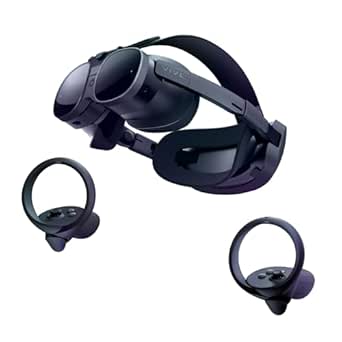 | Best for Flexible PC and Standalone VR | Resolution: 3840 × 1920 | Display type: LCD | Refresh rate: 90 Hz | VIEW ON AMAZON | See Our Full Breakdown |
| Meta Quest 3 512GB Virtual Reality Headset (Renewed Premium) |  | Best for a Large Standalone Game Library | Storage: 512 GB | Display: 4K Infinite Display | Processor: Snapdragon XR2 Gen 2 | VIEW ON AMAZON | See Our Full Breakdown |
| HTC VIVE Focus Vision VR Headset Wired Bundle with Facial Tracker |  | Best for PC VR Creators and Expression Tracking | Resolution: 2448 × 2448 pixels per eye; 5K total | Field of view: Up to 120° | Refresh rate: 90 Hz | VIEW ON AMAZON | See Our Full Breakdown |
| HTC VIVE Focus Vision Mixed Reality and PC VR Headset with Controllers |  | Best for High-Field-of-View PC VR | Resolution: 2448 × 2448 pixels per eye | Field of view: Up to 120° | Refresh rate: 90 Hz | VIEW ON AMAZON | See Our Full Breakdown |
| Meta Quest 3 512GB VR Headset with GOLF+ |  | Best for Wireless Mixed Reality and Golf | Storage: 512 GB | Memory: 8 GB RAM | Processor: Snapdragon XR2 Gen 2 | VIEW ON AMAZON | See Our Full Breakdown |
| HTC VIVE Focus Vision Wired Bundle XR Headset |  | Best for PC VR and Expandability | Resolution: 2448 x 2448 pixels per eye | Field of view: Up to 120 degrees | Refresh rate: 90 Hz | VIEW ON AMAZON | See Our Full Breakdown |
| Meta Quest 3S 256GB VR Headset (Renewed Premium) |  | Best for Budget-Minded MR Multitasking | Storage: 256 GB | Display resolution: 2880 x 1600 | Refresh rate: 120 Hz | VIEW ON AMAZON | See Our Full Breakdown |
| Meta Quest Pro 256 GB VR Headset with Optima Academy Online Field Trip Subscription |  | Best for Controller-Free Hand Interaction | Storage: 256 GB | Memory: 12 GB RAM | Resolution: 1920 x 1080 per eye | VIEW ON AMAZON | See Our Full Breakdown |
| Meta Quest 3 128GB Mixed Reality VR Headset with Asgard’s Wrath 2 Bundle |  | Best for Game-First Standalone Mixed Reality | Storage: 128 GB | Display: 4K+ Infinite display | Processor: Snapdragon XR2 Gen 2 | VIEW ON AMAZON | See Our Full Breakdown |
| mixed reality headset | Refresh rate | Storage | Connectivity | Memory |
|---|---|---|---|---|
| HTC Vive XR Elite Deluxe Pack | 90 Hz | 128 GB | USB Type-C | — |
| Meta Quest 3 512GB Virtual Rea | — | 512 GB | — | 8 GB RAM |
| HTC VIVE Focus Vision VR Heads | 90 Hz | — | DisplayPort, Wi-Fi streaming, 3.5 mm audio jack | 12 GB RAM |
| HTC VIVE Focus Vision Mixed Re | 90 Hz | 128 GB, expandable up to 2 TB via MicroSD | DisplayPort, USB, Wi-Fi | 12 GB RAM |
| Meta Quest 3 512GB VR Headset | 120 Hz | 512 GB | Bluetooth; USB Type-C | 8 GB RAM |
| HTC VIVE Focus Vision Wired Bu | 90 Hz | — | DisplayPort, USB, Wi-Fi | 12 GB RAM |
| Meta Quest 3S 256GB VR Headset | 120 Hz | 256 GB | HDMI | — |
| Meta Quest Pro 256 GB VR Heads | 90 Hz | 256 GB | — | 12 GB RAM |
| Meta Quest 3 128GB Mixed Reali | — | 128 GB | — | — |
More Details on Our Top Picks
HTC Vive XR Elite Deluxe Pack Mixed Reality & PC VR Headset with Controllers
I’d pick the VIVE XR Elite Deluxe Pack for buyers who want one headset for standalone use and PC VR without committing to a room-scale base-station setup. Its 3840 × 1920 LCD display and 110° field of view offer a solid visual foundation, while stepless IPD and diopter adjustments help tailor the view for different eyes. Compared with the VIVE Focus Vision, the XR Elite is the simpler, lighter-featured route: it lacks that model’s stated eye tracking and DisplayPort streaming, but still covers wireless play and PC connection. The Deluxe Pack’s extra fit accessories add flexibility, yet the two-hour battery makes longer sessions dependent on swapping batteries or taking a break. Its 128 GB storage also gives large game libraries less room than the Quest 3 512GB models.
Pros:- Standalone and PC VR support gives buyers two ways to play.
- 3840 × 1920 resolution and 110° field of view provide detailed, broad visuals.
- Stepless IPD and diopter adjustments allow a more personalized optical fit.
- Hot-swappable battery and Deluxe Pack fit accessories support flexible setup.
Cons:- Around two hours of battery life can interrupt extended sessions.
- 128 GB storage is limited compared with the Meta Quest 3 512GB models.
- Does not list the Focus Vision’s built-in eye tracking or DisplayPort streaming.
Best for: PC VR players who also want a self-contained headset for wireless sessions and need adjustable optics or extra fit accessories.
Not ideal for: Buyers who want a large game library stored on the headset, longer play between charges, or advanced eye and hand tracking.
- Resolution:3840 × 1920
- Display type:LCD
- Refresh rate:90 Hz
- Field of view:110°
- Battery life:About 2 hours; hot-swappable
- Storage:128 GB
- Connectivity:USB Type-C
- Platforms:Standalone and PC VR
Our verdict“Choose the VIVE XR Elite Deluxe Pack if you want adjustable optics and both standalone and PC VR, but not if storage capacity or long battery sessions come first.”
Meta Quest 3 512GB Virtual Reality Headset (Renewed Premium)
The Meta Quest 3 512GB makes the most sense for buyers who want a broad standalone library and mixed-reality features without relying on a gaming PC. Its dual RGB cameras support full-color views of the room, while the Snapdragon XR2 Gen 2 and 8 GB of RAM power its untethered experiences. The 512 GB capacity is the main distinction from the HTC VIVE XR Elite: it leaves more room for installed games, though the HTC offers stepless diopter adjustment and a hot-swappable battery. Compared with the VIVE Focus Vision, the Quest is less oriented toward PC streaming and specialist tracking, but suits buyers who value a straightforward standalone setup. This is a renewed unit, so it is not the pick for shoppers seeking a new headset. Expect just over two hours of battery life and plan a safe play area.
Pros:- 512 GB storage accommodates more installed content than the VIVE XR Elite’s 128 GB.
- Dual RGB cameras enable color passthrough for mixed-reality use.
- Snapdragon XR2 Gen 2 processor and 8 GB of RAM support standalone experiences.
- Wireless operation avoids a cable tether during play.
Cons:- Battery life is a little over two hours, limiting uninterrupted sessions.
- Renewed Premium condition may not suit buyers who only want a new device.
- Does not offer the Focus Vision’s listed DisplayPort streaming or built-in eye tracking.
Best for: Standalone VR and mixed-reality buyers who want substantial onboard storage for a sizeable game collection and prefer wireless play.
Not ideal for: Shoppers who require a new headset, extended battery sessions, or the Focus Vision’s DisplayPort streaming and tracking options.
- Storage:512 GB
- Display:4K Infinite Display
- Processor:Snapdragon XR2 Gen 2
- Memory:8 GB RAM
- Cameras:Dual RGB color cameras
- Battery life:More than 2 hours
- Platform:Standalone
Our verdict“Pick this renewed Quest 3 for a wireless mixed-reality headset with generous storage, provided its renewed status and short runtime fit your needs.”
HTC VIVE Focus Vision VR Headset Wired Bundle with Facial Tracker
I’d put the VIVE Focus Vision Wired Bundle on the shortlist for creators and PC VR users who need more than a conventional headset-and-controller setup. It combines standalone use with DisplayPort streaming, built-in eye and hand tracking, and a facial tracker in the bundle for capturing expressions and mouth movement. That makes it a more specialist choice than the Meta Quest 3 512GB, which is more appealing for a large general-purpose standalone library. Against the non-bundle VIVE Focus Vision, the key addition here is the included facial tracker; the core headset still brings 5K resolution, up to 120° field of view, and expandable storage. The tradeoff is a more involved PC setup: Wi-Fi streaming requires an Ethernet-connected PC, and full-body tracking needs additional trackers. Buyers focused on casual wireless play may not need these extras.
Pros:- Included facial tracker captures facial expressions and mouth movements.
- Standalone and PC VR modes include DisplayPort streaming.
- Built-in eye and hand tracking support more advanced interaction and development work.
- Hot-swappable battery and MicroSD expansion up to 2 TB help with longer use and larger content needs.
Cons:- Wi-Fi PC VR streaming requires the PC to connect to the router by Ethernet.
- Full-body tracking requires separately acquired compatible trackers.
- Its specialized tracking features add complexity that casual Quest 3 users may not need.
Best for: VR developers, social VR creators, and PC VR users who want facial-expression capture alongside eye and hand tracking.
Not ideal for: Casual standalone players who do not need facial capture, advanced tracking, or a wired DisplayPort PC connection.
- Resolution:2448 × 2448 pixels per eye; 5K total
- Field of view:Up to 120°
- Refresh rate:90 Hz
- Memory:12 GB RAM
- Expandable storage:Up to 2 TB via MicroSD
- Connectivity:DisplayPort, Wi-Fi streaming, 3.5 mm audio jack
- Tracking:Built-in eye and hand tracking; supports face and body trackers
- Battery:Hot-swappable main battery with reserve front battery
- Included accessory:VIVE Focus Series Facial Tracker
Our verdict“Choose this bundle for PC VR creation or social experiences that benefit from facial capture, not for simple wireless gaming.”
HTC VIVE Focus Vision Mixed Reality and PC VR Headset with Controllers
The VIVE Focus Vision suits buyers who want a standalone headset but place a premium on PC VR capability and a wide view. Its 2448 × 2448 resolution per eye, up to 120° field of view, and 90 Hz refresh rate give it a more PC-focused spec profile than the VIVE XR Elite, while built-in eye and low-light hand tracking extend its interaction options. It also supports DisplayPort, Wi-Fi, and storage expansion up to 2 TB, so the headset can serve both wired PC sessions and standalone use. Compared with the Focus Vision Wired Bundle, this version does not list an included facial tracker, making it a better fit for buyers who want the core headset rather than expression capture. Its front-heavy balance and Ethernet requirement for Wi-Fi PC streaming are real setup compromises.
Pros:- Up to 120° field of view is wider than the VIVE XR Elite’s stated 110°.
- DisplayPort support provides a wired PC VR connection option.
- Built-in eye and low-light hand tracking expand interaction choices.
- Hot-swappable battery and MicroSD expansion up to 2 TB support longer use and larger libraries.
Cons:- Wi-Fi PC VR streaming requires the PC to connect to the router via Ethernet.
- Full-body tracking requires compatible add-on trackers.
- Front-heavy fit may need adjustment with the rear dial and top strap.
Best for: PC VR enthusiasts who want a wide field of view, built-in eye and hand tracking, and a headset that also runs standalone.
Not ideal for: Buyers seeking a lightweight, simple wireless setup or facial tracking included in the box.
- Resolution:2448 × 2448 pixels per eye
- Field of view:Up to 120°
- Refresh rate:90 Hz
- Storage:128 GB, expandable up to 2 TB via MicroSD
- Memory:12 GB RAM
- Connectivity:DisplayPort, USB, Wi-Fi
- Tracking:Eye and low-light hand tracking; supports face and body trackers
- Battery:Hot-swappable main battery with reserve front battery
- Audio:Open-back dual-driver speakers, microphones, and 3.5 mm audio jack
Our verdict“Choose the Focus Vision for broad PC VR support and a wide view, but skip it if a lighter fit or included facial tracker matters more.”
Meta Quest 3 512GB VR Headset with GOLF+
This Meta Quest 3 512GB with GOLF+ is the clearest fit for someone who wants a general-purpose mixed-reality headset with golf content ready to claim. Its dual RGB passthrough cameras support color views of the room, while the 2064 × 2208 resolution per eye and 120 Hz refresh rate provide the visual foundation for games, fitness, and entertainment. The 512 GB storage and Snapdragon XR2 Gen 2 also make it more suitable for a broad standalone library than the VIVE XR Elite, which has 128 GB. It is less specialized for PC streaming and tracking than either VIVE Focus Vision model, but avoids that setup complexity. The tradeoffs are familiar: around 2.2 hours of battery life, and GOLF+ must be claimed through the Meta Horizon app. The listed 360-degree field of view should not be treated as a typical headset viewing angle.
Pros:- Dual RGB cameras provide full-color passthrough for mixed-reality experiences.
- 512 GB storage offers more room than the VIVE XR Elite’s 128 GB.
- 120 Hz refresh rate and 2064 × 2208 resolution per eye support detailed, smooth visuals.
- Includes GOLF+ and 1,800 in-game credits.
Cons:- About 2.2 hours of battery life can limit uninterrupted play.
- GOLF+ must be claimed through the Meta Horizon app.
- Lacks the Focus Vision models’ stated DisplayPort streaming and built-in eye tracking.
Best for: Wireless VR buyers who want mixed-reality passthrough, substantial storage, and bundled GOLF+ content for golf-focused play.
Not ideal for: PC VR specialists who need DisplayPort streaming, or buyers who want longer sessions without charging or swapping power.
- Storage:512 GB
- Memory:8 GB RAM
- Processor:Snapdragon XR2 Gen 2
- Display resolution:4128 × 2208 pixels maximum; 2064 × 2208 per eye
- Refresh rate:120 Hz
- Battery life:About 2.2 hours
- Connectivity:Bluetooth; USB Type-C
- Operating system:Meta Horizon OS
- Included content:GOLF+ and 1,800 in-game credits
Our verdict“Pick this Quest 3 bundle if you want a wireless mixed-reality headset with golf content included, but not if PC streaming or longer battery life is your priority.”
HTC VIVE Focus Vision Wired Bundle XR Headset
The VIVE Focus Vision is the most flexible PC-oriented choice here: it can run standalone, stream PC VR, or use DisplayPort streaming for a wired connection. That gives it an advantage over the standalone Meta Quest 3 when a buyer wants a direct PC link, while its eye and hand tracking and support for additional trackers open up more advanced interaction options. Its 2448 x 2448 pixels per eye and up-to-120-degree field of view suit detailed, enveloping VR, and the hot-swappable battery helps reduce interruptions. The tradeoff is setup: wireless PC streaming requires the computer to connect to the router by Ethernet, and some tracking or mixed reality features depend on compatible accessories and room conditions. Choose it for flexibility, not simplicity.
Pros:- Standalone operation and PC VR streaming, including a DisplayPort option
- High-resolution display with up to a 120-degree field of view
- Built-in eye and hand tracking, with support for additional trackers
- Hot-swappable battery and adjustable fit that accommodates glasses
Cons:- Wireless PC streaming requires the PC to connect to the router by Ethernet
- Some tracking and mixed reality features depend on compatible accessories or environmental setup
Best for: PC VR enthusiasts who also want standalone use, DisplayPort streaming, and room to add eye, hand, or body tracking.
Not ideal for: Buyers who want a simple, fully self-contained setup or who do not want to manage PC, router, and accessory compatibility.
- Resolution:2448 x 2448 pixels per eye
- Field of view:Up to 120 degrees
- Refresh rate:90 Hz
- Memory:12 GB RAM
- Tracking:Eye and hand tracking; supports face and body trackers
- Connectivity:DisplayPort, USB, Wi-Fi
- Battery:Hot-swappable main battery with reserve front battery
- Expandable storage:Up to 2 TB via MicroSD card
Our verdict“Choose the VIVE Focus Vision if PC VR flexibility and expandable tracking matter more than a straightforward plug-and-play setup.”
Meta Quest 3S 256GB VR Headset (Renewed Premium)
The Meta Quest 3S 256GB is the approachable pick for buyers who want standalone mixed reality without building around a gaming PC. Its room-aware experiences and multiple virtual screens make it useful for switching between browsing, messaging, and video while keeping the physical space visible. Compared with the PC-focused VIVE Focus Vision, it asks less of the setup and provides more storage than the 128GB Quest 3 bundle, though it lacks that headset’s stated DisplayPort path and expandable MicroSD storage. The listed 120 Hz refresh rate supports smooth motion, but the product data does not specify advanced display optics, and the 256GB capacity can still constrain a large game library. This is a renewed unit, so buyers should be comfortable choosing refurbished hardware rather than a new headset.
Pros:- Standalone operation avoids a PC and external tracking sensors
- Mixed reality supports digital content alongside a view of the room
- Multiple virtual screens suit media and light productivity tasks
- 256GB storage offers more room than the 128GB Quest 3 bundle
Cons:- Renewed Premium condition means the unit is not new
- 256GB may be limiting for buyers who keep many large games installed
- Product data lists HDMI connectivity, which may not suit buyers expecting wireless-only use
Best for: First-time standalone headset buyers who want room-aware media and multitasking, and are comfortable with a renewed device.
Not ideal for: Buyers who want a new unit, extensive PC VR connectivity, or enough storage for a very large installed game library.
- Storage:256 GB
- Display resolution:2880 x 1600
- Refresh rate:120 Hz
- Operating system:Meta Horizon OS
- Connectivity:HDMI
- Condition:Renewed Premium
- Warranty:1 year
Our verdict“Pick the renewed Quest 3S if accessible standalone mixed reality and multitasking matter more than new condition or PC-focused features.”
Meta Quest Pro 256 GB VR Headset with Optima Academy Online Field Trip Subscription
The Meta Quest Pro is the specialist choice for mixed reality interactions and multitasking rather than a straightforward resolution upgrade. Its full-color passthrough keeps the room in view, while pancake lenses and self-tracking Touch Pro controllers support a slimmer headset format and detailed finger movement without tracking rings. Multiple resizable displays make it a stronger fit for virtual workspaces than the game-first Meta Quest 3 128GB, which instead emphasizes its bundled game and 4K+ display. The Pro’s listed resolution is 1920 x 1080 per eye, and its LCD panel may be a compromise for buyers focused on sharpness. The bundled Optima Academy subscription is also described with conflicting durations, so I would not choose this package based on the subscription until its term is confirmed.
Pros:- Full-color passthrough supports interaction with the physical surroundings
- Self-tracking controllers capture hand gestures and finger movements without tracking rings
- Multiple resizable displays suit virtual workspace multitasking
- Pancake lenses support a slimmer headset design
Cons:- Listed resolution is 1920 x 1080 per eye on an LCD display
- Optima Academy subscription duration is described inconsistently
- The 90 Hz refresh rate is lower than the Quest 3S’s listed 120 Hz
Best for: Mixed reality multitaskers who value full-color passthrough, finger-tracking controllers, and several resizable virtual displays.
Not ideal for: Buyers prioritizing high per-eye resolution, gaming value, or a clearly stated subscription term.
- Storage:256 GB
- Memory:12 GB RAM
- Resolution:1920 x 1080 per eye
- Display:LCD, pancake lenses
- Refresh rate:90 Hz
- Field of view:110 degrees
- Battery life:Average of 8 hours
- Included subscription:Optima Academy Online VR field trips; duration described as both one month and 12 months
Our verdict“Choose the Quest Pro for its mixed reality workspace and controller interaction, not for maximum display resolution or an unverified subscription term.”
Meta Quest 3 128GB Mixed Reality VR Headset with Asgard’s Wrath 2 Bundle
The Meta Quest 3 128GB makes the most sense for buyers who want a standalone headset centered on games, with mixed reality as part of the experience rather than a PC VR project. Its Snapdragon XR2 Gen 2 processor and 4K+ Infinite display are paired with 3D audio, while the included Asgard’s Wrath 2 gives the bundle a clear game-first purpose. Compared with the renewed Meta Quest 3S 256GB, this model offers the stronger stated processor and display package, but half the storage and no listed 120 Hz refresh rate. The 128GB capacity can become restrictive for players who keep several large titles installed, and room-scale mixed reality needs suitable space. Its child protection policies and supervisory tools are useful for household buyers, though this is not the most flexible PC-connected option in the group.
Pros:- Snapdragon XR2 Gen 2 processor supports a game-focused standalone experience
- 4K+ Infinite display is designed for detailed visuals
- Includes Asgard’s Wrath 2
- 3D audio and child supervision tools support immersive and household use
Cons:- 128GB storage may limit the number of large games kept installed
- Mixed reality play requires suitable space and setup
- Product data does not specify a refresh rate or detailed connectivity options
Best for: Standalone players who want a high-resolution mixed reality headset and are ready to play the included Asgard’s Wrath 2.
Not ideal for: Buyers with large game libraries, limited room for mixed reality play, or a primary need for wired PC VR and expandable storage.
- Storage:128 GB
- Display:4K+ Infinite display
- Processor:Snapdragon XR2 Gen 2
- Audio:3D audio with higher volume range
- Included game:Asgard’s Wrath 2
- Privacy features:Child Protection Policies and supervisory tools
Our verdict“Choose this Quest 3 bundle if you want a game-first standalone headset and 128GB is enough for your library.”

How We Picked
I compared these headsets by the factors that change everyday mixed-reality use: standalone capability, PC VR connection options, storage, comfort-related design, included tracking or accessories, and the usefulness of each bundle. I also separated general-purpose models from picks aimed at wired PC play, a specific game, golf, or a field-trip subscription. A feature only helped a model’s position when it offered a clear buyer benefit rather than adding complexity without a likely use.
The ranking favors broad usability first, then value and suitability for distinct needs. That puts the Quest 3 512GB ahead as the most versatile fit, while the wired Focus Vision bundles rank well for PC-focused buyers but serve a narrower audience. The Quest 3S earns its place as an entry-level alternative, and renewed or specialized bundles rank lower for buyers who do not specifically want their tradeoffs or included extras. Exact bundle contents and renewed condition can vary by listing, so I treat those as purchase checks rather than guaranteed advantages.
| mixed reality headset | Connectivity |
|---|---|
| HTC Vive XR Elite Deluxe Pack | USB Type-C |
| Meta Quest 3 512GB Virtual Rea | — |
| HTC VIVE Focus Vision VR Heads | DisplayPort, Wi-Fi streaming, 3.5 mm audio jack |
| HTC VIVE Focus Vision Mixed Re | DisplayPort, USB, Wi-Fi |
| Meta Quest 3 512GB VR Headset | Bluetooth; USB Type-C |
| HTC VIVE Focus Vision Wired Bu | DisplayPort, USB, Wi-Fi |
| Meta Quest 3S 256GB VR Headset | HDMI |
| Meta Quest Pro 256 GB VR Heads | — |
| Meta Quest 3 128GB Mixed Reali | — |
Factors to Consider When Choosing Mixed Reality Headsets
Choosing among these mixed reality headsets starts with how you plan to use one, not the longest feature list. I would settle the connection, comfort, and software questions before paying for extra storage or a themed bundle.
Decide Whether You Need Standalone Use or PC VR
A standalone headset is easier to use casually because it does not depend on a PC connection for every session. PC VR can open up a different library and may suit demanding simulations, but a wired setup ties play to a room and compatible hardware. Buyers often overestimate how often they will tolerate setup in exchange for the PC catalog. If you already own a gaming PC, check the headset’s exact connection method and the PC’s ports before choosing. If you mainly want quick mixed-reality apps, prioritize standalone convenience instead. The Focus Vision wired options make more sense for deliberate PC use than for someone who wants the least-fuss headset.
Treat Comfort as a Fit Question, Not a Spec
Headset comfort depends on face shape, strap adjustment, weight distribution, and session length, so a specification sheet cannot predict fit for everyone. A heavier or front-loaded design can become tiring during extended play even if its feature set looks appealing. Before buying, check whether the package includes the accessories you need and whether replacement facial interfaces or straps are easy to source. Glasses wearers should look for fit guidance and any required spacer rather than assuming every headset accommodates frames equally. For shared use, quick adjustment and simple cleaning may matter more than a small improvement in image quality. A return option is especially useful when fit is uncertain.
Match Storage to the Apps You Will Keep Installed
Headset storage affects how many large games and apps can stay installed at once, not how much mixed-reality quality the device can produce. Buyers who rotate through a small set of apps may have little need for a larger capacity, while frequent players can avoid repeated downloads by choosing more room. Do not count a bundled game as a storage upgrade; it is a separate benefit. Also check whether the listing specifies usable storage and what content is included, especially for bundles. A larger capacity is most valuable when you expect a varied library or limited internet access. If your use is occasional, prioritize comfort and connection options instead.
Separate Bundle Value From Headset Value
A game or subscription bundle only helps if you want that exact content and can redeem it in your region. The GOLF+ and Asgard’s Wrath 2 packages appeal to different players, so neither should automatically outrank a standard headset for a buyer who prefers other apps. Confirm whether the content is a code, a preloaded entitlement, or a separate subscription, and read the redemption conditions. Bundles can also differ in controllers, cables, facial accessories, or other hardware. Compare the complete contents with what you would buy independently rather than treating the bundle name as a guarantee. If the included software is not on your shortlist, a different configuration may be the cleaner choice.
Check Renewed Condition and Listing Details
Renewed headsets can be a practical way to access a model, but condition and included parts matter more than the label alone. Verify which controllers, chargers, cables, facial interfaces, and packaging are included, since missing components can add hassle or replacement expense. Check the seller’s return window, warranty coverage, and battery-condition policy where available. A renewed Quest 3 and a renewed Quest 3S are also different hardware choices; do not assume the lower-tier model is simply a discounted version of the other. Buyers who want predictable support may prefer a clearly specified new bundle. If the listing omits key details, treat that uncertainty as a real tradeoff.
Choose Features Around Your Actual Use Case
Special tracking options, facial tracking, and educational subscriptions matter only when your apps or work use them. For social VR or avatar-focused use, facial tracking could be more relevant than an included game, but compatibility should be checked before purchase. Likewise, a field-trip subscription may appeal to a classroom or guided-learning buyer without adding much for someone focused on gaming. Make a short list of the experiences you intend to use, then confirm that the headset and bundle support them. This prevents paying for specialized hardware or content that remains unused. The best fit is the one whose distinctive feature solves a real need you have.
Frequently Asked Questions
Should I choose a Quest 3 or an HTC VIVE Focus Vision for PC VR?
Start with how often you expect to use PC VR and whether a wired connection suits your space. The Focus Vision wired bundles are the more direct fit when a tethered PC setup is a priority, while the Quest 3 512GB is the broader choice for buyers who also want standalone play. Check your PC’s ports, headset connection requirements, and the exact bundle contents before ordering. A PC-focused headset may not be the easiest option for quick sessions around the home. If you want one headset for both casual standalone use and occasional PC VR, lean toward versatility; if PC play is the main purpose, prioritize the connection setup.
Is the Quest 3S 256GB a good first mixed reality headset?
It can be a suitable first headset if you want standalone access and prefer an entry-level option over a more refined display experience. The main decision is whether the compromises relative to the Quest 3 are acceptable for the games and apps you plan to use. Try to compare comfort and viewing experience in person if those factors are sensitive for you. A first-time buyer should also account for the strap and any accessories they may want, rather than judging only the headset listing. Choose the Quest 3S for straightforward access; step up if display quality and a more premium overall experience matter more.
Does 512GB of storage matter if I mostly play a few games?
Not necessarily: storage is most useful when you keep many large apps installed or want to avoid managing downloads. If you regularly play only a few titles and have reliable internet, a smaller capacity may be enough. Consider whether you also plan to install media, productivity tools, or PC-connected apps that use local space. Bundle content does not replace storage, so check both the capacity and included software separately. Pick more storage for a growing library, not because a larger number automatically improves headset performance.
What should I verify before buying a renewed Meta Quest headset?
Check the condition description, seller return terms, warranty coverage, and the exact accessories included. Confirm that both controllers and the required charging equipment are present, and ask about battery condition if the listing does not specify it. Also verify whether the renewed model is a Quest 3 or Quest 3S, since they are not interchangeable versions of the same hardware. Make sure any included software is redeemable and has not already been claimed. If those details are unclear, a better-documented listing may be worth choosing even if it lacks a bundle.
Are the GOLF+ or Asgard’s Wrath 2 bundles worth choosing over a standard Quest 3?
They make sense when the included game matches what you already want to play and the bundle’s other terms are clear. GOLF+ is the more focused pick for buyers interested in golf experiences, while Asgard’s Wrath 2 suits someone seeking that particular game. If neither title is on your list, the bundle does not add much practical value and should not outweigh storage, condition, or headset fit. Check how the software is redeemed and whether it is included with the specific listing. Compare the bundle contents with your preferred standard configuration before deciding.
Conclusion
For most buyers, I recommend the Meta Quest 3 512GB as the best overall headset because it balances standalone mixed reality, broad use, and room for a growing library. The Quest 3S 256GB is my best value and beginner pick for those willing to accept a less premium viewing experience. For a premium PC-focused setup, I would choose the HTC VIVE Focus Vision Wired Bundle after confirming connection needs and package contents. Buyers who want facial tracking or a particular game, golf experience, or educational subscription should favor the relevant Focus Vision or Quest bundle only when that feature will see regular use. If your priority is uncomplicated everyday play, choose the Quest 3; if your sessions center on wired PC VR or a specific included experience, let that use case decide.