

Complete the kit




Get the latest gadgets delivered free with Prime
- Fast, free delivery on millions of items
- Prime Video, Amazon Music and more included
- Member-only deals all year
Key Takeaways
- Renewed M1 Max models remain powerful for video editing but lack the efficiency and AI features of M3 and M4 chips.
- The M5 chip generation introduces Wi-Fi 7, a significant upgrade for high-bandwidth workflows compared to older Wi-Fi 6 models.
- 16GB of unified memory is the new baseline for professional work, making 8GB models risky for long-term use.
- The 14-inch form factor offers the best compromise between screen real estate and portability for most creators.
- Renewed Premium options for older Air models provide extreme value for students but suffer from aging display technology.
| Apple 2021 MacBook Pro 16-inch (Renewed) – M1 Max, 32GB RAM, 1TB SSD, Silver |  | Best for Large-Screen Creative Work | Processor: Apple M1 Max, 10-core CPU and 32-core GPU | Memory: 32GB unified memory | Storage: 1TB SSD | VIEW LATEST PRICE | See Our Full Breakdown |
| Apple MacBook Air 13.6-inch (2022, M2, 8GB RAM, 256GB SSD), Starlight (Renewed) |  | Best for Everyday MacBook Buyers | Model year: 2022 | Processor: Apple M2, 8-core CPU | Graphics: Integrated 8-core GPU | VIEW LATEST PRICE | See Our Full Breakdown |
| Apple 2024 MacBook Pro Laptop with M4 Pro Chip (14.2-inch, 24GB Unified Memory, 512GB SSD, Space Black) |  | Best for Pro Workflows in a Compact Size | Processor: Apple M4 Pro, 12-core CPU and 16-core GPU | Memory: 24GB unified memory | Storage: 512GB SSD | VIEW LATEST PRICE | See Our Full Breakdown |
| Apple 14.2-inch MacBook Pro (2025) with M5, 10-core CPU, 10-core GPU, 16GB Memory, 1TB SSD, Space Black |  | Best for a Modern All-Round Pro Setup | Chip: Apple M5 | CPU and GPU: 10-core CPU and 10-core GPU | Memory: 16GB unified memory | VIEW LATEST PRICE | See Our Full Breakdown |
| Apple 2021 MacBook Pro 14-inch (Renewed) – M1 Max, 64GB RAM, 2TB SSD, Silver |  | Best for Maximum Memory and Local Storage | Processor: Apple M1 Max, 10-core CPU and 24-core GPU | Memory: 64GB | Storage: 2TB SSD | VIEW LATEST PRICE | See Our Full Breakdown |
| Apple 14.2-inch MacBook Pro with M3 Max Chip, 36GB RAM, 1TB SSD — Space Black |  | Best for Demanding Creative Work | Processor: Apple M3 Max, 14-core CPU | Graphics: 30-core GPU | Memory: 36GB unified memory | VIEW LATEST PRICE | See Our Full Breakdown |
| Apple 2026 MacBook Pro 14.2-inch PROLED XDR Display — Space Black |  | Best for Display Technology and Connectivity | Display: 14.2-inch PROLED XDR tandem OLED | Peak brightness: Up to 2000 nits | Contrast ratio: 10,000,000:1 | VIEW LATEST PRICE | See Our Full Breakdown |
| Apple 16.2-inch MacBook Pro with M5 Pro, 24GB Memory, 1TB SSD — Silver |  | Best for a Large Professional Workspace | Processor: Apple M5 Pro, 18-core CPU | Graphics: 20-core GPU | Memory: 24GB unified memory | VIEW LATEST PRICE | See Our Full Breakdown |
| Apple 15-inch MacBook Air with M5 Chip, 16GB Memory, 512GB SSD — Silver |  | Best for Everyday Work on a Large Screen | Chip: Apple M5 | Memory: 16GB unified memory | Storage: 512GB SSD | VIEW LATEST PRICE | See Our Full Breakdown |
| Apple 14-inch MacBook Pro with M2 Max, 32GB RAM, 1TB SSD — Space Gray (Renewed) |  | Best Renewed Pro, If the Configuration Checks Out | Processor: Apple M2 Max, 12-core CPU | Graphics: 30-core GPU | Memory: Title lists 32GB; product details also list 8GB | VIEW LATEST PRICE | See Our Full Breakdown |
| Apple MacBook Air (Late 2020) with M1 Chip, 13.3-inch Display, 16GB RAM, 256GB SSD, Space Gray (Renewed Premium) |  | Best Renewed MacBook Air Value | Model year: 2020 | Processor: Apple M1, 8-core CPU | Graphics: Apple M1 7-core GPU | VIEW LATEST PRICE | See Our Full Breakdown |
| Apple MacBook Air 13-inch Laptop with M5 Chip, 16GB Memory, 512GB SSD, Silver | 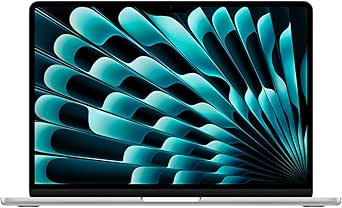 | Best Current-Generation 13-Inch MacBook Air | Chip: Apple M5 | Display: 13.6-inch Liquid Retina, supports 1 billion colors | Memory: 16GB unified memory | VIEW LATEST PRICE | See Our Full Breakdown |
| iPhones and MacBook | Display | Memory | Storage | Weight |
|---|---|---|---|---|
| Apple 2021 MacBook Pro 16-inch | 16-inch Liquid Retina XDR, 3456 x 2234 | 32GB unified memory | 1TB SSD | 4.8 lbs |
| Apple MacBook Air 13.6-inch | 13.6-inch Retina LED, 2560 x 1664 | 8GB | 256GB SSD | 2.7 pounds |
| Apple 2024 MacBook Pro Laptop | 14.2-inch Liquid Retina XDR, up to 1600 nits peak brightness | 24GB unified memory | 512GB SSD | 3.52 pounds |
| Apple 14.2-inch MacBook Pro | 14.2-inch Liquid Retina XDR, up to 1600 nits peak brightness | 16GB unified memory | 1TB SSD | 3.41 pounds |
| Apple 2021 MacBook Pro 14-inch | 14-inch Retina LED, 2560 x 1600 | 64GB | 2TB SSD | 6.9 pounds (as listed) |
| Apple 14.2-inch MacBook Pro wi | 14.2-inch Liquid Retina XDR, 3024 × 1964 | 36GB unified memory | 1TB SSD | 3.6 pounds |
| Apple 2026 MacBook Pro 14.2-in | 14.2-inch PROLED XDR tandem OLED | — | — | 3.04 pounds |
| Apple 16.2-inch MacBook Pro wi | 16.2-inch Liquid Retina XDR | 24GB unified memory | 1TB SSD | 4.71 pounds |
| Apple 15-inch MacBook Air with | 15.3-inch Liquid Retina, supports 1 billion colors | 16GB unified memory | 512GB SSD | 3.32 pounds |
| Apple 14-inch MacBook Pro with | 14-inch, 3024 × 1964 | Title lists 32GB; product details also list 8GB | Title lists 1TB SSD; product details also list 256GB | 4 pounds |
| Apple MacBook Air | 13.3-inch Retina, 2560 × 1600, P3 wide color | 16GB unified memory | 256GB SSD | — |
| Apple MacBook Air 13-inch Lapt | 13.6-inch Liquid Retina, supports 1 billion colors | 16GB unified memory | 512GB SSD | 2.71 pounds |
More Details on Our Top Picks
Apple 2021 MacBook Pro 16-inch (Renewed) – M1 Max, 32GB RAM, 1TB SSD, Silver
The 16-inch display and M1 Max graphics make this renewed MacBook Pro a strong fit for editing, design, and other work where screen space and GPU capacity matter. Its 32GB of unified memory and 1TB SSD give demanding projects more room than the 8GB/256GB MacBook Air, while HDMI and three Thunderbolt 4 ports help connect a fuller desk setup. Compared with the newer 14-inch M5 MacBook Pro, this model offers a larger canvas but an older chip and a heavier body. The renewed condition also means possible cosmetic wear, and its memory and storage cannot be upgraded later. Choose it for a big display and substantial graphics capability, not for portability or the latest processor generation.
Pros:- 16-inch Liquid Retina XDR display provides ample workspace for timelines and detailed creative work.
- M1 Max 10-core CPU and 32-core GPU suit graphics-heavy workloads.
- 32GB unified memory and 1TB SSD support multitasking and large project files.
- Includes three Thunderbolt 4 ports and HDMI for flexible connections.
Cons:- At 4.8 pounds, it is heavier and bulkier than the 14-inch MacBook Pro options.
- Renewed condition may include cosmetic signs of previous use.
- Memory and storage are soldered and cannot be upgraded.
Best for: Video editors, photographers, and designers who want a large built-in display, strong graphics performance, and generous memory for demanding projects.
Not ideal for: Frequent travelers or buyers who want a new machine with a newer-generation chip; its 4.8-pound weight and renewed condition may be poor fits.
- Processor:Apple M1 Max, 10-core CPU and 32-core GPU
- Memory:32GB unified memory
- Storage:1TB SSD
- Display:16-inch Liquid Retina XDR, 3456 x 2234
- Weight:4.8 lbs
- Ports:3x Thunderbolt 4, 1x HDMI
- Condition:Renewed
Our verdict“Choose this renewed 16-inch model if a large XDR screen and M1 Max graphics matter more than a lighter build or newer chip.”
Apple MacBook Air 13.6-inch (2022, M2, 8GB RAM, 256GB SSD), Starlight (Renewed)
This renewed M2 MacBook Air is the lineup’s lightweight, everyday-work pick: at 2.7 pounds, it is easier to carry than any of the Pro models here, and its 13.6-inch display gives routine browsing, writing, and video calls comfortable room. The M2 chip is a more capable starting point than the older M1 Air included elsewhere in the roundup, but this configuration’s 8GB memory and 256GB storage are the limits to watch. They suit modest workloads, not extensive media libraries or demanding creative projects. Compared with the 14-inch M5 MacBook Pro, it gives up performance headroom, extra ports, and an XDR display in exchange for a simpler, lighter design. Its renewed status is another tradeoff for buyers who prefer new hardware.
Pros:- Light 2.7-pound design is easier to carry than the MacBook Pro models.
- M2 chip handles common productivity and entertainment tasks.
- 13.6-inch, 2560 x 1664 display offers useful workspace in a portable laptop.
- Includes Apple productivity and creative apps such as Pages, Numbers, and iMovie.
Cons:- 8GB of installed memory can constrain demanding multitasking.
- 256GB SSD leaves limited space for large apps and local media.
- Renewed condition may not suit buyers seeking a new laptop.
Best for: Students and everyday users who mainly browse, write, stream, and use common apps, and who value a light laptop over pro-level performance.
Not ideal for: Developers, creative professionals, or users who keep large local files; 8GB memory and 256GB storage leave limited headroom.
- Model year:2022
- Processor:Apple M2, 8-core CPU
- Graphics:Integrated 8-core GPU
- Memory:8GB
- Storage:256GB SSD
- Display:13.6-inch Retina LED, 2560 x 1664
- Weight:2.7 pounds
- Ports:2 Thunderbolt ports
- Condition:Renewed
Our verdict“Pick this Air for everyday tasks and easy portability, but step up to a Pro if your workload needs more memory, storage, or graphics power.”
Apple 2024 MacBook Pro Laptop with M4 Pro Chip (14.2-inch, 24GB Unified Memory, 512GB SSD, Space Black)
The 2024 14-inch MacBook Pro is the most balanced choice here for people who need serious processing power without the 16-inch model’s bulk. Its M4 Pro chip and 24GB of unified memory are suited to coding, 3D work, and demanding creative apps, while the Liquid Retina XDR display brings strong brightness and color to a compact workspace. Compared with the M1 Max 16-inch MacBook Pro, it is lighter and uses a newer processor, but its smaller screen and 512GB SSD offer less room for large files. The 2025 M5 MacBook Pro has 1TB of storage and a wider port selection, so this M4 Pro configuration makes more sense when its 24GB memory and M4 Pro performance match your workload. Buyers with extensive media libraries may need external storage.
Pros:- M4 Pro chip pairs a 12-core CPU with a 16-core GPU for demanding workflows.
- 24GB unified memory gives demanding apps more headroom than the M2 Air’s 8GB.
- Bright 14.2-inch Liquid Retina XDR display suits detailed visual work.
- At 3.52 pounds, it is lighter than the 16-inch M1 Max MacBook Pro.
Cons:- 512GB SSD may be restrictive for large video, design, or development files.
- Smaller display provides less workspace than the 16-inch MacBook Pro.
- Its advanced performance and display are more than routine browsing and document work require.
Best for: Developers and creative professionals who need a capable laptop for demanding work but prefer a more portable 14-inch form.
Not ideal for: Users who need a large built-in editing canvas or substantial local project storage; the 14.2-inch display and 512GB SSD may feel limiting.
- Processor:Apple M4 Pro, 12-core CPU and 16-core GPU
- Memory:24GB unified memory
- Storage:512GB SSD
- Display:14.2-inch Liquid Retina XDR, up to 1600 nits peak brightness
- Weight:3.52 pounds
- Color:Space Black
- Model number:MX2H3LL/A
Our verdict“Choose the M4 Pro model for demanding work in a portable 14-inch package, provided 512GB of storage is enough or you can use external drives.”
Apple 14.2-inch MacBook Pro (2025) with M5, 10-core CPU, 10-core GPU, 16GB Memory, 1TB SSD, Space Black
This 2025 MacBook Pro is the lineup’s well-equipped everyday Pro, pairing the M5 chip with 16GB of unified memory and a 1TB SSD. That storage is double the 512GB in the 2024 M4 Pro model, a practical advantage for buyers who keep active projects and media on the laptop. Its port selection—Thunderbolt 4, MagSafe 3, SDXC, HDMI, and a headphone jack—also means fewer workarounds when connecting cameras and displays. The M4 Pro option has more CPU and GPU cores and 24GB of memory, making it the clearer fit for heavier workloads; this M5 configuration favors a newer chip, more built-in storage, and useful everyday connections. It still weighs 3.41 pounds, and support for up to two external displays may not suit expansive multi-monitor setups.
Pros:- M5 chip combines a 10-core CPU and 10-core GPU, with Neural Accelerators for AI workloads.
- 1TB SSD provides more built-in space than the 512GB in the M4 Pro configuration.
- Includes Thunderbolt 4, MagSafe 3, SDXC, HDMI, and a headphone jack.
- 12MP Center Stage camera and six-speaker audio system support calls and media.
Cons:- 16GB memory is less than the 24GB offered by the M4 Pro MacBook Pro.
- Supports up to two external displays, which may not fit larger multi-monitor workstations.
- At 3.41 pounds, it is less convenient to carry than the MacBook Air.
Best for: Photographers, office professionals, and creative users who want a current 14-inch Pro with 1TB of built-in storage and a broad set of ports.
Not ideal for: Heavy 3D artists or users who need more than two external displays; the M4 Pro offers more CPU/GPU cores and memory, while this model’s display limit may constrain complex setups.
- Chip:Apple M5
- CPU and GPU:10-core CPU and 10-core GPU
- Memory:16GB unified memory
- Storage:1TB SSD
- Display:14.2-inch Liquid Retina XDR, up to 1600 nits peak brightness
- Camera:12MP Center Stage
- Ports:3x Thunderbolt 4, MagSafe 3, SDXC, HDMI, headphone jack
- External display support:Up to two displays
- Weight:3.41 pounds
Our verdict“Pick this M5 MacBook Pro for a current, storage-rich 14-inch setup with versatile ports, but favor the M4 Pro for heavier CPU- and GPU-intensive work.”
Apple 2021 MacBook Pro 14-inch (Renewed) – M1 Max, 64GB RAM, 2TB SSD, Silver
This renewed 14-inch MacBook Pro stands apart through its 64GB of memory and 2TB SSD, a rare combination in this group for users who juggle large projects and extensive local files. The M1 Max chip’s 24-core GPU also gives it a clear graphics advantage over the M2 Air, while the 14-inch size is easier to place in a bag than the 16-inch M1 Max model. That smaller footprint comes with an important caveat: the supplied specs list a 6.9-pound weight, unusually heavy for a 14-inch laptop, so buyers should verify the unit details before choosing it for travel. It is also a third-party renewed product with a 90-day limited warranty, rather than a new machine like the M5 MacBook Pro. Consider it for capacity first, not for the newest chip or a guaranteed Apple-refurbished experience.
Pros:- 64GB RAM offers substantial capacity for memory-intensive multitasking.
- 2TB SSD provides the largest listed built-in storage among these five products.
- M1 Max with a 24-core GPU can support graphics-heavy creative work.
- 90-day limited warranty is specified for the renewed unit.
Cons:- Third-party renewed condition is not Apple Certified and may involve non-original accessories or packaging.
- The listed 6.9-pound weight is unusually heavy for a 14-inch laptop and should be checked before purchase.
- The 2021 M1 Max chip is older than the M4 Pro and M5 options in this roundup.
Best for: Power users handling memory-heavy creative workloads or large local datasets who value 64GB RAM and 2TB storage over a newer chip.
Not ideal for: Travelers, buyers seeking a new or Apple-certified laptop, and anyone who needs current-generation performance; this is a third-party renewed 2021 model, and the listed weight is 6.9 pounds.
- Processor:Apple M1 Max, 10-core CPU and 24-core GPU
- Memory:64GB
- Storage:2TB SSD
- Display:14-inch Retina LED, 2560 x 1600
- Weight:6.9 pounds (as listed)
- Condition:Renewed; professionally inspected and tested
- Warranty:90-day limited warranty
- Color:Silver
Our verdict“Choose this renewed M1 Max only if 64GB memory and 2TB storage are your main priorities and you accept the older platform and third-party refurbishment.”
Apple 14.2-inch MacBook Pro with M3 Max Chip, 36GB RAM, 1TB SSD — Space Black
I’d choose this 14-inch MacBook Pro when graphics-heavy work matters more than having the newest chip. Its M3 Max 14-core CPU and 30-core GPU, backed by 36GB of unified memory, suit demanding editing, 3D rendering, and development workloads. The Liquid Retina XDR display and built-in HDMI and SDXC ports also make it a capable production machine without relying on adapters. Compared with the 2026 14.2-inch MacBook Pro, it has older connectivity and a lower stated battery-life ceiling, but its listed configuration gives buyers clear memory and storage capacity. The tradeoff is portability: at 3.6 pounds, it is heavier than that newer 14-inch model and the MacBook Air. I’d skip it for routine browsing and office work, where its workstation-level graphics are harder to justify.
Pros:- M3 Max with a 30-core GPU is suited to demanding graphics and rendering workloads.
- 36GB of unified memory provides room for large creative projects and multitasking.
- Liquid Retina XDR display supports detailed HDR work.
- Thunderbolt 4, HDMI, SDXC, and MagSafe 3 reduce reliance on adapters.
Cons:- At 3.6 pounds, it is heavier than the newer 14.2-inch MacBook Pro listed here.
- M3 Max capability is excessive for many everyday tasks.
- macOS may not support workflows that depend on Windows-only software.
Best for: Video editors, 3D artists, and developers who need substantial graphics performance and 36GB of memory in a 14-inch MacBook.
Not ideal for: Students and everyday users who prioritize a light carry and mostly handle documents, browsing, and video calls.
- Processor:Apple M3 Max, 14-core CPU
- Graphics:30-core GPU
- Memory:36GB unified memory
- Storage:1TB SSD
- Display:14.2-inch Liquid Retina XDR, 3024 × 1964
- Battery life:Up to 18 hours
- Ports:Three Thunderbolt 4, HDMI, SDXC, MagSafe 3
- Weight:3.6 pounds
Our verdict“Choose this MacBook Pro for demanding graphics work in a compact workstation, but favor the MacBook Air or a newer 14-inch model if portability or newer connectivity matters more.”
Apple 2026 MacBook Pro 14.2-inch PROLED XDR Display — Space Black
I’d put this 2026 14.2-inch MacBook Pro first for buyers who value display technology and current connections over a fully specified configuration. Its tandem OLED PROLED XDR panel is listed with up to 2000 nits of brightness and a 10,000,000:1 contrast ratio, while Thunderbolt 5 and Wi-Fi 7 offer newer connectivity than the M3 Max MacBook Pro. The stated up to 22-hour battery life also exceeds the M3 Max model’s listed 18 hours. There is a key limitation in the supplied product details: the processor is described as M5 Pro or M5 Max, without specifying which chip or its memory and storage. That makes it harder to match the machine to a particular workload than the clearly configured 16-inch M5 Pro MacBook Pro. I’d seek configuration confirmation before choosing it for professional work.
Pros:- Tandem OLED display is listed with high peak brightness and a very high contrast ratio.
- Three Thunderbolt 5 ports provide newer wired connectivity than the M3 Max model’s Thunderbolt 4.
- Wi-Fi 7 and Bluetooth 6 are specified.
- Listed battery life reaches up to 22 hours.
Cons:- The listing does not identify whether the configuration uses M5 Pro or M5 Max.
- Memory and storage capacity are not provided in the supplied specifications.
- At 3.04 pounds, it is less suited to buyers seeking an especially light laptop.
Best for: Creative professionals who prioritize a high-contrast display, Thunderbolt 5, and Wi-Fi 7 in a 14-inch MacBook Pro.
Not ideal for: Buyers who need confirmed processor, memory, and storage details before selecting a laptop for specific professional workloads.
- Display:14.2-inch PROLED XDR tandem OLED
- Peak brightness:Up to 2000 nits
- Contrast ratio:10,000,000:1
- Processor:M5 Pro or M5 Max; exact configuration not specified
- Battery life:Up to 22 hours
- Ports:Three Thunderbolt 5, MagSafe 3, SDXC, HDMI, headphone jack
- Wireless:Wi-Fi 7, Bluetooth 6
- Weight:3.04 pounds
Our verdict“Pick this 14-inch Pro for its listed display and modern connectivity, but confirm its chip, memory, and storage configuration before buying.”
Apple 16.2-inch MacBook Pro with M5 Pro, 24GB Memory, 1TB SSD — Silver
The 16.2-inch MacBook Pro is the lineup’s better fit when screen area and a specified pro-level configuration take priority over easy carrying. Its M5 Pro 18-core CPU and 20-core GPU, 24GB of memory, and 1TB SSD give buyers a clear setup for creative applications and demanding multitasking. The larger Liquid Retina XDR display offers more room for timelines, code, and side-by-side windows than the 14-inch M3 Max MacBook Pro, while Thunderbolt 5 and Wi-Fi 7 update its connectivity. The compromise is substantial: at 4.71 pounds, it is much less convenient to carry daily, and it has less listed memory than the M3 Max model’s 36GB. I’d choose it for a desk-centered workflow, not as the most portable Mac in this roundup.
Pros:- 16.2-inch Liquid Retina XDR display provides more workspace than the 14-inch MacBook Pro models.
- M5 Pro combines an 18-core CPU and 20-core GPU for demanding workloads.
- 1TB SSD and 24GB unified memory are specified.
- Thunderbolt 5, HDMI, and SDXC support a range of peripherals and media cards.
Cons:- At 4.71 pounds, it is the heaviest laptop among these five options.
- Its 24GB of memory is lower than the 36GB in the M3 Max MacBook Pro.
- The 16.2-inch size is less convenient for crowded commutes and compact workspaces.
Best for: Video editors, designers, and developers who want a large built-in display, 1TB of storage, and a defined M5 Pro configuration.
Not ideal for: Commuters and frequent travelers who need a light laptop, or memory-intensive users who would benefit from the M3 Max model’s 36GB.
- Processor:Apple M5 Pro, 18-core CPU
- Graphics:20-core GPU
- Memory:24GB unified memory
- Storage:1TB SSD
- Display:16.2-inch Liquid Retina XDR
- Wireless:Wi-Fi 7, Bluetooth 6
- Ports:Three Thunderbolt 5, MagSafe 3, SDXC, HDMI, headphone jack
- Weight:4.71 pounds
Our verdict“Choose this model if you want a large professional screen and a specified M5 Pro setup; choose a 14-inch MacBook Pro if carrying comfort matters more.”
Apple 15-inch MacBook Air with M5 Chip, 16GB Memory, 512GB SSD — Silver
I’d recommend this MacBook Air to people who want more screen space than a 13-inch Air offers but do not need the sustained pro hardware of a MacBook Pro. The 15.3-inch Liquid Retina display makes documents and split-screen work easier to manage, while the M5 chip, 16GB of memory, and 512GB SSD form a practical setup for everyday productivity and lighter creative tasks. At 3.32 pounds, it is far easier to carry than the 16.2-inch M5 Pro MacBook Pro, though it is not as compact as the 14-inch models. Its two Thunderbolt 4 ports, MagSafe, and support for two external displays add flexibility, but there is no built-in HDMI or SDXC slot like the Pro models offer. I’d skip it for sustained high-end rendering or workflows that rely on those ports.
Pros:- 15.3-inch display gives everyday work more space than the 13-inch MacBook Air.
- M5 chip and 16GB unified memory suit multitasking and lighter creative work.
- Listed battery life is up to 18 hours.
- Supports up to two external displays and includes MagSafe charging.
Cons:- Two Thunderbolt 4 ports provide fewer built-in connection options than the MacBook Pro models.
- No HDMI port or SDXC card slot is listed.
- At 3.32 pounds, it is heavier than a smaller-screen Air.
Best for: Students, remote workers, and general users who want a roomy display for multitasking without carrying a 16-inch Pro.
Not ideal for: Video editors and other professionals who need a built-in SDXC reader, HDMI, or more graphics-focused performance.
- Chip:Apple M5
- Memory:16GB unified memory
- Storage:512GB SSD
- Display:15.3-inch Liquid Retina, supports 1 billion colors
- Battery life:Up to 18 hours
- Camera:12MP Center Stage
- Ports:Two Thunderbolt 4, MagSafe charging, headphone jack
- Weight:3.32 pounds
Our verdict“Choose the 15-inch Air for everyday work on a spacious screen with a lighter carry than the 16-inch Pro, but choose a Pro for demanding graphics work or built-in media ports.”
Apple 14-inch MacBook Pro with M2 Max, 32GB RAM, 1TB SSD — Space Gray (Renewed)
This renewed 14-inch MacBook Pro could suit buyers seeking a compact, graphics-capable machine with an M2 Max, 32GB of memory, and 1TB SSD, but the listing’s conflicting specifications make it a more uncertain choice than the new M3 Max MacBook Pro. The advertised 12-core CPU and 30-core GPU suggest a strong foundation for creative workloads, and its HDMI, SDXC, and Thunderbolt ports offer useful connections. Yet the product details also list 8GB of memory and 256GB of storage, contradicting the title, and disagree about the model year. That uncertainty matters more than the older chip alone: buyers may not receive the advertised configuration. Compared with the clearly specified M3 Max model, this is only a sensible pick if the seller confirms the actual hardware and the renewed condition meets your needs.
Pros:- Advertised M2 Max configuration includes a 12-core CPU and 30-core GPU.
- Title lists 32GB RAM and a 1TB SSD for demanding applications and project files.
- 14-inch, 3024 × 1964 display offers a compact high-resolution workspace.
- HDMI, SDXC, and Thunderbolt ports support common creative peripherals.
Cons:- Product details conflict with the title on RAM, storage, and model year.
- Renewed condition may not suit buyers who require a new device.
- Listed weight is 4 pounds, making it less convenient to carry than the 14-inch M3 Max model.
Best for: Experienced Mac buyers considering renewed hardware who can confirm the delivered RAM, storage, model year, and condition before purchase.
Not ideal for: Professionals who need dependable configuration details, guaranteed capacity for large projects, or a new laptop rather than renewed hardware.
- Processor:Apple M2 Max, 12-core CPU
- Graphics:30-core GPU
- Memory:Title lists 32GB; product details also list 8GB
- Storage:Title lists 1TB SSD; product details also list 256GB
- Display:14-inch, 3024 × 1964
- Ports:HDMI, SDXC, Thunderbolt
- Condition:Renewed
- Weight:4 pounds
Our verdict“Consider this renewed MacBook Pro only after confirming its exact configuration; otherwise, the clearly specified M3 Max model is the safer choice.”
Apple MacBook Air (Late 2020) with M1 Chip, 13.3-inch Display, 16GB RAM, 256GB SSD, Space Gray (Renewed Premium)
The Late 2020 MacBook Air pairs the M1 chip with 16GB of unified memory, making it a more capable multitasking choice than the 2022 M2 Air listing with 8GB of memory. Its 13.3-inch Retina display with P3 wide color suits everyday writing, browsing, and media, while the light, compact design is easy to carry. The tradeoff is age: compared with the newer 13-inch M5 MacBook Air, it has an older display and camera, less storage, and older wireless connectivity. This is also a renewed device, so buyers should weigh its condition against buying new. Battery-life information conflicts between the listing’s 15-hour specification and its 29-hour description; I would not base a decision on the higher figure without clarification.
Pros:- M1 8-core CPU and 7-core GPU for everyday computing
- 16GB unified memory supports heavier multitasking than the listed 8GB M2 Air
- 13.3-inch Retina display with P3 wide color
- FaceTime HD camera and stereo speakers
Cons:- Renewed condition may differ from a new device
- 256GB SSD leaves less room for large files and apps than the 512GB M5 Air
- Battery-life claims conflict between 15 and 29 hours
Best for: Students and everyday users who want 16GB of memory for multitasking and are comfortable buying a renewed, older-generation MacBook Air.
Not ideal for: Buyers who want a new laptop, current-generation connectivity, more storage, or reliable battery-life guidance from a consistent listing.
- Model year:2020
- Processor:Apple M1, 8-core CPU
- Graphics:Apple M1 7-core GPU
- Memory:16GB unified memory
- Storage:256GB SSD
- Display:13.3-inch Retina, 2560 × 1600, P3 wide color
- Connectivity:Wi-Fi 802.11ax, Bluetooth 5, HDMI, Thunderbolt
- Condition:Renewed Premium
- Warranty:1-year manufacturer warranty
Our verdict“Choose this renewed M1 Air if 16GB of memory matters more to you than newer features, larger storage, and new-device condition.”
Apple MacBook Air 13-inch Laptop with M5 Chip, 16GB Memory, 512GB SSD, Silver
This 13-inch M5 MacBook Air is the clearest choice here for buyers who want a current-generation everyday laptop without stepping up to a MacBook Pro. Its 512GB SSD gives you twice the storage of the renewed M1 Air, and the 13.6-inch Liquid Retina display, 12MP Center Stage camera, and up-to-18-hour battery claim make it better suited to video calls and long days away from an outlet. Wi-Fi 7 and support for two external displays also give it a more modern setup than the older M1 model. The limits are practical: memory is specified at 16GB, and the built-in selection is sparse even with MagSafe. Compared with the 15-inch M5 Air, this model is easier to carry but offers less screen space.
Pros:- M5 chip paired with 16GB unified memory
- 512GB SSD provides more working room than the renewed M1 Air’s 256GB drive
- 12MP Center Stage camera and Liquid Retina display supporting 1 billion colors
- Wi-Fi 7, Thunderbolt 4, and support for up to two external displays
Cons:- Only two Thunderbolt 4 ports, alongside MagSafe and a headphone jack
- Memory is specified at 16GB, which may constrain demanding workloads
- Smaller screen than the 15-inch M5 MacBook Air
Best for: Students, mobile professionals, and frequent video-call users who want a current 13-inch MacBook Air with 512GB of storage.
Not ideal for: People who need extensive built-in ports, a larger display for side-by-side work, or more than 16GB of memory.
- Chip:Apple M5
- Display:13.6-inch Liquid Retina, supports 1 billion colors
- Memory:16GB unified memory
- Storage:512GB SSD
- Camera:12MP Center Stage
- Battery life:Up to 18 hours
- Ports:Two Thunderbolt 4 ports, MagSafe charging port, headphone jack
- Wireless connectivity:Wi-Fi 7, Bluetooth 6
- Weight:2.71 pounds
Our verdict“Pick this M5 Air for a portable, current-generation laptop with useful storage and camera upgrades, unless you need a bigger screen or more ports.”

How We Picked
I evaluated these devices based on three core pillars: performance longevity, workflow efficiency, and value retention. Rather than just looking at benchmark scores, I prioritized how each machine handles sustained workloads, such as exporting 4K video or compiling code, without thermal throttling. This approach highlights the difference between peak performance and sustainable daily use. I also weighed the cost of new versus renewed units, analyzing whether the savings on an M1 or M2 model outweigh the benefits of newer architecture like the M4 or M5. Finally, connectivity features like Wi-Fi 7 and port selection were assessed to determine which devices will remain relevant for the next five years.Factors to Consider When Choosing Best IPhones And MacBooks
Selecting the right Apple device involves more than picking the latest chip. You must consider how your specific workflow interacts with hardware limitations and future software requirements.Chip Architecture and Longevity
Understanding the difference between M1, M2, M3, M4, and M5 chips is critical for long-term ownership. The M1 chip was revolutionary but is now showing its age in high-end creative tasks and lacks the dedicated neural engines for newer AI features. M3 and M4 chips offer improved ray tracing and hardware-accelerated mesh shading, making them superior for 3D rendering and gaming. The M5 generation focuses on efficiency and AI integration, which will likely become standard in macOS updates. If you plan to keep your device for five years, avoid the M1 unless your budget is strictly limited.
Memory Requirements for Future-Proofing
Unified memory is not upgradeable, so choosing the right capacity at purchase is final. While 8GB was sufficient for casual users in 2022, it is becoming a bottleneck for multitaskers and developers in 2027. 16GB is the new minimum for anyone using professional applications like Final Cut Pro, Xcode, or Adobe Creative Cloud. High-end models with 32GB or 64GB are reserved for heavy video editing, complex virtualization, or machine learning tasks. Buying an 8GB model in 2027 is a risky bet unless you have a very light, browser-based workflow.
Renewed vs. New: Risk and Reward
Buying renewed devices like the M1 Max MacBook Pro can save hundreds of dollars, but it comes with tradeoffs. Renewed units often have reduced battery health, typically between 80-90%, which impacts portable usage time. Additionally, older models may receive fewer years of software support compared to new releases. Renewed Premium options usually offer better battery health and cleaner aesthetics, but you still lose out on newer connectivity standards like Wi-Fi 7. Weigh the immediate savings against the potential cost of a battery replacement or the frustration of being left behind by software updates.
Display Technology and Eye Comfort
The jump from LCD to Mini-LED XDR displays on MacBook Pro models is a massive visual upgrade for HDR content creators. These screens offer higher brightness and better contrast than the Liquid Retina displays on MacBook Air models. However, if you primarily write code or work with text, the MacBook Air’s display is perfectly adequate and often more color-accurate for SDR work. The PROLED XDR display on the 2026 model represents the peak of Apple’s display tech, but it is overkill for general productivity. Choose based on whether you consume HDR media or need color-critical accuracy.
Connectivity and Peripheral Ecosystem
Wi-Fi 7 is a key differentiator in the 2027 lineup, offering faster speeds and lower latency for users in congested network environments. Older renewed models are stuck with Wi-Fi 6 or 6E, which may become bottlenecks as routers upgrade. Thunderbolt port count also varies; the MacBook Air often has fewer ports than the MacBook Pro, requiring dongles for external drives and monitors. If your desk setup relies on multiple high-bandwidth peripherals, the Pro models’ extra ports and higher power delivery capabilities are worth the premium.
Frequently Asked Questions
Is it worth buying a renewed M1 Max MacBook Pro over a new M4 MacBook Air?
It depends entirely on your workload. The M1 Max offers superior raw GPU power and more ports, making it better for heavy video editing or 3D work. However, the M4 MacBook Air is significantly more energy-efficient, quieter, and has a better webcam and display. If you value portability and silence over raw horsepower, the newer Air is the better choice. Only buy the M1 Max if you specifically need the extra GPU cores and are comfortable with a bulkier, older chassis.What is the practical benefit of the M5 chip over the M4?
The M5 chip focuses heavily on AI acceleration and efficiency, which translates to longer battery life and faster performance in apps that leverage neural engines. For general users, the day-to-day speed difference between M4 and M5 is minimal. The bigger practical benefit is Wi-Fi 7 support, which future-proofs the device for next-generation routers. If you are upgrading from an M1 or M2, the jump is noticeable. If you are on an M3 or M4, the M5 offers marginal gains unless you work with AI-driven tools.Can I use 8GB of RAM on a MacBook Air in 2027?
For most users, 8GB of RAM is no longer sufficient for a comfortable professional experience. macOS and modern browsers consume significant memory, leaving little headroom for creative apps or heavy multitasking. You will likely experience swapping, where the system uses the SSD as memory, which slows down performance and reduces SSD lifespan. 16GB is the recommended floor for any user who wants their device to remain responsive for several years. Only stick with 8GB if you have a strictly basic, single-app workflow.How much does battery health matter when buying renewed MacBooks?
Battery health is the single most important spec to check on renewed units. A battery health below 85% will noticeably impact your daily usage, forcing you to stay tethered to a power outlet more often. Renewed Premium listings usually guarantee higher health percentages, often above 90%, but at a higher price. If a listing does not specify battery health, assume it is lower and factor in the cost of a replacement service. For a device you plan to use portably, this is a critical consideration.Which MacBook Pro size is best for mobile professionals?
The 14-inch MacBook Pro is widely considered the sweet spot for mobile professionals. It offers a high-quality XDR display and powerful chip options without the weight and bulk of the 16-inch model. The 16-inch is better if you rarely move your laptop and need a larger canvas for timelines or spreadsheets. The 14-inch fits easily into backpacks and provides enough screen space for split-screen workflows. It strikes the best balance between power, portability, and price.Conclusion
Choosing the best iPhones and MacBooks comes down to matching hardware capabilities with your actual daily needs. For the majority of users, the Apple 2024 MacBook Pro with M4 Pro Chip is the Best Overall pick, offering a perfect blend of performance and portability. Students and light users should opt for the MacBook Air 13-inch with M5 Chip as the Best Value and Best for Beginners option, thanks to its modern efficiency and lightweight design. Professionals requiring maximum power for rendering or data processing should look at the 16.2-inch MacBook Pro with M5 Pro as the Best Premium choice. Those on a tight budget who still need serious power might find the Renewed M1 Max models useful, but be cautious of battery health. By aligning your budget with your workflow intensity, you can secure a device that remains relevant for years to come.
Evergreen bestsellers Picks

Samsung 48-Inch S90F OLED 4K Smart TV (2025)

iRobot Roomba 415X Robot Vacuum & Mop Combo

Vitamix 5-Speed Immersion Blender, 625-Watt, Stainless Steel/Black
As an affiliate, we earn on qualifying purchases.