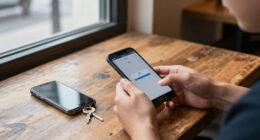
For most people looking for clip-on lavalier mics with USB-C, I’d start with the DJI Mic Mini: its two transmitters and mobile receiver suit interviews and videos with more than one speaker. The MAONO USB-C Lavalier is a straightforward wired pick, while the NEEWER two-pack offers a practical way to mic two people without relying on wireless links. The main tradeoff is convenience versus simplicity: wireless systems give you freedom to move, while wired microphones avoid transmitter charging and pairing. Compatibility, cable reach, and how you plan to record matter as much as the microphone itself. Read on for how the eight options compare and which setup fits your recording needs.

Get the latest gadgets delivered free with Prime
- Fast, free delivery on millions of items
- Prime Video, Amazon Music and more included
- Member-only deals all year
Complete the kit


Key Takeaways
- DJI Mic Mini is the most flexible interview choice in this group because its two transmitters can cover two speakers; that added capability is more than a solo creator may need.
- MAONO and NEEWER represent the wired alternatives: MAONO is a single USB-C mic, while NEEWER supplies two mics with cables for separate speakers.
- USB-C does not automatically mean universal compatibility. Phone, tablet, and computer support can vary, so check the exact device and recording app before buying.
- Wireless convenience brings extra setup and charging. Plug-in mics avoid transmitter batteries and wireless pairing, but their cable can restrict movement.
- Several listed products advertise both USB-C and Lightning support. That can help households using different phones, but confirm which receiver or adapter is included in the specific package.


| clipon lavalier mics usbc | Connectivity | Polar pattern | Microphone type | Signal-to-noise ratio |
|---|---|---|---|---|
| Labstandard Dual Wireless Lava | Bluetooth; Lightning and USB Type-C connectors listed | Omnidirectional | Dual wireless lavalier | — |
| DJI Mic Mini | — | — | — | — |
| MAONO USB-C Lavalier Microphon | USB Type-C | Omnidirectional | — | 80 dB |
| NEEWER Mini USB C Lavalier Mic | USB Type-C | Omnidirectional | Condenser lavalier | — |
| USB C Lavalier Microphone Wire | Wireless; USB Type-C and USB Type-A connectors, with Lightning adapter included | Omnidirectional | — | 65 dB |
| MAYBESTA Wireless Mini Lavalie | Wireless; 2.4 GHz | Omnidirectional | — | 80 dB |
| USB-C and USB-A Lavalier Micro | USB-C and USB-A | — | Omnidirectional condenser lavalier | 60 dB |
| Wireless Lavalier Microphone f | — | — | Wireless lavalier | — |
More Details on Our Top Picks
Labstandard Dual Wireless Lavalier Microphone Set for iPhone, iPad, and USB-C Devices
The Labstandard set’s main advantage is two-mic recording: both speakers can wear an omnidirectional lavalier, which is more convenient for interviews than the single wired MAONO UL11. It also includes Lightning and USB-C connectivity, making it a flexible choice if you record across older and newer phones or tablets. The stated 0.008-second latency is intended to keep speech aligned with video, while noise reduction targets clearer voices in everyday recording settings. The tradeoff is that the product information is inconsistent: it mentions two C batteries but also a rechargeable kit, and its camera and 3.5 mm compatibility claims do not clearly match the listed connectors. I’d choose it for its two-speaker setup only after confirming the receiver fits your specific device.
Pros:- Two omnidirectional microphones support simultaneous two-person recording.
- Includes both Lightning and USB-C connectivity options.
- Advertised 0.008-second latency is intended to keep recorded speech synchronized with video.
- Noise reduction and approximately six hours of advertised battery life suit routine interview sessions.
Cons:- Battery information conflicts between two C batteries and a rechargeable kit.
- Compatibility claims for cameras and 3.5 mm devices are unclear beside the listed Lightning and USB-C connectors.
- Wireless operation adds receiver and battery management compared with the simpler wired MAONO UL11.
Best for: Interviewers and co-hosts who need two wireless microphones and may record on both USB-C and Lightning devices.
Not ideal for: Buyers who need clearly documented camera or 3.5 mm support, or who want unambiguous battery and charging details before purchase.
- Microphone type:Dual wireless lavalier
- Polar pattern:Omnidirectional
- Connectivity:Bluetooth; Lightning and USB Type-C connectors listed
- Channels:2
- Latency:0.008 seconds
- Advertised battery life:About 6 hours
- Weight:0.05 kg
- Dimensions:4.5 x 3.3 x 0.7 inches
Our verdict“Choose the Labstandard when two speakers need wireless mics and dual connector options matter more than clear, consistent power and compatibility information.”
DJI Mic Mini (2 TX + 1 Mobile RX), Ultralight Wireless Microphone System
The DJI Mic Mini pairs two transmitters with one mobile receiver, making it a stronger fit for extended two-person shoots than the wired NEEWER Mini USB C 2 Pack, whose cables tie each mic to the recording device. Its listed 10 g weight favors discreet wear, and the advertised 11.5-hour battery life gives it a longer stated run time than the Labstandard set. Basic and strong noise-cancellation settings offer a choice between lighter processing and firmer noise reduction, while the claimed 300-meter transmission range suits shoots where the speaker moves away from the phone. The tradeoffs are its USB-C-focused compatibility and lack of waterproofing; its small parts and magnets also call for careful handling. I’d pick it for mobile creators who value wireless freedom and long sessions over weather resistance.
Pros:- Two transmitters and one mobile receiver support two-person wireless recording.
- Listed 10 g weight supports discreet, comfortable wear.
- Advertised 11.5-hour battery life is longer than the Labstandard set’s stated runtime.
- Basic and strong noise-cancellation settings provide two processing choices.
Cons:- Not waterproof, so rain and wet recording environments require extra care.
- Listed compatibility centers on USB-C devices and does not specify Lightning support.
- Magnets may interfere with some electronic devices, and small parts need to be kept away from children.
Best for: Mobile interviewers and video creators using USB-C phones or tablets who need two wireless transmitters for long recording sessions.
Not ideal for: Creators who record in wet conditions, need a Lightning connection, or prefer a simple wired mic without transmitters and a receiver.
- Configuration:2 transmitters and 1 mobile receiver
- Weight:10 g
- Transmission range:Up to 300 meters
- Advertised battery life:11.5 hours
- Noise cancellation:Basic and Strong levels
- Compatibility:iPhone 17/16/15 series, Android phones, PCs, and tablets via USB-C
Our verdict“Pick the DJI Mic Mini for long, mobile two-person recordings on USB-C devices when wireless range and low transmitter weight matter more than weather protection.”
MAONO USB-C Lavalier Microphone, 192kHz/24bit for Interview and Vlogging
The MAONO UL11 is the wired, single-speaker alternative in a lineup heavy on wireless kits. Its USB-C plug-and-play connection avoids transmitter pairing and battery upkeep, while the stated 192 kHz/24-bit recording capability gives creators a detailed capture format for speech production. The omnidirectional pickup can capture voices from different positions, a practical fit for a seated interview when the mic is placed carefully. Compared with the dual-transmitter DJI Mic Mini, the UL11 offers less movement and no second channel, but a direct cable connection keeps the setup simple. It includes an aluminum clip and foam windscreen; still, its USB-C-only connection rules out iPhones without USB-C and Android phones with Micro-USB. I’d choose it for a stationary recording setup, not for presenters who need to roam.
Pros:- USB-C plug-and-play connection avoids wireless pairing and transmitter charging.
- Specified 192 kHz/24-bit recording supports detailed capture for compatible recording workflows.
- Omnidirectional pickup suits voice recording when the mic is positioned near the speaker.
- Includes an aluminum clip and foam windscreen.
Cons:- Single channel and a cable restrict movement and do not provide a two-person wireless setup like the DJI Mic Mini.
- Does not work with iPhones lacking USB-C or Android phones with Micro-USB.
- Corded connection can be less convenient for walking presentations and handheld filming.
Best for: Solo podcasters, streamers, and interview guests recording at a desk on a USB-C phone, tablet, or computer.
Not ideal for: Mobile presenters who need wireless movement, two-person recording, or compatibility with Lightning and Micro-USB devices.
- Connectivity:USB Type-C
- Microphone form:Lavalier
- Polar pattern:Omnidirectional
- Recording specification:192 kHz / 24-bit
- Signal-to-noise ratio:80 dB
- Channels:1
- Power source:Corded electric
- Enclosure material:Metal
Our verdict“Choose the MAONO UL11 for a straightforward, detailed USB-C recording setup when you are seated, recording one speaker, and do not need wireless freedom.”
NEEWER Mini USB C Lavalier Microphone 2 Pack Compatible with iPhone 16 15 Pro Max Android Phone Tablet PC, Clip On Omnidirectional Condenser Lapel Mic with 2m/6.6ft Cable
The NEEWER two-pack offers two wired microphones for USB-C devices, making it a practical match for two-person recordings when you do not need the freedom of the wireless DJI Mic Mini. Each mic connects directly, requires no battery or driver, and has a 2 m (6.6 ft) cable that gives the speaker room to move around a nearby phone, tablet, or computer. The metal clip and compact design favor quick placement, while omnidirectional condenser pickup is intended to capture voice from all directions. The compromise is the cable: it can catch, limit movement, and make a moving shoot less tidy than a wireless kit. Compatibility also has firm exclusions, including GoPro and Insta360 action cameras, and some phones may need OTG enabled. I’d favor it for simple, close-range paired recording rather than roaming video.
Pros:- Two microphones support two-speaker recording without wireless transmitters.
- Plug-and-play USB-C connection requires no batteries or drivers.
- The 2 m (6.6 ft) cable provides some working distance from the recording device.
- Metal clips and compact construction support wearable placement.
Cons:- Cables restrict movement and can snag during walking or active filming.
- Not compatible with GoPro or Insta360 action cameras, and some phones may require OTG activation.
- The listing says the microphones are unsuitable for online chats or Zoom sessions.
Best for: Two-person creators who record close to a USB-C phone, tablet, or computer and want battery-free wired microphones.
Not ideal for: Action-camera users, mobile presenters who need to walk freely, and buyers who need wireless recording or guaranteed app compatibility.
- Included microphones:2
- Connectivity:USB Type-C
- Polar pattern:Omnidirectional
- Microphone type:Condenser lavalier
- Cable length:2 m / 6.6 ft
- Power source:Corded electric
- Enclosure material:Metal
- Weight:1.76 ounces
Our verdict“Choose the NEEWER pair for straightforward two-person USB-C recording near a device, but skip it if you need wireless movement or action-camera support.”
USB C Lavalier Microphone Wireless Mini Mic for Type-C Android Phone/Tablet/PC Video Recording Clip-on Mics with Rotatable Clip&Denoise Recording, Ideal for Vlog Tiktok Youtube Podcast Content Creator
The GoorDik wireless kit is built around practical outdoor controls: it includes furry windscreen muffs, foam covers, noise-reduction and original-sound modes, plus a mute function. That accessory set gives it a clearer outdoor focus than the wired MAONO UL11, which has a foam windscreen but no wireless transmitter or stated wind muffs. Two transmitters and a two-channel setup let co-hosts record together, while the 30-meter stated range supports movement without staying beside the phone. The receiver’s USB-C charging port is described as a way to charge the phone during recording, and included USB-A and Lightning adapters broaden the connection options. Battery claims vary between six and twelve hours, so I wouldn’t plan a long shoot around the upper figure without checking. It also needs more setup than a wired plug-in lav.
Pros:- Two transmitters and two channels support interviews and co-host recordings.
- Includes two furry wind muffs and four foam covers for different recording conditions.
- Noise-reduction, original-sound, and mute functions are available on the transmitters.
- USB-C receiver and included USB-A and Lightning adapters broaden device connection options.
Cons:- Advertised transmitter battery life is given as a range of six to twelve hours.
- Wireless transmitters and receiver require charging and setup unlike the wired MAONO UL11.
- Some Android devices may need OTG enabled, and computers may need the mic selected as the input.
Best for: Vloggers and interviewers recording outdoors on USB-C phones who want two wireless mics, wind covers, and selectable noise reduction.
Not ideal for: Buyers who want a wired, maintenance-free setup, need fully consistent battery-runtime information, or require compatibility beyond the listed USB-C, USB-A, and Lightning adapters.
- Connectivity:Wireless; USB Type-C and USB Type-A connectors, with Lightning adapter included
- Channels:2
- Polar pattern:Omnidirectional
- Transmitter battery:60 mAh per transmitter
- Advertised battery life:6–12 hours
- Wireless range:30 meters
- Frequency response:20–20,000 Hz
- Signal-to-noise ratio:65 dB
- Included wind protection:2 furry wind muffs and 4 foam covers
Our verdict“Pick the GoorDik for two-person outdoor USB-C recording when wind covers and wireless movement matter more than a simple wired setup.”
MAYBESTA Wireless Mini Lavalier Microphone for USB-C and Lightning Phones
The MAYBESTA suits creators who record on both USB-C and Lightning devices and want one wireless kit for either connection. Its dual-format receiver and automatic pairing reduce setup steps compared with the wired USB-C and USB-A lavalier, which needs its cable and adapter connected. The included two microphones give you options for clipping on, while the windscreen, noise-reduction chip, and mute function address practical recording needs such as light wind or a moment when you need to silence audio. The tradeoff is a single audio channel, and the supplied information does not state wireless range or battery runtime, making it harder to plan for longer or more distant shoots. Choose it for connector flexibility, not documented performance reach.
Pros:- Receiver supports both USB-C and Lightning devices.
- Automatic pairing and plug-and-play setup reduce connection steps.
- Includes two lavalier microphones, windscreens, and clips.
- Mute function lets you silence the mic without stopping a recording.
Cons:- Single audio channel limits separate recording of two speakers.
- Wireless range is not specified.
- Battery runtime is not specified.
Best for: Creators who alternate between Lightning iPhones and USB-C phones or tablets and want a small wireless kit with a mute control.
Not ideal for: Two-person interviewers who need separately captured audio channels, or creators who must know the wireless range and runtime before a shoot.
- Model:WM356-1
- Connectivity:Wireless; 2.4 GHz
- Connectors:Lightning and USB Type-C
- Polar pattern:Omnidirectional
- Signal-to-noise ratio:80 dB
- Audio sensitivity:15 dB
- Power:Rechargeable battery
- Included microphones:2 lavalier microphones
Our verdict“Pick the MAYBESTA if you move between Lightning and USB-C phones and value wireless convenience over a stated range or runtime.”
USB-C and USB-A Lavalier Microphone for Smartphones and Computers, 6.6 ft
This wired lavalier is the practical choice for creators who want one mic for USB-C phones and USB-A computers without charging a transmitter. The included adapter makes that device range broader than the USB-C-only MAONO option, while its 6.6-foot cable gives more placement freedom than a short connection—but still tethers you to the recording device. A 24-bit/96 kHz sound card, windscreen, metal clip, and storage pouch round out the kit; plug-and-play operation also means no driver installation. The compromises are the cable, which can snag or restrict movement during walk-and-talk filming, and the adapter step: remove it for USB-C use. Its stated 60 dB signal-to-noise ratio is a useful spec to compare, but it does not establish how it will sound in every recording environment.
Pros:- Works with USB-C devices and USB-A computers using the included adapter.
- No battery or driver installation is required.
- Six-and-a-half-foot cable allows flexible mic placement.
- Includes a metal clip, windscreen, cable tie, and storage pouch.
Cons:- Cable can restrict movement or snag during mobile recording.
- USB-A adapter must be removed before connecting to USB-C.
- Single-channel design does not provide separate tracks for multiple speakers.
Best for: Phone and computer users who record seated interviews, lessons, or voiceovers and prefer a battery-free wired connection.
Not ideal for: Vloggers who move around while recording or creators who need a wireless clip-on setup without a cable tether.
- Connectivity:USB-C and USB-A
- Microphone type:Omnidirectional condenser lavalier
- Cable length:6.6 ft (2 m)
- Sound card resolution:24-bit / 96 kHz
- Frequency response:20–16,000 Hz
- Impedance:2.2 kΩ
- Signal-to-noise ratio:60 dB
- Power:Corded; no battery required
- Warranty:1 year
Our verdict“Choose this wired model for battery-free recording across USB-C and USB-A devices, provided a cable will not get in your way.”
Wireless Lavalier Microphone for iPhone, Android & iPad with Noise Cancellation, Plug & Play USB C & Lightning, Mini Clip-on Mic for Video Recording, TikTok, YouTube, Vlog
With two wireless transmitters included, this set is better suited to two-person conversations than the single-channel MAYBESTA, whose supplied specs describe one audio channel. Its listed up-to-70-foot range and up-to-12-hour battery life also give buyers more planning information than the MAYBESTA listing provides, though actual results can vary with the recording setup. The product description highlights AI noise cancellation, omnidirectional pickup, and plug-and-play use across iPhone, Android, iPad, laptops, and computers, making it a flexible choice for interviews or live streams. The tradeoffs are gaps in the details: charging time is unspecified, and the product information does not describe weather resistance. Connectivity issues are also reported by some users, so I would not choose it for a shoot where a backup audio path is unavailable.
Pros:- Includes two wireless transmitters for recording two speakers.
- Lists up to 70 feet of wireless range and up to 12 hours of battery life.
- Supports iPhone, Android, iPad, laptops, and computers.
- Product description specifies noise cancellation and charging while recording.
Cons:- Charging time is not specified.
- Some users report connectivity issues.
- No water or weather resistance is specified.
Best for: Interviewers and small creators who need two wireless clip-on transmitters and broad phone or computer compatibility.
Not ideal for: Outdoor creators needing stated weather protection, or professionals who cannot risk connection interruptions and lack backup audio.
- Microphone type:Wireless lavalier
- Included transmitters:2
- Compatibility:iPhone, Android, iPad, laptops, and computers
- Wireless range:Up to 70 ft
- Battery life:Up to 12 hours
- Pickup:Omnidirectional
- Noise control:AI noise cancellation
- Warranty:2 years
Our verdict“Choose this set for two-person wireless recording and a listed long runtime, but plan a backup for connection-sensitive shoots.”

How We Picked
I compared these eight clip-on microphones by the practical differences that shape a USB-C recording setup: connection type, number of microphones, compatibility claims, cable or wireless freedom, and how much setup a buyer may need to manage. I gave extra weight to useful distinctions—such as a two-transmitter system for interviews, a wired mic for a simple single-speaker setup, and adapters or multiple connection options for mixed-device households—rather than treating feature lists as proof of better sound.
The ranking favors options with a clearly defined use and a sensible balance of convenience and flexibility. The DJI Mic Mini leads for its two-person wireless format, while MAONO and NEEWER earn distinct places for wired recording. Products with broad compatibility or noise-cancellation claims can suit particular buyers, but those claims do not replace checking device support, included accessories, and recording conditions. Since the listed details do not establish comparable measured audio performance, I avoid claiming that one microphone sounds best.
| clipon lavalier mics usbc | Microphone type | Connectivity |
|---|---|---|
| Labstandard Dual Wireless Lava | Dual wireless lavalier | Bluetooth; Lightning and USB Type-C connectors listed |
| DJI Mic Mini | — | — |
| MAONO USB-C Lavalier Microphon | — | USB Type-C |
| NEEWER Mini USB C Lavalier Mic | Condenser lavalier | USB Type-C |
| USB C Lavalier Microphone Wire | — | Wireless; USB Type-C and USB Type-A connectors, with Lightning adapter included |
| MAYBESTA Wireless Mini Lavalie | — | Wireless; 2.4 GHz |
| USB-C and USB-A Lavalier Micro | Omnidirectional condenser lavalier | USB-C and USB-A |
| Wireless Lavalier Microphone f | Wireless lavalier | — |
Factors to Consider When Choosing Clipon Lavalier Mics Usbc
Choosing a USB-C lavalier is less about finding the most elaborate feature list and more about matching the mic to your device, speakers, and recording space. These decisions can prevent compatibility surprises and help you avoid paying for wireless features you will not use.
Check the Full Connection Path
A USB-C plug is only one part of compatibility: the phone, operating system, and recording app also need to recognize an external microphone. Before buying, check the product’s supported devices and whether it connects directly or uses a receiver. Some phone cases can obstruct a bulky connector, so think about how the plug will fit your actual setup. If you record on a computer as well as a phone, confirm that both are supported rather than assuming every USB-C port behaves the same. A Lightning adapter may help with an older iPhone, but only if it is included or you have the right adapter. Checking the complete connection path is more useful than relying on a broad “works with phones” claim.
Choose Wired or Wireless Around Your Movement
Wired lavaliers are usually the simpler fit for a seated interview, voiceover, or stationary phone recording: there is no wireless transmitter to pair or charge. The cost of that simplicity is cable management, and even a long cable can snag or pull during a moving shot. Wireless models give the speaker more room to move, which helps with walk-and-talk videos or filming from farther away. They also add components to charge, store, and connect before recording. A common mistake is choosing wireless just because it sounds more advanced, then discovering that movement is limited to a small recording area anyway. Match the connection to your filming routine, not to a feature label.
Buy for the Number of Speakers
For solo content, one microphone is often easier to position and manage than a multi-transmitter kit. Two-person interviews need a microphone for each speaker or a setup designed to capture both voices consistently; sharing one mic can make levels and placement uneven. The DJI Mic Mini’s two transmitters and NEEWER’s two wired microphones address that need in different ways. Wireless transmitters simplify movement, while separate wired mics avoid relying on a wireless link but require more cable planning. If you occasionally interview guests, decide whether the second mic will be used often enough to justify the extra equipment. Also check that your recording app or device can handle the intended input arrangement.
Treat Noise-Cancellation Claims as One Part of the Setup
Noise-reduction features can help in some surroundings, but they cannot make every recording location quiet. Traffic, wind, reverberation, and nearby conversation affect speech in different ways, and processing may change how a voice sounds. A close microphone placement is often a better first step than relying on a setting to remove all background noise. For outdoor work, check whether wind protection is included or available; the listed product names alone do not establish that. Record a short sample in the place you plan to film and listen with headphones before capturing a long take. Buyers who record in a controlled room may get more value from reliable placement and an uncomplicated connection than from extra noise-processing claims.
Plan for Charging, Storage, and Everyday Handling
Wireless convenience has a maintenance cost: transmitters and receivers need charging, and small components are easy to misplace between shoots. A wired mic reduces that charging burden, but its cable needs to be stored without tight bends or tangles. Clip placement also affects the final recording; a mic that shifts against clothing can create distracting rustle even when the connection is working correctly. Consider where you will keep the mic, whether you need to move it between people, and how quickly you need to set up. If the mic is for occasional recordings, a simple wired model may be easier to keep ready. Frequent creators may prefer the freedom of a wireless kit if they are willing to manage its extra parts.
Spend for the Problem You Actually Have
Paying for a more involved wireless setup makes sense when multiple speakers, movement, or distance from the phone are regular parts of your work. For a single speaker sitting near a phone, a direct USB-C mic may cover the need with fewer components. A dual-mic pack is useful only if you will record two people or want a spare; otherwise, its extra microphone may sit unused. Likewise, support for both USB-C and Lightning is valuable in a household or team with mixed devices, but less useful if you record on one phone. Avoid choosing by headline specifications alone when the listing does not explain how they affect your recording. Start with your typical shoot, then pay for the feature that removes its biggest constraint.
Frequently Asked Questions
Will any USB-C lavalier microphone work with my Android phone?
No. A USB-C connector does not guarantee that every phone, operating system, or recording app will accept the microphone as an external audio input. Check the product’s compatibility details against your exact phone model and intended app before ordering. If the mic uses a wireless receiver, confirm that the receiver’s connector matches your phone and that any needed adapter is included. A short test recording can reveal connection or app-routing problems before an important shoot.
Should I choose a wired mic or a wireless lavalier for phone video?
Choose wired if you record close to your phone, want fewer parts to charge, and can keep the cable out of the shot. A wireless mic makes more sense if the speaker moves around or needs to stand away from the phone. Wireless kits add transmitters and receivers, so they take more setup and charging than a direct plug-in mic. Think about your usual filming distance and movement rather than assuming one connection type is always better. For occasional stationary recordings, wired is often the simpler starting point.
Do I need a two-microphone kit for interviews?
If both people need clear, separately placed microphones, a two-mic kit can make interviews easier to record consistently. The DJI Mic Mini has two transmitters, while the NEEWER option listed here includes two wired microphones, so they address that need with different connection styles. A single mic may work for a close conversation, but the speakers’ distance and the room can make their voices uneven. Check how the kit connects to your phone and whether your recording app supports the arrangement you want. If you mainly record alone, a second microphone may not justify the extra gear.
Can I use one of these USB-C mics with an iPhone that has a Lightning port?
Only if the specific product supports Lightning through an included receiver, adapter, or compatible accessory. Some products in this roundup name both USB-C and Lightning support, but that does not mean every package contains every connector. Check the exact listing and version, then confirm compatibility with your iPhone model. An adapter may add another connection point and can affect how securely the mic fits when a case is on. If you use both Lightning and USB-C devices, a model with the right included connectors may be more convenient.
Will noise cancellation remove traffic or wind from my recording?
Noise cancellation may reduce some background sounds, but it is not a guarantee of clean audio in traffic, wind, or a reverberant room. Wind can create strong noise right at the microphone, and nearby voices may overlap with the speaker you want to record. Place the mic close to the speaker and choose a quieter position where possible before relying on processing. Check whether wind protection is supplied if you expect to record outdoors. Make a brief test clip and listen back in the same environment so you can adjust placement before filming.
Conclusion
For the best overall fit, I’d choose the DJI Mic Mini if you need two wireless transmitters and expect speakers to move. The best value-style choice for a simple wired setup is the NEEWER two-pack, especially when you need to mic two people; for one speaker, the MAONO USB-C Lavalier is the more direct wired option. The best premium-style pick here is also the DJI system, based on its dual-transmitter wireless format rather than a claim of measured audio superiority. For beginners who want fewer components, I’d start with a wired mic such as MAONO, after confirming device and app compatibility. If your priority is mixed USB-C and Lightning phones, compare the included connections on MAYBESTA and the other dual-connector listings before choosing. The right pick is the one that matches your number of speakers, movement, and device—not the one with the longest feature list.