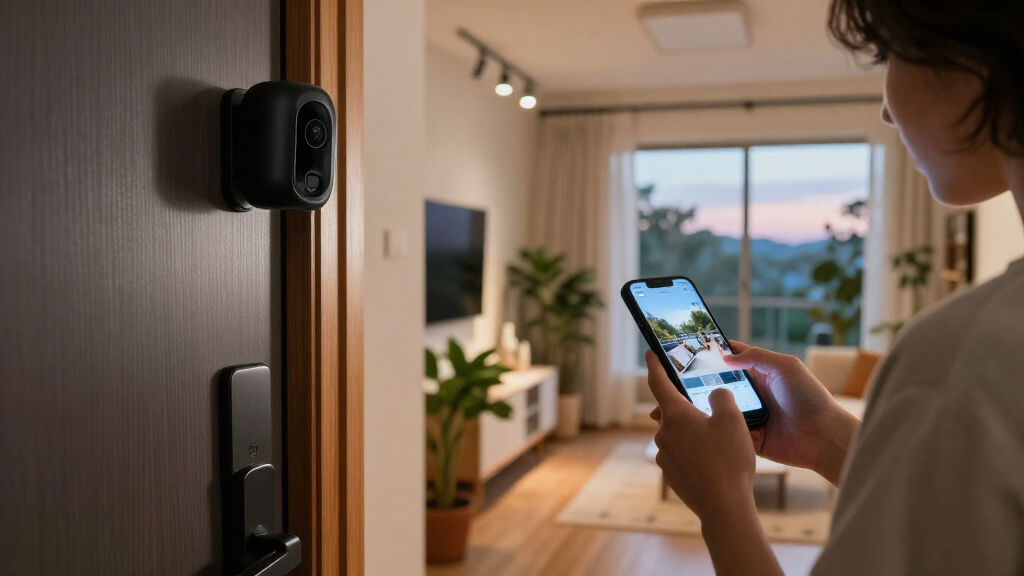

The best smart home security system for most homes is the Ring Alarm 14-Piece Wireless Security System, which offers a broad sensor setup for people who want a connected alarm system. The SimpliSafe 12-Piece System stands out for buyers who want an indoor camera alongside entry sensors, while the Reolink 16-Channel 4K System suits homes that need a dedicated, recorder-based camera setup. The main tradeoff is between easy-to-install alarm kits, camera systems built for wider coverage, and hybrid kits that may rely on cellular service or a subscription for certain functions. Match the system to your home layout, preferred monitoring approach, and tolerance for installation and upkeep. Read on for the full comparison, buying advice, and recommendations by household type.

Get the latest gadgets delivered free with Prime
- Fast, free delivery on millions of items
- Prime Video, Amazon Music and more included
- Member-only deals all year
Complete the kit



Key Takeaways
- Ring Alarm 14-Piece is the strongest all-around alarm pick: its larger sensor bundle suits households that need to cover several entry points, while the 5-piece and 8-piece Ring kits make more sense for smaller spaces.
- Camera systems and alarm systems solve different problems: Reolink and aosu focus on video coverage, while Ring and SimpliSafe center on entry sensors and alarm routines.
- Local recording changes the ownership tradeoff: Reolink’s included 4TB recorder offers a different storage approach from camera kits that may depend more heavily on app services or subscriptions.
- Kit size alone does not determine fit: the PGST, DEEPVIGLX, and touchscreen 24-piece kits offer many components, but buyers should verify sensor placement, network requirements, and support before choosing by piece count.
- There is no single best installation style: wireless sensor kits favor simpler setup, while Reolink’s PoE system calls for cabling but can suit buyers seeking a more permanent camera installation.
- Budget and expansion should be judged together: a smaller starter kit can be a better fit than a large bundle if it covers the home’s actual doors and windows and leaves room to add compatible devices.
| Ring Alarm 14-Piece Wireless Security System |  | Best for Larger Homes | Kit contents: Base station, 2 keypads, 8 contact sensors, 2 motion detectors, range extender | Recommended home size: 2–4 bedrooms | Base station backup: 24-hour rechargeable battery | VIEW LATEST PRICE | See Our Full Breakdown |
| SimpliSafe 8-Piece Wireless Home Security System | 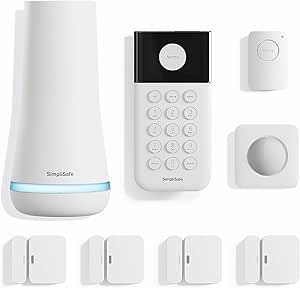 | Best for Easy Setup | Pieces: 8 | Included sensors and controls: 4 entry sensors, 1 motion sensor, 1 keypad, 1 panic button, 1 base station | Power source: Battery powered | VIEW LATEST PRICE | See Our Full Breakdown |
| aosu D1 Classic 4-Camera Wireless Outdoor Security Camera Kit with Solar Power | 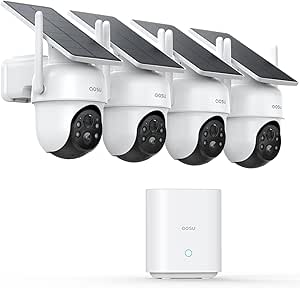 | Best for Subscription-Free Camera Coverage | Camera count: 4 | Video resolution: 2K / 3MP | Storage: 32GB local storage in aosuBase | VIEW LATEST PRICE | See Our Full Breakdown |
| Reolink 16-Channel 4K Security Dome Camera System with 4TB HDD |  | Best for Continuous Wired Recording | Video resolution: 4K (3840 × 2160), 8MP | Camera count: 8 | Channels: 16 | VIEW LATEST PRICE | See Our Full Breakdown |
| Ring Alarm 5-Piece Wireless Security System |  | Best Compact Alarm Starter Kit | Included components: Base station, keypad, contact sensor, motion detector, range extender | Connectivity: Ethernet, Wi-Fi, Z-Wave, Bluetooth for setup | Base station backup: Rechargeable 24-hour battery | VIEW LATEST PRICE | See Our Full Breakdown |
| SimpliSafe 12-Piece Wireless Home Security System with HD Indoor Camera |  | Best for Monitored Whole-Home Protection | Bundle size: 12 pieces | Included sensors: 5 entry sensors and 2 motion sensors | Camera: Indoor, 1080p HD, 120° field of view | VIEW LATEST PRICE | See Our Full Breakdown |
| PGST 22-Piece Wi-Fi and 4G Home Security System with 2K Camera |  | Best for Subscription-Free DIY Alerts | Included pieces: 22 | Camera resolution: 2K | Connectivity: 2.4 GHz Wi-Fi and 4G | VIEW LATEST PRICE | See Our Full Breakdown |
| eufy Security Camera System S4 Max, 4K Triple-Lens Bullet-PTZ, 4 Cameras |  | Best Premium Wired Camera System | Camera count: 4 | Video resolution: 4K wide-angle and 2K PTZ | Connectivity: Wired PoE | VIEW LATEST PRICE | See Our Full Breakdown |
| Reolink 16-Channel 12MP PoE Security Camera System with 4TB HDD |  | Best for High-Detail Multi-Camera Coverage | Included cameras: 8 | Video resolution: 12MP (4512 × 2512) | NVR channels: 16 PoE ports; expandable to 24 channels | VIEW LATEST PRICE | See Our Full Breakdown |
| tolviviov 8-Piece WiFi Home Alarm System with Door and Window Sensors |  | Best Simple Wireless Alarm Starter Kit | Kit contents: 1 siren station, 5 door and window sensors, 2 remote controls | Wi-Fi compatibility: 2.4 GHz; does not support 5 GHz | Expandable capacity: Up to 20 sensors and 5 remotes or keypads | VIEW LATEST PRICE | See Our Full Breakdown |
| DEEPVIGLX 22-Piece WiFi/GSM Home Security Alarm System |  | Best for Sensor Coverage | Model: G03 | Kit contents: Control panel, 3 motion sensors, 10 door/window contact sensors, 2 remote controls, 1 doorbell button, 3 RFID tags, 1 siren, 1 SOS button | Display: 2.4-inch TFT touchscreen | VIEW LATEST PRICE | See Our Full Breakdown |
| Wireless Home Alarm System with 4.3-Inch Touchscreen, Wi-Fi and GSM/4G, 24-Piece Kit |  | Best for Expandable Coverage | Kit contents: Touchscreen hub, 5 PIR motion detectors, 10 door/window sensors, 120 dB siren, SOS button, 3 remotes, 3 RFID keychains | Screen: 4.3-inch color touchscreen | Connectivity: 2.4 GHz Wi-Fi, 2G/4G | VIEW LATEST PRICE | See Our Full Breakdown |
| Blink Outdoor 4 and Wired Doorbell 2K+ Security Camera System, 3 Cameras, Black |  | Best for Camera-First Monitoring | Included devices: 3 Outdoor 4 cameras, Wired Doorbell 2K+, Sync Module Core | Outdoor camera resolution: 1080p HD | Doorbell resolution: 2K (1920 x 1920) | VIEW LATEST PRICE | See Our Full Breakdown |
| PGST 9-Piece Home Security System with Wi-Fi and 4G |  | Best No-Subscription Alarm Pick | Model: A04-H | Included components: Base station, keypad, 4 door/window sensors, 2 motion detectors, 2 remote controls | Connectivity: 2.4 GHz Wi-Fi and 4G | VIEW LATEST PRICE | See Our Full Breakdown |
| Ring Alarm 8-Piece Kit (2nd Gen) Home Security System |  | Best for Simple Starter Setups | Kit contents: Base station, keypad, 4 contact sensors, motion detector, range extender | Base station dimensions: 6.65 x 6.65 x 1.46 inches | Base station battery backup: Rechargeable, 24 hours | VIEW LATEST PRICE | See Our Full Breakdown |
| smart home security system | Connectivity |
|---|---|
| Ring Alarm 14-Piece Wireless S | Ethernet, Wi-Fi, Z-Wave, Bluetooth; cellular backup with subscription |
| SimpliSafe 8-Piece Wireless Ho | — |
| aosu D1 Classic 4-Camera Wirel | Wireless cameras connect to aosuBase; base connects to router by Ethernet |
| Reolink 16-Channel 4K Security | Wired PoE, Ethernet |
| Ring Alarm 5-Piece Wireless Se | Ethernet, Wi-Fi, Z-Wave, Bluetooth for setup |
| SimpliSafe 12-Piece Wireless H | Wireless, Wi-Fi, and cellular |
| PGST 22-Piece Wi-Fi and 4G Hom | 2.4 GHz Wi-Fi and 4G |
| eufy Security Camera System S4 | Wired PoE |
| Reolink 16-Channel 12MP PoE Se | Wired PoE |
| tolviviov 8-Piece WiFi Home Al | Wireless |
| DEEPVIGLX 22-Piece WiFi/GSM Ho | Wireless; Wi-Fi/GSM |
| Wireless Home Alarm System wit | 2.4 GHz Wi-Fi, 2G/4G |
| Blink Outdoor 4 and Wired Door | 2.4 GHz 802.11b/g/n Wi-Fi |
| PGST 9-Piece Home Security Sys | 2.4 GHz Wi-Fi and 4G |
| Ring Alarm 8-Piece Kit | Ethernet, Wi-Fi, Z-Wave, Bluetooth for setup |
More Details on Our Top Picks
Ring Alarm 14-Piece Wireless Security System
For a home with several entry points, this Ring kit is the most complete alarm-focused choice in this group. Eight contact sensors, two motion detectors, and two keypads give it broader room-by-room coverage than the Ring Alarm 5-Piece Wireless Security System, which is better suited to a smaller footprint or a starter setup. The app provides mobile alerts and system control, while the base station’s 24-hour battery backup can keep the alarm running through a temporary power outage. The kit also supports expansion, so coverage can grow with the home. The tradeoff is that professional monitoring and Alexa voice control depend on a compatible paid subscription; buyers seeking cameras and local video storage in one package should look at the aosu D1 Classic instead.
Pros:- Eight contact sensors and two motion detectors cover more entry points and rooms than the Ring 5-Piece kit.
- Two keypads give households more than one convenient point for arming and disarming.
- App-based alerts and controls support remote system management.
- The base station includes a rechargeable 24-hour battery backup.
Cons:- Professional monitoring and Alexa voice control require a compatible paid subscription.
- The larger sensor set may be unnecessary for smaller homes or apartments.
- This is an alarm system rather than an included camera-and-recording package.
Best for: Households with two to four bedrooms and multiple doors or windows to cover, especially those already using the Ring app.
Not ideal for: People who want professional monitoring or Alexa control without a subscription, or buyers who need a camera system in the same kit.
- Kit contents:Base station, 2 keypads, 8 contact sensors, 2 motion detectors, range extender
- Recommended home size:2–4 bedrooms
- Base station backup:24-hour rechargeable battery
- Connectivity:Ethernet, Wi-Fi, Z-Wave, Bluetooth; cellular backup with subscription
- Installation:Wall mount or place on a flat surface
- Base station dimensions:6.65 × 6.65 × 1.46 in
- Warranty:1-year limited warranty
Our verdict“Choose this Ring kit for broad alarm coverage across a multi-bedroom home; choose the Ring 5-Piece kit if you need a smaller starting setup.”
SimpliSafe 8-Piece Wireless Home Security System
This SimpliSafe kit suits buyers who want a straightforward alarm setup without wiring or drilling. Its four entry sensors, motion sensor, keypad, and panic button cover common security needs while keeping the package simpler than the Ring Alarm 14-Piece system. Alexa and Google Assistant compatibility also gives it broader stated voice-assistant support than the Ring kits, although some features and professional monitoring require a subscription. The base station’s 100 dB siren adds an audible alert at home, and its battery can last up to 24 hours. A key limitation is the motion sensor: it is described as designed for human detection, not pet detection, so homes with animals should check whether that fits their setup. Monitoring support is also limited to the US.
Pros:- Setup does not require wiring or drilling.
- Four entry sensors, a motion sensor, and a panic button cover several alarm needs in one kit.
- Works with Amazon Alexa and Google Assistant.
- The base station includes a 100 dB siren and up to 24 hours of battery life.
Cons:- Professional monitoring and some features require a subscription.
- Professional monitoring is offered and supported only in the US.
- The motion sensor is described as designed for human detection, not pet detection.
Best for: Renters and first-time alarm buyers who want a wireless setup with entry sensors, a panic button, and Alexa or Google Assistant compatibility.
Not ideal for: Homes with pets that may trigger a human-focused motion sensor, or buyers outside the US who need supported professional monitoring.
- Pieces:8
- Included sensors and controls:4 entry sensors, 1 motion sensor, 1 keypad, 1 panic button, 1 base station
- Power source:Battery powered
- Smart home compatibility:Amazon Alexa and Google Assistant
- Base station battery life:Up to 24 hours
- Base station siren:100 dB
- Motion sensor range and field of view:35 feet; 90 degrees
- Warranty:1-year limited manufacturer warranty
Our verdict“Choose SimpliSafe for a simple wireless alarm with assistant compatibility, but compare the Ring 14-Piece kit if your home needs substantially more sensors.”
aosu D1 Classic 4-Camera Wireless Outdoor Security Camera Kit with Solar Power
The aosu D1 Classic is the camera-first choice here: four outdoor cameras pair with a base that stores footage locally, so 32GB of storage and event recording do not require a subscription. That makes it a different kind of security system from the Ring Alarm 14-Piece, which centers on door, window, and motion sensors rather than included video coverage. Each camera offers 2K video, pan and tilt with automatic tracking, and solar power, reducing the need to run power cables to each location. The stated recording estimate is about 120 days, though actual retention depends on activity and recording conditions. Solar charging works best with around three hours of unobstructed direct sunlight daily. Cameras rely on the included aosuBase, and viewing is app-only, with no HDMI or TV output.
Pros:- Four 2K cameras provide outdoor video coverage, unlike the alarm-focused Ring 14-Piece kit.
- The aosuBase includes 32GB of local storage with no subscription requirement.
- Pan, tilt, and automatic tracking can follow movement across a wider area.
- Integrated solar panels reduce the need for separate power cables.
Cons:- Solar charging works best with about three hours of unobstructed direct sunlight daily.
- Live view is app-only; the base has no HDMI or TV output.
- The cameras are designed to work with the included aosuBase.
Best for: Homeowners who want several outdoor camera views, local event recording, and solar-powered cameras without a required storage subscription.
Not ideal for: Buyers who need a sensor-based alarm with keypads, a screen for live viewing, or shaded camera locations with limited sunlight.
- Camera count:4
- Video resolution:2K / 3MP
- Storage:32GB local storage in aosuBase
- Recording:Event-based, loop recording; about 120 days stated
- Night vision:Full color with spotlights or infrared black-and-white
- Field of view and movement:360° field of view; pan and tilt with automatic tracking
- Power and weather resistance:Integrated solar panel; IP65
- Connectivity:Wireless cameras connect to aosuBase; base connects to router by Ethernet
- Compatible assistants:Amazon Alexa, Google Assistant, SmartThings
Our verdict“Choose the aosu D1 Classic for solar-powered outdoor video and local storage; choose a Ring Alarm kit if entry sensors and keypad control matter more.”
Reolink 16-Channel 4K Security Dome Camera System with 4TB HDD
For buyers who prioritize recorded camera footage over a quick wireless install, this Reolink system offers eight wired 4K cameras and a 4TB NVR for continuous or motion-triggered recording. Its 16-channel recorder leaves room to add cameras later, while storage can expand up to 16TB. Person and vehicle detection helps distinguish common activity from less relevant motion, a useful contrast with the aosu D1 Classic’s wireless, solar-powered approach. The Reolink kit is better suited to a planned installation where cables can be run to camera locations; it is not as flexible to place or relocate. It also records at a stated mainstream rate of 20 fps, so buyers seeking higher frame rates should check that limitation before choosing it. Remote viewing and playback are available through the app.
Pros:- Eight 4K cameras provide detailed footage across multiple areas.
- The 4TB HDD supports continuous or motion-triggered recording.
- Person and vehicle detection can make alerts more specific.
- The 16-channel NVR and storage expansion up to 16TB leave room to grow.
Cons:- Wired PoE installation requires Ethernet cabling to camera locations.
- The stated mainstream frame rate is 20 fps.
- A fixed wired setup is less convenient to relocate than the solar-powered aosu D1 Classic.
Best for: Homeowners or small businesses planning a fixed camera installation who want continuous local recording and room to expand camera capacity.
Not ideal for: Renters or anyone who cannot run Ethernet cabling, and buyers who want solar-powered cameras that can be placed without a wired installation.
- Video resolution:4K (3840 × 2160), 8MP
- Camera count:8
- Channels:16
- Storage:4TB HDD; expandable up to 16TB
- Connectivity:Wired PoE, Ethernet
- Recording modes:24/7 or motion-triggered
- Night vision range:100 feet
- Detection:Person and vehicle
- Frame rate:Mainstream: 20 fps; substream: 10 fps
Our verdict“Choose this Reolink system for fixed, continuous 4K recording and expandable wired coverage; choose the aosu D1 Classic for a more flexible solar-powered setup.”
Ring Alarm 5-Piece Wireless Security System
This five-piece Ring kit is the simplest alarm entry point in the lineup: it includes a base station, keypad, contact sensor, motion detector, and range extender, with app alerts and controls. Compared with the Ring Alarm 14-Piece, it requires less planning and suits a home with only a few priority entry points, but it provides far less coverage out of the box. Expansion is available through additional sensors and accessories, although those are separate purchases. The base station has a rechargeable 24-hour battery backup, and the keypad supports Disarmed, Away, and Home modes. Professional monitoring and Alexa voice control require a compatible subscription, so this is less compelling for buyers who want those services without recurring fees. It also lacks the broader sensor count of the SimpliSafe 8-Piece kit.
Pros:- A compact kit provides the core components for a basic alarm setup.
- Ring app control and mobile notifications support remote system management.
- The system can be expanded with additional sensors and accessories.
- The base station includes a rechargeable 24-hour battery backup.
Cons:- Only one contact sensor and one motion detector are included, offering less coverage than the Ring 14-Piece kit.
- Additional sensors and accessories are sold separately.
- Professional monitoring and Alexa voice control require a compatible subscription.
Best for: Apartment dwellers, small-home owners, or Ring users who want a basic alarm setup for a few doors and one main room.
Not ideal for: Households needing coverage across many windows and rooms, or buyers who want a full sensor set without adding accessories.
- Included components:Base station, keypad, contact sensor, motion detector, range extender
- Connectivity:Ethernet, Wi-Fi, Z-Wave, Bluetooth for setup
- Base station backup:Rechargeable 24-hour battery
- Base station operating range:-4°F to 104°F (-20°C to 40°C)
- Base station dimensions:6.65 × 6.65 × 1.46 in
- Keypad security modes:Disarmed, Away, Home
- Keypad operating range:32°F to 104°F (0°C to 40°C)
- Warranty:1-year limited warranty
Our verdict“Choose this Ring kit for a compact starter alarm with room to expand; choose the Ring 14-Piece if you need broad coverage immediately.”
SimpliSafe 12-Piece Wireless Home Security System with HD Indoor Camera
For buyers who want an alarm system with room to cover several entry points, this SimpliSafe bundle pairs five entry sensors and two motion sensors with a keypad, key fob, panic button, and indoor camera. That broader mix makes it a more complete starting point than the tolviviov 8-Piece WiFi Home Alarm System, which centers on entry sensors and remotes. The camera adds 1080p video, night vision, and two-way audio, while the base station’s battery backup and 95 dB siren give the alarm some resilience during a power outage. Alexa and Google Assistant support also broaden control options. The tradeoff is that professional monitoring requires a subscription, and system support is limited to the US. I’d choose it for a sensor-rich alarm with optional monitoring, not for subscription-free service.
Pros:- Combines five entry sensors and two motion sensors with a camera, keypad, key fob, and panic button
- 1080p indoor camera includes night vision and two-way audio
- Base station has a 95 dB siren and up to 24 hours of battery backup
- Works with Alexa and Google Assistant and offers optional professional monitoring
Cons:- Professional monitoring requires a subscription
- System and monitoring support are limited to the US
Best for: US households that want multiple entry and motion sensors, an indoor camera, and the option to add professional monitoring without a long-term contract
Not ideal for: Buyers outside the US or households seeking professional monitoring without an ongoing subscription
- Bundle size:12 pieces
- Included sensors:5 entry sensors and 2 motion sensors
- Camera:Indoor, 1080p HD, 120° field of view
- Connectivity:Wireless, Wi-Fi, and cellular
- Base station backup:Up to 24 hours
- Siren:95 dB
- Compatibility:Amazon Alexa, Google Assistant, and Vera
Our verdict“Choose this SimpliSafe kit if you want broad sensor coverage and the option of professional monitoring; skip it if you need service outside the US or want monitoring without a subscription.”
PGST 22-Piece Wi-Fi and 4G Home Security System with 2K Camera
The PGST kit favors a large DIY sensor bundle and app-based alerts over the established monitoring option offered by the SimpliSafe 12-Piece Wireless Home Security System. Its 22 included pieces, 2K camera, and support for Smart Life and Tuya give buyers a flexible setup, while Wi-Fi and 4G alert options can help keep notifications flowing when home internet is unavailable. The advertised no-monthly-fee approach is appealing for people who want to manage alerts themselves, and Alexa voice control adds a familiar way to arm or check the system. The tradeoffs are practical: it only supports 2.4 GHz Wi-Fi, and the 4G SIM card and camera microSD card are separate purchases. I’d pick it for DIY coverage and self-managed alerts, not for buyers who want an out-of-box cellular connection or included camera storage.
Pros:- Includes 22 pieces, including a 2K camera and multiple sensors
- Supports app, phone, and SMS alerts through Wi-Fi and 4G
- No monthly fee after activation
- DIY installation and expandable sensor setup
Cons:- Does not support 5 GHz Wi-Fi
- 4G SIM card and camera microSD card are sold separately
Best for: DIY-minded households that want a large sensor bundle, app and SMS alerts, and no ongoing service fee
Not ideal for: Buyers whose router uses only 5 GHz Wi-Fi or who expect the cellular SIM and camera storage card to be included
- Included pieces:22
- Camera resolution:2K
- Connectivity:2.4 GHz Wi-Fi and 4G
- App compatibility:Smart Life and Tuya
- Alarm volume:120 dB
- Maximum range:1000 feet
- Camera storage:MicroSD card sold separately; supports up to 256 GB
- Warranty:1.5 years
Our verdict“Choose PGST for a large DIY system with self-managed alerts and no monthly fee, provided you’re comfortable supplying the SIM and storage card.”
eufy Security Camera System S4 Max, 4K Triple-Lens Bullet-PTZ, 4 Cameras
This eufy system is built around continuous camera surveillance, not the entry sensors and alarm controls found in the SimpliSafe 12-Piece Wireless Home Security System. Four triple-lens cameras combine a 4K wide view with a 2K pan-tilt-zoom camera, so the setup can cover a fixed scene and follow activity with auto-tracking and zoom. The NVR supports 24/7 recording, local AI features, and cross-camera tracking, with 2 TB of storage included; that local approach avoids requiring a subscription for the advertised AI features. Compared with the Reolink 16-Channel 12MP system, eufy emphasizes tracking and a mixed wide-angle/PTZ view rather than higher stated resolution and more included cameras. Its main cost is installation effort: wired PoE cabling is required, and expanding beyond eight channels calls for a PoE switch.
Pros:- Combines 4K wide-angle views with 2K PTZ auto-tracking and zoom
- NVR supports 24/7 recording, local AI features, and cross-camera tracking
- Includes 2 TB of storage and advertised local AI features without a subscription fee
- IP65 weatherproof cameras include two-way audio
Cons:- Wired PoE installation requires running network cabling
- Expanding the NVR beyond eight channels requires a PoE switch
Best for: Homeowners planning a wired multi-camera installation who want continuous local recording, tracking, and broad outdoor coverage
Not ideal for: Renters or DIY buyers who need a wireless alarm kit, simple placement, or coverage of doors with entry sensors
- Camera count:4
- Video resolution:4K wide-angle and 2K PTZ
- Connectivity:Wired PoE
- NVR channels:8, expandable to 16
- Storage:2 TB
- PTZ features:360° pan, 8× auto-zoom, and auto-tracking
- Weather resistance:IP65
- Night vision range:65 feet
Our verdict“Choose the eufy S4 Max for a fixed, locally recorded camera network with tracking, but not as a substitute for a wireless entry-sensor alarm.”
Reolink 16-Channel 12MP PoE Security Camera System with 4TB HDD
For buyers who prioritize detail across a larger camera network, this Reolink package includes eight 12MP PoE cameras and a 16-channel NVR with a 4 TB hard drive. That makes it a stronger fit for expansive camera coverage than the eufy Security Camera System S4 Max, which includes four cameras and focuses on PTZ tracking. Reolink adds person, vehicle, and pet detection, plus spotlight-assisted color night vision and two-way audio, so footage can carry more context than a basic motion clip. The NVR supports continuous, scheduled, and motion recording and can expand to 24 channels. This is a camera surveillance system rather than a complete smart alarm: there are no entry sensors or keypad listed. PoE cabling is required, and the default 20 fps frame rate is lower than some buyers may want for fast action.
Pros:- Eight cameras capture 12MP video
- Smart detection identifies people, vehicles, and pets
- Includes 4 TB HDD and supports motion, scheduled, and continuous recording
- Color night vision with spotlight and IR modes, plus two-way audio
Cons:- PoE installation requires cabling to each camera
- Default recording frame rate is 20 fps
Best for: Property owners who need detailed footage across many areas and want local recording with smart detection
Not ideal for: People seeking a wireless alarm with door sensors, a keypad, or simple camera installation without Ethernet cabling
- Included cameras:8
- Video resolution:12MP (4512 × 2512)
- NVR channels:16 PoE ports; expandable to 24 channels
- Storage:4 TB HDD
- Connectivity:Wired PoE
- Night vision range:100 feet
- Smart detection:People, vehicles, and pets
- Recording modes:Motion, scheduled, and 24/7
Our verdict“Choose Reolink for high-detail, multi-camera property coverage and local recording, but choose an alarm-focused kit if you need entry sensors or wireless setup.”
tolviviov 8-Piece WiFi Home Alarm System with Door and Window Sensors
tolviviov keeps the job straightforward: its kit pairs a siren station with five door and window sensors and two remote controls, with app alerts and voice control for everyday arming and monitoring. Compared with the SimpliSafe 12-Piece Wireless Home Security System, it leaves out a camera, motion sensors, and the listed professional monitoring option, but it also avoids a subscription fee. The system can expand to 20 sensors and five remotes or keypads, so buyers can start with key openings and add coverage later. Self-adhesive setup avoids tool-based installation, though the station still needs its AC adapter for normal operation. Its eight-hour backup battery is useful during a short outage, but offers less reserve than SimpliSafe’s stated 24 hours. It also requires 2.4 GHz Wi-Fi.
Pros:- Includes five door and window sensors and two remote controls
- App, remote, and voice control options
- Can expand to 20 sensors and five remotes or keypads
- Self-adhesive DIY setup and an emergency backup battery
Cons:- Only supports 2.4 GHz Wi-Fi
- Alarm station needs its AC adapter for operation, and backup lasts up to eight hours
- No camera or professional monitoring is listed
Best for: Renters or first-time alarm buyers who want a simple, subscription-free entry-sensor kit with app and remote controls
Not ideal for: Households that need a camera, motion detection, professional monitoring, or longer battery backup
- Kit contents:1 siren station, 5 door and window sensors, 2 remote controls
- Wi-Fi compatibility:2.4 GHz; does not support 5 GHz
- Expandable capacity:Up to 20 sensors and 5 remotes or keypads
- Backup battery:Up to 8 hours
- Connectivity:Wireless
- Control methods:App, remote, and voice
- Maximum range:100 meters
- Installation:Self-adhesive DIY setup without tools
Our verdict“Choose tolviviov for a basic, expandable entry alarm without a subscription, but pick SimpliSafe if camera coverage or professional monitoring matters.”
DEEPVIGLX 22-Piece WiFi/GSM Home Security Alarm System
The DEEPVIGLX kit is the strongest fit here for buyers who want to cover many doors and windows from one alarm hub: it includes 10 contact sensors alongside three motion sensors. That is broader entry-point coverage than the Ring Alarm 8-Piece Kit, which is better suited to a smaller starter setup. DEEPVIGLX also gives households several ways to arm or control the system, including its touchscreen, app, remotes, RFID tags, and voice control; the screen’s temperature and weather display adds convenience, though it is not a security advantage.
The tradeoff is that its stated maximum range is 50 feet, so a large or spread-out home may be a poor fit. The listing also names a lead-acid battery without clarifying backup runtime, and the included kit does not describe camera monitoring. I’d choose it for sensor-heavy alarm coverage, not as a substitute for a camera system.
Pros:- Ten door/window sensors provide broad entry-point coverage.
- Includes three motion sensors, remotes, RFID tags, a siren, and an SOS button.
- App, touchscreen, remote, and voice controls offer several ways to operate the alarm.
- Touchscreen displays temperature and weather alongside system controls.
Cons:- The stated maximum range is 50 feet, limiting suitability for larger layouts.
- The listed lead-acid battery type is unusual, and no backup runtime is provided.
- No camera is included for visual verification of alerts.
Best for: Households with many doors and windows to monitor that want a multi-control alarm kit without building a sensor set piece by piece.
Not ideal for: Owners of large or multi-level properties who need long sensor range, or buyers who want video monitoring included.
- Model:G03
- Kit contents:Control panel, 3 motion sensors, 10 door/window contact sensors, 2 remote controls, 1 doorbell button, 3 RFID tags, 1 siren, 1 SOS button
- Display:2.4-inch TFT touchscreen
- Connectivity:Wireless; Wi-Fi/GSM
- Control methods:App, remote, touch, voice
- Siren volume:120 dB
- Maximum range:50 feet
- Power:Battery powered; listed battery type: lead acid
Our verdict“Choose DEEPVIGLX if you need a large number of entry sensors and can keep the covered area within its stated range.”
Wireless Home Alarm System with 4.3-Inch Touchscreen, Wi-Fi and GSM/4G, 24-Piece Kit
This 24-piece alarm kit stands out for buyers who expect their sensor needs to grow. It arrives with five motion detectors and 10 door/window sensors, then supports expansion to as many as 100 sensors—more room to scale than the fixed starter setup of the Ring Alarm 8-Piece Kit. Its 4.3-inch touchscreen and app, remote, and RFID controls also make daily arming flexible, while battery backup can keep the hub operating through a power interruption.
Wi-Fi and 2G/4G connectivity broaden its alert options, but they do not make it independent of networks: app notifications still rely on connectivity, and SMS or voice-call alerts require a SIM card. The listed 500-meter range is a stated maximum, not a guarantee for every home layout. I’d favor this system when sensor expansion matters more than a familiar brand ecosystem or included video monitoring.
Pros:- Includes five motion detectors and 10 door/window sensors.
- Supports expansion up to 100 sensors and 10 RFID keychains.
- Battery backup helps the system remain powered during outages.
- Offers touchscreen, app, remote, and RFID control, plus Alexa and Google Assistant compatibility.
Cons:- SMS and voice-call notifications require a separately supplied SIM card.
- App alerts and monitoring depend on network connectivity.
- No camera is included for checking the cause of an alarm.
Best for: Homeowners planning to add sensors over time, especially those who want a touchscreen hub and backup power in a self-installed alarm.
Not ideal for: Buyers who want camera-based verification in the box or expect SMS and call alerts without arranging a SIM card.
- Kit contents:Touchscreen hub, 5 PIR motion detectors, 10 door/window sensors, 120 dB siren, SOS button, 3 remotes, 3 RFID keychains
- Screen:4.3-inch color touchscreen
- Connectivity:2.4 GHz Wi-Fi, 2G/4G
- Control methods:Touchscreen, app, remote, RFID card
- Compatible assistants:Alexa, Google Assistant
- Maximum range:500 meters
- Battery backup:Yes
- Expandable capacity:Up to 100 sensors and 10 RFID keychains
Our verdict“Pick this kit if you want a sizable alarm setup with substantial room to add sensors as your home’s coverage needs change.”
Blink Outdoor 4 and Wired Doorbell 2K+ Security Camera System, 3 Cameras, Black
Unlike the alarm-centered DEEPVIGLX and PGST kits, this Blink bundle prioritizes video coverage and visitor communication. Three Outdoor 4 cameras cover exterior areas, while the Wired Doorbell 2K+ adds sharper door-level footage and two-way audio. That combination makes it easier to see who is at the entrance or check activity around the home, rather than relying mainly on a siren and sensor alert. The Outdoor 4 cameras’ stated battery life of up to two years can also reduce routine battery changes, though actual life varies with use and conditions.
The tradeoff is that this is not a full entry-alarm kit: it does not list contact sensors, a keypad, or a siren. Person and vehicle detection and cloud storage beyond the trial require a subscription, so ongoing video features are less self-contained than the no-subscription PGST A04-H alarm. I’d pick Blink for camera visibility, not for sensor-based intrusion coverage.
Pros:- Bundles three outdoor cameras with a 2K wired video doorbell.
- Doorbell supports two-way audio for speaking with visitors remotely.
- Outdoor 4 cameras have a stated battery life of up to two years, depending on use and conditions.
- Includes a Sync Module Core, mounting hardware, and Alexa compatibility.
Cons:- Does not include an alarm hub, keypad, contact sensors, or siren.
- Person and vehicle detection features require a separate subscription.
- Cloud video storage beyond the trial requires a subscription.
Best for: Households that want multiple outdoor camera views and a video doorbell, with Alexa integration and two-way audio.
Not ideal for: Buyers seeking a conventional alarm with door/window sensors, keypad arming, or video storage and detection features without a subscription.
- Included devices:3 Outdoor 4 cameras, Wired Doorbell 2K+, Sync Module Core
- Outdoor camera resolution:1080p HD
- Doorbell resolution:2K (1920 x 1920)
- Field of view:Outdoor 4: 143° diagonal; doorbell: 140° horizontal and 140° vertical
- Connectivity:2.4 GHz 802.11b/g/n Wi-Fi
- Audio:Two-way audio
- Outdoor camera battery life:Up to two years; varies with settings, use, and environment
- Operating temperature:-4°F to 113°F (-20°C to 45°C)
Our verdict“Choose Blink if seeing outdoor activity and speaking to visitors matter more than having a sensor-and-siren alarm kit.”
PGST 9-Piece Home Security System with Wi-Fi and 4G
The PGST A04-H is the most straightforward choice in this group for buyers who want a sensor-based alarm without monthly subscription charges. Its nine-piece setup includes a base station, keypad, four entry sensors, two motion detectors, and two remotes—enough to establish basic coverage in a smaller home. Wi-Fi and 4G connectivity with automatic network switching offer another route for alerts if one connection is unavailable, while app and Alexa controls add convenience. Compared with the expandable 24-piece alarm, this package is smaller and less suited to extensive sensor coverage, but its no-subscription positioning is clearer.
The system is still an alarm rather than a camera solution: PGST cameras are sold separately, so alerts do not provide video confirmation from the included kit. Wi-Fi operation also requires 2.4 GHz service. I’d choose it for a compact, self-installed alarm setup, not for buyers who need broad coverage or built-in visual monitoring.
Pros:- Includes four door/window sensors, two motion detectors, and two remotes.
- Supports both 2.4 GHz Wi-Fi and 4G with automatic network switching.
- Provides app alerts and Alexa voice control.
- No monthly fees or subscription charges are listed.
Cons:- PGST cameras for visual monitoring are sold separately.
- Wi-Fi connectivity requires a 2.4 GHz network.
- The nine-piece kit offers less initial sensor coverage than the 24-piece alarm in this roundup.
Best for: People in smaller homes who want a basic app-controlled alarm with entry and motion sensors, 4G connectivity, and no monthly subscription charges.
Not ideal for: Owners of larger properties needing many included sensors, or buyers who want cameras bundled for visual alert checks.
- Model:A04-H
- Included components:Base station, keypad, 4 door/window sensors, 2 motion detectors, 2 remote controls
- Connectivity:2.4 GHz Wi-Fi and 4G
- Control methods:App, push button, remote, voice
- Compatible devices:Alexa, Google, smartphone, tablet, personal computer
- Installation:Self-adhesive
- Dimensions:7 x 3.1 x 3 inches
- Subscription charges:No monthly fees or subscription charges listed
Our verdict“Choose PGST if a smaller sensor-based alarm with app control and no monthly subscription charges fits your home better than a camera bundle.”
Ring Alarm 8-Piece Kit (2nd Gen) Home Security System
Ring’s 8-piece kit is a sensible starting point for a one- or two-bedroom home where the priority is a familiar, manageable alarm layout rather than a large sensor bundle. It includes four contact sensors, a motion detector, keypad, base station, and range extender; that is a more compact setup than the DEEPVIGLX 22-Piece kit, which supplies many more sensors and controls. Ring also supports mobile alerts through its app, and its base station offers 24-hour rechargeable battery backup for a power interruption.
The smaller kit keeps setup focused, but buyers with more doors or rooms may need extra accessories, sold separately. Optional professional monitoring and some remote features require a compatible Ring subscription, so the included hardware does not provide every service on its own. I’d favor Ring for buyers who want a basic alarm from a recognizable app ecosystem; those seeking camera coverage in the same box should look at the Blink bundle instead.
Pros:- Includes a base station, keypad, four contact sensors, motion detector, and range extender.
- Designed for a compact one- or two-bedroom setup.
- Ring app provides mobile alerts and device monitoring.
- Base station has rechargeable battery backup rated for 24 hours.
Cons:- Professional monitoring and some remote features require a compatible subscription.
- Additional sensors and accessories are sold separately.
- Does not include cameras for visual verification.
Best for: Residents of one- or two-bedroom homes who want a compact alarm kit with app alerts and the option to add professional monitoring.
Not ideal for: People who need many sensors from the outset or want all remote and monitoring features without a compatible subscription.
- Kit contents:Base station, keypad, 4 contact sensors, motion detector, range extender
- Base station dimensions:6.65 x 6.65 x 1.46 inches
- Base station battery backup:Rechargeable, 24 hours
- Connectivity:Ethernet, Wi-Fi, Z-Wave, Bluetooth for setup
- Keypad security modes:Disarmed, Away, Home
- Keypad dimensions:4.13 x 4.41 x 0.75 inches
- Warranty:1-year limited warranty
Our verdict“Pick the Ring 8-Piece Kit for a straightforward small-home alarm that can grow later, provided you accept the subscription limits on some services.”

How We Picked
I ranked these 15 smart home security systems by how well each matches a clear household need, not by the number of parts in its box. I weighed the balance of alarm sensors and cameras, the likely setup burden, how the system handles recording and connectivity, and whether the package appears suited to a small home, a larger property, or targeted outdoor coverage. I also separated full camera systems from alarm kits: they serve related but different security tasks, so I did not treat a high camera resolution as a substitute for entry sensors.
The ordering favors useful coverage, understandable day-to-day operation, and a credible role over headline specifications. Larger Ring and SimpliSafe kits rank ahead of their smaller siblings for whole-home coverage, while Reolink earns a distinct place for buyers who want recorder-based video surveillance. Compact or less-established alarm bundles remain relevant for specific budgets and setups, but their connectivity, app support, compatibility, and monitoring terms deserve closer checking before purchase.
Factors to Consider When Choosing Smart Home Security Systems
Before choosing from these smart home security systems, decide what you need the system to do when nobody is home. A door alarm, a camera recording setup, and a professionally monitored alarm are not interchangeable, even when each is called a security system. The following factors can help prevent buying a large kit that misses the home’s actual weak points.
Choose Between Entry Sensors, Cameras, and Both
Start by listing the doors, accessible windows, and outdoor approaches you want covered, then decide whether you need alerts, recorded evidence, or both. Entry sensors detect opening, while cameras show activity in their field of view; one cannot reliably replace the other. A camera-only setup may leave a quiet entrance unmonitored, and an alarm-only kit may not provide useful footage after an alert. Avoid paying for multiple cameras pointed at the same area if a sensor would cover another entry point. For many homes, a modest alarm kit paired with carefully placed cameras is more practical than treating either category as a complete solution.
Map the System to the Home’s Layout
Count the openings that matter and note where a hub, router, power outlet, and camera can realistically sit. Piece counts can be misleading: a kit may include accessories or several sensors for one room while leaving another entrance uncovered. Wireless alarm kits are generally easier to place, but thick walls and distance from the hub can affect communication. PoE camera systems trade simpler placement for cabling and a more fixed installation, so plan cable routes before buying. Check whether the system can expand with compatible sensors or cameras rather than assuming a larger box automatically offers better coverage.
Check Recording, Monitoring, and Ongoing Requirements
Separate three questions: where video is stored, who responds to an alarm, and which features require an ongoing service. Local recorder storage, cloud video history, self-monitoring, and professional monitoring offer different privacy and convenience tradeoffs. A system may send basic alerts without a plan yet restrict video history or other features behind a subscription. Read the current service terms and confirm what happens if internet access drops or a paid plan ends. Do not assume cellular backup means professional response; it may only keep the system connected.
Treat Connectivity as a Reliability Decision
Most connected systems need a working network for app access, remote alerts, or video features, but the exact fallback varies by model. Wi-Fi and cellular support are not the same safeguard: cellular connectivity can help during an internet outage, while a battery backup addresses loss of household power. Ask which functions continue locally if either service fails and whether the system needs a SIM, service plan, or separate hub. Also check that the app and devices support the phones and smart-home platforms your household already uses. A clear answer here matters more than adding another sensor to the kit.
Plan for Daily Use and Household Routines
A system only helps when household members can arm it, disarm it, and respond to alerts without confusion. Think through entry and exit routines, pets moving near sensors, guests, and who needs app access. Simple controls and predictable alerts can matter more than advanced features that are hard to configure or generate frequent false alarms. Check whether cameras have privacy controls and whether notifications can be tailored by device or time. If several people will use the system, favor clear permissions and a setup process that does not depend on one person managing every routine.
Budget for Installation and Long-Term Ownership
The purchase decision includes more than the initial kit: include any monitoring, storage, mounting, cabling, replacement batteries, and network upgrades you may need. Pay more when the added capability solves a real gap, such as a recorder for continuous local video or a larger sensor pack for many entry points. A high-spec camera is wasted if its view is blocked, while a large alarm bundle can leave unused devices in a drawer. For permanent installations, account for the time and skill needed to route cables or mount outdoor equipment. Compare the complete setup you will actually maintain, not just the feature list on the box.
Frequently Asked Questions
Should I choose an alarm kit or a camera system for a house?
Choose based on the problem you need to solve first. An alarm kit is centered on detecting entry through door and window sensors, while a camera system is built to capture video across selected areas. If you need both an alert when a door opens and footage of an outdoor approach, a combined setup may be more useful than asking one product type to do both jobs. Check whether the camera system includes any entry sensors and whether the alarm kit includes video; do not infer either from the word “security.” The right mix depends on entrances, sightlines, and how you plan to respond to alerts.
Do I need professional monitoring, or can I monitor the system myself?
Self-monitoring can suit people who can reliably check phone alerts and decide what action to take. Professional monitoring adds a response service, but it may involve a recurring plan and does not remove the need to configure the system correctly. Confirm which events trigger a response, what happens if you miss a notification, and whether the service is available where you live. Also check whether core alarm functions remain available without a subscription. Choose the arrangement that fits your routines rather than assuming every connected alarm automatically contacts emergency services.
Is local video storage better than cloud storage?
Neither option is best for every household. Local storage can reduce reliance on cloud video plans and may suit buyers who want recordings kept on a recorder they control, as with the Reolink systems in this roundup. Cloud storage can make footage easier to access remotely, but its availability and retention rules may depend on a subscription and internet connection. Check whether recordings remain accessible during an outage, how long they are kept, and what happens if the recorder or camera is damaged. Privacy preferences and maintenance comfort should guide the choice alongside storage capacity.
Will a wireless security system keep working during an internet or power outage?
That depends on the system’s backup design and which functions you expect to keep. Battery backup, cellular connectivity, and local recording address different failures: one may keep a hub powered, another may provide a communication path, and another may preserve footage locally. A Wi-Fi-only device can lose remote access when the router or internet connection fails, even if its battery remains charged. Check the product’s outage behavior and any cellular service requirements before relying on it. If outages are common, favor a setup with backups matched to the specific risks in your area.
How many sensors or cameras should I buy at the start?
Buy for the entrances and viewing areas you can identify now, then leave room to expand if the system supports compatible devices. Coverage matters more than the largest bundle: list ground-floor doors, accessible windows, and outdoor approaches before comparing piece counts. Avoid placing multiple cameras where their views overlap while another important path remains uncovered. For alarms, remember that sensors are attached to particular openings, not assigned automatically to every room. A smaller, well-planned kit can be a better starting point than a larger package with components you cannot use effectively.
Conclusion
For most households, I recommend the Ring Alarm 14-Piece Wireless Security System as the best overall choice because its larger sensor bundle suits broader entry coverage. The best value depends on how much of the kit you will use: the Ring 5-Piece or 8-Piece is a more sensible starting point for a smaller home, while the SimpliSafe 8-Piece keeps the setup focused. For beginners who want a familiar wireless alarm format with room to cover multiple entry points, I would start with Ring or SimpliSafe and choose the bundle that matches the layout. For a premium camera-focused setup, compare Reolink’s recorder-based 4K and 12MP PoE systems, accepting the extra installation work in exchange for a more permanent camera arrangement. Choose aosu for targeted solar-powered outdoor coverage, Blink for a camera-and-doorbell combination, or a cellular-capable PGST kit if connectivity backup is a priority—after checking service, compatibility, and app support. The best system is the one whose coverage, recording approach, and daily operation fit your home without adding devices or services you do not need.
Halloween Picks
halloween
As an affiliate, we earn on qualifying purchases.