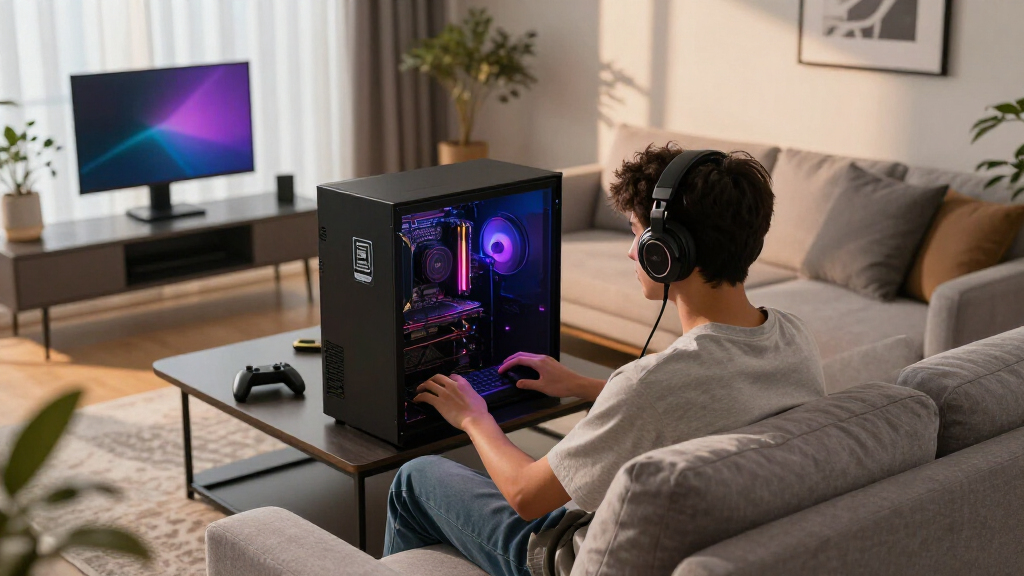

When choosing the best Intel gaming CPUs in 2026, you’re balancing raw performance, core counts, and price. The Intel Core i9-14900K stands out for its top-tier speed and gaming power, while the Intel Core i7-13700K offers a balanced mix of performance and value suitable for most gamers. The main tradeoffs often involve higher costs versus incremental performance gains, particularly in multi-core productivity versus gaming-centric tasks. Keep reading to see how these options compare and which best fit your gaming needs.

Get the latest gadgets delivered free with Prime
- Fast, free delivery on millions of items
- Prime Video, Amazon Music and more included
- Member-only deals all year
Complete the kit



Key Takeaways
- High core counts, like 20 cores in some models, primarily benefit multitasking and streaming, but may not significantly improve gaming performance over fewer cores.
- Unlocked processors with K-series chips generally offer better overclocking potential, providing extra performance for enthusiasts.
- Integrated graphics presence varies; models with integrated graphics can save cost if no dedicated GPU is used, but are less ideal for gaming.
- Price does not always correlate directly with gaming performance; some mid-tier CPUs deliver excellent value for most gamers.
- Thermal and power considerations are critical, especially in high-end models, impacting cooling solutions and overall system stability.




More Details on Our Top Picks
Intel Core Ultra 7 Processor 270K Plus, 24 Cores (8 P-cores + 16 E-cores), up to 5.5 GHz
The Intel Core Ultra 7 270K Plus stands out for its impressive core count and high turbo frequency, making it ideal for demanding gaming, content creation, and overclocking. Unlike the Intel Core i9-14900K, which offers a slightly higher max clock speed, this processor provides a more flexible platform for enthusiasts willing to invest in high-end motherboards and cooling solutions. Its support for DDR5 and PCIe 5.0 ensures future-proof performance, but its high power draw and cost make it less suitable for casual gamers or budget builds. The unlocked design allows extensive overclocking, which can maximize performance but requires advanced cooling and stability tuning.
Pros:- High core count for multitasking and demanding workloads
- Supports latest DDR5 memory and PCIe 5.0 for future upgrades
- Unlocked for overclocking and performance tuning
- Turbo frequency up to 5.5 GHz for responsiveness
Cons:- Requires high-end motherboard and cooling solutions
- High power consumption (up to 250W turbo)
- Expensive for non-enthusiast users
Best for: Overclockers and high-end gaming enthusiasts seeking maximum cores and future-proof features
Not ideal for: Casual gamers or budget-conscious buyers who prioritize affordability and lower power consumption
- Cores:24 (8 P-cores + 16 E-cores)
- Max Turbo Frequency:5.5 GHz
- Socket:LGA1851
- Memory Support:DDR5 up to 7200 MT/s
- Power:125W base, 250W turbo
Our verdict“This CPU makes the most sense for dedicated overclockers and enthusiasts who want cutting-edge performance and are prepared for the investment.”
Intel Core i9-14900K Desktop Processor
The Intel Core i9-14900K combines a high core count with a top clock speed of 6.0 GHz, making it an excellent choice for gamers who also do intensive creative work. Compared to the Intel Core Ultra 7 270K Plus, it offers similar core architecture but benefits from Intel’s latest generation improvements and a higher boost clock, translating into slightly better gaming and single-threaded performance. Its support for both DDR4 and DDR5 adds flexibility, but its premium price and power demands mean it’s best suited for high-end builds rather than budget setups. The integrated UHD Graphics 770 provides fallback visuals, though gamers will typically pair it with a discrete GPU for optimal performance.
Pros:- High core and thread count for demanding multitasking
- Max clock speed of 6.0 GHz for excellent gaming responsiveness
- Supports both DDR4 and DDR5 memory
- Includes integrated graphics as a fallback
Cons:- Requires a high-end compatible motherboard and cooling
- Higher power consumption and cost
- Premium price point may be prohibitive for some
Best for: High-end gamers and creators who want top-tier performance and flexibility
Not ideal for: Budget builders or users seeking lower power consumption and affordability
- Cores:24 (8 P-cores + 16 E-cores)
- Threads:32
- Max Clock Speed:6.0 GHz
- Graphics:Intel UHD Graphics 770
- Memory Support:DDR4 and DDR5
- Compatible Chipsets:Intel 600-series and 700-series
Our verdict“This CPU suits gamers and creators wanting top performance with flexible memory options and willing to invest in premium components.”
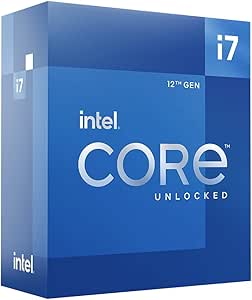
Intel Core i7-12700KF Desktop Processor, 12 Cores (8 Performance + 4 Efficiency), up to 5.0 GHz, Unlocked
The Intel Core i7-12700KF offers a balanced mix of performance and efficiency with its 12 cores and up to 5.0 GHz turbo. Compared to the Intel Core i7-13700KF, which has more cores and slightly higher clock speeds, this model is often more affordable and still provides excellent gaming performance thanks to its high-performance cores. Its lack of integrated graphics means you’ll need a discrete GPU, but this can be a plus for gamers who prefer dedicated graphics cards. The architecture’s efficiency cores help improve power management, though at 125W, it still demands good cooling and a compatible motherboard, limiting some upgrade paths.
Pros:- Solid performance with 12 cores and high turbo speeds
- Supports overclocking for extra performance
- Efficiency cores improve power management
- Affordable relative to higher-end options
Cons:- Requires a compatible LGA1700 motherboard
- No integrated graphics included
- Higher power draw at full load
Best for: Mid-range gamers seeking strong performance without the premium price of higher core count models
Not ideal for: Enthusiasts needing maximum cores or integrated graphics for troubleshooting
- Cores:12 (8 P-cores + 4 E-cores)
- Base Clock:3.60 GHz
- Turbo Boost:up to 5.0 GHz
- Socket:LGA1700
- Cache:11 MB L2, 25 MB L3
- Power Consumption:125W
Our verdict“This processor offers great value for gamers wanting high performance without stepping into enthusiast territory.”
Intel Core i7-13700KF Gaming Desktop Processor, 16 Cores (8 P-cores + 8 E-cores), Unlocked
The Intel Core i7-13700KF excels in gaming and multitasking with its 16 cores and up to 5.4 GHz boost, making it suitable for high-end gaming rigs and productivity setups. Compared to the Core i7-12700KF, it features more cores and a higher turbo ceiling, translating into better performance in both gaming and multitasking. Its support for PCIe 5.0 and Turbo Boost Max Technology 3.0 enhances responsiveness and bandwidth, but the lack of included thermal solutions means you’ll need to budget for cooling. The requirement for BIOS updates on some motherboards can also add complexity for builders.
Pros:- 16 cores (8 P-cores + 8 E-cores) for multitasking
- Turbo speeds up to 5.4 GHz for gaming responsiveness
- Supports PCIe 5.0 and advanced technologies
- Unlocked for overclocking
Cons:- No included thermal solution, needs separate cooling
- Requires BIOS update on some boards
- Discrete GPU needed for gaming performance
Best for: Gamers demanding high core counts and overclocking potential for multitasking and streaming
Not ideal for: Casual users or those on a strict budget who don’t want to invest in cooling solutions
- Cores:16 (8 P-cores + 8 E-cores)
- Threads:24
- Max Turbo Frequency:5.4 GHz
- Cache:30 MB
- Memory Support:DDR4 & DDR5
- Socket Compatibility:Intel 600/700 series
Our verdict“Ideal for gamers and streamers who want high core counts and overclocking headroom for demanding multitasking.”
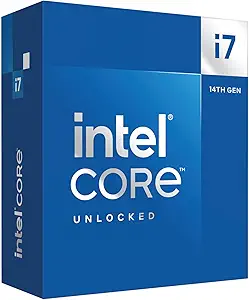
Intel Core i7-14700K 14th Gen Gaming Desktop Processor, 20 Cores, Unlocked
The Intel Core i7-14700K leads with 20 cores and up to 5.6 GHz, offering exceptional performance for gaming and multitasking. Its combination of performance and efficiency cores, along with support for DDR4 and DDR5, makes it a versatile pick for enthusiasts aiming for a future-proof system. Compared to the Core i9-14900K, it provides similar core counts with slightly lower clock speeds but at a more accessible price point, making it appealing for high-end gaming without the premium cost. Its integrated UHD Graphics 770 adds fallback options, although most gamers will pair it with a dedicated GPU for maximum frame rates. The high power demand also necessitates robust cooling and power supply considerations.
Pros:- 20 cores (8 P-cores + 12 E-cores) for multitasking and gaming
- Turbo speeds up to 5.6 GHz for responsiveness
- Supports DDR4 and DDR5 memory platforms
- Unlocked for overclocking
Cons:- High power consumption requiring strong cooling
- Premium price for high core count
- Requires compatible motherboard with BIOS updates
Best for: Enthusiasts building a future-proof gaming rig with high core counts and overclocking potential
Not ideal for: Casual gamers or users who prefer integrated graphics without discrete GPU dependency
- Cores:20 (8 P-cores + 12 E-cores)
- Threads:28
- Max Turbo Frequency:5.6 GHz
- Integrated Graphics:Intel UHD Graphics 770
- Support:DDR4 & DDR5
- Socket:600/700 series
Our verdict“This CPU suits power users wanting cutting-edge cores and speeds, especially for future-ready gaming setups.”
Intel Core Ultra 9 Processor 285K, 24 Cores (8 P-cores + 16 E-cores), Up to 5.7 GHz
The Intel Core Ultra 9 285K stands out for its massive 24-core design, making it ideal for demanding gaming, streaming, and content creation. Compared with the Intel Core i9-12900K, it offers more cores and supports PCIe 5.0 & DDR5 memory, which future-proofs high-end builds. However, this processor comes with a high power draw at 125W and requires a compatible LGA 1851 motherboard, adding to total build costs. Its unlocked design allows overclocking, but the absence of a bundled thermal solution means buyers must invest separately in cooling. This choice makes the most sense for users who need raw multi-threaded power along with high-speed connectivity, and who are prepared for a premium setup.
Pros:- Unmatched core and thread count for multitasking and demanding workloads
- Supports PCIe 5.0 & DDR5 for maximum future compatibility
- Unlocked for overclocking and performance tuning
- Includes integrated graphics for basic display needs
Cons:- No thermal solution included, requiring separate cooling investment
- High power consumption at 125W, demanding robust cooling and power supply
Best for: Enthusiasts, creators, and gamers pushing demanding workloads with a high budget for future-proofing.
Not ideal for: Casual gamers or budget-conscious builders who won’t utilize the extensive core count or need integrated graphics.
- Processor Series:Core i9
- Processor Speed:5.7 GHz
- Processor Socket:LGA 1851
- Secondary Cache:36 MB
- Wattage:125 watts
- Core Count:24
Our verdict“Best suited for high-end users seeking maximum performance and future-proofing, despite higher costs and complexity.”
Intel Core i7-14700KF Desktop Processor, 20 Cores, Unlocked, Up to 5.6 GHz
The Intel Core i7-14700KF offers a compelling blend of high core count and overclocking potential at a more accessible price point compared to the Core i9-12900KS. Its 20 cores (including P-cores and E-cores) and a turbo speed up to 5.6 GHz provide excellent gaming responsiveness and multitasking. Unlike the i9-12900KS, it lacks integrated graphics, so a discrete GPU is essential, which could be a downside for users seeking an all-in-one solution. It supports both DDR4 and DDR5 memory, giving builders flexibility, but the absence of a boxed cooling solution means extra investment. This processor is ideal for gamers who want high overclocking headroom without paying premium for the top-tier CPU.
Pros:- High core and thread count with overclocking capability
- Supports both DDR4 and DDR5 memory for flexibility
- Unlocked for maximum overclocking potential
- Strong turbo speeds up to 5.6 GHz
Cons:- Requires a discrete graphics card, adding to overall cost
- No integrated graphics, limiting use as a standalone system
Best for: Gaming enthusiasts and overclockers who want a high core count with flexible memory options and a lower price than flagship models.
Not ideal for: Casual gamers or users who prefer integrated graphics for simplified builds or budget constraints.
- Processor Series:Core i7
- Processor Speed:Up to 5.6 GHz
- Processor Socket:LGA 1700
- Secondary Cache:33 MB
- Wattage:125W
- Core Count:20
Our verdict“A strong choice for gamers and overclockers seeking high performance and flexibility without paying for top-tier flagship features.”
Intel Core i9-12900KS 12th Gen Gaming Desktop Processor with Integrated Graphics
The Intel Core i9-12900KS shines as a gaming powerhouse with its 16 cores and overclocking potential up to 5.5 GHz, making it a top contender for gamers who want raw speed. It includes integrated Intel UHD 770 graphics, offering basic display support without a dedicated GPU, which is ideal for troubleshooting or lightweight use. Compared to the i9-12900K, the KS variant is tuned for higher clock speeds, but it comes with a high power draw at 150W, requiring robust cooling solutions. This processor suits gamers seeking extreme performance with the convenience of integrated graphics in a premium package, but it’s less suited for those on a tight budget.
Pros:- High core and thread count suitable for gaming and multitasking
- Overclocking support up to 5.5 GHz for extra performance
- Includes integrated UHD 770 graphics for basic display needs
- High clock speeds tuned for gaming performance
Cons:- High power consumption at 150W demanding cooling and power supply
- Premium price point limits accessibility for budget builds
Best for: High-end gamers and overclockers aiming for maximum speeds, with integrated graphics as a bonus for troubleshooting.
Not ideal for: Casual gamers or those without a proper cooling setup, given the high power consumption and premium price.
- Processor Series:Core i9
- Processor Speed:2.5 GHz
- Processor Max Turbo Speed:5.5 GHz
- Core Count:16
- Thread Count:24
- Wattage:150 W
Our verdict“Ideal for gamers seeking top-tier clock speeds and overclocking with the convenience of integrated graphics, despite higher costs.”
Intel Core i9-12900K Gaming Desktop Processor with Integrated Graphics, 16 Cores, Up to 5.2 GHz
The Intel Core i9-12900K offers a balanced combination of high core count and overclocking headroom, making it a favorite for gamers who want to push their systems. Its 16 cores and support for up to 5.2 GHz turbo speeds deliver both responsiveness and raw power. The integrated Intel UHD 770 graphics provide a fallback option or basic display, but for serious gaming, a dedicated GPU remains necessary. Compared to the i9-12900KS, the K version consumes slightly less power and offers slightly lower clock speeds, but it remains a strong contender for performance-focused builds that favor overclocking flexibility and integrated graphics.
Pros:- Good balance of core performance and overclocking potential
- Includes integrated graphics for basic display purposes
- Supports high turbo speeds up to 5.2 GHz
- Compatible with LGA 1700 motherboards
Cons:- Requires discrete GPU for gaming at high settings
- High power consumption at 125W, requiring robust cooling
Best for: Gamers and performance enthusiasts seeking a versatile CPU with overclocking headroom and integrated graphics for troubleshooting or secondary displays.
Not ideal for: Budget builders or users who do not plan to overclock or need high-end integrated graphics.
- Processor Series:Core i9
- Processor Speed:3.2 GHz
- Processor Max Turbo Speed:5.2 GHz
- Core Count:16
- Thread Count:24
- Wattage:125W
Our verdict“A versatile high-performance CPU for gamers who value overclocking and integrated graphics for troubleshooting or secondary display needs.”
Intel Core i7-13700K Gaming Desktop Processor, 16 Cores (8 P-cores + 8 E-cores), Unlocked, with Integrated Graphics
The Intel Core i7-13700K offers a flexible mix of performance and value with its 16 cores and support for up to 5.4 GHz Turbo. Its hybrid architecture with P-cores and E-cores makes it well-suited for gaming alongside productivity, outperforming many previous generation CPUs in multitasking. Unlike the i7-14700KF, it includes integrated Intel UHD Graphics 770, making it more suitable for builds that benefit from integrated visuals without a dedicated GPU. Supported on both DDR4 and DDR5 platforms, it provides a stepping stone for gamers needing high responsiveness without the expense of the absolute top-tier CPUs, though it may be less overclockable than the ‘K’ models.
Pros:- Strong performance with hybrid core design
- Supports both DDR4 and DDR5 memory for flexibility
- Unlocked for overclocking potential
- Includes integrated graphics for troubleshooting and secondary displays
Cons:- No thermal solution included, requiring separate cooling
- Slightly lower overclocking headroom compared to ‘KF’ variants
Best for: Gaming and multitasking users who want high performance without fully committing to the latest platform or premium price.
Not ideal for: Casual users or those who plan to use only integrated graphics for gaming without a discrete GPU.
- Processor Series:Core i7
- Processor Speed:Up to 5.4 GHz
- Processor Cores:16 (8 P-cores + 8 E-cores)
- Threads:24
- Cache:24 MB
- Socket:LGA 1700
Our verdict“A versatile CPU balancing gaming performance and multitasking, ideal for users seeking good value with integrated graphics support.”
Intel Core Ultra 7 Desktop Processor 265KF – 20 Cores up to 5.5 GHz
The Intel Core Ultra 7 265KF stands out for its massive 20-core configuration, blending 8 P-cores and 12 E-cores that excel in multitasking and demanding workflows. Compared with the Intel Core i9-14900KF, it offers a higher core count but at the expense of power consumption and motherboard compatibility. This makes it ideal for users who need raw processing muscle, like creators or professionals running complex simulations. However, the high power draw and requirement for a premium motherboard mean it isn’t suited for casual gamers or those with limited cooling capacity. Pros include its high core count, blazing up to 5.5 GHz, and compatibility with Intel 800 Series motherboards. Cons include potentially high power consumption and overkill for typical gaming. Verdict: This processor is best for power users who demand maximum cores and speed, regardless of power and cost.
Pros:- High core count for multitasking and demanding applications
- Maximum turbo speed of 5.5 GHz ensures fast performance
- Compatible with latest Intel 800 Series motherboards
Cons:- Potentially high power consumption
- Requires a high-end, compatible motherboard
Best for: Content creators and professionals running multitasking-heavy applications
Not ideal for: Casual gamers or users with limited power supply and cooling solutions
Our verdict“Best suited for users who need maximum processing power and can handle higher energy use and costs.”
Intel Core i9-14900KF Gaming Desktop Processor, 24 Cores (8 P-cores + 16 E-cores), Unlocked, Renewed
The Intel Core i9-14900KF with 24 cores offers an impressive balance of performance for gaming and intensive tasks. Its unlocked design makes it a prime candidate for overclockers seeking to push speeds beyond stock settings. Compared to the Core Ultra 7 265KF, it provides a higher core count tailored for gaming and overclocking, but being a renewed product introduces some uncertainty regarding warranty and longevity. This CPU suits gamers who want maximum core density and the flexibility to tune their system, but those wary of used parts or without a robust cooling setup should consider new units. Pros include its high core count, overclocking potential, and suitability for demanding gaming. Cons involve the renewal status and lack of original packaging, which could impact warranty. Verdict: This processor makes the most sense for gaming enthusiasts who are comfortable with renewed hardware and want maximum cores for overclocked performance.
Pros:- High core count ideal for gaming and multitasking
- Unlocked for overclocking flexibility
- Supports demanding workloads
Cons:- Renewed product may have warranty limitations
- No original packaging included
Best for: Overclocking enthusiasts and gamers seeking the highest core count
Not ideal for: Users who prefer new hardware with full warranty or budget-conscious buyers
Our verdict“Best for overclockers and gamers who prioritize maximum cores and are comfortable with used hardware.”
Intel Core i5-14600KF Desktop Processor, 14 Cores, Up to 5.3 GHz, Unlocked, Supports DDR4 & DDR5
The Intel Core i5-14600KF offers a compelling combination of 14 cores and a turbo speed up to 5.3 GHz, making it an excellent choice for gamers and productivity users alike. Compared to the Core i7-12700K, it supports both DDR4 and DDR5, providing flexibility for budget-conscious builders or those upgrading incrementally. Its high core and thread count deliver smooth gaming alongside multitasking, but at 250W, it demands a capable cooling solution. Unlike the i9-14900KF, it offers a more affordable route to high performance without the premium price tag. Pros include its versatile platform support, high turbo frequency, and unlocked design. Cons involve higher power consumption and the need for a discrete GPU. Verdict: This CPU is well-suited for gamers seeking excellent performance with platform flexibility and reasonable power requirements.
Pros:- Supports both DDR4 and DDR5 platforms for flexibility
- High turbo frequency of 5.3 GHz
- Unlocked for overclocking
Cons:- High power consumption at 250W
- Requires discrete graphics card for gaming
Best for: Mid-range gamers and PC builders looking for flexibility and strong performance
Not ideal for: Users needing extreme performance for rendering or heavy multitasking
Our verdict“Ideal for gamers who want a balanced, flexible CPU that can handle demanding titles and multitasking.”
Intel Core i9-12900KF Gaming Desktop Processor, 16 Cores (8P + 8E), Up to 5.2 GHz, Unlocked, LGA1700, 125W
The Intel Core i9-12900KF combines 16 cores with a mix of performance and efficiency cores, making it a versatile choice for gaming and productivity. Its 8P cores deliver high frame rates, while the 8E cores handle background tasks smoothly. Compared to the i7-12700K, it offers a higher core count and better multitasking capacity, with the added benefit of being unlocked for overclocking. Its 125W TDP ensures it runs efficiently without excessive heat, but it still requires a capable cooling system and a discrete GPU for gaming performance. This CPU strikes a good balance between power efficiency and high-end gaming performance. Pros include its 16-core design, overclocking ability, and efficient architecture. Cons involve the need for discrete graphics and high power at 125W. Verdict: This processor is best for gamers who want strong performance with efficient operation and overclocking potential.
Pros:- High-performance 16-core architecture
- Overclockable for extra tuning
- Efficient design minimizes power draw
Cons:- Requires discrete graphics card
- High power consumption at 125W
Best for: Gamers and multitaskers seeking high performance with efficiency
Not ideal for: Budget builders or those who prefer integrated graphics without discrete GPU dependency
Our verdict“A solid choice for gamers who prioritize performance, efficiency, and overclocking flexibility.”
Intel Core i7-12700K Processor with Integrated Graphics, 12 Cores (8P+4E), Up to 5.0 GHz, Unlocked, LGA1700, 125W
The Intel Core i7-12700K combines 12 cores with 8 performance and 4 efficiency cores, reaching up to 5.0 GHz. Its inclusion of integrated Intel UHD Graphics makes it a flexible option for builds without a discrete GPU or for troubleshooting. Compared with the i5-14600KF, it offers a slightly higher cache and a more balanced core setup for a broader range of tasks. Its unlocked design allows for overclocking, making it suitable for gamers and creators who want flexibility. However, to achieve optimal gaming performance, a dedicated GPU remains necessary, and at 125W, it needs a good cooling solution. Pros include its integrated graphics, overclocking capability, and balanced core setup. Cons involve higher power draw and requirement for a compatible motherboard. Verdict: This CPU makes sense for users who want a versatile, overclockable processor capable of both gaming and general use, especially if they prefer built-in graphics.
Pros:- Includes integrated Intel UHD Graphics
- Unlocked for overclocking
- Balanced core and thread count for gaming and productivity
Cons:- Requires a compatible LGA1700 motherboard
- High power consumption at 125W
Best for: Gamers and users seeking a versatile CPU with integrated graphics and overclocking options
Not ideal for: High-end overclockers or users requiring maximum core count for heavy workloads
Our verdict“Best for versatile users who want a capable CPU with integrated graphics and overclocking potential.”
How We Picked
Our selection process focused on performance benchmarks relevant to gaming, core and thread counts, overclocking capabilities, and value for money. We also considered build quality, power efficiency, and compatibility with current motherboards to ensure practical usability. The ranking aims to highlight options for different budgets and gaming priorities, from high-end enthusiasts to budget-conscious gamers. We excluded outdated models and prioritized CPUs that offer a clear performance advantage in modern game titles, ensuring each choice provides meaningful benefits to the buyer.
Factors to Consider When Choosing Best Intel Gaming CPUs
Choosing the right Intel CPU for gaming involves several factors beyond raw specs. Understanding these can prevent costly mistakes and help find a processor that truly fits your needs. The key considerations include performance needs, cooling requirements, motherboard compatibility, and future upgrade potential. Keep these in mind to make a confident decision that balances cost and capability.
Performance and Core Count
For gaming, higher clock speeds often matter more than core count, but modern titles are increasingly optimized for multi-core processors. A CPU with at least 8 cores and high clock speeds will generally deliver excellent gaming performance. Consider whether you also plan to stream or do productivity tasks, which could justify a higher core count. Be aware that beyond a certain point, additional cores have diminishing returns for gaming alone.
Overclocking and Unlocked Chips
Processors with unlocked multipliers, typically marked with a ‘K’ in Intel’s lineup, allow overclocking—doubling your potential performance if paired with appropriate cooling. Overclocking can be appealing for enthusiasts willing to tweak settings, but it also increases heat and power consumption. If you’re not interested in overclocking, a locked CPU may still offer excellent performance at a lower cost and with less complexity.
Motherboard Compatibility and Features
Most current high-performance Intel CPUs use the LGA1700 socket, but compatibility depends on your motherboard’s chipset. Investing in a motherboard with features like PCIe 5.0, DDR5 support, and robust VRMs can future-proof your build and enhance stability. Be cautious of older or incompatible boards, which may limit performance or require costly upgrades later.
Price and Value
The most expensive CPUs don’t always translate into the best gaming experience. Mid-range options often deliver nearly identical frame rates for less, making them ideal for budget-conscious gamers. Consider your overall build budget and decide if investing in the CPU yields significant gains over more affordable models. Sometimes, a slightly lower-tier CPU paired with a better GPU offers a more balanced gaming setup.
Thermals and Power Consumption
High-end CPUs generate more heat, requiring quality cooling solutions to maintain performance and longevity. Power consumption also affects your overall system design, especially if you’re aiming for silent operation or energy efficiency. Overclocked models demand even better cooling and a stable power supply, so factor these costs into your decision.
Frequently Asked Questions
Is it worth paying extra for an unlocked CPU like the i9-14900K?
Paying extra for an unlocked CPU can be worthwhile if you plan to overclock and want to extract the maximum possible performance from your system. Overclocking can give you higher frame rates in demanding titles, but it also requires better cooling and more careful tuning. If you prefer a more straightforward setup with no overclocking, a locked CPU still offers excellent gaming performance at a lower cost.
Should I prioritize core count or clock speed for gaming?
For most modern games, high clock speeds tend to be more impactful than core count, especially if you’re gaming at 1080p or 1440p. An 8-core CPU with high frequencies can deliver excellent frame rates, while additional cores benefit streaming or multitasking. Balancing both—such as a 12-core processor with high clock speeds—is ideal if your budget allows, but prioritize your primary gaming resolution and use case.
Are integrated graphics necessary for a gaming CPU?
Integrated graphics are generally not suitable as the main GPU for gaming, but they can be useful if you want a backup display or plan to upgrade gradually. Most gaming builds rely on dedicated GPUs for the best performance. Choosing a CPU with integrated graphics might save some costs initially but isn’t a substitute for a capable dedicated graphics card in serious gaming setups.
How important is motherboard chipset compatibility?
Motherboard compatibility is critical because it determines features, upgrade options, and overall system stability. For current Intel CPUs, LGA1700 sockets with 600 or 700 series chipsets are standard, supporting DDR5 and PCIe 5.0. Upgrading later can be limited by motherboard compatibility, so investing in a modern, feature-rich motherboard ensures your system remains flexible and future-proof.
Should I choose a higher-tier CPU for future-proofing?
Opting for a higher-tier CPU can extend the relevancy of your system, especially if you want to run upcoming games or demanding applications. However, it also means higher costs upfront. Balance your budget with your performance expectations; sometimes, investing in a mid-range CPU and a good GPU provides better value for gaming-focused builds, while a high-end CPU is more justifiable if you also do intensive productivity work.
Conclusion
If you seek the best overall gaming performance regardless of budget, the Intel Core i9-14900K remains the top choice. For those prioritizing value, the Intel Core i7-13700K offers excellent performance at a more accessible price. Beginners or casual gamers will find the Intel Core i5-14600KF a balanced and budget-friendly option. Enthusiasts aiming to overclock should consider unlocked models like the i7-12700K. Finally, for future-proofing and high-end gaming, investing in premium chips like the Intel Core Ultra 9 series ensures longevity and top-tier performance.
As an affiliate, we earn on qualifying purchases.Halloween Picks
halloween