
The best Wi-Fi router for most homes is the TP-Link Archer BE550, which pairs tri-band Wi-Fi 7 with a traditional router design. For wider coverage, the NETGEAR Orbi 370 mesh system is a stronger fit, while the TP-Link Archer AX3000 keeps things simple for households that do not need Wi-Fi 7. Choosing between these options comes down to coverage, device demands, wired connections, and whether you value newer wireless features over a lower-complexity setup. Mesh systems can reach more rooms, but a single router may be easier to manage and place. Read on for the full comparison, buying advice, and picks by household need.

Get the latest gadgets delivered free with Prime
- Fast, free delivery on millions of items
- Prime Video, Amazon Music and more included
- Member-only deals all year
Complete the kit



Key Takeaways
- The Archer BE550 leads as the all-around pick because its tri-band Wi-Fi 7 setup offers a stronger balance of capability and everyday practicality than the lineup’s more specialized premium models.
- Mesh is a coverage choice, not an automatic speed upgrade: the Orbi 370 and Deco XE75 are better suited to spreading a signal across multiple rooms or floors than replacing a well-placed single router.
- Wi-Fi 6 remains a sensible fit for modest networks. The Archer AX3000 and Nighthawk R6700AX can suit households that do not need Wi-Fi 7 features or newer device support.
- Wi-Fi 7 models serve different budgets and layouts. The BE550, BE400, BE230, RS90, Nighthawk Tri-Band, and RS700S differ in band configuration, scale, and intended use, so the Wi-Fi 7 label alone does not settle the choice.
- Special-purpose options have a narrower role: the amazon.com/dp/B0B2J7WSDK?tag=digitechbytes.com-20&ascsubtag=dc-1188663″ target=”_blank” rel=”nofollow sponsored noopener”>GL.iNet Slate AX is designed for travel and VPN use, while eero’s one-unit systems offer a simpler entry point into mesh-style management.
| TP-Link Archer BE550 Tri-Band Wi-Fi 7 Router |  | Best Overall | Wi-Fi generation: Wi-Fi 7 | Frequency bands: Tri-band: 2.4 GHz, 5 GHz, and 6 GHz | Maximum data rate: 9.3 Gbps | VIEW LATEST PRICE | See Our Full Breakdown |
| Amazon eero 7 Dual-Band Wi-Fi 7 Mesh Router, 1-Pack |  | Best for Simple Setup | Wi-Fi standard: Wi-Fi 7 (IEEE 802.11a/b/g/n/ac/ax/be) | Bands: Dual-band: 2.4 GHz and 5 GHz | Coverage: Up to 2,000 sq. ft. | VIEW LATEST PRICE | See Our Full Breakdown |
| TP-Link Archer AX3000 Dual-Band Wi-Fi 6 Gigabit Router | 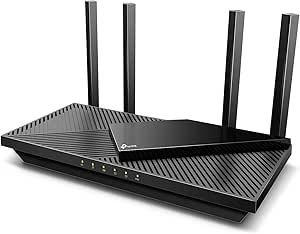 | Best for Everyday Wi-Fi 6 | Wi-Fi generation: Wi-Fi 6 | Frequency bands: Dual-band: 2.4 GHz and 5 GHz | Maximum data transfer rate: 2976 Mbps | VIEW LATEST PRICE | See Our Full Breakdown |
| NETGEAR Nighthawk R6700AX WiFi 6 Router, 1.8 Gbps |  | Best for Smaller Homes | Wi-Fi generation: Wi-Fi 6 (802.11ax) | Frequency bands: Dual-band: 2.4 GHz and 5 GHz | Maximum speed: Up to 1.8 Gbps | VIEW LATEST PRICE | See Our Full Breakdown |
| TP-Link Deco XE75 AXE5400 Tri-Band Wi-Fi 6E Mesh System, 3-Pack |  | Best for Large Homes | System type: Tri-band mesh Wi-Fi 6E | Package quantity: 3-pack | Coverage: Up to 7,200 sq. ft. | VIEW LATEST PRICE | See Our Full Breakdown |
| TP-Link Archer BE400 BE6500 Dual-Band Wi-Fi 7 Router |  | Best Value Wi-Fi 7 Router | Wi-Fi standard: Wi-Fi 7 | Bands: Dual-band: 2.4 GHz and 5 GHz | Streams: 6 | VIEW LATEST PRICE | See Our Full Breakdown |
| NETGEAR Orbi 370 Series WiFi 7 Mesh System, 3-Pack |  | Best for Large Homes | Wi-Fi generation: Wi-Fi 7 (802.11be) | Bands: Dual-band | Maximum data transfer rate: Up to 5 Gbps | VIEW LATEST PRICE | See Our Full Breakdown |
| NETGEAR Nighthawk Tri-Band WiFi 7 Router, 9.3 Gbps, Up to 2,500 sq. ft. | 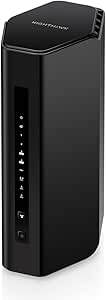 | Best Premium Standalone Router | Wi-Fi standard: Wi-Fi 7 | Bands: Tri-band: 2.4 GHz, 5 GHz, and 6 GHz | Maximum speed: Up to 9.3 Gbps | VIEW LATEST PRICE | See Our Full Breakdown |
| TP-Link Archer AXE75 AXE5400 Tri-Band WiFi 6E Router |  | Best Wi-Fi 6E Pick | Wi-Fi generation: Wi-Fi 6E | Frequency bands: Tri-band: 6 GHz, 5 GHz, and 2.4 GHz | Maximum data transfer rate: 5,400 Mbps | VIEW LATEST PRICE | See Our Full Breakdown |
| NETGEAR Nighthawk RS90 WiFi 7 Dual-Band Router |  | Best Simple Wi-Fi 7 Upgrade | Wi-Fi generation: Wi-Fi 7 | Frequency bands: Dual-band: 2.4 GHz and 5 GHz | Maximum data rate: 3.6 Gbps | VIEW LATEST PRICE | See Our Full Breakdown |
| GL.iNet Slate AX Pocket-Sized Wi-Fi 6 Travel Router with VPN |  | Best Travel Router | Wi-Fi generation: Wi-Fi 6 (802.11ax) | Bands: Dual-band, 2.4 GHz and 5 GHz | Combined Wi-Fi speed: Up to 1,800 Mbps | VIEW LATEST PRICE | See Our Full Breakdown |
| Amazon eero 6 Wi-Fi 6 Mesh Router, 1-Pack |  | Best for Beginners | Wi-Fi standard: Wi-Fi 6 (802.11ax), dual-band 2:2 | Coverage: Up to 1,500 sq. ft. | Maximum supported internet speed: Up to 900 Mbps | VIEW LATEST PRICE | See Our Full Breakdown |
| TP-Link Archer BE230 Dual-Band Wi-Fi 7 Router |  | Best Value Wi-Fi 7 Upgrade | Wi-Fi standard: Wi-Fi 7 (802.11be) | Bands: Dual-band, 2.4 GHz and 5 GHz; no 6 GHz | Maximum combined data rate: 3.6 Gbps | VIEW LATEST PRICE | See Our Full Breakdown |
| NETGEAR Nighthawk RS700S Tri-Band WiFi 7 Router | 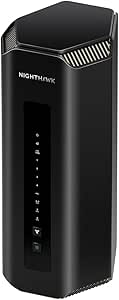 | Best Premium Standalone Router | WiFi generation: WiFi 7 | Bands: Tri-band: 2.4 GHz, 5 GHz, and 6 GHz | Maximum data transfer rate: Up to 19 Gbps | VIEW LATEST PRICE | See Our Full Breakdown |
| Wi-Fi router | Coverage | Wi-Fi generation | Bands |
|---|---|---|---|
| TP-Link Archer BE550 Tri-Band | — | Wi-Fi 7 | — |
| Amazon eero 7 Dual-Band Wi-Fi | Up to 2,000 sq. ft. | — | Dual-band: 2.4 GHz and 5 GHz |
| TP-Link Archer AX3000 Dual-Ban | — | Wi-Fi 6 | — |
| NETGEAR Nighthawk R6700AX WiFi | Up to 1,500 sq. ft. | Wi-Fi 6 (802.11ax) | — |
| TP-Link Deco XE75 AXE5400 Tri- | Up to 7,200 sq. ft. | — | — |
| TP-Link Archer BE400 BE6500 Du | — | — | Dual-band: 2.4 GHz and 5 GHz |
| NETGEAR Orbi 370 Series WiFi 7 | Up to 6,000 sq. ft. | Wi-Fi 7 (802.11be) | Dual-band |
| NETGEAR Nighthawk Tri-Band WiF | Up to 2,500 sq. ft. | — | Tri-band: 2.4 GHz, 5 GHz, and 6 GHz |
| TP-Link Archer AXE75 AXE5400 T | — | Wi-Fi 6E | — |
| NETGEAR Nighthawk RS90 WiFi 7 | Up to 2,000 sq. ft. | Wi-Fi 7 | — |
| GL.iNet Slate AX Pocket-Sized | — | Wi-Fi 6 (802.11ax) | Dual-band, 2.4 GHz and 5 GHz |
| Amazon eero 6 Wi-Fi 6 Mesh Rou | Up to 1,500 sq. ft. | — | — |
| TP-Link Archer BE230 Dual-Band | Up to 2,000 sq. ft. | — | Dual-band, 2.4 GHz and 5 GHz; no 6 GHz |
| NETGEAR Nighthawk RS700S Tri-B | Up to 3,500 sq. ft. | — | Tri-band: 2.4 GHz, 5 GHz, and 6 GHz |
More Details on Our Top Picks
TP-Link Archer BE550 Tri-Band Wi-Fi 7 Router
The Archer BE550 is my strongest all-around pick for buyers who want a standalone router with current-generation Wi-Fi and unusually capable wired connections. Its tri-band Wi-Fi 7 design adds a 6 GHz band for compatible devices, while five 2.5 Gbps Ethernet ports give faster wired equipment more room than the Gigabit ports on the TP-Link Archer AX3000 or NETGEAR Nighthawk R6700AX. EasyMesh also leaves a path to expand coverage without replacing the main router.
The tradeoff is that its extra band and port capacity matter most with compatible devices and a suitable internet plan; they cannot fix limitations from a modem, ISP, or difficult home layout. Unlike the eero 7, it offers 6 GHz Wi-Fi, but its standalone design is less suited to covering a large home with multiple mesh nodes out of the box. A modem is also required for most providers.
Pros:- Tri-band Wi-Fi 7 includes 2.4, 5, and 6 GHz bands.
- Five 2.5 Gbps Ethernet ports support multi-gigabit wired devices.
- EasyMesh support allows compatible coverage expansion.
- Includes VPN support and HomeShield security features.
Cons:- Real-world performance depends on the modem, ISP, environment, and client devices.
- Most internet providers require a separate modem.
- A single router may not cover larger homes as evenly as a multi-node mesh system.
Best for: Households upgrading to Wi-Fi 7 that want 6 GHz access, fast wired connections, and the option to add EasyMesh coverage.
Not ideal for: Buyers seeking a ready-made multi-node system, or households whose devices and internet plan cannot make use of Wi-Fi 7 or multi-gigabit ports.
- Wi-Fi generation:Wi-Fi 7
- Frequency bands:Tri-band: 2.4 GHz, 5 GHz, and 6 GHz
- Maximum data rate:9.3 Gbps
- Band speeds:6 GHz: 5760 Mbps; 5 GHz: 2880 Mbps; 2.4 GHz: 574 Mbps
- Ethernet ports:1 × 2.5 Gbps WAN; 4 × 2.5 Gbps LAN
- Antennas:6 internal antennas
- Security:WPA2, WPA3, and HomeShield
- Mesh compatibility:EasyMesh
- Setup and management:TP-Link Tether app
Our verdict“Choose the Archer BE550 if you want a capable Wi-Fi 7 router with 6 GHz and multi-gigabit wired connectivity, rather than a bundled mesh system.”
Amazon eero 7 Dual-Band Wi-Fi 7 Mesh Router, 1-Pack
The eero 7 is a good fit for buyers who value uncomplicated setup and may later add nodes to an existing eero network. It combines Wi-Fi 7 with two auto-sensing 2.5 GbE ports, coverage listed up to 2,000 square feet, and support for more than 120 devices. Compared with the tri-band TP-Link Archer BE550, this is a simpler dual-band option without 6 GHz, but its compact one-piece design and compatibility with previous eero generations make it easier to fold into an eero-based home.
That simplicity comes with constraints: wireless speeds are listed up to 1.8 Gbps, and the router has no 6 GHz band for compatible devices or a dedicated wireless backhaul. Setup also requires internet service and a supported iOS or Android device. I’d choose it over the TP-Link Archer AX3000 for eero mesh integration, but not for buyers who want more band flexibility or traditional router control.
Pros:- Wi-Fi 7 support and two auto-sensing 2.5 GbE ports.
- Can serve as a standalone gateway or extend a compatible eero network.
- Listed coverage up to 2,000 sq. ft. and support for 120+ devices.
- Built-in Thread, Zigbee, Bluetooth Low Energy, and Matter support.
Cons:- Dual-band design lacks a 6 GHz band.
- Listed wireless speed is up to 1.8 Gbps, below the Archer BE550’s maximum data rate.
- Setup requires internet service and a supported iOS or Android device.
Best for: People with an eero network, or households seeking a compact Wi-Fi 7 gateway with app-led setup and room to add compatible nodes.
Not ideal for: Buyers who want 6 GHz Wi-Fi, a standalone router with broader band choices, or setup without a supported smartphone and active internet service.
- Wi-Fi standard:Wi-Fi 7 (IEEE 802.11a/b/g/n/ac/ax/be)
- Bands:Dual-band: 2.4 GHz and 5 GHz
- Coverage:Up to 2,000 sq. ft.
- Maximum internet plan speed:Up to 2.5 Gbps
- Wireless speed:Up to 1.8 Gbps
- Device capacity:120+ devices
- Ethernet ports:Two auto-sensing 2.5 GbE ports
- Smart home support:Thread, Zigbee, Bluetooth Low Energy 5.0, Alexa, and Matter
- Dimensions:5.12 × 5.12 × 2.52 in.
Our verdict“Pick the eero 7 if easy app setup and eero compatibility matter more to you than tri-band Wi-Fi or higher listed wireless speeds.”
TP-Link Archer AX3000 Dual-Band Wi-Fi 6 Gigabit Router
The TP-Link Archer AX3000 makes sense for households that want a capable Wi-Fi 6 router without moving to Wi-Fi 7. Its dual-band connection reaches a listed combined rate of 2976 Mbps, and OFDMA and MU-MIMO help it handle multiple active devices more efficiently than older Wi-Fi generations. Four external antennas and Beamforming are intended to help direct coverage around the home. Compared with the NETGEAR Nighthawk R6700AX, it offers a higher listed maximum rate and VPN client and server support.
It still has Gigabit-class LAN ports, so it is not the right fit for multi-gig wired networks; the Archer BE550 is a stronger choice for Wi-Fi 7 and 2.5 Gbps connections. HomeShield provides basic security and parental controls, but some features require a premium service. Like the other standalone routers here, the AX3000 needs a modem for most providers, and its two-band design does not offer 6 GHz.
Pros:- Wi-Fi 6 combined data rate listed up to 2976 Mbps.
- OFDMA and MU-MIMO support multiple connected devices.
- Four external antennas and Beamforming support home coverage.
- Includes VPN client and server functionality.
Cons:- Dual-band Wi-Fi has no 6 GHz option.
- Gigabit LAN bandwidth limits wired connections compared with the Archer BE550’s 2.5 Gbps ports.
- Some HomeShield features require a premium service, and most providers require a separate modem.
Best for: Households that want Wi-Fi 6, multiple-device features, and VPN options while keeping to Gigabit wired networking.
Not ideal for: Buyers building a Wi-Fi 7 or multi-gigabit network, or those who need 6 GHz access or mesh nodes included in the box.
- Wi-Fi generation:Wi-Fi 6
- Frequency bands:Dual-band: 2.4 GHz and 5 GHz
- Maximum data transfer rate:2976 Mbps
- Band speeds:5 GHz: 2402 Mbps; 2.4 GHz: 574 Mbps
- Antennas:4 fixed external antennas
- Ports:5
- LAN port bandwidth:10/100/1000 Mbps
- Security protocols:WPA2-Enterprise, WPA2-PSK, WPA3
- Features:OFDMA, MU-MIMO, Beamforming, VPN client and server, HomeShield, Alexa compatibility
Our verdict“Choose the Archer AX3000 for everyday Wi-Fi 6 and VPN features if you do not need Wi-Fi 7 or multi-gigabit Ethernet.”
NETGEAR Nighthawk R6700AX WiFi 6 Router, 1.8 Gbps
The NETGEAR Nighthawk R6700AX is the most straightforward fit here for a smaller home with a modest number of connected devices. Its Wi-Fi 6 dual-band design is listed for coverage up to 1,500 square feet and up to 20 devices, while four Gigabit LAN ports give a wired TV, console, or desktop direct connections. Setup can be handled in the Nighthawk app or a browser. Compared with the TP-Link Archer AX3000, its listed maximum speed is lower, and it lacks the stated VPN client and server features.
Its appeal is a simpler feature set, WPA3, and automatic firmware updates—not broad coverage or multi-gigabit networking. The Deco XE75 is a better match for a large home because it includes three mesh nodes, while the R6700AX is a single router with a separate modem or gateway requirement. NETGEAR Armor also moves to a subscription after its 30-day trial, so buyers should not treat that service as a permanent included feature.
Pros:- Wi-Fi 6 with a listed maximum speed of up to 1.8 Gbps.
- Listed coverage up to 1,500 sq. ft. for up to 20 connected devices.
- Four Gigabit LAN ports plus one Gigabit WAN port.
- WPA3 security and automatic firmware updates.
Cons:- Coverage may fall with walls, floors, and interference.
- Requires a separate modem or gateway for internet service.
- NETGEAR Armor requires a subscription after the 30-day trial.
Best for: People in smaller homes who need Wi-Fi 6 for everyday browsing and streaming, plus several wired Gigabit connections.
Not ideal for: Large homes, households with more than 20 connected devices, or users who want multi-gigabit ports, Wi-Fi 7, or included mesh nodes.
- Wi-Fi generation:Wi-Fi 6 (802.11ax)
- Frequency bands:Dual-band: 2.4 GHz and 5 GHz
- Maximum speed:Up to 1.8 Gbps
- Coverage:Up to 1,500 sq. ft.
- Connected devices:Up to 20
- Ethernet ports:Four 1 Gigabit LAN ports and one 1 Gigabit WAN port
- Security:WPA2, WPA3, automatic firmware updates, and guest network
- Setup and management:NETGEAR Nighthawk app or web browser
Our verdict“Choose the R6700AX for a smaller home that needs basic Wi-Fi 6 and wired Gigabit ports, not a high-capacity or expandable network.”
TP-Link Deco XE75 AXE5400 Tri-Band Wi-Fi 6E Mesh System, 3-Pack
The TP-Link Deco XE75 stands apart from the other picks because it is a three-node mesh system, not a single-router upgrade. Its listed coverage of up to 7,200 square feet and support for up to 200 devices suit homes where one router may leave dead zones. The tri-band Wi-Fi 6E setup adds a 6 GHz band that can serve compatible devices or act as backhaul between nodes. Compared with the Archer BE550, it trades Wi-Fi 7 and multi-gigabit Ethernet for a larger, distributed coverage footprint.
That tradeoff is sensible when room-to-room reach matters more than the newest wireless generation. Its Ethernet ports are Gigabit, not 2.5 Gbps, and devices need Wi-Fi 6E compatibility to connect on 6 GHz. The eero 7 is a simpler single-unit alternative for smaller spaces, but it does not match the Deco’s stated three-node coverage. Most providers also require a separate modem.
Pros:- Three-node mesh system with listed coverage up to 7,200 sq. ft.
- Tri-band Wi-Fi 6E includes a 6 GHz band for backhaul or compatible devices.
- Supports up to 200 connected devices.
- Deco app provides setup and management, with Alexa compatibility and HomeShield features.
Cons:- 6 GHz connections require Wi-Fi 6E-compatible devices.
- Ethernet ports are Gigabit, below the 2.5 Gbps ports on the Archer BE550 and eero 7.
- Most internet providers require a separate modem.
Best for: People in large or multi-floor homes who need several mesh nodes, broad stated coverage, and capacity for many connected devices.
Not ideal for: Buyers with a small home, a multi-gig wired network, or devices that need Wi-Fi 7; the Deco uses Wi-Fi 6E and Gigabit Ethernet.
- System type:Tri-band mesh Wi-Fi 6E
- Package quantity:3-pack
- Coverage:Up to 7,200 sq. ft.
- Maximum combined data rate:5,400 Mbps
- Maximum connected devices:200
- Band speeds:6 GHz: 2,402 Mbps; 5 GHz: 2,402 Mbps; 2.4 GHz: 574 Mbps
- Ports:9
- LAN port bandwidth:10/100/1000 Mbps
- Security protocols:WPA-Personal, WPA2-Personal, WPA3-Personal
Our verdict“Choose the Deco XE75 if consistent coverage across a large home matters more than Wi-Fi 7 or multi-gigabit wired ports.”
TP-Link Archer BE400 BE6500 Dual-Band Wi-Fi 7 Router
The Archer BE400 is a sensible step into Wi-Fi 7 for homes that want strong wireless capacity without needing a mesh kit. Its six streams and up to 6.5 Gbps combined bandwidth give it more headroom on paper than the dual-band Nighthawk RS90, while EasyMesh support leaves room to add compatible coverage later. The 2.5 Gbps WAN/LAN and separate 2.5 Gbps LAN port also offer faster wired connections than a router limited to gigabit Ethernet.
Its limits are clear: it has no 6 GHz band, unlike the tri-band Nighthawk 9.3 Gbps model, and the stated 2,400-square-foot coverage may not suit a sprawling or obstructed home. You also need a separate modem, and EasyMesh does not work with TP-Link Deco systems. I’d choose it for a capable standalone network, not as a guaranteed whole-home solution.
Pros:- Wi-Fi 7 with six streams and up to 6.5 Gbps combined bandwidth
- Two 2.5 Gbps Ethernet ports support faster wired networking
- EasyMesh support allows compatible expansion
- HomeShield security and VPN connections are supported
Cons:- Requires a separate modem
- Dual-band design lacks a 6 GHz band
- EasyMesh is not compatible with Deco mesh systems
Best for: Households moving to Wi-Fi 7 that want multi-gig wired ports and the option to extend coverage with EasyMesh.
Not ideal for: Owners of TP-Link Deco mesh equipment or people seeking tri-band 6 GHz Wi-Fi or coverage across a large, multi-floor home.
- Wi-Fi standard:Wi-Fi 7
- Bands:Dual-band: 2.4 GHz and 5 GHz
- Streams:6
- Maximum combined bandwidth:6.5 Gbps
- Maximum coverage:Up to 2,400 sq. ft.
- Supported devices:Up to 90
- Ethernet ports:1 x 2.5 Gbps WAN/LAN, 1 x 2.5 Gbps LAN, 3 x 1 Gbps LAN
- Mesh compatibility:EasyMesh; not compatible with Deco mesh systems
- Modem required:Yes
Our verdict“Choose the Archer BE400 for a feature-rich Wi-Fi 7 standalone router with room to expand, provided dual-band coverage suits your home.”
NETGEAR Orbi 370 Series WiFi 7 Mesh System, 3-Pack
For a home where one router struggles to reach distant rooms, the Orbi 370’s router-and-two-satellite layout is its main advantage. Its stated coverage reaches up to 6,000 square feet, far beyond the standalone Archer BE400 or Nighthawk RS90, and the three units let you place wireless access nearer to the areas that need it. Wi-Fi 7 support and compatibility with Wi-Fi 6 and Wi-Fi 5 devices also make it a practical mixed-device upgrade.
The tradeoff is that this system prioritizes distributed coverage over the higher stated peak speeds of the tri-band Nighthawk Wi-Fi 7 router. It is dual-band, supports up to 70 devices, and its coverage depends on building layout and satellite placement. Setup is app-guided, but NETGEAR Armor becomes subscription-based after its 30-day trial. I’d pick it for reach, not for a compact home or a preference for a single router.
Pros:- Router and two satellites provide coverage rated up to 6,000 sq. ft.
- Wi-Fi 7 works alongside Wi-Fi 6 and Wi-Fi 5 devices
- Includes 10 Ethernet ports across the system, with 2.5 Gbps port bandwidth
- App-guided setup and the option to add an Orbi 370 satellite
Cons:- Dual-band system has a lower stated maximum rate than the tri-band Nighthawk Wi-Fi 7 router
- NETGEAR Armor requires a subscription after the 30-day trial
- Coverage varies with home construction and satellite placement
Best for: Households with a large or multi-floor layout, dead zones, and a mix of newer and older Wi-Fi devices.
Not ideal for: People in smaller homes who want one router, or buyers prioritizing the highest listed wireless throughput over distributed coverage.
- Wi-Fi generation:Wi-Fi 7 (802.11be)
- Bands:Dual-band
- Maximum data transfer rate:Up to 5 Gbps
- Coverage:Up to 6,000 sq. ft.
- Device capacity:Up to 70 devices
- Package contents:Router and two satellites
- Ethernet:10 ports; 2.5 Gbps port bandwidth
- Security protocols:WPA3, WPA2-PSK
- Management:Orbi app
Our verdict“Choose the Orbi 370 three-pack when reaching distant rooms matters more than getting the highest stated speed from a single router.”
NETGEAR Nighthawk Tri-Band WiFi 7 Router, 9.3 Gbps, Up to 2,500 sq. ft.
This Nighthawk is the speed-focused standalone pick in this group. Its tri-band Wi-Fi 7 design adds 6 GHz to the 2.4 GHz and 5 GHz bands, giving compatible devices another band to use, and its stated maximum of 9.3 Gbps exceeds the dual-band Archer BE400 and Nighthawk RS90. The two 2.5 Gig LAN ports, plus a 2.5 Gig WAN port, make it a stronger fit for multi-gig wired connections than routers with only gigabit LAN.
That extra capacity does not solve every coverage problem: the rating is up to 2,500 square feet, well short of the Orbi 370 three-pack’s stated reach. Older devices also cannot use the 6 GHz band, and a separate modem or gateway is required. NETGEAR Armor includes a 30-day trial, then requires a subscription. I’d choose this model for a fast home network centered on one router, not for broad mesh coverage.
Pros:- Tri-band Wi-Fi 7 includes a 6 GHz band for compatible devices
- Up to 9.3 Gbps stated maximum speed
- Three 2.5 Gig Ethernet ports across WAN and LAN connections
- App management includes setup, device controls, and guest networks
Cons:- Requires an existing modem or gateway
- Coverage is rated up to 2,500 sq. ft., less than the Orbi 370 mesh system
- NETGEAR Armor requires a subscription after the 30-day trial
Best for: Households with compatible Wi-Fi 7 devices, multi-gig internet or wired equipment, and a layout suited to one central router.
Not ideal for: Buyers who need satellite-based coverage for a large home or want to avoid a separate modem and recurring security subscription.
- Wi-Fi standard:Wi-Fi 7
- Bands:Tri-band: 2.4 GHz, 5 GHz, and 6 GHz
- Maximum speed:Up to 9.3 Gbps
- Coverage:Up to 2,500 sq. ft.
- Device capacity:Up to 100 devices
- WAN port:1 x 2.5 Gig Ethernet
- LAN ports:2 x 2.5 Gig Ethernet and 2 x 1 Gig Ethernet
- Management:Nighthawk app for iOS and Android
- Security:Advanced Router Protection, automatic firmware updates, and a 30-day NETGEAR Armor trial
Our verdict“Choose this Nighthawk when you want tri-band Wi-Fi 7 speed and multi-gig ports from one router rather than a mesh system.”
TP-Link Archer AXE75 AXE5400 Tri-Band WiFi 6E Router
The Archer AXE75 suits buyers who want access to 6 GHz tri-band Wi-Fi without making Wi-Fi 7 a requirement. Its listed 5,400 Mbps maximum spans three bands, including a 6 GHz band that compatible devices can use alongside 5 GHz and 2.4 GHz connections. Compared with the dual-band Archer BE400, the AXE75 offers an additional band; the BE400, in turn, is the newer Wi-Fi 7 option with faster 2.5 Gbps Ethernet ports.
That distinction matters most if your devices support Wi-Fi 6E and your network benefits from having three bands. The AXE75’s LAN bandwidth is listed at 1,000 Mbps, so it is less suited to multi-gig wired setups than the Nighthawk 9.3 Gbps router. It supports EasyMesh, VPN server and client functions, and WPA3, but requires a modem for most providers. I’d pick it for a capable Wi-Fi 6E network, not a forward-looking Wi-Fi 7 build.
Pros:- Tri-band Wi-Fi 6E includes 6 GHz, 5 GHz, and 2.4 GHz bands
- Supports EasyMesh for compatible network expansion
- VPN server and client support includes OpenVPN, PPTP, and L2TP
- WPA3 security and HomeShield network protection are supported
Cons:- Wi-Fi 6E rather than the newer Wi-Fi 7 standard used by the Archer BE400
- LAN port bandwidth is listed at 1,000 Mbps
- A modem is required for most internet providers
Best for: Households with Wi-Fi 6E devices seeking a tri-band router with VPN features and EasyMesh expansion.
Not ideal for: Buyers upgrading specifically to Wi-Fi 7 or needing multi-gig LAN connections for fast wired devices.
- Wi-Fi generation:Wi-Fi 6E
- Frequency bands:Tri-band: 6 GHz, 5 GHz, and 2.4 GHz
- Maximum data transfer rate:5,400 Mbps
- Band speeds:6 GHz: 2,402 Mbps; 5 GHz: 2,402 Mbps; 2.4 GHz: 574 Mbps
- Processor and memory:1.0 GHz dual-core CPU; 512 MB memory
- Antennas:8
- LAN port bandwidth:1,000 Mbps
- VPN support:VPN server and client: OpenVPN, PPTP, and L2TP
- Mesh compatibility:EasyMesh
Our verdict“Choose the Archer AXE75 if you want tri-band Wi-Fi 6E and VPN features, but skip it if Wi-Fi 7 or multi-gig LAN is a priority.”
NETGEAR Nighthawk RS90 WiFi 7 Dual-Band Router
The Nighthawk RS90 is the straightforward choice for buyers who want Wi-Fi 7 in a single-router setup without paying for a tri-band design they may not use. It supports speeds up to 3.6 Gbps and coverage up to 2,000 square feet, making it a more modest option than the Archer BE400, which has a higher stated maximum speed and broader rated coverage. Four gigabit LAN ports give wired devices a direct connection, while the 2.5 Gig WAN port can accommodate a faster internet connection.
Its dual-band design means there is no 6 GHz band, unlike the 9.3 Gbps tri-band Nighthawk. Capacity is also rated for up to 50 devices, below the Archer BE400’s 90, so I would not make this the first choice for a densely connected household. It needs a separate modem or gateway, and Armor requires a subscription after its 30-day trial. This is best for a moderate-sized home seeking a simple Wi-Fi 7 step-up.
Pros:- Wi-Fi 7 supports a stated maximum data rate of 3.6 Gbps
- 2.5 Gig WAN port pairs with four 1 Gig Ethernet LAN ports
- Rated for up to 2,000 sq. ft. and 50 connected devices
- Nighthawk app management and built-in security features
Cons:- Dual-band design does not include a 6 GHz band
- Lower stated speed and device capacity than the Archer BE400
- Requires a separate modem or gateway; NETGEAR Armor requires a subscription after its 30-day trial
Best for: People upgrading an existing modem-based network who want Wi-Fi 7, app controls, and several Ethernet connections for a moderate-sized home.
Not ideal for: Large households with many connected devices, homes needing mesh-style coverage, or buyers who want a 6 GHz band.
- Wi-Fi generation:Wi-Fi 7
- Frequency bands:Dual-band: 2.4 GHz and 5 GHz
- Maximum data rate:3.6 Gbps
- Coverage:Up to 2,000 sq. ft.
- Maximum connected devices:Up to 50
- Processor:Quad-core 2.0 GHz
- WAN port:1 x 2.5 Gig
- LAN ports:4 x 1 Gig Ethernet
- Security protocols:WPA2 and WPA3
Our verdict“Choose the RS90 for a simple, moderate-capacity Wi-Fi 7 upgrade, but favor the Archer BE400 for more stated speed and device headroom.”
GL.iNet Slate AX Pocket-Sized Wi-Fi 6 Travel Router with VPN
The GL.iNet Slate AX is the most travel-focused option in this group: it can repeat hotel or public Wi-Fi, then share that connection with your devices through a network you control. OpenVPN and WireGuard support adds a privacy option on shared networks, while an external USB drive can serve files over SAMBA or WebDAV. Its Wi-Fi 6 speeds reach 1,800 Mbps combined, but that figure and its 120-device capacity do not make it a better home-coverage choice than the Amazon eero 6, which is designed for a defined household coverage area and app-guided management. The Slate AX instead prioritizes portability and configurability. Its OpenWrt interface may suit technically confident travelers better than beginners, and the physical toggle needs setup in the admin panel before it works as intended. Public Wi-Fi time limits can also mean reconnecting the router.
Pros:- Repeats hotel and public Wi-Fi, including captive-portal networks
- Supports OpenVPN and WireGuard, with stated speeds up to 500 Mbps and 550 Mbps respectively
- External USB storage can be shared using SAMBA or WebDAV
- Compact travel-router design supports up to 120 connected devices
Cons:- The physical toggle switch must be assigned a function in the admin panel before use
- Public Wi-Fi session limits may require reconnecting the router
- OpenWrt configuration offers less beginner-friendly management than app-led options such as the Amazon eero 6
Best for: Frequent travelers who want to share hotel or public Wi-Fi across multiple devices and use a VPN connection.
Not ideal for: Households seeking a simple, fixed home router with coverage guidance; its travel-oriented setup and configurable controls take more hands-on management.
- Wi-Fi generation:Wi-Fi 6 (802.11ax)
- Bands:Dual-band, 2.4 GHz and 5 GHz
- Combined Wi-Fi speed:Up to 1,800 Mbps
- Maximum connected devices:120
- VPN support:OpenVPN and WireGuard
- VPN speed:OpenVPN up to 500 Mbps; WireGuard up to 550 Mbps
- Operating system:OpenWrt 21.02
- Ports:3; LAN bandwidth up to 1,000 Mbps
Our verdict“Choose the Slate AX if portable Wi-Fi sharing and VPN support matter more than plug-and-play home-network management.”
Amazon eero 6 Wi-Fi 6 Mesh Router, 1-Pack
The Amazon eero 6 is a straightforward pick for people who want guided setup and routine network management through an app rather than a long list of router settings. Its stated coverage of up to 1,500 square feet suits a smaller home or apartment, and the two auto-sensing Gigabit ports can serve as WAN or LAN connections. A built-in Zigbee smart home hub, along with Thread and Bluetooth Low Energy support, gives compatible smart-home devices another reason to use it. Compared with the TP-Link Archer BE230, the eero offers a more guided, compact approach but lacks Wi-Fi 7, the BE230’s higher listed combined speed, and its extra wired ports. This one-pack is a single router, not a multi-unit mesh kit, and full setup requires a supported iOS or Android device. A modem and internet service are also required.
Pros:- App-guided setup and network management simplify routine configuration
- Coverage is specified for up to 1,500 square feet
- Built-in Zigbee hub plus Thread and Bluetooth Low Energy connectivity
- Two auto-sensing Gigabit Ethernet ports can serve as WAN and/or LAN
Cons:- This one-pack is a single router, so larger homes may need additional coverage equipment
- Full setup requires a supported iOS or Android device
- Wi-Fi 6 and two Ethernet ports offer less future-facing capacity than the Wi-Fi 7 TP-Link Archer BE230
Best for: Apartment dwellers and first-time router buyers who want app-guided setup, basic Wi-Fi 6, and a built-in hub for compatible smart-home devices.
Not ideal for: Large-home users, buyers seeking Wi-Fi 7, or anyone who wants to configure the network without a supported iOS or Android device.
- Wi-Fi standard:Wi-Fi 6 (802.11ax), dual-band 2:2
- Coverage:Up to 1,500 sq. ft.
- Maximum supported internet speed:Up to 900 Mbps
- Connected devices:75+
- Ethernet ports:Two auto-sensing Gigabit ports (WAN and/or LAN)
- Smart-home connectivity:Zigbee, Thread, Bluetooth Low Energy 5.0; Alexa compatible
- Processor:1.2 GHz quad-core
- Dimensions:3.9 × 3.8 × 2.4 in
Our verdict“Pick the eero 6 for a smaller home where guided app setup and smart-home connectivity matter more than newer Wi-Fi features.”
TP-Link Archer BE230 Dual-Band Wi-Fi 7 Router
The TP-Link Archer BE230 brings Wi-Fi 7 features and useful wired capacity to a conventional router without stepping up to the larger, faster tri-band NETGEAR Nighthawk RS700S. Its combined rate reaches 3.6 Gbps, and the two 2.5 Gigabit ports give compatible internet plans, switches, or wired devices more headroom than standard Gigabit connections. EasyMesh support also offers a path to expand coverage with compatible equipment. The key compromise is that this is a dual-band model without 6 GHz, so it cannot use that band for newer compatible devices; the RS700S includes it. The BE230’s stated coverage is up to 2,000 square feet and its device capacity is up to 60, making it better suited to moderate homes than especially busy networks. Setup uses TP-Link’s Tether app, and a separate modem is required.
Pros:- Wi-Fi 7 support with a combined data rate up to 3.6 Gbps
- Two 2.5 Gigabit ports plus three 1 Gigabit LAN ports
- EasyMesh compatibility offers a route to expand a compatible network
- Tether app setup with parental controls and network-security features
Cons:- No 6 GHz band, unlike the tri-band NETGEAR Nighthawk RS700S
- Listed capacity is up to 60 devices, lower than the RS700S’s stated 200
- Requires a separate modem for internet service
Best for: Households upgrading to Wi-Fi 7 that want 2.5 Gigabit wired connections and possible EasyMesh expansion without needing tri-band 6 GHz Wi-Fi.
Not ideal for: Buyers with 6 GHz devices who want a 6 GHz band, or large, high-demand homes better served by a tri-band router such as the NETGEAR Nighthawk RS700S.
- Wi-Fi standard:Wi-Fi 7 (802.11be)
- Bands:Dual-band, 2.4 GHz and 5 GHz; no 6 GHz
- Maximum combined data rate:3.6 Gbps
- Coverage:Up to 2,000 sq. ft.
- Maximum device capacity:Up to 60 devices
- Ports:One 2.5 Gbps WAN/LAN, one 2.5 Gbps LAN, three 1 Gbps LAN
- Mesh compatibility:EasyMesh
- Modem requirement:Separate modem required
Our verdict“Choose the Archer BE230 for a practical Wi-Fi 7 upgrade with faster wired ports, provided dual-band coverage meets your needs.”
NETGEAR Nighthawk RS700S Tri-Band WiFi 7 Router
The NETGEAR Nighthawk RS700S is the highest-capacity standalone choice in this batch, pairing tri-band WiFi 7 with 6 GHz with stated coverage up to 3,500 square feet and support for as many as 200 devices. Its 10 Gigabit WAN and LAN ports stand apart from the TP-Link Archer BE230’s two 2.5 Gigabit ports, making the RS700S a better fit for a fast wired connection or local network built around multi-gig equipment. Four additional Gigabit LAN ports and USB 3.0 add useful connection options. That capacity comes with practical limits: coverage can fall with walls, floors, and interference, and the router does not replace a modem or gateway. NETGEAR Armor also requires a subscription after its 30-day trial, so buyers should not treat every security feature as permanently included.
Pros:- Tri-band WiFi 7 includes the 6 GHz band
- Stated coverage up to 3,500 square feet and support for up to 200 devices
- 10 Gigabit WAN and LAN ports support high-speed wired connections
- USB 3.0, WPA3, automatic firmware updates, and Advanced Router Protection
Cons:- Requires a separate modem or gateway with an RJ45 Ethernet port
- NETGEAR Armor requires a subscription after the 30-day trial
- Actual coverage can be reduced by walls, floors, and interference
Best for: Owners of large, device-heavy homes with WiFi 7 clients and multi-gig internet or wired equipment who want a high-capacity standalone router.
Not ideal for: Small homes, buyers with only basic internet needs, or anyone seeking an all-in-one modem-router or subscription-free access to NETGEAR Armor.
- WiFi generation:WiFi 7
- Bands:Tri-band: 2.4 GHz, 5 GHz, and 6 GHz
- Maximum data transfer rate:Up to 19 Gbps
- Coverage:Up to 3,500 sq. ft.
- Maximum connected devices:Up to 200
- WAN and LAN ports:One 10 Gigabit WAN, one 10 Gigabit LAN, four 1 Gigabit LAN
- USB port:USB 3.0
- Internet service requirement:Separate modem or gateway with an RJ45 Ethernet port
Our verdict“Choose the RS700S when your home and wired network can use its 6 GHz WiFi 7 and 10 Gigabit connections, not just its headline capacity.”

How We Picked
I ranked these routers by how well their design matches common home networking needs, rather than treating the newest Wi-Fi generation as an automatic win. The main criteria were wireless generation and band configuration, single-router versus mesh coverage, wired networking options, setup and management approach, and whether the device’s role is clear for a typical buyer. I also considered the tradeoff between buying a capable router now and paying for features a household may not use.
The Archer BE550 takes the top spot for its balanced mix of Wi-Fi 7 and tri-band capability in a standalone router. Mesh systems rank higher for larger or harder-to-cover homes, but lower as general-purpose picks because they require multiple units and suit a different layout problem. More affordable Wi-Fi 6 options place well for straightforward networks, while premium Wi-Fi 7 models and the travel router rank according to their narrower advantages and fit. Exact performance depends on the internet plan, home construction, router placement, and client devices.
| Wi-Fi router | Wi-Fi generation | Bands | Coverage |
|---|---|---|---|
| TP-Link Archer BE550 Tri-Band | Wi-Fi 7 | — | — |
| Amazon eero 7 Dual-Band Wi-Fi | — | Dual-band: 2.4 GHz and 5 GHz | Up to 2,000 sq. ft. |
| TP-Link Archer AX3000 Dual-Ban | Wi-Fi 6 | — | — |
| NETGEAR Nighthawk R6700AX WiFi | Wi-Fi 6 (802.11ax) | — | Up to 1,500 sq. ft. |
| TP-Link Deco XE75 AXE5400 Tri- | — | — | Up to 7,200 sq. ft. |
| TP-Link Archer BE400 BE6500 Du | — | Dual-band: 2.4 GHz and 5 GHz | — |
| NETGEAR Orbi 370 Series WiFi 7 | Wi-Fi 7 (802.11be) | Dual-band | Up to 6,000 sq. ft. |
| NETGEAR Nighthawk Tri-Band WiF | — | Tri-band: 2.4 GHz, 5 GHz, and 6 GHz | Up to 2,500 sq. ft. |
| TP-Link Archer AXE75 AXE5400 T | Wi-Fi 6E | — | — |
| NETGEAR Nighthawk RS90 WiFi 7 | Wi-Fi 7 | — | Up to 2,000 sq. ft. |
| GL.iNet Slate AX Pocket-Sized | Wi-Fi 6 (802.11ax) | Dual-band, 2.4 GHz and 5 GHz | — |
| Amazon eero 6 Wi-Fi 6 Mesh Rou | — | — | Up to 1,500 sq. ft. |
| TP-Link Archer BE230 Dual-Band | — | Dual-band, 2.4 GHz and 5 GHz; no 6 GHz | Up to 2,000 sq. ft. |
| NETGEAR Nighthawk RS700S Tri-B | — | Tri-band: 2.4 GHz, 5 GHz, and 6 GHz | Up to 3,500 sq. ft. |
Factors to Consider When Choosing Best Wi-Fi Routers
Before choosing a router, I would start with the problem you want it to solve: weak coverage, crowded wireless traffic, limited wired ports, or a desire for easier setup. A newer Wi-Fi generation will not fix every bottleneck, and a mesh kit is not automatically the right answer for a small home.
Match the Router to Your Home Layout
A router’s advertised coverage is only a guide; walls, floors, appliances, and placement can change the signal you actually get. For a compact home with an open layout, a single router may be easier to place and maintain than a multi-unit kit. Mesh makes more sense when a signal must reach distant rooms or another floor, particularly if one central router cannot serve the whole space. Avoid buying extra mesh nodes before identifying where coverage drops, since poor placement can leave the same weak spots. If you can connect mesh units with Ethernet, that may improve the link between them and reduce reliance on wireless backhaul. The key tradeoff is broad coverage and extra equipment versus a simpler single-router setup.
Choose Wi-Fi Generation Around Your Devices
Wi-Fi 7 can be a good forward-looking choice, but the benefit depends on whether your phones, computers, and other clients support its features. Older devices can still connect to a newer router, yet they will not gain every advantage of the newer standard. For a household with everyday browsing and streaming on established devices, Wi-Fi 6 models may already meet the need. A mixed household can still benefit from a newer router if it expects to add compatible devices, but it should not assume every device will become faster. Compare bands and capabilities as well as the generation name, since the Wi-Fi 7 products in this roundup are not configured identically. Buy for the devices and workload you have, plus a realistic view of what you plan to add.
Think About Bands and Network Congestion
Dual-band and tri-band routers approach shared wireless traffic differently, and the extra band can help when many devices compete for airtime. It does not guarantee a faster connection for every device or in every room. A tri-band setup may be more useful in a busy home, or when a mesh system needs a dedicated wireless link between nodes, than in a lightly used network. The 6 GHz band available on Wi-Fi 6E and some Wi-Fi 7 equipment can offer more room for compatible devices, but its reach through obstacles is more limited than lower-frequency bands. Check whether your devices support the band before paying for it. Think of band count as a way to manage traffic and coverage, not a simple ranking of speed.
Check Your Internet Plan and Wired Needs
A router cannot make an internet connection faster than the service entering your home, so compare its capabilities with your plan rather than choosing by headline wireless figures. If your plan is modest, a high-end router may provide room for future upgrades or handle local network demands, but it may not change ordinary download speeds. Wired connections matter for desktop computers, game consoles, televisions, and network storage that benefit from a direct link. Count the devices you expect to connect by cable and check the router’s port types and quantities before buying. A fast wireless standard is less helpful if a key wired connection is the bottleneck. Leave some headroom for future devices without paying for capacity your network is unlikely to use.
Weigh Setup, App Controls, and Ongoing Upkeep
Router management varies from a guided app experience to more hands-on controls, and the easiest choice depends on who will maintain the network. A beginner may prefer clear setup steps, straightforward device management, and simple guest-network controls over extensive tuning options. More experienced users may care about VPN support, network customization, or detailed settings. Check how the manufacturer handles software updates and security features, since a router remains part of your home network long after setup. Also think about whether you are comfortable using an account or app to manage the device. The tradeoff is convenience and guided management versus control and flexibility; choose the approach you are likely to keep up with.
Decide Whether You Need a Home Router or a Travel Router
A travel router solves a different problem from a stationary home router: it is meant to create or manage a connection while away from home, often with compact hardware and VPN features. It is not a like-for-like substitute for a full-size home model when you need broad household coverage or multiple fixed wired connections. Before buying one for travel, check whether it can work with the hotel, rental, or public network connection you expect to use. Consider the setup steps as well, since captive portals and unfamiliar networks can add friction. For home use, prioritize coverage, device handling, and wired connections; for travel, portability and network privacy may matter more. Separating these jobs prevents paying for a design that does not fit your main use.
Frequently Asked Questions
Should I replace my Wi-Fi 6 router with Wi-Fi 7 now?
I would replace it when you have a clear reason, such as adding Wi-Fi 7 devices, needing different band capabilities, or solving a network limitation your current router cannot handle. If your Wi-Fi 6 router covers the home and supports your internet plan, a newer generation may not change everyday use much. Wi-Fi 7 models in this roundup vary in band configuration, so compare the individual design rather than choosing by label alone. A router upgrade also will not raise the speed of your internet service. If you are planning ahead, consider whether the extra features fit your likely devices and layout over the next few years.
When should I choose mesh instead of a single router?
Mesh is most useful when a single router leaves persistent dead zones across a larger, multi-floor, or obstructed home. Before buying a kit, try placing a single router in a central, open location and check whether the problem is actually coverage rather than a weak internet connection or an older client device. Mesh adds equipment and another layer of placement decisions, so it is unnecessary for many compact homes. If possible, connect mesh nodes by Ethernet to improve communication between them. Choose a mesh system for the coverage pattern you need, not simply because it has multiple units.
Is a tri-band router worth choosing over a dual-band model?
A tri-band router can help a busy network distribute wireless traffic and may be useful when mesh nodes need a wireless backhaul link. It is less compelling if only a few devices are active or if most of your clients cannot use the additional band. Band count does not promise a speed increase in every room, especially where walls limit access to higher-frequency signals. Check which bands your devices support and how you plan to use the network before paying for extra capacity. For some households, a well-placed dual-band router is the more practical choice.
Will buying a faster router improve my internet plan’s speed?
A faster router cannot increase the speed delivered by your internet provider, but it can help your devices make better use of that connection when the existing router is a bottleneck. It may also improve local wireless performance, coverage, or handling of multiple active devices. If only one room has a weak signal, placement or mesh coverage may matter more than a higher headline speed. Check the plan’s speed, the router’s wired capabilities, and the devices that connect to it. That comparison helps distinguish a router problem from an internet-service limitation.
Can I use the GL.iNet Slate AX as my main home router?
The Slate AX is designed as a pocket-sized travel router with Wi-Fi 6 and VPN support, so it fits portable networking better than a typical whole-home setup. It may serve a limited home use if portability or VPN functions are the priority, but buyers needing broad household coverage should compare it with the full-size Archer, Nighthawk, or mesh options. Consider how many devices you need to connect, where the router will sit, and whether you need multiple wired connections. Travel routers also involve a different setup pattern when joining hotel or public networks. Choose it for its travel-focused role rather than expecting the same home coverage as a larger router.
Conclusion
For the broadest mix of modern capability and everyday use, I recommend the TP-Link Archer BE550 as the best overall. The TP-Link Archer AX3000 is my best value-style choice for a straightforward Wi-Fi 6 network, while the NETGEAR Nighthawk RS700S is the best premium pick for buyers seeking a more advanced standalone Wi-Fi 7 router. If you are new to router setup and prefer app-led management, the Amazon eero 6 is the beginner-friendly option to shortlist. For large or awkwardly shaped homes, start with the NETGEAR Orbi 370 or TP-Link Deco XE75 mesh systems; for travel and VPN use, choose the GL.iNet Slate AX. Pick based on your actual coverage and device needs: that will matter more than choosing the newest label in the lineup.
Halloween Picks
halloween
As an affiliate, we earn on qualifying purchases.