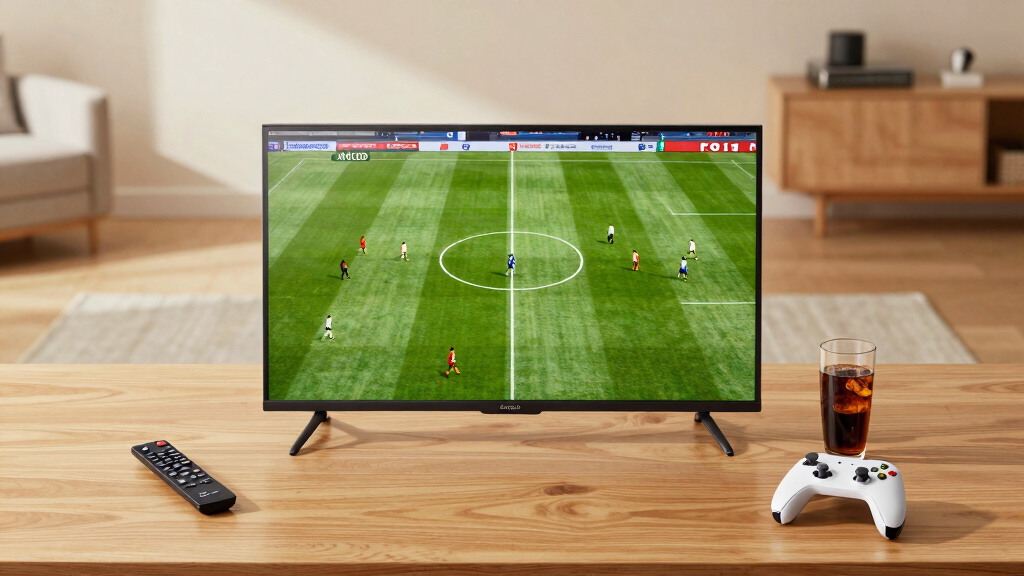

The best 4K OLED TVs for sports viewing combine clean motion, strong broadcast processing, and enough brightness for daytime matches. I rate the LG OLED evo C5 as the best overall pick because it balances those qualities without the premium pricing of flagship models. The Sony BRAVIA XR-65XR80 stands out for processing lower-quality feeds, while the Samsung S95F is better suited to bright rooms and viewers who watch afternoon sports. Buyers must weigh motion refinement against brightness, screen size, format support, and price rather than choosing by panel technology alone. Continue reading for the full breakdown and the buyer types each model serves best.
Complete the kit



Key Takeaways
- The LG OLED evo C5 earns the top position by offering the strongest balance of motion, brightness, usability, and price rather than leading every category outright.
- Sony’s XR models have the clearest sports-focused advantage when cable, satellite, or compressed streaming feeds need extra cleanup and controlled motion processing.
- The Samsung S95F and LG G5 justify premium prices mainly in bright rooms; viewers who usually watch at night may get better value from the C5, C4, or B4.
- Screen size changes the experience more than a jump from 120Hz to 144Hz for most televised sports, since regular broadcasts do not deliver 144 frames per second.
- Bundles do not improve picture performance, so the C5 and S90F packages only move ahead of standalone listings when their protection plans and accessories carry real value.
| LG 65-Inch Class OLED evo C4 Series Smart TV 4K |  | Best Overall | Screen Size: 65 inches | Resolution: 4K | Panel Technology: OLED evo with Brightness Booster | VIEW LATEST PRICE | See Our Full Breakdown |
| LG 65-Inch Class OLED evo AI 4K C5 Series Smart TV |  | Best for Bright-Room Sports | Screen Size: 65 inches | Resolution: 4K | Panel Technology: OLED evo with Brightness Booster | VIEW LATEST PRICE | See Our Full Breakdown |
| Sony 65 Inch BRAVIA XR-65XR80 OLED 4K HDR Smart Google TV |  | Best for Broadcast Processing | Screen Size: 65 inches | Resolution: 4K UHD | Display Technology: OLED with over 8 million self-lit pixels | VIEW LATEST PRICE | See Our Full Breakdown |
| Samsung 55-Inch S90F OLED 4K AI Smart TV (2025) Bundle |  | Best Sports and Gaming Bundle | Screen Size: 55 inches | Resolution: 4K | Processor: NQ4 AI Gen3 | VIEW LATEST PRICE | See Our Full Breakdown |
| LG 55-Inch Class OLED B4 Series Smart TV 4K |  | Best Value Pick | Screen Size: 55 inches | Resolution: 4K | Display Technology: OLED with self-lit pixels | VIEW LATEST PRICE | See Our Full Breakdown |
| Samsung 65-Inch Class OLED S95F 4K Smart TV (2025 Model) |  | Best for Bright-Room Sports | Screen Size: 65 inches | Resolution: 4K | Processor: NQ4 AI Gen3 | VIEW LATEST PRICE | See Our Full Breakdown |
| LG 55-Inch Class OLED evo G5 Series 4K Smart TV with Dolby Atmos & Vision |  | Best Premium Wall-Mounted Pick | Screen Size: 55 inches | Resolution: 4K | HDR: HDR10 and Dolby Vision | VIEW LATEST PRICE | See Our Full Breakdown |
| Panasonic Z8 Series 77-Inch OLED 4K Ultra HD Smart Fire TV |  | Best for Big-Game Gatherings | Screen Size: 77 inches | Resolution: 4K Ultra HD | HDR Formats: HDR10, HDR10+, Dolby Vision, and HLG | VIEW LATEST PRICE | See Our Full Breakdown |
| Samsung 65-Inch Class OLED S90F 4K Smart TV (2025 Model) |  | Best Balanced 65-Inch Pick | Screen Size: 65 inches | Resolution: 4K | Display Technology: OLED | VIEW LATEST PRICE | See Our Full Breakdown |
| LG OLED65C5PUA 65-Inch C5 OLED evo 4K UHD webOS TV 2025 Bundle |  | Best All-in-One Bundle | Screen Size: 65 inches | Resolution: 4K UHD | Display Technology: OLED evo | VIEW LATEST PRICE | See Our Full Breakdown |
| Sony 55 Inch BRAVIA XR8B OLED 4K HDR Smart Google TV |  | Best for Broadcast Processing | Display Technology: OLED | Screen Size: 55 inches | Resolution: 4K HDR | VIEW LATEST PRICE | See Our Full Breakdown |
| Sony 65 Inch BRAVIA XR OLED 4K HDR Smart Google TV (K-65XR80M2) |  | Best for Big-Game Viewing | Display Technology: OLED | Screen Size: 65 inches | Resolution: 4K | VIEW LATEST PRICE | See Our Full Breakdown |
| Sony 42 Inch 4K Ultra HD OLED TV A90K Series BRAVIA XR |  | Best Compact Sports TV | Screen Size: 42 inches | Resolution: 4K Ultra HD | Series: A90K | VIEW LATEST PRICE | See Our Full Breakdown |
| Samsung 55-Inch Class OLED 4K S85F Series Smart TV (2025 Model) |  | Best for Upscaled Sports Streams | Screen Size: 55 inches | Display Technology: OLED | Resolution: 4K | VIEW LATEST PRICE | See Our Full Breakdown |
| 4K OLED TVs for sports viewing | Screen Size | Resolution | Processor | Refresh Rate |
|---|---|---|---|---|
| LG 65-Inch Class OLED evo C4 S | 65 inches | 4K | α9 Gen7 AI Processor | Up to 144Hz |
| LG 65-Inch Class OLED evo AI 4 | 65 inches | 4K | Alpha 9 AI Processor Gen8 | Up to 144Hz |
| Sony 65 Inch BRAVIA XR-65XR80 | 65 inches | 4K UHD | XR Processor with AI technology | — |
| Samsung 55-Inch S90F OLED 4K A | 55 inches | 4K | NQ4 AI Gen3 | Up to 144Hz |
| LG 55-Inch Class OLED B4 Serie | 55 inches | 4K | α8 AI Processor 4K | 120Hz |
| Samsung 65-Inch Class OLED S95 | 65 inches | 4K | NQ4 AI Gen3 | 164Hz |
| LG 55-Inch Class OLED evo G5 S | 55 inches | 4K | Alpha 11 AI Processor Gen2 | Up to 165Hz |
| Panasonic Z8 Series 77-Inch OL | 77 inches | 4K Ultra HD | HCX Pro AI Processor MKII | 144Hz |
| Samsung 65-Inch Class OLED S90 | 65 inches | 4K | NQ4 AI Gen3 | 144Hz |
| LG OLED65C5PUA 65-Inch C5 OLED | 65 inches | 4K UHD | α9 AI Processor Gen7 | — |
| Sony 55 Inch BRAVIA XR8B OLED | 55 inches | 4K HDR | XR Processor with AI Technology | — |
| Sony 65 Inch BRAVIA XR OLED 4K | 65 inches | 4K | — | 120Hz |
| Sony 42 Inch 4K Ultra HD OLED | 42 inches | 4K Ultra HD | — | 120Hz |
| Samsung 55-Inch Class OLED 4K | 55 inches | 4K | NQ4 AI Gen2 | — |
More Details on Our Top Picks
LG 65-Inch Class OLED evo C4 Series Smart TV 4K
I rank the LG OLED evo C4 first because its 65-inch screen, 144Hz refresh rate, and four HDMI 2.1 inputs form the strongest all-around package for sports, streaming, and gaming. Self-lit pixels preserve uniform black levels, while the Brightness Booster helps daytime games retain punch. Compared with the LG B4, the C4 offers a faster refresh ceiling and stronger processing, making rapid camera pans and small details easier to follow. The newer LG C5 has a more advanced processor and better bright-room positioning, but the C4 can make more sense when discounted. Its weaknesses are a premium price, a menu system that may require setup time, and substantial mounting demands. For most mixed-use households, I see it as the best balance of motion, size, connectivity, and value.
Pros:- 144Hz refresh capability keeps fast camera movement and gaming action smooth
- Brightness Booster gives daytime sports more impact than entry-level OLED models
- Four HDMI 2.1 inputs accommodate multiple consoles and modern media devices
- 65-inch OLED panel delivers strong contrast and wide viewing angles for group seating
Cons:- Costs more than the LG B4 despite sharing many core OLED benefits
- Extensive picture and gaming settings can take time to configure
- Large, heavy chassis requires sturdy furniture or mounting hardware
Best for: Sports-focused households wanting a 65-inch OLED that also supports high-frame-rate PC and console gaming
Not ideal for: Apartment viewers with limited wall space or casual users who want a simple, low-cost television
- Screen Size:65 inches
- Resolution:4K
- Panel Technology:OLED evo with Brightness Booster
- Processor:α9 Gen7 AI Processor
- Refresh Rate:Up to 144Hz
- HDR:Dolby Vision
- Audio:Dolby Atmos
- HDMI Inputs:4 HDMI 2.1
- Gaming Support:G-Sync, FreeSync Premium, VRR, 0.1ms response time
Our verdict“I recommend the C4 to buyers seeking the most balanced 65-inch sports OLED without paying for the newest flagship tier.”
LG 65-Inch Class OLED evo AI 4K C5 Series Smart TV
The LG OLED evo C5 is my pick for viewers who regularly watch afternoon matches in rooms with windows or ambient lighting. Its Brightness Booster and bright-room positioning give highlights and colorful uniforms more presence, while the Alpha 9 Gen8 processor handles upscaling of cable and streaming feeds. It moves ahead of the LG C4 through newer processing, yet both provide 144Hz support, four HDMI 2.1 ports, and broad variable-refresh compatibility. That makes the C5 harder to justify if the C4 is heavily discounted. It also carries a premium price, and its many AI, motion, and gaming controls may feel excessive to viewers who prefer automatic operation. I place it behind the C4 on overall value, but its daytime visibility and polished motion package make it the better sports choice in a brighter room.
Pros:- Brightness Booster supports clearer daytime viewing than entry-level OLED sets
- Alpha 9 Gen8 processing improves lower-resolution broadcast and streaming sources
- 144Hz refresh capability and VRR support suit fast sports and gaming
- Four HDMI 2.1 ports provide flexible connectivity for a full entertainment setup
Cons:- Price premium over the C4 may outweigh its processing improvements
- OLED brightness still may not match the strongest premium alternatives in very sunny rooms
- Large settings suite can be cumbersome for buyers seeking straightforward operation
Best for: Daytime sports viewers with a bright living room who also own high-refresh-rate gaming hardware
Not ideal for: Budget-conscious buyers who can find the closely matched LG C4 at a large discount
- Screen Size:65 inches
- Resolution:4K
- Panel Technology:OLED evo with Brightness Booster
- Processor:Alpha 9 AI Processor Gen8
- Refresh Rate:Up to 144Hz
- HDR:Dolby Vision and HDR10
- Audio:Dolby Atmos
- HDMI Inputs:4 HDMI 2.1
- Gaming Support:NVIDIA G-Sync, AMD FreeSync Premium, VRR, 0.1ms response time
Our verdict“I would choose the C5 over the C4 when bright-room sports performance matters more than securing the lowest price.”
Sony 65 Inch BRAVIA XR-65XR80 OLED 4K HDR Smart Google TV
I favor the Sony BRAVIA XR-65XR80 for viewers whose sports diet comes mainly from cable channels and compressed streaming feeds. The XR Processor and XR Triluminos Pro are aimed at preserving natural color, texture, and subject separation when the source falls short of pristine 4K. Compared with the LG C4, Sony places less emphasis on 144Hz PC gaming and more on image processing and PlayStation 5 integration. Google TV also makes app discovery broad, while Dolby Atmos and DTS:X add audio flexibility. The tradeoff is that its listed gaming features are narrower than the LG and Samsung options, and setup can feel dense. Its premium price is easiest to defend when broadcast cleanup matters more than maximum refresh specifications. For football, soccer, and motorsport streams, I value its processing-first approach.
Pros:- XR Processor is well suited to upscaling compressed cable and streaming sports
- OLED contrast and XR Triluminos Pro support clear uniforms and field detail
- Google TV provides broad access to sports and entertainment apps
- Auto HDR Tone Mapping and Auto Genre Picture Mode complement PlayStation 5 use
Cons:- Gaming specification is less expansive than the 144Hz LG C4 and Samsung S90F
- Premium pricing may be difficult to justify for viewers using high-quality native 4K sources
- Picture, platform, and account setup may feel complicated to casual users
Best for: Cable and streaming sports fans who prioritize clean upscaling, natural color, and PlayStation 5 compatibility
Not ideal for: PC gamers seeking 144Hz support and the widest selection of variable-refresh features
- Screen Size:65 inches
- Resolution:4K UHD
- Display Technology:OLED with over 8 million self-lit pixels
- Processor:XR Processor with AI technology
- Color Technology:XR Triluminos Pro
- HDR:HDR and Dolby Vision
- Smart Platform:Google TV
- Audio Formats:Dolby Atmos and DTS:X
- Gaming Features:Auto HDR Tone Mapping and Auto Genre Picture Mode
Our verdict“I recommend the XR-65XR80 when cleaner broadcast presentation matters more than chasing the highest refresh rate.”
Samsung 55-Inch S90F OLED 4K AI Smart TV (2025) Bundle
The Samsung S90F bundle makes the most sense to me for a buyer building a sports-and-gaming setup in one purchase. Its 144Hz refresh rate, G-SYNC, and FreeSync Premium Pro support fluid action from compatible PCs and consoles, while Pantone-validated color helps team kits remain distinct. At 55 inches, it fits smaller rooms more comfortably than the 65-inch LG C4 or Sony XR-65XR80. The included protection and cables also reduce separate shopping, though bundle value depends on the quality and usefulness of those extras. Samsung supports OLED HDR+ rather than Dolby Vision, which may steer movie-focused buyers toward LG. Tizen and SmartThings bring many controls but can create a learning curve. I rank it as the strongest ready-made package, not the best pure value, because some buyers will pay for accessories they already own.
Pros:- 144Hz support with G-SYNC and FreeSync Premium Pro serves sports and gaming well
- 55-inch size is easier to place in apartments and smaller media rooms
- Pantone-validated color supports clear separation of uniforms and field tones
- Bundle includes protection, HDMI cables, and setup accessories
Cons:- Lacks Dolby Vision support
- Bundle pricing may include accessories the buyer does not need
- Tizen, SmartThings, and extensive AI settings can require a learning period
Best for: Sports fans and PC gamers furnishing a smaller media room who need a TV, cables, and added protection together
Not ideal for: Dolby Vision users or buyers who already own accessories and would gain little from bundle extras
- Screen Size:55 inches
- Resolution:4K
- Processor:NQ4 AI Gen3
- Refresh Rate:Up to 144Hz
- HDR:OLED HDR+
- Color:Pantone Validated
- Audio:Dolby Atmos and Object Tracking Sound Lite
- Smart Platform:Tizen with SmartThings and Bixby
- Gaming Support:NVIDIA G-SYNC and AMD FreeSync Premium Pro
Our verdict“I would buy this S90F bundle for a compact sports-and-gaming room when its included protection and accessories have real value.”
LG 55-Inch Class OLED B4 Series Smart TV 4K
I choose the LG OLED B4 as the value entry because it keeps the sports features that matter most: 120Hz motion, wide OLED viewing angles, and four HDMI 2.1 inputs. A group spread across the room can see consistent contrast, while the fast panel suits football, hockey, and basketball without paying for a 144Hz model. Against the LG C4, the B4 gives up the more powerful α9 processor, Brightness Booster, and higher refresh ceiling. Those differences matter in sunny rooms or when cleaning up poor feeds, but they are less persuasive for evening viewing from good-quality streams. The B4 is also smaller at 55 inches, and OLED output may struggle against strong daylight. WebOS 24 offers plentiful streaming access, though it depends on an internet connection for online features. I see it as the smartest cost-conscious sports choice.
Pros:- 120Hz OLED panel handles rapid sports motion without charging for a 144Hz tier
- Wide viewing angles suit families and groups seated around the room
- Four HDMI 2.1 inputs are unusually flexible for a value-focused OLED
- Dolby Vision and Dolby Atmos support movies alongside sports viewing
Cons:- Lower brightness than the C4 and C5 makes it less suitable for sunny rooms
- α8 processor is less capable than the C4’s α9 chip with poor-quality sources
- 55-inch screen may feel small across a large living room
Best for: Evening sports viewers in small or midsize rooms who want OLED motion and wide seating angles at a lower price
Not ideal for: Bright-room viewers or shoppers who need a 65-inch screen and stronger processing for low-quality broadcasts
- Screen Size:55 inches
- Resolution:4K
- Display Technology:OLED with self-lit pixels
- Processor:α8 AI Processor 4K
- Refresh Rate:120Hz
- HDR:Dolby Vision
- Audio:Dolby Atmos
- Smart Platform:webOS 24
- HDMI Inputs:4 HDMI 2.1
Our verdict“I recommend the B4 for buyers who want the core benefits of OLED sports viewing and can skip the C4’s extra brightness and 144Hz ceiling.”
Samsung 65-Inch Class OLED S95F 4K Smart TV (2025 Model)
I rank the Samsung S95F as the strongest choice for daytime sports because its glare-free screen tackles the reflections that can make an OLED difficult to watch in a sunny room. The 164Hz refresh capability and Motion Xcelerator help fast camera pans look cleaner, while the NQ4 AI Gen3 processor can sharpen softer cable and streaming feeds. Compared with the Samsung S90F, this model offers a higher refresh ceiling and better reflection control, making its added sophistication more relevant for sports than for casual viewing. I would skip it if simplicity matters: its many AI settings can take time to learn, and picture improvements vary with the source. The 164Hz capability also benefits compatible PC gaming more than ordinary sports broadcasts.
Pros:- Glare-free screen reduces distracting reflections during daytime games
- 164Hz refresh capability supports clean fast-motion presentation
- AI processing helps improve lower-resolution sports feeds
- OLED contrast preserves depth in uniforms, courts, and night events
Cons:- AI enhancement quality depends on the source signal
- Extensive picture features may feel complicated to casual users
- Peak refresh capability requires compatible PC hardware and does not benefit most broadcasts
Best for: Daytime sports viewers with a bright living room who need strong reflection control and smooth motion
Not ideal for: Viewers seeking simple setup or buying mainly for standard broadcast sports that cannot exploit the 164Hz ceiling
- Screen Size:65 inches
- Resolution:4K
- Processor:NQ4 AI Gen3
- Refresh Rate:164Hz
- HDR:HDR Pro
- Motion Technology:Motion Xcelerator
- Audio:Dolby Atmos
- Smart Features:Samsung Vision AI and Alexa Built-in
Our verdict“I recommend the S95F to serious sports fans who watch in bright rooms and will use its advanced motion and reflection controls.”
LG 55-Inch Class OLED evo G5 Series 4K Smart TV with Dolby Atmos & Vision
The LG OLED evo G5 makes my list for buyers who want sports performance in a polished wall-mounted setup. Its bright OLED evo panel pairs perfect blacks with Dolby Vision, helping floodlit fields and shaded seating retain convincing separation. A refresh rate up to 165Hz and 0.1ms response time also suit households that split the screen between live games and high-frame-rate gaming. Compared with the LG C5 bundle, the G5 places more emphasis on display performance and its flush One Wall design rather than included mounting accessories and protection. The tradeoff is a premium price for a 55-inch screen, which feels less cinematic than the 65-inch Samsung models or 77-inch Panasonic Z8. I also expect its layered AI, gaming, and webOS controls to require some setup before motion looks natural.
Pros:- Bright OLED evo panel gives outdoor sports strong visual punch
- Up to 165Hz refresh rate and 0.1ms response time support smooth gaming
- Dolby Vision preserves highlight and shadow detail
- One Wall design creates a clean wall-mounted installation
Cons:- Premium pricing is difficult to justify for buyers focused only on broadcast sports
- This product is limited to a 55-inch screen
- Advanced picture and gaming menus have a learning curve
Best for: Design-focused sports and gaming fans who want a bright 55-inch OLED mounted close to the wall
Not ideal for: Large-room viewers who want maximum screen size for group viewing or buyers who prefer straightforward controls
- Screen Size:55 inches
- Resolution:4K
- HDR:HDR10 and Dolby Vision
- Processor:Alpha 11 AI Processor Gen2
- Refresh Rate:Up to 165Hz
- Response Time:0.1ms
- Inputs:4 HDMI 2.1 ports
- Smart Platform:webOS
- Design:One Wall Design
Our verdict“I would choose the G5 for a stylish 55-inch wall installation where brightness, motion, and gaming performance outrank screen size.”
Panasonic Z8 Series 77-Inch OLED 4K Ultra HD Smart Fire TV
I give the Panasonic Z8 Series the big-screen role because its 77-inch OLED panel makes field position, puck movement, and racing detail easier for a group to follow from across the room. Its broad HDR support includes Dolby Vision IQ and HDR10+, while the 360 Soundscape Pro system offers a more ambitious audio package than the Samsung S90F’s sparsely detailed sound setup. A 144Hz refresh rate, VRR, and HDMI 2.1 add flexibility for sports games between live events. Compared with the 55-inch LG G5, the Panasonic trades compact elegance and a higher refresh ceiling for far greater scale. That size demands ample viewing distance and sturdy placement, and the price may be excessive for solo viewers. Fire TV, multiple HDR modes, and extensive gaming settings may also require patience during initial configuration.
Pros:- 77-inch OLED panel gives groups a clear view of fast action
- Wide HDR format support accommodates varied streaming sources
- 360 Soundscape Pro and Dolby Atmos strengthen stadium atmosphere
- 144Hz, VRR, FreeSync, and G-SYNC support add gaming versatility
Cons:- Large cabinet can overwhelm smaller rooms and short viewing distances
- Premium price is hard to defend for one-person viewing
- Numerous picture, gaming, and Fire TV settings add setup complexity
Best for: Families and groups watching major sporting events in a spacious room where a 77-inch image and stronger built-in audio matter
Not ideal for: Apartment dwellers, close-range viewers, or solo sports fans who cannot make practical use of a 77-inch screen
- Screen Size:77 inches
- Resolution:4K Ultra HD
- HDR Formats:HDR10, HDR10+, Dolby Vision, and HLG
- Refresh Rate:144Hz
- Processor:HCX Pro AI Processor MKII
- Audio:Dolby Atmos and 360 Soundscape Pro
- Gaming Features:VRR, AMD FreeSync Premium, NVIDIA G-SYNC, and Game Mode Extreme
- Connectivity:HDMI 2.1
- Smart Platform:Fire TV
Our verdict“I recommend the Z8 for spacious-room sports gatherings where screen scale and built-in sound carry more weight than compactness or price.”
Samsung 65-Inch Class OLED S90F 4K Smart TV (2025 Model)
The Samsung S90F is my balanced 65-inch pick for viewers who want strong sports motion without stepping up to the S95F’s specialized glare-free design. Its 144Hz Motion Xcelerator capability is more than enough for current sports sources, and the NQ4 AI Gen3 processor can add clarity to compressed streams or lower-resolution cable channels. Bright highlights and OLED black levels help players stand apart from the field, especially during evening events. Against the Samsung S95F, the S90F gives up the higher refresh ceiling and explicit glare control, so it is better suited to rooms where reflections are already managed. Sound specifications are also less informative than those of the Dolby Atmos-equipped LG C5 and Panasonic Z8. Alexa adds convenience, but its full value depends on an existing compatible smart-home setup.
Pros:- 144Hz motion capability handles rapid camera movement cleanly
- AI processor improves the apparent clarity of softer feeds
- 65-inch screen balances immersion with common living-room layouts
- Deep OLED contrast separates players and on-screen graphics
Cons:- Lacks the S95F’s stated glare-free treatment
- Product data gives limited detail about audio performance
- Alexa integration offers less value without compatible smart-home devices
Best for: Sports fans seeking a versatile 65-inch OLED for a room with curtains, shades, or controlled lighting
Not ideal for: Buyers with highly reflective rooms or viewers who want a clearly specified, more immersive built-in sound system
- Screen Size:65 inches
- Resolution:4K
- Display Technology:OLED
- Processor:NQ4 AI Gen3
- Refresh Rate:144Hz
- HDR:Pro HDR+
- Motion Technology:Motion Xcelerator
- Smart Assistant:Alexa Built-in
Our verdict“I see the S90F as the sensible 65-inch choice for sports viewers who control room lighting and do not need the S95F’s glare-focused upgrades.”
LG OLED65C5PUA 65-Inch C5 OLED evo 4K UHD webOS TV 2025 Bundle
I place the LG C5 bundle highest for buyers building a sports setup from scratch. Alongside the 65-inch OLED evo TV, it includes a wall mount, HDMI cables, surge adapter, and 26 months of extended protection, reducing the number of separate purchases before game day. Dolby Vision, Dolby Atmos, and the α9 AI Processor Gen7 support a strong mix of contrast, sound, and source cleanup, while four HDMI 2.1 ports leave room for consoles and streaming devices. Compared with the LG G5, the C5 package favors practical ownership value and a larger screen over the G5’s One Wall styling and stated 165Hz performance. The bundle still carries a premium price, and mounting a 65-inch set may call for professional help. Buyers who already own cables and mounting hardware may pay for extras they do not need.
Pros:- OLED evo panel delivers deep blacks and vivid field colors
- Bundle includes a wall mount, HDMI cables, and surge adapter
- Four HDMI 2.1 ports accommodate several high-bandwidth devices
- Extended protection adds reassurance beyond the included accessories
Cons:- Bundle pricing may be excessive for buyers who already own the accessories
- A 65-inch wall installation can require added space and professional help
- Initial setup combines TV, mounting, webOS, and connected-device configuration
Best for: First-time home-theater buyers who want a 65-inch sports TV, mounting hardware, cables, and added protection in one purchase
Not ideal for: Experienced home-theater owners who already have accessories or renters who cannot wall-mount a large television
- Screen Size:65 inches
- Resolution:4K UHD
- Display Technology:OLED evo
- Processor:α9 AI Processor Gen7
- HDR:Dolby Vision and HDR Expression Enhancer
- Audio:Dolby Atmos
- HDMI Ports:4 HDMI 2.1 ports
- Smart Platform:webOS 25
- Bundle Coverage:26-month extended protection, wall mount, HDMI cables, surge adapter, and guidebook
Our verdict“I recommend this C5 bundle to buyers starting a 65-inch sports-viewing setup who value included installation accessories and extended protection.”
Sony 55 Inch BRAVIA XR8B OLED 4K HDR Smart Google TV
I rank the Sony BRAVIA XR8B as the strongest choice here for viewers who watch a mix of live broadcasts, compressed cable feeds, and 4K streams. Its AI-powered XR Processor is the main attraction: processing quality can make uniforms, field textures, and fast camera pans appear cleaner when the source falls short of pristine 4K. Compared with the 65-inch Sony K-65XR80M2, this model sacrifices big-game scale but fits more rooms and viewing distances. It also provides a more immersive 55-inch presentation than the compact Sony A90K. I would budget time for its feature-heavy setup, however, and OLED buyers who leave scoreboards or sports channels paused for long periods face some burn-in risk. The premium pricing also makes it harder to justify for occasional viewers.
Pros:- XR Processor can improve clarity and contrast across mixed-quality sports sources
- OLED black levels give night games and arena lighting strong depth
- 55-inch screen balances immersion with placement flexibility
- Google TV brings major sports-streaming services into one interface
Cons:- Premium pricing is difficult to justify for casual sports viewing
- Feature-rich setup may feel complicated for buyers seeking simple controls
- Persistent scoreboards and paused broadcasts create long-term OLED burn-in concerns
Best for: Sports fans who watch mixed-quality cable, broadcast, and streaming sources in a medium-size room
Not ideal for: Occasional viewers on a tight budget or households that regularly leave channels with static scoreboards paused for hours
- Display Technology:OLED
- Screen Size:55 inches
- Resolution:4K HDR
- Processor:XR Processor with AI Technology
- HDR and Audio Formats:Dolby Vision, Dolby Atmos, IMAX Enhanced, DTS:X
- Sound:Cinematic sound from the screen
- Smart Platform:Google TV
- Gaming Features:Auto HDR Tone Mapping, Auto Genre Picture Mode
Our verdict“I recommend the XR8B to serious sports viewers who value picture processing more than maximum screen size or a low purchase price.”
Sony 65 Inch BRAVIA XR OLED 4K HDR Smart Google TV (K-65XR80M2)
I give the Sony K-65XR80M2 the big-screen role because its 65-inch panel makes player movement, racing action, and wide field coverage easier to follow from a typical living-room sofa. The combination of 120Hz refresh and OLED contrast is well matched to sports: motion gets more temporal detail while self-lit pixels preserve separation between bright uniforms and darker stands. Compared with the 55-inch BRAVIA XR8B, this model provides greater match-day impact, though it demands more wall space and usually a larger budget. It is far more suitable for group viewing than the 42-inch Sony A90K. My reservations are its premium cost and the familiar OLED burn-in exposure created by repeated scoreboards or news tickers. Buyers seated close to the screen may also find 65 inches excessive.
Pros:- 65-inch screen makes wide-field action easier for groups to follow
- 120Hz refresh rate suits fast camera movement and rapid play
- AI processing supports cleaner detail and stronger scene contrast
- Google TV, AirPlay 2, and Google Cast offer flexible streaming
Cons:- Premium price limits its appeal as an occasional-use sports TV
- 65-inch footprint may overwhelm small rooms or short viewing distances
- Repeated static broadcast graphics carry a risk of OLED burn-in over time
Best for: Families and watch-party hosts who sit at a living-room distance and want a large 120Hz OLED screen
Not ideal for: Apartment viewers seated close to the TV or buyers who keep sports channels with static graphics running all day
- Display Technology:OLED
- Screen Size:65 inches
- Resolution:4K
- HDR:HDR
- Refresh Rate:120Hz
- Contrast Ratio:3,000,000:1
- Aspect Ratio:16:9
Our verdict“I would choose this Sony for watch parties and large living rooms where its 65-inch scale and 120Hz panel can earn their keep.”
Sony 42 Inch 4K Ultra HD OLED TV A90K Series BRAVIA XR
I chose the Sony A90K for bedrooms, offices, and close seating positions where a larger OLED would dominate the room. Its 42-inch 120Hz panel retains the motion capability sports viewers want, while XR OLED Contrast Pro helps separate bright pitches, ice, and uniforms from darker backgrounds. At 8.5ms, the stated input lag also adds value for anyone who switches from watching football to playing a sports game. Compared with the 55-inch BRAVIA XR8B, the A90K is easier to place but less satisfying for groups; beside the 65-inch K-65XR80M2, it cannot recreate the same stadium-like scale. I also see limited value for buyers with a long viewing distance. Its premium positioning is costly for a small TV, and static graphics remain an OLED concern.
Pros:- Compact 42-inch size works well at short viewing distances
- 120Hz refresh rate supports smoother fast-action presentation
- XR OLED Contrast Pro strengthens separation across bright and dark areas
- 8.5ms input lag and HDMI 2.1 suit sports-gaming sessions
Cons:- 42-inch screen lacks impact for groups and long viewing distances
- Premium price is high relative to its compact size
- Static scoreboards and channel logos can contribute to OLED burn-in over time
Best for: Bedroom, office, and gaming-desk viewers who watch sports from a short distance
Not ideal for: Watch-party hosts and large-room viewers who need a screen visible from several seats
- Screen Size:42 inches
- Resolution:4K Ultra HD
- Series:A90K
- Display Technology:OLED
- HDR Support:Dolby Vision, HDR10, HLG
- Input Lag:8.5ms
- HDMI:HDMI 2.1
- Refresh Rate:120Hz
- Smart Platform:Google TV
Our verdict“I favor the A90K for close-range sports viewing when space matters more than crowd-pleasing screen size.”
Samsung 55-Inch Class OLED 4K S85F Series Smart TV (2025 Model)
I assign the Samsung S85F to viewers whose sports diet includes lower-resolution streams as well as 4K events. Its NQ4 AI Gen2 processor and AI-assisted 4K upscaling are aimed at making softer feeds more presentable, while Color Booster Pro can help team colors and playing surfaces retain visual punch. Object Tracking Sound Lite adds directional character without requiring an immediate soundbar purchase. Compared with the Sony BRAVIA XR8B, the Samsung offers a different smart ecosystem and Alexa integration, but the supplied specifications provide less clarity about refresh rate and HDMI capabilities—details demanding attention from serious motion purists. It also lacks the larger 65-inch scale of Sony’s K-65XR80M2. I would expect a learning curve from its many smart features, and premium pricing weakens its value case for viewers satisfied with basic broadcast quality.
Pros:- NQ4 AI Gen2 processor targets cleaner upscaling of lower-resolution sports feeds
- Color Booster Pro supports vivid uniforms and playing surfaces
- Object Tracking Sound Lite with Dolby Atmos adds spatial character
- Alexa integration suits households already using Amazon voice controls
Cons:- Provided product data does not state the refresh rate or HDMI specification
- Smart and AI features may require more setup than some viewers want
- Premium pricing reduces its appeal for basic broadcast viewing
Best for: Alexa households that watch sports across mixed-resolution streaming services and want a balanced 55-inch screen
Not ideal for: Motion-focused buyers who want clearly documented refresh-rate and HDMI specifications before purchasing
- Screen Size:55 inches
- Display Technology:OLED
- Resolution:4K
- Series:S85F
- Model Year:2025
- Processor:NQ4 AI Gen2
- Sound:Object Tracking Sound Lite with Dolby Atmos
- Color Technology:Color Booster Pro
- Smart Features:Vision AI, Alexa Built-in
Our verdict“I see the S85F as a smart fit for mixed-quality streaming and Alexa homes, provided the buyer verifies its motion and HDMI specifications.”
How We Picked
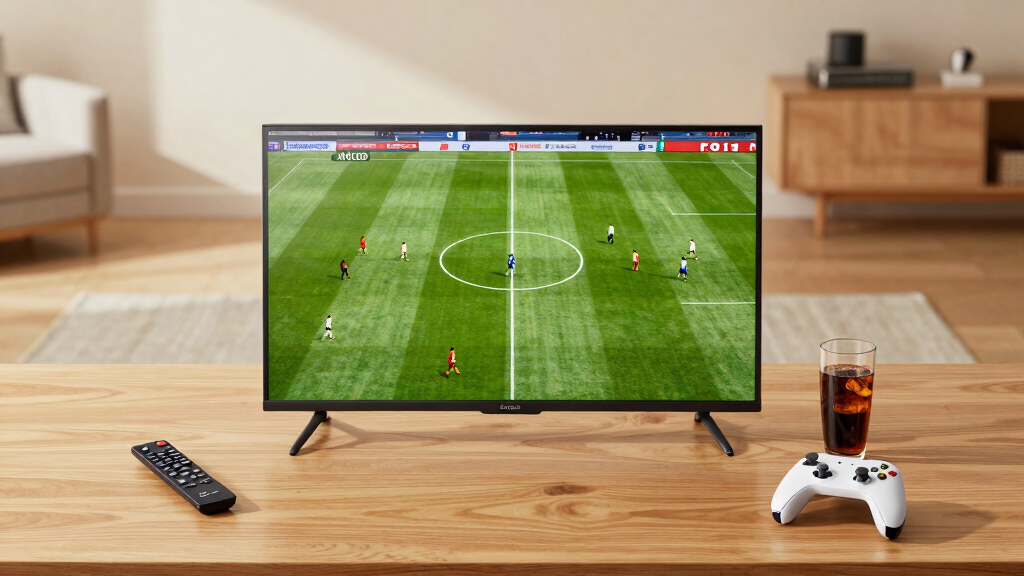
I ranked these TVs around the demands of fast, unpredictable sports footage, not general movie performance. My main criteria were motion processing, broadcast cleanup, panel brightness, and reflection control. I also examined viewing angles because sports are often watched with friends seated away from the center. Screen-size choices, app usability, audio capability, gaming support, and HDR format compatibility influenced close decisions. Published specifications and each model’s position within its manufacturer lineup formed the basis of the comparison; I do not present these rankings as first-hand test results.
The highest positions went to models that combine clean movement with practical everyday value. Premium brightness helped the LG G5 and Samsung S95F, but price kept them from automatically beating the more balanced LG C5. Sony models gained ground through processing suited to compressed broadcasts, while the LG B4 ranked as a value choice because it retains the core OLED benefits at a lower tier. I treated alternate sizes and bundles as separate buying propositions only when they changed placement, room suitability, or ownership value. Accessories and protection plans received less weight than the television itself because they cannot improve motion or image quality.
| 4K OLED TVs for sports viewing | Audio | Display Technology | Smart Platform |
|---|---|---|---|
| LG 65-Inch Class OLED evo C4 S | Dolby Atmos | — | — |
| LG 65-Inch Class OLED evo AI 4 | Dolby Atmos | — | — |
| Sony 65 Inch BRAVIA XR-65XR80 | — | OLED with over 8 million self-lit pixels | Google TV |
| Samsung 55-Inch S90F OLED 4K A | Dolby Atmos and Object Tracking Sound Lite | — | Tizen with SmartThings and Bixby |
| LG 55-Inch Class OLED B4 Serie | Dolby Atmos | OLED with self-lit pixels | webOS 24 |
| Samsung 65-Inch Class OLED S95 | Dolby Atmos | — | — |
| LG 55-Inch Class OLED evo G5 S | — | — | webOS |
| Panasonic Z8 Series 77-Inch OL | Dolby Atmos and 360 Soundscape Pro | — | Fire TV |
| Samsung 65-Inch Class OLED S90 | — | OLED | — |
| LG OLED65C5PUA 65-Inch C5 OLED | Dolby Atmos | OLED evo | webOS 25 |
| Sony 55 Inch BRAVIA XR8B OLED | — | OLED | Google TV |
| Sony 65 Inch BRAVIA XR OLED 4K | — | OLED | — |
| Sony 42 Inch 4K Ultra HD OLED | — | OLED | Google TV |
| Samsung 55-Inch Class OLED 4K | — | OLED | — |
Factors to Consider When Choosing 4K OLED TVs For Sports Viewing
I would choose an OLED sports TV by matching the display to the room, signal quality, viewing group, and budget. Panel type alone does not settle the decision, since processing and screen treatment can change how a match looks. The following factors explain where paying more helps and where a less expensive model can deliver the same practical result.
Prioritize Motion Processing Over Headline Refresh Rates
OLED’s rapid pixel response keeps moving players from leaving long trails, but fast response is not the same as polished motion. Football passes, hockey pucks, and camera pans can still judder or expose artifacts created by aggressive frame interpolation. Sony’s XR models make sense for viewers who want more controlled broadcast motion, while LG and Samsung provide wider adjustment ranges for people willing to tune the settings. A 144Hz panel adds flexibility for PC gaming, yet standard sports broadcasts usually arrive at 50 or 60 frames per second. That means a 144Hz label will not make an ordinary match smoother than a well-processed 120Hz television. I would pay extra for better processing before paying solely for a refresh rate the source cannot use.
Match Brightness and Screen Finish to the Room
A bright living room can reduce the visible contrast that makes OLED appealing, especially during daytime matches. The Samsung S95F and LG G5 are stronger premium candidates for these spaces because their higher-tier positioning centers on brightness and glare management. A matte or glare-reducing screen can soften reflections, though it may make blacks appear less deep when strong light hits the panel. Glossy screens often look richer in controlled lighting but can mirror windows and lamps. Bright sports such as hockey also place more of the panel under load than a dark movie scene, so peak-brightness claims tell only part of the story. I would spend more on brightness and reflection control only when the room regularly challenges the screen.
Choose Screen Size Around Distance and Group Viewing
Sports benefit from a larger image because it becomes easier to follow formations, read score graphics, and identify players. The 77-inch Panasonic Z8 suits a large room, while the 42-inch Sony A90K fills a very different role on a desk or in a compact den. Sitting too close to a large screen can expose compression noise in cable and streaming feeds, even when the panel itself is sharp. Sitting too far away makes the detail advantage of 4K harder to see. OLED’s wide viewing angles help when guests spread across a room, but wall placement and furniture still affect sightlines. I would choose the largest size that fits the normal viewing distance without forcing the room layout around the television.
Account for Broadcast Quality and Upscaling
Many live events still reach viewers through compressed HD feeds rather than pristine native 4K. Processing then determines how well the TV reduces mosquito noise around players, preserves grass texture, and scales score graphics. This is where Sony’s BRAVIA XR options can make more sense than a brighter rival for cable-heavy households. Streaming-only buyers should also check whether their preferred sports apps run directly on the platform and support the desired frame rate. A separate streaming box can solve app gaps, but it cannot recover detail discarded by a poor source. I give source cleanup and app reliability more weight than dramatic demo footage when the main purpose is live sport.
Separate Real Value From Model-Year and Bundle Pricing
A newer model is not automatically the better sports purchase when the previous generation receives a large discount. The LG C4 and C5 illustrate this choice: the C5 is the stronger default, but the C4 can become more attractive when its price drops far enough. Entry models such as the LG B4 and Samsung S85F preserve OLED contrast while giving up some brightness, processing refinement, or premium design. Bundled C5 and S90F listings deserve attention only after comparing the price of the bare television with the actual value of the included coverage and accessories. Low-quality cables or generic add-ons should not justify a large markup. I would set a price ceiling first, then pay above it only for a visible benefit such as better daytime performance, cleaner broadcasts, or a larger screen.
Frequently Asked Questions
Is OLED burn-in a serious risk when watching sports with static scoreboards?
Persistent scoreboards create more risk than constantly changing video, but mixed everyday viewing keeps that risk manageable for most households. Modern OLED televisions use pixel shifting, logo dimming, and compensation cycles to reduce uneven wear. I would avoid leaving the same sports channel paused for hours or running at maximum brightness all day. A household that displays one news or sports channel for many hours daily may be better served by an LED-based television. For varied viewing, the motion and viewing-angle benefits can outweigh the long-term concern.
Do I need a 144Hz OLED TV for live sports?
No, because most live sports sources do not output 144 frames per second. A strong 120Hz OLED can display common 24, 30, 50, and 60 fps content cleanly when its processing is configured well. The extra refresh capacity matters more for compatible gaming PCs than for cable, satellite, or sports streaming apps. Motion interpolation may make a broadcast appear smoother, but excessive settings can create halos around players or balls. I would choose better processing and a larger screen before paying extra for 144Hz solely for sports.
Is the Samsung S95F worth paying more for than the LG C5?
The Samsung S95F makes the stronger case in a bright room, where its premium panel positioning and glare-focused design can improve daytime visibility. The LG C5 offers a more balanced price-to-performance proposition and supports Dolby Vision, which Samsung omits. That format difference has limited impact on many live broadcasts but matters for buyers who also watch Dolby Vision films and series. Nighttime viewers may see less benefit from the Samsung’s brightness advantage. I would pick the S95F for daytime sports and reflection-heavy spaces, and the C5 for broader value.
Should I buy a larger midrange OLED or a smaller flagship model?
For sports, screen size often delivers the more obvious upgrade because it makes the field, court, and on-screen graphics easier to follow. A smaller flagship can provide higher brightness and finer processing, but those gains may feel subtle from a long viewing distance. Large groups also benefit from the more immersive presentation and wide viewing angles of a bigger OLED. The exception is a bright room where a midrange panel struggles against sunlight or strong reflections. I would favor the larger midrange model in controlled lighting and the smaller flagship when room conditions demand its picture advantages.
When does an older OLED such as the LG C4 make more sense than a 2025 model?
The LG C4 becomes compelling when the discount is large and the buyer does not need the newer model’s incremental processing or brightness changes. Its core OLED strengths still suit evening matches, wide seating arrangements, and gaming. A small price gap favors the C5 because longer software relevance and newer processing improve ownership value. Clearance stock also requires checking return terms, panel condition, and whether the seller is authorized. I would choose the C4 for a meaningful verified saving, not merely because its listed percentage discount looks impressive.
Conclusion
For most buyers, I recommend the LG OLED evo C5 as the best overall because it balances sports motion, brightness, smart features, and price. The LG B4 is the best value for evening viewing, while the Samsung S85F is my beginner-friendly choice for buyers who want a straightforward entry into OLED. Premium shoppers should choose the LG G5 for high-end all-around picture quality or the Samsung S95F when daytime glare is the bigger problem. Sony’s BRAVIA XR-65XR80 is the best fit for cable and compressed sports feeds, where processing carries more weight than raw brightness. The Sony A90K serves compact rooms, and the 77-inch Panasonic Z8 is the most appealing option for viewers prioritizing scale. Bundle versions of the C5 and S90F only make sense when their added coverage costs less than buying equivalent protection separately.