TL;DR
The Sound Blaster Play! 3 has a deal signal marked as an all-time low, with a significant drop below its typical price. Check the live price, connection requirements, and whether its audio features fit your setup before purchasing.
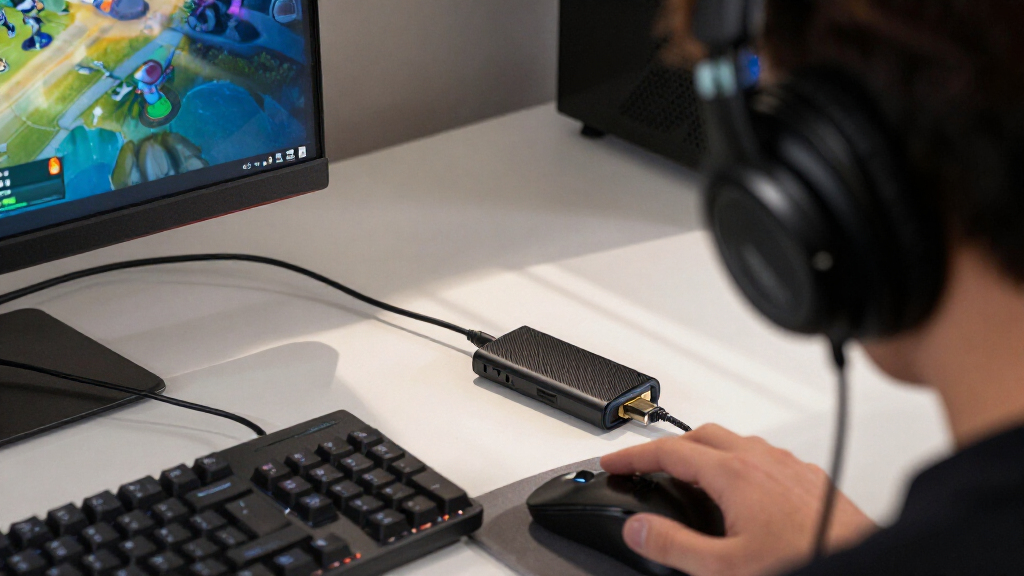
The Sound Blaster Play! 3 is a small USB audio adapter intended to add an external audio connection to a compatible computer. The current deal signal marks it as an all-time low and describes the change as a significant drop below its typical price. That makes this a useful moment to check the listing if you have been considering a simple way to connect headphones or a headset, though the signal alone cannot tell you whether the adapter fits your particular device.

Get the latest gadgets delivered free with Prime
- Fast, free delivery on millions of items
- Prime Video, Amazon Music and more included
- Member-only deals all year
A compact adapter can be helpful when a laptop has limited ports, when a desktop’s front audio jack is inconvenient, or when you want a separate USB audio connection for calls. Think of it as a small bridge between a computer’s USB port and your audio gear: convenient when the connections match, but not a replacement for checking operating-system support, headset plugs, and the features you actually need. The live listing can help you assess the offer before deciding.
The deal signal describes a significant drop below the Sound Blaster Play! 3’s typical price and marks it as an all-time low.
The adapter is listed with USB, plug-and-play operation, and 24-bit, 96kHz audio support.
Check USB compatibility, headset plugs, microphone needs, and the live listing before buying.
What changed
The deal signal for the Sound Blaster Play! 3 reports a significant drop below its typical price and labels the offer an all-time low. Those labels describe the signal’s assessment of the product’s price movement; they do not guarantee that the current offer will remain available or that it is the right choice for every buyer. Since prices can change, use the listing to check the live offer when you are ready to compare.
The product is described as a USB audio adapter with plug-and-play operation and support for 24-bit, 96kHz audio. That specification indicates the audio format it can support; it does not mean every app, source, or headset will use those settings, or that the adapter will improve every setup. Its more immediate purpose is practical: it provides another route for connecting audio gear through USB. Someone with a damaged computer audio jack could investigate it as an alternative, while a remote worker might consider it for a wired headset. Either way, the benefit depends on the computer, operating system, and headset working together. Check the product details and your device’s ports before treating the deal signal as a reason to buy.
To see the live listing and price, check the Sound Blaster Play! 3 price on Amazon. Live price:
Products Worth Considering

Samsung Galaxy Tab A11+ Kids Edition, 128GB, Royal Blue

Jackery HomePower 3000 Portable Power Station, 3072Wh

Amazon Kindle Scribe Colorsoft 64GB with Premium Pen
As an affiliate, we earn on qualifying purchases.
Why it matters
A separate USB audio adapter can be useful when the built-in audio connection is awkward, unavailable, or already occupied. For example, a desktop tower tucked beneath a desk may make its rear headphone jack hard to reach; a USB adapter placed within reach could make plugging in headphones more convenient, if the computer and audio gear are compatible. A laptop user who regularly switches between speakers and a wired headset may also value having an additional connection option. In both cases, the gain is convenience, not a guarantee of better sound. If the existing connection works well, adding another one may create little practical value.
The key is to match the product to the problem. If your computer already has a working port that comfortably supports your headset, an adapter may add little. If you need wireless audio, multiple independent outputs, specialized recording inputs, or a particular microphone feature, confirm those requirements in the product information rather than assuming a basic adapter provides them. The 24-bit, 96kHz specification describes supported audio capability, but it does not by itself establish that every source, app, or connected headset will use those settings. A specification is useful when it answers a requirement you have; on its own, it cannot tell you whether you will notice a difference.
For a buyer comparing alternatives, a strong price signal can make a modest accessory more attractive, especially when it addresses a specific inconvenience. It is less persuasive if you are unsure about plug type or intended use. A quick compatibility check can prevent the familiar frustration of buying a connector that fits a port physically but does not provide the feature you expected. The tradeoff is straightforward: an adapter may offer an inexpensive, compact route to a needed connection, but its usefulness rests on compatibility and the job it is meant to do.
Check the live price
Before purchasing, open the listing and confirm that it is for the Sound Blaster Play! 3 USB Audio Adapter, rather than a different Sound Blaster model or a related accessory. Deal pages can show changing offers, and a signal such as “all-time low” is not a promise about future pricing or stock. Check the current listing details and delivery information directly before making a decision. This check matters because the deal signal is a prompt to investigate the offer, while the listing shows what is available to you at that moment.
Then compare the adapter with your setup. Identify the USB connection available on your computer, confirm the operating system and plug-and-play support information, and check the connector on your headphones or headset. If you rely on a microphone, verify that the listing describes the microphone connection and operation you need. For instance, headset plugs can differ, so a device that works for headphones alone may not deliver the microphone behavior you expect. Check the whole audio path, from the computer’s port to the headset and the feature you intend to use; a physical fit alone does not establish full compatibility.
When those details line up, review the live offer and decide whether the qualitative drop makes sense for your use. Check the current Sound Blaster Play! 3 price and listing details. The displayed live price may change, so use the linked page for the current offer and review seller and shipping details before checkout.
Who may want to consider it
This adapter may be worth a closer look for someone who wants a straightforward wired audio connection through USB. Imagine a student using a laptop at a shared desk: an adapter could offer another way to connect headphones without reaching around the computer, provided the laptop supports the connection and the headset is suitable. A home-office user may similarly want a convenient place to attach a wired headset for calls. These are small quality-of-life improvements, so they matter most when the inconvenience happens often.
It may be less compelling for a buyer whose audio setup already works well, or for someone shopping for a complete studio interface, wireless receiver, or multi-device mixer. Product names can sound broad, but an adapter’s role is narrower than that of larger audio equipment. Consider the exact job you need it to do, then compare the listed inputs, outputs, and supported devices against that job. If your needs include recording controls or several separate connections, a simple adapter may leave those needs unresolved even when the deal signal is strong.
For a simple accessory, value often comes from removing a small recurring annoyance. If you frequently unplug speakers to use a headset, or if a port is inconveniently placed, that convenience may matter more than a technical specification on its own. If you only expect occasional use, the current deal signal may be less relevant than compatibility and whether you truly need another audio connection. Thinking about how often you will use it helps distinguish a useful fix from an extra device that is unlikely to change your routine.
What to verify before checkout
Start with the physical connection. Check whether your computer has the USB port required by the adapter, and whether you need an additional cable or a different connector. Then confirm the audio plug arrangement on your headphones or headset. A headset with separate headphone and microphone plugs can behave differently from one with a combined plug, so consult the product listing for the supported setup rather than assuming every headset connects in the same way. This helps you catch a common mismatch: a connection may support listening while failing to meet your microphone needs.
Next, check software and intended use. “Plug and play” suggests a simple setup, but compatibility can still depend on your operating system and device configuration. If you need microphone input for video calls, voice chat, or recording, verify that the product supports that function for your combination of gear. If you are buying for a work computer, consider whether its settings or policies allow USB audio devices. A short check here can save time troubleshooting a device that the computer cannot use as expected.
Finally, review the current listing for the exact model, seller, delivery terms, and return information. For example, someone buying an adapter as a quick fix for a broken laptop port should make sure the adapter addresses that specific problem. A clear match between the product, the ports, and the intended use makes the deal signal more useful than the label alone. If one of those details remains uncertain, resolving it before checkout matters more than acting quickly on the price signal.
Frequently Asked Questions
What is the Sound Blaster Play! 3?
It is a USB audio adapter described with plug-and-play operation and 24-bit, 96kHz audio support. Check the listing for details relevant to your computer and audio gear.
What does the deal signal say?
The signal describes a significant drop below its typical price and labels it an all-time low. Offers can change, so consult the live listing for current details.
Will it work with my computer?
Compatibility depends on your computer’s USB connection, operating system, and configuration. Review the product information and your device requirements before buying.
Can I use it with a headset microphone?
Check the listing’s microphone support and compare it with your headset’s plug arrangement. Headsets vary, so do not assume microphone operation from headphone compatibility alone.
Does the 24-bit, 96kHz specification guarantee better sound?
It describes supported audio capability; the result also depends on the source, settings, connected equipment, and how you use it. Consider whether that support matters for your listening needs.
Where can I check the current offer?
Check the Sound Blaster Play! 3 listing on Amazon for the live offer, seller, delivery information, and product details.
Conclusion
The Sound Blaster Play! 3 deal signal may be timely for someone who needs a compact USB audio connection, especially if it solves a specific desk or laptop setup problem. Its listed audio support and plug-and-play description are useful starting points, but they do not replace checking your computer, operating system, headset plugs, and microphone requirements. Review the live listing for the current offer and purchase details, then decide whether the adapter’s role fits your setup. A strong price drop is most valuable when the product also meets a clear need.