
TL;DR
This aluminum USB-A sound card supports headphones, line-in, and stereo microphone connections, with a stated 48 kHz–384 kHz sample-rate range. The deal signal marks a significant drop below its typical price. Check your device, operating system, ports, and audio needs before deciding.
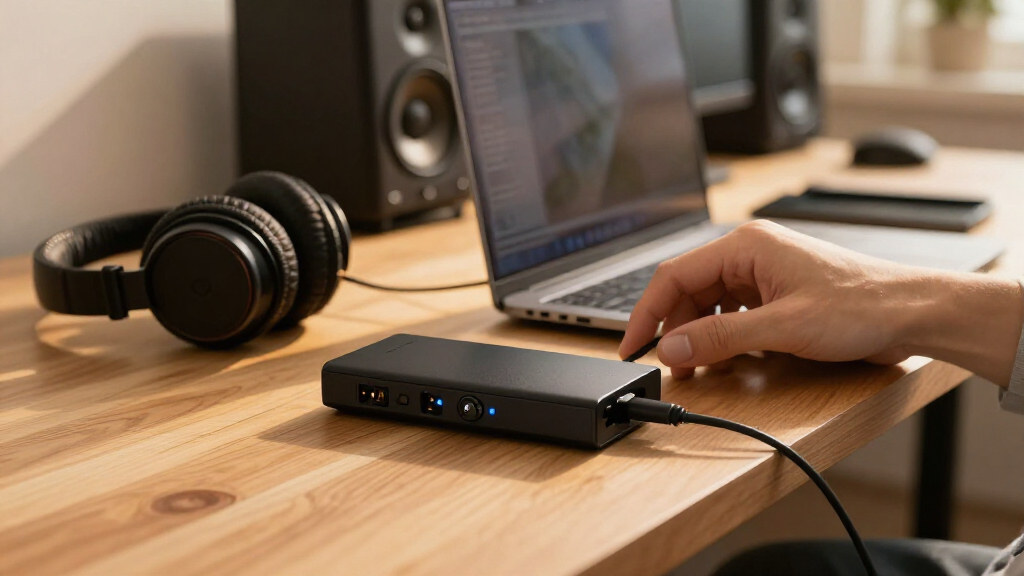
A USB sound card is a small external audio adapter that can add connections or audio features to a laptop or desktop without opening the computer. This 7.1 USB Surround Sound Card is described as an aluminum USB-A model for headphones, with line-in and stereo microphone input. Its stated sample-rate range is broad, but the right choice still depends on whether your computer, operating system, headphones, and applications support the features you want.

Get the latest gadgets delivered free with Prime
- Fast, free delivery on millions of items
- Prime Video, Amazon Music and more included
- Member-only deals all year
The deal signal describes a significant drop below the product’s typical price and labels it an all-time low. That is a useful reason to check the listing, not a guarantee that the adapter suits every setup or that the offer will remain unchanged. For example, someone trying to connect a separate microphone and headphones to a laptop may value the extra inputs, while a user with a newer computer that lacks USB-A should first confirm they have a suitable port or adapter. Review the live listing and compatibility details before buying.
The deal signal describes a significant drop below the card’s typical price and labels it an all-time low.
The listing describes a USB-A adapter with headphone support, line-in, stereo microphone input, and a stated 48 kHz–384 kHz sample-rate range.
Confirm ports, operating-system support, plug types, and retailer terms before deciding.
What changed
The deal alert is for the 7.1 USB Surround Sound Card, model identified in the source as ASIN B0CKPL5HXZ. The signal describes a significant drop below its typical price and marks it as an all-time low. No fixed price or discount is needed to understand the news: the alert says the current deal is notably lower than the product’s usual pricing pattern. Since offers can change, treat that as a prompt to check the retailer page rather than a promise about what you will see at checkout.
The listing describes a full aluminum alloy, USB-A external sound card for laptop and PC use. It advertises 7.1 surround sound, headphone support, line-in, stereo microphone input, and a 48 kHz–384 kHz sample-rate range. Those are product specifications, not proof of performance in every app or with every headset. For example, a person using a USB-A desktop might be able to connect the adapter directly, while someone with only USB-C ports may need to check whether an adapter preserves the connection they need. Confirm the listing details and your device setup before acting on the deal.
Products Worth Considering

Amazon Kindle Scribe Colorsoft 64GB with Premium Pen

Sonos Five Wireless HiFi Speaker, Black

LG 27GS60QC-B Ultragear 27-inch Curved Gaming Monitor (QHD, 180Hz, 1ms, 1000R)
As an affiliate, we earn on qualifying purchases.
Why it matters
An external sound card can be useful when a computer’s built-in audio connections do not match a listener’s setup. A laptop owner who wants to keep headphones connected while using a separate microphone, for instance, may appreciate having dedicated audio inputs on a compact adapter. That can reduce the need to swap plugs during calls or move a headset between devices. The tradeoff is another accessory to carry and connect, plus possible driver or settings work. Someone moving between a home desk and a shared workspace may find that portability useful; someone whose built-in audio already handles their gear may gain little from it.
The 7.1 surround sound and high sample-rate claims may sound appealing, but they do not automatically mean every game, music player, headset, or operating system will use those capabilities. Surround playback depends on how the adapter processes audio and whether the app and operating system send it a compatible signal. A game may have its own spatial audio settings, while a video call may use ordinary stereo. The stated sample-rate ceiling also does not improve a source that is delivered or played at a lower rate. Check the audio path you actually use: if your goal is basic stereo listening, the extra specifications may not change the experience; if you need specific input routing or audio modes, confirm the software supports them.
Check compatibility before buying
Start with the physical connection. This is a USB-A device, so inspect the ports on the computer where you plan to use it. A desktop with open USB-A ports may be straightforward; a thin laptop with USB-C only may call for an adapter or hub, adding another item to your setup. A hub can also occupy a port you use for storage, charging, or other accessories. Then check the operating system and any driver or configuration requirements stated on the retailer page. Compatibility can vary, and the product title alone does not establish support for every computer.
Next, map the adapter’s inputs to your actual equipment. If you plan to use headphones and a separate microphone, confirm the intended plugs and input behavior. A headset with a combined plug may not connect the same way as headphones and a microphone with separate plugs, so check whether the adapter or your headset needs a splitter. If you want line-in, verify that the source you plan to connect has a compatible output and that you need an input rather than a headphone output. Also consider placement: a short cable or a port crowded by other accessories may make the adapter awkward to use at a desk. These checks matter because a low offer cannot compensate for an incompatible plug, unsupported operating system, or connection layout that does not fit your routine.
What the sample-rate range tells you
The listing states a sample-rate range of 48 kHz–384 kHz. Sample rate describes how often an audio signal is sampled during digital recording or playback, but a higher stated maximum by itself does not guarantee an audible improvement. The source file, application, operating-system settings, and connected audio equipment all matter. If a streaming service supplies audio at a lower rate, selecting a higher device setting cannot restore detail that was not present in the source. For everyday streaming or video calls, a listener may not notice any benefit from a higher maximum, especially if the service and software use a different setting.
Think of the specification as one item to compare, not a quality score that settles the decision. A person producing or recording audio should check whether the software can select the needed format and whether the input connections support the intended workflow. Choosing a format that an application or device does not support can create setup friction without improving the result. Someone mainly watching films or joining calls may care more about stable connections and convenient microphone routing. The 7.1 label also deserves context: confirm how surround processing works with your operating system and headphones rather than assuming that every source will play as discrete surround audio. Matching the specifications to a real use case is more helpful than choosing by the largest number.
Check the live price
The deal signal reports a significant drop below the product’s typical price, but retailer listings and promotions can change. Check the live listing for the current offer, seller information, shipping, return terms, and any compatibility notes before placing an order. The live price belongs here:
Check the live price on Amazon and compare the details against your computer and audio gear. For example, if you use a USB-C-only laptop, account for the connection hardware you may need; if you already have USB-A and separate headphone and microphone plugs, check that the listing describes the inputs you expect. The alert is a reason to review the offer now, while the purchase decision should rest on the live listing and whether the adapter fits your setup.
Frequently Asked Questions
What is the deal alert for?
It covers the 7.1 USB Surround Sound Card identified as ASIN B0CKPL5HXZ. The deal signal describes a significant drop below its typical price and labels it an all-time low. Check the retailer page for the live offer and terms.
What connections does the product listing describe?
The title describes a USB-A external sound card for headphones, with line-in and stereo microphone input. Confirm the connector arrangement against your computer, headphones, microphone, and any audio source you plan to use.
Will it work with a USB-C-only laptop?
The product is described as USB-A, so a USB-C-only laptop may require an adapter or hub. Check the computer’s ports and the retailer’s compatibility details before buying.
Does the 384 kHz maximum guarantee better sound?
No specification alone guarantees an audible improvement. The audio source, application, operating-system settings, and connected equipment all affect playback. Check whether your intended workflow uses the formats and features advertised.
What should I check before placing an order?
Review the current listing, seller and return terms, computer compatibility, USB port type, and the plugs used by your headphones and microphone. Also confirm whether your applications support the audio modes you want.
Conclusion
This alert points to a notably lower-than-typical offer on an external USB-A sound card with several advertised audio connections. It may be worth a closer look if you need headphone, line-in, or stereo microphone access on a compatible laptop or PC. The specifications alone cannot tell you whether its surround features or sample-rate options will matter in your applications, so match them to your own equipment and use.
Check the live Amazon listing for the current offer and terms, then make sure the port and input arrangement work for your setup. A deal is most useful when the adapter solves a practical problem you already have.