📊 Full opportunity report: What Makes An Exhibit-Based Learning Game Work In A Museum? on IdeaNavigator AI — validation score, market gap, and execution plan.

Get the latest gadgets delivered free with Prime
- Fast, free delivery on millions of items
- Prime Video, Amazon Music and more included
- Member-only deals all year
TL;DR
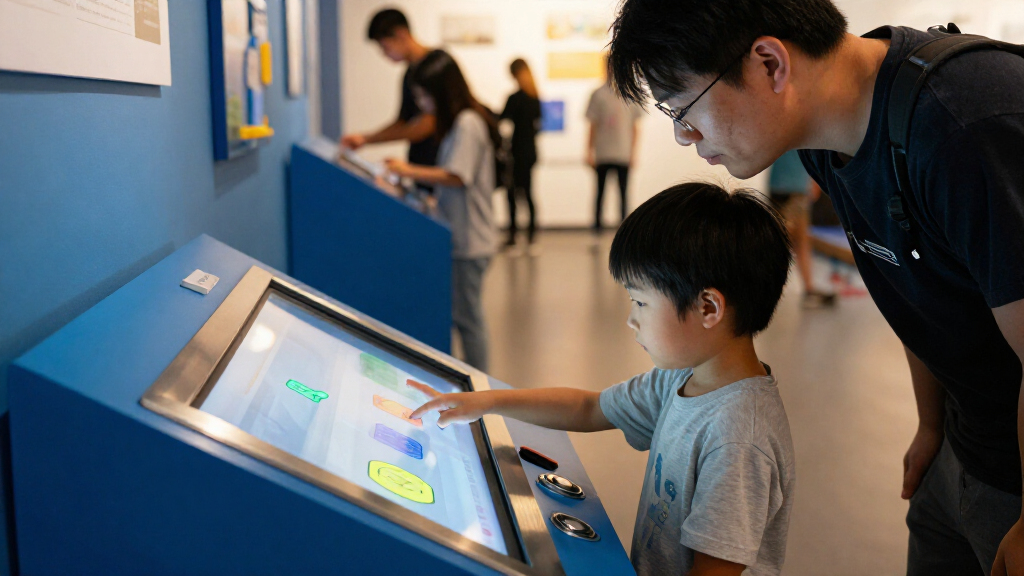
IdeaNavigator AI has outlined a proposed, fixed-price learning-game service for small museums, with browser-based quests built from each museum’s collection. The concept has not been shown to improve visits or bookings; its suggested test would compare results at three museums over one school term.
IdeaNavigator AI has proposed a browser-based learning-game package for small museums, designed for school groups and families without requiring visitors to download an app. The concept includes collection-based activities, a simple editing tool and a plan to test the service at three museums; no pilot results or evidence of increased bookings, visitor time or repeat visits have been reported.
The proposal targets directors or sole educators at small history, art and science museums, especially institutions with annual budgets typically below $250,000. It describes a staffing problem: a small team may rely on reused printed worksheets, while digital scavenger-hunt apps still require museum staff to write, test and maintain their content. A custom-built game from an agency, the proposal argues, may exceed a small institution’s education budget. These are the proposal’s account of the market challenge, not findings from a published survey.
Under the suggested minimum viable product, a museum would provide photographs, exhibit labels and object records. The provider would turn that material into a browser-based quest within two weeks, with separate activities for school groups, families and solo visitors. The school version would be organized by grade band and aligned to state standards; the solo route is described as a 10-minute trail.
The package would also include educator review of drafted content, a basic editor for replacing objects when displays change, printable materials as a fallback and visit analytics intended to help museums report on grant-funded work. The proposed business model combines a fixed-price build, a modest annual hosting and refresh fee, and possible group purchases through regional museum associations. No price, customer commitments or completed product are provided.
What Makes a Museum Game Work? A proposal awaits proof
IdeaNavigator AI proposes browser-based quests built from museum collections. Whether they improve visits, learning or bookings remains untested.
How the proposed service works
Museums provide collection materials; the provider turns them into visitor activities.
Provide photographs, exhibit labels and object records.
Create activities for school groups, families and solo visitors, with no app download.
Educators review drafts; a basic editor helps replace objects when displays change.
Who it aims to serve
The proposal targets small history, art and science museums, especially those with limited staff and budgets.
- Reduce the burden of writing and maintaining activities.
- Offer an alternative to custom app development.
- Report on grant-funded education work.
- School activities organized by grade band and aligned to state standards.
- Collection-based activities for families.
- A proposed 10-minute trail for solo visitors.
What the pilot would measure
The proposed comparison uses the same term in the prior year as a reference.
School groups
Track whether school-group bookings change.
Family dwell
Measure how long families spend in exhibits.
Repeat visits
Compare repeat visits over the pilot term.
Paid refresh
Ask whether at least two museums would seek a paid refresh through a future grant application.
The business model is still open
The proposal describes a potential offer, with key costs and buyer interest not yet established.
| Proposal element | What remains unknown |
|---|---|
| Fixed-price build | No price or customer commitments reported |
| Hosting and refresh fee | Annual cost and renewal demand untested |
| Basic editor | Staff time needed to maintain content is unclear |
| Group purchasing | Association buyer interest is unknown |
A Lower-Cost Route to Interactive Visits
If the package works as proposed, it could give small museums a way to add collection-based activities without commissioning a custom app or assigning ongoing content work to already stretched staff. A browser format could also reduce friction for visitors who do not want to install software during a visit. The intended beneficiaries are school groups and families, whose activities could be adapted to a museum’s objects rather than relying on a generic hunt.
The grant-reporting feature reflects a practical concern: museums may need to show what an education project delivered. However, analytics can record activity, not by themselves prove learning or establish that a game caused more bookings or longer visits. The proposal’s value will depend on whether institutions can maintain the content, whether visitors use it, and whether the costs fit available funding.
For small museums, the distinction between an attractive demonstration and a sustainable program matters. A fixed fee and shared purchasing might make development more accessible, but the proposal offers no evidence yet on pricing, staff workload or renewal demand. Its suggested pilot treats those questions as things to test rather than settled benefits.
Products Worth Considering

Amazon Kindle Paperwhite Signature Edition (12th Generation, 2024), 32 GB, Metallic Raspberry

Amazon Kindle Paperwhite (2024, 16 GB) – 7-inch Glare-Free Display, Black

Samsung Galaxy Tab A9+ 11-Inch Android Tablet, 64GB, Graphite
As an affiliate, we earn on qualifying purchases.
Grants Shape the Proposed Timing
IdeaNavigator AI ties the opportunity to federal museum funding. It says the Institute of Museum and Library Services announced its FY2026 Inspire Grants for Small Museums on September 9, 2026, funding 88 small museums to develop educational programs and exhibits. The proposal also points to an April 2026 court settlement that it says left the agency intact, while noting that the president’s FY2027 budget again proposes eliminating IMLS.
Those developments are presented as reasons a small museum might seek a defined, grant-sized education project. The proposal lists the FY2027 National Leadership Grants deadline as tentatively November 13, 2026. That date is tentative, and the funding references do not establish that any museum has chosen or paid for this game concept. They describe the funding environment the proposal is intended to address.
The suggested validation plan is deliberately limited: develop quests for three small museums at cost, then compare school-group bookings, family dwell time and repeat visits over one term with the same term a year earlier. It would also ask whether at least two of the three museums would include a paid refresh in a future grant application. That is a proposed test, not a report of results.
Demand and Learning Gains Remain Untested
No completed pilot is described, so it remains unknown whether the game would increase school bookings, keep families in exhibits longer, encourage repeat visits or support learning. The proposal supplies no baseline figures, sample size beyond the planned three museums, assessment method for learning, or results from visitor testing.
Other open questions include the fixed build price, annual hosting and refresh costs, how much staff time the editor would require, and how quickly content could be updated when an exhibit changes. It is also unclear whether regional museum associations would act as buyers or whether museums would apply for grants to cover the service. The suggested comparison with the prior year could be affected by changes in attendance, school schedules, exhibits or local conditions, so it would not by itself establish that the game caused any difference.
The grant dates and policy details are part of the proposal’s stated rationale. The FY2027 deadline is described as tentative, and the future status of IMLS funding is not resolved by the proposed product. No named museum, purchaser, educator or visitor is cited as endorsing the idea.
A Three-Museum Test Is Proposed
The next step in the plan is to create quests for three small museums at cost and track school bookings, family dwell time and repeat visits across one term, comparing each measure with the same term in the previous year. The team would also test whether two of the three museums would seek a paid refresh through a future grant application.
Those measures could provide an early indication of usability and institutional interest, but the proposal does not give a launch date, identify participating museums or specify how results would be independently checked. Until a pilot is completed and reported, the concept remains a proposed service rather than a proven approach to museum learning or attendance.
Source: IdeaNavigator AI
Key Questions
What is the proposed museum learning game?
It is a browser-based quest built from a museum’s photographs, labels and collection records, with activities proposed for school groups, families and individual visitors.
Has the game been shown to increase visits?
No results are reported. The proposal recommends a three-museum pilot to measure school bookings, family dwell time and repeat visits, but the test has not been documented as completed.
Who is the idea intended for?
The proposed customers are directors or sole educators at small history, art and science museums, particularly those hosting school groups and families and typically operating on annual budgets below $250,000.
How would the concept be evaluated?
The suggested test would compare selected visitor and booking measures over one term with the same term a year earlier, then ask whether two of three museums would seek funding for a paid content refresh.
What is still unknown about the service?
There is no reported price, confirmed museum participation, pilot outcome or evidence of learning gains. Ongoing costs, staff workload and demand for renewals also remain untested.
Source: IdeaNavigator AI