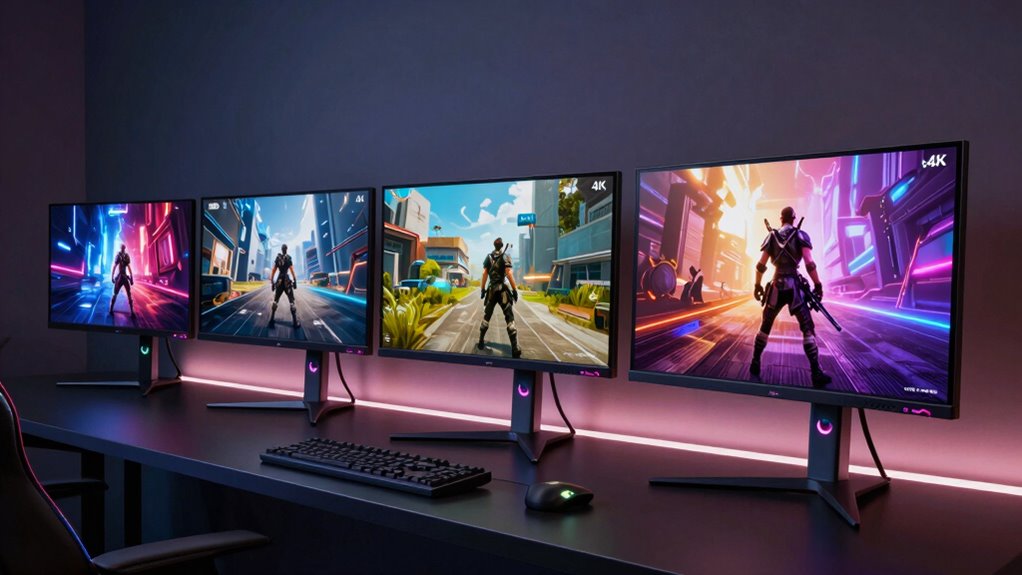

Choosing a 144Hz 4K monitor in 2026 means balancing high refresh rates with stunning resolution. The Acer Nitro VG270K stands out for its combination of ultra-fast 160Hz at 4K and rich color accuracy, making it ideal for gamers who demand smooth gameplay and vibrant visuals. Meanwhile, the ASUS TUF VG27UQ1A offers an impressive 160Hz refresh rate with G-SYNC and FreeSync support, catering to competitive gamers who prioritize tear-free visuals. For those seeking versatility, the ZZA 27 Inch provides a 144Hz refresh rate with adaptive sync and adjustable ergonomics, perfect for gaming and creative work. However, tradeoffs include price premiums for high-end features and the need for powerful GPUs to fully utilize the high refresh rates at 4K. This guide helps clarify which monitor best fits different priorities, from gaming performance to color accuracy and ergonomic flexibility.
Complete the kit



Key Takeaways
- High refresh rate monitors like the Acer Nitro VG270K and ASUS TUF provide smooth gameplay at 144Hz or higher, but often require powerful GPUs.
- Color accuracy and HDR support vary, with some models offering near 100% DCI-P3 coverage, ideal for creative professionals.
- Design features such as VESA mounting, ergonomic tilt, and ultra-thin bezels improve usability and aesthetics, especially for multi-monitor setups.
- Price differences reflect feature sets: premium options offer G-SYNC, HDR, and advanced connectivity, while budget models focus on core gaming performance.
- Built-in speakers are uncommon or limited, so external audio solutions may be necessary.
| Acer Nitro 27-inch 4K UHD IPS Gaming Monitor VG270K V4 |  | Best Overall High-Performance 4K 144Hz Monitor | Display Size: 27 inches | Resolution: 3840 x 2160 (UHD) | Panel Type: IPS | VIEW ON AMAZON | See Our Full Breakdown |
| Acer Nitro 27-inch 4K UHD IPS Gaming Monitor VG270K L1 |  | Best Value 4K 144Hz Monitor with Excellent Color | Display Size: 27 inches | Resolution: 3840 x 2160 (UHD) | Panel Type: IPS | VIEW ON AMAZON | See Our Full Breakdown |
| ZZA 27 Inch 4K Gaming Monitor UHD 144Hz |  | Best Versatile 144Hz 4K Monitor for Gaming and Creative Use | Size: 27 inches | Resolution: 3840 x 2160 (UHD) | Refresh Rate: 144Hz | VIEW ON AMAZON | See Our Full Breakdown |
| ASUS TUF Gaming 27” 4K HDR Monitor VG27UQ1A |  | Premium 4K 144Hz Monitor with G-SYNC and FreeSync | Size: 27 inches | Resolution: 3840 x 2160 (4K) | Refresh Rate: 160Hz | VIEW ON AMAZON | See Our Full Breakdown |
| Dell 27 Monitor S2725QS 4K UHD IPS with 120Hz |  | Best for Versatile Use and Premium Design | Screen Size: 27 inches | Resolution: 4K UHD | Panel Type: IPS | VIEW ON AMAZON | See Our Full Breakdown |
| 144hz 4k monitor | Resolution | Refresh Rate | Response Time | Panel Type |
|---|---|---|---|---|
| Acer Nitro 27-inch 4K UHD IPS | 3840 x 2160 (UHD) | 160Hz at 4K | Up to 0.5ms | IPS |
| Acer Nitro 27-inch 4K UHD IPS | 3840 x 2160 (UHD) | 72Hz at 4K, 144Hz at 1080p (DFR) | 1ms | IPS |
| ZZA 27 Inch 4K Gaming Monitor | 3840 x 2160 (UHD) | 144Hz | — | — |
| ASUS TUF Gaming 27” 4K HDR Mon | 3840 x 2160 (4K) | 160Hz | 1ms | — |
| Dell 27 Monitor S2725QS 4K UHD | 4K UHD | 120Hz | 5ms | IPS |
More Details on Our Top Picks
Acer Nitro 27-inch 4K UHD IPS Gaming Monitor VG270K V4
This monitor stands out for its ability to reach a remarkable 160Hz refresh rate at 4K, combining ultra-fast response times with vibrant IPS colors. Its zero-frame design makes it perfect for multi-monitor setups, and HDR10 support boosts contrast and color depth. Compared to others, it offers the highest refresh rate at 4K, but it’s limited in ergonomic adjustments and requires a powerful GPU to hit 4K at the maximum refresh rate. The lack of built-in speakers is a minor drawback for some users.
Pros:- 160Hz refresh rate at 4K for ultra-smooth gameplay
- Vivid, color-rich IPS panel
- HDR10 support enhances contrast and colors
- Zero-frame design for seamless multi-monitor setups
Cons:- Limited ergonomic adjustments beyond tilt
- Requires high-end GPU to maximize performance
- No built-in speakers
Best for: Gamers seeking the fastest possible refresh rate at 4K and crisp visuals
Not ideal for: Users needing extensive ergonomic adjustments or built-in audio
- Display Size:27 inches
- Resolution:3840 x 2160 (UHD)
- Panel Type:IPS
- Refresh Rate:160Hz at 4K
- Response Time:Up to 0.5ms
- Color Gamut:DCI-P3 90%
Our verdict“This model is ideal for gamers who prioritize speed and image quality, provided they have a powerful GPU.”
Acer Nitro 27-inch 4K UHD IPS Gaming Monitor VG270K L1
Compared with the first Acer model, this version offers a slightly lower maximum refresh rate of 72Hz at 4K, but can reach 144Hz at 1080p through Display Frame Rate (DFR). Its 95% DCI-P3 coverage makes it a strong choice for creative work, and HDR10 support adds to visual richness. Its design features a near bezel-less look and ergonomic tilt, but the limited 72Hz at native 4K resolution makes it less suitable for competitive gaming at 4K. It’s best suited for users who want a versatile monitor with excellent color accuracy and decent gaming performance at a more affordable price.
Pros:- Excellent color accuracy with 95% DCI-P3
- HDR10 support enhances visual detail
- Sleek, near bezel-less design
- Ergonomic tilt adjustment
Cons:- Limited to 72Hz at native 4K resolution
- Requires compatible GPU for high resolutions and refresh rates
- No mention of built-in speakers
Best for: Creative professionals and casual gamers who want good performance without the highest refresh rates at native 4K
Not ideal for: Competitive gamers who need 144Hz at native 4K resolution
- Display Size:27 inches
- Resolution:3840 x 2160 (UHD)
- Panel Type:IPS
- Refresh Rate:72Hz at 4K, 144Hz at 1080p (DFR)
- Response Time:1ms
- Color Gamut:DCI-P3 95%
Our verdict“A compelling choice for creatives and casual gamers who prioritize color fidelity over ultra-high refresh rates at 4K.”
ZZA 27 Inch 4K Gaming Monitor UHD 144Hz
Offering a true 144Hz refresh rate at 4K, the ZZA monitor excels in delivering smooth visuals for gaming and streaming. Its adaptive sync technology, along with multiple ports including HDMI 2.1 and DisplayPort 1.4, makes it highly versatile. The ergonomic tilt and VESA compatibility allow for personalized setups. Its contrast ratio and 100% sRGB coverage ensure vibrant images, though it lacks built-in speakers and the rear lighting effects are mostly aesthetic. This monitor is suited for users who want a balanced mix of gaming performance and creative accuracy, with some aesthetic flair.
Pros:- 144Hz refresh rate for smooth gameplay
- Adaptive Sync technology
- Multiple connectivity options including HDMI 2.1
- Adjustable tilt and VESA mount
Cons:- No built-in speakers
- Lighting effects limited to rear cover and not customizable
- Higher price point
Best for: Gamers and creative users seeking a balanced, feature-rich 4K display
Not ideal for: Those who need built-in audio or prefer a higher contrast ratio
- Size:27 inches
- Resolution:3840 x 2160 (UHD)
- Refresh Rate:144Hz
- Contrast Ratio:4000:1
- Color Coverage:100% sRGB
- Connectivity:HDMI 2.1, DP 1.4
Our verdict“A flexible choice for users wanting high refresh rates combined with good color and ergonomic features.”
ASUS TUF Gaming 27” 4K HDR Monitor VG27UQ1A
This monitor offers a high 160Hz refresh rate with 1ms response time, making it an excellent choice for competitive gaming. Its support for both G-SYNC and FreeSync ensures tear-free visuals across a range of graphics setups, while HDR support enhances color vibrancy and contrast. It covers 95% DCI-P3 for accurate colors, making it suitable for content creators as well. The premium build and high-end features come at a higher price point, but the performance justifies it for serious gamers and creative professionals demanding top-tier specs.
Pros:- 160Hz refresh rate with 1ms response time
- G-SYNC and FreeSync support
- High color accuracy with HDR and 95% DCI-P3
- Sturdy build and premium design
Cons:- Price may be prohibitive for casual users
- Requires compatible GPU for optimal G-SYNC and FreeSync use
- Limited built-in features beyond performance
Best for: Professional gamers and content creators who want peak performance and color accuracy
Not ideal for: Budget-conscious buyers or those who don’t need G-SYNC or HDR
- Size:27 inches
- Resolution:3840 x 2160 (4K)
- Refresh Rate:160Hz
- Response Time:1ms
- HDR:Yes
- Color Gamut:95% DCI-P3
Our verdict“This monitor is best suited for gamers and creators who demand the highest performance and color precision at a premium cost.”
Dell 27 Monitor S2725QS 4K UHD IPS with 120Hz
The Dell S2725QS offers a 120Hz refresh rate, which, while slightly lower than 144Hz, still provides smooth visuals for most gaming and media tasks. Its vibrant IPS panel covers 99% sRGB, making it appealing for content creators and general users. The sleek ultra-thin bezel design adds a modern touch to any workspace, and AMD FreeSync Premium reduces tearing. However, its response time of 5ms is less competitive for fast-paced gaming, and the lack of built-in speakers may require external audio. It balances performance and aesthetics well for multi-purpose use.
Pros:- Vivid 4K visuals with high color accuracy
- 120Hz refresh rate provides smooth media playback
- Thin bezel design enhances aesthetics
- Good color coverage for creative work
Cons:- Response time of 5ms less ideal for fast gaming
- No built-in speakers or advanced gaming features
- Price premium for design and features
Best for: Creative professionals and general users who want a sleek, versatile display
Not ideal for: Hardcore competitive gamers needing 144Hz at 4K
- Screen Size:27 inches
- Resolution:4K UHD
- Panel Type:IPS
- Refresh Rate:120Hz
- Response Time:5ms
- HDR:HDR ready
Our verdict“A well-rounded monitor suited for users who prioritize design, color fidelity, and decent gaming performance without the highest refresh rate.”
How We Picked
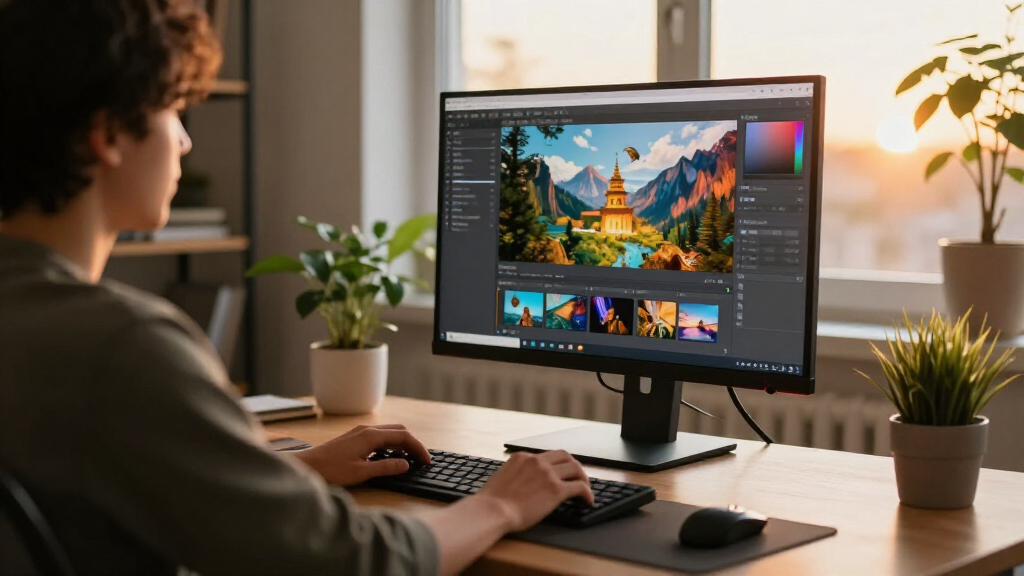
Our selection process focused on monitors that deliver true 144Hz or higher refresh rates at 4K resolution, emphasizing visual quality, gaming performance, and ergonomic flexibility. We compared specifications such as response times, color coverage, HDR support, and connectivity options, prioritizing models suitable for gaming, content creation, or versatile use. Tradeoffs like price, GPU requirements, and feature sets were considered to ensure recommendations serve different types of users effectively.
Factors to Consider When Choosing 144hz 4k Monitor
Selecting the right 144Hz 4K monitor involves understanding your primary use case, whether it’s gaming, content creation, or professional work. Key factors include refresh rate, response time, color accuracy, HDR support, and connectivity options. Balancing these features against your budget and GPU capabilities will help you find a monitor that meets your expectations without overpaying for unnecessary extras.Refresh Rate and Response Time
For smooth gameplay, a 144Hz or higher refresh rate is essential, especially at 4K where high frame rates demand powerful hardware. Response time impacts motion clarity, with 1ms or lower preferred for fast-paced gaming. Monitor choices like the Acer Nitro VG270K and ASUS TUF excel here, but be aware that some models may only reach 72Hz at 4K, which could limit their appeal for competitive gamers.
Color Accuracy and HDR
If you’re into creative work or enjoy high-quality media, look for monitors with high sRGB or DCI-P3 coverage and HDR support. The Acer Nitro VG270K and Dell S2725QS, for instance, provide excellent color fidelity, making them suitable for photo editing and video production. Lower HDR ratings or limited color gamuts can diminish visual vibrancy, so weigh these features based on your workflow.
Connectivity and Ergonomics
Multiple ports like HDMI 2.1 and DisplayPort 1.4 increase flexibility, especially if you want to connect multiple devices or future-proof your setup. Ergonomic features such as tilt, height adjustment, and VESA compatibility improve comfort during extended use. Premium models tend to offer more of these options, ensuring ergonomic flexibility without sacrificing style.
Price and GPU Compatibility
High-end 4K 144Hz monitors often come with a premium price tag, reflecting advanced features like G-SYNC, HDR, and high color accuracy. Keep in mind that reaching these high refresh rates at 4K requires a robust GPU, so budget-conscious buyers should consider models like the Dell S2725QS that balance performance with affordability. Budget models may not hit 144Hz at native 4K but can still deliver a smooth experience at lower resolutions or through DFR.
Frequently Asked Questions
Can I play AAA games at 4K with 144Hz refresh rate?
Playing AAA titles at 4K with a 144Hz refresh rate is possible but depends heavily on your GPU. High-end graphics cards like the RTX 4080 or AMD RX 7900 XTX are typically required to consistently achieve high frame rates at 4K. Without a powerful GPU, you might need to lower some settings or use technologies like DLSS or FSR to reach smooth gameplay at 144Hz.
Is HDR support necessary for a 144Hz 4K monitor?
HDR support enhances contrast and color vibrancy, making media and creative work more visually appealing. While not strictly necessary for gaming, it significantly improves image quality, especially in media consumption and content creation. Monitors with HDR support like the Acer Nitro VG270K and ASUS TUF provide richer visual experiences, but the actual HDR performance varies based on peak brightness and local dimming capabilities.
Do I need a special GPU for 144Hz at 4K?
Yes, reaching 144Hz at 4K resolution generally requires a high-end GPU. Mid-range graphics cards may struggle to push consistent 144 frames per second at high settings. For optimal experience, consider GPUs like the NVIDIA RTX 4080 or AMD RX 7900 XTX, which are designed to handle demanding 4K gaming with high refresh rates.
Are 27-inch monitors the best size for 4K gaming?
Many gamers find 27 inches to be a sweet spot for 4K resolution, offering a balance between immersive detail and manageable scaling. Larger screens may be overwhelming at 4K if your GPU cannot maintain high frame rates, while smaller sizes might not provide the same immersive experience. Personal preference and desk space also influence the ideal size.
Is response time more important than refresh rate?
Both response time and refresh rate impact gaming performance, but they serve different purposes. A low response time (like 1ms) reduces motion blur, essential for fast-paced action, while a high refresh rate (144Hz or more) ensures smoother visuals. For competitive gaming, prioritize both, but if choosing one, a 1ms response time can provide a noticeable advantage in motion clarity.
Conclusion
For gamers prioritizing raw speed and ultra-smooth gameplay, models like the Acer Nitro VG270K and ASUS TUF VG27UQ1A make the most sense, provided your GPU can handle the load. Creative professionals seeking color accuracy and HDR should lean toward the Dell S2725QS or ZZA 27 Inch. Budget-conscious buyers who want decent performance without sacrificing design might prefer the Acer Nitro 270K L1. Ultimately, your choice hinges on the balance you seek between performance, visual fidelity, and budget constraints.