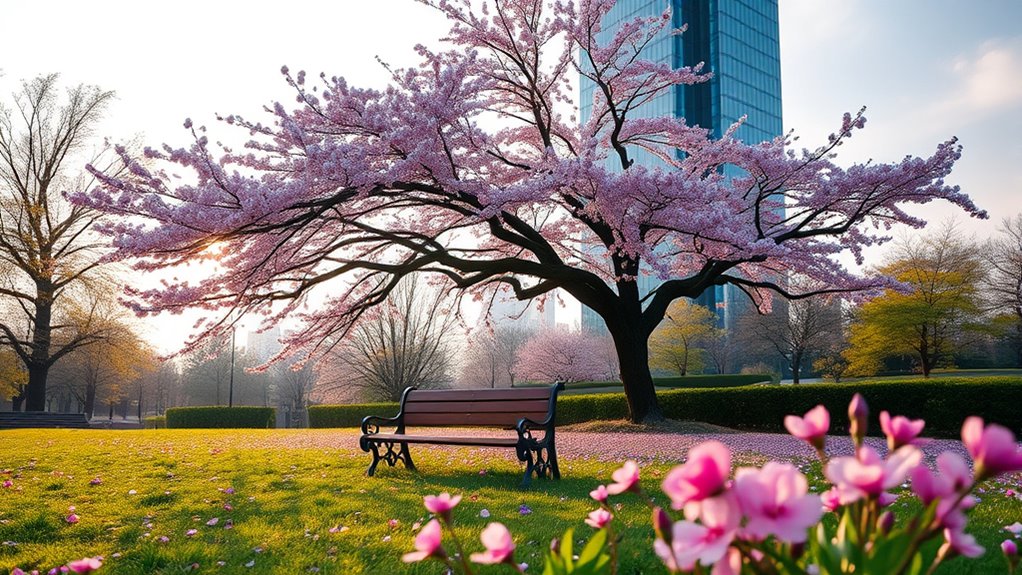

AI photo enhancement can make images look clearer, more vibrant, and seamless, but it also blurs the line between real and fake. While you can use these tools to improve photos ethically, it’s essential to stay transparent and avoid misleading edits. Fake images created or altered with AI can be convincing but may distort truthfulness. If you want to understand how to spot the difference and use these tools responsibly, there’s more to explore.

Get the latest gadgets delivered free — and shop member deals
- Fast, free delivery on millions of items
- Access to Prime Big Deal Days deals on October 6–7
- Prime Video, Amazon Music and more included
Key Takeaways
- AI photo enhancement can improve image clarity but may also alter details, making it hard to distinguish real from fake.
- Transparent editing practices are essential to verify whether an image has been genuinely enhanced or artificially manipulated.
- Subtle enhancements, like color correction, are usually real, while significant modifications may create false impressions.
- Deepfake technology and realistic AI-generated images blur the line between authentic and fake visuals.
- Assessing context, source credibility, and editing transparency helps determine an image’s authenticity.
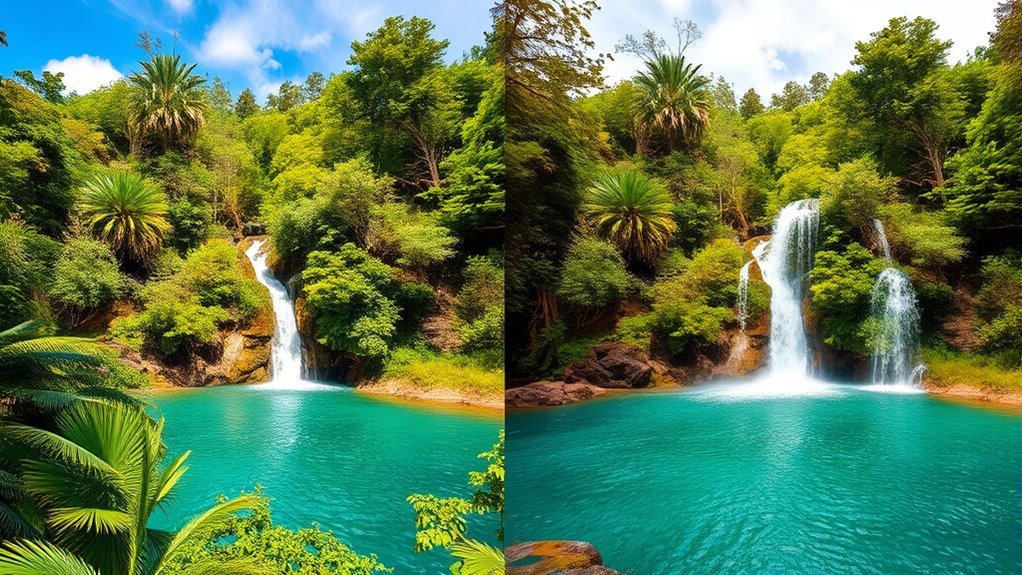
Have you ever wished you could instantly improve your photos without complex editing tools? With AI photo enhancement, that’s now possible, but it comes with important considerations. As you explore these tools, you’ll notice how they can sharpen details, correct colors, and even fill in missing parts, transforming a dull snapshot into a striking image. However, as tempting as it is to enhance photos effortlessly, you need to be mindful of deepfake ethics and photo authenticity. AI can generate incredibly realistic images, but it also opens the door to misinformation and deception. When you use AI to modify photos, it’s essential to consider whether the altered image still represents reality, especially if others might see it as genuine.
Deepfake ethics come into play when synthetic images mimic real people or events, blurring the line between truth and fabrication. If you’re using AI to enhance a photo of someone, ask yourself whether the changes are transparent or misleading. It’s easy to get caught up in making images look perfect, but misrepresenting reality undermines trust, especially in journalism, social media, or legal contexts. Your responsibility is to guarantee that your edits don’t distort the truth or create false impressions. Maintaining photo authenticity is critical — it’s about preserving the integrity of the image’s original message. When you enhance photos, aim for improvements that highlight genuine details rather than altering the scene or subject to create a new narrative.
The power of AI photo enhancement tools makes it tempting to create flawless images, but it’s essential to stay ethical. If you’re sharing photos online or professionally, consider how your edits might influence viewers’ perceptions of reality. Are you simply refining the image, or are you subtly changing its context? Being transparent about the editing process is key to preserving trust. As AI advances, the line between real and fake will continue to blur, making it your responsibility to use these technologies ethically. Remember, while AI can help you produce stunning photos quickly, safeguarding photo authenticity and respecting deepfake ethics ensures you don’t unintentionally contribute to misinformation. Ultimately, the goal is to enhance your images in a way that respects truth and maintains credibility, rather than deceives or misleads your audience.
As an affiliate, we earn on qualifying purchases.
Frequently Asked Questions
Can AI Enhance Photos Without Losing Original Quality?
Yes, AI can enhance photos without losing original quality. It improves image resolution by adding detail and sharpness, making photos clearer. Noise reduction features help eliminate grainy or pixelated areas, maintaining a natural look. You can upscale images while preserving their quality, ensuring the enhancements look seamless. Just choose advanced AI tools, and you’ll get improved photos that retain their authenticity and clarity without sacrificing original quality.
How Does AI Differentiate Between Real and Fake Images?
You can understand how AI differentiates between real and fake images by focusing on image authenticity markers. AI uses advanced fake detection techniques, analyzing inconsistencies in shadows, textures, and pixel patterns that are often invisible to the naked eye. By training on vast datasets of genuine and manipulated images, AI learns to identify subtle anomalies, helping you verify whether an image is authentic or artificially created.
Are AI Photo Enhancements Detectable by Humans?
You might find it tricky to spot AI photo enhancements because deepfake detection and image authenticity are evolving fields. Humans often struggle to distinguish between real and enhanced images, especially when AI techniques improve. However, some clues like unnatural shadows, inconsistent details, or blurring can reveal fakes. Staying aware of these signs helps you better assess image authenticity, even as AI continues to blur the line between genuine and manipulated visuals.
What Are the Ethical Concerns Surrounding AI Photo Manipulation?
You should consider that AI photo manipulation raises significant ethical concerns, especially around privacy and consent. When you create or share altered images without permission, you risk violating someone’s privacy and trust. These practices can lead to misinformation and harm reputations. As you navigate this technology, prioritize transparency and respect consent to avoid ethical pitfalls and make sure you’re acting responsibly in digital spaces.
Can Ai-Generated Images Be Used Legally Without Attribution?
Using AI-generated images without attribution is like walking a tightrope over legal pitfalls. You may think you’re free to use them, but copyright issues and attribution requirements can land you in hot water. Legally, you often need permission or proper credit, especially if the image is protected. Always check licensing terms, because ignoring these rules risks copyright infringement, which could lead to fines or lawsuits.
Conclusion
As you explore AI photo enhancement, remember to stay critical of what’s real and what’s fake. These tools can transform images effortlessly, but can you always trust what you see? While they’re incredible for improving photos, it’s easy to be fooled by convincing edits. So, next time you look at a stunning image, ask yourself: is it genuine or artificially enhanced? Staying aware helps you appreciate genuine moments amidst the digital illusions.
Fall Picks
fall essentials
As an affiliate, we earn on qualifying purchases.