If you’re looking to boost your network in 2026, I recommend checking out some top Wi‑Fi 7 access points like ASUS ZenWiFi BQ16 Pro, Ubiquiti U7-Pro, and TP-Link Omada models. These devices offer high speeds, broad device support, and enterprise-level features perfect for demanding environments. Whether for home or business, these access points are future-proof options. Keep exploring, and you’ll discover more about how these cutting-edge solutions can upgrade your setup.
Key Takeaways
- Top Wi-Fi 7 access points offer multi-gigabit speeds up to 10.8 Gbps and advanced features like MLO, OFDMA, and 320 MHz channels.
- Devices such as Ubiquiti U7-Pro and Zyxel BE5100 provide enterprise-grade security, management, and high device capacity.
- High-performance models deliver extensive coverage, including long-range options suitable for large homes and demanding environments.
- PoE support and multi-Gig ports ensure flexible, future-proof wired connectivity for seamless network expansion.
- Many access points feature centralized cloud management, enabling easy deployment, monitoring, and security updates.
| ASUS ZenWiFi BQ16 Pro Mesh Router (2 Pack) | 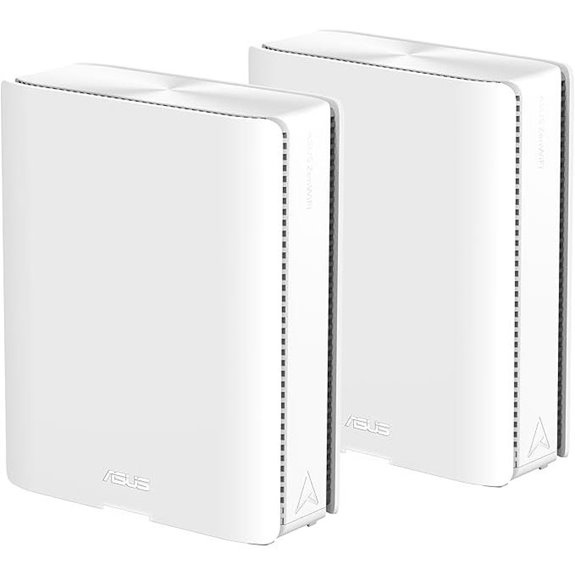 | Best Mesh System | Wireless Standard: WiFi 7 (Quad-Band) | Max Speed: Up to 30 Gbps | Ethernet Port(s): 2×10G ports (per unit) | VIEW LATEST PRICE | See Our Full Breakdown |
| Ubiquiti U7-Pro AP WiFi7 PoE+ 1×1/2.5GbE | 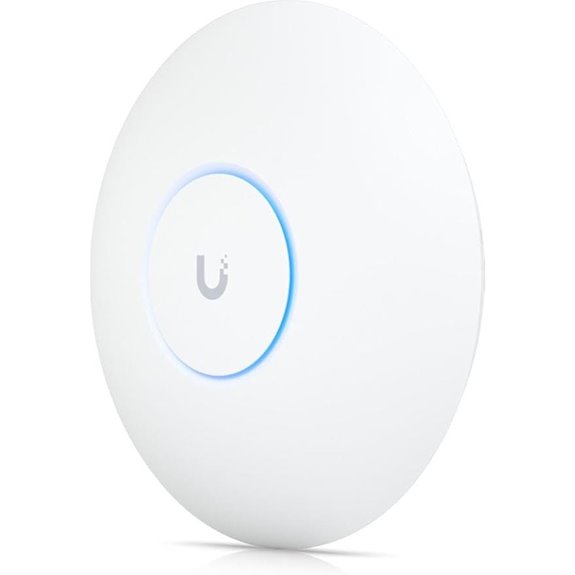 | Enterprise Ready | Wireless Standard: WiFi 7 (Tri-Band) | Max Speed: Up to 10.8 Gbps | Ethernet Port(s): 2.5 GbE port | VIEW LATEST PRICE | See Our Full Breakdown |
| U7-LR Long-Range WiFi 7 Access Point with Cable |  | Long-Range Performance | Wireless Standard: WiFi 7 (Dual-Band) | Max Speed: Up to 4.3 Gbps | Ethernet Port(s): 2.5 GbE port | VIEW LATEST PRICE | See Our Full Breakdown |
| TP-Link Omada WiFi 7 Access Point (EAP772) |  | Business Class | Wireless Standard: WiFi 7 (Tri-Band) | Max Speed: Up to 5.4 Gbps | Ethernet Port(s): 2.5 GbE port | VIEW LATEST PRICE | See Our Full Breakdown |
| TP-Link Omada WiFi 7 Access Point (EAP720) |  | High Capacity | Wireless Standard: WiFi 7 (Dual-Band) | Max Speed: Up to 5.0 Gbps | Ethernet Port(s): 2.5 GbE port | VIEW LATEST PRICE | See Our Full Breakdown |
| GL.iNet Flint 3 Tri-Band WiFi 7 Router | 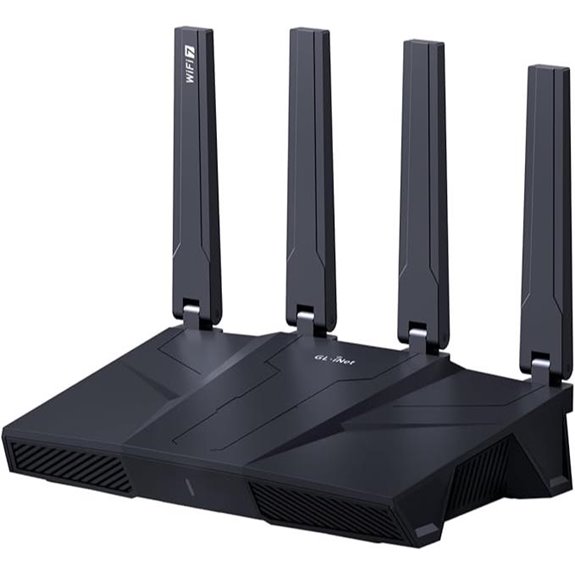 | Home Office Powerhouse | Wireless Standard: WiFi 7 (Tri-Band) | Max Speed: Up to 9 Gbps | Ethernet Port(s): 2.5 GbE port | VIEW LATEST PRICE | See Our Full Breakdown |
| U7-Lite WiFi 7 Access Point – Dual-Band Ceiling Mount (1 Pack) |  | Compact & Efficient | Wireless Standard: WiFi 7 (Dual-Band) | Max Speed: Up to 4.3 Gbps | Ethernet Port(s): 1× 2.5 GbE port | VIEW LATEST PRICE | See Our Full Breakdown |
| Zyxel WiFi 7 BE5100 NebulaFlex Access Point |  | Cost-Effective Upgrade | Wireless Standard: WiFi 7 (Dual-Band) | Max Speed: Up to 5.1 Gbps | Ethernet Port(s): 2.5 GbE port | VIEW LATEST PRICE | See Our Full Breakdown |
| TP-Link Omada WiFi 7 Wall Plate Access Point |  | Discreet Deployment | Wireless Standard: WiFi 7 (Dual-Band) | Max Speed: Up to 4.3 Gbps | Ethernet Port(s): 2.5 GbE port | VIEW LATEST PRICE | See Our Full Breakdown |
| TP-Link Omada WiFi 7 Access Point (EAP770) | 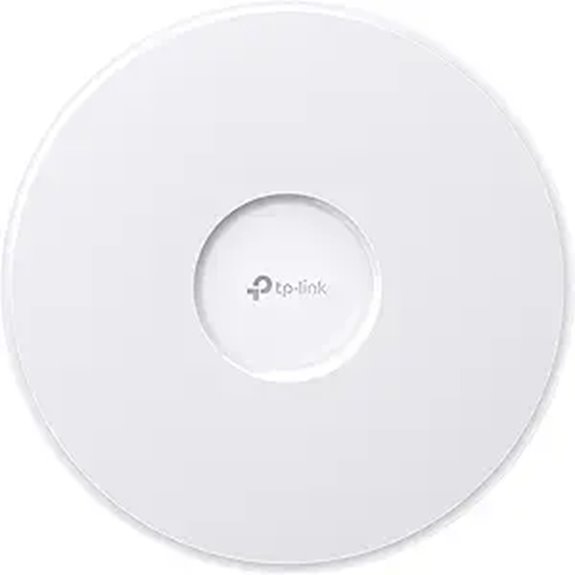 | Future-Proof Security | Wireless Standard: WiFi 7 (Tri-Band) | Max Speed: Up to 5.0 Gbps | Ethernet Port(s): 2.5 GbE port | VIEW LATEST PRICE | See Our Full Breakdown |
| U7-Lite WiFi 7 Access Point – Dual-Band Ceiling Mount (1 Pack) | | Easy Installation | Wireless Standard: WiFi 7 (Dual-Band) | Max Speed: Up to 4.3 Gbps | Ethernet Port(s): 2.5 GbE port | VIEW LATEST PRICE | See Our Full Breakdown |
| eero PoE Tri-Band Wi-Fi 7 Access Point | 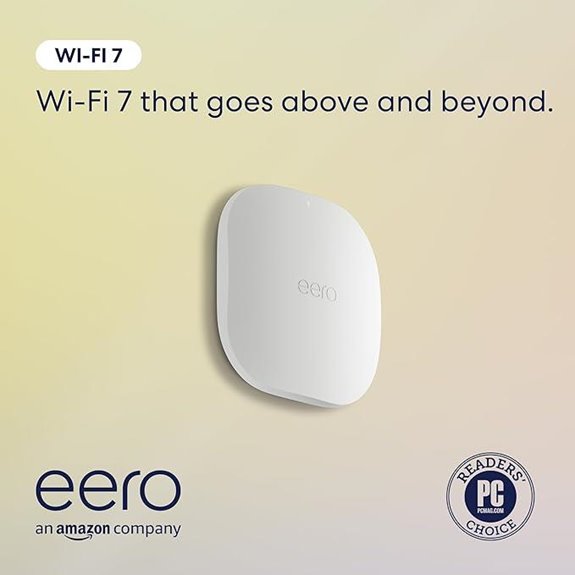 | Reliable Coverage | Wireless Standard: WiFi 7 (Tri-Band) | Max Speed: Up to 3.9 Gbps | Ethernet Port(s): 10 GbE, 2.5 GbE ports | VIEW LATEST PRICE | See Our Full Breakdown |
| Cudy BE11000 Tri-Band Wi-Fi 7 Access Point |  | Versatile Connectivity | Wireless Standard: WiFi 7 (Tri-Band) | Max Speed: Up to 5.7 Gbps | Ethernet Port(s): 10 GbE SFP+ & 2.5G PoE | VIEW LATEST PRICE | See Our Full Breakdown |
| TP-Link Omada WiFi 7 Access Point (EAP773) | 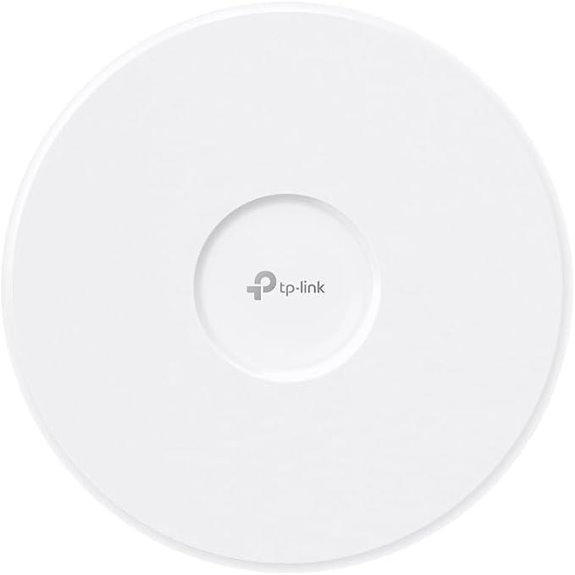 | Advanced Management | Wireless Standard: WiFi 7 (Dual-Band) | Max Speed: Up to 5.0 Gbps | Ethernet Port(s): 10G port, 2.5G port | VIEW LATEST PRICE | See Our Full Breakdown |
| TP-Link Omada WiFi 7 Access Point (EAP723) | 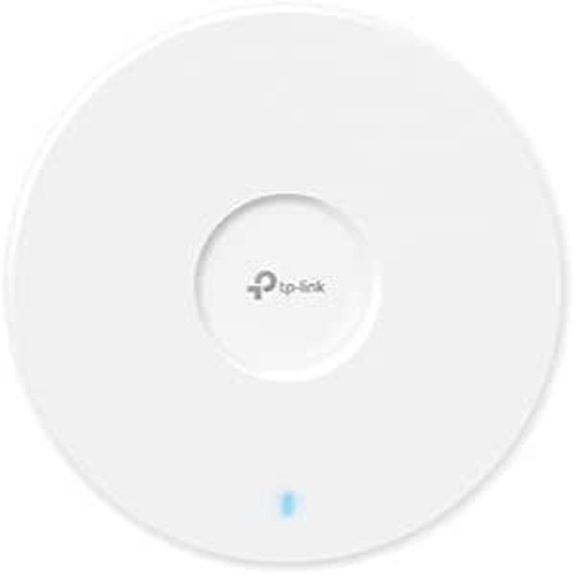 | Seamless Roaming | Wireless Standard: WiFi 7 (Dual-Band) | Max Speed: Up to 4.3 Gbps | Ethernet Port(s): 2.5G port | VIEW LATEST PRICE | See Our Full Breakdown |
More Details on Our Top Picks
ASUS ZenWiFi BQ16 Pro Mesh Router (2 Pack)
If you’re looking for a reliable Wi‑Fi 7 mesh system that can handle large homes or smart environments, the ASUS ZenWiFi BQ16 Pro Mesh Router (2 Pack) is an excellent choice. It covers up to 8,000 sq.ft. with blazing-fast speeds of up to 30 Gbps, thanks to Multi-Link Operation and 16-stream connectivity. Equipped with 12 internal antennas and AiMesh technology, it guarantees seamless device connection and future-proof smart home integration. The system offers versatile wired options, multi-SSID support, and robust security features, all designed to deliver stable, high-performance WiFi coverage across extensive spaces.
- Wireless Standard:WiFi 7 (Quad-Band)
- Max Speed:Up to 30 Gbps
- Ethernet Port(s):2×10G ports (per unit)
- Power Options:PoE+ (via Ethernet)
- Management Platform:ASUS AiMesh, App, Web
- Warranty Period:Not specified
- Additional Feature:Quad-band WiFi 7 support
- Additional Feature:USB port for 4G LTE/5G tethering
- Additional Feature:Heat dissipation design
Ubiquiti U7-Pro AP WiFi7 PoE+ 1×1/2.5GbE
The Ubiquiti U7-Pro AP WiFi7 PoE+ stands out as an ideal choice for busy networks that require reliable, high-speed wireless coverage. With WiFi 7 tri-band speeds reaching up to 10.8 Gbps, it guarantees ultra-fast, low-latency connectivity for demanding applications. Its capacity to handle over 300 devices makes it perfect for crowded environments, while coverage extends up to 1,500 square feet with stable performance through walls. The device features a 2.5 GbE port with PoE+ for high-speed wired connections, and its sleek mounting options provide professional, clean installation. Plus, advanced security and seamless management make it a future-proof solution.
- Wireless Standard:WiFi 7 (Tri-Band)
- Max Speed:Up to 10.8 Gbps
- Ethernet Port(s):2.5 GbE port
- Power Options:PoE+ or DC
- Management Platform:UniFi Network App/Web
- Warranty Period:Not specified
- Additional Feature:Handles 300+ devices
- Additional Feature:Extended 1,500 sq ft coverage
- Additional Feature:App and cloud management
U7-LR Long-Range WiFi 7 Access Point with Cable
Designed for high-density environments and long-range coverage, the U7-LR Long-Range WiFi 7 Access Point with Cable is ideal for organizations seeking robust, high-performance connectivity. It supports dual-band operation on 2.4 GHz and 5 GHz, delivering up to 4.3 Gbps on the 5 GHz band with 5 spatial streams. Covering indoor areas up to 1,750 sq ft, it can handle over 300 devices simultaneously. Equipped with a 2.5 GbE port for wired backhaul and powered via PoE+ (802.3at), it offers advanced features like band steering, fast roaming, and dynamic VLANs, ensuring reliable, scalable network performance.
- Wireless Standard:WiFi 7 (Dual-Band)
- Max Speed:Up to 4.3 Gbps
- Ethernet Port(s):2.5 GbE port
- Power Options:PoE+ (802.3at)
- Management Platform:UniFi Network, Cloud
- Warranty Period:1-year limited
- Additional Feature:Supports MU-MIMO technology
- Additional Feature:Long-range indoor coverage
- Additional Feature:Dynamic VLANs supported
TP-Link Omada WiFi 7 Access Point (EAP772)
Looking for a Wi-Fi 7 access point that can handle demanding networks with ease? The TP-Link Omada EAP772 delivers exceptional performance with tri-band support—6 GHz, 5 GHz, and 2.4 GHz—offering combined speeds up to 10 Gbps. Its 320 MHz bandwidth allows multiple devices to transmit simultaneously at maximum speeds, while Multi-Link Operation reduces interference and latency. Equipped with a 2.5G Ethernet port, it unleashes the full potential of Wi-Fi 7. Easy to deploy with PoE or DC power options, it also features seamless roaming and centralized management through Omada. Plus, the 5-year warranty guarantees long-term reliability.
- Wireless Standard:WiFi 7 (Tri-Band)
- Max Speed:Up to 5.4 Gbps
- Ethernet Port(s):2.5 GbE port
- Power Options:PoE or DC
- Management Platform:Omada, Cloud & App
- Warranty Period:5-year
- Additional Feature:320 MHz bandwidth support
- Additional Feature:Easy setup process
- Additional Feature:Business-grade security features
TP-Link Omada WiFi 7 Access Point (EAP720)
If you’re seeking a reliable Wi-Fi 7 access point for a busy business environment, the TP-Link Omada EAP720 stands out with its impressive support for over 250 concurrent devices and high-speed dual-band performance. It delivers up to 5.0 Gbps speeds using advanced Wi-Fi 7 features like 4K-QAM, Multi-Link Operation, and increased data capacity. Designed for flexible deployment, it supports PoE and DC power, with easy ceiling or wall mounting. Management is seamless via the Omada Cloud Platform, offering centralized control, security, and features like VLAN and WPA3. Backed by a 5-year warranty, it’s a future-proof, high-capacity solution for demanding networks.
- Wireless Standard:WiFi 7 (Dual-Band)
- Max Speed:Up to 5.0 Gbps
- Ethernet Port(s):2.5 GbE port
- Power Options:PoE (802.3at) or DC
- Management Platform:Omada Cloud, App
- Warranty Period:5-year
- Additional Feature:Supports over 250 devices
- Additional Feature:Centralized Omada Cloud control
- Additional Feature:Seamless roaming features
GL.iNet Flint 3 Tri-Band WiFi 7 Router
The GL.iNet Flint 3 Tri-Band WiFi 7 Router stands out for those needing robust coverage and support for numerous devices simultaneously. It leverages the Wi-Fi 7 standard, delivering speeds up to 9 Gbps for seamless 8K streaming, gaming, and video calls. With MLO technology, enhanced OFDMA, and 4K QAM, it minimizes latency and improves connectivity in busy environments. Its coverage extends up to 2,000 square feet, suitable for large homes or offices, and it can handle over a hundred devices at once. Security features like parental controls, ad blocking, and high-speed VPN support make it a versatile, high-performance choice for demanding digital setups.
- Wireless Standard:WiFi 7 (Tri-Band)
- Max Speed:Up to 9 Gbps
- Ethernet Port(s):2.5 GbE port
- Power Options:PoE or DC
- Management Platform:Omada, Cloud & Local
- Warranty Period:1-year
- Additional Feature:8GB eMMC storage
- Additional Feature:Parental controls with Bark
- Additional Feature:VPN with Wireguard/OpenVPN
U7-Lite WiFi 7 Access Point – Dual-Band Ceiling Mount (1 Pack)
For those seeking an easy-to-install, high-performance Wi-Fi 7 access point suitable for large spaces, the U7-Lite offers an excellent solution. This dual-band device supports WiFi 7 with four spatial streams, delivering speeds up to 4.3 Gbps on 5GHz and 688 Mbps on 2.4GHz. It covers approximately 1,250 square feet and supports over 200 clients using MU-MIMO and OFDMA technologies. The ceiling mount makes installation straightforward, perfect for large offices or venues. Plus, it comes with a 1-year warranty and dedicated support from Tavora, ensuring reliable performance and peace of mind.
- Wireless Standard:WiFi 7 (Dual-Band)
- Max Speed:Up to 4.3 Gbps
- Ethernet Port(s):1× 2.5 GbE port
- Power Options:PoE (802.3af)
- Management Platform:Ubiquiti UniFi Controller
- Warranty Period:1-year
- Additional Feature:Supports over 200 clients
- Additional Feature:Ceiling mount included
- Additional Feature:Compact dual-band design
Zyxel WiFi 7 BE5100 NebulaFlex Access Point
Looking for a reliable Wi-Fi 7 access point that combines fast speeds with flexible management? The Zyxel WiFi 7 BE5100 NebulaFlex offers dual-radio operation (2.4GHz and 5GHz) with speeds up to 5.1Gbps, perfect for high-bandwidth needs. Its Smart Mesh MLO with dual-radio backhaul enables cable-free setup and dependable performance. You can manage it via Zyxel’s Nebula Cloud platform or operate in standalone mode, making it versatile for small businesses. With a 2.5GbE port and VLAN tagging, it offers future-proof connectivity and enhanced security. Weighing just under 2 pounds, it’s easy to deploy and highly rated by users.
- Wireless Standard:WiFi 7 (Dual-Band)
- Max Speed:Up to 5.1 Gbps
- Ethernet Port(s):2.5 GbE port
- Power Options:PoE or DC (adapter included)
- Management Platform:Zyxel NebulaCloud or Standalone
- Warranty Period:5-year
- Additional Feature:Supports Smart Mesh MLO
- Additional Feature:2.5GbE port for upgrades
- Additional Feature:NebulaCloud or standalone
TP-Link Omada WiFi 7 Wall Plate Access Point
If you’re seeking a sleek, discreet access point that combines high performance with easy management, the TP-Link Omada WiFi 7 Wall Plate Access Point is an excellent choice. It supports Wi-Fi 7, delivering up to 4324 Mbps on 5 GHz and 688 Mbps on 2.4 GHz, ensuring fast, reliable connectivity. The device features a wall plate design for seamless integration, along with a 2.5G PoE input, pass-through port, and Gigabit Ethernet ports for versatile deployment. With advanced mesh capabilities, seamless roaming, and centralized management via the Omada platform, it’s built for flexible, high-performance networks. Plus, it’s backed by a 5-year warranty, emphasizing durability.
- Wireless Standard:WiFi 7 (Dual-Band)
- Max Speed:Up to 4.3 Gbps
- Ethernet Port(s):2.5 GbE port
- Power Options:PoE or DC (adapter included)
- Management Platform:Omada Cloud, App
- Warranty Period:5-year
- Additional Feature:Supports network segmentation
- Additional Feature:240 MHz bandwidth
- Additional Feature:5-year warranty included
TP-Link Omada WiFi 7 Access Point (EAP770)
The TP-Link Omada WiFi 7 Access Point (EAP770) stands out for its all-inclusive management features and scalable performance, making it an ideal choice for businesses and advanced networks aiming for future-proof connectivity. It offers tri-band connectivity, a 2.5G port, and supports PoE or DC power, ensuring flexible deployment. With seamless roaming, easy setup, and centralized management via the Omada platform, it simplifies network control. Wi-Fi 7 enhancements like Multi-Link Operation and 4K-QAM deliver speeds up to 5 Gbps, supporting evolving demands. Designed for security and scalability, it’s built to handle high-performance workloads now and as your network grows.
- Wireless Standard:WiFi 7 (Tri-Band)
- Max Speed:Up to 5.0 Gbps
- Ethernet Port(s):2.5 GbE port
- Power Options:PoE or DC (adapter included)
- Management Platform:Omada Cloud & App
- Warranty Period:5-year
- Additional Feature:Supports over 250 clients
- Additional Feature:10G port for future-proofing
- Additional Feature:AI features and ZTP support
U7-Lite WiFi 7 Access Point – Dual-Band Ceiling Mount (1 Pack)
The U7-Lite WiFi 7 Access Point – Dual-Band Ceiling Mount (1 Pack) is an ideal choice for those seeking reliable high-speed wireless coverage in demanding environments. It offers dual-band connectivity with speeds up to 4.3 Gbps on 5GHz and 688 Mbps on 2.4GHz, supporting over 200 clients with MU-MIMO and OFDMA. Designed for high-density areas, it features a ceiling-mountable form factor, a 2.5 GbE port, and PoE support for easy installation. Advanced features like band steering, fast roaming, and guest isolation ensure secure, seamless network management. The bundle includes a flexible Cat6 patch cable, simplifying setup and maximum placement.
- Wireless Standard:WiFi 7 (Dual-Band)
- Max Speed:Up to 4.3 Gbps
- Ethernet Port(s):2.5 GbE port
- Power Options:PoE (802.3af) or DC
- Management Platform:UniFi Controller & Cloud
- Warranty Period:1-year
- Additional Feature:High-density 200+ clients
- Additional Feature:Includes patch cable bundle
- Additional Feature:Supports MU-MIMO/OFDMA
eero PoE Tri-Band Wi-Fi 7 Access Point
Designed for both home and business environments, the eero PoE Tri-Band Wi-Fi 7 Access Point stands out with its support for Power over Ethernet (PoE), enabling clean, cable-free installations without sacrificing performance. It offers wireless speeds up to 3.9 Gbps and features one 10 GbE port along with a 10 GbE PoE+ port, delivering up to 9.4 Gbps wired throughput. Covering up to 2,000 sq. ft. and supporting over 200 devices, it ensures reliable, high-speed connectivity. Its tri-band design enhances backhaul speeds, while proprietary software keeps the network stable and interference-free. Backed by a three-year warranty, it’s a versatile choice for demanding networks.
- Wireless Standard:WiFi 7 (Tri-Band)
- Max Speed:Up to 3.9 Gbps
- Ethernet Port(s):10 GbE, 2.5 GbE ports
- Power Options:PoE (802.3af) or 12V DC
- Management Platform:eero App, Proprietary Software
- Warranty Period:3-year
- Additional Feature:TrueChannel and TrueRoam tech
- Additional Feature:Compact low-profile design
- Additional Feature:Supports 200+ devices
Cudy BE11000 Tri-Band Wi-Fi 7 Access Point
If you’re seeking a high-performance Wi-Fi 7 access point that can handle demanding networks, the Cudy BE11000 Tri-Band stands out with its impressive combined speeds of up to 15.4 Gbps across multiple bands. It offers 5760 Mbps on 6 GHz, 4320 Mbps on 5 GHz, and 574 Mbps on 2.4 GHz, ensuring fast wireless connections. Equipped with a 10GB SFP+ port and 2.5G PoE-in, it supports high-speed wired links. Its Wi-Fi 7 technology with 320 MHz bandwidth delivers numerous simultaneous transmissions, boosting network capacity. Plus, it’s manageable via the Cudy app with cloud or local control and supports multiple VPN protocols for secure remote access.
- Wireless Standard:WiFi 7 (Tri-Band)
- Max Speed:Up to 5.7 Gbps
- Ethernet Port(s):10 GbE SFP+ & 2.5G PoE
- Power Options:PoE (802.3at/passive) or 12V DC
- Management Platform:Cudy App & Cloud
- Warranty Period:Not specified
- Additional Feature:10GbE SFP+ port
- Additional Feature:Supports multi-VPN protocols
- Additional Feature:12V DC or PoE power
TP-Link Omada WiFi 7 Access Point (EAP773)
For businesses seeking reliable, high-speed WiFi with centralized control, the TP-Link Omada EAP773 stands out thanks to its integration with the Omada Cloud Management Platform. This platform simplifies network management through remote configuration, monitoring, and AI features, including Zero Touch Provisioning. Equipped with Dual-Band WiFi 7 and 4K-QAM, it delivers speeds up to 5 Gbps, supporting seamless connectivity for multiple devices. Its flexible deployment options include a 10G port for future-proof wired connections and support for PoE or DC power. With advanced features like VLAN, bandwidth control, and mesh, it guarantees a robust, business-grade WiFi experience for up to 250+ clients.
- Wireless Standard:WiFi 7 (Dual-Band)
- Max Speed:Up to 5.0 Gbps
- Ethernet Port(s):10G port, 2.5G port
- Power Options:PoE or DC (adapter included)
- Management Platform:Omada Cloud
- Warranty Period:5-year
- Additional Feature:Supports 4K-QAM for capacity
- Additional Feature:10G wired connectivity
- Additional Feature:Centralized network management
TP-Link Omada WiFi 7 Access Point (EAP723)
The TP-Link Omada WiFi 7 Access Point (EAP723) stands out as an excellent choice for large-scale deployments requiring high speed and reliable connectivity. It supports Wi-Fi 7 with speeds up to 4324 Mbps on 5 GHz and 688 Mbps on 2.4 GHz, powered by a 2.5G Ethernet port that fully leverages Wi-Fi 7’s capabilities. Designed for demanding environments, it handles multiple devices with advanced features like 240 MHz bandwidth and Multi-RU technology. Easy to manage via the Omada platform, it supports seamless roaming and mesh networking, making it ideal for enterprise use and high-performance networks.
- Wireless Standard:WiFi 7 (Dual-Band)
- Max Speed:Up to 4.3 Gbps
- Ethernet Port(s):2.5G port
- Power Options:PoE (802.3at) or DC
- Management Platform:Omada Cloud & App
- Warranty Period:5-year
- Additional Feature:Supports seamless roaming
- Additional Feature:240 MHz bandwidth support
- Additional Feature:5-year warranty included
Factors to Consider When Choosing a Wi‑Fi 7 Access Point

When choosing a Wi‑Fi 7 access point, I consider factors like coverage area, device capacity, and speed to guarantee it meets my needs. I also look at power options and management features to keep everything running smoothly and securely. Understanding these points helps me pick the right device for both performance and future growth.
Coverage Area Size
Understanding the coverage area of a Wi-Fi 7 access point is essential because it determines how much space the device can reliably serve. Typically, coverage is measured in square feet or meters, indicating the size of the area where the signal remains strong. Long-range models can cover up to 1,750 sq ft indoors, with some advanced antennas extending even further. However, environmental factors like walls, furniture, and interference sources can reduce this effective coverage. It’s important to contemplate the space you need to cover and choose a device with a suitable range. Proper placement and positioning are also critical, especially in large or complex spaces, to maximize signal strength and ensure consistent connectivity across your entire area.
Device Capacity Limits
Considering the high device demands of modern networks, choosing a Wi-Fi 7 access point with sufficient capacity is essential. These devices can support over 250 concurrent connections, which is critical in busy environments like offices or public spaces. The key to handling many devices lies in MU-MIMO and OFDMA technologies, allowing multiple devices to communicate simultaneously without bottlenecks. However, the actual maximum number of supported devices can vary depending on network traffic and the hardware specifics of the access point. Selecting an access point with a capacity that matches your device count prevents congestion and maintains smooth performance. Ensuring your chosen device can handle your network’s demands is indispensable for a reliable, high-performing Wi-Fi experience, especially as connected device counts continue to rise.
Speed and Throughput
Speed and throughput are crucial factors when selecting a Wi-Fi 7 access point, as they directly impact how quickly and reliably your network performs. Wi-Fi 7 supports speeds up to 10.8 Gbps, enabling ultra-fast data transfers for demanding activities like 4K/8K streaming, gaming, and large file sharing. These access points utilize advanced technologies such as Multi-Link Operation (MLO) and Multi-RUs to maximize throughput and minimize latency, ensuring smooth performance even with multiple devices connected. Higher bandwidth channels, like 320 MHz, allow several devices to transmit data simultaneously at peak speeds. The increased data capacity enhances overall network throughput, making your setup capable of handling more devices without sacrificing speed or stability. Prioritizing speed and throughput ensures your network meets the demands of high-bandwidth applications efficiently.
Power and Connectivity Options
Choosing the right Wi-Fi 7 access point involves examining its power and connectivity options, which are crucial for seamless deployment and robust network performance. Many models support Power over Ethernet (PoE) standards like 802.3at or 802.3af, allowing you to power the device with a single cable that handles both data and power. Some access points also feature 2.5GbE or 10GbE ports, ensuring high-speed wired connections that support maximum wireless speeds and future upgrades. Alternatively, DC power adapters offer flexible installation options when PoE isn’t available. Multi-port configurations, such as additional RJ45 ports, enable network expansion without extra hardware. Compatibility with existing PoE switches or injectors is essential to optimize power delivery and simplify management.
Management and Security Features
When selecting a Wi-Fi 7 access point, it’s important to evaluate its management and security features to guarantee smooth operation and data protection. Look for advanced management tools like centralized cloud control, Zero Touch Provisioning, and remote monitoring, which streamline deployment and ongoing oversight. Security is equally essential; features such as WPA3, VLAN segmentation, guest isolation, and PPSK help safeguard traffic and user information from unauthorized access. Support for mesh networking and seamless roaming ensures reliable connectivity over large areas, reducing dead zones. Multi-SSID and multi-RU support enable flexible network segmentation, prioritization, and security for diverse user groups or IoT devices. Finally, regular firmware updates and security patches are critical for defending against emerging threats and maintaining compatibility with evolving Wi-Fi 7 standards.
Deployment Flexibility
Deployment flexibility is crucial when selecting a Wi-Fi 7 access point, especially for diverse environments. Support for PoE simplifies installation by eliminating the need for extra power cables, making setups cleaner and quicker. A ceiling-mountable design allows for discreet placement, boosting coverage while maintaining aesthetics. Compatibility with cloud management platforms enables remote configuration and monitoring, streamlining large-scale deployments. Features like mesh networking, including multi-hop backhaul, provide placement options in complex layouts. Adjustable mounting options and flexible power supply choices, such as PoE or DC power, ensure the access point fits various physical spaces and infrastructure setups. These features collectively enhance deployment options, making it easier to tailor your Wi-Fi network to your specific needs and environment.
Compatibility Standards
Ensuring compatibility standards are met is essential for maximizing the performance and security of your Wi-Fi 7 access point. I recommend verifying that your devices support IEEE 802.11.be protocols, enabling seamless operation. To fully leverage Wi-Fi 7 features like Multi-Link Operation (MLO), 320 MHz bandwidth, and 4K-QAM, your client devices should support these capabilities. Security is equally important, so look for access points that adhere to standards like WPA3, WPA2, and VLAN tagging for robust protection and network segmentation. Compatibility with existing infrastructure, such as 2.5G or 10G Ethernet ports, guarantees future-proof wired connections. Finally, cross-compatibility with previous Wi-Fi standards (a/b/g/n/ac/ax) guarantees broader device support during the transition, making your network more flexible and reliable.
Future Network Support
To future-proof your Wi-Fi 7 network, it’s essential to contemplate support for upcoming technological advancements. Modern access points now include 10G Ethernet ports, ensuring high-speed wired connections that can handle future data demands. Compatibility with emerging broadband standards guarantees seamless integration as internet speeds and infrastructure evolve. Technologies like Multi-Link Operation (MLO) and Multi-RU provide higher data capacities, preparing your network for increasing traffic and new applications. Supporting Wi-Fi 7’s broad bandwidth of up to 320 MHz also helps future-proof against growing data needs. Additionally, centralized management platforms and firmware update capabilities make it easier to adapt your network to evolving standards. Choosing an access point with these features ensures your network remains robust and scalable in the years ahead.
Frequently Asked Questions
How Does Wi-Fi 7 Improve Device Connectivity and Speed?
Wi-Fi 7 substantially improves device connectivity and speed by using wider channels, up to 320 MHz, which allow more data to flow simultaneously. It also employs 4K QAM modulation, boosting data rates even further. Additionally, Wi-Fi 7 supports multi-link operation, letting devices connect through multiple bands at once for faster, more reliable connections. This means smoother streaming, better gaming, and quicker downloads for me.
What Is the Typical Setup Process for Wi-Fi 7 Access Points?
Think of setting up Wi-Fi 7 access points as laying a solid foundation for a house. I typically start by connecting the device to my router via Ethernet, then access its web interface through a browser. I follow the on-screen instructions to configure the network name, password, and settings. Once done, I place the AP in a strategic spot and test the connection—easy as pie!
How Do Wi-Fi 7 Access Points Handle Multiple Device Connections?
Wi-Fi 7 access points handle multiple device connections seamlessly by using advanced technologies like OFDMA and MU-MIMO, which allocate bandwidth efficiently. I find they prioritize devices based on need, reducing lag and congestion. This means whether I’m streaming, gaming, or working, my devices stay connected smoothly without slowing down. Plus, they intelligently balance the load, ensuring everyone gets a good connection even in busy households or offices.
Are Wi-Fi 7 Access Points Compatible With Existing Wi-Fi Standards?
Yes, Wi-Fi 7 access points are compatible with existing Wi-Fi standards like 5Ghz and 6E. I’ve found they’re designed to work seamlessly with older devices, ensuring a smooth changeover. This backward compatibility means I can upgrade my network without losing connection with my current gadgets. It’s reassuring to know my new Wi-Fi 7 access point will integrate effortlessly, enhancing performance without sacrificing compatibility.
What Security Features Are Integrated Into Wi-Fi 7 Access Points?
They say security is only as strong as its weakest link, and Wi-Fi 7 access points are no exception. I’ve found they come with advanced features like WPA3 encryption, which offers stronger protection against hacking. Additionally, they support VPNs, secure boot, and network segmentation. These features work together to safeguard your data, ensuring your network stays private and resilient against evolving cyber threats.
Conclusion
Choosing the right Wi-Fi 7 access point can transform your network experience, making streaming, gaming, and working smoother than ever. With so many options, it’s easy to feel overwhelmed—so why settle for less? Isn’t your connection worth the best technology available? Invest in one of these top picks and enjoy a future-proof, reliable network that keeps you connected whenever you need it most. Your supreme Wi-Fi experience is just a decision away.