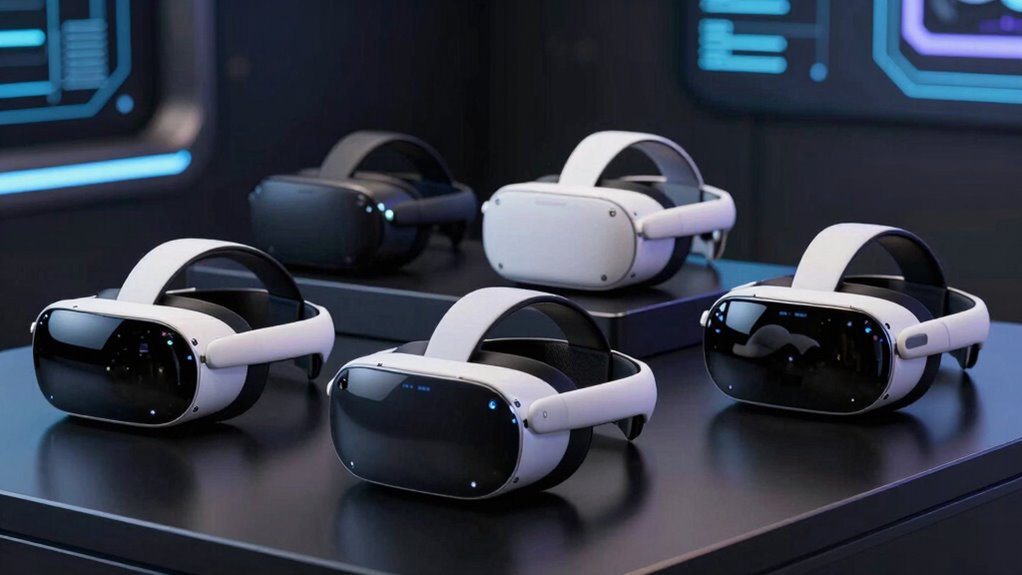

Choosing a VR headset with eye tracking in 2026 means balancing precision, comfort, and cost. The HTC Vive Pro Eye stands out for professional-grade accuracy, making it ideal for creators and research. For those seeking versatility, HTC Vive XR Elite offers wireless freedom and mixed reality capabilities at a more accessible price point. Meanwhile, the Meta Quest Pro excels in collaboration and productivity features, though it demands a Meta account and comes with a premium price. Each option targets different priorities—from high-fidelity simulations to all-in-one mobility—so understanding their strengths and tradeoffs is essential.

Get the latest gadgets delivered free — and shop member deals
- Fast, free delivery on millions of items
- Access to Prime Big Deal Days deals on October 6–7
- Prime Video, Amazon Music and more included
Complete the kit
Key Takeaways
- HTC Vive Pro Eye is best for professionals needing precise eye tracking and high visual fidelity.
- HTC Vive XR Elite offers a versatile, wireless experience suitable for gaming and mixed reality.
- Meta Quest Pro emphasizes collaboration and mixed reality but requires a Meta account.
- Pimax Crystal provides ultra-high resolution and a wide field of view, ideal for immersive gaming.
- Full-body tracking with HTC VIVE Tracker complements eye tracking for more immersive experiences.
| HTC Vive Pro Eye Virtual Reality System |  | Best Overall for Professional Precision | Precision Eye Tracking: Yes | Foveated Rendering: Yes | Connectivity Technology: USB | VIEW ON AMAZON | See Our Full Breakdown |
| HTC Vive XR Elite with Deluxe Pack — Mixed Reality and PC VR Headset + Controllers |  | Best for Versatility and Wireless Freedom | Resolution: 3840 x 1920 | Field of View: Up to 110° | Refresh Rate: 90Hz | VIEW ON AMAZON | See Our Full Breakdown |
| Meta Quest Pro | 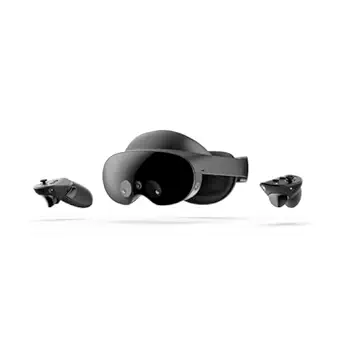 | Best for Collaboration and Mixed Reality | Storage: 256GB | RAM: 12GB | Sensors: 10 VR/MR sensors | VIEW ON AMAZON | See Our Full Breakdown |
| HTC VIVE Tracker 3.0 – Full-Body and Object Tracking |  | Best for Full-Body Immersion | Weight: 15% lighter than previous model | Battery Life: Up to 7.5 hours | Field of View: 240° | VIEW ON AMAZON | See Our Full Breakdown |
| Pimax Crystal Super VR Headset, 3840×3840 per Eye, Ultrawide 140° FOV, Eye-Tracking, DP Connection with PC |  | Best for Ultra-High Resolution and Immersive FOV | Resolution: 3840×3840 per eye | Field of View: 140° | Display Technology: QLED & Mini-LED | VIEW ON AMAZON | See Our Full Breakdown |
| vr headsets with eye tracking | Resolution | Field of View |
|---|---|---|
| HTC Vive Pro Eye Virtual Reali | 1440 x 800 | — |
| HTC Vive XR Elite with Deluxe | 3840 x 1920 | Up to 110° |
| Meta Quest Pro | — | — |
| HTC VIVE Tracker 3.0 | — | 240° |
| Pimax Crystal Super VR Headset | 3840×3840 per eye | 140° |
More Details on Our Top Picks
HTC Vive Pro Eye Virtual Reality System
The HTC Vive Pro Eye is a high-end system designed for professionals who demand the most accurate eye tracking and visual fidelity. It features foveated rendering, which improves performance by focusing detail where you’re looking—making it perfect for creators, researchers, and advanced VR users. Compared to other options, this headset supports larger tracking areas and offers OLED displays for richer textures. However, its setup is complex, requiring multiple base stations, and the premium price may deter casual users. This makes it the ideal choice for those prioritizing precision and extended comfort.
Pros:- Highly accurate and consistent eye tracking
- Supports large tracking zones and multiple base stations
- High visual fidelity with OLED display and detailed textures
- Comfortable for extended use
Cons:- Requires multiple base stations for optimal tracking
- Complex setup process
- High price point
Best for: Professionals and creators focused on high-accuracy eye tracking and detailed simulations
Not ideal for: Casual gamers or users new to VR who prefer simplicity and lower cost
- Precision Eye Tracking:Yes
- Foveated Rendering:Yes
- Connectivity Technology:USB
- Compatible Devices:Personal Computer
- Resolution:1440 x 800
- Display Type:OLED
Our verdict“The HTC Vive Pro Eye is the best choice for demanding users who need precise eye tracking and high-quality visuals, despite its complexity and cost.”
HTC Vive XR Elite with Deluxe Pack — Mixed Reality and PC VR Headset + Controllers
The HTC Vive XR Elite offers a compelling mix of standalone and PC VR capabilities, making it versatile for gaming, mixed reality, and casual use. Its high-resolution display combined with adjustable IPD and a swappable battery means extended, comfortable sessions. While its wireless streaming adds convenience, the battery life is limited to around two hours, and some features like hand tracking depend heavily on specific VR titles. Compared to the premium Vive Pro Eye, this headset sacrifices some tracking precision but compensates with mobility and ease of use, suited for users who want flexibility without sacrificing visual quality.
Pros:- High-resolution visuals in both standalone and PC modes
- Wireless streaming for unrestricted movement
- Adjustable fit and swappable battery for long sessions
- Full-color passthrough for mixed reality
Cons:- Battery life limits prolonged use
- Additional accessories sold separately
- Hand tracking depends on software support
Best for: Gamers and mixed reality enthusiasts seeking a portable, high-res headset
Not ideal for: Users needing ultra-precise eye tracking for research or detailed simulation work
- Resolution:3840 x 1920
- Field of View:Up to 110°
- Refresh Rate:90Hz
- Battery Life:Up to 2 hours
- Connectivity:Wireless, USB streaming
Our verdict“The Vive XR Elite strikes a strong balance of quality and mobility, making it suitable for casual and mixed reality users, though it’s less specialized in eye-tracking accuracy.”
Meta Quest Pro
The Meta Quest Pro is designed for professionals and creative teams who value collaboration, high-resolution mixed reality, and avatar-driven interactions. Its high-res passthrough makes physical interactions more engaging, while its ergonomic design supports long wear. The advanced controllers enable real-time avatar expressions and finger tracking, adding a new layer of immersion. However, requiring a Meta account and coming with a high price tag may limit its appeal for casual users or those wary of account restrictions. Compared to PC-tethered headsets, it offers mobility but may lack some precision in eye tracking depending on software support.
Pros:- High-resolution mixed reality passthrough
- Ergonomic design for extended wear
- Advanced avatar and finger tracking
- Powerful hardware and ample storage
Cons:- Requires a Meta account
- High cost
- Limited compatibility outside Meta ecosystem
Best for: Work, collaboration, and creative professionals seeking mixed reality features
Not ideal for: Pure gamers or users not interested in social or productivity features
- Storage:256GB
- RAM:12GB
- Sensors:10 VR/MR sensors
- Compatibility:Meta account required
Our verdict“Meta Quest Pro is the go-to for professionals prioritizing collaboration and mixed reality, despite its high price and account requirements.”
HTC VIVE Tracker 3.0 – Full-Body and Object Tracking
The VIVE Tracker 3.0 extends eye tracking by enabling full-body and object tracking, creating more immersive VR experiences. Its lightweight design and long battery life support extended sessions, especially when used with multiple trackers for full motion capture. However, it requires base stations and additional software, which can complicate setup and compatibility. This tracker is ideal for VR enthusiasts who want to complement eye tracking with realistic motion, but it’s less suited for casual users who prefer plug-and-play solutions.
Pros:- Enables full-body and object tracking
- Lightweight and comfortable during long use
- Supports multiple trackers for comprehensive motion capture
- Long battery life up to 7.5 hours
Cons:- Requires base stations and software
- Compatibility varies with headsets
- Setup can be complex
Best for: VR users aiming for full-body tracking and realistic motion capture
Not ideal for: Casual gamers or those without existing HTC Vive ecosystems
- Weight:15% lighter than previous model
- Battery Life:Up to 7.5 hours
- Field of View:240°
- Compatibility:SteamVR, HTC VIVE, Cosmos
Our verdict“The VIVE Tracker 3.0 is the best choice for users who want to add full-motion realism to their VR experience, complementing eye tracking for enhanced immersion.”
Pimax Crystal Super VR Headset, 3840×3840 per Eye, Ultrawide 140° FOV, Eye-Tracking, DP Connection with PC
The Pimax Crystal delivers an extraordinary visual experience with 3840×3840 per eye resolution and a vast 140° field of view, making it ideal for demanding gamers and simulators. Its eye-tracking enhances immersion, while the high refresh rate ensures responsiveness. The combination of QLED and Mini-LED technology supports vivid colors and contrast. The main tradeoff is that it requires a powerful PC to handle its demanding visuals and high data throughput. While it excels in clarity and peripheral awareness, its setup complexity and cost make it more suitable for enthusiasts willing to invest in premium hardware.
Pros:- Ultra-high resolution with 50 PPD
- Wide 140° FOV enhances peripheral vision
- Eye-tracking and vivid color technology
- Ergonomic design for comfort
Cons:- Requires a high-end PC for optimal performance
- Expensive due to advanced tech
- Limited compatibility outside PC ecosystems
Best for: High-end gamers and simulation enthusiasts seeking maximum immersion
Not ideal for: Casual users or those with modest PC hardware
- Resolution:3840×3840 per eye
- Field of View:140°
- Display Technology:QLED & Mini-LED
- Refresh Rate:90Hz and beyond
- Eye-Tracking:Yes
Our verdict“The Pimax Crystal is the premier choice for enthusiasts demanding the highest visual fidelity and an expansive FOV, at the expense of setup complexity and cost.”
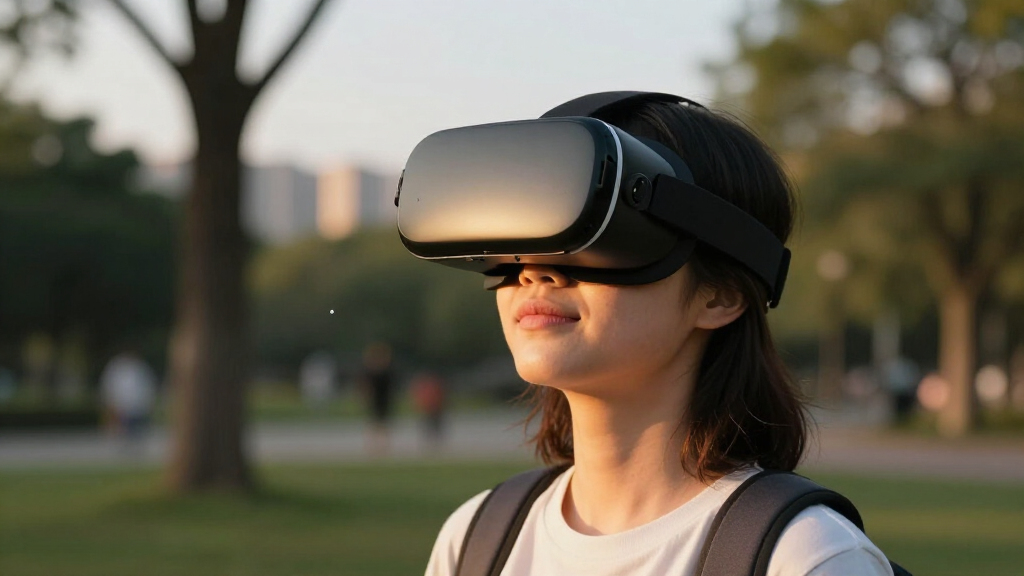
How We Picked
Our selection process focused on key factors like tracking accuracy, visual quality, comfort, versatility, and price. We prioritized products with proven eye-tracking technology suitable for extended use, including professional, gaming, and mixed reality scenarios. Compatibility with PC and standalone options was also considered, ensuring choices fit different user needs. Tradeoffs such as setup complexity, cost, and hardware requirements were evaluated to present a balanced view of each headset’s strengths and limitations.
Factors to Consider When Choosing Vr Headsets With Eye Tracking
Selecting the right VR headset with eye tracking involves understanding your specific needs—whether professional precision, immersive gaming, or mixed reality. Consider your hardware setup, desired features, and budget. The following sections will guide you through key factors to help you make an informed decision.Tracking Accuracy and Use Case
High-precision eye tracking is essential for professional applications like research, simulation, or detailed user insights. For gaming or casual use, slightly less accurate but reliable tracking may suffice. Think about whether you need real-time gaze data or just an immersive experience, as this impacts your choice.
Display Quality and Field of View
Visual fidelity directly affects immersion. Headsets like Pimax Crystal offer ultra-high resolution and wide FOV, ideal for detailed simulations. Conversely, OLED displays on Vive Pro Eye provide excellent textures and contrast, suitable for high-end VR experiences. Balance resolution and FOV with your hardware capabilities.
Comfort and Ergonomics
If you plan to wear your headset for extended periods, comfort becomes paramount. Features like adjustable straps, ergonomic padding, and weight distribution matter. The Vive XR Elite and Quest Pro excel here, supporting long sessions without fatigue.
Compatibility and Setup
Consider whether you want a standalone headset or a PC-tethered system. PC-based headsets like Vive Pro Eye and Pimax require powerful hardware and complex setup, but offer higher fidelity. Standalone options like Vive XR Elite and Quest Pro provide portability and ease of use but may compromise some tracking precision and features.
Frequently Asked Questions
How accurate is eye tracking in these headsets?
The HTC Vive Pro Eye offers highly accurate, professional-grade eye tracking suitable for detailed analysis. The Pimax Crystal also provides precise gaze tracking with high resolution, ideal for immersive applications. Other headsets like Quest Pro and Vive XR Elite deliver reliable tracking for everyday use but may lack the same level of precision as dedicated professional systems.
Can these headsets be used wirelessly?
Yes, the HTC Vive XR Elite supports wireless streaming, providing freedom of movement in mixed reality environments. The Quest Pro also offers wireless capabilities through its standalone design, though with limited battery life. Others like the Vive Pro Eye require wired connections, which can limit mobility but offer more stability and higher data throughput.
Are these headsets suitable for extended VR sessions?
Most of these headsets, such as Vive Pro Eye and Quest Pro, feature ergonomic designs with adjustable straps and padding, making them comfortable for long use. The Vive XR Elite and Pimax Crystal are also built for extended sessions, but setup complexity and weight can affect comfort. Consider your specific needs for comfort and hardware support.
What hardware do I need to run high-end VR headsets like Pimax Crystal?
High-end headsets like the Pimax Crystal demand a powerful PC, with high-end GPUs and ample RAM to handle their ultra-high resolution and wide FOV. Ensuring your hardware meets or exceeds the recommended specifications is crucial for smooth performance. Cheaper or mid-tier PCs may struggle, leading to reduced visual quality or lag.
Which headset is best for mixed reality applications?
The Meta Quest Pro excels in mixed reality with its high-resolution passthrough and avatar features, making it an excellent choice for collaboration and creative work. The Vive XR Elite also offers passthrough capabilities, but the Quest Pro’s integrated ecosystem and ergonomic design give it an edge for professional mixed reality use.
Conclusion
If you prioritize professional-grade accuracy and detailed simulations, the HTC Vive Pro Eye remains the top pick, despite its setup complexity and price. For users seeking versatility, mobility, and mixed reality features, the HTC Vive XR Elite offers great value. The Meta Quest Pro suits creative teams and collaborators who want a wireless, ergonomic device with mixed reality capabilities. Gamers and enthusiasts looking for ultra-sharp visuals should consider the Pimax Crystal, while those interested in full-body tracking will find the VIVE Tracker 3.0 invaluable. Your choice ultimately depends on your specific needs, hardware readiness, and budget.
Halloween Picks
halloween
As an affiliate, we earn on qualifying purchases.