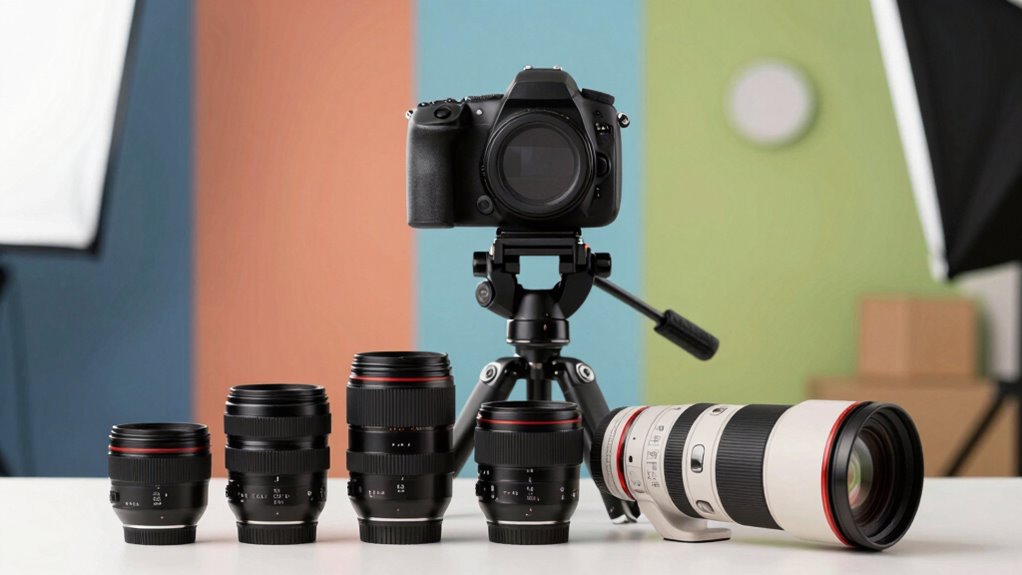

Choosing the right lenses for videography can dramatically impact your footage quality and creative flexibility. The Canon RF 24-70mm F2.8L IS USM stands out as the best overall for its versatile zoom range and excellent image stabilization. For those prioritizing cinematic qualities, the SIRUI 50mm T2.9 1.6X Anamorphic Lens offers stunning anamorphic effects, while budget-conscious videographers might appreciate the Meike 12mm T2.2 Wide Angle for its sharpness and affordability. Many buyers face tradeoffs between aperture size, autofocus, size, and price—each influencing their final choice. Continue reading for a detailed breakdown of these options and more.
Complete the kit



Key Takeaways
- The top-ranked lenses balance image quality, usability, and value for different videography needs.
- Cinematic features like anamorphic effects require specific lens choices, often at a higher price point.
- Zoom versatility versus prime sharpness is a key tradeoff that influences lens selection.
- Autofocus performance varies widely and can significantly impact run-and-gun shooting styles.
- Budget options like Meike provide surprising quality but may lack advanced features found in professional lenses.
| Meike 12mm T2.2 Manual Focus Wide Angle Cinema Lens for Micro Four Thirds Cameras and BMPCC 4K |  | Best Overall for Wide-Angle Landscape Videography | Focal Length: 12 millimeters | Lens Design: Prime | Focus Type: Manual Focus | VIEW ON AMAZON | See Our Full Breakdown |
| Canon EF 50mm f/1.8 STM Lens, Black, Compatible with Canon EOS DSLR Cameras |  | Best Versatile Prime for Low-Light and Portrait Videography | Focal Length: 50mm | Maximum Aperture: f/1.8 | Lens Construction: 6 elements in 5 groups | VIEW ON AMAZON | See Our Full Breakdown |
| Meike 16mm T2.2 Manual Focus Wide Angle Cinema Lens for M43 Micro Four Thirds Mount |  | Best for Manual Focus Wide-Angle Cinematography | Focal Length: 16 mm | Maximum Aperture: T2.2 | Lens Design: Prime | VIEW ON AMAZON | See Our Full Breakdown |
| SIRUI 50mm T2.9 1.6X Full-Frame Anamorphic Lens (L Mount) |  | Best for Cinematic Anamorphic Portraits and Wide Aspect Ratios | Focal Length: 50mm | Maximum Aperture: T16-T2.9 | Lens Mount: L Mount | VIEW ON AMAZON | See Our Full Breakdown |
| Rokinon Cine DS T1.5 Cinema Lens Kit – 24mm, 35mm, 50mm, 85mm for Canon EF |  | Best Complete Cine Lens Kit for Versatile Filmmaking | Focal Lengths: 24mm, 35mm, 50mm, 85mm | Maximum Aperture: f/1.5 | Focus Type: Manual | VIEW ON AMAZON | See Our Full Breakdown |
| SIRUI Sniper Autofocus Lens Set, 23/33/56mm, F1.2 APS-C Cine Lens, E Mount |  | Best Versatile Autofocus Set for Sony APS-C Videographers | Focal Length: 23mm, 33mm, 56mm | Maximum Aperture: F1.2 | Lens Mount: Sony E | VIEW ON AMAZON | See Our Full Breakdown |
| Canon RF 16mm F2.8 STM Lens, Ultra Wide-Angle Prime for EOS R Series |  | Best Compact Wide-Angle for Vlogging and Landscapes | Focal Length: 16mm | Maximum Aperture: f/2.8 | Minimum Focusing Distance: 5.11 inches | VIEW ON AMAZON | See Our Full Breakdown |
| SIRUI 40mm T1.8 1.33x S35 Auto Focus Anamorphic E Mount Cine Lens | 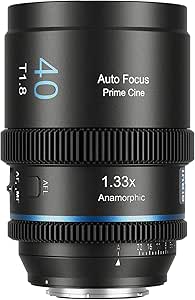 | Best Cinematic Anamorphic Lens for Sony E-Mount Filmmakers | Focal Length: 40mm | Maximum Aperture: 1.8 | Lens Mount: Sony E | VIEW ON AMAZON | See Our Full Breakdown |
| Sony FE 24-70mm F2.8 GM II Lens (Renewed) | 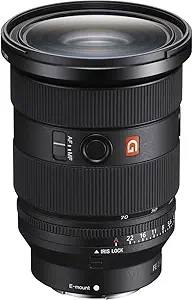 | Best Professional Versatile Zoom for Sony Full-Frame Video | Lens Mount: Sony E-mount | Focal Length: 24-70mm | Maximum Aperture: F2.8 | VIEW ON AMAZON | See Our Full Breakdown |
| Canon RF 24-70mm F2.8L IS USM Lens for Canon EOS R Series Mirrorless Cameras |  | Best All-Around Zoom for Canon EOS R Videographers | Focal Length: 24-70mm | Maximum Aperture: f/2.8 | Minimum Aperture: f/22 | VIEW ON AMAZON | See Our Full Breakdown |
| lenses for videography | Maximum Aperture | Focal Length | Lens Mount |
|---|---|---|---|
| Meike 12mm T2.2 Manual Focus W | T2.2 | 12 millimeters | Micro Four Thirds |
| Canon EF 50mm f/1.8 STM Lens | f/1.8 | 50mm | — |
| Meike 16mm T2.2 Manual Focus W | T2.2 | 16 mm | Micro Four Thirds |
| SIRUI 50mm T2.9 1.6X Full-Fram | T16-T2.9 | 50mm | L Mount |
| Rokinon Cine DS T1.5 Cinema Le | f/1.5 | — | Canon EF |
| SIRUI Sniper Autofocus Lens Se | F1.2 | 23mm, 33mm, 56mm | Sony E |
| Canon RF 16mm F2.8 STM Lens | f/2.8 | 16mm | Canon RF |
| SIRUI 40mm T1.8 1.33x S35 Auto | 1.8 | 40mm | Sony E |
| Sony FE 24-70mm F2.8 GM II Len | F2.8 | 24-70mm | Sony E-mount |
| Canon RF 24-70mm F2.8L IS USM | f/2.8 | 24-70mm | Canon RF |
More Details on Our Top Picks
Meike 12mm T2.2 Manual Focus Wide Angle Cinema Lens for Micro Four Thirds Cameras and BMPCC 4K
The Meike 12mm T2.2 stands out for its ultra-wide 92-degree field of view, making it ideal for capturing expansive landscapes and architecture. Compared with the Meike 16mm T2.2, this lens offers a wider perspective, though its fixed focal length and manual focus can be limiting in fast-paced shoots. Its all-metal build and multi-element design deliver sharp images with minimal distortion, but the absence of image stabilization and manual focus-only operation demand careful handling. This makes it a strong choice for dedicated landscape videographers who prioritize image quality and durability over versatility or autofocus convenience.
Pros:- Wide 92-degree field of view suitable for landscapes
- Sharp images with low distortion due to multi-element design
- All-metal construction offers durability
Cons:- Manual focus may be challenging for fast action scenes
- No image stabilization limits handheld usability
- Fixed focal length reduces shooting flexibility
Best for: Landscape videographers and cinematographers who need a durable, wide-angle prime lens with exceptional image clarity.
Not ideal for: Event videographers or run-and-gun shooters who require autofocus and stabilization for quick, dynamic scenes.
- Focal Length:12 millimeters
- Lens Design:Prime
- Focus Type:Manual Focus
- Maximum Aperture:T2.2
- Lens Mount:Micro Four Thirds
- Field of View:92 degrees
Our verdict“This lens is perfect for landscape-focused videographers seeking high image quality and robust build in a wide-angle prime.”
Canon EF 50mm f/1.8 STM Lens, Black, Compatible with Canon EOS DSLR Cameras
The Canon EF 50mm f/1.8 STM offers a bright f/1.8 aperture that excels in low-light environments, making it a popular choice for portrait and indoor scenes. Unlike the Meike 12mm, which is specialized for wide landscapes, this lens provides a natural perspective with a classic 50mm focal length and smooth STM autofocus, suitable for handheld and run-and-gun shooting. While its fixed focal length limits zoom versatility, the compact size and excellent image quality make it a favorite for creators who want a lightweight, reliable lens that performs well in varied lighting conditions. Compared to the Rokinon 24mm or 85mm primes, this lens strikes a balance between versatility and performance.
Pros:- Bright f/1.8 aperture ideal for low-light and shallow depth of field
- Near-silent STM autofocus perfect for video recording
- Lightweight and compact for easy handling
Cons:- Fixed focal length limits framing options
- Limited filter size (49mm), which may restrict accessory choices
- Not weather-sealed, less suited for harsh environments
Best for: Video creators needing a compact, bright lens for portraits, interviews, and low-light shooting with Canon EOS cameras.
Not ideal for: Wide landscape shooters or those requiring zoom capabilities, due to its fixed 50mm focal length.
- Focal Length:50mm
- Maximum Aperture:f/1.8
- Lens Construction:6 elements in 5 groups
- Diagonal Angle of View:46°
- Closest Focusing Distance:1.15 ft / 0.35m
- Weight:5.6 oz / 159g
Our verdict“This lens provides a perfect blend of brightness and portability, ideal for versatile low-light videography on Canon EOS systems.”
Meike 16mm T2.2 Manual Focus Wide Angle Cinema Lens for M43 Micro Four Thirds Mount
The Meike 16mm T2.2 is tailored for creators who prioritize manual control and cinematic image quality. Its 73-degree view offers a slightly narrower perspective than the 12mm, but the wide T2.2 aperture enables shallow depth of field and atmospheric shots. The all-metal construction ensures durability, and its manual focus is precise but requires careful adjustment, especially compared with autofocus lenses like the SIRUI 23mm. While lacking stabilization, this lens excels in controlled environments where manual finesse is preferred. Compared to the 12mm, it is better suited for more intimate scenes or tighter compositions, though its manual operation may limit quick-shooting scenarios.
Pros:- Wide 73-degree field of view suitable for landscapes and interiors
- T2.2 aperture for shallow depth of field
- All-metal build for longevity
Cons:- Manual focus only, requiring skill and patience
- No image stabilization, less suited for handheld use
- Requires camera settings adjustment for optimal operation
Best for: Cinematographers who prefer manual focus and want a durable, wide-angle lens for landscape or narrative scenes on M43 cameras.
Not ideal for: Fast-paced event or run-and-gun videographers who need autofocus and quick adjustments.
- Focal Length:16 mm
- Maximum Aperture:T2.2
- Lens Design:Prime
- Focus Type:Manual
- Lens Mount:Micro Four Thirds
- View Angle:73 degrees
Our verdict“This lens is ideal for filmmakers who value manual control and elegant build quality in wide-angle shots on M43 cameras.”
SIRUI 50mm T2.9 1.6X Full-Frame Anamorphic Lens (L Mount)
The SIRUI 50mm T2.9 1.6X anamorphic lens offers a distinctive cinematic look with its 1.6x squeeze, producing wide aspect ratios and characteristic optical effects like light flares and oval bokeh. Compared to standard lenses like the Rokinon 50mm T1.5, its anamorphic design creates a unique visual style that appeals to professional filmmakers aiming for a classic cinematic aesthetic. The manual focus and sturdy construction ensure consistent results, but the lens’s weight over a kilogram and limited L mount compatibility mean it’s better suited for tripod or studio setups rather than handheld work. Its specialty optical features come with tradeoffs in size and complexity, ideal for dedicated narrative projects.
Pros:- Creates a wide cinematic aspect ratio with immersive effects
- Produces distinctive light flare and oval bokeh
- Constructed for durability and professional use
Cons:- Heavy weight complicates handheld shooting
- Manual focus demands skill and patience
- Limited compatibility to L Mount cameras
Best for: Professional filmmakers seeking a distinctive anamorphic aesthetic with full-frame cameras and stable setups.
Not ideal for: Run-and-gun shooters or those needing lightweight, autofocus solutions, due to the lens’s weight and manual operation.
- Focal Length:50mm
- Maximum Aperture:T16-T2.9
- Lens Mount:L Mount
- Squeeze Factor:1.6x
- Construction:16 Elements in 13 Groups
- Weight:1073.6g
Our verdict“This lens is perfect for filmmakers aiming for a stylized, cinematic anamorphic look on compatible full-frame cameras with tripod or studio setups.”
Rokinon Cine DS T1.5 Cinema Lens Kit – 24mm, 35mm, 50mm, 85mm for Canon EF
The Rokinon Cine DS T1.5 kit includes four prime lenses designed for full-frame Canon EF cameras, offering a consistent T1.5 aperture across focal lengths. Compared with individual specialty lenses like the Meike 12mm or SIRUI 50mm, this bundle provides a versatile set for various shooting scenarios, from wide landscapes to tight portraits. The manual focus and aperture controls are crafted for cinema use, though they demand precise operation, which might challenge beginners. Its multi-layer coatings help reduce flare, and the uniformity across focal lengths simplifies shooting setups. However, the lack of electronic control or stabilization makes it more suitable for controlled environments or tripod use, rather than fast-paced action.
Pros:- Consistent exposure control across four focal lengths
- High-quality cine-style manual focus and iris
- Multi-layer coating reduces flare and increases contrast
Cons:- Manual focus and aperture may be challenging for novices
- No electronic focus or iris control limits quick adjustments
- Not water resistant, less suited for outdoor harsh conditions
Best for: Professional filmmakers and videographers seeking a comprehensive set of high-quality cine lenses for diverse shooting needs.
Not ideal for: Beginners or those relying on autofocus and electronic iris controls, as the lenses are fully manual and lack electronic features.
- Focal Lengths:24mm, 35mm, 50mm, 85mm
- Maximum Aperture:f/1.5
- Focus Type:Manual
- Lens Mount:Canon EF
- Focus Range:T1.5 to T22
- Number of Blades:8
Our verdict“This kit offers excellent image control and consistency for professionals needing a reliable, all-in-one set for cinematic storytelling.”
SIRUI Sniper Autofocus Lens Set, 23/33/56mm, F1.2 APS-C Cine Lens, E Mount
This SIRUI lens set excels for creators who need multiple focal lengths in one package, offering 23mm, 33mm, and 56mm options that cover street, portrait, and lifestyle shooting. Its fast F1.2 aperture ensures strong low-light performance, and autofocus with Eye AF and subject tracking simplifies dynamic scenes. Compared to the Canon RF 16mm F2.8, this set provides more focal choices, but it’s limited strictly to Sony E-mount cameras and lacks additional stabilization features. The optical stabilization helps maintain steady footage, yet the absence of weight details means portability varies. This pick makes the most sense for Sony APS-C users seeking flexibility without sacrificing autofocus accuracy.Pros:- Multiple focal lengths for varied shooting styles
- Fast F1.2 aperture ideal for low-light conditions
- Autofocus with Eye AF and subject tracking enhances usability
Cons:- Limited to Sony E-mount cameras
- Lack of detailed weight and size info impacts portability assessment
Best for: Videographers using Sony APS-C cameras who want a versatile, autofocus-equipped lens set for various scenarios
Not ideal for: Users with full-frame Sony or other mounts, or those needing built-in stabilization for handheld shots
- Focal Length:23mm, 33mm, 56mm
- Maximum Aperture:F1.2
- Lens Mount:Sony E
- Focus Type:Auto Focus
- Lens Coating:Special Coating
- Zoom Ratio:2.43:1
Our verdict“This lens set suits Sony APS-C videographers who prioritize autofocus versatility and low-light performance but don’t need stabilization beyond optical correction.”
Canon RF 16mm F2.8 STM Lens, Ultra Wide-Angle Prime for EOS R Series
The Canon RF 16mm F2.8 offers an ultra-wide perspective perfect for capturing expansive landscapes, interiors, or vlogs where space is tight. Its lightweight, compact design makes it a natural choice for travelers and content creators on the move, especially compared to bulkier zoom lenses like the Sony 24-70mm F2.8 GM II. The fixed focal length limits zoom flexibility, but the bright f/2.8 aperture excels in low-light settings and shallow depth-of-field effects. While it lacks optical stabilization, its smooth autofocus and close focusing are advantageous for handheld video. This lens fits best for those prioritizing portability and wide-angle shots on the EOS R series, but less so for zoom-centric or stabilized video needs.Pros:- Ultra-wide-angle view ideal for landscapes and interiors
- Bright f/2.8 aperture suitable for low-light shooting
- Lightweight and compact for easy portability
Cons:- Fixed focal length limits zoom options
- No optical image stabilization
Best for: Vloggers and landscape shooters seeking a lightweight, wide-angle lens for EOS R full-frame cameras
Not ideal for: Photographers needing zoom versatility or users requiring optical stabilization for handheld filming
- Focal Length:16mm
- Maximum Aperture:f/2.8
- Minimum Focusing Distance:5.11 inches
- Lens Mount:Canon RF
- Lens Type:Prime
- Filter Size:43mm
Our verdict“This lens is best for EOS R users who want an ultra-wide, portable lens for wide vistas or immersive vlogging without zoom flexibility.”
SIRUI 40mm T1.8 1.33x S35 Auto Focus Anamorphic E Mount Cine Lens
This 40mm anamorphic lens offers a compelling choice for filmmakers seeking cinematic aspect ratios and aesthetic flare, with a fast T1.8 aperture that performs well in low-light scenes. Its autofocus and 1.33x squeeze provide a classic anamorphic look, making it ideal for creative projects that demand a stylized, wide-screen image—especially compared to standard spherical lenses like the Sony 24-70mm. The absence of image stabilization means it’s best paired with stabilization rigs or gimbals. Some users may find the blue flare and cinematic effects too stylized for straightforward projects, but this lens excels in producing distinctive visuals. It’s suited for creative videographers focusing on artistic storytelling or moody night scenes.Pros:- Creates authentic 2.35:1 anamorphic aspect ratio
- Fast T1.8 aperture for low-light scenarios
- Autofocus simplifies operation during shooting
Cons:- No image stabilization, requiring additional gear
- Stylized flare effects may not suit all projects
Best for: Filmmakers and videographers who want a cinematic anamorphic look with autofocus on Sony E-mount cameras
Not ideal for: Documentarians or corporate videographers needing stabilization or a more neutral look
- Focal Length:40mm
- Maximum Aperture:1.8
- Lens Mount:Sony E
- Lens Design:Autofocus
- Squeeze Factor:1.33x
- Shooting Modes:16:9
Our verdict“This lens is perfect for creative filmmakers aiming for cinematic visuals with autofocus, accepting the need for stabilization gear.”
Sony FE 24-70mm F2.8 GM II Lens (Renewed)
The Sony FE 24-70mm F2.8 GM II blends high resolution, smooth bokeh, and fast autofocus—making it a go-to for professional videographers. Its zoom range covers most shooting scenarios, from wide landscapes to portraits, with a lightweight design compared to earlier models. The inclusion of autofocus with focus breathing reduction and optical stabilization improves video quality, especially for run-and-gun shooting. Compared to the Canon RF 24-70mm F2.8L, this lens is more compact, but the renewed condition might carry warranty uncertainties. Its high price reflects its professional-grade features, making it suitable for serious videographers who need a reliable all-in-one zoom.Pros:- Excellent resolution and smooth bokeh
- Effective optical image stabilization
- Fast, quiet autofocus with focus breathing reduction
Cons:- Renewed product may have warranty or condition issues
- Heavy and slightly bulky for handheld use
Best for: Professional or enthusiast videographers shooting on Sony full-frame cameras who need a high-quality, all-purpose zoom lens
Not ideal for: Budget-conscious creators or those who prefer prime lenses for maximum aperture and size advantages
- Lens Mount:Sony E-mount
- Focal Length:24-70mm
- Maximum Aperture:F2.8
- Weight:695 g
- Dimensions:Approximately 16 mm shorter than previous model
- Video Features:4K 120p, focus breathing reduction
Our verdict“This lens is a solid choice for professionals needing a versatile, high-performance zoom with reliable autofocus and stabilization.”
Canon RF 24-70mm F2.8L IS USM Lens for Canon EOS R Series Mirrorless Cameras
The Canon RF 24-70mm F2.8L IS USM is a versatile lens that covers a broad focal range, making it ideal for travel, portraits, and landscape videography. Its bright F2.8 aperture allows for good background separation and low-light shooting, while the five-stop optical stabilization ensures steady footage hand-held. The Nano USM technology results in smooth, silent autofocus perfect for video. Compared to the Sony FE 24-70mm GM II, it’s heavier and bulkier, which could be a drawback for handheld shooters. Its weather-resistant build and high image quality justify the premium price, especially for Canon users seeking a reliable, all-purpose lens for professional video projects.Pros:- High-quality optics with bright F2.8 aperture
- Optical image stabilization for smooth footage
- Silent autofocus for unobtrusive video recording
Cons:- Relatively heavy and bulky
- Premium price point
Best for: Canon EOS R videographers requiring a durable, high-performance zoom for diverse shooting conditions
Not ideal for: Travel vloggers or minimalist shooters who prefer lighter gear, or those on a strict budget
- Focal Length:24-70mm
- Maximum Aperture:f/2.8
- Minimum Aperture:f/22
- Lens Mount:Canon RF
- Image Stabilization:Yes, up to 5 stops
- Minimum Focus Distance:0.69 ft / 0.21 m (wide)
Our verdict“This lens suits Canon EOS R users wanting a robust, versatile zoom capable of professional-level video and stills, despite its weight.”
How We Picked
The lenses in this roundup were selected based on a combination of performance, build quality, versatility, and value. Priority was given to lenses that excel in video-specific features such as smooth focus transitions, minimal breathing, and stable image stabilization. We also considered user feedback, brand reputation, and how well each lens suits different videography scenarios—from cinematic productions to everyday shooting. The ranking reflects a balance between affordability and professional-grade features, aiming to guide both enthusiasts and professionals toward suitable choices.| lenses for videography | Lens Mount |
|---|---|
| Meike 12mm T2.2 Manual Focus W | Micro Four Thirds |
| Canon EF 50mm f/1.8 STM Lens | — |
| Meike 16mm T2.2 Manual Focus W | Micro Four Thirds |
| SIRUI 50mm T2.9 1.6X Full-Fram | L Mount |
| Rokinon Cine DS T1.5 Cinema Le | Canon EF |
| SIRUI Sniper Autofocus Lens Se | Sony E |
| Canon RF 16mm F2.8 STM Lens | Canon RF |
| SIRUI 40mm T1.8 1.33x S35 Auto | Sony E |
| Sony FE 24-70mm F2.8 GM II Len | Sony E-mount |
| Canon RF 24-70mm F2.8L IS USM | Canon RF |
Factors to Consider When Choosing Lenses For Videography
When selecting lenses for videography, understanding your specific needs and the technical features that support those needs is essential. Different projects require different focal lengths, aperture sizes, and autofocus capabilities. Beyond basic specs, consider how the lens handles focus breathing, image stabilization, and compatibility with your camera system. Making the right choice involves weighing these factors against your budget and intended use, avoiding common pitfalls like over-investing in features you won’t need or choosing lenses that don’t suit your shooting style.Focal Length and Field of View
Choosing the right focal length depends heavily on your shooting style. Wide-angle lenses are great for landscapes and immersive scenes, while standard or medium telephoto lenses excel for interviews or cinematic storytelling. Zoom lenses offer flexibility but might compromise some image quality compared to primes. Consider whether your projects require versatile zooms or if prime lenses with wider apertures better serve your creative goals.
Aperture Size and Light Gathering
Aperture size directly influences depth of field and low-light performance. Larger apertures (like f/1.4 or f/2.8) allow for more control over background blur and enable shooting in dim environments without extra lighting. However, such lenses tend to be more expensive and larger. Smaller apertures are more affordable but may require additional lighting in darker settings. Match aperture choices with your typical shooting conditions to avoid limitations or unnecessary expenses.
Autofocus and Manual Focus
Autofocus performance can make or break a video shoot, especially when capturing dynamic scenes or run-and-gun footage. Look for lenses with smooth, silent autofocus motors that don’t introduce noise or abrupt focus shifts. Manual focus is often preferred for cinematic work, but it requires practice and precision. Consider your comfort with manual focus versus autofocus, along with the lens’s focusing mechanism quality.
Build Quality and Size
Durability and weight influence how comfortable you are during extended shoots. Professional-grade lenses often feature robust construction and weather sealing, ideal for outdoor or demanding environments. Compact lenses are easier to carry and handle but may sacrifice some build robustness. Balance your need for portability against the demands of your filming environment.
Compatibility and System Support
Ensure the lens you choose is fully compatible with your camera system and mount. Some lenses are designed for full-frame sensors, while others suit APS-C or Micro Four Thirds systems. Compatibility affects image quality, especially with autofocus and stabilization features. Double-check mount types, flange distances, and firmware requirements to prevent costly mismatches.
Frequently Asked Questions
Should I choose a prime or zoom lens for videography?
This depends on your shooting style and project needs. Prime lenses generally provide sharper images, wider apertures, and better low-light performance, making them ideal for cinematic work. Zoom lenses offer versatility and convenience, allowing quick framing adjustments without changing lenses. For dynamic environments or run-and-gun shooting, zooms often save time, but for controlled, artistic shots, primes are usually preferable.
How important is image stabilization in a videography lens?
Image stabilization significantly improves handheld footage stability, reducing jitters and shaky movements. If you frequently shoot without a tripod or gimbal, a lens with built-in stabilization can be a game-changer. However, stabilization adds to lens size and cost and may not be necessary if you primarily shoot on stabilized rigs or tripods. Assess your typical shooting scenarios to determine its importance.
Are more expensive lenses always better for videography?
Not necessarily. Higher-priced lenses often feature superior optics, better build quality, and advanced focus mechanisms, which benefit professional workflows. However, many mid-range lenses deliver excellent performance suitable for most videographers. Budget options like Meike can be surprisingly effective, especially when paired with good technique, but they may lack some refinements like silent autofocus or robust stabilization.
What focal length is best for cinematic storytelling?
Most cinematic projects favor medium to telephoto focal lengths, such as 50mm, 85mm, or 100mm, which produce natural perspective and shallow depth of field. Wide angles like 16mm or 12mm are excellent for establishing shots, but overuse can distort subjects. The choice depends on the emotional tone and composition you aim to achieve, so a mix of focal lengths often works best.
How does lens size and weight impact my filming setup?
Heavier, larger lenses can be cumbersome for handheld shooting and may require additional support gear, impacting mobility and comfort. Compact lenses are easier to handle and transport, making them ideal for travel or extended shoots. Consider your shooting environment and whether you’ll be moving a lot, as well as the kind of stabilization equipment you use, to choose a lens that balances quality and portability.