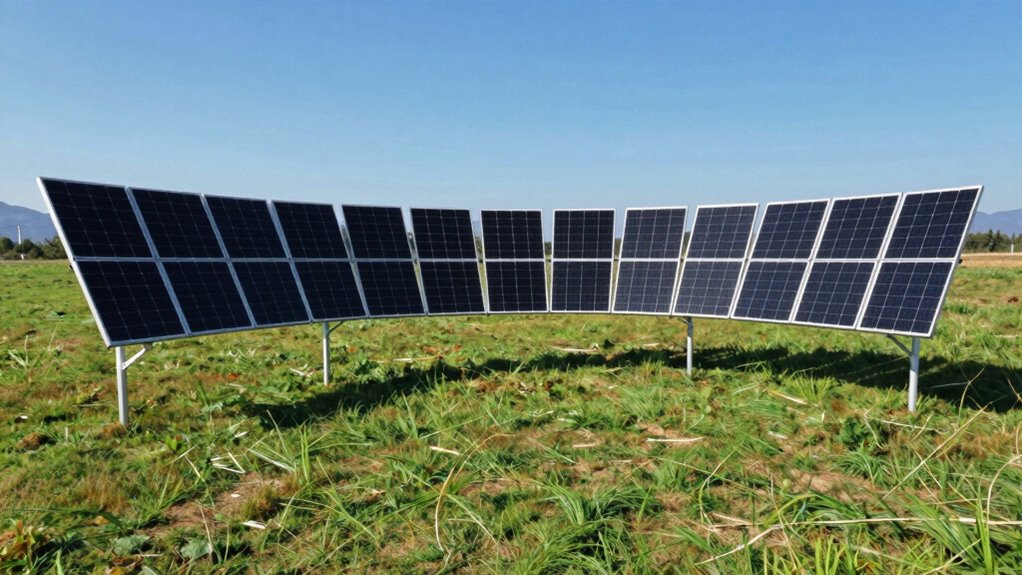

A foldable solar panel rated at 200W can recharge a portable power station or support a 12V battery setup, but real output depends on sunlight, placement, and compatible connections. My best overall pick is the Renogy 200W Portable Foldable Solar Panel for buyers who want a known solar brand and a practical balance of portability and everyday use. The BougeRV 200W N-Type and HQST 200W N-Type stand out for shoppers prioritizing N-type cell designs, while the DOKIO 200W kit is aimed at 12V battery users who want a controller included. The main tradeoffs are panel weight and packed size, included accessories, and whether the panel connects directly to your power station or needs extra equipment. Read on for the full comparison and guidance on matching a panel to your setup.

Get the latest gadgets delivered free with Prime
- Fast, free delivery on millions of items
- Prime Video, Amazon Music and more included
- Member-only deals all year
Complete the kit



Key Takeaways
- Renogy leads the general-purpose shortlist: its standard 200W portable foldable panel is my overall pick, while the Renogy suitcase kit adds a charge controller for a more battery-focused setup.
- N-type models are a distinct option, not an automatic win: BougeRV and HQST make them stand out, but buyers still need to compare connector compatibility, portability, and included accessories.
- Included controllers change the use case: DOKIO’s kit and Renogy’s suitcase bundle better suit direct 12V battery charging than panels sold without that component.
- The lineup spans more than one kind of portability: compact foldable designs favor easier transport, while suitcase-style formats may prioritize structured setup over the smallest packed footprint.
- A 200W label is a rated ceiling: none of these panels can promise 200W continuously; sun angle, shade, temperature, and power-station input limits affect actual charging.
| TOPRAY SOLAR 200W Portable Foldable Solar Panel |  | Best for Adjustable Sun Positioning | Maximum power: 200 W | Conversion efficiency: 25.2% | Solar cell type: 18BB N-Type TOPCon monocrystalline | VIEW ON AMAZON | See Our Full Breakdown |
| ZOUPW 200W Portable Solar Panel |  | Best for Broad Power-Station Compatibility | Maximum power: 200 W | Conversion efficiency: 23.5% | Amperage capacity: 10.5 A | VIEW ON AMAZON | See Our Full Breakdown |
| Renogy 200W Portable Solar Panel |  | Best Lightweight 200W Panel | Power: 200 W | Efficiency: 25% | Cell type: 16BB N-Type monocrystalline silicon | VIEW ON AMAZON | See Our Full Breakdown |
| Renogy 200W Portable Foldable Solar Panel |  | Best Compact Carry | Power: 200 W | Efficiency: Up to 25% | Cell type: 16BB N-type monocrystalline silicon | VIEW ON AMAZON | See Our Full Breakdown |
| DOKIO 200W Portable Foldable Solar Panel Kit for 12V Batteries |  | Best for 12V Battery Setups | Maximum power: 220 W | Output voltage: 12 V DC | Amperage capacity: 6.1 A | VIEW ON AMAZON | See Our Full Breakdown |
| SOKIOVOLA 200W Foldable Portable Solar Panel |  | Best for Broad Power-Station Compatibility | Maximum power: 200 watts | Conversion efficiency: Up to 25% | Cell type: Monocrystalline silicon | VIEW ON AMAZON | See Our Full Breakdown |
| BougeRV 200W N-Type Foldable Portable Solar Panel |  | Best for Lighter Outdoor Carry | Maximum power: 200 watts | Cell type: N-type solar cells | Conversion efficiency: 25% | VIEW ON AMAZON | See Our Full Breakdown |
| ALLPOWERS SE200 200W Portable Foldable Solar Panel |  | Best for Longer Warranty Coverage | Maximum power: 200 watts | Conversion efficiency: 22% | Working current: 4.8 A | VIEW ON AMAZON | See Our Full Breakdown |
| Ecosonique 200W Portable Foldable Solar Panel |  | Best Compact Panel with Direct USB Charging | Maximum power: 200 watts | Conversion efficiency: 23.5% | Output voltage: 20 volts | VIEW ON AMAZON | See Our Full Breakdown |
| EBL 200W Foldable Portable Solar Panel |  | Best for Four-Stand Positioning | Maximum power: 200 watts | Conversion efficiency: Up to 23.5% | Maximum voltage: 35 V DC | VIEW ON AMAZON | See Our Full Breakdown |
| BALDR 200W Foldable Portable Solar Panel |  | Best for Direct USB Charging | Maximum power: 200 W | Maximum voltage: 22 V | Cell material: Monocrystalline silicon | VIEW ON AMAZON | See Our Full Breakdown |
| LVYUAN 200W Foldable Portable Solar Panel |  | Best for Compact Packed Storage | Listed maximum power: 250 W | Output voltage: 20–24 V | Maximum voltage: 24 V | VIEW ON AMAZON | See Our Full Breakdown |
| Renogy 200W 12V Portable Solar Panel Suitcase with 20A Charge Controller |  | Best for 12V Battery Systems | Power output: 200 W | System voltage: 12 V | Cell type: N-Type | VIEW ON AMAZON | See Our Full Breakdown |
| Twelseavan 200W Foldable Portable Solar Panel |  | Best for Multiple Direct-Charging Ports | Maximum power: 200 W | Conversion efficiency: 24% | Maximum voltage: 19.8 V | VIEW ON AMAZON | See Our Full Breakdown |
| HQST 200W Portable N-Type Solar Panel |  | Best for Weather Protection and Adjustable Positioning | Maximum power: 200 W | Cell type: 16BB N-Type | Efficiency: Up to 25% | VIEW ON AMAZON | See Our Full Breakdown |
| foldable solar panel 200w | Weight | Maximum power | Conversion efficiency | Folded dimensions |
|---|---|---|---|---|
| TOPRAY SOLAR 200W Portable Fol | 18.9 lb | 200 W | 25.2% | 27.44 × 20.85 × 2.56 in |
| ZOUPW 200W Portable Solar Pane | 19 lb | 200 W | 23.5% | 25 × 21.06 × 1.97 in |
| Renogy 200W Portable Solar Pan | 13.9 lb | — | — | 23.72 × 22.99 × 1.97 in |
| Renogy 200W Portable Foldable | 8.8 lb | — | — | 16.14 × 15.35 × 3.07 in |
| DOKIO 200W Portable Foldable S | 9.7 lb | 220 W | — | 20 × 27 × 1.1 in |
| SOKIOVOLA 200W Foldable Portab | 16.3 pounds | 200 watts | Up to 25% | — |
| BougeRV 200W N-Type Foldable P | 13.8 pounds | 200 watts | 25% | — |
| ALLPOWERS SE200 200W Portable | 15.8 pounds | 200 watts | 22% | — |
| Ecosonique 200W Portable Folda | 11 pounds | 200 watts | 23.5% | 18.04 × 16.35 × 2.95 inches |
| EBL 200W Foldable Portable Sol | 17.95 pounds | 200 watts | Up to 23.5% | 25.31 × 20.87 × 2.17 inches |
| BALDR 200W Foldable Portable S | 9.26 lbs | 200 W | — | — |
| LVYUAN 200W Foldable Portable | 11.6 lbs | — | — | 15.3 × 15.3 × 2.16 in |
| Renogy 200W 12V Portable Solar | 28.46 lbs (12.91 kg) | — | Up to 25% | — |
| Twelseavan 200W Foldable Porta | 15.7 lbs | 200 W | 24% | 23 × 22 in |
| HQST 200W Portable N-Type Sola | 11 lbs | 200 W | — | — |
More Details on Our Top Picks
TOPRAY SOLAR 200W Portable Foldable Solar Panel
The TOPRAY SOLAR pairs a 25.2% stated conversion efficiency with five angle settings, giving buyers more control over panel placement than the four-kickstand Renogy 200W Portable Solar Panel. That adjustability can help when the sun is low or the panel needs repositioning through the day. Its USB-A, USB-C, and XT60-to-MC4 outputs cover direct device charging and compatible power-station connections without relying on a single port type. The ETFE surface and IP65 rating suit outdoor use, but IP65 does not mean it can be submerged. At 18.9 pounds, it is also a substantial carry; buyers focused on reducing pack weight should compare it with the much lighter Renogy 200W Portable Foldable Solar Panel. USB-C support is limited to compatible, lower-power devices.
Pros:- Five adjustable charging angles provide more positioning choices than many four-kickstand panels.
- 25.2% stated conversion efficiency from 18BB N-Type TOPCon cells.
- USB-A, USB-C, and XT60-to-MC4 outputs support different charging setups.
- ETFE surface and IP65 water resistance suit outdoor use when kept above water.
Cons:- At 18.9 pounds, it is heavy for frequent long-distance carrying.
- IP65 protection does not allow submersion.
- USB-C output is limited to select low-power laptops and compatible devices.
Best for: Campers and van travelers who want several panel-angle choices and direct USB charging alongside a compatible power-station connection.
Not ideal for: Backpackers and buyers needing high-power USB-C laptop charging or a panel that can be submerged.
- Maximum power:200 W
- Conversion efficiency:25.2%
- Solar cell type:18BB N-Type TOPCon monocrystalline
- Weight:18.9 lb
- Folded dimensions:27.44 × 20.85 × 2.56 in
- USB-A output:Up to 18 W; 5 V, 9 V, and 12 V
- USB-C output:PD 3.0; 5 V/3 A, 9 V/2 A, and 12 V/1.5 A
- Charging angles:40°, 45°, 50°, 55°, and 60°
- Water resistance:IP65
Our verdict“Choose the TOPRAY SOLAR if precise panel positioning matters more than minimizing carry weight or getting higher-power USB-C charging.”
ZOUPW 200W Portable Solar Panel
ZOUPW’s strongest distinction is practical hookup flexibility: its included 10-foot 5-in-1 cable has connectors for several common power-station inputs, so buyers may not need to source an adapter immediately. That makes it a more plug-and-connect choice than the Renogy 200W Portable Solar Panel, whose 4-in-1 adapter is sold separately. The 60W USB-C PD port also offers more headroom for direct device charging than the TOPRAY SOLAR’s limited USB-C output. Four kickstands help with setup, while the IP67 rating applies to the panel; the junction box is water-resistant but not submersible. The tradeoff is bulk: at 19 pounds, this is better suited to a car camp than a long carry, and its stated efficiency is below the 25% claims on the Renogy models.
Pros:- Included 10-foot 5-in-1 cable supports several power-station connector types.
- USB-C PD output reaches 60 W for compatible devices.
- Four adjustable kickstands support changes in panel position.
- IP67 rating and ETFE coating suit outdoor use.
Cons:- At 19 pounds, it is a heavy option for extended carrying.
- The junction box is not submersible despite the panel’s IP67 rating.
- Claimed 23.5% efficiency is lower than the 25% claims on both Renogy panels in this batch.
Best for: Car campers and power-station owners who want a panel with multiple included connector options and a higher-output USB-C port.
Not ideal for: Hikers or travelers who need to carry a panel far from their vehicle, or buyers who expect the junction box to be submersible.
- Maximum power:200 W
- Conversion efficiency:23.5%
- Amperage capacity:10.5 A
- Maximum voltage:24.3 V
- Weight:19 lb
- Folded dimensions:25 × 21.06 × 1.97 in
- USB-C output:PD 60 W
- Included cable:10-foot 5-in-1 cable with XT60, Anderson, DC7909, DC8020, and DC5521 connectors
- Water resistance:IP67; junction box is not submersible
Our verdict“Pick the ZOUPW if included cable versatility and 60W USB-C matter more than keeping your load light.”
Renogy 200W Portable Solar Panel
At 13.9 pounds, this Renogy is notably easier to carry than the 18.9-pound TOPRAY SOLAR and 19-pound ZOUPW, while still offering a 200W rating and 25% N-Type cell efficiency. That makes it a strong middle ground for campers who move their setup but do not want to step down to a lower-rated panel. USB-C PD 45W and dual USB-A ports allow direct charging, and four kickstands help with positioning. The main catch is connection readiness: the panel has MC4 output, but its 4-in-1 adapter is sold separately, unlike the cable included with the ZOUPW. Power-station compatibility also depends on the unit’s input requirements, so buyers should check those before choosing it.
Pros:- At 13.9 pounds, it is lighter than the TOPRAY SOLAR and ZOUPW panels in this batch.
- 16BB N-Type cells have a stated 25% efficiency.
- USB-C PD 45W and dual USB-A ports support direct device charging.
- Four kickstands allow panel positioning adjustments.
Cons:- The 4-in-1 adapter is sold separately.
- Power-station compatibility depends on the specific unit’s input requirements.
- At 45W, USB-C output is lower than the ZOUPW’s 60W port.
Best for: Campers who need a 200W foldable panel that is easier to carry than heavier options and can charge devices directly.
Not ideal for: Buyers who want a compatible power-station cable included or whose power station has strict input requirements they have not checked.
- Power:200 W
- Efficiency:25%
- Cell type:16BB N-Type monocrystalline silicon
- Amperage capacity:11.3 A
- Maximum voltage:21.6 V
- Weight:13.9 lb
- Folded dimensions:23.72 × 22.99 × 1.97 in
- Outputs:USB-C PD 45 W, dual USB-A, and MC4
- Warranty:2 years
Our verdict“Choose this Renogy for a lighter 200W carry with direct USB charging, provided you can supply the adapter your power station needs.”
Renogy 200W Portable Foldable Solar Panel
This Renogy stands apart through its 8.8-pound weight and compact folded footprint, less than half the weight of the ZOUPW. For buyers moving between a vehicle, campsite, and charging spot, that difference can matter more than a small efficiency gap. Its 16BB N-type cells claim up to 25% efficiency, and the eight-fold design supports several placement options, including hanging and vehicle-windshield setups. Three USB ports provide direct device charging, while MC4 output connects to compatible systems. Compared with the Renogy 200W Portable Solar Panel, it is much easier to carry, but the 4-in-1 adapter is still sold separately. It also lacks a solar charge controller, so 12V battery owners need suitable additional equipment.
Pros:- At 8.8 pounds, it is the lightest panel in this five-product batch.
- Compact folded dimensions make it easier to stow than the larger Renogy 200W Portable Solar Panel.
- Three USB ports provide direct device-charging options.
- Eight-fold construction supports ground, vehicle, and hanging placement.
Cons:- The 4-in-1 adapter cable is sold separately.
- A solar charge controller is not included for 12V battery systems.
- Its IP65 rating does not make the panel suitable for submersion.
Best for: Car campers and mobile travelers who prioritize a light, compact 200W panel that can be carried or placed in varied locations.
Not ideal for: 12V battery users seeking an all-in-one charging setup, or buyers who do not want to purchase a separate adapter.
- Power:200 W
- Efficiency:Up to 25%
- Cell type:16BB N-type monocrystalline silicon
- Weight:8.8 lb
- Folded dimensions:16.14 × 15.35 × 3.07 in
- Ports:One USB-C and two USB-A
- Output connector:MC4
- Operating temperature:-10°C to 65°C
- Warranty:2 years
Our verdict“Choose this Renogy if minimizing carry weight and packed size matters more than having a controller or adapter included.”
DOKIO 200W Portable Foldable Solar Panel Kit for 12V Batteries
The DOKIO is the clearest choice here for buyers building around a 12V battery: it includes a separate PWM charge controller, unlike the two Renogy panels in this batch, which require buyers to arrange compatible equipment for battery charging. Its 9.84-foot cable gives more freedom to place the panel in sun while keeping the battery or controller elsewhere. Although the title calls it a 200W kit, the listed maximum power is 220W, with an 18V maximum voltage. This is a different kind of package from the TOPRAY SOLAR or ZOUPW, which emphasize power-station connections and device ports. The PWM controller and dual USB ports favor a straightforward battery setup, but compatibility limits on some power stations and variable USB output without a battery make it less suitable as a universal charging panel.
Pros:- Includes a separate PWM charge controller for 12V battery charging.
- Controller provides reverse-polarity, overcharge, overload, and short-circuit protection.
- 9.84-foot cable allows flexible placement relative to the battery.
- Folds for portable use and includes dual USB ports.
Cons:- Some power stations may limit input below the panel’s maximum output.
- USB output without a battery may vary with sunlight.
- The 1-year warranty is shorter than the 2-year warranties listed for both Renogy panels.
Best for: RV, boat, and emergency-power owners with a compatible 12V battery who want a foldable panel and PWM controller in one kit.
Not ideal for: Power-station owners who have not confirmed input compatibility, or buyers who need dependable USB charging directly from the panel without a battery.
- Maximum power:220 W
- Output voltage:12 V DC
- Amperage capacity:6.1 A
- Maximum voltage:18 V
- Weight:9.7 lb
- Folded dimensions:20 × 27 × 1.1 in
- Cable length:9.84 ft (3 m)
- Controller:PWM charge controller
- USB ports:Dual
Our verdict“Pick the DOKIO if you have a compatible 12V battery and want a controller included, rather than a panel centered on power-station versatility.”
SOKIOVOLA 200W Foldable Portable Solar Panel
The SOKIOVOLA’s strongest case is its wide connector selection: XT60, DC5521, DC7909, DC8020, and Anderson options make it easier to pair with different portable power stations without sourcing as many adapters. Its ETFE coating adds weather resistance, while the magnetic handle and mounting holes give you more ways to carry or secure the panel at camp. The claimed efficiency of up to 25% is competitive with the BougeRV, though the SOKIOVOLA is heavier at 16.3 pounds than that model’s 13.8 pounds. Its folded footprint is also larger than the Ecosonique’s. I’d favor it when connector flexibility matters more than carrying weight; backpackers and buyers whose power station limits solar input should look elsewhere.
Pros:- Includes XT60, DC5521, DC7909, DC8020, and Anderson connectors
- ETFE coating adds weather resistance
- Folds to a storable 21 × 23-inch package
- Magnetic handle and mounting holes offer flexible handling and placement
Cons:- At 16.3 pounds, it is a heavy choice for carrying over distance
- Actual charging input depends on the connected power station
- 12-month warranty is shorter than the ALLPOWERS SE200’s 3-year warranty
Best for: Campers and RV owners with different portable power stations who want several connector options in one panel.
Not ideal for: Backpackers and frequent solo movers who would rather avoid carrying 16.3 pounds, or buyers whose power station cannot accept the panel’s available input.
- Maximum power:200 watts
- Conversion efficiency:Up to 25%
- Cell type:Monocrystalline silicon
- Output voltage:18 volts
- Coating:ETFE
- Connectors:MC4; included XT60, DC5521, DC7909, DC8020, and Anderson
- Folded size:21 × 23 inches
- Weight:16.3 pounds
- Warranty:12 months
Our verdict“Choose the SOKIOVOLA if you need a 200W panel with broad connector coverage and can manage its weight.”
BougeRV 200W N-Type Foldable Portable Solar Panel
Among these five panels, the BougeRV is the lightest option with a stated 200W output, at 13.8 pounds. That makes it easier to reposition around a campsite than the SOKIOVOLA or EBL, both of which weigh more. It pairs N-type cells rated at 25% efficiency with IP65 water and dust resistance, built-in handles, and an 8.2-foot extension cable. The cable can help you place the panel in sun while keeping a compatible power station in shade. Connector choice is less expansive than the SOKIOVOLA’s, however: BougeRV lists XT60 and DC7909, so buyers with other input types should check compatibility before choosing it. Its 31.1V output also makes checking the power station’s accepted input especially important.
Pros:- At 13.8 pounds, lighter than the other panels in this batch
- N-type cells have a stated 25% conversion efficiency
- Includes an 8.2-foot extension cable for more flexible placement
- IP65 water and dust resistance
Cons:- Connector selection is narrower than the SOKIOVOLA’s
- Compatibility depends on the connected device or power station
- Still weighs enough to be cumbersome for long-distance carrying
Best for: Campers who need to move a 200W panel between sunlit spots and value lower carry weight, an extension cable, and IP65 protection.
Not ideal for: Power-station owners who need connector types beyond XT60 and DC7909 or whose equipment does not accept the panel’s 31.1V output.
- Maximum power:200 watts
- Cell type:N-type solar cells
- Conversion efficiency:25%
- Output voltage:31.1 volts DC
- Connectors:XT60 and DC7909
- Extension cable:8.2 feet
- Water and dust resistance:IP65
- Weight:13.8 pounds
- Construction:Fiberglass-reinforced
Our verdict“Pick the BougeRV for a relatively lighter 200W panel with an extension cable, provided its connectors and voltage match your power station.”
ALLPOWERS SE200 200W Portable Foldable Solar Panel
The ALLPOWERS SE200 is the warranty-focused pick here: its listed three-year coverage is longer than the 12-month terms on the SOKIOVOLA and Ecosonique and the one-year EBL warranty. It also combines an adjustable kickstand with IP68-rated protection, which suits stationary use where you can angle the panel toward available sunlight. Its stated efficiency is 22%, below the figures listed for the BougeRV and Ecosonique, so it is less compelling if you are comparing conversion claims alone. At 15.8 pounds, it is also heavier than both of those options. Compatibility with 12V and 24V systems and many power stations broadens its usefulness, but buyers should still confirm voltage and connector fit for their specific setup.
Pros:- Three-year warranty, longer than the other warranty periods listed in this batch
- IP68-rated protection against dust and moisture
- Adjustable kickstand helps set the panel’s angle
- Listed compatibility with 12V and 24V systems and many power stations
Cons:- At 15.8 pounds, it is less convenient to carry than the BougeRV or Ecosonique
- Its stated 22% efficiency is lower than the BougeRV’s 25% and Ecosonique’s 23.5%
- Charging performance still depends on sunlight and panel placement
Best for: RV owners and emergency-preparedness buyers who want a foldable 200W panel with an adjustable stand, IP68 protection, and a longer listed warranty.
Not ideal for: Weight-sensitive campers or buyers prioritizing the highest stated efficiency, since this panel weighs 15.8 pounds and lists 22%.
- Maximum power:200 watts
- Conversion efficiency:22%
- Working current:4.8 A
- Maximum voltage:41.6 volts
- Output voltage:36.6 V DC
- Folded size:25.6 × 20.3 × 2.4 inches
- Weight:15.8 pounds
- Warranty:3 years
Our verdict“Choose the ALLPOWERS SE200 if its longer warranty and IP68 rating matter more to you than lower weight or higher stated efficiency.”
Ecosonique 200W Portable Foldable Solar Panel
The Ecosonique stands apart by combining a compact folded size with direct USB outputs. At 18.04 × 16.35 inches folded, it packs smaller than the ALLPOWERS SE200, while its 11-pound weight is the lowest in this group. The 45W USB-C PD3.0 and USB-A QC3.0 ports let you charge compatible devices without routing everything through a power station; adapter cables also support several power-station connections. Four kickstands help with placement, though its 23.5% stated efficiency sits below the BougeRV’s 25%. The tradeoff is that a compact folded footprint does not make it pocketable, and the listed weather resistance is not defined by a specific IP rating. I’d choose it for car camping or emergencies, not long hikes.
Pros:- Lightest in this batch at 11 pounds
- Compact folded dimensions of 18.04 × 16.35 × 2.95 inches
- USB-C PD3.0 and USB-A QC3.0 outputs support direct device charging
- Includes multiple adapter types and four kickstands
Cons:- USB-C output is limited to 45W, so it is not a replacement for a high-power station input
- Weather resistance is described without a specific IP rating
- Its 23.5% stated efficiency is lower than the BougeRV’s 25%
Best for: Car campers and emergency-kit owners who want a relatively light 200W panel that can charge USB devices directly as well as compatible power stations.
Not ideal for: Backpackers seeking a small, trail-ready charger or buyers who require a clearly stated IP protection rating.
- Maximum power:200 watts
- Conversion efficiency:23.5%
- Output voltage:20 volts
- Amperage capacity:10 A
- Folded dimensions:18.04 × 16.35 × 2.95 inches
- Weight:11 pounds
- USB outputs:USB-C PD3.0, 45W; USB-A QC3.0
- Connectors:MC4, XT60, Anderson, DC7909, DC5525, USB-A, and USB-C
- Warranty:12 months
Our verdict“Choose the Ecosonique if low carry weight, compact storage, and direct USB charging matter more than a stated IP rating or the highest efficiency claim.”
EBL 200W Foldable Portable Solar Panel
The EBL gives buyers a straightforward way to angle a panel on uneven ground: its four kickstands offer more placement points than the two-kickstand description provided for the Ecosonique. It also lists up to 23.5% conversion efficiency and an MC4 cable with XT60, Anderson, DC 7.9 × 0.9 mm, and aviation connectors. That is a useful spread for compatible power stations, though it is not as extensive as the SOKIOVOLA’s connector set. The main drawback is carrying weight: at 17.95 pounds, it is the heaviest option in this batch, well above the BougeRV and Ecosonique. Its listed dimensions also vary slightly between product details, so I’d verify the package and setup measurements before planning tight storage.
Pros:- Four kickstands support flexible positioning
- Up to 23.5% stated conversion efficiency
- MC4 cable includes XT60, Anderson, DC, and aviation connector options
- IP65 waterproof rating and stated short-circuit and surge protection
Cons:- At 17.95 pounds, it is the heaviest panel in this batch
- Listed dimensions and weight vary slightly between product details
- Connector usefulness depends on compatibility with the specific power station
Best for: Stationary campers and RV users who want four kickstands and several power-station connector options for a 200W panel.
Not ideal for: Frequent movers, solo campers, or anyone prioritizing a lighter panel; its listed 17.95-pound weight is highest in this batch.
- Maximum power:200 watts
- Conversion efficiency:Up to 23.5%
- Maximum voltage:35 V DC
- Cell type:Monocrystalline silicon
- Folded dimensions:25.31 × 20.87 × 2.17 inches
- Unfolded dimensions:94.17 × 20.83 × 0.25 inches
- Weight:17.95 pounds
- Connectors:MC4 to XT60, Anderson, DC 7.9 × 0.9 mm, and aviation connectors
- Warranty:1 year
Our verdict“Pick the EBL if you plan to leave the panel set up and value four kickstands and multiple connectors more than easy carrying.”
BALDR 200W Foldable Portable Solar Panel
The BALDR makes a strong case for buyers who want a 200W panel and direct device charging in one foldable unit. Its removable controller provides USB-C PD at 60W and USB-A at 24W, so phones and compatible laptops can charge without routing power through a station. The included 6-in-1 cable also broadens power-station compatibility, though buyers still need to check connector and voltage requirements. Compared with the Twelseavan 200W, BALDR is lighter at 9.26 pounds, while Twelseavan adds QC3.0 and a standard USB output alongside USB-C. BALDR’s IP65 rating offers some protection outdoors, but the junction box must stay dry. This is a practical pick for mixed charging needs, not a set-it-and-forget-it panel for wet conditions.
Pros:- USB-C PD 60W and USB-A 24W outputs support direct device charging
- Included 6-in-1 cable supports compatibility with many power-station brands
- At 9.26 pounds, it is lighter than the Twelseavan 200W
- IP65-rated panel and five charging protections support outdoor use
Cons:- Junction box is not waterproof and must be kept dry
- Power-station compatibility depends on connector and input requirements
- USB outputs are part of a removable controller that adds another component to manage
Best for: Campers who want to charge a compatible power station and USB devices directly while keeping carried weight low
Not ideal for: Buyers who expect every component to withstand rain or need a guaranteed match with a specific power station without checking its cable and input requirements
- Maximum power:200 W
- Maximum voltage:22 V
- Cell material:Monocrystalline silicon
- Efficiency:Up to 23.5%
- Weight:9.26 lbs
- USB outputs:USB-C PD 60 W; USB-A 24 W
- Water resistance:IP65; junction box is not waterproof
- Included cable:6-in-1 cable
Our verdict“Choose BALDR if direct USB charging and a lighter carry matter more than fully weatherproof electronics.”
LVYUAN 200W Foldable Portable Solar Panel
LVYUAN stands out for a compact folded footprint: at 15.3 by 15.3 inches, it packs into a neater square than the larger folded format listed for the Twelseavan 200W. Its 11.6-pound weight is moderate for a 200W panel, and the included carabiners and S-hooks give buyers options for securing it during setup. The tradeoff is connection flexibility. LVYUAN uses MC4 connectors, and many power stations may need a separate adapter; the BALDR includes a 6-in-1 cable and is the simpler match for buyers with assorted stations. LVYUAN lists a 250W maximum power figure alongside its 200W rating, so buyers should distinguish those figures and verify their system’s limits. Keep the ports out of heavy rain.
Pros:- Compact folded dimensions of 15.3 × 15.3 inches
- Includes six carabiners and four S-hooks for flexible attachment
- Monocrystalline cells have stated efficiency up to 23%
- Built-in chips monitor charging and help protect connected devices
Cons:- Many power stations may require a separate adapter for its MC4 output
- Compatibility depends on station voltage, connectors, and charge-controller technology
- Ports are not fully waterproof
Best for: Car campers and van travelers who need a 200W panel that packs into a compact shape and can be secured with included hooks
Not ideal for: Power-station owners who want a ready-to-connect cable or anyone planning to leave the panel’s ports exposed in wet weather
- Listed maximum power:250 W
- Output voltage:20–24 V
- Maximum voltage:24 V
- Efficiency:Up to 23%
- Connector type:MC4
- Folded dimensions:15.3 × 15.3 × 2.16 in
- Weight:11.6 lbs
Our verdict“Pick LVYUAN if compact storage and included attachment hardware matter more than broad out-of-box power-station connectivity.”
Renogy 200W 12V Portable Solar Panel Suitcase with 20A Charge Controller
This Renogy suitcase is the most battery-system-oriented option in this group: it pairs a 200W panel with a pre-installed waterproof 20A PWM controller and alligator clips for connecting to compatible 12V batteries. That ready-to-use setup suits RV owners and off-grid users who want a defined charging path, rather than the adapter checks that can come with the LVYUAN or HQST panels. N-Type cells are listed at up to 25% efficiency, and the adjustable kickstand helps position the panel toward the sun. The cost of that structured setup is weight: at 28.46 pounds, it is far less appealing for frequent carrying than the 9.26-pound BALDR. Its PWM controller is also a less efficient match than MPPT for some systems, so it favors simplicity over controller flexibility.
Pros:- Pre-installed waterproof 20A PWM controller and alligator clips simplify 12V battery connection
- Compatible with listed Gel, AGM, flooded, and lithium 12V batteries
- N-Type cells have stated conversion efficiency up to 25%
- Adjustable kickstand supports positioning for sun exposure
Cons:- At 28.46 pounds, it is much heavier than the BALDR and less convenient to carry
- PWM control may be less efficient than MPPT in some systems
- Its 12V battery-focused setup is less flexible for buyers seeking a simple USB-first panel
Best for: RV owners and off-grid users charging compatible 12V batteries who value an included controller, cables, and adjustable setup
Not ideal for: Backpackers, frequent solo movers, and buyers seeking a lighter panel or an MPPT controller
- Power output:200 W
- System voltage:12 V
- Cell type:N-Type
- Conversion efficiency:Up to 25%
- Charge controller:20A PWM, waterproof
- Weight:28.46 lbs (12.91 kg)
- Compatibility:12V Gel, AGM, flooded, and lithium batteries; power stations
- Warranty:5 years
Our verdict“Choose the Renogy suitcase for a ready-equipped 12V battery setup, but skip it if low carry weight is a priority.”
Twelseavan 200W Foldable Portable Solar Panel
Twelseavan is the most versatile choice here for charging devices directly: it combines USB-C PD 60W, QC3.0 USB 18W, and USB 5V/3A, while MC4 adapters also support connection to many portable power stations. That makes it more port-rich than the BALDR, which offers USB-C and USB-A but not the listed QC3.0 output. Its 24% stated conversion efficiency is also higher than BALDR’s 23.5%, though real output still depends on sunlight and positioning. Four adjustable kickstands help orient the panel, and the magnetic handle makes carrying and handling simpler. The tradeoff is heft: at 15.7 pounds, it is heavier than BALDR and LVYUAN. It suits vehicle-based trips better than users who need to carry a panel far on foot.
Pros:- USB-C PD, QC3.0, and USB outputs allow several kinds of devices to charge directly
- MC4 adapters support connection to many portable power stations
- Four adjustable kickstands help with panel positioning
- ETFE laminate and magnetic handle support outdoor handling
Cons:- At 15.7 pounds, it weighs more than the BALDR and LVYUAN
- Maximum output depends on ample sunlight and suitable positioning
- Its folded 23 × 22-inch footprint takes more storage space than LVYUAN’s
Best for: Car campers and outdoor workers who want several direct device-charging options plus MC4 connections for a power station
Not ideal for: Hikers or frequent movers who need a lighter 200W panel, or buyers expecting rated output without strong sunlight
- Maximum power:200 W
- Conversion efficiency:24%
- Maximum voltage:19.8 V
- Connectors and outputs:MC4; USB-C PD 60 W; QC3.0 USB 18 W; USB 5V/3A
- Material:Monocrystalline silicon with ETFE laminate
- Weight:15.7 lbs
- Folded dimensions:23 × 22 in
- Warranty:24 months
Our verdict“Choose Twelseavan when a broad mix of direct charging ports matters more than keeping your 200W panel light.”
HQST 200W Portable N-Type Solar Panel
HQST combines IP67-rated protection with adjustable kickstands, making it a good fit for buyers who expect changing outdoor conditions and need to angle the panel on uneven ground. Its 16BB N-Type cells are listed at up to 25% efficiency, matching the Renogy suitcase’s stated figure while weighing far less: 11 pounds versus Renogy’s 28.46. The included 4.9-foot adapter cable covers XT60, DC7909, and DC5521 connections, offering broader plug options than the MC4-only LVYUAN. Still, a matching connector does not guarantee a compatible system: buyers must check their solar generator’s voltage and power limits before connecting it. HQST offers less of a ready-to-charge battery kit than Renogy, but is easier to transport and store.
Pros:- IP67 rating offers stronger stated water protection than the IP65 panels in this group
- 16BB N-Type cells have stated efficiency up to 25%
- At 11 pounds, it is much lighter than the Renogy suitcase
- Adjustable kickstands and a multi-connector adapter cable support flexible setup
Cons:- Requires a compatible solar generator and adherence to voltage and power limits
- The 12-month limited warranty is shorter than Renogy’s listed 5-year warranty
- Adapter plugs broaden connector options but do not confirm compatibility with every station
Best for: Portable power-station owners who need a relatively light 200W panel, adjustable ground positioning, and strong stated water protection
Not ideal for: Buyers who need a complete 12V battery charging kit or cannot verify their power station’s solar input limits
- Maximum power:200 W
- Cell type:16BB N-Type
- Efficiency:Up to 25%
- Weight:11 lbs
- Dimensions:3 × 23 × 26 in
- Folded thickness:1.97 in
- Adapter cable:4.9 ft; XT60, DC7909 (8mm), and DC5521
- Kickstand adjustment:40°–60°
- Warranty:12-month limited warranty
Our verdict“Pick HQST for a lighter, weather-rated panel with adjustable positioning, provided your power station’s input limits match.”

How We Picked
I ranked these 15 panels around the decisions that matter when buying a foldable 200W panel: whether the format is practical to carry and position, how clearly the product suits portable power stations or 12V batteries, and whether useful equipment such as a charge controller is included. I also considered stated cell type, overall versatility, and the likely setup effort implied by each product’s bundle and format. A panel’s wattage alone could not determine its place, since two 200W products may suit very different systems.
The Renogy 200W Portable Foldable Solar Panel ranks first as the most balanced general-purpose choice in this lineup. N-type options such as the BougeRV and HQST earn attention for buyers seeking that cell design, while DOKIO and Renogy’s suitcase kit move up for battery users who value included charging hardware. The remaining models offer alternative brands and formats, but buyers should check each listing for connector details, controller inclusion, dimensions, and compatibility before choosing. I did not treat a nominal 200W rating as proof of equal real-world output.
Factors to Consider When Choosing Foldable Solar Panel 200w
Choosing a 200W foldable panel starts with your charging setup, not the wattage printed on the product. The sections below cover the compatibility and practical details that can change whether a panel is convenient or frustrating to use.
Match the Panel to Your Power Station or Battery
Check the input specifications for your power station or battery system before buying: voltage range, maximum solar input, connector type, and any current limit all affect compatibility. A panel rated at 200W cannot force that full amount into a power station whose solar input is capped lower. For a 12V battery, confirm whether the bundle includes a suitable charge controller; a bare panel is not a substitute for one. Also distinguish a controller from a connector adapter, since an adapter changes the plug but does not regulate charging. Write down your device’s limits and compare them against the panel’s output specifications rather than relying on a broad compatibility claim.
Treat 200W as a Rating, Not a Daily Guarantee
The 200W figure describes rated output under specified test conditions, not a steady output you should expect through a full day. Sun angle, cloud cover, shade, panel temperature, and the time of year can all reduce generation. A small shadow across part of a panel can matter more than buyers expect, so a clear placement area can be as important as the panel’s headline rating. Think about how quickly you need to refill your power station and how much sunlight your campsite or vehicle usually receives. If your power needs are time-sensitive, allow for lower-than-rated output instead of planning around a perfect midday reading.
Compare Packed Size and Setup Effort
Foldable panels are portable in different ways: some prioritize a compact bundle, while a suitcase format may offer a more structured way to carry and position the panels. Check folded dimensions and weight against the storage space you actually have, including a vehicle compartment or camping bin. Then look at how the panel stands or is supported, since a panel that is awkward to angle may be harder to use well even if its packed size is attractive. A carrying handle does not tell the whole story if cables and accessories need separate storage. For frequent short stops, quick setup may matter more than saving a small amount of packed space.
Check What the Bundle Includes
Product names can make a panel sound like a complete charging kit when the box may include only the panel and a cable. Before ordering, verify whether the listing specifies a charge controller, adapters for your power station, extension leads, and any stands or supports. Accessories are most useful when they match your equipment; a cable with the wrong connector can leave you shopping for another part. Bundled controllers, as seen in some battery-oriented options in this roundup, can simplify a 12V setup, but they do not guarantee compatibility with every battery chemistry or device. Treat the included-items list and technical specifications as part of the purchase decision, not fine print.
Choose Cell Type With the Whole System in Mind
N-type construction is a point of difference in the BougeRV and HQST models, but cell type alone should not decide your purchase. Compare the full specifications and physical design, then ask whether any claimed advantage matters for your typical conditions and charging routine. A panel with a preferred cell type can still be a poor match if it lacks the connector you need or is inconvenient to carry. Conversely, a conventional design may be the more practical choice when it fits your power station and storage needs better. Use cell technology as one comparison point alongside output ratings, build, bundle contents, and compatibility.
Plan for Weather, Handling, and Long-Term Use
A foldable panel will be moved, opened, angled, and packed away repeatedly, so hinges, seams, cable strain relief, and the carrying format matter beyond initial setup. Read the manufacturer’s care and weather guidance rather than assuming that a portable panel can be left outdoors unattended. Dust, water exposure, and rough handling can affect longevity, and a foldable panel may need more careful storage than a rigid, permanently mounted module. Decide whether you can protect it between uses and whether the panel will usually sit on a stable surface. For regular trips, practical handling and storage can be more valuable than a specification you rarely use.
Frequently Asked Questions
Will a 200W foldable solar panel work with my power station?
It may, but the 200W rating by itself does not confirm compatibility. Compare the power station’s accepted solar voltage range and maximum input with the panel’s electrical specifications, then check the connector and any required adapter. If the panel can supply more power than the station accepts, the station may limit the incoming charge rather than use the panel’s full rated output. A mismatch in voltage or connector can prevent charging altogether. Check both manuals or manufacturer specifications before buying.
Do I need a charge controller for a 12V battery?
For charging a 12V battery directly from a solar panel, a suitable charge controller is generally needed to regulate the charging process. Some products in this roundup are sold as kits with a controller, while others are presented as portable panels and may not include one. Confirm the controller’s compatibility with your battery type and the panel’s electrical output before connecting anything. A power station usually manages solar charging internally, so its requirements differ from a bare battery setup. Do not assume that a connector adapter performs the controller’s job.
Can I count on a 200W panel to deliver 200W while camping?
No, the rated figure is not a promise of constant field output. The panel needs strong, direct sunlight and favorable positioning to approach its rating, and shade or cloud can cut generation. Your power station may also impose a lower input ceiling than the panel’s rating. For trip planning, estimate charging needs with a margin rather than assuming the panel will refill a battery at its maximum rate. Repositioning the panel as the sun moves can help, but it cannot remove weather or device limits.
Should I choose an N-type panel over a standard 200W model?
Choose based on the full setup, not the cell label alone. The BougeRV and HQST options are the lineup’s N-type picks, but connector fit, rated electrical specifications, portability, and included accessories still affect how useful they will be. If an N-type model fits your equipment and your priorities, it is a reasonable shortlist choice; if another panel offers a more convenient bundle or format, that may matter more day to day. Compare manufacturer specifications for the exact models rather than assuming every N-type panel performs the same way. Cell type is one factor among several, not a stand-in for compatibility.
Is a suitcase-style panel or a flat foldable panel better for a 12V battery setup?
Neither format is automatically better; the right choice depends on how you transport and connect your system. A suitcase kit such as the Renogy 200W model with a 20A controller may appeal if you want a bundled path for battery charging. A separate foldable panel can be a better fit when you already own a compatible controller or mainly charge a power station. Compare the packed shape and weight with your storage space, then check whether the bundle supports your battery chemistry and connection needs. If the controller is not included, add that component to your plan before treating the panel as a complete battery-charging setup.
Conclusion
For a balanced general-purpose choice, I recommend the Renogy 200W Portable Foldable Solar Panel as best overall. Buyers seeking a branded panel without a specialty requirement can start there, while the DOKIO 200W kit is my best-value direction for shoppers who want a controller included for a 12V battery setup. For a premium-oriented shortlist, compare the BougeRV N-Type and HQST N-Type models, then choose based on the specifications and connectors that fit your equipment. The Renogy suitcase kit is the easiest starting point for beginners who need a bundled controller, while users focused on N-type construction should look closely at BougeRV and HQST. If you already own a power station or battery, let its input limits and connector requirements make the final call.
Halloween Picks
halloween
As an affiliate, we earn on qualifying purchases.