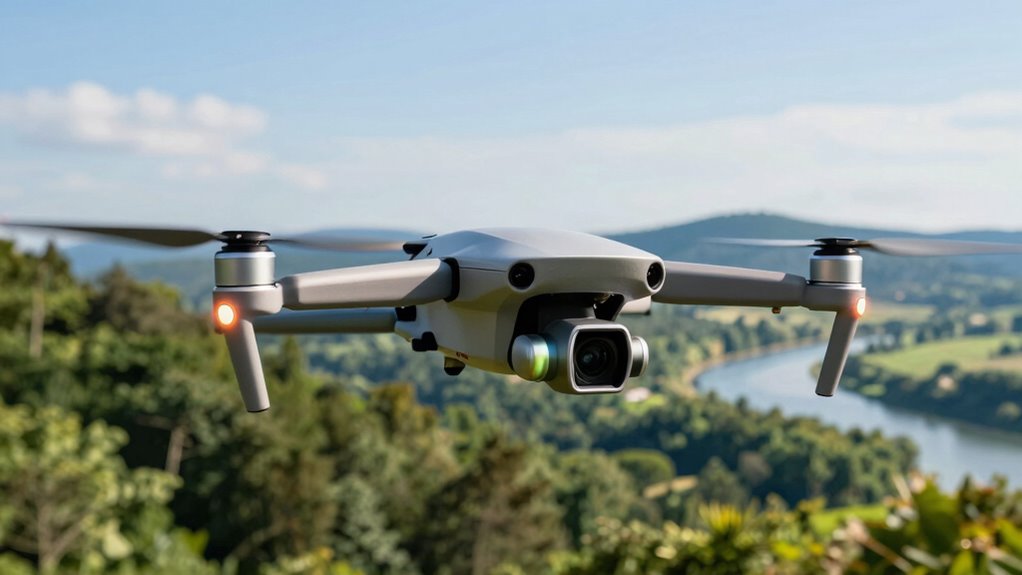

Starting with drones for filmmaking beginners means balancing ease of use, camera quality, and affordability. The DJI Mini 4K stands out as the best overall pick, thanks to its lightweight design and 4K camera. The DJI Mini 5 Pro offers advanced features for those ready to upgrade, while the PK01 Drone provides a simple, foldable option for absolute newcomers. Budget constraints often mean sacrificing some camera features or flight time, but the right drone can still deliver impressive footage. Keep reading for a detailed breakdown of these options to help you choose the best drone for your filmmaking journey.

Get the latest gadgets delivered free with Prime
- Fast, free delivery on millions of items
- Prime Video, Amazon Music and more included
- Member-only deals all year
Complete the kit



Key Takeaways
- The best drones combine ease of use with capable cameras suitable for filmmaking beginners.
- Lightweight, sub-250g drones often skip FAA registration but may have limited advanced features.
- Longer flight times and reliable GPS are key for capturing smooth, professional-quality footage.
- Foldable designs provide portability without sacrificing camera stability, ideal for on-the-go shooting.
- Higher-end models, like the DJI Mini 5 Pro, justify their price with better sensors and intelligent shooting modes.
| DJI Neo 2 Fly More Combo with RC-N3 Remote Controller |  | Best Overall | Weight: 151g | Certification: C0 | Camera: 4K | VIEW ON AMAZON | See Our Full Breakdown |
| BLINORY HK55 GPS Drone with 2K HD Camera |  | Best Budget Pick | Camera: 2K HD, 90° electrically adjustable | Transmission: 5GHz FPV | Flight Time: 32 minutes (two batteries) | VIEW ON AMAZON | See Our Full Breakdown |
| Oddire HK11 4K GPS Drone, Foldable, Brushless |  | Best Battery Life for the Money | Camera: 4K photos, 2048x1088P video, 110° wide-angle | Weight: 249g | Flight Time: Up to 48 minutes (2 batteries) | VIEW ON AMAZON | See Our Full Breakdown |
| PK01 Drone with Camera and Built-In Screen Controller |  | Easiest First Drone | Camera: 1080P HD, 80° adjustable lens | Still Resolution: 2 MP | Flight Time: 25 minutes (2 batteries) | VIEW ON AMAZON | See Our Full Breakdown |
| Ruko F11PRO 2 Drone with 6K Camera, 3-Axis Gimbal |  | Best Gimbal on a Budget | Camera: 6K photo, 4K/30fps video | Gimbal: 3-axis mechanical | Flight Time: 70 minutes total (2 batteries) | VIEW ON AMAZON | See Our Full Breakdown |
| DJI Neo, Mini Drone with 4K UHD Camera |  | Best First Drone for True Beginners | Weight: 135 g | Camera: 4K UHD with electronic stabilization | Takeoff: Palm takeoff and landing | VIEW ON AMAZON | See Our Full Breakdown |
| DJI Mini 5 Pro Fly More Combo with DJI RC 2 | 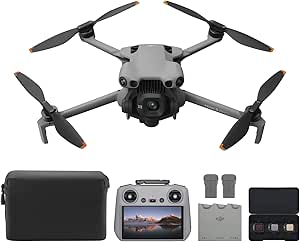 | Best Premium Pick | Sensor: 1-inch CMOS | Video: 4K/60fps HDR | Weight: Approx. 249.9 g ± 4 g | VIEW ON AMAZON | See Our Full Breakdown |
| GPS Foldable Drone with 4K EIS Camera, 4.5-Inch HD Controller |  | Best Value for Flight Time | Weight: 193 g | Video Capture Resolution: 2K | Still Resolution: 8.3 MP | VIEW ON AMAZON | See Our Full Breakdown |
| N11 Pro 4K UHD GPS Drone with Camera |  | Best Budget Smart-Flight Features | Weight: Under 0.55 lb (no FAA registration) | Photo Resolution: 4096 x 3072 (4K) | Video Resolution: 2048 x 1080 | VIEW ON AMAZON | See Our Full Breakdown |
| GPS Drone with 4K Camera and 4.5″ HD Screen Controller |  | Best No-Phone Travel Combo | Weight: 220 g | Camera: 4K UHD, 90° adjustable lens | Controller Screen: 4.5-inch built-in HD display | VIEW ON AMAZON | See Our Full Breakdown |
| DJI Mini 4K – Drone with 4K UHD Camera, Under 249 g |  | Best Overall for Compact Cinematic Shots | Weight: Under 249 g | Camera: 4K UHD | Gimbal: 3-axis | VIEW ON AMAZON | See Our Full Breakdown |
| DJI Mini 3 Camera Drone with 3-Axis Mechanical Gimbal |  | Best for Extended Flight Time and Social Media-Ready Content | Weight: Under 249 g | Video: 4K HDR | Gimbal: 3-Axis Mechanical | VIEW ON AMAZON | See Our Full Breakdown |
| drones for filmmaking beginner | Weight | Camera | Flight Time | Motors |
|---|---|---|---|---|
| DJI Neo 2 Fly More Combo with | 151g | 4K | — | — |
| BLINORY HK55 GPS Drone with 2K | Under 250g | 2K HD, 90° electrically adjustable | 32 minutes (two batteries) | Brushless |
| Oddire HK11 4K GPS Drone | 249g | 4K photos, 2048x1088P video, 110° wide-angle | Up to 48 minutes (2 batteries) | Brushless |
| PK01 Drone with Camera and Bui | — | 1080P HD, 80° adjustable lens | 25 minutes (2 batteries) | Brushless |
| Ruko F11PRO 2 Drone with 6K Ca | — | 6K photo, 4K/30fps video | 70 minutes total (2 batteries) | — |
| DJI Neo | 135 g | 4K UHD with electronic stabilization | — | — |
| DJI Mini 5 Pro Fly More Combo | Approx. 249.9 g ± 4 g | — | Up to 36 minutes per battery | — |
| GPS Foldable Drone with 4K EIS | 193 g | — | Up to 90 minutes total (3 batteries) | Low-noise brushless |
| N11 Pro 4K UHD GPS Drone with | Under 0.55 lb (no FAA registration) | — | Up to 90 minutes (3 batteries) | Brushless |
| GPS Drone with 4K Camera and 4 | 220 g | 4K UHD, 90° adjustable lens | Approx. 60 minutes total | Brushless |
| DJI Mini 4K | Under 249 g | 4K UHD | — | — |
| DJI Mini 3 Camera Drone with 3 | Under 249 g | — | — | — |
More Details on Our Top Picks
DJI Neo 2 Fly More Combo with RC-N3 Remote Controller
This pick makes the most sense for a beginner filmmaker who wants near-professional polish from day one. At 151g with C0 certification, it faces fewer flight restrictions than heavier options like the Ruko F11PRO 2, and its omnidirectional obstacle sensing plus full propeller guards make crashing a minor event rather than a budget-ending one. Compared with the DJI Neo (controller-free version), this combo adds the RC-N3 remote, three batteries, and a charging hub, which matters when you’re out shooting b-roll all afternoon. ActiveTrack keeps a moving subject framed while you focus on composition — the single biggest skill accelerator for new filmmakers. The tradeoff: 4K here is convenient rather than cinematic, and DJI’s app removal from Google Play means a manual sideload on Android.
Pros:- Ultra-light 151g C0 design means fewer legal restrictions and no registration anxiety
- Omnidirectional obstacle sensing and propeller guards drastically reduce beginner crash damage
- ActiveTrack subject tracking lets you focus on framing instead of piloting
- Fly More Combo’s three batteries and charging hub keep you shooting all day
Cons:- DJI Fly app no longer on Google Play — Android users must sideload it manually
- Fixed-lens 4K camera won’t match the image quality of larger-sensor drones like the DJI Mini 5 Pro
Best for: Beginner filmmakers who want a safe, feature-rich drone they can grow into without FAA registration hassle
Not ideal for: Android users who want a zero-friction setup, or anyone chasing the largest possible sensor for cinematic depth
- Weight:151g
- Certification:C0
- Camera:4K
- Obstacle Sensing:Omnidirectional
- Tracking:ActiveTrack
- Remote Controller:DJI RC-N3
- Batteries Included:3 (with charging hub)
Our verdict“If budget allows, this is the drone a beginner filmmaker will outgrow last, thanks to its safety net and intelligent tracking.”
BLINORY HK55 GPS Drone with 2K HD Camera
For filmmakers testing the waters without a real budget, this option stands out for packing smart shooting modes at a rock-bottom price. Follow Me, Waypoint, and Circle Fly are the same creative tools that make pricier drones fun, so you can learn shot composition and camera movement before spending DJI money. Compared with the Oddire HK11, you give up 4K resolution — 2K footage will look soft on any modern display — but you keep the same under-250g no-registration advantage and get two batteries for 32 minutes of flying. GPS auto return is the feature I’d call non-negotiable for nervous first pilots, and it’s here. The honest tradeoff: wind. This lightweight frame gets pushed around where the Oddire’s level-5 wind resistance holds steady.
Pros:- 32 minutes of total flight time across two included modular batteries
- Under 250g with no FAA or Remote ID registration required
- Follow Me, Waypoint, and Circle Fly modes teach cinematic camera movement
- GPS auto return plus one-button controls make first flights forgiving
Cons:- 2K camera falls well short of the 4K standard set by rivals like the Oddire HK11
- Ultra-light frame struggles to hold steady in strong wind
Best for: First-time drone owners on a tight budget who want to learn camera-move fundamentals cheaply
Not ideal for: Anyone producing footage for clients or YouTube — 2K resolution ages poorly on large screens
- Camera:2K HD, 90° electrically adjustable
- Transmission:5GHz FPV
- Flight Time:32 minutes (two batteries)
- Motors:Brushless
- Weight:Under 250g
- Registration:None required
Our verdict“A low-risk trainer drone: great for learning the craft, limited for delivering the footage.”
Oddire HK11 4K GPS Drone, Foldable, Brushless
Where this model separates itself from the BLINORY HK55 is endurance and stability: 48 minutes of combined flight time and level-5 wind resistance from brushless motors mean more usable footage per outing and fewer scrapped takes on breezy days. The GPS toolkit — auto return, follow mode, waypoints, orbit — covers the core cinematic moves a beginner needs, and the under-250g weight keeps registration off your to-do list. But read the fine print: the 4K claim applies mainly to stills. Video tops out at 2048x1088P, which sits below true 4K and behind the Ruko F11PRO 2’s gimbal-stabilized 4K/30fps output. You’ll also need to supply your own SD card before you can record anything at all.
Pros:- 48 minutes of total flight time across two included batteries
- Level-5 wind resistance from brushless motors keeps footage steadier than lighter rivals
- Full GPS toolkit: auto return, follow, waypoints, and orbit modes
- Under 249g, so no FAA or Remote ID registration needed
Cons:- SD card required for saving footage but not included in the box
- Video resolution (2048x1088P) is lower than the 4K photo spec suggests
Best for: Budget filmmakers who fly in open, windy locations and want maximum airtime per charging session
Not ideal for: Detail-obsessed shooters — the sub-4K video and absent SD card undercut the headline specs
- Camera:4K photos, 2048x1088P video, 110° wide-angle
- Weight:249g
- Flight Time:Up to 48 minutes (2 batteries)
- Transmission:5G WiFi, up to 1640 ft
- Motors:Brushless
- Wind Resistance:Level 5
Our verdict“The endurance champion of the budget tier — buy an SD card, and it rewards long shooting days in open terrain.”
PK01 Drone with Camera and Built-In Screen Controller
What sells this one is the controller with a built-in screen — no phone mounting, no app pairing, no battery drain on your device. That removes the single most common setup headache for first-time flyers, and it’s something even the DJI Neo 2 doesn’t offer out of the box with its phone-based RC-N3 workflow. For a nervous beginner or a younger pilot, the propeller guards, emergency stop, and one-key controls make the first flights genuinely low-stakes. The compromises are real though: a 30-meter control range keeps you flying practically overhead, and 1080P footage is practice material, not portfolio material. Think of this as flight school — once you’ve built confidence, you’ll want something with more reach and resolution.
Pros:- Built-in controller screen eliminates phone setup entirely
- Propeller guards and emergency stop make crashes low-consequence
- Two batteries deliver 25 minutes of total practice time
- One-key takeoff/landing and headless mode flatten the learning curve
Cons:- 30-meter maximum range severely limits where and how you can shoot
- SD card required for saving footage but not included
- Some features only work through the app, not the remote
Best for: Complete beginners, teens, or casual users who want to fly within minutes of unboxing without touching a phone
Not ideal for: Aspiring filmmakers — 1080P video, a 2MP still camera, and 30m range cap any real creative ambition
- Camera:1080P HD, 80° adjustable lens
- Still Resolution:2 MP
- Flight Time:25 minutes (2 batteries)
- Maximum Range:30 meters
- Motors:Brushless
- FAA Registration:Not required
Our verdict“A confidence-building trainer drone — ideal for learning to fly, quickly outgrown for actual filmmaking.”
Ruko F11PRO 2 Drone with 6K Camera, 3-Axis Gimbal
The dividing line between footage that looks amateur and footage that looks intentional is stabilization, and this is the cheapest way into a true 3-axis mechanical gimbal in this lineup. Electronic stabilization on drones like the Oddire HK11 can’t fully mask wind jitter and hard pans; a mechanical gimbal can, and the F11PRO 2’s 4K/30fps output with 6K stills reflects that. With 70 minutes of combined flight time and a 10,000ft transmission range, it out-flies and out-reaches nearly everything at this price. The quirks demand discipline, though: plugging the data cable into the wrong port kills video transmission, and powering on with the gimbal cover attached can damage the mechanism. It’s a capable tool that punishes careless handling.
Pros:- 3-axis mechanical gimbal delivers noticeably smoother footage than EIS-equipped budget rivals
- 70 minutes of total flight time from two intelligent batteries
- 10,000ft transmission range opens up far more shooting locations
- GPS auto return-to-home with low-battery and signal-loss triggers
Cons:- Data cable must go in the correct top port or video transmission fails
- Gimbal cover must be removed before power-on to avoid damage
- Heavier and less travel-friendly than 151g options like the DJI Neo 2
Best for: Budget-conscious beginners whose priority is smooth, client-ready video without DJI pricing
Not ideal for: Impatient or forgetful operators — the wrong-port cable and gimbal-cover pitfalls are easy, costly mistakes
- Camera:6K photo, 4K/30fps video
- Gimbal:3-axis mechanical
- Flight Time:70 minutes total (2 batteries)
- Transmission Range:10,000 ft
- Flight Modes:GPS Follow, Waypoint, Cruise Control, Orbit
- Safety:GPS Auto Return-to-Home
Our verdict“The best image-stabilization value here — smooth 4K footage and marathon battery life, provided you follow the setup rules exactly.”
DJI Neo, Mini Drone with 4K UHD Camera
Most beginner filmmaking drones assume you’re willing to learn a controller first. The DJI Neo flips that assumption entirely — it launches from your palm and flies controller-free, capturing follow shots and QuickShots with a single button press. At 135g, it’s lighter than everything else in this roundup, including the DJI Mini 4K, which means zero FAA registration headaches and genuine pocket portability. The tradeoff is real, though: there’s no mechanical gimbal here, only electronic stabilization, so footage won’t match the Mini 3’s buttery motion. Wind resistance is also more limited than on the DJI Mini 5 Pro. This pick makes the most sense for someone who wants cinematic self-shot footage this weekend without a learning curve.
Pros:- 135g weight requires no FAA registration and fits in a pocket
- Palm takeoff and controller-free operation remove the learning curve entirely
- Subject tracking and eight QuickShots modes deliver automated cinematic moves
- Full-coverage propeller guards make indoor and close-range flying safe
Cons:- Electronic-only stabilization produces noticeably less smooth footage than gimbal-equipped rivals like the DJI Mini 3
- No dedicated controller included — precise manual flying costs extra
Best for: Vloggers, hikers, and total newcomers who want effortless follow-cam footage without learning to pilot
Not ideal for: Anyone chasing gimbal-smooth cinematic motion — EIS stabilization and level-4 wind resistance can’t match a mechanical gimbal
- Weight:135 g
- Camera:4K UHD with electronic stabilization
- Takeoff:Palm takeoff and landing
- Smart Features:Subject tracking, 8 QuickShots modes
- Wind Resistance:Level 4
- Control Options:Controller-free, voice control, mobile app, or optional RC
- Safety:Full-coverage propeller guards
- FAA Registration:Not required
Our verdict“Buy this if you want push-button follow footage today; skip it if smooth cinematic motion is your priority.”
DJI Mini 5 Pro Fly More Combo with DJI RC 2
This is the ceiling of the beginner filmmaking category. The 1-inch CMOS sensor is the same class of imaging hardware that separates hobbyist footage from footage clients pay for, and combined with 4K/60fps HDR, it outclasses everything else on this page — the sub-$300 options like the N11 Pro simply can’t match its dynamic range or low-light output. Omnidirectional obstacle sensing with LiDAR means crashes that would end a beginner’s day simply don’t happen, a safety margin the DJI Neo lacks entirely. The Fly More Combo’s three batteries, charging hub, and ND filters make it genuinely production-ready. The price is the obvious tradeoff: this costs several times more than the GPS Foldable Drone with 4.5-Inch Controller, and that gap buys image quality, not flight time — cheaper rivals actually fly longer in total.
Pros:- 1-inch CMOS sensor delivers professional-grade 4K/60fps HDR video
- Omnidirectional obstacle sensing with forward LiDAR prevents crashes
- 36-minute flight time per battery plus fast three-battery charging hub
- 42GB internal storage and true vertical shooting for social-first creators
Cons:- Premium price is several times the cost of budget alternatives in this lineup
- DJI Fly app must be manually downloaded since removal from Google Play
Best for: Beginners with a real budget who want footage good enough for client work or serious YouTube channels from day one
Not ideal for: Casual hobbyists and gift buyers — spending this much for occasional park flights wastes its imaging capability
- Sensor:1-inch CMOS
- Video:4K/60fps HDR
- Weight:Approx. 249.9 g ± 4 g
- Flight Time:Up to 36 minutes per battery
- Obstacle Sensing:Omnidirectional with forward LiDAR
- Internal Storage:42GB
- Gimbal:225° roll, true vertical filming
- Included Controller:DJI RC 2
Our verdict“The best filmmaking drone a beginner can buy if budget isn’t a constraint — and overkill if it is.”
GPS Foldable Drone with 4K EIS Camera, 4.5-Inch HD Controller
The headline here is time in the air: three batteries delivering up to 90 minutes total, which doubles the endurance of the DJI Mini 5 Pro combo and gives you far more room to make mistakes while learning camera moves. The built-in 4.5-inch HD controller screen also removes the biggest beginner friction point — no phone mounting, no app setup, no compatibility headaches. Read the fine print, though: actual video capture is 2K, not the 4K the title implies, and stills top out at 8.3MP. Compared with the DJI Neo, you gain GPS safety features like auto return and a proper controller, but lose DJI’s superior stabilization polish. This model is better suited to practice-heavy learners who value airtime over image fidelity.
Pros:- 90 minutes of total flight time across three included batteries
- Built-in 4.5-inch HD screen means no phone or app required to fly
- GPS features including auto return, Follow Me, and Circle Fly
- 193g foldable design with carrying case needs no FAA registration
Cons:- Advertised 4K is upscaled — real video capture is 2K
- Non-touch controller screen limits interaction and settings control
Best for: Beginners who want maximum practice time per outing and a phone-free controller without spending DJI money
Not ideal for: Quality-focused filmmakers — 2K actual video resolution falls well short of genuinely cinematic output
- Weight:193 g
- Video Capture Resolution:2K
- Still Resolution:8.3 MP
- Controller Display:4.5-inch HD non-touch screen
- Flight Time:Up to 90 minutes total (3 batteries)
- Control Range:3280 ft
- Motors:Low-noise brushless
- Storage:32GB SD card included
Our verdict“The smart pick if flight hours matter more to you than footage quality while you’re learning.”
N11 Pro 4K UHD GPS Drone with Camera
What separates the N11 Pro from other sub-$200 options here is the depth of its intelligent flight modes: Follow Me, Tap Fly, and Point of Interest are the same automated shot types that make DJI’s ActiveTrack appealing, offered at a fraction of the price. 5GHz FPV transmission also gives it cleaner video feed than Wi-Fi-only rivals like the GPS Drone with 4.5″ Screen Controller, and its GPS plus optical flow dual positioning keeps it stable both outdoors and indoors. The imaging reality is the same story as other budget picks — 4K applies to photos only, while video records at 2048 x 1080. And unlike its competitors, no charger ships in the box, an extra cost and annoyance. Still, for learning automated cinematic moves cheaply, this option stands out for feature-per-dollar.
Pros:- Full suite of smart modes: Follow Me, Tap Fly, Point of Interest
- 5GHz FPV provides a cleaner, less congested video feed than Wi-Fi alternatives
- GPS plus optical flow keeps flight stable indoors and out
- Three batteries totaling up to 90 minutes of flight time
Cons:- No charger included in the box
- Video recording limited to 2048 x 1080 despite 4K photo capture
Best for: Budget-conscious beginners who want to practice DJI-style automated shots without DJI pricing
Not ideal for: Travel-focused pilots — the mid-sized frame is less pocketable than the DJI Neo or foldable minis
- Weight:Under 0.55 lb (no FAA registration)
- Photo Resolution:4096 x 3072 (4K)
- Video Resolution:2048 x 1080
- Transmission:5GHz FPV
- Flight Time:Up to 90 minutes (3 batteries)
- Control Range:3,328 ft
- Motors:Brushless
- Positioning:GPS + Optical Flow
Our verdict“A feature-dense trainer for automated shots, as long as you accept modest video resolution and buy your own charger.”
GPS Drone with 4K Camera and 4.5″ HD Screen Controller
This model competes directly with the GPS Foldable Drone from earlier in the lineup, and the comparison comes down to endurance versus storage. It offers 60 minutes of total flight time from two batteries — 30 fewer minutes than that rival — but it counters with three separate return-to-home modes (GPS, low battery, signal loss), which is meaningful peace of mind when you’re learning. The built-in 4.5-inch screen controller is the same phone-free convenience story: unbox, charge, fly. Where it stumbles is the bundled 4GB SD card, which fills almost immediately when shooting 4K — you’ll need to buy a larger card before your second outing. Compared with the DJI Neo, you get real GPS control and a physical controller, but you give up DJI’s tracking intelligence and stabilization refinement.
Pros:- Built-in 4.5-inch screen controller requires no phone, app, or downloads
- Under 249g means no FAA registration needed
- Three return-to-home modes cover GPS, low-battery, and signal-loss scenarios
- Two batteries deliver roughly 60 minutes of combined flight time
Cons:- Included 4GB SD card is far too small for 4K footage
- Optical flow indoor mode is noticeably less precise than GPS positioning
Best for: Travelers and gift recipients who want a phone-free, regulation-free drone that works straight out of the box
Not ideal for: Anyone planning long shooting sessions — the 4GB card and 60-minute ceiling limit real-world output
- Weight:220 g
- Camera:4K UHD, 90° adjustable lens
- Controller Screen:4.5-inch built-in HD display
- Batteries:2x 7.4V 1600mAh lithium ion
- Flight Time:Approx. 60 minutes total
- Return Modes:GPS auto return, low-battery, signal-loss
- Motors:Brushless
- Storage:4GB SD card included
Our verdict“A convenient grab-and-go travel drone with strong safety defaults — just budget for a bigger SD card.”
DJI Mini 4K – Drone with 4K UHD Camera, Under 249 g
The DJI Mini 4K stands out for its combination of ultra-lightweight design and high-quality footage capabilities, making it ideal for beginners seeking cinematic results without the hassle of FAA registration. Compared with the Mini 3, it offers similar flight times but benefits from improved wind resistance and a more advanced camera stabilization system. Its intuitive one-tap takeoff, landing, and GPS Return to Home simplify flying for newcomers, while its 4K UHD footage stabilized by a 3-axis gimbal guarantees professional-looking results. However, the app’s absence from Google Play complicates updates, and the 31-minute flight time may require multiple batteries for longer shoots. This drone is best suited for beginners who prioritize portability and easy operation but are okay with limited flight duration.
Pros:- Lightweight design under 249 g, no FAA registration needed
- Stabilized 4K UHD footage with 3-axis gimbal
- Beginner-friendly features like one-tap takeoff/landing and GPS Return to Home
- Resists Level 5 winds for stable outdoor flights
Cons:- Limited flight time of around 31 minutes with standard battery
- DJI Fly app not available on Google Play, requiring manual download
Best for: Beginners who want a portable, easy-to-fly drone capable of capturing cinematic 4K footage without FAA registration.
Not ideal for: Those needing extended flight times or planning to shoot all-day sessions, as the standard battery limits flight to just over half an hour.
- Weight:Under 249 g
- Camera:4K UHD
- Gimbal:3-axis
- Wind Resistance:Level 5 (38 kph)
- Max Flight Time:31 minutes (1 battery)
- Included:DJI Mini 4K, 1 battery, RC-N1C controller
Our verdict“This drone offers a great balance of portability and quality for beginner filmmakers who want cinematic shots without registration hurdles.”
DJI Mini 3 Camera Drone with 3-Axis Mechanical Gimbal
The DJI Mini 3 excels for those wanting longer flying sessions and versatile shooting options, especially with its 51-minute flight capability when paired with the optional Intelligent Flight Battery Plus. Compared to the Mini 4K, the Mini 3 adds True Vertical Shooting, making it perfect for social media clips and portrait content. Its 3-axis mechanical gimbal ensures stable 4K HDR videos, even in windy conditions, with Level 5 wind resistance. The drone’s auto takeoff, landing, and GPS Return to Home make flying manageable for novices, and its 10 km HD transmission range offers confidence in maintaining control. The main tradeoff is that the longer flight time requires a separately sold battery, which can push the overall weight over 249 g, demanding registration in some regions. This pick makes the most sense for beginners willing to invest in extra batteries for longer shoots and social media content.
Pros:- Under 249 g for easy recreational use, no FAA registration needed
- 4K HDR video with True Vertical Shooting for social media
- Longer flight time of up to 51 minutes with optional battery
- Stable footage in Level 5 winds with 3-axis gimbal
Cons:- Extra batteries are sold separately, increasing overall cost
- Using the larger battery can push weight over 249 g, requiring registration
Best for: Beginners aiming for longer flight durations and social media-ready vertical videos, who don’t mind purchasing extra batteries.
Not ideal for: Users seeking a lightweight, all-in-one package with included extended flight time, as the best battery options are sold separately and add weight.
- Weight:Under 249 g
- Video:4K HDR
- Gimbal:3-Axis Mechanical
- Max Flight Time:51 minutes (with optional battery)
- Max Video Transmission:10 km
- FAA Registration:Not required for recreational use
Our verdict“Ideal for beginners who prioritize longer flight times and social-media-friendly vertical videos, willing to invest in additional batteries.”
How We Picked
Our evaluation focused on key factors that matter most to beginners in filmmaking: camera quality, ease of flight, build quality, and value. We prioritized drones with intuitive controls and stable flight performance, ensuring new users can produce smooth footage without extensive experience. Flight time was a critical consideration, as longer flights mean more creative opportunities. We also examined additional features such as intelligent shooting modes, portability, and safety features like propeller guards. Drones were ranked based on the overall balance of these factors, with an emphasis on affordability and user-friendliness for beginners.| drones for filmmaking beginner | Motors |
|---|---|
| DJI Neo 2 Fly More Combo with | — |
| BLINORY HK55 GPS Drone with 2K | Brushless |
| Oddire HK11 4K GPS Drone | Brushless |
| PK01 Drone with Camera and Bui | Brushless |
| Ruko F11PRO 2 Drone with 6K Ca | — |
| DJI Neo | — |
| DJI Mini 5 Pro Fly More Combo | — |
| GPS Foldable Drone with 4K EIS | Low-noise brushless |
| N11 Pro 4K UHD GPS Drone with | Brushless |
| GPS Drone with 4K Camera and 4 | Brushless |
| DJI Mini 4K | — |
| DJI Mini 3 Camera Drone with 3 | — |
Factors to Consider When Choosing Drones For Filmmaking Beginners
Choosing the right drone for filmmaking beginners involves understanding several important factors. It’s not just about camera specs but also how easy the drone is to operate, its flight stability, and overall value for money. Making the wrong choice can lead to frustration or poor footage, especially if the drone is too complex or underpowered for your needs. Here are key considerations to guide your purchase, ensuring you select a drone that grows with your skills and helps you produce impressive videos.Camera Quality and Stabilization
For filmmaking, a high-quality camera with stabilization features is essential. Look for drones with at least 4K resolution and gimbal stabilization, which keeps footage smooth even when the drone moves. Cheaper models often cut corners here, resulting in shaky or blurry videos. Remember, a higher sensor size and better low-light performance can improve your footage, but these often come at a higher price. Consider your budget and the type of shots you want to achieve, balancing camera quality with ease of use.
Ease of Use and Flight Stability
Beginners benefit from drones with intuitive controls and stable flight characteristics. Features like GPS-assisted hovering, auto takeoff and landing, and obstacle avoidance help reduce frustration and improve footage quality. Avoid overly complex controls if you’re just starting out, as they can be overwhelming. A drone with beginner-friendly modes, such as beginner or cinema modes, can make the learning curve less steep and allow you to focus on capturing creative shots.
Flight Time and Range
Longer flight times give you more flexibility to plan shots and experiment without constantly worrying about battery life. Most beginner-friendly drones offer between 20-30 minutes of flight, but premium options can extend this further. Range is also important; a longer control distance allows for more expansive shots. Keep in mind that higher flight times and ranges often come with higher costs, but they are worth considering if you want to maximize your shooting sessions.
Portability and Design
Compact, foldable drones offer easier transport and storage, making them ideal for on-location shooting. A lightweight design under 250 grams often skips the need for FAA registration, simplifying the legal side for beginners. However, lighter drones may sacrifice some stability or camera quality. Balancing portability with robustness and camera capabilities is key—choose a design that fits your typical shooting environments and ease of travel.
Smart Features and Accessories
Features like intelligent flight modes (e.g., Follow Me, Orbit, QuickShots), built-in screens, and automatic editing tools can dramatically improve your filmmaking experience. These tools help create professional-looking footage with less effort, which is valuable for beginners. Also, consider the availability of spare batteries, carrying cases, and extra propellers—accessories that extend your drone’s usability and protect your investment. Be mindful that more advanced features usually increase the price, so weigh their benefits against your current skill level.
Frequently Asked Questions
Do I need a license to fly a drone for filmmaking as a beginner?
Whether you need a license depends on your location and the drone’s weight. In many regions, drones under 250 grams, such as the DJI Mini series, often do not require registration or a license, making them ideal for beginners. However, for drones over that weight, or if you plan to fly in restricted areas, obtaining a license or permit may be necessary. Always check local regulations before flying, as compliance ensures you can operate legally and avoid fines or penalties.
What’s the best budget-friendly drone for aspiring filmmakers?
For those on a tight budget, the PK01 Drone offers a good balance of affordability, decent camera quality, and ease of use. It features a foldable design and built-in screen, making it straightforward for beginners to get started. While it may lack some advanced features like obstacle avoidance or long flight times, it provides enough stability and camera capability to produce impressive beginner-level footage. Just be aware that lower-cost drones often have shorter flight times and fewer intelligent modes, which can limit creative options.
How important is camera stabilization for beginner filmmaking drones?
Stabilization is critical because shaky footage can undermine even the most scenic shots. For beginners, drones with built-in gimbals or electronic image stabilization (EIS) help produce smooth, professional-looking videos without extensive editing. While some affordable models skip stabilizers to keep costs down, this often results in jittery footage. Investing in a drone with stabilization features can significantly elevate your video quality and make learning to shoot more rewarding.
Are foldable drones more practical for beginners?
Yes, foldable drones are generally more practical, especially for beginners who may want to take their drone on multiple shoots or trips. Their compact design makes transportation easy, and they often come with protective cases. However, folding mechanisms can sometimes add weight or complexity, so it’s worth checking build quality. Overall, they help balance portability with functionality, making them an excellent choice for newcomers who want convenience without sacrificing performance.
Should I prioritize flight time over camera quality as a beginner?
While longer flight times provide more shooting opportunities, camera quality often has a bigger impact on the final footage. As a beginner, it’s better to choose a drone with a decent camera and reliable flight stability rather than sacrificing camera capabilities for slightly longer flights. Many mid-range drones strike a good balance, offering around 20-30 minutes of flight and a camera capable of capturing clear, sharp footage suitable for filmmaking. Consider your typical shooting sessions and how often you’ll need extended flight times.
Conclusion
Beginners seeking the best overall experience should consider the DJI Mini 4K for its combination of ease of use, camera quality, and portability. Those on a budget or just testing the waters might prefer the PK01 Drone, which offers simplicity and affordability. For users ready to grow their skills, the DJI Mini 5 Pro provides advanced features that justify the investment. If portability and long flight times are priorities, the GPS Foldable Drone with 4K camera delivers impressive performance for its price. Ultimately, your choice should reflect your skill level, budget, and specific filmmaking goals, ensuring you get a drone that enhances your creative projects without unnecessary complexity or cost.
Fall Picks
fall essentials
As an affiliate, we earn on qualifying purchases.