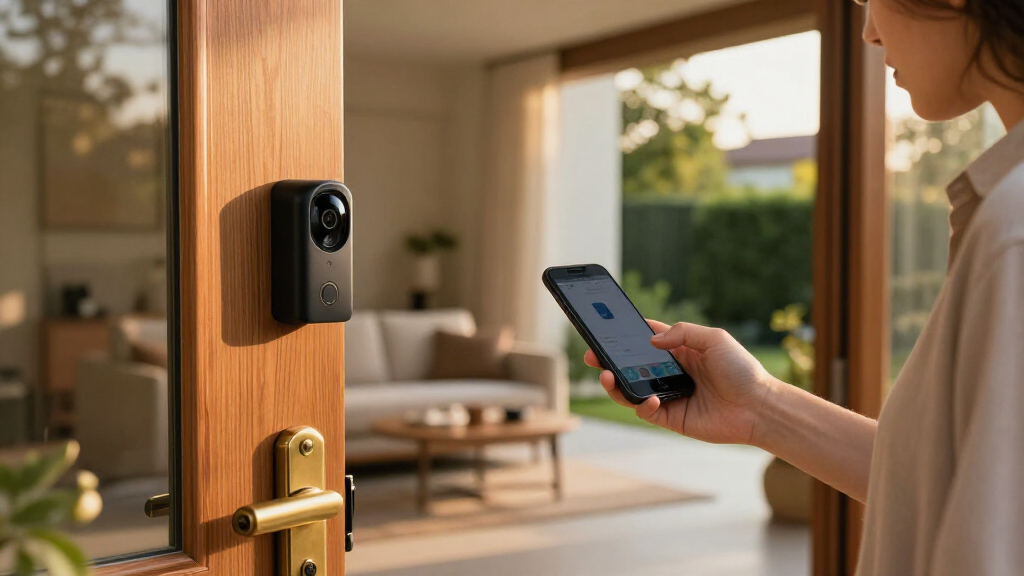
Among these smart home security systems, I rank the SimpliSafe Gen 3 11-Piece Wireless Home Security System with Indoor HD Camera as the best overall for its balanced mix of entry sensors, camera coverage, and optional monitoring. The Ring Alarm 14-Piece Kit stands out for households that need more sensors, while the Reolink 16-Channel PoE System suits buyers who want extensive wired camera coverage and local recording. The main tradeoff is between an alarm-centered kit with flexible monitoring and a camera-heavy system that takes more planning to install. Kit size, power and connectivity needs, and camera placement matter as much as the device count. Read on for the full breakdown and guidance on choosing a setup that fits your home.

Get the latest gadgets delivered free with Prime
- Fast, free delivery on millions of items
- Prime Video, Amazon Music and more included
- Member-only deals all year
Complete the kit



Key Takeaways
- The best all-around balance is an alarm-first setup: the SimpliSafe Gen 3 11-Piece kit combines entry protection with an indoor camera, while larger kits are not automatically better for every floor plan.
- Ring offers the clearest range of kit sizes in this lineup: its 5-, 8-, and 14-piece options let buyers scale sensor coverage, but shoppers should match included devices to doors and windows rather than choose by piece count alone.
- Camera systems solve a different problem from alarm kits: Reolink‘s PoE recorder and 16-channel capacity favor planned, continuous camera coverage; aosu and Blink offer outdoor-focused alternatives with different power and connectivity approaches.
- Monitoring flexibility separates several alarm picks: SimpliSafe systems and the Arlo hub-based option appeal to buyers comparing self-managed alerts with professional monitoring, so subscription requirements should be checked before purchase.
- More sensors and cameras can add setup work: the DEEPVIGLX 22-piece kit and large wired systems offer broad coverage potential, but placement, network needs, and ongoing upkeep deserve more attention than headline device counts.
| Ring Alarm 14-Piece Home Security Kit |  | Best for Multi-Room Alarm Coverage | Included components: Base station, 2 keypads, 8 contact sensors, 2 motion detectors, range extender | Recommended home size: 2–4 bedrooms | Connectivity: Ethernet, Wi-Fi, Z-Wave, Bluetooth for setup | VIEW LATEST PRICE | See Our Full Breakdown |
| Arlo Home Security System with Keypad Sensor Hub and 2 All-in-One Sensors, White |  | Best for Flexible Multi-Use Sensors | Model: SS1201 | Included sensors: 2 All-in-One Sensors | Power source: Corded electric | VIEW LATEST PRICE | See Our Full Breakdown |
| Ring Alarm 5-Piece Home Security Kit |  | Best for First-Time Alarm Buyers | Included components: Base station, keypad, contact sensor, motion detector, range extender | Connectivity: Ethernet, Wi-Fi, Z-Wave, Bluetooth for setup | Base station battery backup: Rechargeable, up to 24 hours | VIEW LATEST PRICE | See Our Full Breakdown |
| aosu D1 Classic 4-Camera Solar-Powered Outdoor Security Camera Kit | 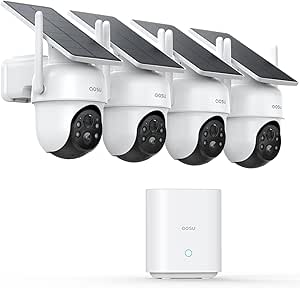 | Best for Subscription-Free Outdoor Video | Camera count: 4 | Resolution: 2K / 3MP | Field of view: 360° | VIEW LATEST PRICE | See Our Full Breakdown |
| Reolink 16-Channel 12MP PoE Security Camera System with 4TB HDD |  | Best for Extensive Wired Camera Coverage | Model: RLK16-1200D8-A | Included cameras: 8 | Video resolution: 12MP (4512 × 2512) | VIEW LATEST PRICE | See Our Full Breakdown |
| DEEPVIGLX 22-Piece Wireless Home Security Alarm System with Wi-Fi and GSM |  | Best for Sensor Coverage | Kit contents: Control panel, 3 motion sensors, 10 door/window sensors, 2 remotes, doorbell button, 3 RFID tags, siren, SOS button | Display: 2.4-inch TFT touchscreen | Connectivity: 2.4 GHz Wi-Fi and 2G cellular | VIEW LATEST PRICE | See Our Full Breakdown |
| SimpliSafe Gen 3 11-Piece Wireless Home Security System with Indoor HD Camera |  | Best for Easy Indoor Setup | System generation: Gen 3 | Included components: Base station, indoor camera, keypad, 6 entry sensors, 2 motion sensors, key fob | Camera resolution: 1536p | VIEW LATEST PRICE | See Our Full Breakdown |
| Blink Outdoor 4 Security Camera and Battery Doorbell 2K+ Bundle, 3 Cameras, Sync Module Core, Black |  | Best for Outdoor Video Coverage | Camera count: 3 | Doorbell count: 1 | Camera resolution: 1080p HD | VIEW LATEST PRICE | See Our Full Breakdown |
| SimpliSafe 10-Piece Wireless Home Security System with Outdoor Camera |  | Best for Outdoor Alarm-and-Camera Coverage | System size: 10 pieces | Camera: Outdoor Camera Series 2 | Camera resolution: 1080p HD | VIEW LATEST PRICE | See Our Full Breakdown |
| Ring Alarm 8-Piece Home Security System |  | Best for Smaller Homes | Included components: Base station, keypad, 4 contact sensors, motion detector, range extender | Base station connectivity: Ethernet, Wi-Fi, Z-Wave, Bluetooth for setup | Base station battery backup: Rechargeable; up to 24 hours | VIEW LATEST PRICE | See Our Full Breakdown |
| SimpliSafe 12-Piece Wireless Home Security System with HD Indoor Camera |  | Best for Broad Indoor Coverage | Bundle size: 12 pieces | Entry sensors: 5 | Motion sensors: 2; 35-foot range and 90° field of view | VIEW LATEST PRICE | See Our Full Breakdown |
| eufy Security Essential 7-Piece Alarm System with HomeBase Mini |  | Best for Local Storage | Included components: HomeBase Mini, keypad, 4 entry sensors, and 1 motion sensor | Local storage: 64GB | Power source: Battery powered | VIEW LATEST PRICE | See Our Full Breakdown |
| SimpliSafe 8-Piece Wireless Home Security System with Optional Professional Monitoring | 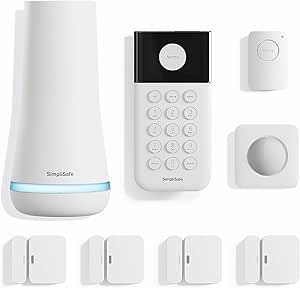 | Best for a Simple Alarm Setup | Included components: Base station, keypad, 4 entry sensors, 1 motion sensor, and panic button | System type: Wireless home security system | Power source: Battery powered | VIEW LATEST PRICE | See Our Full Breakdown |
| SimpliSafe 7-Piece Wireless Outdoor Camera Home Security System |  | Best for Outdoor Camera Coverage | Bundle size: 7 pieces | Camera resolution: 1080p HD | Camera field of view: 140° | VIEW LATEST PRICE | See Our Full Breakdown |
| smart home security system | Connectivity |
|---|---|
| Ring Alarm 14-Piece Home Secur | Ethernet, Wi-Fi, Z-Wave, Bluetooth for setup |
| Arlo Home Security System with | Wi-Fi and SecureLink |
| Ring Alarm 5-Piece Home Securi | Ethernet, Wi-Fi, Z-Wave, Bluetooth for setup |
| aosu D1 Classic 4-Camera Solar | — |
| Reolink 16-Channel 12MP PoE Se | Wired PoE |
| DEEPVIGLX 22-Piece Wireless Ho | 2.4 GHz Wi-Fi and 2G cellular |
| SimpliSafe Gen 3 11-Piece Wire | — |
| Blink Outdoor 4 Security Camer | — |
| SimpliSafe 10-Piece Wireless H | — |
| Ring Alarm 8-Piece Home Securi | — |
| SimpliSafe 12-Piece Wireless H | Wireless, Wi-Fi, and cellular |
| eufy Security Essential 7-Piec | Wireless |
| SimpliSafe 8-Piece Wireless Ho | — |
| SimpliSafe 7-Piece Wireless Ou | — |
More Details on Our Top Picks
Ring Alarm 14-Piece Home Security Kit
Eight contact sensors and two motion detectors give this kit broader starting coverage than the Ring Alarm 5-Piece Kit, making it a better fit for homes with several entry points and interior areas to monitor. Two keypads also let household members arm or disarm the system from more than one spot, while app alerts and Alexa control add convenient ways to manage it. The range extender can help connect sensors across a larger layout, and the base station includes a 24-hour battery backup. The main tradeoff is that remote control, cellular backup, and professional monitoring require compatible subscriptions. Buyers may also need separately purchased sensors for coverage beyond the included set. Compared with camera-focused options such as the aosu D1 Classic, this is an entry-and-motion alarm kit, not a video surveillance system.
Pros:- Eight contact sensors and two motion detectors provide broad out-of-box alarm coverage.
- Two keypads make local arming and disarming convenient from separate parts of the home.
- Base station supports Ethernet, Wi-Fi, and Z-Wave, with Bluetooth for setup.
- Rechargeable base station and keypad batteries provide backup power options.
Cons:- Remote control, cellular backup, and professional monitoring require compatible subscriptions.
- Additional sensors and accessories are sold separately if the included coverage is not enough.
- Does not include cameras for reviewing what triggered an alert.
Best for: Households in a 2–4-bedroom home that want several doors, windows, and indoor areas covered by one alarm kit.
Not ideal for: Buyers who need video cameras in the same package or want remote access, cellular backup, and professional monitoring without a compatible subscription.
- Included components:Base station, 2 keypads, 8 contact sensors, 2 motion detectors, range extender
- Recommended home size:2–4 bedrooms
- Connectivity:Ethernet, Wi-Fi, Z-Wave, Bluetooth for setup
- Base station battery backup:Rechargeable, up to 24 hours
- Base station dimensions:6.65 × 6.65 × 1.46 in
- Keypad security modes:Disarmed, Away, Home
- Installation:Wall mount or place on a flat surface
- Warranty:1-year limited warranty
Our verdict“Choose this kit if you want a sensor-rich Ring alarm for a multi-room home and are comfortable with subscription requirements for key remote and monitoring features.”
Arlo Home Security System with Keypad Sensor Hub and 2 All-in-One Sensors, White
The Arlo system’s two wire-free All-in-One Sensors can be configured for entry, motion, water leak, freeze, tilt, ambient light, or listening for smoke and CO alarms. That flexibility makes this a different kind of starter system from the Ring Alarm 5-Piece Kit, which supplies dedicated contact and motion sensors but does not offer this mix of detection functions in each sensor. The plug-in hub adds a siren, motion sensing, system controls, and emergency response buttons, while the app brings sensor settings together. With only two sensors included, though, coverage is limited until you add more, and some functions depend on extra Arlo products or a paid plan after the trial. This is also a US-only system, so it is a poor fit for buyers outside the supported market.
Pros:- Each wire-free sensor supports several configurable detection functions.
- Hub combines a siren, motion sensing, and smoke/CO alarm listening.
- Arlo Secure App manages system settings and sensor functions.
- Hub and app include one-tap emergency response buttons.
Cons:- Only two sensors are included, limiting initial coverage compared with the Ring Alarm 14-Piece Kit.
- Professional monitoring and some emergency response features require a paid plan after the trial.
- Some features may require additional Arlo products, and the system is for US use only.
Best for: US households that want a compact DIY alarm starter kit and value sensors that can be reassigned to different detection jobs.
Not ideal for: Buyers who need broad whole-home coverage from the box, are outside the United States, or want paid monitoring features without a plan.
- Model:SS1201
- Included sensors:2 All-in-One Sensors
- Power source:Corded electric
- Connectivity:Wi-Fi and SecureLink
- Installation:DIY
- App compatibility:Arlo Secure App and Arlo Safe
- Video capture resolution:1080p
- Market availability:United States only
Our verdict“Pick Arlo if adaptable sensors matter more to you than the larger number of dedicated sensors included with Ring’s 14-piece kit.”
Ring Alarm 5-Piece Home Security Kit
This kit keeps the Ring alarm setup to its essentials: a base station, keypad, contact sensor, motion detector, and range extender. For a smaller home or a first step into alarm monitoring, that is simpler to place and manage than the Ring Alarm 14-Piece Kit, which includes enough sensors for a wider coverage plan. The keypad and Ring app both support arming and disarming, and mobile notifications can alert you when the system is triggered. The base station’s rechargeable 24-hour battery backup provides a fallback during a power interruption. Its compact sensor count is also its main limitation: covering several doors and rooms will mean buying additional accessories. As with the larger Ring kit, professional monitoring and cellular backup require a compatible subscription, and this package does not include cameras.
Pros:- Includes the core components for entry and indoor motion detection.
- Keypad and Ring app provide local and mobile control options.
- Mobile notifications can report system triggers.
- Base station has a rechargeable 24-hour battery backup.
Cons:- One contact sensor and one motion detector offer less coverage than the Ring Alarm 14-Piece Kit.
- Professional monitoring, cellular backup, and some remote features require a compatible subscription.
- Additional sensors and accessories are sold separately.
Best for: First-time alarm buyers in a smaller home who want core entry and motion detection without starting with a large sensor bundle.
Not ideal for: Households with many doors or rooms to cover, or buyers seeking included cameras, cellular backup, or professional monitoring without a compatible subscription.
- Included components:Base station, keypad, contact sensor, motion detector, range extender
- Connectivity:Ethernet, Wi-Fi, Z-Wave, Bluetooth for setup
- Base station battery backup:Rechargeable, up to 24 hours
- Base station dimensions:6.65 × 6.65 × 1.46 in
- Security modes:Disarmed, Away, Home
- Keypad power:AC adapter and rechargeable battery
- Keypad use:Indoor
- Warranty:1-year limited warranty
Our verdict“Choose this as a straightforward Ring starting point for a smaller home, but select the 14-piece kit if you already know you need broader sensor coverage.”
aosu D1 Classic 4-Camera Solar-Powered Outdoor Security Camera Kit
The aosu D1 Classic is the clearest choice here for buyers who want to see activity outside rather than monitor doors with an alarm. Its four 2K cameras pan and tilt through a 360° field of view, track motion, and record to 32GB of local storage without a required subscription. Solar power can reduce charging chores when cameras receive enough sunlight, while color night vision and two-way audio add useful context to outdoor alerts. Compared with the Reolink 16-Channel 12MP PoE System, aosu is easier to place without running network cables, but Reolink offers higher stated resolution, more recording modes, and a larger wired system for users prioritizing continuous coverage. Solar performance depends on location, and installation requires drilling three holes. This is camera surveillance, not a complete alarm kit with contact sensors and a keypad.
Pros:- Four cameras provide outdoor coverage with 2K/3MP video and 360° pan and tilt.
- 32GB local storage supports loop recording without a subscription.
- Solar panels can help maintain charge when cameras receive sufficient sunlight.
- Automatic motion tracking, color night vision, and two-way audio add context to events.
Cons:- Solar charging performance depends on adequate sunlight at each camera location.
- Installation requires drilling three holes.
- Does not include alarm sensors or a keypad for a complete home alarm setup.
Best for: Homeowners who want several outdoor camera views, local recording, and solar-assisted power without a required recording subscription.
Not ideal for: Buyers who need door and window alarm sensors, dependable operation in shaded locations, or the wired recording setup and higher resolution offered by Reolink.
- Camera count:4
- Resolution:2K / 3MP
- Field of view:360°
- Storage:32GB local storage in aosuBase
- Power source:Solar-powered
- Weather resistance:IP65
- Audio:Two-way audio
- Smart home compatibility:Amazon Alexa, Google Assistant, SmartThings
Our verdict“Choose aosu for flexible, locally stored outdoor video, but choose Reolink if wired recording and higher-resolution camera coverage matter more than solar-assisted installation.”
Reolink 16-Channel 12MP PoE Security Camera System with 4TB HDD
For buyers who prioritize sustained camera recording over a quick wireless setup, this Reolink bundle pairs eight 12MP cameras with an NVR and a 4TB hard drive. It supports motion-triggered, scheduled, or 24/7 recording, plus person, vehicle, and pet detection that can make alerts more informative. Compared with the aosu D1 Classic, Reolink has higher stated resolution and a wired PoE design, but it requires running cables and a powered NVR rather than relying on solar-assisted wireless cameras. Color night vision, two-way talk, and a 100-foot night vision range add useful monitoring reach. The NVR has 16 PoE ports and up to 24 channels, but it can support no more than 16 PoE or plug-in Wi-Fi cameras. Its default frame rate is 20 fps, which may not suit buyers seeking smoother motion.
Pros:- Eight 12MP cameras deliver detailed video across a wired PoE setup.
- Included 4TB NVR supports motion, scheduled, and 24/7 recording.
- Person, vehicle, and pet detection can make alerts more specific.
- Spotlight color night vision and two-way talk support night monitoring and communication.
Cons:- PoE installation requires running cables and connecting the NVR to power.
- Although the NVR supports up to 24 channels, it supports a maximum of 16 PoE or plug-in Wi-Fi cameras.
- Default frame rate is 20 fps.
Best for: Property owners who can run Ethernet cables and want multiple cameras with local NVR recording, detection alerts, and continuous-recording options.
Not ideal for: Renters or buyers who need a quick wireless installation, solar-powered cameras, or a higher default frame rate than 20 fps.
- Model:RLK16-1200D8-A
- Included cameras:8
- Video resolution:12MP (4512 × 2512)
- NVR storage:4TB
- Channels:16; expandable to 24
- Connectivity:Wired PoE
- Night vision range:100 feet
- Default frame rate:20 fps
- Recording modes:Motion, scheduled, and 24/7 recording
Our verdict“Pick Reolink for a cable-friendly property where detailed, locally recorded camera coverage is the priority, not for a simple wireless alarm setup.”
DEEPVIGLX 22-Piece Wireless Home Security Alarm System with Wi-Fi and GSM
The DEEPVIGLX earns its place through wide sensor coverage in one kit: ten door/window contacts, three motion sensors, and several ways to trigger or control the alarm. That makes it a stronger fit for buyers covering many entry points than the Ring Alarm 8-Piece, which is aimed at smaller homes and includes fewer contact sensors. App, SMS, voice, remote, and touchscreen controls also give households more than one way to arm the system. Its 120 dB siren and support for up to 100 wireless zones leave room to expand, but the connectivity details call for caution: Wi-Fi is limited to 2.4 GHz, and the listing identifies 2G cellular while also referring to 4G voice alarms. I would choose it for hardware breadth, not for buyers who need clearly specified cellular backup.
Pros:- Includes ten door/window sensors and three motion sensors for broad coverage.
- Offers app, SMS, voice, remote, and touchscreen control.
- Supports expansion to as many as 100 wireless zones.
- Includes a 120 dB siren and an SOS button.
Cons:- Wi-Fi works on 2.4 GHz only, not 5 GHz.
- Cellular connectivity is listed as 2G, while another description mentions 4G voice alarms.
- The stated maximum wireless range is 50 feet, which may constrain sensor placement.
Best for: Households with many doors and windows that want a large sensor set, multiple control methods, and room to add wireless zones.
Not ideal for: Buyers who need confirmed current-generation cellular backup or a system that connects to 5 GHz Wi-Fi; the listed cellular standard is unclear and 5 GHz is unsupported.
- Kit contents:Control panel, 3 motion sensors, 10 door/window sensors, 2 remotes, doorbell button, 3 RFID tags, siren, SOS button
- Display:2.4-inch TFT touchscreen
- Connectivity:2.4 GHz Wi-Fi and 2G cellular
- Alert methods:App notifications, SMS, voice alarms, audio and motion alerts
- Siren:120 dB
- Maximum wireless zones:100
- Maximum range:50 feet
- Power:Battery powered; average battery life listed as 3 years
Our verdict“Choose the DEEPVIGLX if covering many entry points matters more than having clearly documented cellular connectivity.”
SimpliSafe Gen 3 11-Piece Wireless Home Security System with Indoor HD Camera
This SimpliSafe kit pairs a no-wiring setup with a useful spread of entry and motion sensors, making it a straightforward choice for renters or anyone who would rather avoid drilling. Its indoor camera adds two-way audio and a privacy shutter, so it can serve as a check-in device without leaving the lens open all the time. Compared with the SimpliSafe 10-Piece system with Outdoor Camera, this package is better suited to monitoring rooms than watching exterior approaches; the outdoor model trades this kit’s indoor emphasis for weather-facing coverage. The base station has a 100 dB siren and up to 24 hours of battery backup. The main limitation is that network backup and intruder intervention depend on select professional monitoring plans, and the motion sensors are not designed for pet detection.
Pros:- Wireless installation requires no wiring or drilling.
- Includes six entry sensors, two motion sensors, a keypad, and a key fob.
- Indoor camera offers two-way audio and a controllable privacy shutter.
- Works with Alexa and Google Assistant.
Cons:- Intruder intervention and network backup require select professional monitoring plans.
- Motion sensors are designed for human detection, not pet detection.
- The included camera is for indoor coverage, unlike the outdoor camera in the SimpliSafe 10-Piece system.
Best for: Renters and first-time security-system buyers who want indoor camera coverage, entry sensors, and installation without wiring or drilling.
Not ideal for: Homes that need outdoor camera coverage or households with pets likely to trigger human-focused motion sensors.
- System generation:Gen 3
- Included components:Base station, indoor camera, keypad, 6 entry sensors, 2 motion sensors, key fob
- Camera resolution:1536p
- Motion sensor range:Up to 35 feet
- Motion sensor field of view:90 degrees
- Base station battery life:Up to 24 hours
- Base station siren:100 dB
- Compatibility:Alexa and Google Assistant
Our verdict“Pick this kit for a no-drill indoor setup with a privacy-conscious camera, but choose an outdoor-camera bundle for exterior monitoring.”
Blink Outdoor 4 Security Camera and Battery Doorbell 2K+ Bundle, 3 Cameras, Sync Module Core, Black
This Blink bundle is the pick for buyers whose priority is seeing around the home rather than building a sensor-and-siren alarm. It combines three weather-resistant cameras with a 2K doorbell offering a square head-to-toe view, providing more exterior video coverage than the indoor-focused SimpliSafe Gen 3 kit. Wireless installation and included lithium batteries also avoid routing power to each camera, while two-way audio and night vision add useful ways to check activity remotely. The tradeoff is that these devices do not provide the same entry-sensor and base-station alarm layer as the Ring Alarm 8-Piece. Person and vehicle detection also requires a separately sold Blink plan, and the included batteries are non-rechargeable. This suits camera-first monitoring, not buyers seeking a complete alarm system in one bundle.
Pros:- Includes three outdoor cameras and a 2K doorbell with a square head-to-toe view.
- Wireless installation comes with lithium batteries and mounting accessories.
- Cameras support two-way audio and night vision.
- Outdoor cameras are rated for operation from -4°F to 113°F.
Cons:- Person and vehicle detection requires a separately sold Blink plan.
- Included AA lithium batteries are non-rechargeable.
- Devices connect to 2.4 GHz Wi-Fi only.
Best for: Homeowners who want several battery-powered outdoor camera views and a doorbell camera for checking visitors and activity.
Not ideal for: Buyers who want entry sensors, a keypad, or a built-in alarm hub; this bundle is centered on cameras and doorbell video.
- Camera count:3
- Doorbell count:1
- Camera resolution:1080p HD
- Doorbell resolution:2K (1920 × 1920)
- Camera field of view:143 degrees diagonal
- Doorbell field of view:140 degrees horizontal and 140 degrees vertical
- Camera battery life:Up to two years, based on default settings
- Wi-Fi:2.4 GHz 802.11b/g/n
- Included accessories:Sync Module Core, nine AA Energizer lithium batteries, mounting kits, wall plate, removal tool, wire extenders, USB-C cable, power cord
Our verdict“Choose Blink for broad outdoor video and doorbell coverage, but select an alarm-focused kit such as Ring Alarm if entry sensors and a keypad are the priority.”
SimpliSafe 10-Piece Wireless Home Security System with Outdoor Camera
Unlike the Blink bundle, which puts video first, this SimpliSafe package combines an outdoor camera with entry sensors, motion sensors, and a base station. That makes it a better match for buyers who want an alarm layer as well as a view of the exterior. The camera’s color night vision, spotlight, and two-way audio help distinguish it from the indoor camera in the SimpliSafe Gen 3 11-Piece kit, while the base station adds a 100 dB siren and up to 24 hours of battery backup. The compromises sit around service and installation: some camera protection and video verification features require select monitoring plans, and Active Guard Outdoor Protection requires the camera to be wired. The system is also sold and supported only in the US.
Pros:- Combines an outdoor camera with entry sensors, motion sensors, and a base station.
- Camera includes 1080p video, color night vision, a spotlight, and two-way audio.
- Base station has a 100 dB siren and up to 24 hours of battery backup.
- Motion sensors are listed as pet compatible for pets under 60 pounds.
Cons:- Some camera protection and video verification features require select monitoring plans.
- Active Guard Outdoor Protection requires the camera to be wired with the included power cable.
- Products and monitoring services are sold and supported only in the US.
Best for: US households that want outdoor video alongside entry and motion sensors, with optional professional monitoring and base-station backup.
Not ideal for: Buyers outside the US, or those who need Active Guard Outdoor Protection without wiring the camera or enrolling in a compatible plan.
- System size:10 pieces
- Camera:Outdoor Camera Series 2
- Camera resolution:1080p HD
- Camera field of view:140 degrees
- Night vision:Color night vision with spotlight
- Motion sensor range:Up to 35 feet
- Pet compatibility:Pets under 60 pounds
- Base station backup:Up to 24 hours
- Monitoring availability:Optional professional monitoring; US availability only
Our verdict“Choose this SimpliSafe bundle if you want outdoor video integrated with an alarm system and can work within its US-only and plan-dependent features.”
Ring Alarm 8-Piece Home Security System
With four contact sensors, a motion detector, keypad, and range extender, this compact alarm kit is sized for the 1–2 bedroom homes it targets. That focused set makes it less involved than the 22-piece DEEPVIGLX, which suits buyers with many more doors and windows, but Ring offers a more clearly defined mix of Ethernet, Wi-Fi, Z-Wave, and Bluetooth setup connectivity. The base station also provides 24-hour rechargeable battery backup, giving the system a fallback during a power interruption. App alerts and remote management cover everyday control, while professional monitoring, cellular backup, and Alexa voice control require a compatible Ring subscription. Buyers planning to protect a larger home should account for the need to add sensors separately; this package is a sensible starting point, not a high-coverage bundle.
Pros:- Includes four contact sensors, a motion detector, keypad, base station, and range extender.
- Base station has a rechargeable battery backup rated for 24 hours.
- Supports Ethernet, Wi-Fi, Z-Wave, and Bluetooth for setup.
- Can be expanded with additional Ring Alarm sensors and accessories.
Cons:- Professional monitoring, cellular backup, and Alexa voice control require a compatible subscription.
- Additional sensors and accessories are sold separately.
- The included sensor count is limited compared with the DEEPVIGLX 22-piece kit.
Best for: People in a one- or two-bedroom home who want a keypad-based alarm kit with app alerts and room to add Ring sensors later.
Not ideal for: Owners of larger homes or buyers seeking lots of included sensors, outdoor cameras, or cellular backup without a compatible subscription.
- Included components:Base station, keypad, 4 contact sensors, motion detector, range extender
- Base station connectivity:Ethernet, Wi-Fi, Z-Wave, Bluetooth for setup
- Base station battery backup:Rechargeable; up to 24 hours
- Base station power:100–240V, 50/60Hz; AC adapter included
- Keypad security modes:Disarmed, Away, Home
- Base station dimensions:6.65 × 6.65 × 1.46 inches
- Base station operating temperature:-4°F to 104°F (-20°C to 40°C)
- Warranty:1-year limited warranty
Our verdict“Pick Ring Alarm for a smaller home and a compact, expandable alarm setup, but look to a larger bundle if you need broad sensor coverage immediately.”
SimpliSafe 12-Piece Wireless Home Security System with HD Indoor Camera
This bundle is the strongest fit here for buyers who want several entry points and interior movement monitored from one kit. Five entry sensors, two motion sensors, and an indoor camera give it broader room coverage than the SimpliSafe 8-Piece system, which includes four entry sensors and one motion sensor but no camera. Its 1080p camera adds night vision and two-way audio, while the base station’s 95 dB siren and up-to-24-hour battery backup add protection during a power outage.
The tradeoff is that its camera is indoor-only, so it cannot replace the outdoor coverage in the SimpliSafe 7-Piece Outdoor Camera System. Optional professional monitoring also brings subscription-dependent features, and the system is supported only in the United States. I’d choose it for a multi-room home where indoor visibility matters as much as door and window alerts.
Pros:- Five entry sensors and two motion sensors cover more doors, windows, and rooms than the SimpliSafe 8-Piece system.
- Indoor camera records 1080p video with night vision, two-way audio, and a 120° field of view.
- Base station combines a 95 dB siren with up to 24 hours of battery backup.
- Works with Alexa and Google Assistant, with optional professional monitoring.
Cons:- The camera is for indoor use, unlike the outdoor cameras in the SimpliSafe 7-Piece Outdoor Camera System.
- Professional monitoring features, including police dispatch from the panic button, require a subscription.
- The system and its monitoring services are supported only in the United States.
Best for: Households with several entry points that want indoor camera coverage, motion detection, and an optional path to professional monitoring in one kit.
Not ideal for: Buyers who need outdoor camera coverage, live outside the United States, or want panic-button dispatch without a monitoring subscription.
- Bundle size:12 pieces
- Entry sensors:5
- Motion sensors:2; 35-foot range and 90° field of view
- Camera:1080p; 120° field of view; night vision and two-way audio
- Base station siren:95 dB
- Base station battery backup:Up to 24 hours
- Connectivity:Wireless, Wi-Fi, and cellular
- Voice assistants:Amazon Alexa and Google Assistant
- Service availability:United States
Our verdict“Choose this bundle if you want more indoor sensors and a camera in one system; choose the SimpliSafe 7-Piece Outdoor Camera System if watching outside is the priority.”
eufy Security Essential 7-Piece Alarm System with HomeBase Mini
The defining choice here is where system data is stored: this kit includes a HomeBase Mini with 64GB of local storage, giving privacy-minded buyers an option distinct from the subscription-led monitoring features in the SimpliSafe 8-Piece system. Its wireless keypad, four entry sensors, and motion sensor suit a smaller home or a focused setup around the main doors and a central room. Guided, no-wiring setup and app alerts keep the basic installation and day-to-day control straightforward.
That simplicity comes with a narrower sensor spread than the SimpliSafe 12-Piece bundle, which includes five entry sensors, two motion sensors, and an indoor camera. This eufy kit has no camera listed, and its four entry sensors may leave larger homes with uncovered doors or windows. The product data also describes battery-powered sensors and lists a five-year average battery life, so buyers should plan for eventual battery maintenance. I’d shortlist it for local storage and a modest alarm setup, not camera coverage.
Pros:- HomeBase Mini includes 64GB of local storage.
- Four entry sensors and one motion sensor cover common alarm zones.
- Guided setup is wireless and does not require wiring.
- App control and push alerts provide remote status updates.
Cons:- The included four entry sensors and one motion sensor may not cover a larger home.
- No camera is listed, unlike the camera-equipped SimpliSafe 12-Piece bundle.
- Battery-powered sensors require eventual battery maintenance.
Best for: Privacy-conscious buyers setting up entry and motion alerts in a smaller home who want included local storage and app notifications.
Not ideal for: Owners of larger homes who need many entry sensors or an included camera to verify activity visually.
- Included components:HomeBase Mini, keypad, 4 entry sensors, and 1 motion sensor
- Local storage:64GB
- Power source:Battery powered
- Connectivity:Wireless
- Control methods:App and push button
- Battery average life:5 years
- Dimensions:2.88 x 1.54 x 0.85 inches
- Warranty description:12
Our verdict“Pick the eufy kit for a compact alarm setup with local storage, but choose the SimpliSafe 12-Piece system if you need broader sensor coverage and an indoor camera.”
SimpliSafe 8-Piece Wireless Home Security System with Optional Professional Monitoring
This is the more focused SimpliSafe choice for buyers who want entry and motion alerts without adding a camera to the system. It includes four entry sensors, one motion sensor, a keypad, and a panic button; setup requires no wiring or drilling, and the wireless keypad can be placed where it is convenient. Its 100 dB siren is louder on paper than the 95 dB siren in the SimpliSafe 12-Piece system, though that larger kit adds an indoor camera and a second motion sensor.
For a smaller home, fewer included sensors can mean less equipment to place. For a larger floor plan, it may mean buying additions sooner, and the lack of a camera leaves no visual check on activity. App control and Alexa and Google Assistant support help with everyday operation, while some professional monitoring features require a subscription. I’d choose this over the 12-Piece bundle when a straightforward alarm is the priority, not indoor video.
Pros:- Installs without wiring or drilling.
- Includes four entry sensors, a motion sensor, and a panic button.
- The keypad can be placed wirelessly where it is most useful.
- Supports app control, Alexa, and Google Assistant.
Cons:- Includes fewer sensors and no camera, unlike the SimpliSafe 12-Piece system.
- Some professional monitoring features require a subscription.
- Products and monitoring are sold and supported only in the United States.
Best for: Renters or owners of smaller homes who want a wireless entry-and-motion alarm with a keypad and panic button, but do not need a camera.
Not ideal for: Households needing camera verification, multiple motion-sensor zones, or a sensor package ready for many doors and windows.
- Included components:Base station, keypad, 4 entry sensors, 1 motion sensor, and panic button
- System type:Wireless home security system
- Power source:Battery powered
- Base station battery life:Up to 24 hours
- Siren volume:100 dB
- Motion sensor:35-foot range; 90° field of view; compatible with pets under 60 lb
- Voice control:Amazon Alexa and Google Assistant
- Warranty:1-year limited manufacturer warranty
- Dimensions:12.13 x 4.44 x 12.38 inches
Our verdict“Choose this model for a simpler, camera-free alarm setup; move up to the SimpliSafe 12-Piece bundle if you need extra sensors and indoor video.”
SimpliSafe 7-Piece Wireless Outdoor Camera Home Security System
Unlike the indoor-camera focus of the SimpliSafe 12-Piece bundle, this system puts its emphasis on watching the exterior. Its cameras record 1080p video across a 140° field of view, with color night vision, a spotlight, and two-way audio. Those features can help buyers see more of an approach and communicate through the camera, while wireless or wired installation gives more flexibility around camera placement. The app also supports remote arming and disarming.
The tradeoff is that the product description highlights outdoor cameras and controls, rather than the 12-Piece system’s specific count of five entry sensors and two motion sensors. Some of the more active outdoor protection depends on optional monitoring: Active Guard Outdoor Protection requires a wired camera and a select plan. The base station’s 100 dB siren and up-to-24-hour battery backup add alarm resilience, but monitoring features may carry subscription requirements. I’d favor this bundle when outdoor video matters more than a clearly specified indoor sensor spread.
Pros:- Outdoor cameras provide 1080p video with a 140° field of view and color night vision.
- Spotlight and two-way audio add visibility and communication at camera locations.
- Cameras support wireless or wired installation.
- Base station includes a 100 dB siren and up to 24 hours of battery backup.
Cons:- Active Guard Outdoor Protection requires a wired camera and a select monitoring plan.
- Some monitoring features require a professional monitoring plan.
- The listed details do not specify the sensor counts as clearly as the SimpliSafe 12-Piece indoor-focused kit.
Best for: Homeowners who want wide-angle outdoor camera coverage, color night vision, and remote system control, with the option of professional monitoring.
Not ideal for: Buyers prioritizing a large, clearly specified set of indoor entry and motion sensors or those unwilling to meet the wired-camera and plan requirements for Active Guard.
- Bundle size:7 pieces
- Camera resolution:1080p HD
- Camera field of view:140°
- Camera features:Color night vision, spotlight, and two-way audio
- Camera installation:Wireless or wired
- Camera power:Rechargeable battery and included outdoor power cable
- Base station battery backup:Up to 24 hours
- Base station siren:100 dB
- Monitoring:Optional 24/7 professional monitoring; no long-term contract
Our verdict“Choose this bundle when outdoor video is your main priority; choose the SimpliSafe 12-Piece system for a more explicitly defined indoor sensor and camera package.”
How We Picked
I ranked these systems by how well their designs address common home-security needs: detecting entry, alerting occupants, supporting useful camera coverage, and fitting different installation preferences. I weighed the relationship between included components and likely home layouts, along with setup demands, power and connectivity requirements, monitoring flexibility, and the practical role of local recording. A kit received more weight when its equipment formed a coherent starting point rather than a high device count without a clear fit.
The order reflects differences in versatility and the number of buyers each system can serve, not a claim that one configuration suits every home. SimpliSafe’s mixed alarm-and-camera kits rank highly for balanced coverage; Ring’s varied sensor bundles work well when buyers want to scale an alarm system; and camera-focused options rank higher for buyers whose main priority is visual monitoring. Wired recorder systems, large wireless bundles, and compact hubs can be strong choices for specific needs, but their installation or coverage tradeoffs narrow their audience.
Factors to Consider When Choosing Smart Home Security Systems
Before choosing a kit, I would plan around the home’s entry points, camera sightlines, and the way you want alerts handled. These decisions help prevent paying for devices that sit unused or leaving a weak spot because a bundle’s contents do not match the layout.
Plan Coverage Around Entry Points, Not Kit Size
Count exterior doors, accessible ground-floor windows, and any detached entrance before comparing bundles. A larger piece count can include a mix of sensors and accessories, so it does not automatically mean every vulnerable opening is covered. Sketch a simple floor plan and mark where you want an alarm sensor, a keypad, and any camera. Avoid placing indoor cameras where they capture private areas or where backlighting makes useful identification difficult. For multi-level homes, think about how alerts will reach you if the keypad is on another floor. Choose a smaller kit with a clear expansion path if your immediate coverage needs are limited.
Decide Whether You Need an Alarm, Cameras, or Both
An alarm system is built to detect events at doors and windows and alert someone quickly; cameras add visual context but do not replace those sensors. If your main concern is knowing when a door opens, prioritize sensor placement and a dependable alert path. If you need to monitor a driveway, yard, or several exterior angles, camera count and recording design matter more. Mixed kits can reduce the need to assemble separate products, though their included camera may not cover every outdoor area. A common mistake is buying several cameras while leaving ground-floor entry points unprotected. Start with the event you most want to detect, then add the devices that answer it.
Compare Monitoring and Recording Before Committing
Self-managed alerts and professional monitoring serve different routines: one asks you to respond to notifications, while the other may provide a response service subject to the plan and terms. Check which functions remain available without a subscription, including video history, event notifications, and remote access. Recording can also differ: some systems rely on cloud storage, while recorder-based setups may store footage locally. Local recording can give you more control over retained video, but it brings hardware, storage, and maintenance responsibilities. Read current service terms directly before buying, since features and plan conditions can change. Choose the arrangement you can keep active and maintain over time.
Match Power and Connectivity to Installation Conditions
Wireless sensors simplify installation, but cameras still need a reliable power plan and a strong connection where they are mounted. Battery-powered devices reduce wiring yet require periodic checks and recharging or battery replacement. Solar-assisted cameras can reduce routine charging when their panels receive suitable sunlight, but placement and weather affect that benefit. PoE cameras use Ethernet for power and data, which can support a stable multi-camera layout but requires cable runs and a recorder or compatible network setup. Measure Wi-Fi strength at intended camera positions instead of relying on the router’s performance in the same room. Choose a system whose installation demands fit your home and your willingness to maintain it.
Check Expansion, Compatibility, and Household Use
A starter bundle is only useful if it can grow in the direction your home needs. Confirm the supported sensor and camera limits, compatibility with existing smart-home devices, and whether key functions depend on a specific hub. If several people need access, check how the system handles shared accounts, alert settings, and keypad use. Renters may favor wireless equipment that can be removed with little wall work, while homeowners planning permanent exterior coverage may accept cabling. Do not assume products from the same broad category will work together across brands. A little compatibility research now can prevent a costly mix of devices that cannot share alerts or controls.
Budget for Upkeep, Not Just the Initial Kit
The purchase bundle is only one part of ownership: batteries, storage, monitoring plans, replacement sensors, and network equipment can affect the long-term commitment. Compare what you need on day one with what the system requires for the features you actually plan to use. A large kit may appear to cover more, but unused devices add little value and can make setup harder. Conversely, a compact bundle can become a poor fit if adding compatible components later is difficult. Keep a record of battery types and service terms, particularly when mixing cameras and alarm sensors. The right choice is the system whose ongoing tasks and expenses remain manageable for your household.
Frequently Asked Questions
Should I choose an alarm kit or a camera-first security system?
I would choose an alarm kit when detecting door and window openings is the main goal, since cameras alone may not alert you to every entry event. A camera-first setup makes more sense when observing outdoor areas, reviewing recorded footage, or covering several sightlines is the priority. Mixed kits offer a useful starting point but may not provide enough cameras for a large property. Think about which event you need to know about first, then confirm that the system has a sensor or camera positioned to detect it. Many homes benefit from an alarm at vulnerable entries and cameras at selected exterior approaches.
Can I use a smart home security system without professional monitoring?
Many systems offer some form of self-managed use, but available features can differ by brand and plan. Check whether app alerts, live viewing, video history, and remote controls remain available without a paid service. Self-monitoring means you or another household member must notice and respond to alerts, so notification reliability and shared access matter. Professional monitoring may add a response service, but the terms, coverage, and required plan need direct verification. Compare the exact service conditions for the kit you intend to buy rather than assuming all models from one brand work alike.
Is a wired PoE camera system a better choice than wireless cameras?
PoE can suit a home where you want several cameras, stable connections, and a recorder-based setup, especially if you can run Ethernet to each location. Wireless cameras are often easier to place without cable work, though they still depend on power arrangements and a reliable signal. Wired systems call for more planning and can be harder to move after installation. Wireless models may need battery attention or suitable sunlight if they use solar assistance. Choose by installation conditions and maintenance preference, not by assuming one connection type is always more secure.
How many sensors or cameras should I buy for a typical home?
There is no reliable device count without knowing the floor plan, entry points, and outdoor areas you want to monitor. Start by listing exterior doors and accessible windows, then identify the routes where a camera would provide useful context. Avoid buying extra devices simply because a bundle contains more pieces; some components may not serve a meaningful coverage gap. For a larger home, plan in zones and check the system’s expansion limits before purchasing. A well-placed set of sensors and cameras usually serves better than a bigger collection with blind spots.
What should I check before buying a system that uses an app or subscription?
Verify which features require an active plan, including cloud video storage, event history, remote alerts, and professional response. Also check whether the system depends on a hub, a particular Wi-Fi band, or a stable internet connection for functions you expect to use. Look at account-sharing options if other household members need access, and review what happens during an internet outage. Service terms can change, so confirm current conditions with the manufacturer before purchase. This check helps prevent choosing a kit whose advertised capabilities depend on services you do not intend to maintain.
Conclusion
For a balanced alarm-and-camera starting point, I recommend the SimpliSafe Gen 3 11-Piece kit as the best overall pick. Buyers seeking strong sensor coverage in one bundle should compare the Ring Alarm 14-Piece Kit for best value, while the Reolink 16-Channel PoE system is my best premium choice for a planned, multi-camera wired installation with local recording. For beginners, the Ring Alarm 5-Piece Kit offers a smaller entry into alarm protection without committing to a large bundle. For outdoor-focused needs, consider the aosu solar-powered camera kit for a solar-assisted camera setup or Blink Outdoor 4 with the 2K+ battery doorbell bundle for a camera-and-doorbell combination. If professional monitoring flexibility is your main concern, compare the SimpliSafe kits and confirm current plan terms before choosing. Match the system to your home’s entry points, installation conditions, and preferred response routine rather than buying by device count alone.