
Choosing the best SSD drives requires balancing raw speed with physical form factor and durability. My top overall pick is the Samsung 990 PRO 2TB for internal builds because it delivers near-PCIe 4.0 limits without the thermal throttling issues seen in earlier generations. For those needing portable storage, the Samsung T7 Shield stands out for its rugged build and consistent sustained write speeds, unlike the faster but less durable Samsung P7. The main tradeoff you face is between interface speed (USB 3.2 vs. USB4) and physical resilience; faster drives often require more power and generate more heat. Continue reading to see how these thirteen models stack up against each other in real-world scenarios.

Get the latest gadgets delivered free with Prime
- Fast, free delivery on millions of items
- Prime Video, Amazon Music and more included
- Member-only deals all year
Complete the kit



Key Takeaways
- Internal PCIe 4.0 drives like the Samsung 990 PRO offer the best value-to-performance ratio for desktop users, significantly outperforming SATA options like the Samsung 870 EVO in large file transfers.
- Portable SSDs with USB 3.2 Gen 2 interfaces (up to 1000MB/s) such as the Samsung T7 remain the sweet spot for most users, as USB4 drives like the Samsung P7 often cost more without providing a noticeable speed benefit for typical workflows.
- The Samsung T7 Shield demonstrates that ruggedization does not necessarily sacrifice performance, making it a superior choice for field workers compared to the standard SanDisk Extreme series which may throttle under sustained load.
- High-capacity external drives like the SanDisk Desk Drive 8TB are ideal for media archives but lack the portability and speed of smaller 1TB-2TB portable units, highlighting a distinct use-case separation in the market.
- Entry-level portable drives like the SanDisk 1TB Portable SSD (800MB/s) are cost-effective for basic backups but fall short for video editing or gaming, where sustained write speeds are critical.
| SanDisk 1TB Portable SSD |  | Best Entry-Level Portable Drive | Capacity: 1 TB | Interface: USB 3.0 | Read Speed: Up to 1000 MB/s | VIEW LATEST PRICE | See Our Full Breakdown |
| Samsung T7 Portable SSD, 2TB | 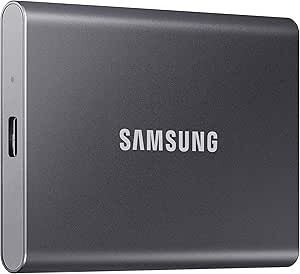 | Best All-Rounder for Professionals | Capacity: 2 TB | Interface: USB 3.2 Gen 2 | Read Speed: Up to 1,050 MB/s | VIEW LATEST PRICE | See Our Full Breakdown |
| SanDisk Desk Drive 8TB External SSD |  | Best High-Capacity Desktop Solution | Capacity: 8 TB | Interface: USB 3.2 Gen 2 | Read Speed: Up to 1000 MB/s | VIEW LATEST PRICE | See Our Full Breakdown |
| Samsung T7 Shield Portable SSD, 2TB |  | Best Rugged Portable SSD | Capacity: 2 TB | Interface: USB 3.2 Gen 2 | Read Speed: Up to 1,050 MB/s | VIEW LATEST PRICE | See Our Full Breakdown |
| Samsung 870 EVO 1TB 2.5-Inch SATA III SSD |  | Best Internal Upgrade for Legacy Systems | Capacity: 1 TB | Interface: SATA III 6 Gb/s | Read Speed: Up to 560 MB/s | VIEW LATEST PRICE | See Our Full Breakdown |
| Samsung SSD 990 1TB Internal |  | Best Overall Internal Performance | Storage Capacity: 1 TB | Interface: PCIe x4 | Connectivity Technology: NVMe | VIEW LATEST PRICE | See Our Full Breakdown |
| SanDisk Extreme Portable SSD, 2TB |  | Best High-Capacity Rugged Portable | Storage capacity: 2 TB | Read speed: Up to 1050 MB/s | Write speed: Up to 1000 MB/s | VIEW LATEST PRICE | See Our Full Breakdown |
| Samsung 990 EVO Plus 2TB NVMe Internal SSD | 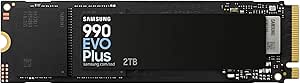 | Best High-Capacity Internal Value | Storage Capacity: 2 TB | Interface: NVMe | Form Factor: M.2 2280 | VIEW LATEST PRICE | See Our Full Breakdown |
| SanDisk Extreme Portable SSD, 1TB, Up to 2000MB/s |  | Best High-Speed Portable | Storage Capacity: 1 TB | Interface: USB 3.0 | Connector: USB Type-C | VIEW LATEST PRICE | See Our Full Breakdown |
| SanDisk 1TB Portable SSD, Up to 800MB/s Read Speed, Black |  | Best Budget Portable SSD | Storage capacity: 1 TB | Read speed: Up to 800 MB/s | Interface: USB 3.2 Gen 2 | VIEW LATEST PRICE | See Our Full Breakdown |
| Samsung P7 Portable SSD, 1TB, USB4 |  | Best for Future-Proof Speeds | Storage Capacity: 1 TB | Interface: USB 2.0/3.0/4.0 | Read Speed: Up to 4,000 MB/s | VIEW LATEST PRICE | See Our Full Breakdown |
| Samsung 990 PRO 2TB PCIe 4.0 M.2 2280 SSD |  | Best Premium Internal Performance | Storage Capacity: 2 TB | Interface: PCIe 4.0 x4 | Form Factor: M.2 2280 | VIEW LATEST PRICE | See Our Full Breakdown |
| Samsung T9 Portable SSD, 1 TB, USB 3.2 Gen 2×2 | 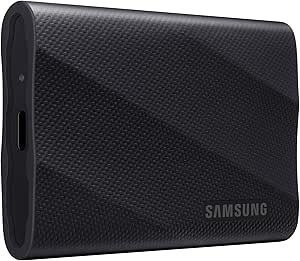 | Best Balanced Portable Drive | Storage Capacity: 1 TB | Interface: USB 3.2 Gen 2×2 | Read Speed: Up to 2,000 MB/s | VIEW LATEST PRICE | See Our Full Breakdown |
| SSD drife | Interface | Read Speed | Form Factor | Storage Capacity |
|---|---|---|---|---|
| SanDisk 1TB Portable SSD | USB 3.0 | Up to 1000 MB/s | — | — |
| Samsung T7 Portable SSD | USB 3.2 Gen 2 | Up to 1,050 MB/s | — | — |
| SanDisk Desk Drive 8TB Externa | USB 3.2 Gen 2 | Up to 1000 MB/s | Compact Desktop | — |
| Samsung T7 Shield Portable SSD | USB 3.2 Gen 2 | Up to 1,050 MB/s | — | — |
| Samsung 870 EVO 1TB 2.5-Inch S | SATA III 6 Gb/s | Up to 560 MB/s | 2.5-inch | — |
| Samsung SSD 990 1TB Internal | PCIe x4 | 7150 MB/s | M.2 | 1 TB |
| SanDisk Extreme Portable SSD | USB 3.2 Gen 2 | Up to 1050 MB/s | — | 2 TB |
| Samsung 990 EVO Plus 2TB NVMe | NVMe | — | M.2 2280 | 2 TB |
| SanDisk Extreme Portable SSD | USB 3.0 | — | — | 1 TB |
| SanDisk 1TB Portable SSD | USB 3.2 Gen 2 | Up to 800 MB/s | Portable external drive | 1 TB |
| Samsung P7 Portable SSD | USB 2.0/3.0/4.0 | Up to 4,000 MB/s | Portable | 1 TB |
| Samsung 990 PRO 2TB PCIe 4.0 M | PCIe 4.0 x4 | — | M.2 2280 | 2 TB |
| Samsung T9 Portable SSD | USB 3.2 Gen 2×2 | Up to 2,000 MB/s | 2.5-inch Portable | 1 TB |
More Details on Our Top Picks
SanDisk 1TB Portable SSD
This drive stands out for its ultra-compact size and simplicity, making it a strong contender for users who need basic expansion without bulk. Compared to the Samsung T7, it lacks the premium aluminum build and hardware encryption, but it compensates with a lighter weight and a lower barrier to entry for casual users. The 1000 MB/s read speed is respectable for photo backups and document transfers, though it trails behind higher-end NVMe-based options in the broader lineup. It is ideal for those who prioritize portability and ease of use over raw performance metrics or rugged durability.
Pros:- Extremely lightweight and pocket-sized
- USB-C connectivity works without drivers
- Drop protection up to 2 meters
Cons:- Write speeds lag significantly behind read speeds
- Plastic casing feels less durable than metal alternatives
Best for: Students or casual users needing lightweight, plug-and-play storage for documents and photos
Not ideal for: Video editors or professionals who require sustained high-speed write performance and hardware encryption
- Capacity:1 TB
- Interface:USB 3.0
- Read Speed:Up to 1000 MB/s
- Weight:1.12 oz
- Drop Protection:2 meters
- Connector:USB Type-C
Our verdict“A solid choice for casual users who value portability and simplicity over maximum speed.”
Samsung T7 Portable SSD, 2TB
The Samsung T7 strikes a balance between speed, durability, and capacity, making it a reliable choice for mixed-use scenarios. It offers 2TB of storage with consistent read/write speeds, significantly outperforming the SanDisk 1TB Portable SSD in sustained transfer tasks. The aluminum unibody provides better heat dissipation and shock resistance than plastic competitors, while 256-bit AES encryption adds a layer of security missing in budget drives. While it requires a USB 3.2 Gen 2 port for peak performance, its broad compatibility with consoles and phones makes it versatile for modern workflows.
Pros:- Fast and consistent read/write speeds
- Secure with 256-bit AES hardware encryption
- Aluminum body offers superior durability and cooling
Cons:- Peak speeds require specific USB 3.2 Gen 2 hardware
- Heavier than plastic entry-level drives
Best for: Content creators and professionals who need secure, fast, and large-capacity portable storage
Not ideal for: Users with older computers lacking USB 3.2 Gen 2 ports who won’t utilize the full speed potential
- Capacity:2 TB
- Interface:USB 3.2 Gen 2
- Read Speed:Up to 1,050 MB/s
- Write Speed:Up to 1,000 MB/s
- Encryption:256-bit AES
- Drop Protection:6 feet
- Material:Aluminum unibody
Our verdict“The go-to portable SSD for professionals who need security and speed in a compact package.”
SanDisk Desk Drive 8TB External SSD
This drive addresses a specific need: massive storage for desktop users who find cloud backups too slow and traditional HDDs too fragile. With 8TB of capacity, it dwarfs the Samsung T7’s 2TB limit, making it suitable for entire media libraries or large project archives. While it shares similar 1000 MB/s read speeds with portable options, its form factor is designed for stationary use rather than travel. It serves as an excellent replacement for multi-bay NAS setups for users who prefer a single, plug-and-play device with exFAT compatibility out of the box.
Pros:- Massive 8TB capacity for large media libraries
- Compact footprint for a desktop drive
- Pre-formatted exFAT for cross-platform compatibility
Cons:- Not designed for portable, on-the-go use
- Usable capacity is slightly lower due to formatting
Best for: Photographers and videographers needing a single high-capacity drive for desktop backups and archives
Not ideal for: Travelers or mobile workers who need pocket-sized storage for daily carry
- Capacity:8 TB
- Interface:USB 3.2 Gen 2
- Read Speed:Up to 1000 MB/s
- File System:exFAT
- Form Factor:Compact Desktop
- Backup Software:Acronis True Image
Our verdict“The best choice for desktop users who need huge storage without the complexity of a RAID array.”
Samsung T7 Shield Portable SSD, 2TB
The T7 Shield is the armored version of the standard T7, designed for creators who work in unpredictable environments. It matches the Samsung T7 in speed but adds IP65 water and dust resistance and a rubberized coating that survives drops from nearly 10 feet. This makes it a safer bet for outdoor shoots or construction sites than the sleek aluminum T7 or the plastic SanDisk 1TB. While the bulkier casing sacrifices some aesthetic appeal, the added durability justifies the tradeoff for users who have previously damaged fragile electronics.
Pros:- IP65 rated for water and dust resistance
- Rugged rubberized casing survives 3m drops
- Fast USB 3.2 Gen 2 transfer speeds
Cons:- Bulkier and heavier than the standard T7
- Maximum speeds still depend on host compatibility
Best for: Outdoor photographers, field researchers, and travelers who need water and drop resistance
Not ideal for: Users who prefer sleek, minimalist designs and work exclusively in controlled office environments
- Capacity:2 TB
- Interface:USB 3.2 Gen 2
- Read Speed:Up to 1,050 MB/s
- Water Resistance:IP65
- Drop Protection:3 meters
- Compatibility:iPhone 15/16 Pro
Our verdict“Built for abuse, this drive offers premium speed with the durability needed for harsh environments.”
Samsung 870 EVO 1TB 2.5-Inch SATA III SSD
Unlike the portable options like the Samsung T7, the 870 EVO is an internal drive meant for upgrading older laptops and desktops that lack M.2 slots. It delivers 560 MB/s read speeds, which is the ceiling for SATA III technology, making it significantly slower than USB 3.2 Gen 2 external drives. However, for boot drives and application loading, it provides a massive improvement over mechanical hard drives. It is the definitive choice for extending the life of legacy hardware, offering 600 TBW endurance and Samsung Magician software for health monitoring.
Pros:- High endurance rating of 600 TBW
- Includes Samsung Magician for health monitoring
- Reliable performance for boot and application drives
Cons:- Slower than modern NVMe and high-speed USB drives
- Requires opening the device for installation
Best for: Users upgrading older laptops or desktops with 2.5-inch SATA bays to improve system responsiveness
Not ideal for: Gamers or editors needing the fastest possible load times available on modern NVMe platforms
- Capacity:1 TB
- Interface:SATA III 6 Gb/s
- Read Speed:Up to 560 MB/s
- Write Speed:Up to 530 MB/s
- Endurance:600 TBW
- Warranty:5 Years
- Form Factor:2.5-inch
Our verdict“The most reliable internal SATA upgrade for breathing new life into older computers.”
Samsung SSD 990 1TB Internal
This drive stands out for balancing raw speed with thermal efficiency. With sequential reads hitting 7,150 MB/s, it handles large game libraries and creative projects without bottlenecking. Compared to the Samsung 990 EVO Plus, the 990 offers slightly more consistent sustained write performance, making it a safer bet for heavy workloads. However, it lacks an integrated heatsink, meaning you might need motherboard cooling or an aftermarket solution under sustained load. It is strictly for users with PCIe 4.0 slots; older systems will see reduced speeds. The included Magician software and hardware encryption add peace of mind, though the efficiency gains are most noticeable in laptops where power draw matters. This is the go-to choice if you want top-tier internal storage without stepping into the higher cost of enterprise-grade drives.
Pros:- Extremely high sequential read/write speeds up to 7,150/6,450 MB/s.
- Improved performance per watt with up to 38% better efficiency.
- Includes hardware encryption and management software for drive health monitoring.
- Compact M.2 design provides a full 1 TB of storage.
Cons:- Requires a PCIe 4.0 slot; not compatible with older systems lacking this interface.
- No integrated heatsink, which may affect thermal performance under sustained heavy loads.
Best for: Gamers and content creators with modern PCIe 4.0 motherboards seeking high-speed internal storage.
Not ideal for: Users with older PCIe 3.0 systems or laptops with limited thermal headroom for M.2 drives.
- Storage Capacity:1 TB
- Interface:PCIe x4
- Connectivity Technology:NVMe
- Read Speed:7150 MB/s
- Write Speed:6450 MB/s
- Form Factor:M.2
- Hardware Connectivity:PCI Express 4.0
Our verdict“The Samsung 990 1TB is the ideal internal upgrade for modern desktops and laptops demanding high-speed, efficient storage.”
SanDisk Extreme Portable SSD, 2TB
For photographers and videographers needing massive portable storage, this 2TB model is hard to beat. While the SanDisk Extreme Portable SSD (1TB) offers higher peak read speeds, this 2TB version provides double the capacity at a rugged build quality that survives drops and dust. The IP65 rating and carabiner loop make it perfect for fieldwork where reliability trumps raw speed. It uses USB 3.2 Gen 2, hitting 1,050 MB/s reads, which is sufficient for 4K video editing directly from the drive. Unlike internal options like the Samsung 990 1TB, this is plug-and-play across devices. The trade-off is that write speeds, while good, don’t match the newer 2,000 MB/s models, and the encryption requires software setup on Mac. It is the practical choice for professionals who carry their data everywhere.
Pros:- Portable design with a carabiner loop for attachment to a belt loop or backpack.
- Fast solid-state read and write speeds.
- 256-bit AES hardware encryption with password protection.
- Designed to resist water, dust, and drops.
Cons:- Actual performance may vary depending on the host device and other conditions.
- Password protection requires software download on Mac.
Best for: Creative professionals and travelers who need large, durable, and encrypted portable storage.
Not ideal for: Users requiring the absolute fastest transfer rates or those who prefer software-free encryption setup.
- Storage capacity:2 TB
- Read speed:Up to 1050 MB/s
- Write speed:Up to 1000 MB/s
- Interface:USB 3.2 Gen 2
- Drop protection:Up to 3 meters
- Water and dust resistance:IP65
- Encryption:256-bit AES hardware encryption
Our verdict“This 2TB drive offers the best balance of capacity and ruggedness for professionals on the move.”
Samsung 990 EVO Plus 2TB NVMe Internal SSD
This drive is a smart upgrade for those who need 2TB of internal space without paying premium prices. It supports both PCIe 4.0 x4 and PCIe 5.0 x2, offering flexibility for current and next-gen systems. While the Samsung SSD 990 1TB has slightly higher peak speeds, the EVO Plus compensates with better thermal management via its nickel-coated controller, keeping temperatures lower during long transfers. The Intelligent TurboWrite 2.0 helps maintain speed for large files, though this benefit fades once the cache is exhausted. It is an excellent choice for gamers who need to store massive libraries or editors who need room for 4K footage. The lack of a bundled heatsink is a minor drawback, but its efficiency makes it suitable for thin laptops. It’s the pragmatic pick for expanding internal storage affordably.
Pros:- High sequential read and write speeds.
- Supports PCIe 4.0 x4 and PCIe 5.0 x2.
- Nickel-coated controller helps reduce power use and manage heat.
- Magician Software supports firmware updates and drive health monitoring.
Cons:- Maximum performance depends on system support for PCIe 4.0 or PCIe 5.0.
- TurboWrite performance applies only within a specific data transfer size.
Best for: Gamers and editors needing 2TB of internal storage who value thermal efficiency and future-proofing.
Not ideal for: Enthusiasts demanding the absolute highest sustained write speeds regardless of price or heat.
- Storage Capacity:2 TB
- Interface:NVMe
- Form Factor:M.2 2280
- PCIe Compatibility:PCIe 4.0 x4 and PCIe 5.0 x2
- Sequential Read Speed:Up to 7,250 MB/s
- Sequential Write Speed:Up to 6,300 MB/s
- Compatible Console:Sony PlayStation 5
Our verdict“The 990 EVO Plus is the most sensible 2TB internal upgrade for users balancing performance, heat, and budget.”
SanDisk Extreme Portable SSD, 1TB, Up to 2000MB/s
When speed is the priority, this 1TB drive leaves the SanDisk Extreme Portable SSD (2TB) in the dust with 2,000 MB/s read speeds. It is designed for creators who edit video directly from external drives, where latency matters. The USB Type-C connector ensures compatibility with modern laptops and smartphones. However, it sacrifices capacity and some durability features compared to the 2TB model; while it has IP65 protection, the faster interface generates more heat. The encryption setup is also more restrictive, requiring specific OS versions. If you need to move large files quickly between devices, this is the superior option. But if you just need backup storage, the slower 2TB version offers better value per gigabyte. This drive is for the speed-obsessed professional.
Pros:- Compact and lightweight for portable storage.
- Read speeds up to 2000 MB/s.
- IP65 dust and water resistance.
- Drop protection up to 3 m and password protection with 256-bit AES encryption.
Cons:- Write speeds are lower than the stated maximum read speed.
- Encryption requires a software download and is supported on Windows 10+ and macOS 12+.
Best for: Video editors and photographers who need to transfer or edit large files quickly on the go.
Not ideal for: Users who need maximum storage capacity or older computers without USB-C or high-speed USB ports.
- Storage Capacity:1 TB
- Interface:USB 3.0
- Connector:USB Type-C
- Maximum Read Speed:Up to 2000 MB/s
- Protection:IP65 dust and water resistance
- Drop Protection:Up to 3 m
- Encryption:256-bit AES
Our verdict“This 1TB drive is the best choice for professionals who prioritize transfer speed over maximum capacity.”
SanDisk 1TB Portable SSD, Up to 800MB/s Read Speed, Black
This model serves as the entry-level portable option in the lineup. While it lacks the encryption and ruggedness of the SanDisk Extreme Portable SSD (2TB), it delivers decent 800 MB/s speeds for everyday tasks like document transfer and photo backups. The rubber enclosure provides a basic level of drop protection up to two meters, making it durable enough for general use. It is significantly more affordable than the higher-speed models, making it ideal for students or casual users who don’t need pro-grade features. However, the absence of hardware encryption means it is less secure for sensitive business data. It’s a straightforward, no-frills drive that gets the job done without the premium price tag or complex setup requirements found in its siblings.
Pros:- Portable solid-state storage with read speeds up to 800 MB/s.
- Designed for drops up to two meters.
- Rubber hook can attach to a belt loop or backpack.
Cons:- Write speeds are lower than read speeds.
- Performance may vary depending on the host device, interface, and usage conditions.
Best for: Students and casual users needing affordable, reliable external storage for everyday files.
Not ideal for: Professionals handling sensitive data who require encryption or users editing high-resolution video externally.
- Storage capacity:1 TB
- Read speed:Up to 800 MB/s
- Interface:USB 3.2 Gen 2
- Connector:USB Type-C
- Enclosure material:Rubber
- Drop protection:Up to 2 meters
- Form factor:Portable external drive
Our verdict“This drive is the best budget-friendly portable SSD for basic storage needs without extra security features.”
Samsung P7 Portable SSD, 1TB, USB4
This drive stands out because it leverages USB4 connectivity, offering read speeds up to 4,000 MB/s. While the Samsung T9 is faster than older models, the P7 leaves it in the dust for raw throughput. However, this speed is strictly conditional. You need a host device that supports USB4 Gen 3×2 to see these numbers; on older laptops, it throttles to standard USB speeds. The 1TB capacity is solid for creators, but the real draw is the headroom for future devices. Compared to the internal Samsung 990 PRO, it is slower, but it offers the portability that internal drives cannot. It is a gamble on your next computer being USB4-ready.
Pros:- Blazing fast read speeds up to 4,000 MB/s on compatible USB4 hosts
- Compact 100g design fits easily in any bag
- Includes Samsung Magician for health monitoring and optimization
Cons:- Maximum performance requires specific USB4 Gen 3×2 host hardware
- Drop resistance is rated but not guaranteed against all accident types
- Price premium over slower USB 3.2 alternatives like the T7
Best for: Tech enthusiasts with USB4-capable laptops who want external storage that won’t bottleneck their next upgrade.
Not ideal for: Users with older hardware who will only get standard USB 3.2 speeds and pay a premium for unused bandwidth.
- Storage Capacity:1 TB
- Interface:USB 2.0/3.0/4.0
- Read Speed:Up to 4,000 MB/s
- Write Speed:Up to 3,700 MB/s
- Form Factor:Portable
- Drop Resistance:Up to 6.5 feet
- Weight:0.1 kg
Our verdict“Buy this if you have a USB4 laptop and want the fastest portable storage available today.”
Samsung 990 PRO 2TB PCIe 4.0 M.2 2280 SSD
For those building a gaming rig or editing 4K video, this is the gold standard for internal storage. With 7,450 MB/s read speeds, it outperforms the Samsung 990 EVO Plus and nearly any SATA drive like the 870 EVO. The 2TB capacity is ideal for large game libraries and project files. However, it runs hot. Unlike the portable Samsung P7, this M.2 drive needs adequate airflow or a heatsink, especially in a PS5. It is overkill for basic office work where a cheaper drive suffices. This is for users who need every millisecond of load time shaved off and have the thermal management to handle it.
Pros:- Extremely high sequential read and write speeds
- Efficient controller manages heat and power better than predecessors
- 2TB capacity handles large game libraries and media projects easily
- Optimized for gaming and demanding creative workloads
Cons:- Requires PCIe 4.0 motherboard to achieve advertised speeds
- Often needs a third-party heatsink for optimal thermal performance
- More expensive per gigabyte than SATA or PCIe 3.0 alternatives
Best for: Gamers and video editors building high-end PCs or upgrading a PS5 who need maximum sustained throughput.
Not ideal for: Budget builders or users with older motherboards lacking PCIe 4.0 support, who won’t see the speed benefit.
- Storage Capacity:2 TB
- Interface:PCIe 4.0 x4
- Form Factor:M.2 2280
- Sequential Read Speed:Up to 7,450 MB/s
- Sequential Write Speed:Up to 6,900 MB/s
- Dimensions:3.16 x 0.87 x 0.09 in
- Weight:9.07 g
Our verdict“The top choice for enthusiasts who demand the fastest possible internal storage for gaming and creation.”
Samsung T9 Portable SSD, 1 TB, USB 3.2 Gen 2×2
The Samsung T9 hits a sweet spot between price and performance. It delivers 2,000 MB/s speeds, which is double what the Samsung T7 offers, making file transfers noticeably quicker. It is also tougher than the sleek P7, with drop resistance rated for 9.8 feet. However, like the P7, its speed is capped by your hardware; you need a USB 3.2 Gen 2×2 port to unlock its full potential. Compared to the internal 990 PRO, it is slower, but it travels with you. This drive makes the most sense for professionals who need reliable, encrypted storage that can take a beating without the extreme cost of USB4.
Pros:- Solid 2,000 MB/s read/write speeds on compatible hardware
- AES 256-bit hardware encryption for data security
- Rugged design withstands drops up to 9.8 feet
- Effective thermal management for sustained transfers
Cons:- Full speeds require specific USB 3.2 Gen 2×2 host support
- Slightly bulkier than ultra-compact USB4 drives
- Slower than the Samsung P7 on high-end laptops
Best for: Photographers and students who need durable, encrypted storage with faster-than-average transfer speeds.
Not ideal for: Users with only USB 3.2 Gen 2 ports who will pay for speed they cannot actually use.
- Storage Capacity:1 TB
- Interface:USB 3.2 Gen 2×2
- Read Speed:Up to 2,000 MB/s
- Write Speed:Up to 1,950 MB/s
- Encryption:AES 256-bit hardware
- Drop Resistance:Up to 9.8 ft
- Form Factor:2.5-inch Portable
Our verdict“A reliable, secure, and fast portable option for those with compatible modern laptops.”

How We Picked
I evaluated these thirteen SSDs by prioritizing sustained performance over peak burst speeds, as real-world file transfers rarely hit maximum theoretical limits. I compared interface types (SATA, NVMe PCIe 3.0/4.0, USB 3.2, USB4) to determine which drives offered the best bandwidth for their price point. Durability metrics, including IP ratings and shock resistance, were weighed heavily for portable models, distinguishing them from internal drives where heat dissipation is the primary concern.
Ranking was determined by identifying the specific buyer persona each product serves. A drive cannot be ‘best’ for everyone; therefore, I separated internal desktop drives from portable units and high-capacity desktop externals. The final order reflects a balance of performance consistency, thermal management, and feature utility, ensuring that recommendations match the specific demands of gamers, content creators, and casual users alike.
Factors to Consider When Choosing Best SSD Drives
Understanding the technical specifications of SSDs can be overwhelming, especially with the rapid evolution of interfaces and form factors. This section breaks down the critical factors that influence your purchasing decision, helping you avoid common pitfalls and select a drive that matches your actual usage patterns rather than just marketing claims.
Internal vs. External: Defining Your Primary Use Case
The first decision is whether you need storage inside your PC or a drive you can carry. Internal SSDs like the Samsung 990 PRO offer superior speed and reliability because they connect directly to the motherboard via M.2 slots, utilizing PCIe lanes for maximum bandwidth. External SSDs rely on USB controllers, which introduce latency and limit peak speeds regardless of the drive’s internal capability. If you are upgrading a desktop for gaming or heavy editing, internal drives are the logical choice. However, if your workflow involves moving large projects between computers or locations, an external drive like the Samsung T7 is necessary. Do not buy an external drive expecting it to match the speeds of an internal NVMe drive; the interface bottleneck is a physical limitation you cannot bypass.
SATA vs. NVMe: Is the Upgrade Worth It?
For internal drives, the choice between SATA and NVMe (PCIe) is significant. SATA SSDs like the Samsung 870 EVO cap out at around 560 MB/s, which is still vastly faster than mechanical hard drives. NVMe SSDs start at 2000 MB/s and can exceed 7000 MB/s. For general office work and web browsing, the difference in load times is negligible, making SATA a cost-effective option for older systems. However, for large file transfers, video rendering, or loading complex game assets, NVMe drives provide a tangible time savings. If your motherboard supports M.2 slots, opting for an NVMe drive like the Samsung 990 EVO Plus future-proofs your build, even if you do not immediately utilize its full speed.
Understanding Interface Bottlenecks in Portable Drives
Portable SSD marketing often highlights read speeds that require specific hardware to achieve. A drive advertised at 2000 MB/s (like the SanDisk Extreme) requires a USB 3.2 Gen 2×2 port on your host computer. If your laptop only has USB 3.2 Gen 2 (1000 MB/s) or Gen 1 (500 MB/s) ports, you will not see the advertised speeds. The Samsung T7 is optimized for the widely available USB 3.2 Gen 2 standard, making it a more realistic choice for most users. Before purchasing a high-speed portable drive, check your computer’s port specifications. Buying a USB4 drive like the Samsung P7 without a compatible USB4 port is a waste of money, as it will downgrade to the slower standard supported by your hardware.
Durability and Thermal Throttling in Portable Units
Portable drives are exposed to physical shocks and varying temperatures, unlike internal drives protected inside a case. Models like the Samsung T7 Shield feature rubberized exteriors and IP65 ratings for water and dust resistance, which are critical for field use. However, ruggedization can sometimes impact heat dissipation. Smaller, sleeker drives like the SanDisk 1TB Portable SSD may throttle speeds when hot to protect the NAND flash. If you plan to transfer terabytes of data in a single session, look for drives with larger surface areas for passive cooling or active heat management. For casual backups, thermal throttling is less of a concern, but for professional video editors moving footage on location, sustained performance is a key differentiator.
Capacity Needs: Balancing Price Per Gigabyte
Storage prices fluctuate, but the price-per-gigabyte generally favors larger capacities. A 1TB drive often costs more per gigabyte than a 2TB or 4TB model. If you are archiving photos or video projects, the SanDisk Desk Drive 8TB offers massive space but is not portable. For portable needs, 2TB is the current sweet spot for most creators, providing enough space for several projects without the bulk of larger drives. Avoid buying small 256GB or 500GB drives unless they are strictly for boot drives or temporary scratch disks, as you will likely run out of space quickly and need to upgrade, costing more in the long run. Plan for your storage needs six months ahead to avoid frequent replacements.
Frequently Asked Questions
Can I use an internal NVMe SSD as an external drive?
Yes, but you need a separate M.2 to USB enclosure. This approach can sometimes yield better performance than buying a pre-made portable SSD, especially if you choose a high-speed enclosure that supports USB 3.2 Gen 2×2 or USB4. However, this DIY method lacks the rugged casing and thermal management of dedicated products like the Samsung T7 Shield. It also voids the warranty of the internal drive in some cases. For most users, a pre-built portable SSD is more reliable and easier to manage, but for tech-savvy users with spare internal drives, an enclosure is a viable cost-saving option.
Is USB4 worth the extra cost over USB 3.2 Gen 2 for SSDs?
Currently, USB4 is only worth it if you have a very recent high-end laptop or desktop that supports it and you work with extremely large files, such as 8K video raw footage. The Samsung P7 takes advantage of this bandwidth, but if your computer only has USB 3.2 ports, you will not see the benefit. For the majority of users, USB 3.2 Gen 2 (1000 MB/s) is sufficient for 4K editing and large backups. Until USB4 becomes ubiquitous on mid-range hardware, the premium price for USB4 drives may not justify the performance gain for typical workflows.
Do rugged portable SSDs have slower speeds than standard ones?
Not necessarily. While older rugged models sometimes used slower NAND or controllers to manage heat, modern drives like the Samsung T7 Shield maintain high speeds comparable to non-rugged counterparts. The rubber coating can act as an insulator, so manufacturers often design these drives with larger internal heat spreaders. In some cases, a rugged drive might throttle slightly earlier than a metal-bodied drive under extreme continuous load, but for burst transfers and typical usage, the speed difference is minimal. You are paying for drop protection and water resistance, not sacrificing core performance.
What is the difference between the Samsung 990 EVO Plus and the 990 PRO?
The 990 PRO is a PCIe 4.0 drive that reaches higher peak speeds (up to 7450 MB/s) and has higher endurance ratings (TBW), making it ideal for heavy write workloads like video editing. The 990 EVO Plus is a hybrid PCIe 4.0/5.0 drive that offers excellent power efficiency and good speeds but generally trails the PRO in sustained write performance and endurance. For gamers and general users, the EVO Plus is often the better value because it runs cooler and costs less, while the PRO is better suited for professionals who need maximum throughput and longevity for constant large file writes.
Why do my transfer speeds drop after a few gigabytes?
This phenomenon is known as ‘SLC caching’ exhaustion. Many SSDs use a portion of their storage as a fast cache for new data. Once this cache is full (often after 50-100GB), the drive writes directly to the slower NAND flash, causing speeds to drop. Drives with larger capacities (2TB+) usually have larger caches, so they sustain high speeds longer than 1TB drives. If you frequently transfer very large files, look for drives with ‘DRAM’ cache or higher endurance ratings, as they manage these transitions more gracefully than budget models like the SanDisk 1TB Portable SSD.
Conclusion
Selecting the right SSD depends entirely on whether you prioritize internal speed, portable resilience, or massive capacity. For internal upgrades, the Samsung 990 PRO is the best overall choice for performance enthusiasts, while the Samsung 870 EVO remains the best value for older systems limited to SATA. If you need a portable drive for daily use, the Samsung T7 offers the best balance of speed and compatibility for beginners and general users. For creators working in harsh environments, the Samsung T7 Shield is the premium pick for durability. Finally, for those needing to archive massive media libraries without portability constraints, the SanDisk Desk Drive 8TB provides the best capacity-per-dollar ratio. Match these recommendations to your specific interface capabilities and usage habits to make the smartest investment.