

For most people seeking the best MacBooks and iPads, I’d start with the 13.6-inch MacBook Air with M5: its current-generation chip, 16GB of memory, and 512GB SSD make it the strongest all-around laptop choice here. The 11-inch iPad with A16 is a simpler, more portable pick for browsing, reading, and light tasks, while the 16-inch MacBook Pro with M5 Pro suits demanding creative and technical work. The main tradeoff is between laptop productivity and tablet flexibility, with screen size, memory, storage, and model age affecting how well each device fits. Older and renewed Macs may suit limited budgets, but their age and lower specifications call for careful scrutiny. Read on for the full breakdown and advice on choosing the right device for your needs.

Get the latest gadgets delivered free with Prime
- Fast, free delivery on millions of items
- Prime Video, Amazon Music and more included
- Member-only deals all year
Complete the kit



Key Takeaways
- The 13.6-inch MacBook Air with M5 is the most balanced laptop in this lineup, pairing a current-generation chip with 16GB memory and 512GB storage without the Pro models’ focus on heavier workloads.
- The 16-inch MacBook Pro with M5 Pro is the performance-first pick; its 24GB memory and 1TB SSD give demanding work more headroom than the M2 Pro and M3 Pro configurations listed.
- The 15-inch M5 MacBook Air favors workspace over portability, while the 13.6-inch M5 Air is easier to carry; both offer the same listed memory and storage.
- The two iPads solve different jobs from the Macs: the 13-inch iPad Pro M5 prioritizes a larger premium tablet experience, while the 11-inch A16 iPad is the straightforward option for everyday tablet tasks.
- Model age matters more than a familiar name: the 2017 Intel Air and renewed 8GB MacBooks are harder to recommend for long-term, demanding use than the newer Apple-silicon options.
| Apple 2023 MacBook Pro 16-inch with M3 Pro, 18GB Memory, 512GB SSD (Space Black) |  | Best for Demanding Creative Work | Processor: Apple M3 Pro, 12-core CPU | Graphics: 18-core GPU | Memory: 18GB unified memory | VIEW LATEST PRICE | See Our Full Breakdown |
| Apple MacBook Air 13.3-inch (2017), 1.8GHz Core i5, 8GB RAM, 128GB SSD |  | Best for Basic Tasks on a Tight Budget | Model year and number: 2017; MQD32LL/A | Processor: 1.8GHz Intel Core i5, Turbo Boost up to 2.9GHz | Graphics: Intel HD Graphics 6000 | VIEW LATEST PRICE | See Our Full Breakdown |
| Apple iPad Pro 13-inch (M5) – 256GB, Wi-Fi, Space Black |  | Best Premium iPad for Professional Workflows | Model: iPad Pro 13-inch (M5) | Processor and memory: Apple M5 chip; 16GB memory | Storage: 256GB | VIEW LATEST PRICE | See Our Full Breakdown |
| Apple MacBook Neo 13-inch Laptop with A18 Pro Chip, 8GB Memory, 256GB SSD, Liquid Retina Display, 1080p Camera, Silver |  | Best Compact Everyday MacBook | Processor: A18 Pro chip | Memory: 8GB unified memory | Storage: 256GB SSD | VIEW LATEST PRICE | See Our Full Breakdown |
| Apple 2023 MacBook Air 15.3-inch Laptop with M2 Chip (16GB RAM, 256GB SSD, Midnight) |  | Best Large-Screen MacBook Air | Model and processor: 2023 MacBook Air; Apple M2 chip with 8-core CPU and 10-core GPU | Memory: 16GB unified memory | Storage: 256GB SSD | VIEW LATEST PRICE | See Our Full Breakdown |
| Apple 2026 MacBook Pro 14.2-inch with ProLED XDR Display, Space Black |  | Best for Color-Critical Work | Display: 14.2-inch tandem OLED ProLED XDR touchscreen | Peak brightness: Up to 2,000 nits | Contrast ratio: 10,000,000:1 | VIEW LATEST PRICE | See Our Full Breakdown |
| Apple 2026 MacBook Pro 16.2-inch (M5 Pro, 18-core CPU, 20-core GPU, 24GB RAM, 1TB SSD, Silver) | 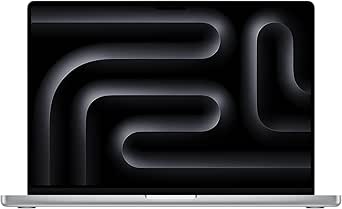 | Best for Sustained Creative Work | Processor: Apple M5 Pro, 18-core CPU and 20-core GPU | Display: 16.2-inch Liquid Retina XDR | Memory: 24GB unified memory | VIEW LATEST PRICE | See Our Full Breakdown |
| Apple MacBook Air (Late 2020, Renewed) – 13.3-inch, M1 Chip, 8GB RAM, 128GB SSD, Space Gray | 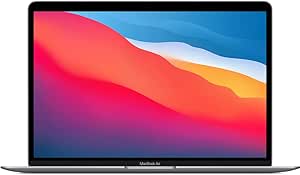 | Best for Basic MacBook Buyers | Model: MacBook Air (Late 2020), renewed | Processor: Apple M1, 8-core CPU, 7-core GPU, 16-core Neural Engine | Memory: 8GB | VIEW LATEST PRICE | See Our Full Breakdown |
| Apple MacBook Pro 13-inch, 8GB RAM, 256GB SSD – Space Gray (Renewed) |  | Best for Buyers Who Need a Compact Pro Design | Processor: Quad-core 8th-generation Intel Core i5, 1.4GHz | Memory: 8GB DDR3 SDRAM | Storage: 256GB SSD | VIEW LATEST PRICE | See Our Full Breakdown |
| Apple 2023 MacBook Pro 14.2-inch Laptop with M2 Pro Chip (10-Core CPU, 16-Core GPU), 16GB RAM, 512GB SSD, Space Gray |  | Best for Professional Work at a Smaller Scale | Processor: Apple M2 Pro, 10-core CPU and 16-core GPU | Memory: 16GB unified memory | Storage: 512GB SSD | VIEW LATEST PRICE | See Our Full Breakdown |
| Apple 13.6-inch MacBook Air with M5 Chip, 16GB Memory, 512GB SSD, Silver | 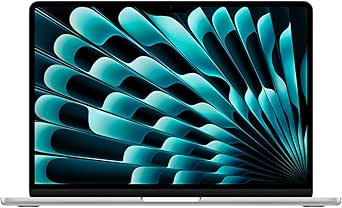 | Best Compact MacBook Air | Chip: Apple M5 | Memory: 16GB unified memory | Storage: 512GB SSD | VIEW LATEST PRICE | See Our Full Breakdown |
| Apple MacBook Air 15-inch Laptop with M5 Chip, 16GB Memory, 512GB SSD, Silver |  | Best MacBook Air for a Larger Screen | Chip: Apple M5 | Memory: 16GB unified memory | Storage: 512GB SSD | VIEW LATEST PRICE | See Our Full Breakdown |
| Apple iPad 11-inch (A16 chip) – 128GB, Wi‑Fi 6, 12MP Front & Back Cameras, Touch ID, All‑Day Battery – Silver |  | Best Everyday iPad | Chip: A16 | Display: 11-inch Liquid Retina with True Tone | Storage: 128GB–512GB options | VIEW LATEST PRICE | See Our Full Breakdown |
| MacBooks and iPad | Display | Storage | Memory | Battery life |
|---|---|---|---|---|
| Apple 2023 MacBook Pro 16-inch | 16.2-inch Liquid Retina XDR, 3456 × 2234 | 512GB SSD | 18GB unified memory | Up to 22 hours; varies by use and configuration |
| Apple MacBook Air 13.3-inch | 13.3-inch glossy display, up to 1440 × 900 | 128GB SSD | 8GB 1600MHz LPDDR3 | — |
| Apple iPad Pro 13-inch | 13-inch Ultra Retina XDR | 256GB | — | — |
| Apple MacBook Neo 13-inch Lapt | 13-inch Liquid Retina; supports one billion colors | 256GB SSD | 8GB unified memory | Up to 16 hours |
| Apple 2023 MacBook Air 15.3-in | 15.3-inch Liquid Retina, 500 nits, P3 wide color | 256GB SSD | 16GB unified memory | Up to 18 hours |
| Apple 2026 MacBook Pro 14.2-in | 14.2-inch tandem OLED ProLED XDR touchscreen | — | — | Up to 22 hours |
| Apple 2026 MacBook Pro 16.2-in | 16.2-inch Liquid Retina XDR | 1TB SSD | 24GB unified memory | — |
| Apple MacBook Air | 13.3-inch Retina, 2560 × 1600, True Tone | 128GB SSD | 8GB | Up to 18 hours |
| Apple MacBook Pro 13-inch | 13-inch Retina LED, 2560 × 1600, True Tone | 256GB SSD | 8GB DDR3 SDRAM | Up to 10 hours |
| Apple 2023 MacBook Pro 14.2-in | 14.2-inch Liquid Retina XDR | 512GB SSD | 16GB unified memory | Up to 18 hours |
| Apple 13.6-inch MacBook Air wi | 13.6-inch Liquid Retina | 512GB SSD | 16GB unified memory | Up to 18 hours |
| Apple MacBook Air 15-inch Lapt | 15.3-inch Liquid Retina | 512GB SSD | 16GB unified memory | Up to 18 hours |
| Apple iPad 11-inch | 11-inch Liquid Retina with True Tone | 128GB–512GB options | — | All-day |
More Details on Our Top Picks
Apple 2023 MacBook Pro 16-inch with M3 Pro, 18GB Memory, 512GB SSD (Space Black)
The 16-inch MacBook Pro with M3 Pro is the strongest fit here for sustained creative and professional workloads. Its 12-core CPU and 18-core GPU, backed by 18GB of unified memory, give demanding apps more room to run than the 15.3-inch MacBook Air with M2, while the Liquid Retina XDR screen offers HDR brightness and reference modes for image and video work. The larger display and six-speaker system also suit desk-based editing and media playback. That capability comes with a portability cost: the listed weight is 8.3 pounds, far above the MacBook Air’s 3.3 pounds, and 512GB may constrain large project libraries. Choose it for performance and screen quality, not for frequent carrying or the lightest setup.
Pros:- M3 Pro combines a 12-core CPU and 18-core GPU for demanding professional apps.
- 16.2-inch Liquid Retina XDR display offers HDR brightness above 1000 nits and pro reference modes.
- Six-speaker audio, three-mic array, and 1080p camera make it well equipped for calls and media.
- Apple estimates up to 22 hours of battery life, with actual runtime varying by use and configuration.
Cons:- Listed weight of 8.3 pounds makes it much less convenient to carry than the MacBook Air models here.
- 512GB SSD may fill quickly with high-resolution media and large creative projects.
- Its performance and display are more than many everyday productivity users need.
Best for: Video editors, designers, and other creative professionals who want a large HDR display and strong graphics performance in macOS.
Not ideal for: Students and frequent travelers who prioritize a light laptop, or professionals who need more than 512GB of internal storage for large local projects.
- Processor:Apple M3 Pro, 12-core CPU
- Graphics:18-core GPU
- Memory:18GB unified memory
- Storage:512GB SSD
- Display:16.2-inch Liquid Retina XDR, 3456 × 2234
- Battery life:Up to 22 hours; varies by use and configuration
- Camera and audio:1080p FaceTime HD camera; three-mic array and six-speaker system with Spatial Audio
- Ports and wireless:HDMI, Thunderbolt, three USB ports listed; Wi-Fi 802.11ax
- Dimensions and weight:14.01 × 9.77 × 0.66 inches; 8.3 pounds
Our verdict“Choose this MacBook Pro for demanding creative work and a large HDR screen, but pick the 15.3-inch MacBook Air if portability matters more.”
Apple MacBook Air 13.3-inch (2017), 1.8GHz Core i5, 8GB RAM, 128GB SSD
This certified refurbished 2017 MacBook Air is the entry point for buyers whose needs are limited to basic browsing, writing, and email. At 2.96 pounds, it is lighter than the 15.3-inch MacBook Air with M2, and its SDXC slot gives photographers a direct way to read compatible cards. The tradeoff is age and capacity: the 1.8GHz Intel Core i5, 8GB of memory, and 128GB SSD leave far less room for modern multitasking and local files than newer Apple silicon laptops. Its 1440 × 900 glossy display is also less detailed than the Retina screens elsewhere in this roundup. The minimum 90-day warranty and included relevant accessories offer some reassurance, but this is a modest refurbished option, not a good choice for demanding apps or long-term headroom.
Pros:- 2.96-pound design is easy to carry for everyday use.
- SDXC card slot supports direct transfers from compatible memory cards.
- Stated battery life is up to 12 hours.
- Certified refurbished unit includes relevant accessories and a minimum 90-day warranty.
Cons:- 128GB SSD and 8GB memory limit storage and multitasking headroom.
- 1440 × 900 glossy display is less detailed than the Retina displays on newer MacBook Air models.
- Older Intel hardware is a less capable choice for demanding apps than Apple silicon models in the roundup.
Best for: Buyers seeking a lightweight refurbished Mac for writing, web browsing, and simple everyday tasks, with an SD card slot for occasional photo transfers.
Not ideal for: People who keep large files locally, run demanding apps, or want a high-resolution display and more performance headroom.
- Model year and number:2017; MQD32LL/A
- Processor:1.8GHz Intel Core i5, Turbo Boost up to 2.9GHz
- Graphics:Intel HD Graphics 6000
- Memory:8GB 1600MHz LPDDR3
- Storage:128GB SSD
- Display:13.3-inch glossy display, up to 1440 × 900
- Wireless:802.11ac Wi-Fi and Bluetooth 4.0
- Battery life and weight:Up to 12 hours; 2.96 pounds
- Condition and warranty:Certified refurbished; minimum 90-day warranty
Our verdict“Pick this refurbished Air only for simple tasks and a lightweight, low-capacity Mac; the M2 MacBook Air is a better fit for more demanding work.”
Apple iPad Pro 13-inch (M5) – 256GB, Wi-Fi, Space Black
The 13-inch iPad Pro with M5 is the tablet pick for buyers who want a large, high-end display and powerful mobile workflows rather than a conventional laptop. Its Ultra Retina XDR screen with ProMotion is better suited to detailed visual work than the 11-inch iPad with A16, while the M5 chip, 16GB of memory, and LiDAR scanner support more demanding creative and augmented-reality uses. At 1.28 pounds and just 0.2 inches thick, it is far easier to carry than the 16-inch MacBook Pro. That thin tablet format does not replace a laptop for everyone: keyboard and Apple Pencil accessories are sold separately, and the 256GB configuration lacks the nano-texture glass option described for higher-capacity versions. Choose it for touch-first work and portability, not as a complete desktop setup out of the box.
Pros:- M5 chip and 16GB of memory suit demanding tablet workflows and AI tasks.
- 13-inch Ultra Retina XDR display with ProMotion is designed for detailed, fluid viewing.
- Wi-Fi 7 with Apple N1 supports fast wireless connectivity.
- Landscape 12MP front camera and rear LiDAR scanner add useful video-call and AR capabilities.
Cons:- Apple Pencil and Magic Keyboard are sold separately.
- 256GB storage may be limiting for large creative files and downloaded media.
- Nano-texture display glass is restricted to 1TB and 2TB configurations.
Best for: Illustrators, visual professionals, and mobile creators who want a large premium iPad display, strong processing, and LiDAR in a portable tablet.
Not ideal for: Buyers who need a laptop-style setup included, extensive built-in storage, or the nano-texture glass option available on higher-capacity configurations.
- Model:iPad Pro 13-inch (M5)
- Processor and memory:Apple M5 chip; 16GB memory
- Storage:256GB
- Display:13-inch Ultra Retina XDR
- Connectivity:Wi-Fi 7 with Apple N1
- Cameras:12MP landscape Center Stage front camera; 12MP Wide rear camera with LiDAR scanner
- Operating system:iPadOS 26
- Dimensions and weight:8.48 × 11.09 × 0.2 inches; 1.28 pounds
- Color:Space Black
Our verdict“Choose this iPad Pro for premium touch-first creative work and a large display; choose the 11-inch A16 iPad for a simpler, more compact tablet.”
Apple MacBook Neo 13-inch Laptop with A18 Pro Chip, 8GB Memory, 256GB SSD, Liquid Retina Display, 1080p Camera, Silver
The 13-inch MacBook Neo suits buyers who want a portable macOS laptop for everyday work, calls, and media without stepping up to the larger 15.3-inch MacBook Air with M2. Its 2.71-pound aluminum design is lighter than that Air, and the Liquid Retina display supports one billion colors. A 1080p camera and stated battery life of up to 16 hours also make it a practical companion for classes or remote work. Its 8GB of unified memory and 256GB SSD mark the limits: users juggling demanding apps or keeping substantial media libraries may prefer the Air’s 16GB memory, though that model is larger and heavier. This Neo is a better match for everyday portability than intensive creative production, and the supplied specs do not list a port selection.
Pros:- 2.71-pound aluminum design is easy to take between home, class, and work.
- 13-inch Liquid Retina display supports one billion colors.
- 1080p camera supports clear video calls.
- Stated battery life is up to 16 hours.
Cons:- 8GB of unified memory gives demanding multitasking less headroom than the 16GB MacBook Air with M2.
- 256GB SSD may be restrictive for large file collections.
- Supplied product specifications do not list ports, making peripheral planning less certain.
Best for: Students and mobile workers who want a light macOS laptop for documents, browsing, video calls, and everyday apps.
Not ideal for: Creative professionals and heavy multitaskers who need more than 8GB of unified memory or substantial internal storage.
- Processor:A18 Pro chip
- Memory:8GB unified memory
- Storage:256GB SSD
- Display:13-inch Liquid Retina; supports one billion colors
- Camera and microphones:1080p FaceTime HD camera; dual-mic array
- Speakers:Two side-firing speakers
- Battery life:Up to 16 hours
- Dimensions and weight:8.12 × 11.71 × 0.5 inches; 2.71 pounds
- Enclosure and color:Recycled aluminum with 60% recycled content by weight; Silver
Our verdict“Choose the Neo for a light everyday MacBook with a color-capable display, but opt for the 16GB MacBook Air with M2 for heavier multitasking.”
Apple 2023 MacBook Air 15.3-inch Laptop with M2 Chip (16GB RAM, 256GB SSD, Midnight)
The 15.3-inch MacBook Air with M2 is the middle ground for buyers who want a roomy laptop screen without the bulk or pro-focused design of the 16-inch MacBook Pro with M3 Pro. Its 16GB of unified memory makes it better suited to multitasking than the 8GB MacBook Neo, while the fanless design keeps everyday work silent. The Liquid Retina display reaches 500 nits and supports P3 wide color; MagSafe charging also leaves both Thunderbolt ports available for accessories. Its 3.3-pound weight is still portable, but it is heavier and wider than the Neo. The 256GB SSD may be tight for large local libraries, and integrated graphics are not aimed at heavy GPU workloads. Choose it for a large, quiet everyday laptop rather than intensive graphics work.
Pros:- 15.3-inch Liquid Retina display offers 500-nit brightness and P3 wide color.
- 16GB unified memory provides more multitasking headroom than the MacBook Neo’s 8GB.
- Fanless design runs silently during use.
- MagSafe charging preserves the two Thunderbolt ports for accessories.
Cons:- 256GB SSD may not suit buyers storing large media or project libraries locally.
- At 3.3 pounds, it is heavier and larger than the 13-inch MacBook Neo.
- Integrated graphics are less suited to heavy GPU workloads than the MacBook Pro with M3 Pro.
Best for: Remote workers, students, and home users who want a large, color-rich screen and more memory for multitasking in a quiet laptop.
Not ideal for: People who need a compact travel laptop, extensive internal storage, or discrete graphics for demanding GPU-heavy work.
- Model and processor:2023 MacBook Air; Apple M2 chip with 8-core CPU and 10-core GPU
- Memory:16GB unified memory
- Storage:256GB SSD
- Display:15.3-inch Liquid Retina, 500 nits, P3 wide color
- Camera and audio:1080p FaceTime HD; three-mic array and six-speaker system with Spatial Audio
- Ports:MagSafe charging port, two Thunderbolt ports, headphone jack
- Battery life:Up to 18 hours
- Dimensions and weight:13.4 × 9.35 × 0.45 inches; 3.3 pounds
- Color and warranty:Midnight; 1-year limited warranty
Our verdict“Choose this Air for a spacious screen, silent everyday performance, and 16GB of memory; pick the Neo for a lighter laptop or the Pro for GPU-heavy work.”
Apple 2026 MacBook Pro 14.2-inch with ProLED XDR Display, Space Black
I’d choose this 14-inch Pro for creative work that benefits from both a high-end display and a built-in touchscreen. Its tandem OLED ProLED XDR panel reaches up to 2,000 nits and covers P3 and Adobe RGB, giving HDR previews and color-sensitive projects more range than the Liquid Retina XDR screen on the 2023 14-inch MacBook Pro with M2 Pro. Thunderbolt 5, HDMI, and SDXC also make it easier to connect displays and move camera files without relying on a dock.
The tradeoff is that the configuration can use either M5 Pro or M5 Max, and those chips support different numbers of external displays, so buyers should match the chip to their setup. At 3.04 pounds, it is portable, but not as light as an Air. I’d skip it if a touchscreen or advanced color work is not part of your daily workflow.
Pros:- Tandem OLED touchscreen with up to 2,000 nits peak brightness and P3 and Adobe RGB support
- Three Thunderbolt 5 ports plus HDMI and SDXC for flexible workstation connections
- Up to 22 hours of stated battery life
- 12MP Center Stage camera and six-speaker sound system
Cons:- At 3.04 pounds, it weighs more than a MacBook Air
- Maximum external display support varies between M5 Pro and M5 Max configurations
Best for: Photographers, video editors, and designers who want a bright, color-capable touchscreen and built-in ports for a multi-display or camera-based setup.
Not ideal for: MacBook Air buyers prioritizing the lightest carry, or users who do not need a Pro display and professional connectivity.
- Display:14.2-inch tandem OLED ProLED XDR touchscreen
- Peak brightness:Up to 2,000 nits
- Contrast ratio:10,000,000:1
- Processors:M5 Pro or M5 Max
- Battery life:Up to 22 hours
- Ports:Three Thunderbolt 5, MagSafe 3, SDXC card slot, HDMI, headphone jack
- Weight:3.04 pounds
- Wireless:Wi-Fi 7, Bluetooth 6
Our verdict“Choose this Pro if display quality, touchscreen input, and a broad port selection matter more than carrying the lightest MacBook.”
Apple 2026 MacBook Pro 16.2-inch (M5 Pro, 18-core CPU, 20-core GPU, 24GB RAM, 1TB SSD, Silver)
This 16-inch MacBook Pro is the lineup’s large-screen workhorse: its M5 Pro with an 18-core CPU and 20-core GPU, 24GB of unified memory, and 1TB SSD suit demanding creative applications and large active projects. The 16.2-inch Liquid Retina XDR display gives timelines, layered images, and side-by-side windows more room than the 2026 14.2-inch MacBook Pro, while the extra storage reduces the need to keep current work on an external drive.
That larger workspace comes with a real portability cost: at 4.71 pounds, this is a poor fit for frequent commuters. The 14-inch model is easier to carry and has a newer-described ProLED touchscreen, while this one makes the stronger case for buyers who value screen area and the supplied memory and storage. I’d choose it for a desk-centered workflow, not as a casual everyday carry.
Pros:- M5 Pro chip with an 18-core CPU and 20-core GPU for demanding workloads
- 16.2-inch Liquid Retina XDR display offers ample workspace
- 24GB unified memory and 1TB SSD suit larger projects
- Thunderbolt 5, HDMI, SDXC, and MagSafe 3 provide broad connectivity
Cons:- 4.71-pound weight makes it cumbersome for frequent travel
- The larger display and performance headroom are unnecessary for basic browsing and office work
- macOS may not support software required by some Windows-focused workplaces
Best for: Video editors, 3D artists, and other creative professionals who need a large built-in display, substantial memory, and 1TB of working storage.
Not ideal for: Students and frequent travelers who carry a laptop all day or want a compact machine for everyday tasks.
- Processor:Apple M5 Pro, 18-core CPU and 20-core GPU
- Display:16.2-inch Liquid Retina XDR
- Memory:24GB unified memory
- Storage:1TB SSD
- Ports:Three Thunderbolt 5, HDMI, SDXC, MagSafe 3
- Camera:12MP Center Stage
- Wireless:Wi-Fi 7, Bluetooth 6
- Weight:4.71 pounds
Our verdict“Pick this model for demanding creative work that benefits from a big screen and generous built-in memory and storage, provided you can live with its weight.”
Apple MacBook Air (Late 2020, Renewed) – 13.3-inch, M1 Chip, 8GB RAM, 128GB SSD, Space Gray
This renewed M1 Air is the straightforward pick for buyers whose work centers on web browsing, documents, video calls, and streaming. The M1 chip remains a capable foundation for those everyday tasks, and the 2.8-pound design is easier to carry than either the 2023 14-inch MacBook Pro with M2 Pro or the newer Pro models. Its Retina display, True Tone, Touch ID, and backlit keyboard also provide useful everyday comforts without the bulk of a professional workstation.
The main limitation is the configuration: 128GB of storage fills quickly with photos, apps, and offline media, while 8GB of RAM leaves less room for intensive multitasking than newer Air options with more memory. Renewed condition also means it may show cosmetic wear. I’d choose it for light use and a compact footprint, but skip it for large creative libraries or demanding workloads.
Pros:- M1 chip is suited to common productivity and entertainment tasks
- 2.8-pound design is easy to carry
- Retina display includes True Tone
- Touch ID and a backlit Magic Keyboard support everyday convenience
Cons:- 128GB SSD leaves little room for large apps and offline files
- 8GB RAM is a constraint for heavier multitasking
- Renewed condition may include cosmetic wear, and the listed warranty is limited to 90 days
Best for: Students and home users who need a light Mac for documents, browsing, video calls, and streaming, and can manage a small local library.
Not ideal for: People who keep large photo or video collections locally, run demanding creative apps, or want a new device with a current-generation chip.
- Model:MacBook Air (Late 2020), renewed
- Processor:Apple M1, 8-core CPU, 7-core GPU, 16-core Neural Engine
- Memory:8GB
- Storage:128GB SSD
- Display:13.3-inch Retina, 2560 × 1600, True Tone
- Battery life:Up to 18 hours
- Weight:2.8 pounds
- Warranty:90-day limited warranty
Our verdict“Choose this renewed Air for everyday tasks and light travel if its 128GB storage limit fits your habits.”
Apple MacBook Pro 13-inch, 8GB RAM, 256GB SSD – Space Gray (Renewed)
This renewed 13-inch MacBook Pro is a compact option for buyers who prefer a traditional Pro chassis and need more storage than the renewed M1 MacBook Air’s 128GB SSD. Its 256GB drive, Retina display with True Tone, and Touch ID cover the basics for documents, browsing, and older applications. At 2.6 pounds, it is also lighter than the 2023 14-inch M2 Pro model, though it lacks that machine’s modern performance and broader port selection.
The older quad-core Intel processor and 8GB of DDR3 memory are the key compromises. They make this a poor fit for sustained creative work or buyers seeking a long-lived, high-performance Mac, and the listed macOS High Sierra installation may require an upgrade for current software compatibility. Two Thunderbolt/USB-C ports also mean adapters may be needed. I’d shortlist it only when compact size and a larger SSD than the M1 Air matter more than newer hardware.
Pros:- 256GB SSD provides twice the listed storage of the renewed M1 Air
- 13-inch Retina display includes True Tone
- Compact 2.6-pound design
- Touch ID and Touch Bar are built in
Cons:- Older 8th-generation Intel processor and 8GB DDR3 memory limit demanding workloads
- Only two Thunderbolt/USB-C ports, with no listed HDMI or USB-A
- Up to 10 hours of battery life is modest beside newer MacBook options
Best for: Buyers seeking a compact renewed MacBook for light office tasks, with 256GB of storage and Touch ID.
Not ideal for: People who need demanding-app performance, current out-of-box software, long battery life, or several built-in connection options.
- Processor:Quad-core 8th-generation Intel Core i5, 1.4GHz
- Memory:8GB DDR3 SDRAM
- Storage:256GB SSD
- Display:13-inch Retina LED, 2560 × 1600, True Tone
- Graphics:Intel Iris Plus Graphics 645
- Operating system:macOS High Sierra 10.13, listed as upgradable
- Battery life:Up to 10 hours
- Ports:Two Thunderbolt/USB-C
Our verdict“Consider this renewed Intel Pro only for light tasks when its compact build and 256GB SSD matter more than modern performance and connectivity.”
Apple 2023 MacBook Pro 14.2-inch Laptop with M2 Pro Chip (10-Core CPU, 16-Core GPU), 16GB RAM, 512GB SSD, Space Gray
This 2023 14-inch MacBook Pro is a strong fit for creative professionals who need more capability than an Air but do not need the newest chip generation. The M2 Pro with a 10-core CPU and 16-core GPU, 16GB unified memory, and Liquid Retina XDR display give it room for demanding editing and design work. Compared with the 2026 16.2-inch M5 Pro MacBook Pro, it is smaller and lighter at 3.52 pounds, making it easier to carry between a workspace and a client meeting.
Its older M2 Pro chip and 512GB SSD are the main limits against newer Pro configurations, particularly for large projects that need extra local storage. Still, the port mix—Thunderbolt 4, HDMI, SDXC, and MagSafe—keeps common peripherals accessible without a stack of adapters. I’d choose it when a capable, relatively compact Pro matters more than the latest processor or maximum screen area.
Pros:- M2 Pro chip with a 10-core CPU and 16-core GPU supports demanding creative applications
- 14.2-inch Liquid Retina XDR display supports bright HDR viewing
- Thunderbolt 4, HDMI, SDXC, and MagSafe reduce dependence on adapters
- Up to 18 hours of stated battery life
Cons:- 512GB SSD may be restrictive for large media projects
- At 3.52 pounds, it is heavier than an Air
- Older M2 Pro chip is a generation behind the M5 Pro models in this roundup
Best for: Creative professionals and power users who want a 14-inch XDR MacBook Pro with ample ports and can work within 512GB of storage.
Not ideal for: Buyers who need a large editing canvas, the newest-generation chip, or more than 512GB of built-in storage for active projects.
- Processor:Apple M2 Pro, 10-core CPU and 16-core GPU
- Memory:16GB unified memory
- Storage:512GB SSD
- Display:14.2-inch Liquid Retina XDR
- Battery life:Up to 18 hours
- Ports:Three Thunderbolt 4, HDMI, SDXC card slot, MagSafe, headphone jack
- Camera:1080p FaceTime HD
- Weight:3.52 pounds
Our verdict“Choose this 14-inch Pro for capable creative performance and useful built-in ports when you do not need the newest chip or a 16-inch screen.”
Apple 13.6-inch MacBook Air with M5 Chip, 16GB Memory, 512GB SSD, Silver
The 13.6-inch MacBook Air is the more portable of the two M5 laptops here: at 2.71 pounds, it is easier to carry daily than the 15-inch Air, while retaining the same M5 chip, 16GB memory, 512GB SSD, and stated battery life of up to 18 hours. That balance suits students and mobile professionals who want a full macOS laptop without giving up a capable configuration. The 12MP Center Stage camera and support for two external displays also make it practical for video calls and a desk setup. Compared with the larger MacBook Air 15-inch, the tradeoff is less screen space for split-screen work. Two Thunderbolt 4 ports may also require a hub for several wired accessories, and 512GB can feel tight for large media libraries.
Pros:- At 2.71 pounds, it is lighter to carry than the 15-inch MacBook Air.
- M5 chip and 16GB unified memory provide a capable setup for everyday work and multitasking.
- Battery life is rated for up to 18 hours.
- 12MP Center Stage camera and support for up to two external displays add flexibility for calls and desk use.
Cons:- The 13.6-inch screen gives less room for split-screen work than the 15-inch MacBook Air.
- Two Thunderbolt 4 ports may mean using a hub for multiple wired accessories.
- The 512GB SSD may be restrictive for large media projects or offline libraries.
Best for: Students and mobile professionals who want an M5 MacBook with 16GB memory and a lighter daily carry.
Not ideal for: People who routinely work with several windows side by side or keep large video and photo libraries on their laptop; the 13.6-inch display and 512GB SSD may feel limiting.
- Chip:Apple M5
- Memory:16GB unified memory
- Storage:512GB SSD
- Display:13.6-inch Liquid Retina
- Battery life:Up to 18 hours
- Camera:12MP Center Stage
- Ports:Two Thunderbolt 4 ports, MagSafe charging port, headphone jack
- Weight:2.71 pounds
Our verdict“Choose this compact M5 Air if portability matters more than the larger workspace offered by the 15-inch model.”
Apple MacBook Air 15-inch Laptop with M5 Chip, 16GB Memory, 512GB SSD, Silver
For buyers who want a bigger workspace without moving to a MacBook Pro, the 15.3-inch MacBook Air is the stronger fit. Its larger Liquid Retina display gives documents, timelines, and side-by-side windows more breathing room than the 13.6-inch M5 Air, while keeping the same M5 chip, 16GB memory, and 512GB SSD. Battery life is rated for up to 18 hours, and the 12MP Center Stage camera is useful for video calls. It also supports up to two external displays, making it adaptable to a home office. The compromise is portability: at 3.32 pounds, it is heavier and takes up more bag space than its smaller sibling. Like that model, it has only two Thunderbolt 4 ports, and the fixed 512GB capacity may not suit large project files.
Pros:- The 15.3-inch Liquid Retina display offers more workspace than the 13.6-inch MacBook Air.
- M5 chip and 16GB unified memory make a capable combination for everyday multitasking.
- Battery life is rated for up to 18 hours.
- Supports up to two external displays and includes a 12MP Center Stage camera.
Cons:- At 3.32 pounds, it is heavier and less compact than the 13.6-inch MacBook Air.
- Two Thunderbolt 4 ports can limit direct connections to wired accessories.
- The 512GB SSD may not provide enough room for extensive media or project files.
Best for: Remote workers, writers, and multitaskers who want a roomy laptop screen for documents and split-screen tasks without choosing a MacBook Pro.
Not ideal for: Frequent travelers who prioritize the lightest carry, or creators who need more than 512GB of internal storage for large working files.
- Chip:Apple M5
- Memory:16GB unified memory
- Storage:512GB SSD
- Display:15.3-inch Liquid Retina
- Battery life:Up to 18 hours
- Camera:12MP Center Stage
- Wireless connectivity:Wi-Fi 7, Bluetooth 6
- Weight:3.32 pounds
Our verdict“Pick this 15-inch Air if screen space is more valuable to you than the lighter carry of the 13.6-inch model.”
Apple iPad 11-inch (A16 chip) – 128GB, Wi‑Fi 6, 12MP Front & Back Cameras, Touch ID, All‑Day Battery – Silver
This 11-inch iPad is the straightforward pick for browsing, streaming, note-taking, and casual editing when a laptop would be more device than you need. Its A16 chip and Liquid Retina display with True Tone make everyday apps and media comfortable to use, while the 1.05-pound design is much easier to hold than either MacBook Air. The 12MP Center Stage front camera supports video calls, and the rear camera adds utility for scanning or capturing documents. Unlike the M5 MacBook Airs, this iPad runs a tablet-first setup; Apple Pencil and Magic Keyboard Folio support can extend its role, but accessories are needed for laptop-style input. Storage starts at 128GB and cannot be expanded with a memory card, and this model offers Wi-Fi 6 but no cellular option.
Pros:- At 1.05 pounds, it is far easier to hold and carry than either MacBook Air.
- A16 chip and 11-inch Liquid Retina display with True Tone suit everyday apps and media.
- 12MP Center Stage front camera and 12MP rear camera support video calls and document capture.
- Supports Apple Pencil and Magic Keyboard Folio for note-taking and optional keyboard use.
Cons:- It runs as a tablet rather than a MacBook-style laptop, so some work may require different apps or accessories.
- No cellular connectivity option is listed.
- Storage cannot be expanded through microSD or external memory cards.
Best for: Casual users, students taking handwritten notes, and families who want a light tablet for media, browsing, and video calls.
Not ideal for: People who need macOS software, frequent laptop-style multitasking, cellular connectivity, or expandable storage; the MacBook Air models are better fits for those needs.
- Chip:A16
- Display:11-inch Liquid Retina with True Tone
- Storage:128GB–512GB options
- Wi-Fi:Wi-Fi 6
- Front camera:12MP Center Stage
- Back camera:12MP Wide with True Tone flash
- Weight:1.05 pounds
- Battery life:All-day
Our verdict“Choose this iPad for portable everyday use and touch-based tasks, but pick one of the MacBook Airs if you need macOS and a built-in keyboard.”

How We Picked
I compared the 13 listed devices by the job they are best equipped to handle: everyday computing, demanding professional work, portability, and tablet use. For laptops, I weighed chip generation and class alongside memory, storage, screen size, and whether a configuration offers a sensible balance for its likely workload. For iPads, I focused on how the A16 and M5 models differ in screen size and capability, rather than treating a tablet as a direct replacement for a Mac.
The ranking favors current, broadly useful configurations first, then models that excel for a narrower need. That puts the 13.6-inch M5 Air ahead as the most balanced laptop, while the M5 Pro MacBook Pro ranks higher for intensive workloads and the 11-inch iPad stands out for accessible everyday tablet use. Older and renewed models rank lower because age, 8GB memory, smaller storage, and unknown battery or support condition can limit their appeal. I treat these as buying-guide comparisons based on the listed specifications, not claims of hands-on testing.
| MacBooks and iPad | Battery life |
|---|---|
| Apple 2023 MacBook Pro 16-inch | Up to 22 hours; varies by use and configuration |
| Apple MacBook Air 13.3-inch | — |
| Apple iPad Pro 13-inch | — |
| Apple MacBook Neo 13-inch Lapt | Up to 16 hours |
| Apple 2023 MacBook Air 15.3-in | Up to 18 hours |
| Apple 2026 MacBook Pro 14.2-in | Up to 22 hours |
| Apple 2026 MacBook Pro 16.2-in | — |
| Apple MacBook Air | Up to 18 hours |
| Apple MacBook Pro 13-inch | Up to 10 hours |
| Apple 2023 MacBook Pro 14.2-in | Up to 18 hours |
| Apple 13.6-inch MacBook Air wi | Up to 18 hours |
| Apple MacBook Air 15-inch Lapt | Up to 18 hours |
| Apple iPad 11-inch | All-day |
Factors to Consider When Choosing Best MacBooks And IPads
Choosing among MacBooks and iPads starts with the kind of work you need to do, not the device name. I’d settle the laptop-versus-tablet question first, then decide how much screen, memory, and storage your routine calls for.
Choose the device around your main tasks
A MacBook is the safer choice when your routine depends on desktop apps, extended typing, file management, or several windows open at once. An iPad makes more sense when touch input, reading, drawing, or easy carrying is central to the job. Some buyers can use an iPad as a primary device, but that depends on app compatibility and comfort with its multitasking and accessory setup. A common mistake is assuming a tablet will handle every laptop workflow simply because it has a fast chip. Before choosing, list the apps and tasks you rely on and check whether they work the way you need on iPadOS. If your answer is uncertain, a MacBook is usually the more flexible work computer.
Match screen size to how you work and travel
Screen size changes the daily feel of a device as much as its performance does. A 13-inch-class laptop is easier to pack and use in tight spaces, while a 15- or 16-inch display gives documents, timelines, and side-by-side windows more room. Larger displays are less convenient to carry, so think about how often your computer leaves your desk rather than choosing by screen area alone. For an iPad, an 11-inch model is more manageable for handheld use; a 13-inch tablet offers more room for creative work and multitasking. Don’t assume the largest screen is automatically the most useful: frequent travelers may benefit more from a lighter, smaller device, while desk-based users may welcome the extra workspace.
Buy memory for your workload, not just today’s apps
Memory affects how comfortably a laptop handles multiple demanding apps, large creative files, and long work sessions. The 8GB configurations in this roundup are better suited to lighter routines than sustained multitasking or complex production work. A newer chip does not erase the limits of a low-memory configuration, so judge both together. If you mainly browse, write, and stream, extra memory may not change your everyday experience enough to justify a higher-tier machine. If you edit media, develop software, or keep many work apps open, prioritize more memory and a stronger chip class. The mistake to avoid is paying for a high-performance processor while overlooking the memory that supports your actual workload.
Think through storage before you settle on a configuration
Storage needs grow with photo libraries, video projects, offline files, and installed applications. A 128GB or 256GB configuration may work for cloud-based documents and a modest app collection, but large local projects can fill it quickly. Moving files to external storage can help, though it adds an accessory and another step to your routine. A 512GB or 1TB drive gives more room to keep active work on the device, which can matter when traveling or handling large media files. Don’t choose a small drive solely because your current computer has plenty of free space; file habits often change as a device becomes the main work machine. Estimate what you want available offline and leave room for future projects.
Treat older and renewed models as a separate decision
An older or renewed Mac can be a reasonable fit for basic tasks, but it should not be compared with a newer model on its chip name alone. The 2017 Intel Air is a different generation of computer from the Apple-silicon options, and renewed units can vary in battery condition and included support. Before buying one, check the seller’s return terms, warranty details, battery information, and the device’s compatibility with the apps you need. A lower specification can also become frustrating sooner if your workload grows. For a device you expect to keep for years, newer hardware and more memory may be worth prioritizing over the appeal of a familiar MacBook Pro label. Older models make the most sense when your tasks are light and their limitations are acceptable.
Compare the full setup, not just the device
A MacBook and an iPad are not interchangeable purchases, and the accessories needed for each can change the decision. An iPad used for serious typing may need a keyboard, while drawing may call for a compatible stylus; those additions affect portability and the overall setup. A MacBook already has a keyboard and trackpad, which can make it the simpler option for document-heavy work. Think about whether you need a single device for everything or a tablet that complements another computer. Buyers sometimes choose an iPad for its compact form and later discover that their workflow depends on laptop-style apps or file handling. Map your intended setup before choosing, especially if the device will be your only computer.
Frequently Asked Questions
Should I buy a MacBook or an iPad as my only computer?
I’d choose a MacBook if your day includes regular typing, desktop software, complex file handling, or several work apps running together. The iPads here can cover browsing, reading, drawing, and lighter tasks, but their tablet workflow may not match every laptop app or work habit. Think about the most demanding task you expect to do, not just the one you do most often. If that task depends on macOS software, a MacBook is the more dependable single-device choice. If your work is mostly touch-friendly and you value a compact tablet experience, an iPad may be enough.
Is the 15-inch MacBook Air a better choice than the 13.6-inch Air?
The 15-inch M5 Air is a stronger fit if you often work with several windows, large documents, or media timelines and spend much of your time at a desk. The 13.6-inch M5 Air makes more sense if carrying comfort and use in smaller spaces matter more. Both listed configurations have 16GB of memory and 512GB of storage, so the decision is mainly about screen area and portability. Consider how often you take your laptop out of the house before choosing the larger model. A bigger display helps only when you are willing to carry it.
Are renewed or older MacBooks a sensible choice for basic use?
They can be, if your needs are modest and you accept the limits of older hardware. The 2017 Intel Air and renewed 8GB models are less suitable for demanding multitasking or buyers seeking a longer runway for evolving apps. For any renewed computer, check battery condition, return terms, warranty coverage, and software compatibility before committing. Compare those details against the newer M5 Air configurations rather than relying on the MacBook name alone. If the device is your primary computer, the newer options are the safer fit for a wider range of tasks.
How much memory and storage should I choose for a MacBook?
For writing, browsing, video calls, and everyday apps, 16GB of memory and 512GB of storage offer a balanced starting point among the configurations listed here. Buyers working with large media, development tools, or demanding creative apps may benefit from the 24GB memory and 1TB storage in the 16-inch M5 Pro model. Storage needs depend on how much you keep locally; cloud services can reduce the amount required, but they do not replace offline access for every workflow. Avoid choosing by processor alone, since a powerful chip cannot make a nearly full drive or limited memory disappear. Consider your heaviest regular workload and how long you plan to keep the computer.
Is the 13-inch iPad Pro worth choosing over the 11-inch A16 iPad?
The 13-inch iPad Pro M5 is the better match for buyers who want a larger premium tablet for creative work, multitasking, or extended viewing. The 11-inch A16 iPad is more suited to everyday tablet use such as reading, browsing, and video calls, with a smaller form that is easier to handle. A bigger, more capable tablet is not automatically a better purchase if your tasks are basic or you mainly want a portable screen. Also account for any keyboard or stylus you may need for your intended workflow. Choose the Pro for its larger-screen and higher-capability role, not just because it sits higher in the lineup.
Conclusion
For the best overall MacBook, I’d choose the 13.6-inch MacBook Air with M5: its current-generation chip, 16GB memory, and 512GB SSD make it the most balanced laptop here. The best value direction is the 11-inch iPad with A16 for buyers whose needs center on everyday tablet tasks, while the M5 Air is my pick for a value-conscious laptop configuration without stepping back to older hardware. For best premium performance, the 16-inch MacBook Pro with M5 Pro is built for demanding work, and the 13-inch iPad Pro M5 suits buyers who want a larger, high-capability tablet. For beginners, the 13.6-inch M5 Air offers a straightforward general-purpose computer; choose the A16 iPad instead if you mainly browse, read, and stream. For specific needs, pick the 15-inch Air for more laptop screen, the 11-inch iPad for a compact tablet, and an older or renewed Mac only when its limitations and condition meet your budget and workload.
Black Friday Picks

Bose QuietComfort Headphones (2nd Gen), Wireless Over-Ear Noise-Cancelling Headphones, Black
As an affiliate, we earn on qualifying purchases.