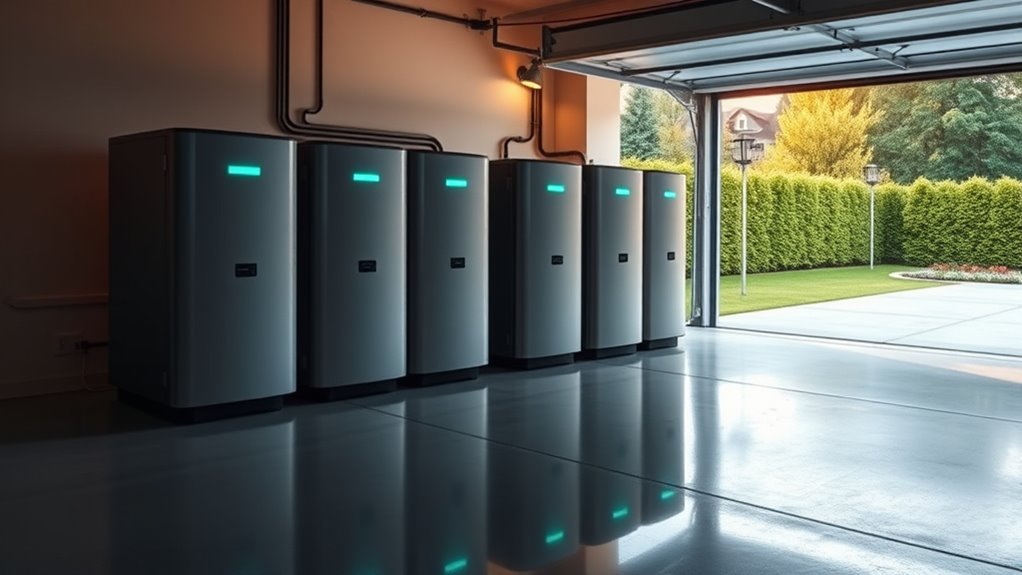

When power outages strike, having reliable home energy storage becomes essential. The UDPOWER S2400 stands out as the best overall choice thanks to its high capacity and multiple outlets, ideal for sustained backup. The EF ECOFLOW Delta Pro offers a powerful, portable solution with fast charging, perfect for larger homes or frequent outages. Meanwhile, the Jackery Explorer 300 provides a compact, easy-to-use option for small emergencies. Each option involves tradeoffs — larger capacity often means higher cost and size, while smaller units may lack enough power for essential appliances. Keep reading for a detailed breakdown to find the best fit for your needs.

Get the latest gadgets delivered free with Prime
- Fast, free delivery on millions of items
- Prime Video, Amazon Music and more included
- Member-only deals all year
Complete the kit


Key Takeaways
- Top-performing models combine high capacity with versatile outlets to support essential home appliances during outages.
- Larger batteries generally come with higher costs and bulk, making portability a key consideration.
- Pure sine wave inverters are important for sensitive electronics, but they often add to the price.
- Solar input capability can extend usage but often requires additional investment and setup.
- Choosing the right size depends on your power needs; overestimating can mean unnecessary expense, while underestimating leaves you unprepared.


| home energy storage for power outage | Capacity | Battery Type | Weight | Dimensions |
|---|---|---|---|---|
| UDPOWER S2400 Portable Power S | 2083Wh | LiFePO4 | 41 lbs | 15.8 x 9.5 x 10.1 inches |
| ABOK Ark3600 Portable Power St | 3840Wh (expandable to 11520Wh) | LiFePO4 | 92 lbs | 21.6"L x 12.6"W x 18.5"H |
| UDPOWER S1200 Portable Power S | — | LiFePO4 | — | 13.7"L x 9.53"W x 9.72"H |
| BLUETTI Elite 400 Portable Pow | 3840Wh | LiFePO4 | 86 lbs | 17"L x 11"W x 41"H |
| EF ECOFLOW Portable Power Stat | 3600Wh | LiFePO4 | 99 lbs | 25"L x 11.2"W x 16.4"H |
| Jackery Explorer 300 Portable | 292Wh | — | 7.5 lbs | — |
| EF ECOFLOW Portable Power Stat | 1024Wh | — | 26.7 lbs | — |
| Jackery HomePower 3600 Plus Po | 3584Wh | — | — | 34% smaller and lighter than comparable models |
| EBL 2400W Portable Power Stati | 1843.2Wh | LiFePO4 | 55 lbs | — |
| Anker SOLIX S2000 Portable Pow | 2010Wh | LiFePO4 | 35.7 lbs | — |
| BLUETTI AC180 Portable Power S | — | LiFePO4 | — | — |
| UDPOWER S1000 Pro Portable Pow | — | — | — | — |
More Details on Our Top Picks
UDPOWER S2400 Portable Power Station with Solar Panel Option, 2083Wh LiFePO4, 2400W (Surge 3000W) UPS, 6 AC Outlets, Emergency & Home Backup
The UDPOWER S2400 stands out for its impressive 2083Wh LiFePO4 battery combined with a 2400W rated output, making it a solid choice for emergency power and home backup. Its six AC outlets and multiple USB/DC ports support a wide array of devices, while the fast recharging capability—just 1.3 hours—ensures readiness after outages. Compared with the EF ECOFLOW DELTA Pro, it offers a more compact footprint with similar capacity, but at a slightly heavier weight of 41 lbs, which may reduce portability for some users. The automatic UPS switch-over is a key feature for critical devices, but the high price and need for compatible solar panels can be limiting factors. Overall, this model provides reliable, clean power with quick recharge times, making it ideal for homeowners seeking a versatile backup solution.
Pros:- High-capacity 2083Wh LiFePO4 battery with long lifespan
- Multiple outlets including 6 AC ports and USB options
- Fast recharging via AC or solar energy
Cons:- Relatively heavy at 41 lbs, less portable for frequent movement
- Higher price point compared to smaller models
Best for: Homeowners needing a reliable, portable backup capable of supporting multiple devices during outages
Not ideal for: Light travelers or those prioritizing ultra-light portability, due to its 41 lbs weight
- Capacity:2083Wh
- Rated Output:2400W
- Peak Output:3000W
- Battery Type:LiFePO4
- Charge Cycles:over 4000
- Dimensions:15.8 x 9.5 x 10.1 inches
- Weight:41 lbs
- Recharging Time:1.3 hours
- Solar Input:supports up to 440W
Our verdict“This power station is best suited for homeowners who want dependable, multi-device backup power with quick recharging and automatic UPS features.”
ABOK Ark3600 Portable Power Station 3600W, 3840Wh LiFePO4 Battery
The ABOK Ark3600 offers a substantial 3840Wh capacity with the ability to expand up to 11520Wh, making it ideal for extended outages or large off-grid setups. Its 3600W rated output supports multiple devices simultaneously, and the long lifespan of up to 10 years with over 4000 cycles provides durability for ongoing use. This model’s portability is aided by wheels and a compact profile, but at 92 pounds, it’s less suited for frequent carrying. Compared to the BLUETTI Elite 400, it provides more expansion options and a longer lifespan, though it comes at a higher initial cost. Its versatility with AC, solar, and car charging makes it a flexible choice for those who need serious backup capacity—though portability is limited.
Pros:- Massive capacity with 3840Wh, expandable to 11520Wh
- Long lifespan of up to 10 years and 4000+ cycles
- Multiple output options including AC, USB, and XT60 ports
Cons:- Heavy at 92 pounds, reducing portability
- High cost may be prohibitive for some users
Best for: Preppers or off-grid enthusiasts requiring extended power during outages or long-term RV use
Not ideal for: Users needing lightweight, portable solutions for frequent movement around the home or campsite
- Wattage:3600W
- Capacity:3840Wh (expandable to 11520Wh)
- Battery Type:LiFePO4
- Lifespan:up to 10 years
- Peak Power:4500W
- Weight:92 lbs
- Dimensions:21.6″L x 12.6″W x 18.5″H
- Input Power:1500W AC, 2000W PV, 120W car
- Runtime:1 hour at full load
Our verdict“This power station is designed for those who prioritize capacity and longevity over lightweight portability, making it excellent for long-term backup and off-grid use.”
UDPOWER S1200 Portable Power Station 1200W (Surge 1800W), Max 400W Solar Input, UPS, UL2743, for Home RV Emergency, Pure Sine Wave
The UDPOWER S1200 delivers 1200W of pure sine wave power, making it suitable for sensitive electronics during outages or outdoor adventures. Its 400W solar input allows for off-grid recharging, and with a 1800W surge capacity, it can handle short-term power spikes. Its lightweight design at just 25.8 pounds makes it highly portable, but the limited solar input speed and 1200W capacity restrict its use to smaller loads. Compared with the EF ECOFLOW DELTA 3 Classic, it’s more compact and easier to carry but supports fewer devices simultaneously. It’s an excellent choice for those needing reliable backup for essential electronics without the bulk.
Pros:- Pure sine wave output safe for sensitive devices
- Lightweight and portable at 25.8 lbs
- Fast charging with multiple ports, including USB-C PD
Cons:- Limited to 1200W continuous power, restricting larger loads
- Solar input of only 400W may be slow for off-grid recharging
Best for: Homeowners or campers needing a compact, reliable backup for essential electronics during outages
Not ideal for: Users with high power demands or wanting to run multiple appliances simultaneously for extended periods
- Wattage:1200W
- Peak Power:1800W
- Battery Type:LiFePO4
- Charge Time:fast charging
- Solar Input:max 400W
- Item Weight:25.8 lbs
- Dimensions:13.7″L x 9.53″W x 9.72″H
Our verdict“This model suits those needing a portable, dependable backup for critical electronics in small-scale applications or camping scenarios.”
BLUETTI Elite 400 Portable Power Station 3840Wh LiFePO4 Battery 2600W
The BLUETTI Elite 400 features a massive 3840Wh LiFePO4 battery, supporting a 2600W continuous output with surge capacity up to 3900W. Its nine versatile ports accommodate various devices, and the rapid 70-minute charging time makes it a compelling choice for quick turnaround during outages. Its dimensions and weight—86 pounds—make it less suited for frequent manual movement, but the built-in wheels ease transportation. Compared to the EF ECOFLOW DELTA Pro, it offers a similar capacity with fast charging, yet lacks some advanced app controls. Its high capacity and quick recharge make it perfect for those who want a reliable, high-power backup that’s still portable enough for most home uses.
Pros:- Large 3840Wh capacity suitable for extended outages
- Fast charging in just 70 minutes
- Multiple versatile ports for various device types
Cons:- Heavy at 86 lbs, limiting portability
- High price may be a barrier for some
Best for: Home users needing rapid recharge and high capacity in a portable form for backup and off-grid use
Not ideal for: Individuals seeking ultralight, highly portable units for frequent mobility
- Capacity:3840Wh
- Battery Type:LiFePO4
- Output Power:2600W
- Surge Power:3900W
- Charge Time:70 minutes to 80%
- Weight:86 lbs
- Dimensions:17″L x 11″W x 41″H
- Number of Outlets:9
- Maximum Power:2600W
Our verdict“This power station is ideal for users demanding high capacity and quick recharging without sacrificing portability too much.”
EF ECOFLOW Portable Power Station 3600Wh DELTA Pro, 120V 3600W AC Output
The EF ECOFLOW DELTA Pro offers a robust 3600Wh capacity with a 3600W continuous output and the ability to expand with additional batteries, making it a flexible option for comprehensive home backup. Its quick recharge, under three hours, combined with app-based smart control and X-BOOST technology, simplifies managing power needs during outages. While it’s heavier at 99 pounds, its extensive output capacity supports large appliances and multiple devices simultaneously. Compared with other models like the BLUETTI Elite 400, it emphasizes expandability and smart control but at a higher weight and complexity. This pick is best for users who want a powerful, expandable system capable of handling critical home loads during extended outages.
Pros:- Large 3600Wh capacity suitable for extensive backup
- Fast recharge under 3 hours
- Expandable with additional batteries or generators
Cons:- Heavy at 99 lbs, less portable
- Price not specified, potentially expensive
Best for: Homeowners seeking a powerful, expandable backup system with smart control features
Not ideal for: Those requiring ultra-lightweight solutions or primarily outdoor camping without home backup needs
- Wattage:3600W
- Capacity:3600Wh
- Battery Type:LiFePO4
- Charge Time:under 3 hours
- Number of Outlets:15
- Weight:99 lbs
- Dimensions:25″L x 11.2″W x 16.4″H
- Expandability:Yes
- App Control:Yes
Our verdict“This unit is best suited for users who need a high-capacity, smart, expandable backup solution capable of supporting whole-home loads during outages.”
Jackery Explorer 300 Portable Power Station, 292Wh
The Jackery Explorer 300 stands out for its ultra-lightweight design at just 7.5 pounds, making it ideal for camping and short-term emergency use. Compared to larger units like the EF ECOFLOW Delta 3 Classic, it offers less capacity but excels in portability and ease of use. Its LiFePO4 chemistry ensures over 4,000 charge cycles, translating into long-term reliability. However, its 292Wh capacity limits it primarily to small devices and quick charges, and the lack of included solar panels means additional investment is needed for solar recharging. This pick makes the most sense for those who prioritize portability over high power output and have modest backup needs.
Pros:- Extremely lightweight and portable
- Multiple charging options including USB-C
- Long-lasting LiFePO4 battery with over 4,000 cycles
- Supports fast solar charging
Cons:- Solar panels not included, requiring additional purchase
- Limited to 300W rated output, restricting larger appliances
Best for: Individuals needing a compact, portable power source for essential devices during short outages or outdoor activities
Not ideal for: Homeowners seeking to power large appliances or sustain longer outages, as capacity is too limited
- Weight:7.5 lbs
- Capacity:292Wh
- AC Outlets:2
- USB-C Port:100W PD
- USB-A Ports:2
- Car Port:120W
- Charge Cycles:over 4,000
Our verdict“This is best suited for users who need a reliable, portable power source for small devices and quick charges during outages or outdoor trips.”
EF ECOFLOW Portable Power Station Delta 3 Classic, 1024Wh, 1800W AC
The EF ECOFLOW Delta 3 Classic offers a substantial 1024Wh capacity with an 1800W continuous power output, making it suitable for powering multiple household essentials during outages. Its ability to recharge rapidly via solar in just 2.5 hours and control through a smart app sets it apart from smaller or less connected units like the Jackery Explorer 300. While it’s heavier at 26.7 pounds, it balances portability with power capacity, though the limited six outlets might restrict larger setups. Its LiFePO4 battery ensures longevity, but the weight and relatively higher price may deter those seeking a more portable or budget-friendly option. This makes the most sense for users who want a versatile, fast-recharging backup capable of handling multiple devices.
Pros:- High-capacity 1024Wh battery
- Fast solar recharge in 2.5 hours
- Smart app control for easy operation
- Supports multiple devices with 6 outlets
Cons:- Relatively heavy at 26.7 pounds
- Limited to 6 outlets which may be insufficient for larger setups
- Not compatible with Delta 2 Smart Extra Battery
Best for: Homeowners looking for a robust, fast-charging backup that can power several appliances simultaneously
Not ideal for: Users needing ultra-lightweight or minimal backup power, as the device’s weight can be cumbersome
- Capacity:1024Wh
- Output Wattage:1800W
- Surge Power:3600W
- Number of Outlets:6
- Weight:26.7 lbs
- Fast Solar Recharging:2.5 hours
Our verdict“This is a strong choice for those requiring a versatile, fast-recharging power station to handle multiple appliances during outages.”
Jackery HomePower 3600 Plus Power Station, 3584Wh, 3600W AC Output
The Jackery HomePower 3600 Plus provides an impressive 3584Wh capacity and 3600W output, designed to power household appliances for longer periods. Its high-temp resistant battery cells enhance safety, and its lightweight, luggage-style design simplifies transport. Compared with smaller units like the Anker SOLIX S2000, it offers significantly more power, making it suitable for whole-home backup. However, for very large homes or continuous power needs, multiple units are necessary, which can increase costs and complexity. Its charging times vary depending on the source, and the initial investment is higher. This makes it ideal for users seeking a portable, high-capacity backup that can handle essential appliances during prolonged outages.
Pros:- Massive capacity suitable for extended outages
- Multiple charging options including solar, AC, and gas generator
- Lightweight and portable with luggage-style design
- High-temperature resistant batteries for safety and durability
Cons:- Requires multiple units for very large power needs
- Charging times depend on method used
- Higher cost compared to smaller units
Best for: Homeowners requiring a portable, high-capacity backup system capable of powering multiple appliances over extended outages
Not ideal for: Those with small backup needs or limited budgets, as the unit’s price and setup complexity may be prohibitive
- Capacity:3584Wh
- AC Output:3600W
- Parallel Output:7200W
- Voltage:120V & 240V in parallel
- Lifespan:6,000 cycles
- Dimensions:34% smaller and lighter than comparable models
Our verdict“This is best for users who need a portable, high-capacity power station capable of supporting essential home appliances during prolonged outages.”
EBL 2400W Portable Power Station LiFePO4 Battery for Home Use
The EBL 2400W Portable Power Station offers a substantial 1843.2Wh capacity with a robust 2400W maximum output, making it well-suited for high-wattage devices. Its LiFePO4 battery promises over 3500 charge cycles, supporting a service life of more than 10 years, which is excellent for long-term backup. The multiple ports, including fast-charging USB-C, facilitate versatile device charging. Despite its portable design, weighing 55 pounds, it remains manageable with dual handles, although this weight limits casual portability. Compared to smaller units like the Jackery Explorer 300, it provides more power but at the expense of size and weight. It’s best for users who need reliable, high-wattage backup with long-term durability.
Pros:- High capacity of 1843.2Wh
- Over 3500 charge cycles for long lifespan
- Multiple ports including fast USB-C
- Supports simultaneous device charging
Cons:- Heavy at 55 pounds, difficult to move frequently
- Large size limits portability for some users
- Price not specified in data
Best for: Home users needing a reliable, high-capacity backup for high-wattage appliances and long-term use
Not ideal for: Those seeking a lightweight, portable option for frequent outdoor trips or small-scale needs
- Capacity:1843.2Wh
- Max Output:2400W
- Battery Type:LiFePO4
- Weight:55 lbs
- Charging Cycles:Over 3500
Our verdict“This unit is ideal for users who prioritize high wattage and longevity over ease of portability for home backup needs.”
Anker SOLIX S2000 Portable Power Station, 2010Wh, 3000W Peak
The Anker SOLIX S2000 combines a solid 2010Wh capacity with a 3000W peak power rating, making it suitable for running most essential appliances during outages. Its 1500W continuous power supports a variety of devices, and with a weight of just over 35 pounds, it balances portability with substantial capacity better than larger models like the HomePower 3600 Plus. Its long cycle life of 10,000 cycles indicates excellent durability, and multiple recharging options including solar make it versatile. However, the absence of a 12V DC port limits some device compatibility, and the limited outlets could restrict complex setups. This makes it a practical choice for users who want high power without excessive bulk.
Pros:- High capacity of 2010Wh
- Long lifespan of 10,000 cycles
- Supports multiple recharging methods including solar
- Powerful enough for most essential appliances
Cons:- No 12V DC port for some devices
- Limited outlet count on rear
- Runtime depends on device wattage and conditions
Best for: Home users or outdoors enthusiasts seeking a portable yet powerful backup for essential devices
Not ideal for: Users needing to run very high-wattage appliances or requiring extensive port options for large setups
- Capacity:2010Wh
- Peak Power:3000W
- Continuous Power:1500W
- Battery Type:LiFePO4
- Battery Cycle Life:10,000 cycles
- Weight:35.7 lbs
Our verdict“This unit suits users who desire a high-capacity, portable power station with a good balance of power and portability for backup needs.”
BLUETTI AC180 Portable Power Station 1152Wh 1800W LiFePO4 Solar Generator
The BLUETTI AC180 distinguishes itself with a rapid 1-hour full charge, making it ideal for emergency preparedness. Compared with the UDPOWER S1000 Pro, it offers a slightly lower maximum output but compensates with a faster recharge and a more compact design, making it a practical choice for quick power restoration. Its expandable output via app provides flexibility, yet the 1800W limit without the boost can be restrictive for larger appliances. The battery’s LiFePO4 chemistry ensures longevity and safety, but the price and need for multiple cables may be barriers for some users. This model suits homeowners who want dependable backup with quick recharge times, especially when space and speed matter.
Pros:- Fast 1-hour full charge for quick readiness
- High capacity with 1152Wh battery provides ample emergency power
- Expandable output via app offers future scalability
- Supports solar charging and emergency backup
Cons:- Limited to 1800W without app boost, restricting heavy loads
- Requires multiple cables for full functionality, adding complexity
- Price not specified, potentially a barrier for budget-conscious buyers
Best for: Homeowners seeking a reliable, fast-charging backup power source for essential appliances during outages
Not ideal for: Users needing to power high-wattage appliances over 1800W or requiring portable solutions for outdoor activities
- Battery Capacity:1152Wh
- Battery Type:LiFePO4
- Maximum Output:1800W
- Boosted Output:2700W
- Solar Input:500W
- Charge Time (AC):1 hour
- Charge Time (Solar):2.8-3.3 hours
- UPS Response Time:20 ms
- Warranty:5 years
Our verdict“This pick is perfect for homeowners who prioritize rapid, reliable emergency power with some flexibility for future expansion.”
UDPOWER S1000 Pro Portable Power Station, Solar Generator for Home Backup, RV, Camping
The UDPOWER S1000 Pro offers a substantial 2200W continuous output with a surge capacity of 3000W, making it well-suited for running multiple household appliances or larger devices during outages. It surpasses the BLUETTI AC180 in raw power, though it is significantly heavier at 41 pounds, which reduces portability for some users. Its lithium iron phosphate battery delivers over 3000 cycles, promising a long service life, especially for frequent use. Fast solar charging and quiet operation add to its appeal, but the limited 12V output may not satisfy every device, and its weight could deter portable outdoor use. This model is best for users needing high power and durability, especially in stationary or semi-permanent backup setups.
Pros:- High continuous power output of 2200W for multiple appliances
- Long-lasting battery with over 3000 cycles ensures durability
- Supports fast solar charging, reducing downtime
- Quiet operation with built-in safety features
Cons:- Heavy at 41 pounds, less portable for frequent mobility
- Limited to 12V output, which may restrict some device compatibility
- No detailed pricing info, which could influence purchasing decision
Best for: Homeowners or outdoor enthusiasts requiring high wattage for extended outages or RV use, where portability is less critical
Not ideal for: Individuals needing a lightweight, portable option for sporadic outdoor use or small-scale backup needs
- Wattage:2200W
- Fuel Type:Solar
- Power Source:Battery
- Voltage:12V
- Output Wattage:2200W
- Item Weight:41 pounds
- Battery Cycle Life:3000+ cycles
Our verdict“This is an excellent choice for users needing robust, long-term backup power with high wattage capacity, less suited for portable outdoor use.”

How We Picked
I evaluated each product based on capacity, power output, build quality, usability, and versatility. Reliability and safety features like UL certification and battery chemistry (LiFePO4 preferred for longevity) also played a major role. I prioritized options that balance capacity with portability and value, considering how well they support real power outage scenarios. Products were ranked by how effectively they meet essential backup needs, their ease of use, and overall durability, ensuring each choice offers meaningful benefits for different types of users.Factors to Consider When Choosing Home Energy Storage For Power Outages
Selecting the right home energy storage system involves understanding several key factors. Beyond capacity and size, it’s important to consider how the device integrates with your home, its charging options, and long-term value. Making the wrong choice can lead to wasted investment or insufficient backup power when it matters most. Here are the main considerations to keep in mind before purchasing.Capacity and Power Output
The primary factor is how much energy the system can store and deliver. Larger capacities ensure longer backup times, but they also tend to be bulkier and more expensive. If you only want to power essential electronics like phones, a smaller unit might suffice. Conversely, for running refrigerators, sump pumps, or multiple appliances, a higher capacity with a robust inverter is necessary.
Portability vs. Stationary Use
Some units are designed to be portable, ideal for RVs, camping, or moving around the house. Others are meant to stay in one place, offering a more permanent backup solution. Consider where you’ll keep the system and how often you’ll need to move it. Larger, high-capacity models may require wheels or handles to manage their weight.
Charging Options
Look at how the system charges — via AC wall outlets, solar panels, or both. Solar compatibility extends usability during extended outages but involves additional costs and installation considerations. Fast charging features are a plus for quick recovery after outages, especially if you need to restore power rapidly.
Battery Chemistry and Longevity
Battery chemistry impacts lifespan and safety. LiFePO4 batteries are more durable and safer than traditional lithium-ion cells, often lasting thousands of cycles. This means your investment pays off over years, especially if you experience frequent outages. Cheaper options might use less reliable chemistry, leading to shorter lifespans and higher replacement costs.
Cost and Value
Higher capacity and advanced features come at a premium. Balance your budget against your backup needs; overpaying for capacity you won’t use wastes money, while underspending risks insufficient power. Consider long-term savings, especially if you experience regular outages, to determine where to stretch your dollar.
Additional Features
Features like app control, multiple charging ports, or integration with home panels add convenience but may increase costs. Evaluate what features genuinely improve your user experience and whether they align with your outage scenarios. Simplicity can sometimes be better for straightforward backup needs.
Frequently Asked Questions
How much backup power do I need for my home during outages?
The amount depends on which appliances and devices you want to keep running. For basic essentials like phones, LED lights, and a small refrigerator, a unit with around 1000Wh might suffice. For more comprehensive backup, including sump pumps or heating, you’ll need a system with several thousand Wh of capacity and higher inverter wattage. Assess your critical devices and total their power consumption to determine the ideal size.
Can these battery systems be recharged with solar power?
Many of these units support solar input, which can be a game-changer during extended outages. Solar recharging allows you to replenish the battery without grid power, but it requires compatible panels and proper setup. Not all models include solar input, so check compatibility and your available sunlight hours before relying solely on solar recharging.
Are portable power stations safe to use indoors?
Yes, most modern portable power stations with proper battery chemistry like LiFePO4 are safe for indoor use, provided they are used according to the manufacturer’s instructions. They include safety features such as overload protection and thermal management. Always ensure good ventilation and avoid placing units in confined spaces to prevent overheating and ensure safety.
How long do these batteries typically last?
The lifespan of these batteries varies based on chemistry and usage. LiFePO4 batteries are rated for thousands of charge cycles — often over 2000 to 3000 cycles — translating to many years of reliable service. Cheaper lithium-ion options may last fewer cycles, making durability a key factor in long-term value. Regular maintenance, like avoiding complete discharges, can extend their life.
Should I invest in a system with a higher capacity than I currently need?
Opting for a larger capacity can provide extra flexibility during outages, especially if your power needs grow or if you experience longer outages. However, larger systems tend to be more expensive and less portable. It’s wise to balance your current needs with potential future demands, but overestimating can lead to unnecessary expenses — so consider both your immediate and future backup power requirements carefully.
Conclusion
For most homeowners looking for reliable backup power, the UDPOWER S2400 offers a balanced mix of capacity, portability, and features, making it the best overall pick. If budget is your main concern, the Jackery Explorer 300 provides a compact, affordable option for small emergencies. For those with larger homes or frequent outages, the EF ECOFLOW Delta Pro delivers premium power and rapid recharge capabilities. Beginners or infrequent users should prioritize simplicity and size, while experienced users needing extensive backup might opt for high-capacity models like the ABOK Ark3600. Consider your specific needs and budget, and choose a system that will reliably keep your home powered when it matters most.