TL;DR

Get the latest gadgets delivered free with Prime
- Fast, free delivery on millions of items
- Prime Video, Amazon Music and more included
- Member-only deals all year
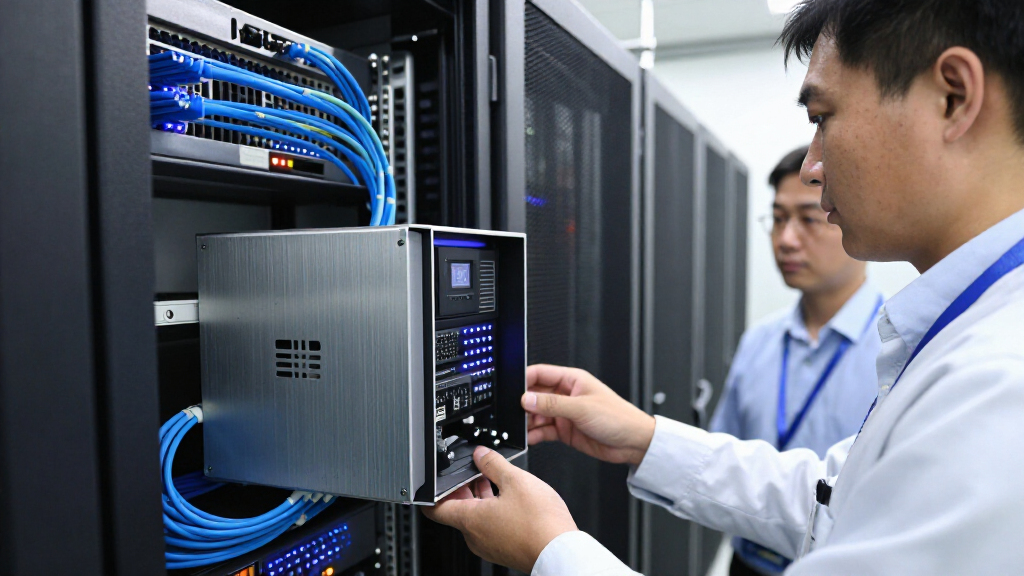
Diraq has installed an eight-qubit silicon spin quantum computer at Equinix’s Sydney data center, a deployment the company describes as the first of its kind in a commercial data center. The system uses less than 20 kilowatts and occupies 170 square feet; Diraq says it aims to increase the deployed system to as many as 256 qubits within a year.
Diraq has installed an eight-qubit silicon spin quantum computer at Equinix’s Sydney data center, putting the system in a commercial facility alongside conventional computing infrastructure. The company calls the installation the first commercial data center deployment of a silicon spin quantum computer; its current system draws less than 20 kilowatts and occupies 170 square feet.
The machine is operating at an Equinix facility in Sydney, Australia. Diraq says its silicon spin processors are made using semiconductor manufacturing processes used for conventional chips, and that customers could increase computing capacity by upgrading the quantum processor while making few changes to the surrounding data center infrastructure. The details provided do not independently establish how much of the system is produced through existing high-volume manufacturing.
The installed system currently has eight qubits. Diraq is targeting an upgrade to as many as 256 qubits within a year, a goal rather than a completed expansion. The company estimates that future utility-scale systems could draw around 300 kilowatts and take as little as 50 square feet. Those figures are projections, not measurements of the Sydney installation.
The announcement also includes Diraq’s new Quantum at Work report, which discusses possible uses in medicine, energy, materials, climate and transport. Its drug-development analysis estimates that a 10-percentage-point improvement in clinical trial success rates could save about US$600 million per medicine. That is a modeled potential benefit, not an outcome demonstrated by the deployed computer.
Quantum Hardware Enters Data Center Operations
Placing a quantum computer in an operating commercial data center is a practical test of whether this kind of hardware can be accommodated within facilities built for businesses’ existing computing needs. Data centers serve sectors including finance, health care, utilities, manufacturing and retail, so an installation there offers a setting in which to examine integration, space and power requirements beyond a laboratory.
The immediate scale is limited: the device has eight qubits, and the source material does not report a customer application or a useful computational result from it. The deployment is therefore a facilities and engineering milestone, not evidence that quantum computing is already delivering the report’s projected benefits in drug development. Its wider importance will depend on whether Diraq can expand the system and show that it can solve problems that matter to users.
For data center operators, the stated footprint and power use provide initial figures to compare with future deployments. Diraq’s estimates for larger machines may be relevant if achieved, but they remain company projections. The installation alone does not establish cost, performance or operational reliability at utility scale.
Products Worth Considering

Samsung 49-Inch Odyssey OLED G9 (G91SD) Dual QHD Curved Gaming Monitor

LG UltraGear 27-inch QHD OLED Gaming Monitor, 240Hz

Jackery HomePower 3600 Plus Portable Power Station, 3584Wh, 3600W
As an affiliate, we earn on qualifying purchases.
From Quantum Lab to Sydney Facility
Diraq’s announcement presents the Equinix installation as a move from laboratory research into commercial data center infrastructure. The company’s silicon spin approach uses quantum bits based on the spin of electrons in silicon, while its commercial argument centers on building processors through semiconductor techniques and fitting systems into existing facilities.
The report says Diraq recently advanced to Stage C of the U.S. Defense Advanced Research Projects Agency’s Quantum Benchmarking Initiative, which it describes as the program’s final stage. It also cites a US$38 million letter of intent with the Department of Commerce under the CHIPS and Science Act. These are separate developments cited by the company; neither establishes that the installed system has achieved utility-scale performance.
The medical figures are also forecasts rather than results from the Sydney deployment. Diraq says its estimate draws on a 2010 industry cost study published in Nature Reviews Drug Discovery and FDA approval data. The report argues that better modeling could help identify unsuccessful drug candidates earlier, but the source does not show that this quantum computer has performed such modeling or changed clinical trial outcomes.
““We are now at a point where quantum computing can start to reach industries and the people they serve.””
— Andrew Dzurak, Diraq chief executive and founder
Performance and Upgrade Still Unproven
The announcement does not provide independent verification of Diraq’s claim that this is the first commercial data center deployment of a silicon spin quantum computer. It also does not describe the system’s measured computational performance, error rates, uptime, customer access or any completed commercial workload.
The target of up to 256 qubits within a year has not yet been met. The source does not specify a delivery schedule for intermediate upgrades or explain what technical milestones could affect the target. Future power, space and cost figures are estimates, and the claimed clinical-trial savings depend on improvements that have not been demonstrated by this installation.
Tracking the 256-Qubit Target
The next stated milestone is Diraq’s planned increase of the Sydney system to as many as 256 qubits within a year. Updates that report whether the upgrade happens, how the system performs and whether it supports a customer workload would help clarify the practical significance of the deployment.
Readers should also distinguish the data center installation from the report’s potential applications. Evidence of a completed quantum computation relevant to drug development, along with independently assessable performance and operating data, would be needed to judge whether the projected medical and economic effects are attainable.
Key Questions
What did Diraq install?
Diraq says it installed an eight-qubit silicon spin quantum computer at Equinix’s Sydney data center. The company describes it as the first commercial data center deployment of this technology.
How much space and power does the system use?
Diraq reports that the current system occupies 170 square feet and draws less than 20 kilowatts. Its estimates for future, larger systems are projections, not measurements of this installation.
Does the computer already improve drug development?
The source does not report that the installed computer has improved drug development or clinical trial outcomes. The approximately US$600 million per medicine figure is a modeled estimate tied to a hypothetical 10-percentage-point increase in trial success rates.
What happens next?
Diraq says it is targeting an expansion to as many as 256 qubits within a year. The announcement does not provide independent performance results or confirm that the upgrade has taken place.
Source: thequantuminsider.com