
TL;DR

Get the latest gadgets delivered free with Prime
- Fast, free delivery on millions of items
- Prime Video, Amazon Music and more included
- Member-only deals all year
A new initiative is testing daily postpartum check-ins for first-time mothers discharged before six weeks. The goal is to improve recovery monitoring and prompt timely care. Results are pending from initial pilot studies.
A new pilot program is testing daily postpartum check-ins for first-time mothers discharged before their six-week follow-up, aiming to improve recovery monitoring and reduce postpartum risks. The initiative targets a known gap in postpartum care, with potential to reshape early postpartum support and reduce complications during the high-risk first two weeks after birth.
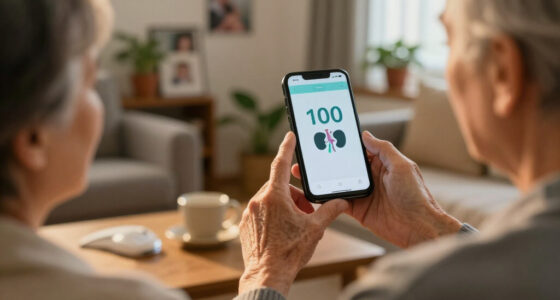
The program involves recruiting 15 first-time mothers within 48 hours of hospital discharge. Participants will receive daily check-ins via smartphone for two weeks, which will gather data on recovery progress, mental health, and feeding. The check-ins are designed to surface symptoms that may require medical attention, prompting mothers to contact their healthcare providers if needed.
The approach builds a personalized recovery profile based on delivery details, feeding method, and mental health baseline. It aims to fill the gap left by standard postnatal care, which typically involves a single check-up at six weeks and minimal contact in the interim. The program is being tested as a minimal viable product (MVP), with plans to measure completion rates and appropriate care-seeking behavior.
Potential Impact on Postpartum Care Standards
This initiative could significantly improve postpartum outcomes by providing timely, personalized support during a vulnerable period. It addresses the gap in early postpartum monitoring, which has been linked to preventable complications such as infections, hemorrhage, or mental health crises. If successful, it could lead to widespread adoption of daily check-ins, reducing hospital readmissions and improving maternal health metrics.
As an affiliate, we earn on qualifying purchases.
Addressing the Postpartum Monitoring Gap
Current postpartum care often relies on a single six-week follow-up, leaving a critical two-week window where mothers are at higher risk for complications. Maternal health campaigns have highlighted this gap, emphasizing the need for more continuous support. Smartphone technology now makes daily, personalized check-ins feasible, offering an opportunity to transform postpartum care.
Previous studies indicate that early detection of warning signs can prevent severe complications. However, systematic monitoring during this period remains uncommon, partly due to resource constraints and lack of standardized protocols. This pilot aims to test a scalable, technology-enabled solution to address this issue.
“Implementing daily check-ins could be a game-changer in postpartum care, especially for first-time mothers discharged early.”
— an anonymous researcher
Unanswered Questions About Pilot Outcomes
It is not yet clear whether daily postpartum check-ins will significantly reduce complications or improve maternal satisfaction. The pilot results are pending, and questions remain about scalability, cost, and integration into existing healthcare systems. Additionally, the long-term impact on maternal health outcomes is still to be determined.
Next Steps for Validation and Expansion
The pilot study will conclude within a few months, with researchers analyzing completion rates, symptom reporting accuracy, and care-seeking behavior. If results are positive, plans include expanding the program to more participants, refining the digital interface, and exploring integration with healthcare providers and payers. Further studies will assess long-term benefits and cost-effectiveness.
Key Questions
How will daily postpartum check-ins improve maternal health?
They aim to provide timely detection of warning signs, personalized recovery guidance, and prompt medical contact, reducing risks during the critical first two weeks postpartum.
Who is eligible to participate in this pilot program?
First-time mothers discharged from the hospital within 48 hours of delivery, before their six-week follow-up appointment, are eligible.
Will this program replace in-person postpartum visits?
No, it is designed to supplement existing care, especially during the high-risk early postpartum period, and does not replace scheduled in-person visits.
When will the results of this pilot be available?
Results are expected within the next few months, after data collection and analysis are completed.
Could this approach be scaled nationally?
If proven effective, the program could be scaled with integration into healthcare systems and insurance coverage, but further validation is needed first.
Source: IdeaNavigator AI
Halloween Picks
halloween
As an affiliate, we earn on qualifying purchases.