
Setting up a smart home is now easier thanks to advancements like all-in-one control apps, which simplify managing devices, security features, and automation. Voice control integration makes operating your system effortless with popular assistants like Alexa and Google. Pre-packaged smart home kits and straightforward installation guides remove common frustrations, while compatibility improvements guarantee devices work smoothly together. As technology keeps evolving, you’ll discover even more ways to make your smart home setup seamless and stress-free.

Get the latest gadgets delivered free with Prime
- Fast, free delivery on millions of items
- Prime Video, Amazon Music and more included
- Member-only deals all year
Key Takeaways
- Voice assistant integration simplifies device control through easy setup and natural language commands.
- All-in-one control apps centralize management, reducing complexity and enhancing user experience.
- Smart home kits provide pre-configured devices for seamless, plug-and-play installation.
- Improved device compatibility and standardized protocols prevent setup issues and ensure long-term integration.
- Step-by-step guides and intuitive designs make installation and troubleshooting straightforward for users.

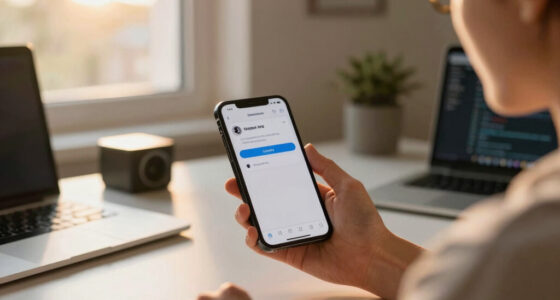
Setting up a smart home might seem intimidating at first, but with the right approach, it’s straightforward and even enjoyable. Today’s technology has made it easier for you to create a connected living space that’s convenient, efficient, and secure. One of the biggest benefits is voice control. Instead of fiddling with apps or switches, you can simply speak commands to control your devices. Whether you want to turn on the lights, adjust the thermostat, or play music, voice assistants like Alexa, Google Assistant, or Siri make it effortless. Configuring voice control is usually as simple as connecting your smart devices to your preferred voice platform. Most devices come with straightforward instructions, and many are compatible with multiple voice assistants, giving you flexibility.
Setting up a smart home is easy with voice assistants like Alexa, Google, or Siri, making control effortless and flexible.
Security systems have also seen significant advancements, making home security more accessible and easier to manage. Modern security systems often come with wireless cameras, door sensors, and smart locks that you can install yourself. You don’t need to be a tech expert to set them up. Many systems offer step-by-step guides or even app-based tutorials that walk you through installation. Once installed, you can monitor your home remotely through your smartphone, receive instant alerts if any unusual activity is detected, and even lock or release doors from afar. These features not only boost your home’s security but also give you peace of mind, knowing you’re always connected to your space. Wireless security technology continues to improve, making it easier for homeowners to maintain safety effortlessly.
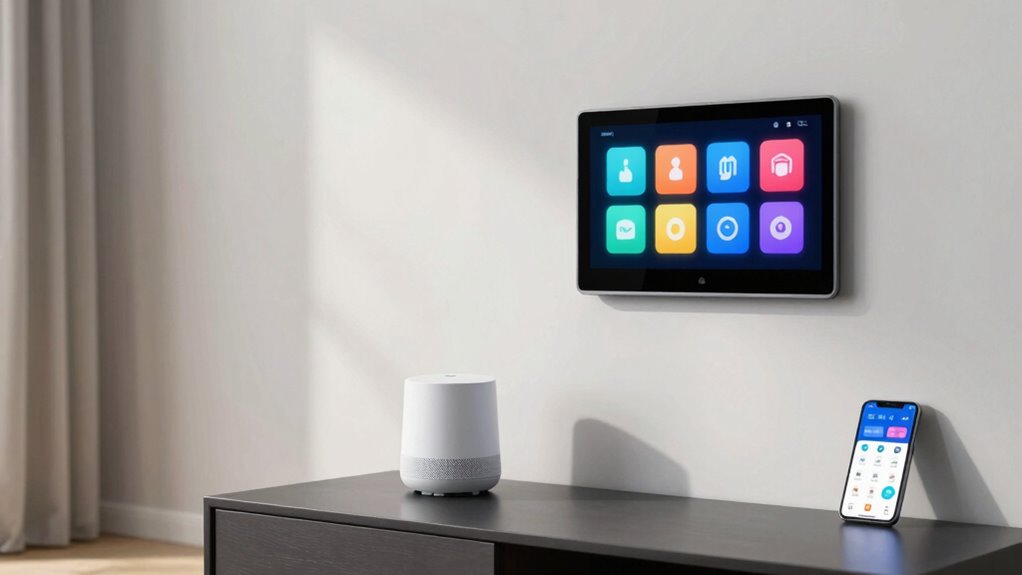
Another reason setup is becoming easier is the proliferation of all-in-one apps. Instead of juggling multiple apps for different devices, you now have centralized platforms where you can control everything from lighting to security. These apps often feature intuitive interfaces, making it simple to customize routines or schedules. For example, you can set your lights to turn on at sunset, activate your security system when you leave, or have your music start playing when you arrive home—all with just a few taps or voice commands. The integration of smart device compatibility has further simplified the process, ensuring that a variety of devices can work together seamlessly. Additionally, the development of unified control platforms has reduced the complexity of managing multiple ecosystems, making the entire experience more user-friendly.
Moreover, the rise of smart home kits means you can buy a package that includes multiple compatible devices designed to work together seamlessly. This reduces the guesswork and compatibility issues that once made smart home setups complicated. Manufacturers are also improving their products’ compatibility with various ecosystems, ensuring you can mix and match devices without headaches. Innovations in interoperability continue to enhance the ease of setup, allowing even beginners to enjoy a fully integrated smart home. As a result, selecting devices that support standardized communication protocols can further streamline the process and ensure long-term compatibility. With these innovations, setting up a smart home no longer requires extensive technical knowledge or hours of troubleshooting. Instead, you’re empowered to customize your living space easily, making your home smarter without the stress.
Products Worth Considering

Sonos Era 100 Wireless Smart Speaker, Black

Sony WH-1000XM4C Wireless Noise-Cancelling Headphones, Black

Sony WH-1000XM6 Wireless Noise-Canceling Over-Ear Headphones, Blue, Bundle
As an affiliate, we earn on qualifying purchases.
Frequently Asked Questions
Do I Need Technical Skills to Set up a Smart Home?
You don’t need extensive technical skills to set up a smart home. With DIY installation options, you can easily connect devices yourself, often following step-by-step guides. Many smart home products feature user-friendly interfaces, making setup straightforward even for beginners. These tools simplify the process, so you can enjoy automation and control without fuss. Just follow instructions, and you’ll have your smart home up and running in no time.
How Secure Are Smart Home Devices From Hacking?
Smart home devices can be secure if you take proper precautions. They often use encryption protocols to protect your data, making hacking more difficult. However, firmware vulnerabilities can pose risks if devices aren’t regularly updated. To stay safe, keep your devices’ firmware current, choose reputable brands, and enable strong, unique passwords. These steps help minimize vulnerabilities and improve your smart home security.
Can I Expand My Smart Home System Later?
Yes, you can expand your smart home system later. Imagine seamlessly adding new devices like voice control speakers or energy monitoring sensors, as if they’re pieces of a puzzle fitting perfectly. Modern systems are designed for scalability, so you can easily integrate smart lights, thermostats, or security cameras whenever you want. This flexible setup allows your smart home to grow with your needs, making future upgrades simple and intuitive.
What’s the Average Cost to Set up a Smart Home?
The average cost to set up a smart home ranges from $1,000 to $5,000, depending on your system’s complexity and devices. Investing in Smart Home Automation can boost energy efficiency, saving you money long-term. Basic setups with smart bulbs and thermostats are more affordable, while advanced systems with security and automation features cost more. You can start small and expand as your needs and budget grow.
Are Smart Home Devices Compatible Across Brands?
Many smart home devices now offer good brand compatibility, but device interoperability can vary. You might find that some brands work seamlessly together, especially if they use common standards like Zigbee or Z-Wave. However, not all devices from different brands will always communicate perfectly. To guarantee smooth integration, check compatibility details before buying, and consider sticking to a single ecosystem or using a smart hub that supports multiple brands.
Conclusion
So, after all this talk about how simple smart home setups are becoming, it’s almost funny—how we once thought technology would always be complicated. Now, you can have a smart home with just a few taps, yet somehow, it feels like we’re still waiting for the “easy” button to arrive. But hey, if you’re ready to embrace the future, setting up your smart home might just be the easiest thing you’ll do today—ironic, isn’t it?