📊 Full opportunity report: Phone-Free Event Operations, Made Easier on IdeaNavigator AI — validation score, market gap, and execution plan.

Get the latest gadgets delivered free with Prime
- Fast, free delivery on millions of items
- Prime Video, Amazon Music and more included
- Member-only deals all year
TL;DR
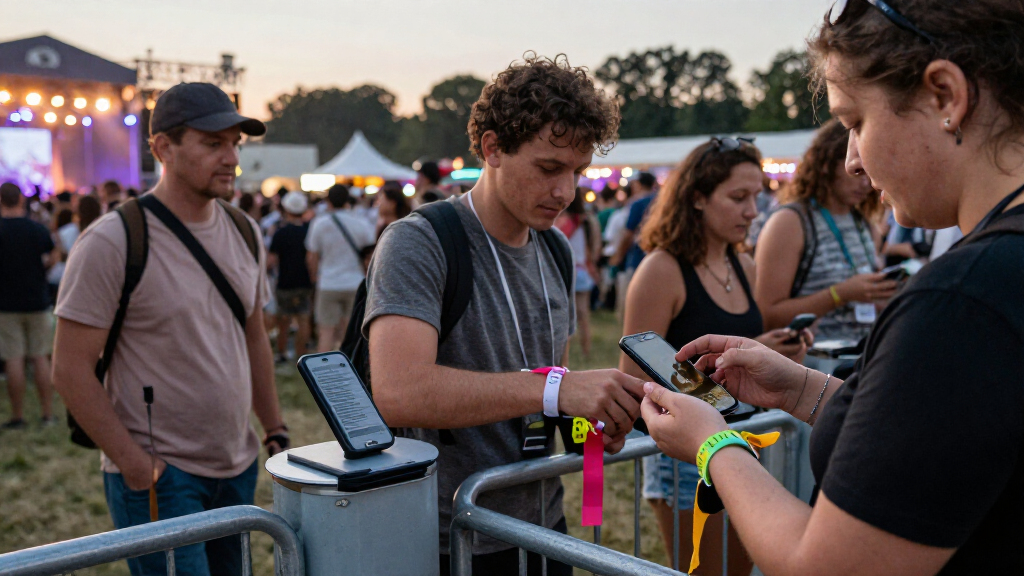
A proposal outlines an operations tool for venues and institutions that use locked phone pouches, with check-in, exception, inventory and emergency-unlock functions. It recommends testing the software at five venues and three schools; no pilot results, product launch or customer commitments are reported.
IdeaNavigator AI’s proposal describes an operations tool for phone-free events, schools and other institutions that use locked phone pouches. It would organize check-in, pouch inventory, exceptions and emergency unlocking. The proposal recommends testing the software at five venues and three schools, but reports no completed pilot, product launch or measured results.
According to the IdeaNavigator AI proposal, the suggested tool would support check-in flows and an exception registry for people with medical needs or on-call responsibilities. It would also track pouch inventory, provide designated emergency-unlock stations with logged reasons, and produce post-event operations reports. The proposal describes the software as hardware-agnostic, meaning it would work alongside different pouch systems rather than require a particular brand.
The proposal identifies an operational problem rather than a need for new pouch hardware. It says phone-free events can depend on improvised procedures for lost pouches, medical exceptions and emergency access, and that re-entry lines can delay eventgoers. These points are the proposal’s rationale; it provides no venue data showing how often the problems occur or how much time they cost.
For validation, IdeaNavigator AI recommends pilots at five venues and three schools. The proposal says operators would compare exception-handling time and incident-log completeness with their current process. It suggests a per-event fee or a per-site subscription as possible pricing models. It does not name a developer, identify a committed buyer or provide financial projections.
Reducing Friction Around Phone Pouches
If the operational problems described in the IdeaNavigator AI proposal are common, a shared workflow could help staff handle exceptions and emergency access without relying on ad hoc arrangements. The proposal also suggests inventory tracking and incident records could give operators a clearer account of pouch use and problems during an event or school day.
The idea addresses a practical gap between a phone-free policy and the work required to run it. A pouch system may restrict phone access, but staff still need procedures for people who require exceptions, devices that cannot be located, and urgent situations. As the proposal itself implies, the potential value depends on whether software can make those tasks faster and more consistent without adding steps or creating a new bottleneck.
For readers evaluating the concept, the proposed pilot is more important than the product features alone. IdeaNavigator AI proposes measuring exception-handling time and incident-log completeness to assess whether the tool improves operations compared with existing practice. Until results are reported, claims about reduced queues, smoother events or lower staff workload remain unverified.
phone pouch check-in management software
As an affiliate, we earn on qualifying purchases.
As an affiliate, we earn on qualifying purchases.
From Pouch Hardware to Staff Workflows
The IdeaNavigator AI proposal targets operators of phone-free shows, comedy clubs, schools and courts that already use pouch systems. It frames the product as an operational layer that could sit alongside those systems, rather than as a replacement for the physical pouches.
The proposal’s timing rationale is that phone restrictions are spreading across settings, including schools, comedy tours and courtrooms. It supplies no adoption figures, policy dates or independent evidence establishing the pace of that spread. The central question is whether the administrative work is frequent and costly enough for operators to pay for dedicated software.
IdeaNavigator AI proposes first testing a defined set of workflows with a small number of venues and schools before treating the idea as a proven market. Its suggested measures—exception-handling time and incident-log completeness—would let operators compare the tool with the processes they currently use.
Pilot Results and Buyer Demand
The IdeaNavigator AI proposal reports no pilot results and does not say whether any venues or schools have agreed to participate. It also provides no product demonstration, launch schedule, price, customer testimonials or evidence that operators have budgeted for this type of tool.
The proposal does not quantify the scale of the operational problems. It remains unclear how often pouch loss, medical exceptions, emergency unlocking or re-entry delays occur, and whether those issues are severe enough to justify another system for staff to operate. The suggested pilot metrics could address some of those questions, but no baseline figures or success thresholds are provided.
The proposal also leaves open how a hardware-agnostic tool would connect with different pouch procedures, how access to exception records would be controlled, and what information incident logs would retain. It describes intended features, not a built product or a tested approach to those implementation questions.
Testing the Proposed Venue Workflow
The next step outlined by IdeaNavigator AI is to recruit five venues and three schools for pilots. The proposal says those sites would document their current exception-handling and incident-recording practices, then compare them with the tool’s workflows during testing.
An assessment should report how measures were collected, the comparison period, and whether results differed between event venues and schools. Operators would also need to determine whether the software fits their existing pouch procedures and whether per-event or per-site pricing is workable. Until testing results are reported, the concept remains a product proposal, not a demonstrated solution.
Source: IdeaNavigator AI proposal
Key Questions
What is the proposed tool?
IdeaNavigator AI describes a proposed software layer for organizations using locked phone pouches, with check-in, exception records, pouch inventory tracking, emergency-unlock logs and post-event reports.
Has the tool been launched or tested?
The IdeaNavigator AI proposal reports no launch or completed pilot. It recommends testing the tool at five venues and three schools.
Who is the proposed product for?
According to the proposal, the intended users are operators of phone-free shows, comedy clubs, schools and courts that use pouch systems.
How would the pilots measure results?
The proposal suggests comparing time spent handling exceptions and the completeness of incident logs with each site’s current process. It provides no baseline or results.
How might the product make money?
The proposal suggests per-event or per-site subscription pricing, but gives no prices and reports no customer commitments.
Source: IdeaNavigator AI
Halloween Picks
halloween
As an affiliate, we earn on qualifying purchases.