

OAuth and OpenID Connect are protocols that help you securely log in to online services without sharing passwords. OAuth allows apps to access your data with your permission, while OpenID Connect verifies your identity across platforms. These technologies use tokens and standardized flows to protect your information and provide seamless, safe access. If you want to understand how these systems keep your digital identity secure, there’s more to explore below.
Key Takeaways
- OAuth enables secure authorization by allowing third-party apps to access user data without sharing passwords.
- OpenID Connect builds on OAuth to provide reliable user authentication and identity verification.
- Both protocols facilitate seamless, standardized login experiences across websites and applications.
- They enhance security by using tokens and multi-factor authentication, reducing data breach risks.
- Blockchain and biometric integrations further strengthen digital identity security and user control.

Have you ever wondered how your online presence truly represents who you are? When you log into a website or app, you’re often sharing more than just a username and password. Your digital identity is a complex combination of data points that verify your identity and grant access to various services. To streamline this process, technologies like OAuth and OpenID Connect have become essential, helping you authenticate securely without exposing sensitive information. These protocols are designed to improve user experience while maintaining robust security measures. They allow you to grant third-party applications access to your data without sharing your passwords directly, reducing the risk of data breaches. Instead, they rely on tokens and standardized flows to authorize access, making the process seamless and safer. Implementing multi-factor authentication further enhances security by requiring additional verification steps beyond simple credentials.
As digital identities evolve, new methods like biometric authentication are gaining prominence. Instead of traditional passwords, biometric data—such as fingerprints, facial recognition, or retina scans—offer a more secure and user-friendly way to verify who you are. When you use biometric authentication, your unique biological traits act as your digital signature, making it much harder for someone else to impersonate you. This method not only enhances security but also simplifies login processes, eliminating the need to remember complex passwords. As biometric authentication becomes more widespread, integrating it with protocols like OAuth and OpenID Connect ensures that your biometric data remains protected while enabling convenient access to your digital services.
Blockchain identity is another innovative development shaping digital identity management. It leverages blockchain technology to create decentralized and tamper-proof records of your identity attributes. With blockchain identity, you control your personal data, deciding when and with whom to share specific information. This decentralization reduces reliance on centralized authorities and minimizes risks associated with data breaches. When combined with OAuth and OpenID Connect, blockchain identity frameworks can provide a secure, transparent, and user-centric approach to managing digital identities. You benefit from enhanced privacy controls and the ability to verify your identity across multiple platforms without exposing your complete personal data. Additionally, incorporating identity verification practices rooted in secure storage solutions supports a trustworthy digital ecosystem.

Yubico – YubiKey Bio C (FIDO Edition) – Basic Compatibility – Multi-Factor authentication (MFA) Security Key and passkey, Connect via USB-C, Biometric, FIDO Certified – Protect Your Online Accounts
FIDO-ONLY FUNCTIONALITY: Supports FIDO2 (passkeys) and FIDO U2F protocols for passwordless and second-factor authentication. Does not support OTP,…
As an affiliate, we earn on qualifying purchases.
As an affiliate, we earn on qualifying purchases.
Frequently Asked Questions
How Does OAUTH Differ From Traditional Login Methods?
OAuth differs from traditional login methods by using session tokens instead of usernames and passwords, making it more secure and flexible. You grant consent for third-party apps to access your data without sharing your credentials. This process streamlines login, enhances privacy, and simplifies consent management, allowing you to control what information you share. Unlike traditional methods, OAuth minimizes risks by delegating access securely through tokens.
Can Openid Connect Replace Passwords Entirely?
Think of OpenID Connect as a master key, promising to replace passwords entirely. While it streamlines user authentication and reduces password management burdens, it may not eliminate passwords everywhere just yet. Some sites still require traditional logins. OpenID Connect acts as a trusted messenger, simplifying access, but in complex systems, passwords might still linger. So, it’s a promising step, yet not a universal password substitute at this moment.
What Are the Security Risks Associated With OAUTH?
You face security risks with OAuth like token hijacking, where attackers steal tokens to access your data, and scope escalation, which allows malicious actors to gain broader permissions than intended. To protect yourself, guarantee the use of secure channels, implement proper token expiration, and validate tokens thoroughly. Staying vigilant helps prevent unauthorized access and keeps your digital interactions safer.
How Do OAUTH and Openid Connect Work Together?
You use OAuth and OpenID Connect together to enable third-party integrations while ensuring security. OAuth handles authorization, allowing apps to access your data with your permission, while OpenID Connect adds authentication, confirming your identity. When you log in via a third-party, you give user consent, and these protocols work behind the scenes to securely share information, making integrations seamless and safe without exposing your credentials.
What Are Common Use Cases for OAUTH and Openid Connect?
You use OAuth and OpenID Connect for common scenarios like third-party integrations and access delegation. They let you securely grant apps limited access to your data without sharing passwords. For example, when you log into a service using your Google account, OAuth handles the authorization, while OpenID Connect verifies your identity. This setup simplifies authentication and enhances security, making it easier to connect different apps and services seamlessly.
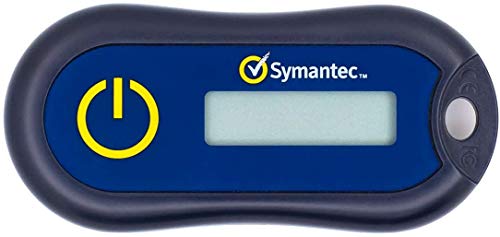
Symantec VIP Hardware Authenticator – OTP One Time Password Display Token – Two Factor Authentication – Time Based TOTP – Key Chain Size
Standard OATH compliant TOTP token (time based)
As an affiliate, we earn on qualifying purchases.
As an affiliate, we earn on qualifying purchases.
Conclusion
In the world of digital identity, OAuth and OpenID Connect are your ultimate superheroes, saving you from the chaos of insecure logins and identity theft. Mastering these protocols means you’re wielding the power to protect your online life with the force of a thousand shields. Forget confusion—embrace these technologies and become unstoppable in safeguarding your digital presence. Trust me, once you get it, you’ll wonder how you ever managed without them—it’s like having a digital fortress at your fingertips!

Token2 miniOTP-2-i programmable Two-Factor Security Token with time sync
Works with authentication systems that support TOTP tokens: Google, Facebook, Coinbase, GDAX, Dropbox, GitHub, Kickstarter, Microsoft, TeamViewer, etc.
As an affiliate, we earn on qualifying purchases.
As an affiliate, we earn on qualifying purchases.

Self-Sovereign Identity: Decentralized digital identity and verifiable credentials
As an affiliate, we earn on qualifying purchases.
As an affiliate, we earn on qualifying purchases.