

To plan your digital estate effectively, start by inventorying all your online accounts, including passwords, keys, and contact info, and store this securely, like in a password manager or encrypted vault. Choose a trusted digital executor to handle your assets and clearly communicate your wishes with detailed instructions. Regularly review and update your plan to reflect any changes. Keep in mind legal considerations and technological tools to protect and transfer your digital legacy smoothly. If you continue, you’ll discover how to organize these essential elements seamlessly.
Key Takeaways
- Create a secure, organized inventory of all digital assets, including login credentials, account numbers, and access details.
- Use encrypted password managers and vaults to store keys, codes, and sensitive information securely and accessibly.
- Designate a trusted digital executor or trustee, clearly communicating their responsibilities and access instructions.
- Regularly review and update your digital estate plan, including passwords, assets, and access rights, especially after major life changes.
- Understand legal considerations and platform policies regarding digital inheritance to ensure proper transfer and management of digital assets.

NordPass® Password Manager: Autofill and save passwords in an encrypted vault
Auto-fill passwords, credit card details, and personal information fields with just a few clicks.
As an affiliate, we earn on qualifying purchases.
As an affiliate, we earn on qualifying purchases.
Understanding Digital Assets and Their Value

Have you ever considered how much your digital world is worth? Your digital assets include more than just social media profiles—they encompass financial accounts, personal photos, emails, and even digital collectibles like NFTs. These assets hold sentimental value, financial worth, or both. For example, cryptocurrency wallets can contain significant funds, while family photos stored online preserve memories for generations. Business assets like domain names and intellectual property can be valuable business resources. Recognizing the scope and value of these digital possessions helps you plan better. Understanding the types of digital assets and their significance can guide you in making informed decisions. Each asset type may require different handling—some need secure storage, others need designated beneficiaries or digital heirs. Understanding what you own online is the first step toward protecting and transferring your digital estate effectively. Additionally, considering the contrast ratio of projectors can improve your home cinema experience, making your digital media even more immersive.

Estate Kit – Personal File Organization Kit and Estate Planning Kit, Systematic Organisation of Document Organizer and Planning, Detailed Instructions for Living Wills, Last Wills and testaments, POA
【Estate Planning organizer Kit】Detailed instructions are provided to guide you through each document, helping you plan and delegate…
As an affiliate, we earn on qualifying purchases.
As an affiliate, we earn on qualifying purchases.
Inventorying Your Digital Footprint

Start by making a thorough list of all your digital accounts, including social media, email, banking, and online services. Record the login details and access credentials for each, keeping them secure yet accessible to trusted individuals. Staying organized now guarantees your digital assets are properly managed and easily transferred when needed. Additionally, consider documenting your privacy policies and cookie preferences to ensure your digital footprint is comprehensively accounted for. Regularly reviewing and updating this inventory helps maintain an accurate record of your digital presence and can assist in identifying any unauthorized access or accounts that may need to be closed or secured. Incorporating security measures, such as two-factor authentication, can further protect your accounts from potential breaches. Understanding the digital footprint you leave behind is essential for effective estate planning. Being aware of your online presence can also help you better manage your digital legacy and ensure your wishes are honored.
Catalog Digital Accounts
Creating a thorough inventory of your digital accounts is a vital first step in digital estate planning. You need to list every online account, including social media, email, banking, and digital wallets. Record the username, service provider, and any associated account numbers. Where possible, note down or securely store login credentials, or at least keep a reference to where they are stored. Regularly update this list to reflect new accounts or changes. This detailed catalog helps you and your executor understand what digital assets exist, simplifying access and management after your incapacity or passing. It also minimizes the risk of overlooked accounts or forgotten assets, ensuring your digital footprint is fully accounted for and protected according to your wishes. Additionally, maintaining an organized digital account inventory can streamline the process of managing your online presence and ensure compliance with privacy preferences and legal considerations. Properly documenting your digital assets can prevent situations where important accounts are left inaccessible or unmanaged. Keeping this inventory up to date is essential for effective digital estate planning, which can save time and reduce stress during difficult times. Moreover, understanding the importance of security measures can help protect your accounts from unauthorized access during your lifetime and after. Implementing strong, unique passwords and enabling two-factor authentication are key components of account security that contribute to safeguarding your digital estate.
Record Access Credentials
To effectively inventory your digital footprint, you need to gather and document all access credentials for your online accounts. This means listing usernames, passwords, security questions, and account numbers securely. Keeping this information organized to ensure trusted individuals can access your digital assets when needed is essential. Use a secure method, like an encrypted vault or password manager, to store these details. Here’s a simple example:
| Account Type | Credentials |
|---|---|
| user@example.com / password123 | |
| Social Media | @username / passw0rd! |
| Banking | BankName / 987654321 |
| Cryptocurrency | Wallet ID / private key |
| Cloud Storage | Dropbox / mydropboxpass |
Regularly update this list to reflect new accounts or changes, and keep it in a safe, accessible location. Incorporating digital security best practices is essential to protect your sensitive information from unauthorized access, especially considering the importance of account security. Ensuring access control is properly managed helps prevent unauthorized use of your accounts and personal data. Additionally, understanding how to manage digital keys and codes can further enhance your digital estate planning. Incorporating awareness of angel number soulmates can also provide guidance on love and relationships during your planning process.

Atlancube Offline Password Keeper – Secure Bluetooth Drive with Autofill, Store 1,000 Credentials, Military-Grade Encryption for Safe Password Management (Black)
Auto-Fill Feature: Say goodbye to the hassle of manually entering passwords! PasswordPocket automatically fills in your credentials with…
As an affiliate, we earn on qualifying purchases.
As an affiliate, we earn on qualifying purchases.
Designating a Digital Executor or Trustee

Choosing the right person to serve as your digital executor or trustee is essential, as they’ll handle your online assets after you’re gone. You need to clearly define their responsibilities, including managing passwords, closing accounts, or preserving digital memories. Communicating your decision openly ensures your trusted individual understands their role and your expectations. Additionally, understanding data privacy challenges helps ensure your digital executor is aware of legal considerations related to data security and compliance. Being aware of security vulnerabilities in new technologies can further inform your choice and preparation of your digital estate plan. Recognizing the importance of privacy policies and cookie management can also guide your executor in handling sensitive information responsibly. Familiarity with network security practices can help your digital executor protect your online assets effectively, especially as technology continues to evolve and introduce new creative practice challenges.
Selecting the Right Person
Selecting the right person to serve as your digital executor or trustee is a crucial step in digital estate planning. You need someone who understands your digital assets and is trustworthy enough to manage sensitive information. Look for a person who is comfortable with technology and willing to handle online accounts, passwords, and private keys. They should be organized, responsible, and discreet, respecting your wishes and privacy. Consider their ability to navigate legal and technical challenges, especially if they need to access cryptocurrency or business accounts. It’s also essential that they’re willing to accept the role and committed to following your instructions. By choosing someone reliable and capable, you ensure your digital assets are protected and properly managed when you’re no longer able to oversee them. Additionally, assessing their leadership and communication skills can help ensure they effectively coordinate with other advisors or legal professionals involved in your estate plan. Moreover, evaluating their familiarity with cost and budgeting considerations can be beneficial in managing the financial aspects related to digital assets and estate distribution. Being aware of the technical knowledge required can further aid in selecting someone well-suited for this responsibility.
Defining Digital Responsibilities
Designating a digital executor or trustee is a critical step in defining digital responsibilities within your estate plan. This person will manage your digital assets after your passing, ensuring your wishes are carried out efficiently. Choose someone trustworthy, tech-savvy, and comfortable handling sensitive online accounts. Clearly specify their authority in your will or trust documents, outlining which accounts they should access and how to handle them. Provide detailed instructions on preserving, transferring, or deleting digital assets. Avoid ambiguity to prevent confusion or disputes later. Remember, this individual will need access credentials and knowledge of your digital estate. By assigning and clearly defining their responsibilities now, you help ensure your digital legacy is managed according to your intentions and in a secure, organized manner.
Communicating the Designation
Once you’ve identified a trusted individual to manage your digital assets, it’s essential to clearly communicate this decision to them. You want to make certain they understand their role and have the necessary information when the time comes. Discuss your wishes openly, and provide guidance on how you want your digital estate handled. Make sure they are aware of the location of your digital estate plan, login credentials, and any specific instructions. This avoids confusion and delays during a difficult time. By communicating your designation effectively, you help your digital executor or trustee feel prepared and confident in executing your wishes.
- Share the location of your digital estate plan and access details
- Clarify your intentions for specific accounts or assets
- Explain any legal or privacy considerations involved
- Confirm they understand their responsibilities and limitations

Estate Inventory & Valuation Log Book for Executors: Comprehensive Asset Record for Probate & Trust Administration | Document Personal Property, Real … (Estate & Probate Administration Series)
As an affiliate, we earn on qualifying purchases.
As an affiliate, we earn on qualifying purchases.
Securing and Storing Your Login Credentials
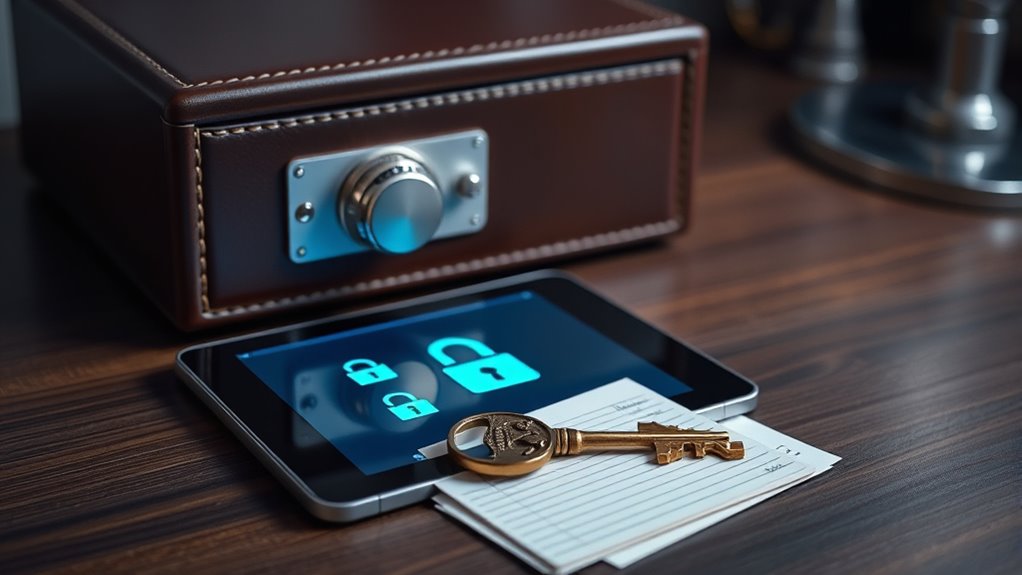
Securing and storing your login credentials is a crucial step in digital estate planning, ensuring that your digital assets remain accessible to trusted individuals when needed. Use strong, unique passwords for each account, and update them regularly. Store these credentials in a secure location, such as an encrypted digital vault or password manager. Clearly label and organize your login details to avoid confusion later. Share access information only with trusted executors or heirs, and consider using multi-factor authentication for added security. Keep an updated inventory of your digital accounts, including usernames and passwords. Regularly review and revise your storage method to adapt to new accounts or security best practices.
| Digital Asset Type | Recommended Storage Method |
|---|---|
| Financial Accounts | Encrypted password manager |
| Social Media Accounts | Secure digital vault |
| Email Accounts | Physical safe with backup copies |
| Cryptocurrency Wallets | Hardware wallet or encrypted file |
| Business Assets | Trusted digital estate service |
Documenting Your Digital Wishes and Instructions

To guarantee your digital assets are handled according to your wishes, you need to clearly document your digital asset list, including usernames, passwords, and account details. Specify how you want access to be granted or restricted, and outline your preferences for handling each account or file. This clarity helps your trusted contacts manage your digital estate smoothly and according to your intentions.
Detail Digital Asset List
Creating a detailed digital asset list is a crucial step in digital estate planning because it guarantees your online possessions are properly identified and accounted for. This list helps ensure your heirs can access, manage, or close accounts according to your wishes. To create an effective list, include key details like account names, URLs, associated email addresses, and login information. Keep this information secure and accessible only to trusted individuals. Consider organizing your list by categories such as financial, social media, personal, and business assets. Regular updates are essential as accounts evolve. A thorough list minimizes confusion, speeds up asset transfer, and reduces the risk of digital assets being lost or inaccessible after your passing. Proper documentation simplifies estate execution and preserves your digital legacy.
Specify Access Instructions
Documenting your digital wishes and instructions guarantees your online assets are handled according to your preferences after you’re no longer able to manage them. Clearly specify what should happen to each account—whether it’s to be preserved, transferred, or deleted. Include detailed instructions for digital content that holds sentimental or monetary value, like photos, videos, or cryptocurrencies. Identify who should have access and under what circumstances, and specify any restrictions or special considerations. Use clear language and organize instructions logically to avoid confusion. Keep this documentation updated as your digital presence evolves. Share these instructions securely with your trusted executor or digital trustee, ensuring they understand your wishes and can act accordingly when the time comes.
Outline Handling Preferences
Outlining your handling preferences involves specifying exactly how you want your digital assets managed after you’re no longer able to do so. You need to document your wishes clearly to guide your executor or trusted contacts. This includes whether accounts should be preserved, transferred, or deleted. By setting these instructions, you prevent confusion and ensure your digital legacy aligns with your values.
- Decide if social media accounts should be memorialized, transferred, or removed
- Outline procedures for managing cryptocurrencies or valuable digital collectibles
- Specify any restrictions on sharing or deleting personal content
- Provide instructions for handling business-related digital assets and intellectual property
Clear handling preferences protect your digital estate and give your loved ones peace of mind during a difficult time.
Managing Cryptocurrencies and Blockchain Assets
Managing cryptocurrencies and blockchain assets requires careful planning to guarantee access and transfer after death. You need to securely store private keys, seed phrases, or hardware wallets, ensuring trusted individuals can access them when needed. Use encrypted digital vaults or password managers to keep this sensitive information safe and organized. Document your wallet addresses, exchange accounts, and key recovery methods clearly within your estate plan. Consider appointing a digital executor or trusted advisor familiar with cryptocurrencies to oversee transfers. Regularly update your asset inventory to reflect new holdings or changes in access details. Remember, legal and service provider restrictions may affect transferability, so verify that your digital estate plan aligns with platform policies. Proper management preserves your crypto assets’ value and ensures they reach your beneficiaries seamlessly.
Navigating Legal and Privacy Considerations

Managing legal and privacy considerations is crucial because digital assets are often protected by complex laws and platform policies that can hinder access and transfer. You need to understand jurisdictional differences, as laws vary across regions, affecting inheritance and privacy rights. Service providers’ terms of service may restrict account access after death, requiring careful planning. Privacy laws can limit third-party access, emphasizing the importance of clear instructions and legal tools. Failing to navigate these issues can lead to lost assets or legal disputes.
- Be aware of regional legal differences affecting digital inheritance
- Review platform policies on legacy contacts and account access
- Use legal mechanisms like digital trusts to clarify asset transfer
- Keep updated on evolving privacy laws impacting digital estate management
Leveraging Technology for Secure Asset Management
Leveraging technology is essential for securing digital assets effectively and ensuring they remain accessible when needed. Using the right tools helps you protect passwords, private keys, and sensitive information from theft or loss. Secure password managers, encrypted vaults, and multi-factor authentication strengthen your defenses. Regularly updating your digital inventory and sharing access instructions with trusted individuals guarantees seamless transfer or access.
| Tool | Benefit |
|---|---|
| Password Managers | Safely store and generate strong passwords |
| Encrypted Vaults | Protect sensitive data from unauthorized access |
| Two-Factor Authentication | Adds an extra security layer for online accounts |
| Digital Trusts | Facilitates legal transfer of digital assets |
| Secure Backup Solutions | Ensures data recovery in case of device failure |
Communicating Your Digital Estate Plan With Loved Ones

Effective communication of your digital estate plan is vital to guarantee your loved ones understand your wishes and can access your digital assets when necessary. Without clear instructions, they might struggle to locate passwords or interpret your intentions, leading to delays or loss of assets. To ensure smooth transfer, share key details openly and securely with trusted individuals. Consider creating a dedicated document or using a secure method to communicate your plan.
Clear, secure communication of your digital estate plan ensures loved ones can access assets and understand your wishes.
- Designate a trusted person as your digital executor or contact.
- Share access instructions and passwords in a secure, organized manner.
- Explain your wishes for handling specific digital assets, like social media or cryptocurrencies.
- Regularly review and update your communications to reflect changes in your digital estate.
Regularly Reviewing and Updating Your Digital Plan

Regularly reviewing and updating your digital estate plan is essential to guarantee it remains accurate and effective as your digital landscape evolves. Technology changes fast, and new accounts or assets may appear. Set a schedule—annually or after major life events—to revisit your plan. Update passwords, account details, and asset lists to reflect current information. Confirm that your digital executor understands your wishes and has access to necessary tools. Use the table below to track key updates:
| Asset Type | Last Review Date | Next Scheduled Review |
|---|---|---|
| Social Media | ||
| Financial Accounts | ||
| Digital Files | ||
| Crypto Wallets | ||
| Business Assets |
Staying proactive ensures your digital legacy remains protected and aligned with your intentions.
Frequently Asked Questions
How Do I Choose the Right Digital Executor for My Estate?
To choose the right digital executor, pick someone tech-savvy, trustworthy, and comfortable managing online assets. They should understand the importance of privacy, security, and your wishes. Make certain they’re willing to handle digital accounts responsibly and follow your instructions. Discuss your digital estate plan with them beforehand, so they’re prepared. Ideally, select someone who is organized, reliable, and understands the legal aspects of digital asset management.
What Are the Best Tools to Securely Store Digital Keys?
You should use secure password managers or encrypted digital vaults to store your digital keys. Unlike simple notes or spreadsheets, these tools employ robust encryption and are designed specifically for sensitive information, providing peace of mind and easy access when needed. Their user-friendly interfaces make managing multiple passwords simple, while advanced security features protect your keys from hacking, ensuring your digital assets remain safe and accessible for your estate plan.
How Can I Ensure My Digital Assets Are Legally Inheritable?
You can guarantee your digital assets are legally inheritable by creating a thorough estate plan that includes digital assets, designating a digital executor, and clearly documenting your wishes. Consult with an estate planning attorney familiar with digital laws, use legal tools like digital trusts, and update your plan regularly. Make certain your instructions comply with service providers’ policies, and inform trusted individuals so they can act when needed.
What Steps Should I Take if a Service Disallows Legacy Contacts?
If a service disallows legacy contacts, you should first review their policies and terms of service. Then, consider using a secure password manager to store your login details and include instructions for your executor. You might also set up a digital vault or trust specifically for your digital assets. Finally, consult an estate planning attorney to explore legal options for transferring access or ownership, ensuring your digital assets are protected.
How Often Should I Update My Digital Estate Plan?
You should review and update your digital estate plan at least annually or whenever you experience significant changes—like new accounts, password updates, or digital assets. Regular updates guarantee your information stays current and your wishes are accurately reflected. Additionally, revisit your plan after major life events, such as marriage, divorce, or the passing of loved ones, to keep your estate plan thorough and effective.
Conclusion
Just as Robin Hood safeguarded his treasures, you must protect your digital estate with care and foresight. By understanding, documenting, and updating your plan, you guarantee your digital legacy endures beyond your lifetime. Think of it as leaving behind a treasure map, guiding loved ones through your digital world when they need it most. Stay vigilant and proactive—your digital estate is your modern legacy, waiting to be preserved with wisdom and diligence.