

Ambient computing creates intelligent rooms that respond seamlessly to your presence and routines. As you enter, sensors detect your activity and adjust lighting, temperature, or music automatically. Devices communicate through an interconnected system, learning your habits to optimize comfort and efficiency. The environment adapts in real time, making your home feel intuitive and effortless. If you continue exploring, you’ll discover how this technology transforms everyday living into a more natural and personalized experience.
Key Takeaways
- Ambient computing enables rooms to automatically adjust lighting, temperature, and other settings based on occupant presence and routines.
- Devices in responsive environments communicate seamlessly through IoT, creating a cohesive and adaptive living space.
- Sensors and AI algorithms detect activity patterns to anticipate needs and automate environmental adjustments.
- The technology offers a natural, unobtrusive experience by eliminating manual controls and enabling intuitive interactions.
- Future developments will enhance responsiveness, energy efficiency, and personalization in smart, ambient-computing-enabled rooms.

Ambient computing refers to a seamless integration of technology into your environment, allowing devices to work together intelligently and unobtrusively. Imagine a smart home where everything responds effortlessly to your presence and preferences. Your lights dim when you settle onto the couch, the temperature adjusts to your ideal comfort level, and your favorite music starts playing without you lifting a finger. This level of automation is made possible through IoT integration, where various devices and sensors communicate smoothly, creating a cohesive ecosystem that adapts in real time.
When your home is equipped with ambient computing, the focus shifts from manually controlling devices to an experience that feels natural and intuitive. For example, motion sensors detect when you enter a room, and your smart lighting automatically turns on at the perfect brightness, eliminating the need to hunt for switches. The system understands your routines—if you usually read in the evening, the lights adjust accordingly without you needing to set anything up. It’s not just about convenience; it’s about creating a responsive environment that anticipates your needs.
Smart home technology becomes more than just connected devices; it becomes a living, breathing part of your daily life. IoT integration ensures that your thermostat, security cameras, smart locks, and even appliances work together seamlessly. They communicate through a central hub or cloud platform, which learns your habits and fine-tunes the environment over time. If you’re running late from work, your smart home can prepare by adjusting the heating and opening the front door as you approach. This interconnectedness offers peace of mind, energy efficiency, and increased comfort.
With ambient computing, your home becomes a proactive space rather than a reactive one. It recognizes patterns—like when you typically wake up—and adjusts the blinds, plays your morning playlist, or starts brewing coffee accordingly. Such responsiveness is powered by advanced sensors and AI algorithms that interpret your actions and preferences. You don’t need to give commands or manually set preferences; the environment adapts on its own, making your daily routines smoother and more personalized.
In essence, ambient computing transforms your living space into a smart environment that works quietly behind the scenes. IoT integration makes this possible by connecting devices into a unified network. The result is a home that’s not just smart but also sensitive and adaptive, offering a level of comfort and convenience that feels almost magical. As technology advances, these intelligent environments will continue to evolve, becoming even more intuitive and tailored to your lifestyle. Incorporating sensor technology enhances the system’s ability to recognize subtle cues and improve responsiveness.

OIYN Smart RGBICW LED Corner Floor Lamp 2 Pack – 16 Million DIY Colors, 68+ Scenes, Music Sync, App & Remote Control, Color-Changing Ambient Lighting for Living Rooms, Bedrooms, and Gaming Rooms
Dynamic RGBICW Color Technology:Unleash your creativity with our RGBICW LED floor lamp, offering customizable colors for each segment…
As an affiliate, we earn on qualifying purchases.
As an affiliate, we earn on qualifying purchases.
Frequently Asked Questions
How Secure Are Ambient Computing Environments From Cyber Threats?
Ambient computing environments can be quite secure if you implement strong measures like data encryption and threat detection. Encryption protects your data from unauthorized access, while threat detection helps you identify and respond to cyber threats quickly. However, no system is completely foolproof. You should regularly update your security protocols and stay informed about new vulnerabilities to keep your environment as safe as possible from cyber threats.
What Are the Privacy Implications of Responsive Room Technology?
You might feel comfortable with responsive room technology, but it raises privacy concerns. As your environment collects data to personalize your experience, it impacts your data privacy. You need to guarantee that devices only use your information with clear user consent. Without proper safeguards, your personal habits could be exposed or misused, making it essential to stay informed and control how your data is shared in these intelligent spaces.
Can Ambient Computing Be Integrated Into Existing Smart Home Systems?
Yes, you can integrate ambient computing into your existing smart home systems, but you might face some integration challenges and compatibility issues. Make sure your current devices support the new technology and check for compatibility updates. You may need to update software or add hubs to ensure seamless communication. Careful planning and choosing compatible products will help you create a smooth, responsive environment that works well with your current setup.
What Are the Cost Considerations for Implementing Ambient Room Technology?
Thinking about diving into ambient room tech? Brace yourself for a wild ride of cost analysis and equipment expenses. You’ll need to budget for sensors, smart devices, and perhaps a few gadgets you didn’t know existed. It’s not cheap, but hey, who needs a vacation when your room can practically run itself? Just remember, the initial investment might make you wish you’d stuck to regular smart home gear.
How Accessible Are Ambient Computing Solutions for Differently-Abled Users?
You’ll find that ambient computing solutions are increasingly accessible for differently-abled users through assistive technology and inclusive design. These systems often incorporate voice control, tactile interfaces, and customizable features to meet diverse needs. Developers prioritize usability and accessibility, making it easier for everyone to interact comfortably. As a result, ambient rooms become more inclusive, empowering all users to benefit from responsive environments tailored to their abilities.

Creative DIY Microcontroller Projects with TinyGo and WebAssembly: A practical guide to building embedded applications for low-powered devices, IoT, and home automation
As an affiliate, we earn on qualifying purchases.
As an affiliate, we earn on qualifying purchases.
Conclusion
As you step into a room that responds like a trusted friend, it becomes more than just space—it’s a heartbeat, a whisper of your presence. Ambient computing transforms your environment into a silent symphony of awareness, where each light and sound reflects your needs. It’s the gentle hand guiding you home, the open window inviting fresh possibilities. In this future, your surroundings aren’t just places—they’re living symbols of comfort, connection, and effortless harmony.

Pymeter WiFi Temperature Controller with Dual Probes, Smart Digital Thermostat with Two Outlets for Reptile Heat Mat, Greenhouse Seedlings, Homebrew Fermentation, Cooling Fan, Remote App Control
Accurate Dual‑Probe Temperature Monitoring: Two high‑precision sensors track temperatures in different spots, ideal for reptile heat mats, greenhouse…
As an affiliate, we earn on qualifying purchases.
As an affiliate, we earn on qualifying purchases.
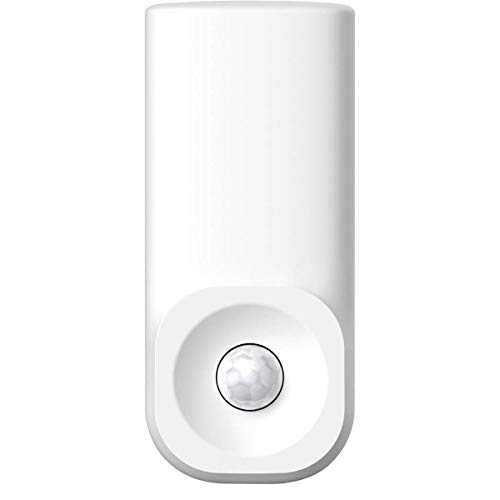
Kangaroo Home Security Motion Sensor (1 Pack)
Security for all: Got a smartphone, Wi-Fi and somewhere to monitor? Our KANGAROO motion sensor has you covered….
As an affiliate, we earn on qualifying purchases.
As an affiliate, we earn on qualifying purchases.