
TL;DR
Quantus has released an open-source mobile cold wallet that uses a spare smartphone as an offline device for storing keys and signing transactions. It currently supports the Quantus network’s QTC token and uses QR codes to transfer transaction data between the offline phone and an internet-connected device. The company describes the wallet as quantum-secure, but its security claims and broader compatibility have not been independently established in the supplied report.
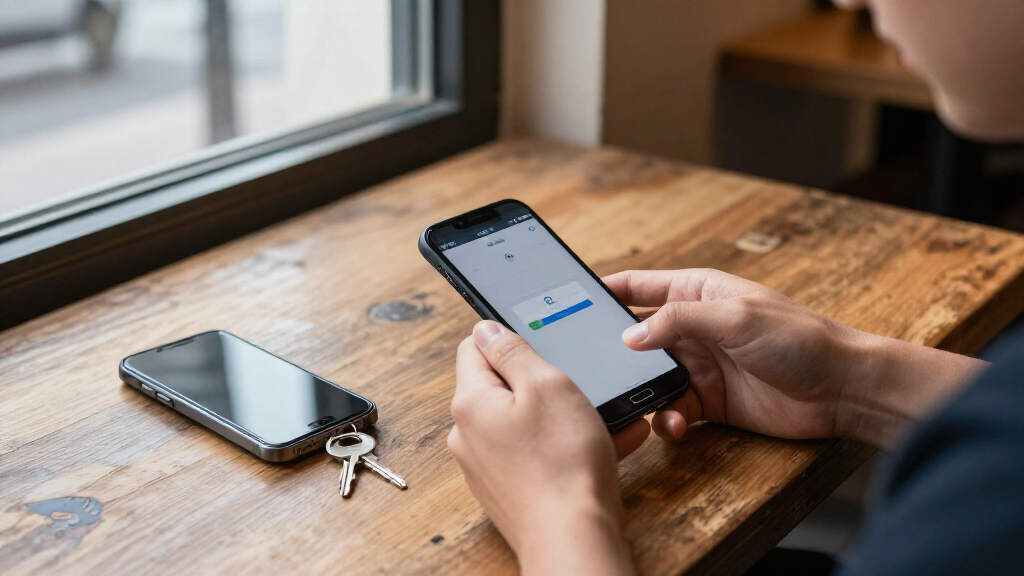
Quantus has released an open-source mobile cold wallet that turns a spare smartphone into an offline device for storing keys and approving cryptocurrency transactions, the company says. The app currently supports QTC, the native token of the Quantus network, and uses QR codes to pass transaction data between the offline phone and a separate connected device.

Get the latest gadgets delivered free with Prime
- Fast, free delivery on millions of items
- Prime Video, Amazon Music and more included
- Member-only deals all year
Quantus says the wallet stores keys in the phone’s built-in security chip and signs transactions with ML-DSA, a post-quantum digital signature standard approved by the U.S. National Institute of Standards and Technology. The company says users disable Wi-Fi and mobile data during setup and that the app will refuse to sign while a network connection is active. The supplied report does not detail how those settings are enforced across different phone models.
For a transaction, an internet-connected phone or computer prepares the request and displays it as a QR code. The offline phone scans it, decodes the transaction, and shows its amount and destination address before the user approves it. The signed transaction can then be transferred back for broadcast. Quantus says this flow is intended to reduce blind signing, in which a user approves transaction data without being able to read what it will do.
The release is available through the Apple App Store and Google Play, according to the company. Quantus says developers can also sign transactions from a laptop using a command-line tool. The report says the app can process zero-knowledge transactions, but does not provide independent test results, a list of supported devices, or performance data.
A Phone as an Offline Signing Device
The launch offers an alternative to dedicated hardware wallets: a user can repurpose a phone they already own rather than purchase a device sold specifically for storing cryptocurrency. Quantus argues that an ordinary-looking handset may attract less attention and avoid some risks tied to shipping specialist devices. Those are company arguments, not demonstrated outcomes; keeping a phone offline does not by itself resolve every physical-security or recovery risk.
The transaction preview addresses a separate concern. If the offline device accurately decodes and displays the destination and amount, users have a way to inspect key details before signing instead of trusting a potentially compromised screen on a connected device. The claimed support for ML-DSA signatures also places the wallet within preparations for possible future quantum-computing threats. That does not establish that QTC or the wallet is immune to every attack, nor does the source show an independent security audit.
Products Worth Considering

Amazon Kindle Scribe Colorsoft 64GB with Premium Pen

Sonos Five Wireless HiFi Speaker, Black

LG 27GS60QC-B Ultragear 27-inch Curved Gaming Monitor (QHD, 180Hz, 1ms, 1000R)
As an affiliate, we earn on qualifying purchases.
From Quantus Internal Tool to Public App
Quantus says it first built the wallet for its own use and has now made it publicly available. At launch, support is limited to QTC, rather than a broad list of cryptocurrencies. The app’s QR-based transfer method is designed to keep the signing phone disconnected while still allowing it to receive transaction details from, and return signatures to, an online device.
The company presents the release against reported risks involving hardware-wallet supply chains and unclear transaction approvals. The supplied report refers to a recent claim by Ledger that devices distributed through Southeast Asian reseller CryptoBilis had been intercepted, as well as a past Bybit hack involving approval of a malicious transaction. Those examples are context for Quantus’s product pitch; they do not independently establish that its own design prevents comparable incidents.
ML-DSA is a post-quantum signature standard approved by NIST, but using that algorithm is only one part of a wallet’s security. Device implementation, key handling, software updates, the transaction display, and the user’s setup all matter. The report does not provide an outside audit or describe a formal review of the app’s complete security model.
““Modern phones have secure elements that can keep a secret safe even when the device is lost. So we decided to implement our own cold wallet; a phone always disconnected from the internet is very secure.””
— Nikolaus Heger, Quantus CTO
Security Claims Await Independent Detail
The supplied report does not identify an independent security audit, publish test results, or explain how the wallet’s offline requirement is validated across iPhone and Android models. It also does not specify which devices’ security chips are supported, how users recover keys if the phone is lost or damaged, or what protections apply during setup and software updates.
Quantus’s “quantum-secure” framing refers to its use of ML-DSA, but the material does not establish that every part of the wallet, the Quantus network, or QTC is protected against all future quantum or conventional attacks. The product’s current QTC-only support is confirmed in the report; whether additional assets or networks will be added, and on what schedule, remains unknown.
Setup Guidance and Broader Support
Quantus says the app is available now on the App Store and Google Play and has published a step-by-step setup guide. Prospective users will need to check the company’s compatibility guidance and follow the offline setup process before relying on a spare phone for signing.
The report provides no announced dates for additional cryptocurrency support, independent audits, or future releases. The next useful milestones would be publication of device compatibility details, technical documentation and external security-review results; none is specified in the source material.
Key Questions
What does the Quantus Cold Wallet do?
Quantus says the app turns a spare smartphone into an offline wallet that stores keys and signs transactions. At launch, it supports QTC, the native token of the Quantus network.
How does it transfer transactions without connecting the phone?
An internet-connected phone or computer displays transaction data as a QR code. The offline phone scans and reviews the details, signs the transaction if approved, and returns the signed data for broadcast, according to Quantus.
Does the wallet support other cryptocurrencies?
The supplied report says the app currently supports QTC only. Quantus has not provided a timetable for adding other assets in the source material.
What does “quantum-secure” mean in this announcement?
Quantus says the wallet signs transactions with ML-DSA, a post-quantum signature standard approved by NIST. That specific cryptographic choice does not, by itself, establish that the entire wallet or network is immune to all attacks.
Has an independent audit confirmed the wallet’s security?
The supplied report does not identify an independent audit or provide external test results. Details about supported phones, recovery procedures and enforcement of the offline requirement are also not given.
Source: thequantuminsider.com