
The best MacBook Pro laptop for most buyers in this lineup is the 16-inch M5 Pro with 48GB of memory: it pairs substantial creative-work capacity with a large display without stepping up to the M5 Max. For a smaller everyday workstation, the 14-inch M5 with 24GB memory is a strong alternative, while the 14-inch M5 Max with a 40-core GPU and 128GB memory suits unusually demanding production workloads. The main tradeoffs are screen size and portability, how much memory and graphics power your work needs, and whether a renewed Intel model is worth its age-related compromises. Older Intel MacBook Pros may suit basic tasks on a tighter budget, but they are not equivalent to the newer Apple silicon models for performance and long-term software support. Read on for the full breakdown of all 12 options and how I would choose between them.

Get the latest gadgets delivered free with Prime
- Fast, free delivery on millions of items
- Prime Video, Amazon Music and more included
- Member-only deals all year
Complete the kit



Key Takeaways
- The 16-inch M5 Pro with 48GB memory is the most balanced pick: it offers the larger workspace and capable Pro-tier configuration without the specialized overhead of an M5 Max.
- Memory separates several otherwise similar choices. The 16-inch M5 Pro models come with 48GB or 64GB, so the extra capacity matters most for large projects and heavier multitasking, not routine office work.
- The M5 Max options serve different workloads. The 20-core GPU version is less extreme, while the 40-core GPU model with 128GB memory is aimed at intensive graphics and production tasks.
- The 14-inch M5 configurations are the practical portability picks. The 24GB model favors headroom for multitasking; the 16GB model has less memory capacity for demanding work.
- Renewed Intel models are a separate, age-sensitive choice. The 2019 and 2020 laptops can handle basic use, but their older processors, memory configurations, and uncertain remaining support make them harder to recommend as primary work machines.



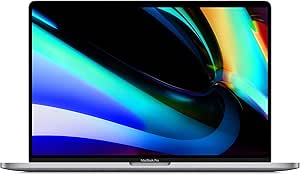


| MacBook Pro laptop | Display | Memory | Storage | Ports |
|---|---|---|---|---|
| Apple MacBook Pro 16.2-inch wi | 16.2-inch Liquid Retina XDR | 48GB unified memory | 1TB SSD | Three Thunderbolt 5, MagSafe 3, SDXC card slot, HDMI, headphone jack |
| Apple 2025 MacBook Pro 14.2-in | 14.2-inch Liquid Retina XDR | 24GB unified memory | 1TB SSD | Three Thunderbolt 4, MagSafe 3, SDXC card slot, HDMI, headphone jack |
| Apple MacBook Pro 14.2-inch wi | 14.2-inch Liquid Retina XDR | 48GB | 2TB SSD | Three Thunderbolt 5, MagSafe 3, SDXC, HDMI, headphone jack |
| Apple MacBook Pro 13-inch | 13.3-inch Retina, 2560 × 1600 | 16GB LPDDR4 | 512GB SSD | Four USB-C/Thunderbolt, headphone/microphone combo jack |
| Apple 14.2-inch MacBook Pro wi | 14.2-inch Liquid Retina XDR | 16GB unified memory | 1TB SSD | Three Thunderbolt 4, MagSafe 3, HDMI, SDXC card slot, headphone jack |
| Apple MacBook Pro 16-inch | 16-inch Retina, 3072 × 1920 | 16GB DDR4, 2666MHz | 512GB SSD | Four Thunderbolt/USB-C ports |
| Apple MacBook Pro 16.2-inch wi | 16.2-inch Liquid Retina XDR | 64GB | 1TB SSD | Three Thunderbolt 5, MagSafe 3, SDXC, HDMI, headphone jack |
| Apple MacBook Pro 16.2-inch wi | 16.2-inch Liquid Retina XDR with nano-texture | 48GB | 1TB SSD | Three Thunderbolt 5, MagSafe 3, SDXC, HDMI, headphone jack |
| Apple MacBook Pro 13-inch | 13-inch Retina, 2560 × 1600, 60Hz | 8GB DDR3 | 256GB SSD | Two Thunderbolt/USB-C ports |
| Apple MacBook Pro 14.2-inch wi | 14.2-inch Liquid Retina XDR | 128GB | 2TB SSD | Three Thunderbolt 5, MagSafe 3, SDXC, HDMI, headphone jack |
| Apple 2019 16-inch MacBook Pro | 16 inches, 3072 × 1920 | 16GB DDR4 | 1TB SSD | — |
| Apple 2024 MacBook Pro 16-inch | 16.2-inch Liquid Retina XDR, 3456 × 2234 pixels at 254 ppi | 24GB RAM | 512GB SSD in title and description; additional details list 256GB | Three Thunderbolt 5, MagSafe 3, SDXC card slot, HDMI, headphone jack |
More Details on Our Top Picks
Apple MacBook Pro 16.2-inch with M5 Pro, 18-core CPU, 20-core GPU, 48GB Memory, 1TB SSD, Wi-Fi 7, Space Black
The 16.2-inch M5 Pro is my strongest all-around pick for demanding creative work: its 18-core CPU, 20-core GPU, and 48GB of unified memory give heavy editing, large projects, and on-device AI workloads more room than the standard M5 models. Compared with the 14.2-inch M5, it offers substantially more memory, a larger workspace, Thunderbolt 5, and support for up to three external displays, making a desk-based multi-display setup easier to build. The tradeoff is portability: at 4.71 pounds, it is much heavier than the 14.2-inch options. Its 1TB SSD may also feel limiting for large local media libraries, so frequent editors may need external storage. I’d choose it for a powerful, flexible main workstation, not for a light-travel setup.
Pros:- M5 Pro with an 18-core CPU and 20-core GPU suits demanding creative and computational workloads.
- 48GB unified memory gives larger projects more headroom than the 24GB and 16GB M5 configurations.
- 16.2-inch Liquid Retina XDR display provides a larger workspace than the 14.2-inch models.
- Thunderbolt 5, Wi-Fi 7, and support for up to three external displays offer versatile workstation connectivity.
Cons:- At 4.71 pounds, it is substantially less portable than the 14.2-inch M5 laptops.
- The 1TB SSD may require external storage for large video, photo, or project libraries.
Best for: Video editors, software developers, and creative professionals who need substantial memory, a large display, and multiple external screens.
Not ideal for: Frequent travelers and buyers who prioritize a lightweight laptop; at 4.71 pounds, it is heavier than the 14.2-inch M5 models.
- Chip:Apple M5 Pro
- CPU and GPU:18-core CPU, 20-core GPU
- Display:16.2-inch Liquid Retina XDR
- Memory:48GB unified memory
- Storage:1TB SSD
- Wireless:Wi-Fi 7, Bluetooth 6
- Ports:Three Thunderbolt 5, MagSafe 3, SDXC card slot, HDMI, headphone jack
- Weight:4.71 pounds
Our verdict“Choose this M5 Pro if you want a capable large-screen MacBook Pro for demanding work and can accept its extra weight.”
Apple 2025 MacBook Pro 14.2-inch with M5 chip, 24GB memory, and 1TB SSD (Space Black)
This 14.2-inch M5 MacBook Pro is the balanced choice for buyers who want a current Pro laptop without stepping up to the larger M5 Pro configurations. Its 24GB of unified memory gives multitasking and creative apps more breathing room than the 16GB M5 version, while the 1TB SSD matches that model’s storage. Both share a bright Liquid Retina XDR display and a useful selection of built-in ports, but this configuration is the better fit for workloads that can benefit from the added memory. Compared with the 16.2-inch M5 Pro, it is easier to carry and supports up to two external displays rather than three, with less CPU and GPU capability. That makes it a sound fit for everyday professional work, though demanding 3D, video, or AI workloads may call for the M5 Pro’s extra resources.
Pros:- 24GB unified memory provides more multitasking headroom than the 16GB M5 configuration.
- 1TB SSD offers local space for active projects and files.
- 14.2-inch Liquid Retina XDR display combines a portable size with high brightness and contrast.
- Three Thunderbolt 4 ports plus HDMI, SDXC, and MagSafe 3 reduce reliance on adapters.
Cons:- The 10-core M5 CPU and GPU are less suited to sustained demanding workloads than the M5 Pro options.
- Supports up to two external displays, fewer than the 16.2-inch M5 Pro.
- At 3.41 pounds, it is heavier than many compact travel-focused laptops.
Best for: Students, consultants, and mobile professionals who run multiple apps and want extra memory without choosing a larger M5 Pro system.
Not ideal for: Power users with demanding graphics workloads or setups requiring more than two external displays; the M5 Pro models offer more capability.
- Chip:Apple M5
- CPU and GPU:10-core CPU, 10-core GPU
- Display:14.2-inch Liquid Retina XDR
- Memory:24GB unified memory
- Storage:1TB SSD
- Display brightness:Up to 1600 nits peak; 1000 nits sustained
- Ports:Three Thunderbolt 4, MagSafe 3, SDXC card slot, HDMI, headphone jack
- External display support:Up to two displays
Our verdict“Pick this configuration for a portable Pro laptop with useful memory and storage headroom for everyday professional workloads.”
Apple MacBook Pro 14.2-inch with M5 Max, 18-core CPU, 20-core GPU, 48GB Memory, 2TB SSD, Space Black
The 14.2-inch M5 Max puts a high-end chip, 48GB of memory, and a generous 2TB SSD into a smaller chassis than the 16.2-inch M5 Pro. That combination suits creators who need powerful processing and room for active files but prefer a more compact screen and footprint. Against the 14.2-inch M5 with 24GB memory, this model has a more capable chip, twice the listed storage, and support for up to four external displays, making it a better match for demanding editing or multi-monitor work. Its size is the main compromise: the 14.2-inch screen offers less workspace than the 16.2-inch M5 Pro, and the supplied data does not specify its weight. Buyers should also ask whether their workload needs this level of capacity; routine office work is better matched to the standard M5. I’d reserve this configuration for mobile power users.
Pros:- M5 Max and 48GB memory target demanding creative and AI workloads.
- 2TB SSD provides more built-in project space than the 1TB configurations in this lineup.
- 14.2-inch form factor is more compact than the 16.2-inch M5 Pro.
- Thunderbolt 5 connectivity and support for up to four external displays suit complex desk setups.
Cons:- The smaller 14.2-inch screen offers less working area than the 16.2-inch M5 Pro.
- Its high-capacity configuration is excessive for buyers focused on routine browsing, documents, and video calls.
- The supplied product data does not specify weight, limiting direct portability comparisons.
Best for: Mobile video professionals, developers, and creators who need a Max-class chip, 48GB memory, 2TB of storage, and several external displays.
Not ideal for: General office users and light creators who would not use the extra chip, memory, storage, or display capacity; the standard M5 is a more fitting configuration.
- Chip:Apple M5 Max
- CPU and GPU:18-core CPU, 20-core GPU
- Display:14.2-inch Liquid Retina XDR
- Memory:48GB
- Storage:2TB SSD
- Wireless:Wi-Fi 7, Bluetooth 6
- Ports:Three Thunderbolt 5, MagSafe 3, SDXC, HDMI, headphone jack
- External display support:Up to four displays
Our verdict“Choose this compact M5 Max for demanding work on the move when 2TB of internal storage matters more than a larger screen.”
Apple MacBook Pro 13-inch (2020) 2.0 GHz Intel Core i5, 16 GB RAM, 512 GB SSD, Space Gray – Renewed
This renewed 2020 Intel MacBook Pro is the specialist pick for buyers whose software or setup depends on an older Intel Mac, rather than a direct rival to the current M5 models. Its 13.3-inch Retina display, 16GB of RAM, and 512GB SSD cover everyday tasks, and the four USB-C/Thunderbolt ports offer useful wired connectivity. Compared with the 14.2-inch M5 MacBook Pro, though, its Intel Core i5 and Intel Iris Plus graphics provide less headroom for demanding creative work, while the newer model offers a brighter XDR display and a 12MP Center Stage camera. This older model’s appeal rests on its compact size and Intel compatibility. The renewed condition can mean cosmetic wear, and its integrated graphics make it a poor fit for modern GPU-heavy workflows. I’d choose it only when Intel compatibility is a real requirement.
Pros:- 13.3-inch Retina display provides a sharp 2560 × 1600 resolution in a compact size.
- 16GB LPDDR4 RAM and a 512GB SSD support everyday multitasking and local files.
- Four USB-C/Thunderbolt ports provide flexible wired connectivity.
- Listed battery life is up to 10 hours, and the keyboard includes a fingerprint reader.
Cons:- Intel Iris Plus integrated graphics are a weak fit for demanding graphics and video workloads.
- As a renewed product, the unit may show cosmetic wear.
- Its older Intel hardware lacks the performance and newer display features of the M5 models.
Best for: Buyers who need a compact MacBook Pro for basic tasks or have a specific Intel-dependent app, accessory, or workflow.
Not ideal for: Video editors, 3D artists, and buyers seeking a current MacBook Pro for demanding work; its older Intel processor and integrated graphics are limiting.
- Processor:2.0 GHz Intel Core i5
- Memory:16GB LPDDR4
- Storage:512GB SSD
- Display:13.3-inch Retina, 2560 × 1600
- Graphics:Intel Iris Plus Graphics
- Battery life:Up to 10 hours
- Ports:Four USB-C/Thunderbolt, headphone/microphone combo jack
- Weight:3.1 pounds
Our verdict“Consider this renewed Intel model only if its older platform fits your software needs and you can accept lower graphics performance.”
Apple 14.2-inch MacBook Pro with M5, 10-core CPU and GPU, 16GB Memory, 1TB SSD, Space Black
This 14.2-inch M5 is the straightforward entry point to the current MacBook Pro family: it pairs a 10-core CPU and GPU with a sharp Liquid Retina XDR display, a 1TB SSD, and a practical built-in port selection. Compared with the 24GB M5 configuration, it has 8GB less unified memory, so it is a less comfortable fit for running several demanding creative apps or large projects at once. The trade is a simpler configuration for buyers whose workload is mostly documents, web apps, calls, and moderate creative tasks. It shares the 24GB model’s support for up to two external displays and its 3.41-pound weight, so it is not the lightest choice for daily commuting. I’d choose this version when 16GB memory is enough and the 1TB SSD matters more than extra multitasking capacity.
Pros:- M5 10-core CPU and GPU suit everyday work and moderate creative tasks.
- 1TB SSD gives more internal storage than a basic-capacity setup.
- Liquid Retina XDR display offers high peak and sustained brightness.
- Thunderbolt 4, MagSafe 3, HDMI, and SDXC provide flexible connections without relying solely on adapters.
Cons:- 16GB unified memory provides less headroom than the 24GB M5 configuration.
- Supports up to two external displays, fewer than the M5 Pro and M5 Max options.
- At 3.41 pounds, it is not especially light compared with smaller, non-Pro laptops.
Best for: Students, remote workers, and everyday Mac users who want a current MacBook Pro with 1TB of storage and do not run many memory-intensive apps.
Not ideal for: Developers, editors, and heavy multitaskers who regularly work with large projects; the 24GB M5 configuration offers more memory headroom.
- Chip:Apple M5
- CPU and GPU:10-core CPU, 10-core GPU
- Display:14.2-inch Liquid Retina XDR
- Memory:16GB unified memory
- Storage:1TB SSD
- Display brightness:Up to 1600 nits peak; up to 1000 nits sustained
- Ports:Three Thunderbolt 4, MagSafe 3, HDMI, SDXC card slot, headphone jack
- Weight:3.41 pounds
Our verdict“Choose this M5 configuration for everyday work and a 1TB SSD, but opt for the 24GB version if your apps or projects need more memory.”
Apple MacBook Pro 16-inch (Late 2019), 2.6GHz Intel Core i7, 16GB RAM, 512GB SSD, Space Gray (Renewed)
I’d choose this renewed 16-inch MacBook Pro for a buyer who wants a spacious Retina workspace and dedicated graphics in an Intel-based Mac. Its six-core Core i7, 16GB of RAM, and Radeon Pro 5300M make it better suited to older Intel-native creative apps and moderate graphics work than the renewed 13-inch 2019 MacBook Pro, which has integrated graphics and only 8GB of memory. The larger 3072 × 1920 display also gives timelines and side-by-side windows more room. The tradeoffs are its age, renewed condition, and 4-pound listed weight; its 90-day warranty offers less coverage than many buyers may want for a primary work computer. I’d skip it for demanding new AI workloads or buyers seeking current-generation performance and portability.
Pros:- Six-core Intel processor and 16GB RAM offer more headroom than the renewed 13-inch 2019 model.
- 16-inch, 3072 × 1920 Retina display provides generous working space.
- Radeon Pro 5300M dedicated graphics can help with compatible graphics workloads.
- Four Thunderbolt/USB-C ports allow multiple peripherals and displays.
Cons:- Renewed condition and a 90-day warranty add ownership uncertainty.
- Older Intel platform is a weaker fit for current-generation performance and AI workloads.
- At 4 pounds, it is less convenient to carry than the 13-inch renewed option.
Best for: Buyers who need a large-screen Intel MacBook Pro for legacy macOS software, office work, or moderate creative tasks.
Not ideal for: Travel-heavy professionals and users running demanding modern video, 3D, or on-device AI workloads.
- Model year:2019
- Processor:2.6GHz 6-core 9th-generation Intel Core i7
- Memory:16GB DDR4, 2666MHz
- Storage:512GB SSD
- Display:16-inch Retina, 3072 × 1920
- Graphics:AMD Radeon Pro 5300M, 4GB GDDR6
- Ports:Four Thunderbolt/USB-C ports
- Weight:4 pounds
- Condition and warranty:Renewed; 90 days
Our verdict“Choose this renewed 16-inch model if a large display and Intel compatibility matter more than current-generation speed, lighter weight, or a longer warranty.”
Apple MacBook Pro 16.2-inch with M5 Pro, 18-core CPU, 20-core GPU, 64GB Memory, 1TB SSD, Space Black
This configuration stands out for professionals whose work benefits from 64GB of memory but does not call for the M5 Max’s larger GPU tier. Against the 48GB M5 Pro nano-texture model in this roundup, it offers more memory for large projects, simultaneous applications, and demanding on-device workloads, while keeping the same 18-core CPU and 20-core GPU class. The 16.2-inch Liquid Retina XDR display, Thunderbolt 5 connections, HDMI, and SDXC slot make it a capable desktop replacement with fewer adapter needs. I’d weigh that capability against the listed 9.1-pound weight, which is a substantial burden for regular commuting. Buyers focused on GPU-intensive work may be better served by the 14.2-inch M5 Max with its 40-core GPU, while many everyday users will not need 64GB.
Pros:- 64GB memory gives demanding multitasking and large project files more room.
- 18-core M5 Pro CPU and 20-core GPU suit professional creative workloads.
- Liquid Retina XDR display pairs a large workspace with high contrast.
- Thunderbolt 5, HDMI, and SDXC provide a flexible port selection.
Cons:- Listed weight of 9.1 pounds makes it a poor match for frequent travel.
- The M5 Pro’s 20-core GPU is less suited to GPU-heavy work than the M5 Max 40-core option.
- 64GB of memory may be unnecessary for typical office and school workloads.
Best for: Video editors, software developers, and researchers who keep large projects or many memory-intensive applications open.
Not ideal for: Frequent travelers and buyers whose workloads fit comfortably within a lower-memory M5 Pro configuration.
- Processor:Apple M5 Pro, 18-core CPU
- Graphics:20-core GPU
- Display:16.2-inch Liquid Retina XDR
- Memory:64GB
- Storage:1TB SSD
- Ports:Three Thunderbolt 5, MagSafe 3, SDXC, HDMI, headphone jack
- Wireless:Wi-Fi 7, Bluetooth 6
- Camera:12MP Center Stage
- Weight:9.1 pounds
Our verdict“Pick this 16-inch M5 Pro when 64GB of memory and a large display matter more than carrying comfort or the M5 Max’s stronger graphics tier.”
Apple MacBook Pro 16.2-inch with M5 Pro, 18-core CPU, 20-core GPU, 48GB Memory, 1TB SSD, Nano-Texture Display, Space Black
I’d put this version on the list for people who want the M5 Pro’s professional performance but have a workspace where screen reflections are a persistent distraction. Its nano-texture Liquid Retina XDR display is the main distinction from the 64GB M5 Pro model: that other configuration has more memory, while this one prioritizes the display finish. Both list an 18-core CPU, 20-core GPU, and 1TB SSD, so the choice comes down to memory needs and viewing conditions rather than a different processor tier. The 48GB memory still suits substantial creative projects, though buyers handling unusually large workloads may prefer the 64GB alternative. Its listed 9.9-pound weight is a major portability drawback, and the product data does not specify a battery-life figure, so I would not choose it primarily for mobile work.
Pros:- Nano-texture finish is aimed at reducing distracting reflections in bright environments.
- M5 Pro with an 18-core CPU and 20-core GPU supports demanding professional work.
- 48GB memory and a 1TB SSD provide substantial capacity for projects and applications.
- Thunderbolt 5, HDMI, and SDXC support a broad range of peripherals.
Cons:- Listed weight of 9.9 pounds is especially burdensome for a 16-inch laptop.
- Has less memory than the 64GB M5 Pro configuration in this roundup.
- The provided specifications do not state a battery-life estimate.
Best for: Creative professionals working near windows or under bright lighting who want a large M5 Pro display with reduced reflections.
Not ideal for: Frequent commuters, buyers who need the highest memory capacity in this M5 Pro pair, or anyone seeking a lighter laptop.
- Processor:Apple M5 Pro, 18-core CPU
- Graphics:20-core GPU
- Display:16.2-inch Liquid Retina XDR with nano-texture
- Memory:48GB
- Storage:1TB SSD
- Ports:Three Thunderbolt 5, MagSafe 3, SDXC, HDMI, headphone jack
- Wireless:Wi-Fi 7, Bluetooth 6
- Camera:12MP Center Stage
- Weight:9.9 pounds
Our verdict“Choose this model over the 64GB M5 Pro version when reflection control matters more to your work than the extra memory.”
Apple MacBook Pro 13-inch (2019), Intel Core i5, 8GB RAM, 256GB SSD, Space Gray (Renewed)
This is the most compact and modestly equipped choice here, suited to buyers who mainly need a familiar macOS laptop for everyday tasks. At 2.6 pounds, it is easier to carry than the renewed 16-inch 2019 model, but its 8th-generation Core i5, 8GB of RAM, and 256GB SSD leave much less room for heavy multitasking or large media libraries. The 13-inch Retina display, True Tone, and Touch ID give it useful everyday conveniences; the larger renewed 16-inch model is the stronger pick for sustained creative work, thanks to its 16GB of RAM and dedicated graphics. Two Thunderbolt/USB-C ports also mean accessories may require a hub. Since it is renewed and carries a 90-day limited warranty, I’d reserve it for basic workloads rather than long-term professional use.
Pros:- 2.6-pound listed weight makes it easier to carry than the renewed 16-inch alternative.
- Retina display with True Tone supports comfortable everyday viewing.
- Touch ID provides convenient fingerprint-based access.
- 256GB SSD offers faster local storage than a traditional hard drive.
Cons:- 8GB RAM can constrain multitasking and demanding applications.
- 256GB storage may fill quickly with large files and media libraries.
- Only two Thunderbolt/USB-C ports can require a hub for peripherals.
- Renewed condition and a 90-day limited warranty bring added ownership risk.
Best for: Students and mobile users who want a lightweight MacBook Pro for writing, browsing, video calls, and basic productivity.
Not ideal for: Editors, developers, or multitaskers who need more memory, storage, ports, or graphics performance.
- Model year:2019
- Processor:1.4GHz 8th-generation Intel Core i5
- Memory:8GB DDR3
- Storage:256GB SSD
- Display:13-inch Retina, 2560 × 1600, 60Hz
- Graphics:Intel Iris Plus Graphics 645
- Ports:Two Thunderbolt/USB-C ports
- Weight:2.6 pounds
- Condition and warranty:Renewed; 90-day limited warranty
Our verdict“Choose this renewed 13-inch MacBook Pro for basic tasks and easy carrying, but step up to the 16-inch renewed model for heavier creative workloads.”
Apple MacBook Pro 14.2-inch with M5 Max, 18-Core CPU, 40-Core GPU, 128GB Memory, 2TB SSD, Space Black
This is the performance-first pick for buyers who need substantial graphics capacity and unusually large memory in a 14.2-inch MacBook Pro. The M5 Max 40-core GPU, 128GB of memory, and 2TB SSD make it the most specialized option in this group for demanding creative and AI workloads. Compared with the 16.2-inch M5 Pro models, it trades screen area for a higher GPU tier and much greater memory capacity; it also lists support for up to four external displays. The Liquid Retina XDR panel reaches a stated peak brightness of 1600 nits, and the Thunderbolt 5, HDMI, and SDXC ports reduce the need for adapters. This much capacity may be excessive for routine productivity, and the provided data does not state a weight, so buyers should verify carry requirements before choosing it as a travel workstation.
Pros:- 40-core M5 Max GPU targets demanding graphics, video, and AI workloads.
- 128GB memory supports large projects and memory-intensive applications.
- 2TB SSD offers substantial onboard storage for professional files.
- Thunderbolt 5, HDMI, and SDXC provide flexible connections, with support for up to four external displays.
Cons:- The 14.2-inch screen provides less built-in workspace than the 16.2-inch M5 Pro models.
- Its high memory and GPU capacity may go unused in routine office or school tasks.
- The supplied specifications do not list a weight, limiting portability comparisons.
Best for: AI developers, 3D artists, and video professionals who need high memory capacity and a powerful GPU in a 14.2-inch display size.
Not ideal for: Everyday users who will not use the GPU and memory headroom, or buyers who prioritize a larger built-in screen.
- Processor:Apple M5 Max, 18-core CPU
- Graphics:40-core integrated GPU
- Display:14.2-inch Liquid Retina XDR
- Display brightness:Up to 1600 nits peak; up to 1000 nits sustained
- Memory:128GB
- Storage:2TB SSD
- Ports:Three Thunderbolt 5, MagSafe 3, SDXC, HDMI, headphone jack
- Wireless:Wi-Fi 7, Bluetooth 6
- Camera:12MP Center Stage
Our verdict“Pick this 14.2-inch M5 Max when GPU performance and 128GB of memory matter more than a larger screen or everyday simplicity.”
Apple 2019 16-inch MacBook Pro, Core i9 2.3GHz, 16GB RAM, 1TB SSD, Space Gray (Renewed)
I’d choose this renewed 16-inch MacBook Pro for buyers who want a large screen and 1TB of built-in storage without needing the newest Apple silicon. Its six-core Intel Core i9 and 16GB of RAM suit general productivity and older Intel-based software, while the 3072 × 1920 display gives you room to work across documents and timelines. Compared with the 2024 16-inch MacBook Pro with M4 Pro, though, this model has integrated Intel graphics, an older platform, and less memory; it’s a weaker fit for demanding graphics work or buyers seeking a current-generation machine. The renewed condition also means you’re buying a professionally inspected pre-owned laptop rather than a new one, and the limited warranty offers less reassurance than a new purchase. Its clearest advantage here is the combination of a large display and 1TB SSD.
Pros:- 16-inch, 3072 × 1920 display provides a spacious workspace
- 1TB SSD offers ample built-in room for files and applications
- Six-core Intel Core i9 and 16GB RAM support general multitasking
- Four Thunderbolt and USB-C ports plus a headphone jack
Cons:- Integrated Intel graphics limit demanding visual and GPU-heavy workloads
- Renewed condition and limited warranty carry more ownership uncertainty than a new model
- Older Intel platform is less appealing than the 2024 M4 Pro option for buyers seeking a current-generation MacBook Pro
Best for: Buyers who need a 16-inch display and 1TB of local storage for everyday work or legacy Intel software, and are comfortable purchasing a renewed laptop.
Not ideal for: Video editors, 3D artists, and buyers who need strong graphics performance, a newer Apple silicon platform, or the certainty of a new machine.
- Model year:2019
- Processor:Intel Core i9-9880H, 2.3GHz, 6 cores
- Memory:16GB DDR4
- Storage:1TB SSD
- Display:16 inches, 3072 × 1920
- Graphics:Integrated Intel graphics
- Weight:4 pounds
- Battery life:11 hours
- Condition:Renewed; professionally inspected and tested
Our verdict“Pick this renewed Intel model if a roomy display and 1TB SSD matter more than newer silicon or graphics capability.”
Apple 2024 MacBook Pro 16-inch with M4 Pro, 24GB RAM, 512GB SSD, QWERTY Keyboard, Space Black (Renewed)
This is the stronger renewed choice for buyers who want a modern 16-inch MacBook Pro for demanding creative work, thanks to its M4 Pro chip, 20-core GPU, and 24GB of memory. The Liquid Retina XDR display, 12MP Center Stage camera, and ports including Thunderbolt 5, HDMI, and SDXC make it better equipped for current creative workflows than the 2019 Core i9 model. You also get MagSafe 3 charging and a built-in card slot, so common accessories need fewer adapters. The main caveat is storage: the title and description list 512GB SSD, but additional details say 256GB, so I would verify the actual configuration before buying. It is renewed, not new, and the 512GB listing is still less room than the 2019 model’s 1TB SSD.
Pros:- M4 Pro chip and 20-core GPU are suited to demanding creative workloads
- 16.2-inch Liquid Retina XDR display reaches up to 1600 nits peak brightness
- Thunderbolt 5, MagSafe 3, SDXC, and HDMI provide flexible connectivity
- 24GB RAM and a 12MP Center Stage camera support multitasking and video calls
Cons:- Storage listing conflicts between 512GB and 256GB, so the actual capacity needs confirmation
- Renewed condition may not suit buyers who prefer a new laptop
- Listed 512GB capacity is half the 1TB SSD in the 2019 Core i9 model
Best for: Creative professionals and power users seeking a renewed 16-inch Apple silicon MacBook Pro with a strong GPU, modern ports, and a high-end display.
Not ideal for: Buyers who need verified storage capacity, more than 512GB onboard, or a new laptop with no renewed-condition uncertainty.
- Model year:2024
- Processor:Apple M4 Pro
- GPU:Apple M4 Pro 20-core GPU
- Memory:24GB RAM
- Storage:512GB SSD in title and description; additional details list 256GB
- Display:16.2-inch Liquid Retina XDR, 3456 × 2234 pixels at 254 ppi
- Ports:Three Thunderbolt 5, MagSafe 3, SDXC card slot, HDMI, headphone jack
- Camera:12MP Center Stage
- Condition:Renewed
Our verdict“Choose this renewed M4 Pro model for modern performance and display quality, but confirm its SSD capacity before purchase.”

How We Picked
I ranked these MacBook Pros by how well each configuration fits the workloads buyers actually face: everyday productivity, mobile professional work, sustained creative projects, and high-end graphics or compute tasks. I gave greater weight to newer Apple silicon, useful memory capacity, and a configuration that avoids paying in weight or capability for power most buyers will not use. Screen size and storage also mattered because they affect daily workflow, not just specification sheets.
The ranking favors models with a convincing balance of performance, usability, and likely service life, then assigns specialized roles to the more expensive or unusually configured options. Renewed Intel models rank below current Apple silicon machines because their age and lower memory ceilings create more uncertainty for demanding software and future use. Their place depends on a buyer’s basic needs and tolerance for those limitations; they are not direct alternatives to the M5 systems.
Factors to Consider When Choosing Best MacBook Pro Laptops
Choosing among MacBook Pro configurations is less about finding the biggest specification and more about matching the machine to the work it must handle over several years. I would decide in this order: workload, memory, screen size, portability, and then the age and condition of any renewed model.
Match the chip tier to your actual workload
Start with the work you do repeatedly, not the most demanding task you might do once. Everyday writing, browsing, and routine office apps rarely justify the most powerful Max configuration. Pro-tier systems make more sense when your workload includes sustained creative projects, demanding development work, or several heavy apps at once. A Max chip is easier to justify when graphics-heavy tasks are central and benefit from its stronger GPU configuration. The common mistake is buying the highest tier for a vague sense of future-proofing while leaving its extra capability unused. If your work changes, prioritize enough memory and storage for that growth before paying for graphics power you cannot use.
Choose memory for the projects you keep open
Memory affects how comfortably a Mac handles large files, demanding apps, and several active tasks at once. The 16GB M5 configuration is better suited to lighter use than the 24GB model, while 48GB or 64GB can offer more room for sustained professional workflows. The 128GB M5 Max is a specialized choice, not an automatic upgrade for every creative buyer. Think about your heaviest regular project and whether you work with several such projects simultaneously. Buying too little memory can feel limiting sooner than choosing a slightly less powerful chip. Buying far more than your workload needs adds capability without necessarily improving your daily experience.
Pick screen size around where you work
A 16-inch display gives complex timelines, code, documents, and side-by-side windows more room, which can reduce reliance on an external monitor. That larger workspace comes with a bigger machine to carry, so frequent commuters may prefer a 14-inch model even when both offer strong performance. Screen size is not just a comfort preference: it shapes how much work you can see at once and how often you need to rearrange windows. Consider whether you mostly work at a desk, move between locations, or use an external display. The best choice is the one that fits your normal setup, rather than the largest panel you can buy. Buyers who travel often should weigh the daily carry burden against the extra screen area.
Treat storage as a workflow choice
Storage needs vary with video footage, design assets, software libraries, and how much work you keep on the laptop. A 512GB drive can suit people who rely on external storage or cloud services, but a 1TB or 2TB configuration leaves more room for active projects and local files. External drives can extend capacity, yet they add equipment to pack and manage. Before choosing, estimate how much space your current work occupies and how quickly that grows. Avoid assuming that cloud storage will always make a small drive painless; large working files may still need local space. More internal storage is most valuable when portability and access to files matter more than the flexibility of external storage.
Evaluate renewed Intel models as older machines
Renewed 2019 and 2020 MacBook Pros should be judged as used, older computers, not as lower-cost versions of the M5 lineup. Their Intel processors and configurations with 8GB or 16GB memory may be adequate for basic tasks, but they leave less room for modern demanding workflows. Check the seller’s return terms, battery condition, keyboard layout, and what the renewal process actually covers before committing. Software compatibility and future operating-system support are also relevant because the computer’s age affects how long it may remain a comfortable primary machine. A renewed Intel model can make sense for a limited task or as a secondary laptop when its condition and software needs are clear. For a long-term main computer, a newer Apple silicon configuration is the safer direction.
Pay extra only for capacity you can use
Higher-tier chips, larger memory configurations, bigger SSDs, and screen upgrades each solve different problems. Identify the one that removes a real bottleneck in your work instead of treating every upgrade as equally valuable. A buyer who edits large visual projects may benefit more from a stronger GPU, while someone juggling large codebases and apps may value memory more. The Nano-Texture Display is a screen-specific option, so its appeal depends on your lighting conditions and display preferences rather than raw processing needs. Compare configurations by the whole setup you need, including external storage or displays, not by one standout specification. This keeps a premium configuration from becoming an expensive substitute for a clearer workflow decision.
Frequently Asked Questions
Is an M5 Pro MacBook Pro enough, or should I choose an M5 Max?
For many professional workflows, an M5 Pro is the more balanced choice, especially if your work benefits from a capable processor and ample memory but does not depend heavily on graphics performance. An M5 Max is easier to justify for GPU-intensive production or other tasks that can make use of its stronger graphics configuration. The 14-inch M5 Max with a 20-core GPU is a different fit from the 40-core GPU model with 128GB memory, which is aimed at more demanding work. Think about your most frequent sustained workload, not a one-off peak task. If you cannot name a specific bottleneck the Max would address, the Pro tier is likely the more sensible fit.
Should I choose the 14-inch M5 with 16GB or 24GB of memory?
The 16GB model is suited to lighter everyday use, including typical browsing, documents, and routine apps. The 24GB version gives more breathing room when you keep many apps open or work with larger projects, which can help the laptop remain comfortable as your workload grows. Your choice should reflect the complexity of your regular work, not just the app names you use. If you expect to keep the Mac for years or often multitask heavily, the extra memory is the more forgiving configuration. If your use is simple and predictable, 16GB may be enough.
Is a renewed 2019 or 2020 Intel MacBook Pro a sensible primary laptop in 2027?
It can be sensible for basic tasks if the individual laptop is in good condition and the software you need still runs well on it. It is a weaker choice for demanding work because these models are older, use Intel processors, and include configurations with limited memory. Before buying, confirm battery health, renewal coverage, return terms, keyboard layout, and compatibility with your essential apps. Also consider how long you expect to keep the laptop, since age can limit its useful life as a main computer. For a work machine meant to handle current professional workloads, a newer Apple silicon model is the more dependable category of choice.
Does the 16-inch display justify choosing a larger MacBook Pro?
The larger display can be worthwhile if you regularly work across timelines, spreadsheets, code, or several windows and want more visible workspace without an external monitor. It may also be a better fit for a mostly stationary setup where portability matters less. A 14-inch model is easier to carry and still offers a substantial screen for mobile work. Consider how often you travel and whether you already use an external display at your desk. Choose 16 inches for the work area, not because a larger laptop is automatically more capable for your tasks.
Should I prioritize more memory, more storage, or a stronger GPU?
Prioritize the component tied to your real bottleneck: memory for large projects and heavy multitasking, storage for local files and active media, or GPU capability for graphics-heavy workloads. These upgrades solve different problems, so one cannot reliably stand in for another. Buyers with large media libraries may find extra storage more useful than a stronger chip, while a graphics professional may benefit more from the M5 Max GPU. If you are unsure, review the size of your current projects and how often your computer slows down during ordinary work. Avoid paying for a dramatic GPU upgrade when your actual constraint is too little memory or disk space.
Conclusion
For the best overall balance, I would choose the 16-inch M5 Pro with 48GB memory; it pairs a spacious display with serious capacity without moving into a specialist Max configuration. The best value for everyday professional use is the 14-inch M5 with 24GB memory, which keeps the system portable while offering more headroom than the 16GB version. For beginners and lighter workloads, the 14-inch M5 with 16GB memory is the straightforward current-generation option, provided your projects stay modest. The best premium pick for demanding graphics and production is the 14-inch M5 Max with a 40-core GPU and 128GB memory. For specific needs, choose the 64GB M5 Pro if your workload benefits from more memory, the Nano-Texture 16-inch M5 Pro if that display suits your environment, or a renewed Intel model only for basic use after checking its condition and software fit.