TL;DR

Get the latest gadgets delivered free with Prime
- Fast, free delivery on millions of items
- Prime Video, Amazon Music and more included
- Member-only deals all year
Google has published findings from classroom studies of Gemini in the UK and Italy. In a 10-week UK trial, students using AI math tutoring performed similarly to students with human tutors on platform tasks and intermediate quizzes, but the gains did not appear on standardized STAR scores. A separate Italian study reported more collaborative lessons when teachers used Gemini to plan.
Google on October 29, 2026, reported results from two studies examining Gemini in schools: a 10-week UK math-tutoring trial and a yearlong study across 31 Italian schools. The company said UK students using AI tutoring performed similarly to peers working with human tutors on platform tasks and intermediate quizzes, while Italian teachers who used Gemini to plan lessons reported more collaborative classroom activity.
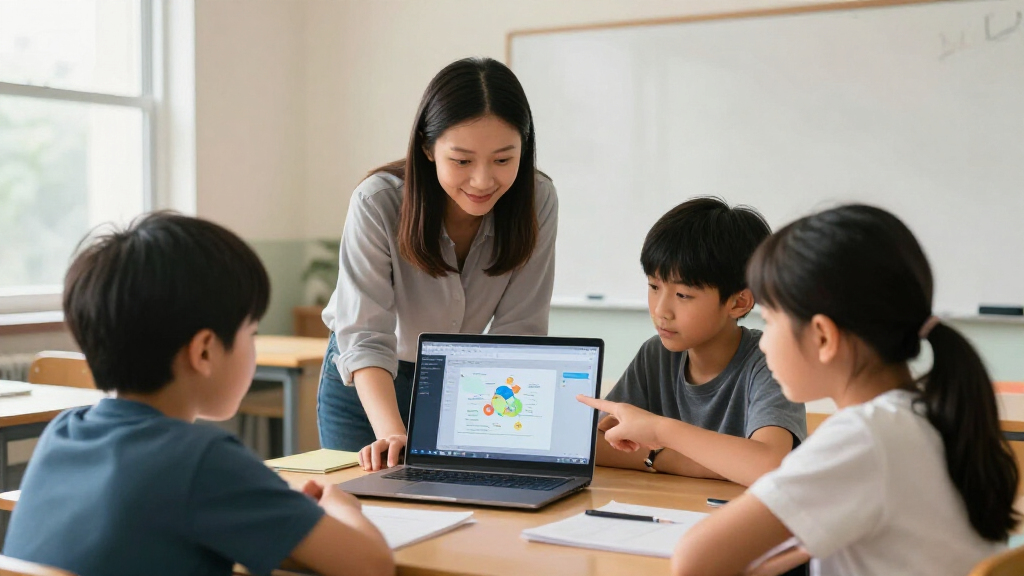
The UK randomized controlled trial involved more than 1,100 students aged 12 to 15, using Eedi’s school platform. When students answered a math question incorrectly, they received a static hint, human tutoring or interactive AI tutoring combining Eedi materials with Gemini. Teachers monitored progress, and tutors provided one-on-one support through the platform. Google said human experts reviewed every AI response in real time before it reached a student.
Google reported that expert reviewers approved 95% of Gemini’s responses, up from 76% in the previous study. In nearly 99% of sessions, the tutor guided students rather than giving them answers, according to the company; students worked through the math themselves in more than 85% of their chats. Results were similar to human tutoring on in-platform tasks and intermediate quizzes, but the study found no corresponding gains on STAR standardized test scores during the trial.
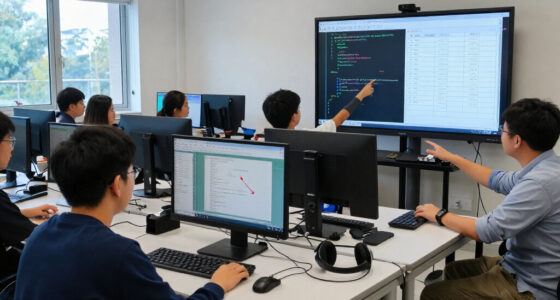
The Italian study covered 1,600 teachers and more than 24,500 students aged 13 to 18 across primary, secondary and vocational settings. Google said teachers reported feeling more creative in planning with Gemini than without it, and traditional front-of-class lectures fell by 38% in lessons co-designed with the tool. The supplied report excerpt says student-led collaborative learning nearly tripled, but does not include the remainder of the findings or further detail on how that measure was calculated.
Tutoring Gains and Classroom Collaboration
The findings address two practical questions for schools: whether AI can support students as they work through difficult material, and whether it can help teachers make more room for active learning. The UK results suggest Gemini-supported tutoring can provide a form of structured help that performed similarly to human tutoring on some measures, while the Italian study points to changes in how teachers organized lessons.
Those results do not establish that Gemini improves learning across all subjects or settings. The absence of gains on standardized STAR scores is a key qualification to Google’s more positive findings on quizzes and platform work. The Italian results also rely in part on classroom activity records and teacher self-reports, which are different kinds of evidence from a controlled test of student achievement.
Products Worth Considering

LG UltraGear 27-Inch QHD OLED Gaming Monitor, 240Hz, 0.03ms, G-SYNC Compatible, FreeSync Premium Pro, HDMI 2.1

Amazon Kindle Paperwhite Signature Edition (12th Generation, 2024), 32 GB, Metallic Black

Amazon Kindle Scribe Colorsoft 64GB (1st Generation)
As an affiliate, we earn on qualifying purchases.
How the Two Studies Were Run
Google said it spent the past year working with educators and researchers in the UK and Italy to study AI in everyday educational settings. The UK trial builds on earlier exploratory work with Eedi, whose platform was used to develop tutoring intended to identify students’ mistakes and guide them toward correcting those mistakes themselves.
In the UK trial, the tutoring approach took longer per question than a static hint. Google reported that students averaged about 14 questions per session with AI tutoring, compared with 19 using static hints. The company said the lower number of questions may have meant students covered less curriculum content during the 10-week trial, which it believes helps explain why gains on classroom tasks did not translate to the broader STAR test.
In Italy, Google worked with the Salesians of Don Bosco school network and the Pontifical Salesian University in Rome. The yearlong study gathered classroom activities and teacher self-reports about lesson planning with and without Gemini for Education. The reported results concern teachers’ planning and classroom dynamics, not a stated comparison of standardized student test scores.
“AI tutoring using Gemini capabilities can deliver support on par with human tutors for UK students when used responsibly with human oversight.”
Limits of the Current Evidence
The supplied report does not provide the full technical report, detailed statistical results or information needed to assess the size and precision of the measured effects. It also does not establish whether the UK findings would hold over a full school year, in other subjects, or in schools using different teaching methods. Google said the trial did not produce gains on STAR scores over its 10-week period.
For Italy, the available report excerpt does not include the full study results, the precise methods used to measure collaboration, or details on how schools and teachers were selected. It is therefore unclear how far the reported changes can be attributed to Gemini itself rather than other differences in lesson design or classroom practice. The studies were conducted and reported by Google and its research partners; independent replication is not described in the material provided.
Longer Trials and Further Results
Google said it is exploring follow-up UK trials that would run across a full academic year and use expanded measures to examine what contributes to learning and longer-term outcomes. Those studies could help determine whether students’ improved progress on classroom tasks eventually carries over to standardized assessments when they have more time to cover the curriculum.
The company’s post also points readers to a full technical report for more detail. Further information about the Italian study would help clarify how collaboration and teacher wellbeing were measured and whether the reported classroom changes persisted. Until those details and additional research are available, the current findings are best understood as evidence from specific school settings rather than a general measure of Gemini’s effects in education.
Key Questions
Did Gemini tutoring improve UK students’ standardized test scores?
No gains appeared on STAR standardized test scores during the 10-week trial, according to Google. Students receiving AI tutoring did perform similarly to human-tutored students on platform tasks and intermediate quizzes.
How many students took part in the UK trial?
The randomized controlled trial included more than 1,100 students aged 12 to 15, who used Eedi’s school platform for math sessions.
What did the Italian study report?
Across 31 schools, teachers who used Gemini to co-design lessons reported greater creativity in planning. Google also reported fewer traditional front-of-class lectures and nearly three times as much student-led collaborative learning, though the available report excerpt does not give further measurement details.
Were students’ AI tutoring responses checked by people?
Yes. Google said human experts reviewed every AI response in real time before it was shown to a student in the UK trial.
What research is planned next?
Google said it is exploring UK follow-up trials across a full academic year, with expanded measures of learning and eventual outcomes. The company also directs readers to its full technical report for study details.
Source: blog.google