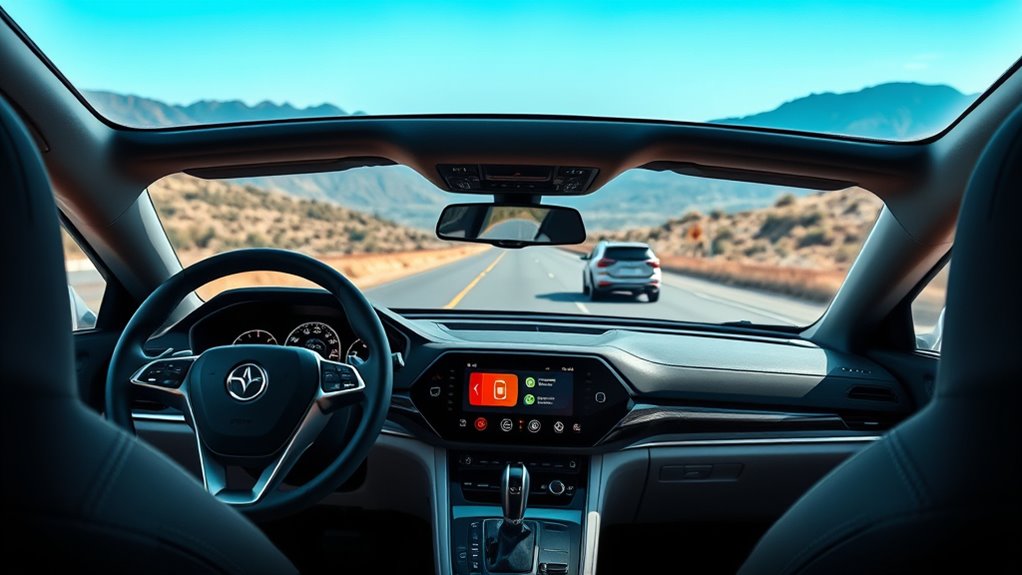

Driver-assistance levels range from basic systems like cruise control to full automation. At lower levels, you still control most driving functions, with systems offering alerts or limited assistance. As the levels increase, automation handles more tasks, with the car monitoring surroundings and even making decisions. Higher levels reduce your involvement, but understanding each stage’s capabilities and limitations is key. If you keep exploring, you’ll discover how these systems are evolving to shape safer roads.
Key Takeaways
- Driver-assistance levels range from Level 1 (basic features) to Level 5 (full automation), indicating increasing autonomy.
- Lower levels rely heavily on human oversight, while higher levels handle most driving tasks automatically.
- Features like adaptive cruise control and lane-keeping assist correspond to early automation levels.
- Higher levels of automation require sophisticated sensors and onboard systems to make decisions independently.
- Legal and safety considerations become more complex as automation levels increase.
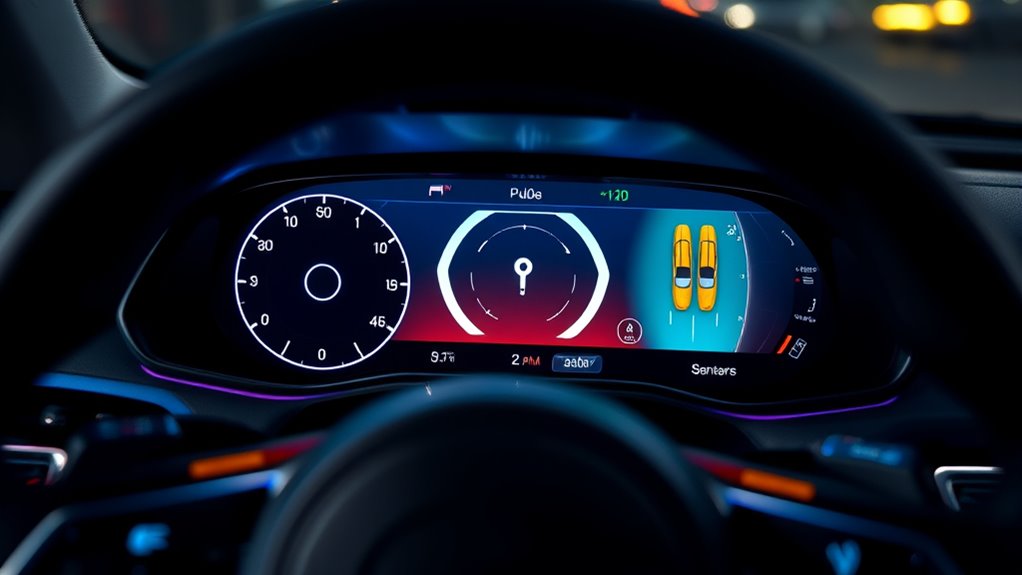
Have you ever wondered how modern vehicles assist drivers in staying safe on the road? Today’s driver-assistance systems rely heavily on sensor technology to monitor your surroundings and help prevent accidents. These sensors, including radar, lidar, cameras, and ultrasonic devices, gather real-time data about other vehicles, pedestrians, and road conditions. This information feeds into the vehicle’s onboard computer, enabling it to make split-second decisions or alert you to potential hazards. For instance, if a car ahead suddenly brakes, your vehicle’s sensors detect the change and may automatically apply brakes or alert you to respond. This seamless integration of sensor technology markedly enhances safety, but it also introduces legal implications. As these systems become more advanced, questions about liability and regulation arise. If an autonomous feature fails to prevent an accident, is the manufacturer responsible? Who’s liable if sensor malfunction leads to a crash? These are complex issues that lawmakers and regulators are actively addressing to safeguard consumer protection and clarify responsibilities.
In the early stages of driver-assistance levels, systems like adaptive cruise control or lane-keeping assist rely on sensor technology to perform specific tasks without full driver intervention. For example, adaptive cruise control uses radar sensors to maintain a safe distance from the vehicle ahead, automatically adjusting your speed. Lane-keeping assist employs cameras to monitor road markings and gently steer your vehicle back if you drift unintentionally. As you move up the levels of automation, these sensors become more sophisticated, enabling the vehicle to handle more complex driving tasks. However, the legal implications grow more substantial with increased automation, especially regarding driver accountability and system limitations. If a system incorrectly interprets sensor data, resulting in an accident, determining fault can be complicated. Manufacturers might face lawsuits, and regulations may require them to update or recall vehicles to fix sensor-related issues.
Understanding the role of sensor technology helps you appreciate how these systems work and the potential risks involved. While they greatly improve safety, they’re not infallible, and legal questions about responsibility remain unresolved in many jurisdictions. As driver-assistance systems continue to evolve, staying informed about both their capabilities and legal considerations is vital. Ultimately, these technologies aim to reduce accidents and save lives, but they also challenge existing legal frameworks, prompting ongoing discussions about regulation, liability, and consumer rights. Recognizing these factors ensures you’re better prepared to use advanced driver-assistance features responsibly and safely.
Frequently Asked Questions
How Do Driver-Assistance Levels Impact Insurance Rates?
Driver-assistance levels impact your insurance rates by influencing risk assessment. As you upgrade to higher levels with advanced features, insurers often offer insurance discounts because these systems reduce the likelihood of accidents. Conversely, lower levels may not qualify for discounts, leading to higher premiums. You should check with your provider, as your specific driver-assistance features can directly affect your insurance costs and potential savings.
Are There Legal Restrictions for Using Higher-Level Driver Assistance?
Yes, there are legal restrictions for using higher-level driver assistance. You must guarantee your vehicle complies with local laws and regulations, which often specify what features are permitted and how they can be used. Regulatory compliance is essential to avoid penalties or accidents. Before using advanced driver-assistance systems, check your region’s legal restrictions to stay within the law and ensure safe, responsible driving.
Can Driver-Assistance Systems Be Overridden by the Driver?
You can typically override driver-assistance systems through manual control, but doing so may disable safety features temporarily. While some systems allow for easy overrides via steering or brake inputs, others might restrict manual inputs to guarantee safety. Remember, system overrides can compromise safety if used improperly, so stay attentive and use manual control responsibly. Always check your vehicle’s specific guidelines to understand how and when overrides are permissible.
How Reliable Are Current Driver-Assistance Technologies in Different Weather Conditions?
Current driver-assistance technologies have limitations in different weather conditions due to sensor restrictions. Heavy rain, snow, fog, or intense sunlight can impair sensors, making systems less reliable and reducing their effectiveness. You should always stay alert and avoid fully relying on these systems during adverse weather. While they improve safety, their weather adaptability isn’t perfect, so manual control remains essential for safe driving in challenging conditions.
What Are the Future Developments Expected in Driver-Assistance Systems?
In the future, driver-assistance systems will be nothing short of revolutionary, transforming your driving experience entirely. Expect autonomous vehicles powered by advanced AI integration to become commonplace, offering unparalleled safety and convenience. These systems will anticipate your needs, adapt instantly to changing conditions, and even communicate seamlessly with other vehicles. You’ll feel like you’re gliding through traffic on autopilot, but with the confidence that cutting-edge technology is keeping you safe at every turn.
Conclusion
So, next time you trust your car’s driver-assistance system, remember it’s only a level, not a superhero. While these features might seem like magic, they still require your attention and judgment. Ironically, the more advanced they get, the more you might forget how much you need to stay alert. So, enjoy the tech, but don’t let it lull you into a false sense of security—you’re still the one in charge.