

Wi-Fi sensing and radar systems in homes use existing wireless signals to detect motion, monitor environments, and enhance automation without extra sensors. These technologies help turn on lights, adjust thermostats, and improve security by tracking activity discreetly. They eliminate the need for cameras and sensors, making your home smarter and more responsive. However, privacy concerns exist since continuous monitoring can raise surveillance issues. Continue exploring to understand how to balance these innovations with your privacy and security.
Key Takeaways
- Wi-Fi sensing and radar systems detect motion and monitor environments using existing wireless signals without additional sensors.
- These technologies enable smart home automation, security, and activity recognition by analyzing signal reflections.
- Privacy concerns arise from continuous motion detection and potential data misuse, requiring transparency and user control.
- Manufacturers implement security measures and provide options to disable sensing features to protect user privacy.
- Responsible use involves understanding sensing capabilities and setting privacy boundaries to maximize benefits and minimize risks.

Wireless technology has advanced to the point where Wi-Fi signals and radar systems can do more than just connect devices—they can sense movement, monitor environments, and enhance home security. This innovation means that your home can now be smarter and more responsive, using existing wireless signals to detect motion and track activity without installing traditional cameras or sensors. When you walk into a room, your device’s Wi-Fi signals bounce off your body, allowing these systems to recognize your presence or movement. This capability can be used to turn on lights, adjust thermostats, or alert you if unexpected activity occurs. The convenience is undeniable—no need for additional sensors or invasive cameras, just leveraging what’s already there. Privacy implications are a crucial aspect to consider as these technologies become more widespread.
However, with these advancements come significant privacy concerns. Since Wi-Fi and radar-based sensing can detect motion even when not actively being monitored, questions arise about how your data is collected, stored, and used. You might not realize that your movements are being tracked continuously, raising fears of surveillance and data misuse. Homeowners and residents worry about who has access to this sensitive information and whether it could be exploited by malicious actors. It’s vital to understand that these systems operate by analyzing the signals bouncing within your home, but the line between helpful automation and intrusive monitoring can blur. As a user, you need to be aware of what data your devices gather and how it’s protected.
Manufacturers are working to address these privacy concerns by implementing stricter security protocols and offering transparency about data collection. Many systems now include options to disable motion detection or limit data sharing, giving you more control over your home’s sensing capabilities. Still, it’s essential to review privacy policies and settings regularly to guarantee your comfort and security. While the technology offers significant benefits—such as improved safety, energy efficiency, and convenience—balancing these advantages with privacy rights remains important.
As you integrate Wi-Fi sensing and radar into your home, you should stay informed about potential risks and how to mitigate them. Protecting your personal space involves understanding the technology’s capabilities and setting boundaries where possible. By doing so, you can enjoy the benefits of a smarter home without compromising your privacy. These innovations are changing how homes operate, but responsible use and awareness are key to making them work in your favor.

Hapippofa Wireless Home Security System WiFi/4G Home Alarm System with Phone APP Alert | Voice Control | No Subscription Fees | 24/7 Monitoring | Alexa Compatible
SMART CONNECTIVITY: Home security systems WiFi and 4G-enabled security system with smartphone app control and compatibility with Alexa…
As an affiliate, we earn on qualifying purchases.
As an affiliate, we earn on qualifying purchases.
Frequently Asked Questions
How Secure Are Wi‑Fi Sensing Systems Against Hacking?
Wi-Fi sensing systems can be vulnerable to hacking if not properly secured. They rely on encryption protocols to protect data, but hackers may attempt unauthorized access through weak passwords or outdated software. To stay safe, you should verify your system uses strong encryption, regularly update firmware, and change default passwords. These steps help prevent unauthorized access and keep your home Wi-Fi sensing system more secure against potential threats.
Yes, Wi-Fi radar can detect invisible or hidden objects through subtle signal interference. As you explore its capabilities, you realize it’s not just about visible items; it can sense objects behind walls or inside furniture. This technology uses object detection and analyzes signal interference patterns, revealing what’s concealed. Stay curious—this hidden world of detection could change how you see everyday environments, uncovering secrets you never thought possible.
What Are the Privacy Implications of Continuous Sensing?
Continuous sensing raises significant privacy concerns because it collects constant data about your environment and activities. You might not realize how much information is gathered, risking data privacy breaches. To protect yourself, always guarantee you’re informed about data collection and give explicit user consent. Stay vigilant by reviewing privacy policies and controlling device permissions, so you maintain control over your personal data and prevent potential misuse or surveillance.
How Does Wi‑Fi Sensing Perform in Multi-Story Homes?
Wi-Fi sensing performs well in multi-story homes, using multi-story detection to identify movements across floors. However, you might face signal interference from walls, furniture, or electronic devices, which can affect accuracy. To improve performance, make certain your Wi-Fi signals are strong and consider optimizing router placement. Keep in mind that complex layouts may require additional calibration for reliable detection across different levels of your home.
Are There Health Risks Associated With Wi‑Fi Radar Use?
There are minimal health concerns associated with Wi-Fi radar use, as electromagnetic exposure remains well below safety limits set by health organizations. You’re unlikely to experience adverse effects from typical Wi-Fi sensing devices, since they emit low levels of electromagnetic radiation. However, if you have concerns about electromagnetic exposure, it’s wise to restrict prolonged close contact and stay informed about ongoing research to ensure your comfort and safety.

meross Matter Human Presence Sensor, 3-in-1 PIR & Light & mmWave Radar Motion Sensor, AI Motion Detector for Matter Smart Home Automation, Supports HomeKit, Alexa, Google, Home Assistant, 2.4GHz Wi-Fi
Radar+PIR+Light 3 in 1 sensor: Combined with PIR and millimeter wave radar, meross HomeKit motion sensor offers significant…
As an affiliate, we earn on qualifying purchases.
As an affiliate, we earn on qualifying purchases.
Conclusion
As you explore Wi-Fi sensing and radar in homes, you’ll find they’re like invisible eyes watching over your space, offering convenience and security without intrusion. These technologies transform your house into a smart, responsive environment, adapting seamlessly to your needs. Embracing them is like opening a window to the future, where everyday living becomes more intuitive and connected. With continued innovation, your home will become a living, breathing entity that understands and responds to you effortlessly.
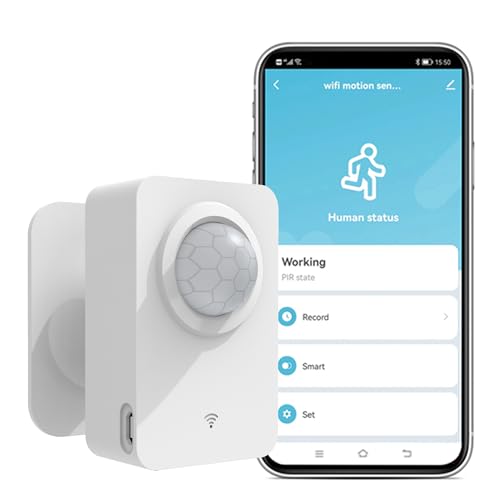
WiFi Smart Motion Sensor: Indoor PIR Motion Detector, Free App Alert, Tuya App Remote Monitor, USB & Battery Dual Power Supply, Infrared Wireless Alarm System for Home Security & Home Automation
WIFI MOTION SENSOR WITH FREE APP NOTIFICATION ALERTS: You will get real-time notification in Tuya/Smart life app once…
As an affiliate, we earn on qualifying purchases.
As an affiliate, we earn on qualifying purchases.

Smart WiFi Door and Window Sensor – Wireless Magnetic Contact Sensor with Real-Time App Alerts, Compatible with Alexa, Google Home, IFTTT – Home Security & Automation Door Window Monitor
[Note] No gateway required. When configuring a network for the Contact Window and Door Sensor, use a 2.4GHz…
As an affiliate, we earn on qualifying purchases.
As an affiliate, we earn on qualifying purchases.