
Satellite messaging on phones lets you send and receive texts via satellite networks when you’re in remote areas without cellular service. Your device connects directly to orbiting satellites, relaying your messages to ground stations that link to emergency services or the internet. This technology is essential for safety during wilderness trips, sailing, or disaster zones, offering peace of mind. Keep exploring to discover how this innovative communication method can keep you connected in any situation.
Key Takeaways
- Satellite messaging allows phones to send and receive texts via orbiting satellites instead of cellular networks.
- Devices communicate directly with satellites, relaying messages to ground stations connected to emergency or internet services.
- It is useful in remote areas without cellular coverage for safety, rescue, and emergency communication.
- Satellite messaging often involves specialized apps or devices and may require a subscription plan.
- Signal quality can be affected by environmental factors, satellite visibility, and message size, with some latency involved.
Satellite messaging on phones allows you to stay connected even in remote areas where traditional networks don’t reach. This technology relies on satellite coverage, enabling you to send and receive messages without depending on cellular towers. When you’re hiking in the mountains, sailing offshore, or exploring remote wilderness, satellite messaging guarantees you can communicate when cellular signals are unavailable. It’s an essential tool for safety and connectivity in places where conventional networks are unreliable or nonexistent.
Stay connected in remote areas with satellite messaging, ensuring safety when cellular networks are unavailable.
One of the key benefits of satellite messaging is its ability to deliver emergency alerts. If you encounter trouble—be it a medical emergency, severe weather, or other urgent situations—you can send distress messages directly via satellite. Emergency alerts are often prioritized and can be sent even when other forms of communication fail. This feature is especially indispensable for adventurers, remote workers, or travelers venturing into areas with limited or no cellular coverage. Knowing that you can alert rescue services or loved ones in critical moments provides peace of mind and enhances safety.
Unlike traditional texting, satellite messaging doesn’t require a cellular network. Instead, your device communicates directly with satellites orbiting the Earth. These satellites relay your messages to ground stations connected to the internet or emergency services. The process is designed to be simple and user-friendly, often integrated into specialized satellite communication apps or devices. Many satellite messaging services also support basic features like location sharing, which can be invaluable when coordinating emergency responses or guiding rescue teams to your position.
While satellite coverage is extensive, it’s not always as seamless as cellular networks. You might experience some latency or delays, especially when transmitting larger messages or in areas with poor satellite visibility. Still, advancements in satellite technology continue to improve reliability and speed, making satellite messaging increasingly practical for everyday use. These services are often subscription-based, with different plans depending on your needs and travel frequency.
Using satellite messaging for emergency alerts can be a lifesaver. It allows you to quickly notify authorities or contacts when traditional communication methods are unavailable. This capability is especially important in wilderness adventures, remote expeditions, or disaster-prone regions. With satellite messaging, you’re empowered with a reliable backup communication channel, ensuring that you can reach out in moments of crisis or simply stay connected with loved ones no matter where you are on the planet. Additionally, high-quality satellite communication devices often incorporate features like enhanced antenna designs and better signal processing, which can significantly improve message delivery in challenging environments.

Garmin inReach Messenger Satellite Communicator Handheld, Two-Way Global Text Messaging/Texting Device Bundle Kit with Accessories
Global Two-Way Messaging: Allows communication with friends and family via text messaging, even in areas without cellular coverage….
As an affiliate, we earn on qualifying purchases.
As an affiliate, we earn on qualifying purchases.
Frequently Asked Questions
Can Satellite Messaging Work Without a Clear Sky View?
Satellite messaging generally requires a clear sky view to work effectively, as signal obstruction from buildings, trees, or mountains can block or weaken the connection. Without good sky visibility, your messages might not send or receive promptly. So, if you’re in a dense area or surrounded by obstacles, satellite messaging may struggle. For reliable service, find an open space with minimal signal obstruction and clear sky visibility.
What Are the Costs Associated With Satellite Messaging Services?
Think of satellite messaging costs as a ticket to an exclusive adventure. You’ll typically pay a service subscription fee, which covers your access, plus message pricing per send or receive. These costs vary depending on your provider and usage, but expect monthly fees and per-message charges to keep your connection alive in remote areas. Remember, investing in satellite messaging is like buying a lifeline—worth every penny when you’re off the grid.
How Secure Is Satellite Messaging Compared to Traditional Texting?
Satellite messaging is generally more secure than traditional texting due to advanced encryption protocols that protect your data during transmission. However, it’s not invulnerable; data vulnerability still exists, especially if encryption isn’t robust or if devices are compromised. You should stay updated on security features, use strong encryption, and be cautious about sharing sensitive information, ensuring your messages remain as secure as possible in satellite communication.
Are There Any Size or Battery Constraints for Satellite-Enabled Phones?
You’ll find that satellite-enabled phones often face size and battery limitations. These devices tend to be larger to accommodate the satellite communication hardware, making them less compact than standard phones. Additionally, battery life can be shorter because maintaining a satellite connection consumes more power. So, if you’re considering a satellite phone, be prepared for a bulkier device with a battery that might need more frequent recharging to stay connected.
Will Satellite Messaging Work Internationally Across Different Networks?
Yes, satellite messaging works internationally across different networks because it offers global coverage, meaning you can send messages even outside traditional cellular networks. Your satellite-enabled phone connects directly to satellites, ensuring compatibility regardless of local network infrastructure. This allows you to communicate seamlessly no matter where you are, whether in remote wilderness or abroad, making satellite messaging a reliable solution for global connectivity.
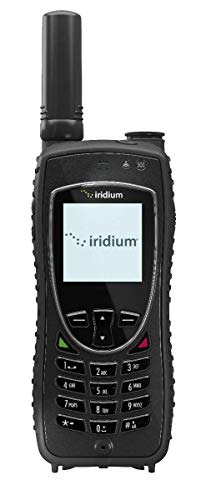
Iridium 9575 Extreme Satellite Phone with Prepaid and Postpaid SIM Cards
Military-grade durability (MIL-STD 810F) Highest Ingress Protection (IP) rating in the industry (IP65)
As an affiliate, we earn on qualifying purchases.
As an affiliate, we earn on qualifying purchases.
Conclusion
As you now understand how satellite messaging works, the real question remains: when will it become your everyday lifeline? With technology advancing rapidly, staying connected beyond traditional networks is no longer just a possibility—it’s on the horizon. Will you be ready when the moment arrives? The future of communication could hinge on this silent, yet powerful, shift. Keep watching, because what’s coming next might just change how you stay connected forever.
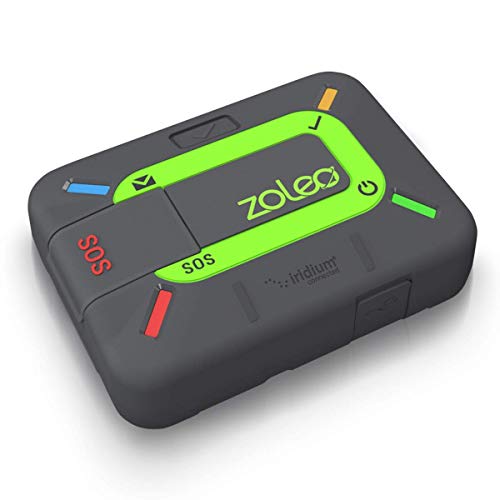
ZOLEO Satellite Communicator – Two-Way Global SMS Text Messenger & Email, Emergency SOS Alerting, Check-in & GPS Location – Android iOS Smartphone Accessory
Global satellite messaging: Stay connected beyond cell coverage, use ZOLEO with your smartphone to transmit text messages and…
As an affiliate, we earn on qualifying purchases.
As an affiliate, we earn on qualifying purchases.

Garmin inReach Mini 2, Lightweight and Compact Satellite Communicator, Hiking Handheld, Orange – 010-02602-00
Compact, lightweight satellite communicator enables two-way messaging and interactive SOS globally (Active satellite subscription required. Some jurisdictions regulate…
As an affiliate, we earn on qualifying purchases.
As an affiliate, we earn on qualifying purchases.