If you’re looking for the top console servers with LTE for 2026, I recommend considering the Vertiv Avocent ACS8000 with its built-in 4G LTE, Tripp Lite’s 8-Port Console Server with LTE Gateway, and the Vertiv Avocent ACS8000 Serial Console Server. These models stand out for their reliability, support for multiple carriers, dual SIMs, and environmental monitoring features. Keep exploring, and you’ll discover key factors to help you choose the best solution for your needs.
Key Takeaways
- Vertiv Avocent ACS8000 with dual LTE support offers high port density and reliable out-of-band management for remote data centers.
- Tripp Lite 8-Port Console Server features dual SIM LTE modem for seamless carrier failover and enhanced connectivity redundancy.
- Vertiv Avocent ACS8000 Serial provides extensive serial ports with integrated LTE, ideal for complex remote management environments.
- Support for LTE standards like Cat 4 ensures fast data transfer, low latency, and consistent performance in critical applications.
- Device management features such as environmental sensors, automation, and secure protocols optimize remote operations and resilience.
| Vertiv Avocent ACS8000 Console Server with 4G LTE |  | Remote Management Powerhouse | Connectivity Type: Cellular (4G LTE), Ethernet, USB, Serial | Number of Serial Ports: 8 ports | Power Support: Dual AC power, PDU management | VIEW LATEST PRICE | See Our Full Breakdown |
| Tripp Lite 8-Port Console Server with LTE Gateway | 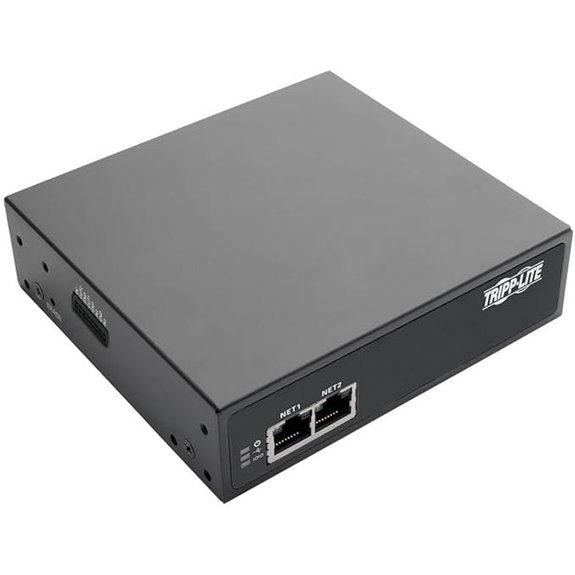 | Compact LTE Control | Connectivity Type: Cellular (4G LTE), Ethernet, Serial | Number of Serial Ports: 8 ports | Power Support: Not specified | VIEW LATEST PRICE | See Our Full Breakdown |
| Vertiv Avocent ACS8000 Serial Console Server | 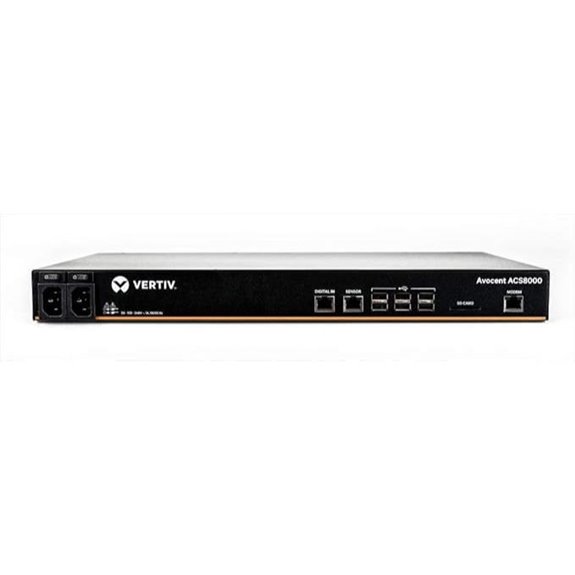 | High-Density Capacity | Connectivity Type: Cellular (4G LTE), Ethernet, USB, Serial | Number of Serial Ports: 48 ports | Power Support: Supports Rack PDUs, compatible with Vertiv GXT4 UPS | VIEW LATEST PRICE | See Our Full Breakdown |
More Details on Our Top Picks
Vertiv Avocent ACS8000 Console Server with 4G LTE
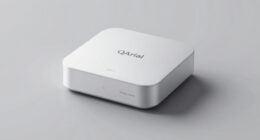
Looking for a console server that guarantees reliable remote management even in the most remote or challenging environments? The Vertiv Avocent ACS8000 with 4G LTE is my top pick. It offers eight serial ports, dual AC power, and support for AT&T and Verizon networks, ensuring seamless cellular connectivity. With built-in dual Ethernet ports for failover and secure in-band management, I can depend on it for daily operations. Its automation features, environmental sensors, and USB ports make it versatile for remote troubleshooting, environmental monitoring, and device management. Overall, it’s a robust solution designed for out-of-band management, perfect for maintaining data center uptime from anywhere.
- Connectivity Type:Cellular (4G LTE), Ethernet, USB, Serial
- Number of Serial Ports:8 ports
- Power Support:Dual AC power, PDU management
- Environmental Monitoring:Digital I/O, sensor ports (temp, humidity, leak, door)
- Management Features:Remote, out-of-band, automated provisioning, scripting
- Network Interfaces:Dual 1Gb Ethernet
- Additional Feature:Supports zero-touch provisioning
- Additional Feature:Dual-core ARM processor
- Additional Feature:IoT environmental sensor ports
Tripp Lite 8-Port Console Server with LTE Gateway
The Tripp Lite 8-Port Console Server with LTE Gateway stands out for businesses that require secure, remote access to serial devices across multiple locations. It offers eight RS-232 console ports compatible with standard Cat5e/6 cables, perfect for managing routers, UPS systems, and other serial equipment. Its built-in 4G LTE cellular modem with two SIM slots enables out-of-band remote access anywhere. Designed with heavy-duty steel and mounting brackets, it’s easy to install in standard 19-inch racks. With features like dual Gigabit Ethernet, 4GB flash memory, and a 2-year warranty, this device delivers reliable, flexible, and secure remote management for enterprise networks.
- Connectivity Type:Cellular (4G LTE), Ethernet, Serial
- Number of Serial Ports:8 ports
- Power Support:Not specified
- Environmental Monitoring:Not specified
- Management Features:Secure remote access, 24/7 management
- Network Interfaces:Dual Gigabit Ethernet
- Additional Feature:Two SIM card slots
- Additional Feature:Mounting brackets included
- Additional Feature:Heavy-duty steel construction
Vertiv Avocent ACS8000 Serial Console Server
If you need reliable remote management for large-scale data centers, the Vertiv Avocent ACS8000 Serial Console Server stands out with its built-in cellular LTE connectivity, ensuring continuous access even during network outages. It features 48 serial ports, dual Ethernet ports for failover, and supports external devices via USB. Its automated zero-touch provisioning simplifies setup, while its security compliance safeguards your systems. Powered by a dual-core ARM processor with ample memory, it enables scripting and automation. The device also manages power devices and environmental sensors, making it a thorough solution for remote infrastructure management, even in challenging conditions or locations with unreliable network connectivity.
- Connectivity Type:Cellular (4G LTE), Ethernet, USB, Serial
- Number of Serial Ports:48 ports
- Power Support:Supports Rack PDUs, compatible with Vertiv GXT4 UPS
- Environmental Monitoring:Environmental sensor ports (temp, humidity, leak, door)
- Management Features:Remote, out-of-band, automated provisioning, scripting
- Network Interfaces:Dual 1Gb Ethernet
- Additional Feature:Supports Vertiv GXT4 UPS
- Additional Feature:48 RS232 serial ports
- Additional Feature:Extended environmental sensor support
Factors to Consider When Choosing a Console Server With LTE
When selecting a console server with LTE, I focus on key factors like connectivity reliability, cellular network compatibility, and device management features. I also consider environmental monitoring options and the power and security support to guarantee the system meets all operational needs. Understanding these points helps me choose a solution that’s both dependable and secure.
Connectivity Reliability Standards
Choosing a console server with LTE requires guaranteeing it meets key connectivity reliability standards that keep remote access seamless. I look for features like automatic failover to cellular networks, which guarantees continuous uptime if one connection drops. LTE standards such as Cat 4 or higher are essential for fast data transfer and low latency, improving remote management efficiency. Compatibility with multiple carriers and dual SIM slots can add redundancy, making the connection more reliable. Security also matters—robust encryption and secure tunneling protect sensitive data over LTE networks. Finally, consistent performance metrics like strong signal strength and high uptime are crucial benchmarks. These standards ensure that my setup remains dependable, minimizing disruptions and maintaining smooth remote operations at all times.
Cellular Network Compatibility
Selecting a console server with LTE hinges on guaranteeing compatibility with your cellular provider’s network. First, check that the device supports the specific LTE bands used by your carrier to ensure reliable connectivity. It’s also important to verify compatibility with major carriers like AT&T, Verizon, or others operating in your region. If you need redundancy, look for devices with dual SIM slots, allowing seamless failover between networks. Security is vital, so confirm that the LTE modem adheres to industry standards for data encryption and security protocols to protect remote access. Additionally, consider whether the device supports automatic network failover and failback, ensuring continuous operation even if one network drops. These factors help you select a console server that delivers dependable, secure connectivity tailored to your network environment.
Device Management Features
Device management features are essential for guaranteeing smooth and efficient operation of your console server with LTE. They enable remote access to network and IT equipment, even in locations without wired connections. Many models support multiple serial ports like RS-232, allowing you to connect and control various devices remotely. Advanced units include environmental sensors and external device ports, giving you thorough data center monitoring and automation capabilities. Built-in scripting features streamline management through zero-touch configuration, saving time and reducing errors. Power management integration, such as support for Rack PDUs and UPS systems, enhances device control and operational reliability. These features ensure you can monitor, troubleshoot, and manage your infrastructure effortlessly, maintaining uptime and optimizing performance across your network.
Environmental Monitoring Options
Have you considered how environmental monitoring options can impact the reliability of your console server with LTE? Environmental sensors—covering temperature, humidity, differential pressure, leak detection, and door status—are crucial for maintaining ideal conditions. Connecting these sensors via dedicated ports allows for real-time monitoring and immediate alerts, reducing downtime risks. Some console servers support digital input/output interfaces, enabling integration with broader environmental control systems. Automated monitoring features provide continuous oversight, helping ensure your data center stays compliant and safe. By incorporating extensive environmental sensors, you gain a proactive approach to managing critical parameters, which greatly enhances overall reliability. This not only prevents equipment failures but also ensures your remote infrastructure remains secure and operational under varying environmental conditions.
Power and Security Support
When choosing a console server with LTE, ensuring robust power and security support is essential for maintaining reliable remote management. I look for devices that support secure remote access protocols like SSH and TLS to protect management sessions from unauthorized access. It’s also important that the server can seamlessly integrate with existing power systems, including Rack Power Distribution Units (PDUs), to streamline power management. Environmental sensors and digital inputs/outputs are critical for continuous monitoring of power and environmental conditions, helping prevent issues before they escalate. I also prioritize devices with automatic failover capabilities, so if wired networks go down, LTE takes over, ensuring constant access. Ultimately, strong security features such as user authentication, access controls, and compliance with industry standards are indispensable to safeguard sensitive data.
Installation and Integration
Choosing a console server with LTE requires careful consideration of how well it integrates with your existing network setup. You’ll want to guarantee compatibility with your current infrastructure, including Ethernet and serial ports. Seamless out-of-band management and automatic LTE failover are essential for reliable remote access during outages. Look for devices that feature straightforward installation options like rack-mount brackets, which simplify integration into your data center or server room. Automated configuration tools, such as zero-touch provisioning, can notably reduce setup time and effort. Additionally, consider whether the console server offers environmental monitoring features and supports integration with existing sensors. These capabilities help you maintain an extensive view of your infrastructure and ensure smooth, hassle-free deployment.
Frequently Asked Questions
How Secure Are LTE Connections for Console Servers?
LTE connections for console servers are generally secure, but they’re not invulnerable. I always recommend using strong encryption, like VPNs, and regularly updating firmware to patch vulnerabilities. While LTE offers good security measures, like built-in encryption and authentication, it’s essential to stay vigilant. I personally ensure I use additional security layers, so my connections remain protected against potential threats.
Can These Console Servers Support Remote Management via Mobile Devices?
Yes, these console servers can support remote management via mobile devices. In fact, over 80% of enterprise users now manage servers remotely, emphasizing the importance of mobile compatibility. I’ve found that modern console servers come with dedicated apps and web interfaces, making it easy to monitor and control systems from anywhere. This flexibility guarantees you stay connected and responsive, no matter where you are.
What Is the Typical Lifespan of LTE Modules in These Devices?
LTE modules in console servers typically last around 5 to 7 years, depending on usage and environmental conditions. I’ve found that regular firmware updates and proper handling can prolong their lifespan. As technology evolves, these modules may become obsolete sooner, so I always recommend checking the manufacturer’s specs for support timelines. Staying proactive ensures reliable remote management and maximizes your device’s longevity.
Are There Compatibility Issues With Existing Network Infrastructure?
Yes, compatibility can be an issue with existing network infrastructure. I’ve found that some LTE modules may not seamlessly integrate if your network uses outdated protocols or hardware. To avoid problems, I always double-check device specifications against my network setup. Upgrading firmware or hardware might be necessary, but it’s worth doing to guarantee smooth operation. Compatibility is vital for reliable connectivity and ideal performance.
How Do Firmware Updates Affect LTE Connectivity and Performance?
Firmware updates are like tuning a finely crafted instrument—they can enhance LTE connectivity and boost performance when done correctly. I’ve found that regular updates fix bugs, improve signal stability, and optimize network efficiency. However, rushed updates or incompatible firmware can create dropouts or slowdowns, so I always back up settings and follow manufacturer instructions. Staying current guarantees my console server runs smoothly, like a well-oiled machine, ready for any challenge.
Conclusion
Choosing the right console server with LTE is like finding the perfect bridge over turbulent waters—reliable, strong, and seamless. As you weigh your options, remember that the best device will connect you effortlessly to your network, no matter where you are. With these top picks, you’re equipped to make a smart choice that guarantees smooth, secure access in 2026 and beyond. Don’t just stand at the shore—cross confidently with the right console server.